

Bhagavad Gītā · Chapter 16 · Daivāsura Sampad Vibhāga Yoga
द्वौ भूतसर्गौ लोकेऽस्मिन् दैव आसुर एव च
दैवो विस्तरशः प्रोक्त आसुरं पार्थ मे श्रृणु
dvau bhūtasargau loke'smin daiva āsura eva ca|daivo vistaraśaḥ prokta āsuraṃ pārtha me śrṛṇu||
Word meanings
अस्मिन् = in this
लोकं = in this world
द्वौ = two
एव = indeed
भूतसर्गौ = creations of beings
दैवः = divine
च = and
आसुरः = demoniac
दैवः = the divine
विस्तरशः = in detail
प्रोक्तः = has been declared
पार्थ = O Pārtha
मे = from me
आसुरम् = the demoniac
शृणु = hear
Translation
There are only two types of men in this world, Arjuna,—the one possessing a divine nature and the other possessing a demoniac disposition. Of these, the type possessing a divine nature has been dealt with at length; now hear in detail from Me about the type possessing demoniac disposition.
Commentary
The commentators seated around this verse
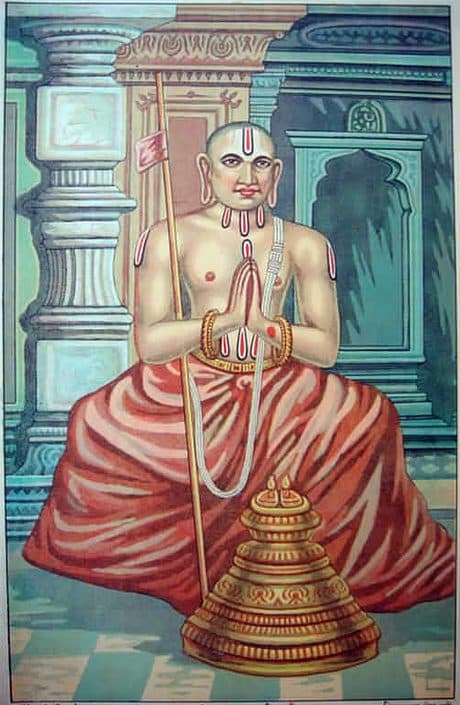
Rāmānuja · Viśiṣṭādvaita
English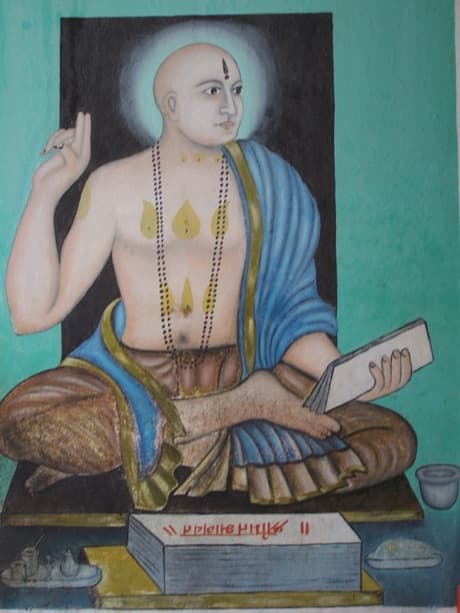
Madhvācārya · Dvaita
SanskritEnglishOn verses 16.4–16.7
“देवीम्, सम्पदमभिजातः, प्रतिजातः |” - Associated with divine endowments. This is the purport.

Jñāneśvar · Vārkarī
English6 "There are two (types of) created beings in this world: the Divine as also the Demoniac. The Divine has been already stated in detail: now hear of Me the Demoniac, O Son of Pṛthā. (271)
The flow of actions on the part of beings, pertaining to the two classes, the Divine and the Demoniacal Estates, is wending its course from time immemorial. The night-wanderers (viz. the ghostly orders, etc.) do their business during the night, while the human orders transact their business during the day: in that way, Oh Kirīti, the Divine and Demoniacal orders both transact their business in their own respective ways. The Divine (Estate) has been referred to earlier in detail while discoursing on knowledge etc. Now I discourse on the Demoniacal world to which do lend your attentive ear. There can neither be (musical) sound without a musical instrument, nor any fragrance without flowers: in that way the Demoniacal nature does not become perceptible by itself alone, unless it has pervaded any body-form. But when the Demoniac, once gets hold of the body of any being, it is seen ruling over it in the way the fire pervades the entire dry wood (it has consumed). It then goes on expanding as the body grows, in the way the juice of sugar-cane increases as the cane grows in its size. I tell you now, Oh Dhananjaya, the signs of beings that are possessed by the Demoniacal group of sins.
Swami Ramsukhdas · Modern
English'Dvau bhūtasargau loke'smindaiva āsura eva ca'—The Lord declares, that here are two types of beings—the divine and the demon-like. He means to say, that all beings have a sentient portion of Him, and the other insentient one of prakṛti (matter)
* Once a sage being perturbed said to me, "I have no faith in the Gītā, what will happen to me? Because the Lord in the Gītā has declared that he who is devoid of discriminative insight, has no faith, is of a sceptical nature, perishes." I asked him, "In which book is it mentioned that a man who has no faith, perishes?" He replied, "In the Gītā." Then I said, "When you are getting perturbed by reading the Lord's utterance in the Gītā, then is it not your faith in the Gītā?" Hearing this, he was pleased.
(Gītā 10/39; 18/40). When the sentient has an inclination for the insentient, a person develops demoniac nature, but when he having a disinclination for matter, is inclined towards the Lord, divine nature is aroused in him.
The term 'Deva', denotes God. So all the means, which are conducive to God-realization are known as, divine endowments (nature). As He is eternal and imperishable, so the methods of His realization are also eternal (Gītā 4/1).
The term 'Bhūta, includes—human beings, gods, demons, beasts, birds, insects, moths, plants, creepers, evil spirits etc. But human beings, have a discrimination to renounce, demoniac nature. So they should renounce it, totally. As soon as, they remove it, divine nature is automatically revealed in them.
It is mentioned in the scriptures, that human beings possess both the divine and demoniac natures. Even the cruelest butcher, possesses kindness, because a person being the fragment of the Lord, possesses divine nature automatically; while he develops demoniac nature in him, because of his attachment, for the perishable. Strivers, who follow a spiritual path, from their hearts, feel hurt, when they find demoniac nature, in them and they try to get rid of it. But strivers, who in spite of being engaged in devotion and adoration, hanker after worldly pleasure and prosperity, are not strivers indeed, because even the vilest sinner automatically possesses, both divine and demoniac natures.
A point needs special attention. A person, performs actions according to his egoism and his actions strengthen his egoism. 'I am truthful'—this conviction is centred in man's ego, and so he speaks the truth, and this truth strengthens his egoism, that he is true. Thus, he cannot tell a lie. But a person, who regards himself as worldly and hankers after worldly pleasure and prosperity, tells a lie and thinks, that in the modern world falsehood, is inevitable and indispensable. So, having such feelings in his 'ego', he regards it, impossible to get rid of evil and vice.
A man, being a fragment of God, has virtuous feelings, while having feelings of egoism, and attachment, he develops evils. But evil feelings cannot destroy virtuous feelings totally, because the latter are real and the real, never ceases to be (2/16). On the contrary, evil feelings are born of bad company and whatever is born, is surely to perish, because the unreal has no existence (2/16). A person, whose aim is God-realization arouses virtuous feelings, and performs virtuous actions, and so his evil feelings, disappear. But he, whose aim is, to enjoy worldly pleasure and prosperity, develops evil feelings and performs evil actions, his good feelings are covered.
The term 'Loke'smin', denotes that a person, gets several rights, on this earth. On this earth, particularly, India is the most pious land. Even the gods praise, persons who are born, in India. They are more blessed than the gods, because, the gods, have a yearning for the good fortune of human life, which the Lord having been pleased, has offered human being in India. A man, can attain salvation only, in this human life. So he should arouse divine nature, cautiously. The Lord, by His special grace, has granted this human body. The Lord has also offered men all the resources, including discrimination, to attain salvation. So the term 'Loke'smin', specially denotes human beings. But the Lord, is equally present in all beings (Gītā 9/29). Where there is God, there is His divine nature. So the expression 'Bhūtasargau', has been used. It means, that all beings can follow the spiritual path.
Human beings, who are absorbed in evil actions, are more guilty than those of sinful births—pariah, beasts, birds, insects and moths etc., because the latter, being purified of sins as a result of their past actions are going towards higher births, while the former are degrading themselves, by committing new sins. But the Lord, declares that even such sinners by worshipping Him, with exclusive devotion, can attain eternal peace (9/30-31). Similarly, the most sinful of all sinners, crossing all sins by
a raft of knowledge, can attain salvation (4/36). It means, that when even the vilest sinner, can attain salvation, and those of sinful births, can also attain salvation. So the term 'Bhūta' (beings), has been used.
There are several incidents, which show that besides human beings other beings, such as birds and beasts etc., also possess divine nature.* Several dogs, are heard observing fasts. At Gorakhpur, a black dog accompanied a group of devotees, who chanted the Lord's name and sat at place, where divine discourses were held. At Svargāśrama, Rṣikeśa, a snake was seen under a banyan tree. A saint asked it to stay, and he narrated the whole of the Gītā. The snake listened to it calmly. When the text was over, the snake disappeared and was never seen again. Thus birds and animals also possess, divine nature, because of past impressions, but they, unlike human beings, have no
* In Śāntiparva, a section of the epic, Mahābhārata there is a story. Śakunīlubdhaka was a hunter, who used to kill birds and beasts. One day he could get nothing to eat, by hunting. Suddenly the sky was overcast and there was a downpour. So he sat under a tree. On that tree, there lived a couple of pigeons. Both of these had flown away to pick up food. The female pigeon flew back earlier, because she got drenched. She was shivering and so she fell down. The hunter put her into his cage. The pigeon came back and finding his partner missing, began to lament. Hearing his wail she said, 'My lord, why are you lamenting? You should discharge your duty, by welcoming a guest by removing his cold and satisfying his hunger. I am lying here in the cage.' Hearing her words, the pigeon gathered dry leaves and wood, brought a burning stick and put it on the dry leaves. The hunter got warmth. He said to the pigeon, 'I am hungry. What should I do?' The pigeon said, 'You are my guest. I shall make arrangement to satisfy your hunger.' He thought over it and finding no other remedy, he took three rounds of fire and jumped into it. Seeing his sacrifice, the hunter thought that he was very cruel and sinful, while the bird was virtuous. He determined never to commit such sins, in future. So he freed the she pigeon. She lamented over the death of her husband, and finding herself alone, jumped into the fire. A celestial car, moving in the air arrived, and both of the pigeons, went to heaven.
Seeing both of them going in the celestial car, the hunter threw his weapon away and decided to be engaged in devotion and adoration, which led him to salvation.
discrimination, to develop divine traits.
A human being, has been bestowed upon this human body, so that he may protect all the moving and unmoving beings, such as beasts, birds, herbs, plants and creepers etc., and specially the Sāttvika, animals, birds and herbs etc., because these develop divine nature, in us. The cow is sacred and adorable. Its churned butter, is used in sacrifice (yajña) which causes rain. Rain produces food, from which living beings come forth. Out of those beings, human beings, need bullock for farming. These bullocks are born of cows. Butter and milk of cows, nourish our body and mind. So we should protect the cow as mother. Similarly, herbs remove diseases and nourish the body. So, we should also protect these, so that our life may be pure, here and hereafter.
'Daivo vistaraśaḥ proktah'—Lord Kṛṣṇa, declares that He has described divine nature, at length. In this chapter, He has described the twenty-six signs (nine in the first verse, eleven in the second verse and six in the third verse) of him, who is endowed with divine nature. He has also described it, in the signs of him who has transcended, the three modes of nature (14/22—25), (in the twenty virtues of Jñāna (knowledge or wisdom) (13/7—11), in the marks of a God-realized devotee (12/13—19), in the marks of a Karmayogī (6/7—9) and in the marks of a man of steadfast wisdom) (2/55—71).
'Āsuraḥ partha me śṛṇu'—The Lord, asks Arjuna to hear from Him, in detail, the nature of demoniac beings (Asura), who are given to sensuous life.
Appendix—The divine and the demoniac—the creation of these two kinds of beings is worldly because it is in the human world. In the unworldly entity both these don't exist. The means are both—worldly and unworldly but the end is unworldly only. The unworldly entity is all pervading, endless and limitless. The worldly entity is also within it. In fact the worldly entity has no existence. All is only unworldly. The soul has sustained the
world—'yayedam dhāryate jagat' (Gītā 7/5). It means that as long as, from the view-point of the Self, there is existence of the world, the world appears to exist. But when the existence of the world comes to an end, all remains unworldly, as it really is—'Vāsudevaḥ sarvam', 'Sadasaccāham' (viz., 'All is God', 'I am the real as well as the unreal').
Link:—Now the Lord, describes the order* of development of demoniac nature, in the next verse.
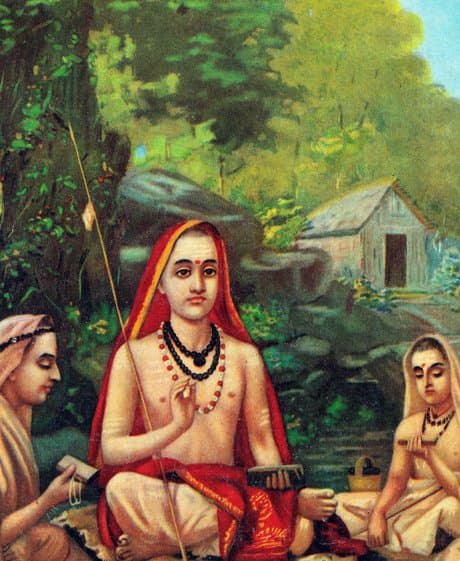
Ādi Śaṅkarācārya · Advaita
Sanskritद्वौ द्विसङ्ख्याकौ भूतसर्गौ भूतानां मनुष्याणां सर्गौ सृष्टी भूतसर्गौ सृज्येतेति सर्गौ भूतान्येव सृज्यमानानि दैवासुरसम्पद्वययुक्तानि इति द्वौ भूतसर्गौ इति उच्यते, ``द्वया ह वै प्राजापत्या देवाश्चासुराश्च'' (बृ. उ. १-३-१) इति श्रुतेः । लोके अस्मिन्, संसारे इत्यर्थः, सर्वेषां द्वैविध्योपपत्तेः । कौ तौ भूतसर्गौ इति, उच्यते -- प्रकृतावेव दैव आसुर एव च । उक्तयोरेव पुनः अनुवादे प्रयोजनं आह -- दैवः भूतसर्गः ``अभयं सत्त्वसंशुद्धिः'' (भ. गी. १६-१) इत्यादिना विस्तरशः विस्तरप्रकारैः प्रोक्तः कथितः, न तु आसुरः विस्तरशः; अतः तत्परिवर्जनार्थं आसुरं पार्थ, मे मम वचनात् उच्यमानं विस्तरशः शृणु अवधारय ॥ आ अध्यायपरिसमाप्तेः आसुरी सम्पत् प्राणिविशेषणत्वेन प्रदर्श्यते, प्रत्यक्षीकरणेन च शक्यते तस्याः परिवर्जनं कर्तुमिति --
Ādi Śaṅkarācārya · Advaita
Hindiइस संसारमें मनुष्योंकी दो सृष्टियाँ हैं। जिसकी रचना की जाय वह सृष्टि है, अतः दैवी सम्पत्ति और आसुरी सम्पत्तिसे युक्त रचे हुए प्राणी ही यहाँ भूत- सृष्टिके नामसे कहे जाते हैं।
‘प्रजापतिकी दो संतानें हैं देव और असुर’ इस श्रुतिसे भी यही बात सिद्ध होती है। क्योंकि इस संसारमें सभी प्राणियोंके दो प्रकार हो सकते हैं।
प्राणियोंकी वे दो प्रकारकी सृष्टियाँ कौन-सी हैं ? इसपर कहते हैं कि इस प्रकरणमें कही हुई दैवी और आसुरी।
कही हुई दोनों सृष्टियोंका पुनः अनुवाद करनेका कारण बतलाते हैं—
दैवी सृष्टिका वर्णन तो ‘अभयं सत्त्वसंशुद्धिः’ इत्यादि श्लोकोद्वारा, विस्तारपूर्वक किया गया। परंतु आसुरी सृष्टिका वर्णन विस्तारसे नहीं हुआ। अतः हे पार्थ! उसका त्याग करनेके लिये, उस आसुरी सृष्टिको, तू मुझसे—मेरे वचनोंसे विस्तारपूर्वक सुन, यानी सुनकर निश्चय कर
Jñāneśvar · Vārkarī
Marathiआणि दैवां आसुरां । संपत्तिवंतां नरां । अनादिसिद्ध उजगरा । राहाटीचा आहे ॥ २७१ ॥ जैसें रात्रीच्या अवसरीं । व्यापारिजे निशाचरीं । दिवसा सुव्यवहारीं । मनुष्यादिकीं ॥ २७२ ॥ तैसिया आपुलालिया राहाटीं । वर्तती दोन्ही सृष्टी । दैवी आणि किरीटी । आसुरी येथ ॥ २७३ ॥ तेवींचि विस्तारूनि दैवी । ज्ञानकथनादि प्रस्तावीं । मागील ग्रंथीं बरवी । सांगितली ॥ २७४ ॥ आतां आसुरी जे सृष्टी । तेथिंची उपलऊं गोठी । अवधानाची दिठी । दे पां निकी ॥ २७५ ॥ तरी वाद्येंवीण नादु । नेदी कवणाही सादु । कां अपुष्पीं मकरंदु । न लभे जैसा ॥ २७६ ॥ तैसी प्रकृति हे आसुर । एकली नोहे गोचर । जंव एकाधें शरीर । माल्हातीना ॥ २७७ ॥ मग आविष्कारला लांकुडें । पावकु जैसा जोडे । तैसी प्राणिदेहीं सांपडे । आटोपली हे ॥ २७८ ॥ ते वेळीं जे वाढी ऊंसा । तेचि आंतुला रसा । देहाकारु होय तैसा । प्राणियांचा ॥ २७९ ॥ आतां तयाचि प्राणियां । रूप करूं धनंजया । घडले जे आसुरीया । दोषवृंदीं ॥ २८० ॥
Jñāneśvar · Vārkarī
Hindi(16.271) दैव और आसुर-सम्पत्तिवान् मनुष्यों के व्यवहार का प्रसिद्ध मार्ग अनादिकाल से सिद्ध है।
(16.272) जैसे निशाचर रात्रि के समय व्यापार करते हैं और मनुष्य इत्यादि दिन के समय व्यवहार में प्रवृत्त होते हैं,
(16.273) वैसे ही हे किरीटी! संसार में दैवी और राक्षसी दोनों सृष्टियाँ अपने-अपने व्यापार के अनुसार चलती हैं।
(16.274) इनसे से देवी सम्पत्ति का वर्णन हस पीछे ज्ञानवर्णन इत्यादि प्रस्ताव के समय उत्तम रीति से विस्तार-सहित कर चुके हैं।
(16.275) अब जो आसुरी सृष्टि है वहाँ की वार्ता कहते हैं, खूब ध्यान से सुनो।
(16.276) वाद्य के बिना किसी को ध्वनि नहीं सुनाई दे सकती, अथवा पुष्प के बिना जैसे मकरन्द नहीं मिल सकता
(16.277) वैसे ही यह आसुरी प्रकृति भी एक-आध शरीर का स्वीकार किये बिना केवल अकेली गोचर नहीं होती।
(16.278) ईधन में प्रकट हुई अग्नि जैसे दिखाई देती है, वैसे ही प्राणियों के शरीर का आश्रय ले रही यह प्रकृति हाथ लगती है। (16.279) उस समय प्राणियों की देह-दशा ऐसी है जाती हो जैसी कि ईख की। ईख की बाढ़ की ही तरह उसके आन्तरिक रस की भी बाढ़ होती है।
(16.280) अब हे धनंजय! हम उन प्राणियों का वर्णन करते हैं जो आसुरी दोषों के समूह से बने हैं।
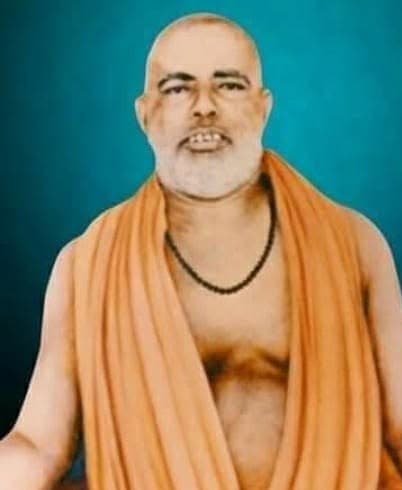
Sri Udiya Baba · Modern
Hindiसंगति— दोनों संपत्तियों का उल्लेख करके अब आसुरी सम्पत्ति का विशेष रूप से वर्णन करते हैं —
भावार्थ— हे पार्थ! इस लोक में देव और आसुर दो प्रकार के प्राणियों की सृष्टि है। उनमें देवी सृष्टि का तो विस्तार से वर्णन किया। अब आसुरी सृष्टि का वर्णन सुनो।
Swami Ramsukhdas · Modern
Hindi‘द्वौ भूतसर्गौ लोकेऽस्मिन्दैव आसुर एव च’—आसुरी-सम्पत्तिका विस्तारपूर्वक वर्णन करनेके लिये उसका उपक्रम करते हुए भगवान् कहते हैं कि इस लोकमें प्राणिसमुदाय दो तरहका है—दैव और आसुर। तात्पर्य यह है कि प्राणिमात्रमें परमात्मा और प्रकृति—दोनोंका अंश है। (गीता—दसवें अध्यायका उनतालीसवाँ और अठारहवें अध्यायका चालीसवाँ श्लोक)। परमात्माका अंश चेतन है और प्रकृतिका अंश जड़ है। वह चेतन अंश जब परिवर्तनशील जड़-अंशके सम्मुख हो जाता है, तब उसमें आसुरी-सम्पत्ति आ जाती है और जब वह जड़ प्रकृतिसे विमुख होकर केवल परमात्माके सम्मुख हो जाता है, तब उसमें दैवी-सम्पत्ति जाग्रत् हो जाती है।
‘दैव’ नाम परमात्माका है। परमात्माकी प्राप्तिके लिये जितने भी सद्गुण-सदाचार आदि साधन हैं, वे सब दैवी-सम्पदा हैं। जैसे भगवान् नित्य हैं, ऐसे ही उनकी साधन-सम्पत्ति भी नित्य है। भगवान्ने परमात्माप्राप्तिके साधनको ‘अव्यय’ अर्थात् अविनाशी कहा है—‘इमं विवस्वते योगं प्रोक्तवानहमव्ययम्’ (गीता ४। १)।
‘द्वौ भूतसर्गौ’ में ‘भूत’ शब्दसे मनुष्य, देवता, असुर, राक्षस, भूत, प्रेत, पिशाच, पशु, पक्षी, कीट, पतंग, वृक्ष, लता आदि सम्पूर्ण स्थावर-जंगम प्राणी लिये जा सकते हैं। परन्तु आसुर स्वभावका त्याग करनेकी विवेकशक्ति मुख्य-रूपसे मनुष्यशरीरमें ही है। इसलिये मनुष्यको आसुर स्वभावका सर्वथा त्याग करना चाहिये। उसका त्याग होते ही दैवी-सम्पत्ति स्वतः प्रकट हो जाती है।
मनुष्यमें दैवी और आसुरी—दोनों सम्पत्तियाँ रहती हैं—
सुमति कुमति सब के उर रहहीं।
नाथ पुरान निगम अस कहहीं॥
(मानस ५। ४०। ३)
क्रूर-से-क्रूर कसाईमें भी दया रहती है, चोर-से-चोरमें भी साहूकारी रहती है। इसी तरह दैवी-सम्पत्तिसे रहित कोई हो ही नहीं सकता; क्योंकि जीवमात्र परमात्माका अंश है। उसमें दैवी-सम्पत्ति स्वतः-स्वाभाविक है और आसुरी-सम्पत्ति अपनी बनायी हुई है। सच्चे हृदयसे परमात्माकी तरफ चलनेवाले साधकोंको आसुरी-सम्पत्ति निरन्तर खटकती है, बुरी लगती है और उसको दूर करनेका वे प्रयत्न भी करते हैं। परन्तु जो लोग भजन-स्मरणके साथ आसुरी-सम्पत्तिका भी पोषण करते रहते हैं अर्थात् कुछ भजन-स्मरण, नित्यकर्म आदि भी कर लेते हैं और सांसारिक भोग तथा संग्रहमें भी सुख लेते हैं और उसे आवश्यक समझते हैं, वे वास्तवमें साधक नहीं कहे जा सकते। कारण कि कुछ दैव स्वभाव और कुछ आसुर स्वभाव तो नीच-से-नीच प्राणीमें भी स्वाभाविक रहता है।
एक विशेष ध्यान देनेकी बात है कि अहंताके अनुरूप प्रवृत्ति होती है और प्रवृत्तिके अनुसार अहंताकी दृढ़ता होती है। जिसकी अहंतामें ‘मैं सत्यवादी हूँ’ ऐसा भाव होगा, वह सत्य बोलेगा और सत्य बोलनेसे उसकी सत्यनिष्ठा दृढ़ हो जायगी। फिर वह कभी असत्य नहीं बोल सकेगा। परन्तु जिसकी अहंतामें ‘मैं संसारी हूँ और संसारके भोग भोगना और संग्रह करना मेरा काम है’ ऐसे भाव होंगे, उसको झूठ-कपट करते देरी नहीं लगेगी। झूठ-कपट करनेसे उसकी अहंतामें ये भाव दृढ़ हो जाते हैं कि ‘बिना
झूठ-कपट किये किसीका काम चल ही नहीं सकता, जिसमें भी आजकलके जमानेमें तो ऐसा करना ही पड़ता है, इससे कोई बच नहीं सकता' आदि। इस प्रकार अहंतामें दुर्भाव आनेसे ही दुराचारोंसे छूटना कठिन हो जाता है और इसी कारण लोग दुर्गुण-दुराचारको छोड़ना कठिन या असम्भव मानते हैं।
परमात्माका अंश होनेसे सद्भावसे रहित कोई नहीं हो सकता और शरीरके साथ अहंता-ममता रखते हुए दुर्भावसे सर्वथा रहित कोई नहीं हो सकता। दुर्भावोंके आनेपर भी सद्भावका बीज कभी नष्ट नहीं होता; क्योंकि सद्भाव 'सत्' है और सत्का कभी अभाव नहीं होता—**'नाभावो विद्यते सतः'** (२।१६)। इसके विपरीत दुर्भाव कुसंगसे उत्पन्न होनेवाले हैं और उत्पन्न होनेवाली वस्तु नित्य नहीं होती—**'नासतो विद्यते भावः'** (२।१६)।
मनुष्योंकी सद्भाव या दुर्भावकी मुख्यताको लेकर ही प्रवृत्ति होती है। जब सद्भावकी मुख्यता होती है, तब वह सदाचार करता है और जब दुर्भावकी मुख्यता होती है, तब वह दुराचार करता है। तात्पर्य है कि जिसका उद्देश्य परमात्मप्राप्तिका हो जाता है, उसमें सद्भावकी मुख्यता हो जाती है और दुर्भाव मिटने लगते हैं और जिसका उद्देश्य सांसारिक भोग और संग्रहका हो जाता है, उसमें दुर्भावकी मुख्यता हो जाती है और सद्भाव छिपने लगते हैं।
**'लोकेऽस्मिन्'** का तात्पर्य है कि नये-नये अधिकार पृथ्वीमण्डलमें ही मिलते हैं। पृथ्वीमण्डलमें भी भारत-क्षेत्रमें विलक्षण अधिकार प्राप्त होते हैं। भारतभूमिपर जन्म लेनेवाले मनुष्योंकी देवताओंने भी प्रशंसा की है*। कल्याणका मौका मनुष्यलोकमें ही है। इस लोकमें आकर मनुष्यको विशेष सावधानीसे देवी-सम्पत्ति जाग्रत् करनी चाहिये। भगवान्ने विशेष कृपा करके ही यह मनुष्यशरीर दिया है—
कबहुँक करि करुना नर देही। देत ईस बिनु हेतु सनेही॥ (मानस ७।४४।३)
जिन प्राणियोंको भगवान् मनुष्य बनाते हैं, उनपर भगवान् विश्वास करते हैं कि ये अपना कल्याण (उद्धार) करेंगे। इसी आशासे वे मनुष्यशरीर देते हैं। भगवान्ने विशेष कृपा करके मनुष्यको अपनी प्राप्तिकी सामग्री और योग्यता दे रखी है और विवेक भी दे रखा है। इसलिये **'लोकेऽस्मिन्'** पदसे विशेषरूपसे मनुष्यकी ओर ही लक्ष्य है। परन्तु भगवान् तो प्राणिमात्रमें समानरूपसे रहते हैं—**'समोऽहं सर्वभूतेषु'** (गीता ९।२९)। जहाँ भगवान् रहते हैं, वहाँ उनकी सम्पत्ति भी रहती है, इसलिये **'भूतसर्गी'** पद दिया है। इससे यह सिद्ध हुआ कि प्राणिमात्र भगवान्की तरफ चल सकता है। भगवान्की तरफसे किसीको मना नहीं है।
मनुष्योंमें जो सर्वथा दुराचारोंमें लगे हुए हैं, वे चाण्डाल और पशु-पक्षी, कीट-पतंगादि पापयोनिवालोंकी अपेक्षा भी अधिक दोषी हैं। कारण कि पापयोनिवालोंका तो पहलेके पापोंके कारण परवशतासे पापयोनिमें जन्म होता है और वहाँ उनका पुराने पापोंका फलभोग होता है; परन्तु दुराचारी मनुष्य यहाँ जान-बूझकर बुरे आचरणोंमें प्रवृत्त होते हैं अर्थात् नये पाप करते हैं। पापयोनिवाले तो पुराने पापोंका फल भोगकर उन्नतिकी ओर जाते हैं और दुराचारी नये-नये पाप करके पतनकी ओर जाते हैं। ऐसे दुराचारियोंके लिये भी भगवान्ने कहा है कि यदि अत्यन्त दुराचारी भी मेरे अनन्य शरण होकर मेरा भजन करता है, तो वह भी सदा रहनेवाली शान्तिको प्राप्त कर लेता है (नवें अध्यायका तीसवाँ-इकतीसवाँ श्लोक)। ऐसे ही पापी-से-पापी भी ज्ञानरूपी नौकासे सब पापोंको तरकर अपना उद्धार कर लेता है (चौथे अध्यायका छत्तीसवाँ श्लोक)। तात्पर्य यह कि जब दुराचारी-से-दुराचारी और पापी-से-पापी व्यक्ति भी
* (१) अहो अमीषां किमकारि शोभनं प्रसन्न एषां स्विदुत स्वयं हरिः।
यैर्जन्म लब्धं नृषु भारताजिरे मुकुन्दसेवौपयिकं स्पृहा हि नः॥ (श्रीमद्भा० ५।१९।२१)
'अहो! जिन जीवोंने भारतवर्षमें भगवान्की सेवाके योग्य मनुष्य-जन्म प्राप्त किया है, उन्होंने ऐसा क्या पुण्य किया है? अथवा इनपर स्वयं श्रीहरि ही प्रसन्न हो गये हैं? इस परम सौभाग्यके लिये तो हम भी निरन्तर तरसते रहते हैं।'
(२) गायन्ति देवाः किल गीतकानि धन्यास्तु ते भारतभूमिभागे।
स्वर्गापवर्गास्मदमार्गभूते भवन्ति भूयः पुरुषाः सुरत्वात्॥ (श्रीविष्णुपुराण २।३।२४)
'देवगण भी निरन्तर यही गान करते हैं कि जिन्होंने स्वर्ग और अपवर्गके मार्गभूत भारतवर्षमें जन्म लिया है, वे पुरुष हम देवताओंकी अपेक्षा भी अधिक धन्य (बड़भागी) हैं।'
भक्ति और ज्ञान प्राप्त करके अपना उद्धार कर सकता है, तो फिर अन्य पापयोनियोंके लिये भगवान्की तरफसे मना कैसे हो सकती है? इसलिये यहाँ 'भूत' (प्राणिमात्र) शब्द दिया है।
मानवेतर प्राणियोंमें भी दैवी प्रकृतिके पाये जानेकी बहुत बातें सुनने, पढ़ने तथा देखनेमें आती हैं। ऐसे कई उदाहरण आते हैं, जिसमें पशु-पक्षियोंकी योनिमें भी दैवी गुण होनेकी बात आती है*। कई कुत्ते ऐसे भी देखे गये हैं, जो अमावस्या, एकादशी आदिका व्रत रखते हैं और उस दिन अन्न नहीं खाते। सत्संगमें भी मनुष्येतर प्राणियोंके आकर बैठनेकी बातें सुनी हैं। सत्संगमें साँपको भी आते देखा है। गोरखपुरमें जब बारह महीनोंका कीर्तन हुआ था, तब एक काला कुत्ता कीर्तन-मण्डलीके बीचमें चलता और जहाँ सत्संग होता, वहाँ बैठ जाता। ऋषिकेश-(स्वर्गाश्रम-) में वटवृक्षके नीचे एक साँप आया करता था। वहाँ एक सन्त थे। एक दिन उन्होंने साँपसे कहा 'ठहर' तो वह ठहर गया। सन्तने उसे गीता सुनायी, तो वह चुपचाप बैठा रहा। गीता पूरी होते ही साँप वहाँसे चला गया और फिर कभी वहाँ नहीं आया। (इस तरहके पशु-पक्षियोंमें ऐसी प्रकृति पूर्वसंस्कारवश
स्वाभाविक होती है।)
इस प्रकार पशु-पक्षियोंमें भी दैवी-सम्पत्तिके गुण देखनेमें आते हैं। हाँ, यह अवश्य है कि वहाँ दैवी-सम्पत्तिके गुणोंके विकासका क्षेत्र और योग्यता नहीं है। उनके विकासका क्षेत्र और योग्यता केवल मनुष्यशरीरमें ही है।
पशु, पक्षी, जड़ी, बूटी, वृक्ष, लता आदि जितने भी जंगम-स्थावर प्राणी हैं, उन सभीमें दैवी और आसुरी-सम्पत्तिवाले प्राणी होते हैं। मनुष्यको उन सबकी रक्षा करनी ही चाहिये; क्योंकि सबकी रक्षाके लिये, सबका प्रबन्ध करनेके लिये ही यह मनुष्य बनाया गया है। उनमें भी जो सात्त्विक पशु, पक्षी, जड़ी, बूटी आदि हैं, उनकी तो विशेषतासे रक्षा करनी चाहिये; क्योंकि उनकी रक्षासे हमारेमें दैवी-सम्पत्ति बढ़ती है। जैसे, गोमाता हमारी पूजनीया है तो हमें उसकी रक्षा और पालन करना चाहिये; क्योंकि गाय सम्पूर्ण सृष्टिका कारण है—'गावो विश्वस्य मातरः।' गायके घीसे ही यज्ञ होता है; भैंस आदिके घीसे नहीं। यज्ञसे वर्षा होती है। वर्षासे अन्न और अन्नसे प्राणी पैदा होते हैं। उन प्राणियोंमें खेतीके लिये बैलोंकी जरूरत होती है। वे बैल गायोंके होते हैं। बैलोंसे खेती होती है अर्थात् बैलोंसे
* महाभारतके शान्तिपर्वमें इसी प्रसंगकी एक कथा आती है। शकुनिलुब्धक नामका एक बधिक था। उसका मुख्य काम पशु-पक्षियोंको मारना ही था। एक दिन वह शिकारके लिये जंगलमें गया। दिनभर घूमता रहा, पर खानेको कुछ मिला नहीं। अकस्मात् आकाश बादलोंसे भर गया और जोरोंसे आँधी-वर्षा होने लगी। वह बधिक एक वृक्षके नीचे आकर बैठ गया।
उसी वृक्षपर दम्पती कपोत और कपोती रहते थे। चूग्गा चूगनेके लिये दोनों बाहर गये हुए थे। बरसातके कारण कपोती जल्दी आ गयी। पंख गीले होनेसे वह ठिठुरकर नीचे गिर पड़ी, तो बधिकने उसको पकड़कर अपने पिंजड़ेमें बंद कर लिया। जब कपोत घरपर आया, तो कपोतीको वहाँ न देखकर विलाप करने लगा। उसके विलापको सुनकर कपोती बोली कि 'हे प्राणनाथ! आप मेरे लिये इतना विलाप क्यों करते हैं? आप अपने कर्तव्यका पालन कीजिये। हमारे स्थानपर आये हुए अतिथिकी आप रक्षा कीजिये। अतिथिका सत्कार करना गृहस्थका खास कर्तव्य है। इसका किसी तरह जाड़ा छूटे, भूख मिटे—ऐसा आपको प्रबन्ध करना चाहिये। मैं तो पिंजड़ेमें पड़ी हूँ।' अपनी स्त्रीकी बात सुनकर कपोतने अपनी चोंचसे सूखे पत्ते एवं छोटी-छोटी सूखी लकड़ियाँ इकट्ठी कीं। फिर किसी घरसे जलती हुई लकड़ी लाकर अग्नि कर दी। वह बधिक सरदीसे ठिठुर रहा था। अग्निकी गरमीसे जब कुछ ठीक हुआ, तो उसने कपोतसे कहा कि 'मुझे भूख लग रही है, क्या करूँ?' कपोत बोला कि 'आप चिन्ता न करें। आप मेरे अतिथि हो; अतः मैं आपकी भूख मिटानेका प्रबन्ध करूँगा।' कपोतने थोड़ी देर विचार किया। परन्तु उसे अपने-आपको अग्निमें गिरानेके अलावा कोई दूसरा उपाय सूझा नहीं। अतः वह अग्निकी तीन परिक्रमा करके उसमें कूद पड़ा। उसको अग्निमें जलते हुए देखकर बधिकके मनमें विचार आया कि इस कपोतने मुझे कितना आराम दिया है! भोजनके लिये तो इसने अपने-आपको ही दे दिया है! हाय-हाय! मैं कितना क्रूर, निर्दयी पापी हूँ! यह पक्षी होकर भी इतना आदर करता है और मैं मनुष्य होकर भी ऐसा क्रूर काम करता हूँ! आजसे मैं कभी ऐसा पापकर्म नहीं करूँगा। ऐसा निश्चय करके उसने पिंजड़ेमेंसे कपोतीको छोड़ दिया। अपने पतिदेवके अभावमें वह कपोती विलाप करने लगी कि पतिदेवके बिना मैं रहकर क्या करूँगी? ऐसे विलाप करते हुए वह भी अग्निमें कूद पड़ी। इतनेमें उन दोनों (कपोत और कपोती)-को लेने विमान आया और वे दोनों उस विमानपर बैठकर स्वर्गलोकको चले गये।
उनको इस प्रकार विमानमें जाते हुए देखकर बधिकने अपने सब अस्त्र-शस्त्र फेंक दिये। उसने विचार किया कि अब मैं भजन-स्मरण करूँगा और त्याग-तपस्या करके शरीरको सुखा डालूँगा—कुछ खाऊँगा-पिऊँगा नहीं। इस तरहका विचार करके वह काँटोंसे भरे जंगलमें चला गया! काँटोंसे उसका शरीर छिल गया! आगे वनमें चारों ओरसे आग (दावानिन) लगी हुई थी। उसी आगमें घुसकर वह जलकर मर गया। अन्त समयमें भजन-स्मरण करनेसे उसकी सद्गति हो गयी।
हल आदि जोतकर तथा कुएँ आदिके जलसे सींचकर खेती की जाती है। खेतीसे अन्न, वस्त्र आदि निर्वाहकी चीजें पैदा होती हैं, जिनसे मनुष्य, पशु आदि सभीका जीवन-निर्वाह होता है। निर्वाहमें भी गायके घी-दूध हमारे खाने-पीनेके काम आते हैं। उन घी-दूधसे हमारे शरीरमें बल और अन्तःकरणमें सात्त्विक भाव बढ़ते हैं। इसी तरहसे जितनी जड़ी-बूटियाँ हैं, उनमेंसे सात्त्विक जड़ी-बूटीसे कायाकल्प होता है, रोग दूर होता है और शरीर पुष्ट होता है। इसलिये हमलोगोंको सात्त्विक पशु, पक्षी, जड़ी-बूटी आदिकी विशेष रक्षा करनी चाहिये, जिससे हमारे इहलोक और परलोक दोनों सुधर जायें।
‘दैवी विस्तारशः प्रोक्तः’—भगवान् कहते हैं कि दैवी-सम्पत्तिका मैंने विस्तारसे वर्णन कर दिया। इसी अध्यायके पहले श्लोकमें नौ, दूसरे श्लोकमें ग्यारह और
तीसरे श्लोकमें छः—इस तरह दैवी-सम्पत्तिके कुल छब्बीस लक्षणोंका वर्णन किया गया है। इससे पहले भी गुणातीतके लक्षणोंमें (चौदहवें अध्यायके बाईसवेंसे पचीसवें श्लोकतक), ज्ञानके बीस साधनोंमें (तेरहवें अध्यायके सातवेंसे ग्यारहवें श्लोकतक), भक्तोंके लक्षणोंमें (बारहवें अध्यायके तेरहवेंसे उन्नीसवें श्लोकतक), कर्मयोगीके लक्षणोंमें (छठे अध्यायके सातवेंसे नवें श्लोकतक) और स्थितप्रज्ञके लक्षणोंमें (दूसरे अध्यायके पचपनवेंसे इकहत्तरवें श्लोकतक) दैवी-सम्पत्तिका विस्तारसे वर्णन हुआ है।
‘आसुरं पार्थ मे शृणु’—भगवान् कहते हैं कि अब तू मुझसे आसुरी-सम्पत्तिको विस्तारपूर्वक सुन अर्थात् जो मनुष्य केवल प्राण-पोषणपरायण होते हैं, उनका स्वभाव कैसा होता है—यह मेरेसे सुन।
**परिशिष्ट भाव**—दैवी और आसुरी—यह दो तरहके प्राणियोंकी सृष्टि मनुष्यलोकमें होनेसे लौकिक है। अलौकिक तत्त्वमें ये दोनों ही नहीं हैं। साधन भी लौकिक और अलौकिक दोनों होते हैं, पर साध्य अलौकिक ही होता है। अलौकिक तत्त्व व्यापक, अनन्त-अपार है। लौकिक भी उसीके अन्तर्गत है। वास्तवमें लौकिककी स्वतन्त्र सत्ता ही नहीं है। सब कुछ अलौकिक ही है। जीवने ही लौकिकको धारण किया है—‘ययेदं धार्यते जगत्’ (गीता ७।५)। तात्पर्य है कि जबतक जीवकी दृष्टिमें संसारकी सत्ता है, तभीतक ‘लौकिक’ है। संसारकी सत्ता न रहनेपर सब ‘अलौकिक’ ही है—‘वासुदेवः सर्वम्’, ‘सदसच्चाहम्’।
सम्बन्ध—भगवानसे विमुख मनुष्यमें आसुरी-सम्पत्ति किस क्रमसे* आती है, उसका आगेके श्लोकमें वर्णन करते हैं।
The material world is the place where actions are performed and subsequent karma or reactions to actions are created.
Created beings who are of the divine nature engage in activities that are of a divine nature and created beings that are of the demoniac nature engage in activities of a demoniac nature.
From their very birth it has been predetermined from the merits and demerits accumulated in unlimited past life activities
whether or not a jīva or embodied being is of the divine nature, following the ordinances and injunctions of the Vedic scriptures and devoted to the Supreme Lord Krishna
or is of the demoniac nature, belligerent and antagonistic to the ordinances and injunctions of the Vedic scriptures which compassionately guide all of creation and opposed to Lord Krishna.
Those of the divine nature have been described at length and are the aspirants who strive and endeavour to follow the path of the Supreme Lord,
engaging in yoga by karma or selfless actions, jñāna or knowledge of self-realisation and bhakti or exclusive loving devotion unto the Supreme Lord Krishna or any of His authorised incarnations and expansions as revealed in Vedic scriptures.
Next the demoniac will also be described in length, illustrating what they were born for and how they behave.