

Bhagavad Gītā · Chapter 16 · Daivāsura Sampad Vibhāga Yoga
श्री भगवानुवाच
अभयं सत्त्वसंशुद्धिः ज्ञानयोगव्यवस्थितिः
दानं दमश्च यज्ञश्च स्वाध्यायस्तप आर्जवम्
śrī bhagavānuvāca
abhayaṃ sattvasaṃśuddhiḥ jñānayogavyavasthitiḥ|
dānaṃ damaśca yajñaśca svādhyāyastapa ārjavam||
Word meanings
अभयम् = fearlessness
सत्त्वसंशुद्धिः = purity of mind
ज्ञानयोगव्यवस्थितिः = steadfastness in the yoga of knowledge
योगमें दृढ़ स्थिति, = study of scripture
च = and
दानम् = charity, giving
दमः = control of the senses
यज्ञः = sacrifice
तपः = austerity
च = and
आर्जवम् = uprightness of body, mind, and speech
Translation
Absolute fearlessness, perfect purity of mind; constant fixity in the Yoga of meditation for the sake of Self-Realization, and even so charity in its Sattvika form, control of the senses, worship of god and other deities as well as of one's elders including the performance of Agnihotra (pouring oblations into the sacred fire) and other sacred duties, study and teaching of the Vedas and other sacred books as well as the chanting of God's names and praises, suffering hardships for the discharge of one's sacred obligations and straightness of mind as well as of the body and senses;
Commentary
The commentators seated around this verse

Rāmānuja · Viśiṣṭādvaita
EnglishOn verses 16.1–3
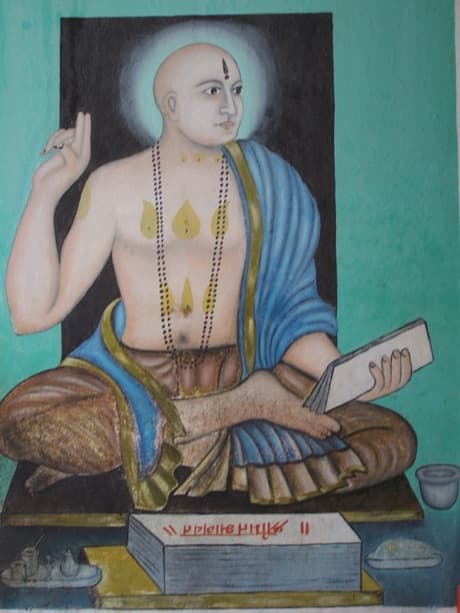
Madhvācārya · Dvaita
SanskritEnglishOn verses 16.1–16.3
“तपो ब्रह्मचर्यादि | ब्रह्मचर्यादिकं तपः | इति ह्यभिधानम् || पैशुनं परोपद्रवनिमित्तानां राजादेः कथनम् - परोपद्रवहेतूनां दोषाणां पैशुनं वचः | राजादेस्तु मदाद् भीतेरदृष्टिर्दर्प उच्यते | इति ह्यभिधानम् | लील्यं रागः - रागो लील्यं तथा रक्तिः | इत्यभिधानात् | अचापलम् स्थैर्यम् - चपलश्चञ्चलोऽस्थिरः | इत्यभिधानात् | क्षमा तु क्रोधाभावेन सहपकर्तुरनुप्रकृतिः | अक्रोधोऽदोष कृच्छ्रोक् क्षमावान् तु निगद्यते | इत्यभिधानात् ||” - By emphasizing austerity, adherence to Brahmic values etc. ‘Following the Brahmic values itself is austerity’, thus having been spoken. Animosity having been spoken as the intent to create injury to others, is the defect pointed among the rulers and others. “Intention to harm others is said to be the defect of animosity”, rulers and others being proud perceiving others without fear is said to gives rise to arrogance. Fickleness gives rise to affection. ‘Affection is attachment as well as fickleness’. Absence of unsteadiness is steadfastness, चपल (wavering), चञ्चल (unsteadiness) अस्थिरः (non-constant) are same, thus having been said. Forgiveness is refraining from harming through anger even those who have harmed. The one who has absence of anger even towards those who have caused harm is said to be forgiver.

Jñāneśvar · Vārkarī
EnglishTHE EXALTED - ONE SPAKE:
1. 'Fearlessness, Purity of inward disposition, Steady-pursuit of Knowledge and its Realisation; Charity, Self-restraint, Sacrifice, Study, Austerity, Uprightness; (68)
That quality which gets priority amongst the qualities constituting 'Divine Estate', is fearlessness (अभय). One that does not (dare) take a leap in high floods is never touched by any fear of getting drowned: one who strictly observes the regimen prescribed, is hardly subject to any bodily disease. In that way one who does not allow the self-conceit (egotism) to cross the way of actions, has nothing to fear from worldly affairs; or one who entertains the all-embracing notion of Self (oneness) towards one and all, on account of monism rooted in him, dispels all fears in different directions: or just as water should go to dissolve salt and salt should (before that) itself become (one with) water; in that way (when) all is equated to Self through monism, it destroys all fear. Know ye, all this (stated above) is what is called 'fearlessness'. All this is, of course, in the usual routine of knowledge. Now what is called 'purity of inward disposition' (सत्त्वशुद्धि) should be known from the characteristics next mentioned. (It is like) ashes that neither burn nor get extinguished: or just as the Moon in her extremely subtle form abides in the mid-state with neither waxing phase of the New Moon day, nor in the waning one of the Last Day of the lunar month: or like the Ganges flowing steadily in normal condition, with neither the monsoon flooding nor the summer drying up: or like the intellect that remains steady harbouring a liking for its own pristine nature (meditation on Self) and dropping the Kāwadī (कावडी—a bamboo lath carrying pitchers suspended at both ends) carrying pitchers in the form of Rajas and Tamas qualities full of fancies and ideas: or like the mind feeling no surprise at all at the sense-objects—desirable or undesirable—displayed by the senses: or as a faithful wife remaining utterly indifferent to any loss or gain, while her husband is away at a distant place and her mind is feeling lonely and unhappy. The state of the intellect—intellect which is deeply in love with the Highest Reality, getting absorbed and extinguished in the (form of) Supreme Self, is what is called 'the purity of inward disposition' said Lord Keshihantā (केशीहंता)—killer of demon Keshi). For attaining (Supreme Self), one should first select, according to one's natural trend of mind, the path either of knowledge or activism, and there one should sacrifice (abandon) all worldly ideas and notions, with a mind free from all passions, in the way the last (concluding) oblation is offered to the Fire at the conclusion of the sacrifice, or in the way the father belonging to a noble family should rest peacefully after giving away his (marriageable) daughter to one from a good family, or in the way the Goddess Lakshmi remains all-absorbed in Lord Vishnu. To conduct oneself along the path of (Motive-free) activism or of knowledge with a mind completely free from (mundane) fancies and ideas is what is called 'steady pursuit of knowledge' and its realisation (ज्ञानयोग व्यवस्था)—the third quality,' said Lord Krishna. 'Not to refuse help through body, speech, mind or riches, to one in distress even though he be an enemy, imitating the behaviour of the roadside tree, Oh Dhananjaya, which never hesitates (fails) to give to a passer-by either its leaf, flower, shade, fruit, or root; in that way to offer whole-heartedly whatever may be available in the form of corn or money, to a wearied one,—that is 'charity' (दान) and this is a sort of antimony (अजन) that enables one to get a vision of the hoard in the form of liberation. Now hear the signs of self-restraint (दम). To cleave clean the combinations (joining firmly) the senses and their objects, in the way, a warrior with a sword in his hand clean cuts his enemy: similarly to fetter together all the senses and to hand them over to abstraction (प्रत्यहार), so that the storm of the sense-objects should not dash against (the doors of) the senses. When the fire of non-attachment is applied at the ten gates of the senses, the natural propensity (to acquire things and enjoy them) clinging eternally to one's mind takes to its heels (departs forever). He then takes rigid religious vows, even greater in point of continuity, than the act of breathing and observes them ceaselessly day and night. What is called self-restraint is this and bear well in mind its signs. Now I shall tell you in brief what is 'sacrifice' (यागार्थ). The Brahmin occupying the premier status, women and other (low castes), who are at the lowest end (of the social strata) and those who occupy the intermediate rank—each of them have to fulfil obligations according to their rank. They should worship such Gods as they consider best and adorable according to the rites laid down by Scriptures—that Brahmin who performs all the six duties following strictly the procedure laid down in the Vedas, and the Sūdra who pays the Brahmin homage—both these secure 'sacrifice' in equal proportion, since both conduct themselves according to their respective functions (assigned to them) and ultimately derive the same (identical) fruit of their sacrifice. Similarly it is the duty of all to perform sacrifices as they are qualified to perform, but these (sacrifices) should not be poisoned (polluted) with any expectation of the fruit of sacrifices. Ordinarily every one must act up to the dictates of the Vedas: only he should not allow the egoistic feeling of being a sacrificer, to touch his mind out of conceit for the body. This is, Oh Arjuna, what is called, and universally known as 'sacrifice' (prescribed in the Scriptures), and it is a road-companion (guide) knowing all about the road to emancipation. Now a ball is dashed down on the ground, not for the purpose of striking the ground, but with the idea that it should rebound and come back into the hands: or the seed is sown in the field, with an eye on the crop that is to yield or a lamp is welcome for finding a thing placed in the dark: water is sprinkled at the roots of a tree for the growth of fruit on its branches. In short the mirror is kept again and again clean in order to enable (one) to see one's face (reflection) in it (at any time): in that way it is necessary that one should ever be studying the Shruti Scriptures to be able to discern God propounded in the Vedas. The Brahmasūtra (in the Vedas) for the twice-born and the hymns or simply the name (of the Lord) for others, are the best and the holiest to incant for attaining the Supreme Brahman. This is Oh Pārtha, what is called 'study' (स्वाध्याय), and now hear about the essence of the austerity (तप). To give away all in charity is using it properly, in the way a herb gets withered after bearing fruit or in the way the incense (धूप) gets extinguished in fire (to give good smell to others), or in the way gold is reduced in weight by burning out the alloy in it, or in the way the Moon wanes in the dark fortnight of the lunar month, by giving feed of nectar to the Manes. In all these ways, to wear out one's life, senses and body, for the attainment of the Supreme Brahman, is, Oh Warrior, what is called, austerity. There are also other forms of austerity. The bird swan uses his beak for separating milk from water; in that way one should keep alert in his heart that right thinking which can skilfully pick out the soul, separating the element of body when both these are mixed up. The intellect contracts and withdraws itself (from the sphere of mundane things) when it (intellect) fixes its gaze on self, even as slumber and dream contract and vanish in wakeful condition. One who makes full use of his right thinking for attaining the Self, can alone succeed in securing austerities, Oh Dhanurdhara. The (milk in the female) breast is solely good for the infant: or even though there is a diversity of beings yet sentience abides equally in all; in that way to behave courteously with all living beings is what is called 'uprightness' (आर्जव).
Swami Ramsukhdas · Modern
English[The Lord, in the nineteenth verse of the fifteenth chapter, declared, "The undeluded person, who thus knows Me as the Supreme Person, worships Me with his whole being." It means, that he worships the Lord, with exclusive devotion. Thus when a devotee has only the aim of God-realization, divine nature is revealed in him, naturally. Therefore, the Lord in the first three verses, describes divine nature pertaining to sentiment, conduct and glory.]
'Abhayam'*— Nervous excitement, caused by the thought of losing something which is agreeable, and meeting with something, which is undesirable, is called fear. Total absence of this sort of fear, is fearlessness.
* The Lord mentions fearlessness as the first quality because he who worships the Lord with his whole being by taking refuge in Him becomes totally fearless (Vālmīki Rāmāyaṇa 6/18/33).
Fear can be of two types—(1) External (2) Internal.
(1) External:— (a) A man is afraid of thieves, robbers, lions, and snakes etc., because he identifies himself with his body. But when he realizes, that he is different from the perishable body, he has no fear.
Fear caused in giving up bad habits, of smoking and drinking and leaving the company of friends addicted to vice, is because of one's own cowardly nature. This fear, is removed by abandoning cowardice.
(b) A person is afraid, lest he should act against the will of parents, teachers and saints and against the ordinance of scriptures. In reality, this is no fear. This fear, leads to fearlessness. Actually this sort of fear, is desirable for a striver, because it leads him to spiritual progress.
(2) Internal:— (a) When a man, wants to perform forbidden actions, which involve sin, injustice and atrocity etc., he is full of fear. He performs such evil deeds, so long as, he assumes his affinity with the body, and wants to maintain the body and to gain honour, pleasure and prosperity etc.* But, when he realizes, that the only aim of human life is God-realization† he is freed from evil deeds, and forbidden actions, and he becomes totally free, from fear.
(b) When a man is engaged in evil deeds, he is full of fear. For example, human beings, gods, demigods and devils, were afraid of Rāvaṇa but when he abducted Sītā, he was filled with
* In mundane pleasures there is fear of diseases, in high family there is fear of downfall, in riches there is fear of the king, in honour there is fear of destitution, in power there is fear of enemy, in beauty there is fear of agedness, in the scriptures there is fear of debate, in virtues there is fear of evil persons and in the body there is fear of death. Thus all the worldly things are full of fear, it is only dispassion which is free from fear (Bhāṭṭhārvairāgyaśatakam).
† The aim of human life is decided before this human life is bestowed upon us. We have to realize that aim, rather than to decide it.
fear. Similarly, there was no effect of the sound of the musical instruments, such as conchs etc., of the eleven Akṣauhiṇī army, of the Kauravas on the Pāṇḍavas army (Gītā 1/13), but, when the musical instruments of the seven Akṣauhiṇī army of the Pāṇḍavas blared forth, their sound rent the hearts of the Kaurava army (Gītā 1/19). It means, that the hearts of those who commit sins, and do injustice, become weak and so they are filled with fear. But, when a person having given up injustice etc., purifies his feelings and conduct, his fear disappears.
(c) So long as a human being, does not do, what is worth doing, does not know, what is worth knowing, and does not gain, what is worth gaining, he cannot be totally fearless, fear subsists in him.
The more, a striver believes in God and the more, he depends on Him, the more fearless, he becomes. He thinks, that he being a fragment of the Lord, is imperishable, and so there is nothing to be afraid of, while the bodies and the worldly objects are decaying and perishing every moment. By having this discrimination, fear perishes and a striver, becomes totally fearless.
By accepting affinity for the Lord, a person, has no attachment to the body and family etc. Having become freed from attachment, a man is not afraid of death, and he becomes fearless.
'Sattvasaṃśuddhiḥ'— Purity of mind, or purity of heart is 'Sattvasaṃśuddhi'. When a person is detached from the world and is attached to the Lord, his heart is purified. As soon as, he decides the aim of his life as God-realization, his heart becomes pure, because, the aim of attainment of perishable things, causes impurity in the form of sin, distraction and obscurity, (ignorance). In the scriptures, actions without desire for their fruit, worship and knowledge respectively, have been said to be, the means to do away with this threefold impurity. The best means, to purify the heart or the mind, is that it should not be regarded, as one's own.
In order to, do away with one's sins, there is no need for
expiation. A striver, should follow, the spiritual path zealously and promptly. By doing so, his sins will perish and his heart, will become pure.
A striver, has a notion that spiritual activities such as devotion and adoration etc., are different from professions, such as business, etc., viz., these are two different divisions. He believes, that foul means, such as falsehood and fraud etc., have to be adopted in practical life, in business etc. This sort of attitude makes the heart very impure. So a striver, does not advance in the spiritual sphere quickly. Therefore a striver, should be cautious, that he does not incur any sin.
When a crime is committed by an error, a striver, holds himself responsible, for it. So his heart, becomes impure. He should determine, never to commit that error again. Similarly, he holds other persons responsible, for doing evil to him. He should forgive those persons voluntarily, and should pray to God to forgive them, because he had received the fruit of his past actions through them, those persons have become only an instrument. By doing so, the heart or the mind, is purified.
'Jñāṇayogavyavasthitiḥ'—It is inevitable for a striver, to be fixed in Yoga, in order to have true knowledge of God, whether He is endowed with attributes or He is without attribute. Yoga, means equanimity (evenness of mind), in gain and loss, honour and dishonour, praise and blame etc.
'Dānam'—'Dāna' (charity), consists in giving away (so-called) one's own things in a disinterested manner, as a matter of duty to others, according to place, time and circumstances etc. A piece of land, a cow, a piece of gold, grain and a piece of cloth, can be offered as charity. Out of these the foremost place, goes to the charity of grain. But charity in the form of fearlessness, is superior even to it. It can be divided into two classes.
(1) To make a man fearless, when he is in difficulties and troubles, by helping him according to one's power and resources.
(2) To free an entangled man, from the cycle of birth and death, by narrating the life story of the Lord,* the publication of sacred texts such as the Gītā, the Rāmāyaṇa and the Bhāgavata, their sale at a nominal rate, delivering of divine discourses, to enable him to attain salvation. The Lord, is very much pleased with this sort of service (Gītā 18/68-69). Such service, is the best of all the other, charities. But, while holding divine discourses, the speaker should not regard himself, as superior to others. He should think, that the Lord, in the form of audience, is giving him an opportunity, to make proper use, of his time.
A striver, should offer charity with the feeling that the Lord Himself, has offered the charity, by making him a tool. So, he should offer it to the needy persons, with the feeling, that it is his duty to offer gifts, to them.
'Damaḥ'—'Dama' consists in controlling one's senses. One should not perform, any forbidden action with senses, body and mind. Actions should be performed, according to ordinance of scriptures, by renouncing selfishness and pride, for the welfare of others. By doing so, senses are controlled, attachment and dependence, come to an end and one's body and senses act, in a pure manner.
When a striver's aim, is sense-control, he discharges his duty by performing actions, which are sanctioned by scriptures. Thus, he becomes free from pride, attachment and desire etc. Thus he is purified, and his senses are controlled.
'Yaḷñāh'—It means, (yaḷña) offering daily oblation to sacred fire. Performance of 'Balivaiśvadeva' (offering a portion of the daily meal to creatures), according to one's caste, is also sacrifice.
* O Lord, the nectar of Your life history provides life and peace to the distressed beings. The great souls describe it by heart. It destroys all the sins and causes auspiciousness. The saints have described it in detail. Those who narrate it on the earth, they are specially charitable to the world i.e., they do the greatest good to the world (Śrīmadbhā. 10/31/9).
Besides it, from the view-point of Gītā performance of one's duty, according to one's caste, social order (stage of life) and circumstances, is also sacrifice (yajña), provided it is for the welfare of others, and is free from selfishness and pride. In addition, to these one's profession, daily routine, obedience to parents, teachers and elders, reverence to cows, Brāhmaṇa (the persons of the priest class), gods and the Lord, is also sacrifice (yajña), provided there is no desire for the fruit.
'Svādhyāyaḥ'—'Svādhyāya' includes chanting of the Lord's name, and study of sacred books, such as the Gītā, the Bhāgavata, the Rāmāyaṇa and Mahābhārata etc. In fact 'Svādhyāya', means the proper study of one's dispositions and situation viz., introspection. A striver, should be very cautious. He should not judge his progress, through changing propensities. Actually, these dispositions (propensities), always undergo modifications, they appear and disappear. So should a striver, not purify these? One must purify them. They can be easily and quickly purified, when a striver, ceases to regard them, and the inner sense, as his own. To regard them as one's own is impurity at the root. The self, being a fragment of the Lord, is pure and it has never got tainted. Affinity with dispositions, veils Self-realization. If we do not feel happy, in good dispositions and sad, in evil dispositions, and never treat these dispositions, as our own, by snapping total connection, with these, we can have, Self-realization.
'Tapaḥ'—Austerity, consists in suffering hardships, such as hunger, thirst, cold, heat and rain etc., and knowingly tolerance of hardships happily, while discharging one's duty, and earning one's livelihood, is real austerity* (tapa) because it destroys sins and provides strength for toleration.
A striver, should not use his austerity, in granting boons, in
* The best austerity consists in welcoming the situation according to favourable or unfavourable circumstances which are caused by the past actions.
hurling curses, in doing evil to others and in satisfying desires. But he should use it, happily in developing power, in order to face obstacles, which hinder his spiritual progress. It is also austerity. During the course of spiritual practice, several hurdles come to his notice. He thinks, that in seclusion and congenial atmosphere, spiritual practice can be easily successful. Not to desire such circumstances viz., not to depend on them, is also austerity. A striver, should never deem his spiritual progress, dependent on favourable circumstances. Instead of having a yearning for favourable circumstances, he should make the best possible use of circumstances, that are available, and go on progressing spiritually. He should try to seek seclusion. But if it is not available, he should be engaged in spiritual practice, happily and zealously by regarding, the available circumstances, as God's gift.
'Ārjavam'—A striver, should be straightforward and simple, in his dealings, without attaching importance, to what the people think of him. He should be upright and simple, in order to attain salvation, even though people regard him, as a fool. Such a person free from deceit, attains salvation. He should harmonize his thoughts, words and deeds, because the thoughts, words and deeds of great souls are harmonized, while those of the vile, are not.
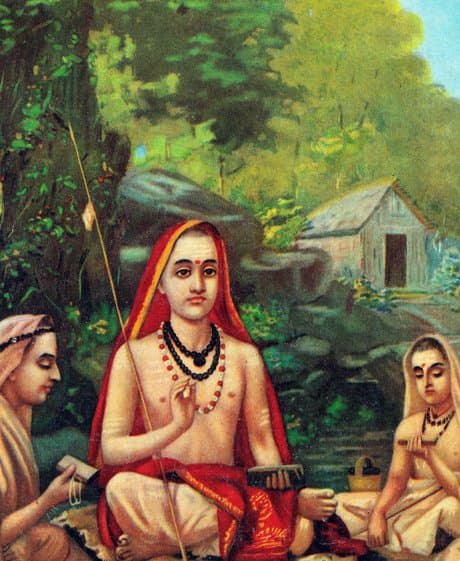
Ādi Śaṅkarācārya · Advaita
Sanskritअभयं अभीरुता । सत्त्वसंशुद्धिः सत्त्वस्य अन्तःकरणस्य संशुद्धिः संव्यवहारेषु परवञ्चनामायानृतादिपरिवर्जनं शुद्धसत्त्वभावेन व्यवहारः इत्यर्थः । ज्ञानयोगव्यवस्थितिः ज्ञानं शास्त्रतः आचार्यतश्च आत्मादिपदार्थानां अवगमः, अवगतानां इन्द्रियाद्युपसंहारेण एकाग्रतया स्वात्मसंवेद्यतापादनं योगः, तयोः ज्ञानयोगयोः व्यवस्थितिः व्यवस्थानं तन्निष्ठता । एषा प्रधाना दैवी सात्त्विकी सम्पत् । यत्र येषां अधिकृतानां या प्रकृतिः सम्भवति, सात्त्विकी सा उच्यते । दानं यथाशक्ति संविभागः अन्नादीनाम् । दमश्च बाह्यकरणानां उपशमः; अन्तःकरणस्य उपशमं शान्तिं वक्ष्यति । यज्ञश्च श्रौतः अग्निहोत्रादिः । स्मार्तश्च देवयज्ञादिः, स्वाध्यायः ऋग्वेदाद्यध्ययनं अदृष्टार्थम् । तपः वक्ष्यमाणं शारीरादि । आर्जवं ऋजुत्वं सर्वदा ॥ किञ्च --
Ādi Śaṅkarācārya · Advaita
Hindiनवें अध्यायमें प्राणियोंकी दैवी, आसुरी और राक्षसी—ये तीन प्रकारकी प्रकृतियाँ बतलायी गयी हैं। उन्हें विस्तारपूर्वक दिखानेके लिये 'अभयं सत्त्वसंशुद्धिः' इत्यादि (श्लोकोंसे युक्त सोलहवाँ) अध्याय आरम्भ किया जाता है।
उन तीनोंमें दैवी प्रकृति संसारसे मुक्त करनेवाली है, तथा आसुरी और राक्षसी प्रकृतियाँ बन्धन करनेवाली हैं, अतः यहाँ दैवी प्रकृति सम्पादन करनेके लिये और दूसरी दोनों त्यागनेके लिये दिखलायी जाती हैं— श्रीभगवान् बोले—
अभय—निर्भयता, सत्त्वसंशुद्धि—अन्तःकरणकी शुद्धि व्यवहारमें दूसरेके साथ ठगाई, कपट और झूठ आदि अवगुणोंको छोड़कर शुद्ध भावसे आचरण करना।
ज्ञान और योगमें निरन्तर स्थिति—शास्त्र और आचार्यसे आत्मादि पदार्थोंको जानना 'ज्ञान' है और उन जाने हुए पदार्थोंका इन्द्रियादिके निग्रहसे (प्राप्त) एकाग्रताद्वारा अपने आत्मामें प्रत्यक्ष अनुभव कर लेना 'योग' है। उन ज्ञान और योग दोनोंमें स्थिति अर्थात् स्थिर हो जाना—तन्मय हो जाना, यही प्रधान सात्त्विकी—दैवी संपद् है।
और भी जिन अधिकारियोंकी जिस विषयमें जो सात्त्विकी प्रकृति हो सकती है वह कही जाती है—
दान—अपनी शक्तिके अनुसार अन्नादि वस्तुओंका विभाग करना।
दम—बाह्य इन्द्रियोंका संयम। अन्तःकरणकी उपरामता तो शान्तिके नामसे आगे कही जायगी।
यज्ञ—अग्निहोत्रादि श्रौतयज्ञ और देवपूजनादि स्मार्तयज्ञ।
स्वाध्याय—अदृष्टलाभके लिये ऋक् आदि वेदोंका अध्ययन करना।
तप—शारीरिक आदि तप जो आगे बतलाया जायगा और आर्जव अर्थात् सदा सरलता सीधापन
Jñāneśvar · Vārkarī
Marathiआतां तयाचि दैवगुणां- । माजीं धुरेचा बैसणा । बैसे तया आकर्णा । अभय ऐसें ॥ ६८ ॥ तरी न घालूनि महापुरीं । न घेपे बुडणयाची शियारी । कां रोगु न गणिजे घरीं । पथ्याचिया ॥ ६९ ॥ तैसा कर्माकर्माचिया मोहरा । उठूं नेदूनि अहंकारा । संसाराचा दरारा । सांडणें येणें ॥ ७० ॥ अथवा ऐक्यभावाचेनि पैसें । दुजे मानूनि आत्मा ऐसें । भयवार्ता देशें । दवडणें जें ॥ ७१ ॥ पाणी बुड{ऊं} ये मिठातें । तंव मीठचि पाणी आतें । तेवीं आपण जालेनि अद्वैतें । नाशे भय ॥ ७२ ॥ अगा अभय येणें नांवें । बोलिजे तें हें जाणावें । सम्यक्ज्ञानाचें आघवें । धांवणें हें ॥ ७३ ॥ आतां सत्त्वशुद्धी जे म्हणिजे । ते ऐशा चिन्हीं जाणिजे । तरी जळे ना विझे । राखोंडी जैसी ॥ ७४ ॥ कां पाडिवा वाढी न मगे । अंवसे तुटी सांडूनि मागे । माजीं अतिसूक्ष्म अंगें । चंद्रु जैसा राहे ॥ ७५ ॥ नातरी वार्षिया नाहीं मांडिली । ग्रीष्में नाहीं सांडिली । माजीं निजरूपें निवडली । गंगा जैसी ॥ ७६ ॥ तैसी संकल्पविकल्पाची वोढी । सांडूनि रजतमाची कावडी । भोगितां निजधर्माची आवडी । बुद्धि उरे ॥ ७७ ॥ इंद्रियवर्गीं दाखविलिया । विरुद्धा अथवा भलीया । विस्मयो कांहीं केलिया । नुठी चित्तीं ॥ ७८ ॥ गांवा गेलिया वल्लभु । पतिव्रतेचा विरहक्षोभु । भलतेसणी हानिलाभु । न मनीं जेवीं ॥ ७९ ॥ तेवीं सत्स्वरूप रुचलेपणें । बुद्धी जें ऐसें अनन्य होणें । ते सत्त्वशुद्धी म्हणे । केशिहंता ॥ ८० ॥ आतां आत्मलाभाविखीं । ज्ञानयोगामाजीं एकीं । जे आपुलिया ठाकी । हांवें भरे ॥ ८१ ॥ तेथ सगळिये चित्तवृत्ती । त्यागु करणें या रीती । निष्कामें पूर्णाहुती । हुताशीं जैसी ॥ ८२ ॥ कां सुकुळीनें आपुली । आत्मजा सत्कुळींचि दिधली । हें असो लक्ष्मी स्थिरावली । मुकुंदीं जैसी ॥ ८३ ॥ तैसे निर्विकल्पपणें । जें योगज्ञानींच या वृत्तिक होणें । तो तिजा गुण म्हणे । श्रीकृष्णनाथु ॥ ८४ ॥ आतां देहवाचाचित्तें । यथासंपन्नें वित्तें । वैरी जालियाही आर्तातें । न वंचणे जें कां ॥ ८५ ॥ पत्र पुष्प छाया । फळें मूळ धनंजया । वाटेचा न चुके आलिया । वृक्षु जैसा ॥ ८६ ॥ तैसें मनौनि धनधान्यवरी । विद्यमानें आल्या अवसरीं । श्रांताचिये मनोहारीं । उपयोगा जाणें ॥ ८७ ॥ तयां नांव जाण दान । जें मोक्षनिधानाचें अंजन । हें असो आइक चिन्ह । दमाचें तें ॥ ८८ ॥ तरी विषयेंद्रियां मिळणी । करूनि घापे वितुटणी । जैसें तोडिजे खड्गपाणी । पारकेया ॥ ८९ ॥ तैसा विषयजातांचा वारा । वाजों नेदिजे इंद्रियद्वारां । इये बांधोनि प्रत्याहारा । हातीं वोपी ॥ ९० ॥ आंतुला चित्ताचें अंगवरीं । प्रवृत्ति पळे पर बाहेरी । आगी सुयिजे दाहींहि द्वारीं । वैराग्याची ॥ ९१ ॥ श्वासोश्वासाहुनी बहुवसें । व्रतें आचरे खरपुसें । वोसंतिता रात्रिदिवसें । नाराणुक जया ॥ ९२ ॥ पैं दमु ऐसा म्हणिपे । तो हा जाण स्वरूपें । यागार्थुही संक्षेपें । सांगों ऐक ॥ ९३ ॥ तरी ब्राह्मण करूनि धुरे । स्त्रियादिक पैल मेरे । माझारीं अधिकारें । आपुलालेनि ॥ ९४ ॥ जया जे सर्वोत्तम । भजनीय देवताधर्म । ते तेणें यथागम । विधी यजिजे ॥ ९५ ॥ जैसा द्विज षट्कर्में करी । शूद्र तयातें नमस्कारी । कीं दोहींसही सरोभरी । निपजे यागु ॥ ९६ ॥ तैसें अधिकारपर्यालोचें । हें यज्ञ करणें सर्वांचें । परी विषय विष फळाशेचें । न घापे माजीं ॥ ९७ ॥ आणि मी कर्ता ऐसा भावो । नेदिजे देहाचेनि द्वारें जावों । ना वेदाज्ञेसि तरी ठावो । होइजे स्वयें ॥ ९८ ॥ अर्जुना एवं यज्ञु । सर्वत्र जाण साज्ञु । कैवल्यमार्गींचा अभिज्ञु । सांगाती हा ॥ ९९ ॥ आतां चेंडुवें भूमी हाणिजे । नव्हे तो हाता आणिजे । कीं शेतीं बीं विखुरिजे । परी पिकीं लक्ष ॥ १०० ॥ नातरी ठेविलें देखावया । आदर कीजे दिविया । कां शाखा फळें यावया । सिंपिजे मूळ ॥ १०१ ॥ हें बहु असो आरिसा । आपणपें देखावया जैसा । पुढतपुढती बहुवसा । उटिजे प्रीती ॥ १०२ ॥ तैसा वेदप्रतिपाद्यु जो ईश्वरु । तो होआवयालागीं गोचरु । श्रुतीचा निरंतरु । अभ्यासु करणें ॥ १०३ ॥ तेंचि द्विजांसीच ब्रह्मसूत्र । येरा स्तोत्र कां नाममंत्र । आवर्तवणें पवित्र । पावावया तत्त्व ॥ १०४ ॥ पार्था गा स्वाध्यावो । बोलिजे तो हा म्हणे देवो । आतां तप शब्दाभिप्रावो । आईक सांगों ॥ १०५ ॥ तरी दानें सर्वस्व देणें । वेंचणें तें व्यर्थ करणें । जैसे फळोनि स्वयें सुकणें । इंद्रावणी जेवीं ॥ १०६ ॥ नाना धूपाचा अग्निप्रवेशु । कनकीं तुकाचा नाशु । पितृपक्षु पोषिता ऱ्हासु । चंद्राचा जैसा ॥ १०७ ॥ तैसा स्वरूपाचिया प्रसरा -। लागीं प्राणेंद्रियशरीरां । आटणी करणें जें वीरा । तेंचि तप ॥ १०८ ॥ अथवा अनारिसें । तपाचें रूप जरी असे । तरी जाण जेवीं दुधीं हंसें । सूदली चांचू ॥ १०९ ॥ तैसें देहजीवाचिये मिळणीं । जो उदयजत सूये पाणी । तो विवेक अंतःकरणीं । जागवीजे ॥ ११० ॥ पाहतां आत्मयाकडे । बुद्धीचा पैसु सांकडें । सनिद्र स्वप्न बुडे । जागणीं जैसें ॥ १११ ॥ तैसा आत्मपर्यालोचु । प्रवर्ते जो साचु । तपाचा हा निर्वेचु । धनुर्धरा ॥ ११२ ॥ आतां बाळाच्या हितीं स्तन्य । जैसें नानाभूतीं चैतन्य । तैसें प्राणिमात्रीं सौजन्य । आर्जव तें ॥ ११३ ॥
Jñāneśvar · Vārkarī
Hindi(16.68) अब सुनो। उन देवगुणों में जो सबसे आगे है, उसे अभय कहते हैं।
(16.69) बाढ़ में न कूदो तो जैसे डूबने का डर नहीं लगता, अथवा पथ्य सेवन करनेहारे के घर जैसे राग की सम्भावना नहीं होती,
(16.70) उसी प्रकार अहंकार की कर्मकर्म की ओर की प्रवृत्ति रोक कर संसार का भय छोड़ देना,
(16.71) अथवा ऐक्य भाव के विस्तार-द्वारा सम्पूर्ण जगत् का आत्मस्वरूप जान कर भयवार्ता का हद के पार निकाल बाहर करना,
(16.72) अथवा जल लवण को डुबाने जाय तो जैसे लवण ही जल बन जाता है वैसे ही स्वयं अद्वैत हो जाने पर भय का नाश हो जाना (16.73) इसी को अभय कहते हैं। यह सम्पूर्ण सम्यक् ज्ञान की सीमा है।
(16.74) अब जिसे सत्त्वशब्द कहते हैं से इन लक्षणों से पहचानना चाहिए। राख जैसे न जलती है न बुझती है,
(16.75) अथवा जैसे चन्द्र, अमावस्या की क्षय की स्थिति पीछे छोड़, पड़वा की वृद्धि की अपेक्षा न करके, बीच में ही अति सूक्ष्म अवस्था में रहता है,
(16.76) अथवा गंगा जैसे वर्षाकाल के अनन्तर तथा ग्रीष्म ऋतु से मण्डित होने के पूर्व बीच के काल में निज स्वरूप से रहती है,
(16.77) वैसे ही संकल्प और विकल्पों से आकर्षित न हो कर रजोगुण और तमोगुण की प्रवृत्ति छोड़ कर बुद्धि आत्मानन्द का उपभोग लेती हुई रहे,
(16.78) इन्द्रियगण यदि कोई अनुकूल या प्रतिकूल विषय बतावें तो कोई कुछ करे तो भी चित्त में विस्मय न उठे,
(16.79) जैसे पति किसी अन्य नगर को जाता है तो पतिव्रता उस विरह-दुःख के सामने कैसी भी हानि या लाभ को नहीं गिनती, (16.80) वैसे ही सत्स्वरूप की रुचि के कारण उसमें बुद्धि अनन्य हो रहे, ऐसी जा अवस्था है वह — केशी दैत्य के मारनेहारे श्रीकृष्ण कहते हैं — सत्त्वशुद्धि है।
(16.81) अब, आत्मलाभ के हेतु ज्ञान या योग इन दो में से जिस एक की अपने अन्तःकरण में इच्छा भरी हो
(16.82) उसमें सम्पूर्ण चित्त-वृत्ति का इस प्रकार समर्पण करना जैसे कि कोई निष्काम मनुष्य अग्नि में पूर्णाहुति समर्पण करता है,
(16.83) अथवा जैसे कोई कुलीन मनुष्य अपनी कन्या उत्तम कुल में ही समर्पित करता है, अथवा लक्ष्मी जैसे श्रीमुकुन्द में स्थिर हो रही है
(16.84) वैसे ही विकल्प-रहित हो योग और ज्ञान में ही वृत्तिस्थ होना, कृष्णनाथ कहते हैं, तीसरा गुण अर्थात् ज्ञानयोगव्यवस्था है।
(16.85) अब काया, वाचा, मन से, तथा यथाप्राप्त धन से, शत्रु हो तो भी किसी आर्त की वंचना न करना,
(16.86) हे धनंजय! वृक्ष जैसे पान्थिक को फूल, फल, छाया, मूल या पत्तों से भी वंचित नहीं रखता
(16.87) वैसे ही अवसर आने पर मन से तथा धन से दुःखी जनों के इच्छानुसार उन्हें उपयोगी होना, (16.88) दान कहलाता है जो मोक्षरूपी द्रव्य प्रकट करनेवाला अंजन है। अस्तु, अब दम का लक्षण सुनो।
(16.89) वह विषयों और इन्द्रियों का सम्मेलन वियुक्त कर डालता है। फिटकरी जैसे पानी का गँदलापन अलग कर देती है
(16.90) वैसे ही इन्द्रियद्वारों को विषय-मात्र की हवा नहीं लगने देता तथा उन्हें बाँध कर प्रत्याहार के हाथ सौंप देता है,
(16.91) प्रवृत्ति का आन्तरिक चित्त-प्रदेश तक पीछे हटा कर दशों द्वारों में वैराग्य की आग सुलगा देता है,
(16.92) श्वासोच्छ्वासों से भी बहुसंख्यक और कठिन व्रताचरण करता है और रात-दिन इस प्रकार व्रताचरण करते हुए उसे अवकाश नहीं मिलता।
(16.93) दम जिसे कहते हैं उसका स्वरूप उक्त प्रकार का होता है। अब संक्षेप से यज्ञ का अर्थ कहते हैं, सुनो।
(16.94) ब्राह्मण से लगा कर स्त्री आदि तक अपने-अपने अधिकार के अनुसार
(16.95) जिसके लिए जो आचरण सर्वोत्तम हो, जो देवता या धर्म भजनीय हो; उसका उसे शास्त्रानुसार या विधिपूर्वक यजन करना चाहिए। (16.96) ब्राह्मण का यजनादि षट्कर्म करना और शूद्र का उसका वन्दन करना ये दोनों यज्ञ समान ही हैं।
(16.97) अतः सबों का अपने-अपने अधिकार के अनुसार यज्ञ करना चाहिए। परन्तु उसमें फलाशारूपी विष न मिलाना चाहिए;
(16.98) तथा — मैं यज्ञ-कर्ता हूँ यह भाव देहद्वारों से बाहर न निकलने देना चाहिए, किन्तु स्वयं वेदाज्ञा का आश्रयस्थान बन रहना चाहिए।
(16.99) हे अर्जुन! शास्त्रोक्त यज्ञ ऐसा रहता है। यह मोक्षमार्ग का एक ज्ञानवान् संगती है।
(16.100) अब, जैसे गेंद को भूमि पर मारना मारना नहीं उसे फिर हाथ में लेने की चेष्टा है, अथवा खेत में बीज फेंकना फेंकना नहीं अगली फसल की ओर ध्यान दे बोना है,
(16.101) अथवा रक्खी हुई वस्तु ढूँढ़ने के लिए जैसे दीपक का आदर किया जाता है, अथवा शाखा-फलों के हेतु जड़ में पानी सींचा जाता है,
(16.102) और रहने दो, स्वयं अपना रूप देखने के लिए जैसे दर्पण बार बार प्रेम से स्वच्छ किया जाता है, (16.103) वैसे ही प्रतिपादन करने के योग्य जो ईश्वर है वह गोचर हो जाय इस लिए निरन्तर श्रुतियों का अभ्यास करना,
(16.104) ब्राह्मणों का ब्रह्मसूत्र पढ़ना, और अन्यों का तत्व प्राप्त करने के लिए स्तोत्र या नाममन्त्र का पठन करना,
(16.105) हे पार्थ ! स्वाध्याय कहता है। अब तप शब्द का अभिप्राय कहते हैं, सुनो।
(16.106) अपने सर्वस्व का दान कर देना, अन्यथा खर्च करना वृथा समझना, जैसे वनस्पतियाँ फल कर स्वयं सूखती हैं,
(16.107) अथवा जैसे धूप स्वयं अग्नि में जल कर सुगन्धि फैलाती है, अथवा जैसे शुद्ध किया हुआ सोना तौल में कम होता है, अथवा चन्द्र जैसे कृष्णपक्ष की वृद्धि करता हुआ निज का हास करता है,
(16.108) वैसे ही हे वीर! आत्मस्वरूप की प्राप्ति के लिए प्राण, इन्द्रिय और शरीर का हास करना ही तप है;
(16.109) अथवा तप का रूप यद्यपि भिन्न हो तथापि यह जान लो कि जैसे राजहंस दूध में चोंच डालता है
(16.110) वैसे ही जो ऐसा विवेक उत्पन्न करता है कि जो उदित होते ही देह और जीव का संगठन तोड़ दे, (16.111) तथा जैसे जागृति में निद्रा-सहित स्वप्न डूब जाता है वैसे ही जिससे आत्मा की ओर दृष्टि देते हुए बुद्धि का विस्तार कुण्ठित हो जाय
(16.112) उस आत्मावलोकन में जो प्रवृत्त होना है सो तप है। हे धनुर्धर! यह तप का निर्णय हुआ।
(16.113) अब, माता का दूध जैसे बालक के हितार्थ रहता है, चैतन्य जैसे अनेक भूतों में समान रहता है, वैसे ही सब प्राणियों से सुजनता रखना ही आर्जव है।

Sri Udiya Baba · Modern
HindiOn verses 16.1–16.3
संगति— पन्द्रहवें अध्याय के अन्त में सिद्धान्त बतलाया और कहा कि ऐसा जानकर तू कृतकृत्य हो जा। अब इस अध्याय में कृतकृत्य होने का उपाय बतलाते हैं। हमारे आचार्यों का नियम है कि पहले सिद्धान्त (फल) बताकर फिर साधन का वर्णन करते हैं। व्यवहार में भी यही बात देखने में आती है ठेकेदार लाभ का अनुमान लगाकर ही कार्य आरम्भ करते हैं। पन्द्रहवें अध्याय में पुरुषोत्तम का स्वरूप बतलाया गया। इस अध्याय में पहले तीन श्लोकों में दैवी सम्पत्ति का वर्णन किया जाता है, क्योंकि चाहे कर्मकाण्डी हो या जिज्ञासु, दैवी सम्पत्ति के बिना कोई भी पुरुषोत्तम की प्राप्ति नहीं कर सकता।
भावार्थ— निर्भयता, अन्तःकरण की शुद्धि, ज्ञानयोग में स्थिति, दान, इन्द्रियनिग्रह, यज्ञ, स्वाध्याय, तप, सरलता, अहिंसा, सत्य, अक्रोध, त्याग, शान्ति, चुगली न करना, प्राणियों पर दया, अलोलुपता, मृदुता, लज्जा, अचंचलता, तेज, क्षमा, धैर्य, पवित्रता, अद्रोह और निरभिमानिता—हे भरतनन्दन! दैवी सम्पद में उत्पन्न हुए पुरुष में ये सब गुण होते हैं।
व्याख्या— यहाँ सबसे पहले 'अभय' कहा गया है। जब तक भय रहेगा तब तक ईश्वर या आत्मा की प्राप्ति नहीं हो सकती। संसार
में भक्त या ज्ञानी दो ही निर्भय होते हैं। जैसे मीरा, प्रह्लाद, नरसी आदि भक्त और जड़भरत आदि ज्ञानी। जड़भरत को बलि चढ़ाने ले गये, परन्तु उन्हें कोई भय नहीं हुआ। प्रह्लाद को अग्नि में जलाया और अनेकों कष्ट दिये, परन्तु वे निर्भय रहे। ये लोग असह्य कष्ट आने पर भी अपनी निष्ठा से विचलित नहीं हुए। ये निन्दा-स्तुति में समान रहते हैं, इसलिये भी इन्हें भय नहीं होता। विरक्त-पुरुषों को संसारी लोगों से इसलिये भी भय नहीं होता, क्योंकि वे सब प्रकार का परिग्रह त्यागकर एकान्त में रहते हैं। भय तो परिग्रही या पापी लोगों को होता है।
सत्त्वसंशुद्धि—अन्तःकरण की शुद्धि। ज्ञानयोग में स्थिति अर्थात् अध्यात्म-शास्त्रों का पठन-पाठन एवं परस्पर अध्यात्म-चर्चा करना। ज्ञान-विचार और योग-एकाग्रता ये दोनों ही होने चाहिये।
दान—जो अपने पूज्य पुरुषों को दिया जाय। भूखे और कंगालों को देना दान नहीं, दया है। भक्त और ज्ञानी दोनों में ही दान की प्रवृत्ति होती है। भक्त शुभ कर्मों में द्रव्यादि लगाता है और विचारवान् (विरक्त) सबका बाध करता है—यही उसका दान है। भक्त और ज्ञानी दोनों ही दानी होते हैं, क्योंकि भक्त भी सर्वत्याग करता है और ज्ञानी सबको मरुमरीचिका के समान समझता है।
दम—इन्द्रियों को वश में रखना। यज्ञ—जो बारह प्रकार के यज्ञ चतुर्थ अध्याय में कहे हैं। स्वाध्याय—अपने इष्टमन्त्र या शास्त्र का नियमपूर्वक पारायण करना। तप—सत्रहवें वृत्ति या आत्माकार वृत्ति ही हैं। आर्जव—सरलता! ऐसी सरलता हो कि जो मन में हो वही वाणी में हो और वही आचरण में भी हो। छल-कपट तनिक भी न हो।
अहिंसा—स्वार्थ त्याग अर्थात् मन वाणी या शरीर से किसी को कोई कष्ट न देना। वाणी मनुष्य की बहुत बड़ी निधि है। इसके दूषित होने से मन और वीर्य भी दूषित हो जाते हैं, जिससे ब्रह्मचर्यादि तप में भी बाधा पड़ती है और आध्यात्मिक उन्नति नहीं हो पाती। अतः वाणी के दोष से बचना बहुत आवश्यक है।
सत्य—देखे-सुने को ज्यों का त्यों कह देना सत्य है। उसे कुछ भी घटावे-बढ़ावे नहीं। सत्य ही भगवान् है। इस सत्यरूप भगवान् की प्राप्ति सत्यभाषण से ही होती। इसकी गणना जो अत्यन्त महत्त्वपूर्ण पाँच धर्म हैं उनमें भी है। वे पाँच धर्म ये हैं—(१) सत्य से बढ़कर कोई धर्म नहीं। (२) मौन से बढ़कर कोई तप नहीं। (३) जप से बढ़कर कोई यज्ञ नहीं। (४) विचार से बढ़कर कोई ज्ञान नहीं। (५) त्याग से बढ़कर कोई सुख नहीं।
क्रोध— अपने विपरीत कोई बात सुनकर जो उत्तेजना होती है उसे क्रोध कहते हैं। यह साधक का अपना बनाया हुआ शत्रु है। इससे जितनी क्षति उसकी होती है, उतनी उसकी नहीं होती जिस पर क्रोध किया जाता है। यदि अपने अपराधी पर क्रोध करना ही है तो क्रोध पर ही क्रोध करना चाहिये—‘अपराधिनि कोपश्चेत् कोपे कोपो कथम् न ते।’
त्याग— सर्वत्र उपरति होना अथवा श्रौत-स्मार्त आदि कर्मों का फल ईश्वरार्पण-बुद्धि से त्याग देना इससे चित्त में शान्ति और प्रसन्नता रहती है। शान्ति-प्राप्ति के चार साधन हैं—क्षमा, दान, सत्य और अहिंसा। गीता में अन्य चार प्रकार से भी शान्ति की प्राप्ति बतलायी है; यथा—
१. कर्म-फल त्याग से—‘युक्तः कर्मफलं त्यक्त्वा शान्ति-माप्नोति नैष्ठिकीम्।’ (५/१२)
२. उपासना से—‘क्षिप्रं भवति धर्मात्मा शश्वच्छान्तिं निगच्छति।’ (९/३१)
३. ज्ञान से—ज्ञानं लब्ध्वां परां शान्तिमचिरेणाधिगच्छति।’ (४/३९)
४. ज्ञान निष्ठा से—
युज्जन्नेवं सदात्मानं योगी नियतमानसः। शान्ति निर्वाणपरमां मन्संस्थामधिगच्छति॥
(६/१५)
प्रश्न— 'ज्ञानादेव तु कैवल्यम्' इस वाक्य के अनुसार शान्ति तो ज्ञान होने पर ही जाती है, फिर ज्ञाननिष्ठा से और कैसी शान्ति मिलती है?
उत्तर— ज्ञाननिष्ठा से जो शान्ति मिलती है वह चित्त की ही उपरति है। उसे निवृत्ति का सुख भी कह सकते हैं। वह वास्तविक शान्ति नहीं है। सच्ची शान्ति तो ज्ञान होने पर हो चुकी।
प्रश्न— क्या आत्मनिष्ठा और जीवन्मुक्ति का सुख एक ही बात है?
उत्तर— नहीं, दोनों भिन्न हैं। आत्मनिष्ठा तो गृहस्थ और विरक्त दोनों को हो सकती है, परन्तु जीवन्मुक्ति का सुख केवल विरक्त को ही होता है।
प्रश्न— आप कहते हैं कि आत्मनिष्ठा गृहस्थ और विरक्त दोनों को हो सकती है, परन्तु भगवान् भाष्यकार तो 'सर्वधर्मान् परित्यज्य' इत्यादि श्लोक के भाष्य में आत्मनिष्ठा के लिये चतुर्थाश्रम का ग्रहण करने का विधान करते हैं।
उत्तर— भाई! आत्मनिष्ठा तो दोनों को हो सकती है, परन्तु भाष्यकार ने ऐसा विधान इसलिए किया है कि ज्ञान होने पर वैराग्य ढीला पड़ जाता है। वैराग्य तो रहता है, परन्तु उत्कट वैराग्य नहीं रहता। वैराग्य की जो नशे की-सी लहरें उठती हैं वे नहीं रहती। इसलिये प्राचीन ऋषियों ने विरक्ति पर जोर डाला है और इसीलिये गृहस्थ को वेदान्त-श्रवण का निषेध करते हुए ऐसी व्यवस्था की है कि संन्यास लेकर ही वेदान्त श्रवण करे।
अपैशुन— किसी व्यक्ति की अनुपस्थिति में उसके दोष बतलाना पैशुन या चुगली है। यह दोष न होना अपैशुन है। चुगली करने से बड़े भीषण परिणाम निकलते हैं। गोसाईं तुलसीदासजी कहते हैं—'परनिन्दा सम अघ न गिरिन्दा।' ईसामसीह ने तो इसका बहुत तिरस्कार किया है। किसी गाँव में वर्षा न होने पर उन्होंने उसका कारण वहाँ एक चुगलखोर की उपस्थिति बतलायी थी। जब उनसे उसका
नाम पूछा तो उन्होंने कहा कि यदि मैं उसका नाम बतला दूँ तो मैं भी चुगलखोर हो जाऊँगा। सारांश यह कि इस अवगुण को किसी प्रकार अपने में न आने दें।
दया—प्राणियों के अवगुणों को छुड़ाने का प्रयत्न करना अर्थात् सबका कल्याण चाहना ही सच्ची दया है।
अलोलुपता—जो मिल जाय उसी में सन्तुष्ट रहे। विषयों की सन्निधि में भी उन्हें पाने का लोभ न हो।
मार्दव—मृदुलता, कठोर शब्द या कठोर वाणी न होना। अथवा दृष्टि, वाणी या व्यवहार सभी में मधुर होना।
लज्जा—शास्त्रविरुद्ध कर्म करने में सङ्कोच होना। ऐसा सङ्कोच पापाचरण से बचा लेता है। इसी से लज्जा कुल स्त्री का आभूषण कही गई है।
अचापल—अचपलता या व्यर्थ चेष्टा का अभाव। मन, वाणी और शरीर की चञ्चलता दूर हुए बिना शान्ति, ममता, ज्ञान, भक्ति कुछ भी नहीं हो सकते। इसलिये यति के लिये कहा है—
न पाणिपादचपलो न नेत्रचपलो यतिः।
न च वाक्चपलश्चैवमिति शिष्टस्य लक्षणम्॥
अर्थात् यति को हाथ पैर नेत्र और वाणी की चपलता से शून्य होना चाहिये। यही शिष्ट पुरुष का लक्षण है।
तेज—खाने-पीने से सुन्दर स्वास्थ्य होना तेज नहीं है, अपितु अपनी प्रतिज्ञा और नियमों में दृढ़ निष्ठा होना ही तेज है। अथवा चरित्र या बुद्धि का बल तेज कहा जाता है। यह ऐसी दिव्यशक्ति है जिसके कारण सभी प्रेम और आदर करते हैं। यह बुद्धि का बल है जो अहिंसा, सत्य और ब्रह्मचर्य का पालन करने से बढ़ता है।
क्षमा—दूसरे का अपराध से क्षुभित न होना अथवा सहनशीलता। क्षमाशील सबको अपने अधीन कर लेता है।
धृति—धैर्य या धारण शक्ति, जिससे देह, इन्द्रिय मन और प्राण अपने अधीन रहते हैं। वास्तव में तो जितने उपस्थ और रसनेन्द्रिय
को वश में कर लिया है वही धृतिमान् है। ज्ञानेन्द्रियों में नेत्र और कर्मेन्द्रियों में वाणी प्रबल है, इन्हें वश में करने का सामर्थ्य धीर पुरुष में ही होता है।
शौच— बाह्य और आन्तरिक पवित्रता। बाह्य पवित्रता जल और मृत्तिका आदि से होती है तथा आन्तर पवित्रता के लिए राग-द्वेष का त्याग प्रधान साधन है। मिथ्या भाषण के त्याग से मुख की शुद्धि होती है, परान्त त्याग से रसना की, प्रतिग्रह के त्याग से हाथों की, शास्त्रविहित ब्रह्मचर्य के पालन से कक्ष की, धर्मानुकूल धनोपार्जन से धन की और शास्त्रानुकूल आचरण से कर्म की शुद्धि होती है।
अद्रोह— किसी के प्रति शत्रुता न रखना। अपना अनिष्ट करने वाले के प्रति भी प्रतिकार की भावना न रखकर उसके लिए भगवान् से दया और बुद्धि-शुद्धि की प्रार्थना करना।
नातिमानिता— बड़प्पन के अभिमान से रहित होना। ऊँचा आसन प्राप्त होने की इच्छा न रखना।
ये दैवी सम्पद् के लक्षण किन्हीं में जन्म से ही होते हैं। उन्हें इनका अभ्यास नहीं करना पड़ता। जिनमें ये लक्षण होते हैं वे ही भगवान् का यथार्थ भजन कर सकते हैं। जैसा कि भगवान् ने अध्याय ९ श्लोक १३ में कहा है—
महात्मानस्तु मां पार्थ दैवीं प्रकृतिमाश्रिताः। भजन्त्यनन्यमनसो ज्ञात्वा भूतादिमव्ययम् ॥
यहाँ भगवान् ने जो दैवी सम्पत्ति बतलायी है वह अर्जुन को यह दिखलाने के लिये है कि तू भी जन्म से ही दैवी सम्पत् सम्पन्न है, इसलिये तुझे अधीर नहीं होना चाहिये, तेरा अवश्य कल्याण होगा।
प्रश्न— दैवी सम्पत्तिवानपुरुष से सब क्यों प्रसन्न रहते हैं?
उत्तर— आत्मा काम-क्रोधादि विकारों से रहित है। दैवी सम्पत्तिवानपुरुष में आत्मा के लक्षण आ जाते हैं, और आत्मा सबको प्रिय है, इसलिये स्वस्वरूपभूत होने के कारण वे सबको प्रिय लगते हैं।
प्रश्न— क्या बोध होने पर भी दैवी सम्पत्तिवान् होना आवश्यक है?
उत्तर— यद्यपि ज्ञानी के लिये शास्त्र का कोई शासन नहीं है, तथापि यह तो नियम ही है कि बोध की प्राप्ति अन्तःकरण शुद्ध होने पर ही होती है। चित्तशुद्धि बिना निष्काम कर्म के नहीं होती और निष्काम कर्म दैवी सम्पत्तिवान् ही कर सकता है। इसलिये दैवी सम्पत्ति तो उसका स्वभाव ही बन जाता है।
प्रश्न— आपने जो कहा वह तो ठीक है, परन्तु ऐसा देखा गया है कि दुर्वासा आदि में आसुर भाव था तथा असुरों में भी कोई-कोई ज्ञानी हो गये हैं।
उत्तर— दुर्वासा आदि तो कारक पुरुष थे। उनका क्रोध तो लीला मात्र था। तथा असुरों में ज्ञानी हुए हैं वे जन्म से ही असुर थे, स्वभाव से नहीं। फिर भी ये अपवादमात्र ही समझने चाहिये। इन्हें आदर्श नहीं कह सकते। आदर्श तो ऋभु, निदाघ, वशिष्ठ और वामदेव आदि ही हैं। मेरा तो यही सिद्धान्त है कि तत्त्ववेत्ता में दैवी सम्पत्ति अवश्य होनी चाहिये, जैसा कि कहा है—
अक्रोधवैराग्यजितेन्द्रियत्वं क्षमादयासर्वजनप्रियत्वम्। निलोभदानं भयशोकहानं ज्ञानस्य चिह्नं दशलक्षणानि॥
अर्थात् अक्रोध, वैराग्य, जितेन्द्रियता, क्षमा, दया, सर्वप्रियता, लोभहीनता, दान, निर्भयता और निःशोकता— ये दश लक्षण ज्ञान के चिह्न हैं।
यों तो बोधवान् की दृष्टि में चराचर जगत् की सत्ता नहीं रहती फिर दैवी सम्पद् कहाँ रहेगी। परन्तु वास्तव में यह भी उसी में और उसी की तो है, इसलिये उसका स्वभाव ही है।
Swami Ramsukhdas · Modern
Hindi[पंद्रहवें अध्यायके उन्नीसवें श्लोकमें भगवान्ने कहा कि 'जो मुझे पुरुषोत्तम जान लेता है, वह सब प्रकारसे मेरा ही भजन करता है अर्थात् वह मेरा अनन्य भक्त हो जाता है।' इस प्रकार एकमात्र भगवान्का उद्देश्य होनेपर साधकमें देवी-सम्पत्ति स्वतः प्रकट होने लग जाती है। अतः भगवान् पहले तीन श्लोकोंमें क्रमशः भाव, आचरण और प्रभावको लेकर देवी-सम्पत्तिका वर्णन करते हैं।]
'अभयम्'—अनिष्टकी आशंकासे मनुष्यके भीतर जो घबराहट होती है, उसका नाम भय है और उस भयके सर्वथा अभावका नाम 'अभय' है।
भय दो रीतिसे होता है—(१) बाहरसे और (२) भीतरसे।
(१) बाहरसे आनेवाला भय—
(क) चोर, डाकू, व्याघ्र, सर्प आदि प्राणियोंसे जो भय होता है, वह बाहरका भय है। यह भय शरीरनाशकी आशंकासे ही होता है। परन्तु जब यह अनुभव हो जाता है कि यह शरीर नाशवान् है और जानेवाला ही है, तो फिर भय नहीं रहता।
बीड़ी-सिगरेट, अफीम, भाँग, शराब आदिके व्यसनोंको छोड़नेका एवं व्यसनी मित्रोंसे अपनी मित्रता टूटनेका जो भय होता है, वह मनुष्यकी अपनी कायरतासे ही होता है। कायरता छोड़नेसे यह भय नहीं रहता।
(ख) अपने वर्ण, आश्रम आदिके अनुसार कर्तव्य-पालन करते हुए उसमें भगवान्की आज्ञाके विरुद्ध कोई काम न हो जाय; हमें विद्या पढ़ानेवाले, अच्छी शिक्षा देनेवाले आचार्य, गुरु, सन्त-महात्मा, माता-पिता आदिके वचनोंकी आज्ञाकी अवहेलना न हो जाय; हमारे द्वारा शास्त्र और कुलमर्यादाके विरुद्ध कोई आचरण न बन जाय—इस प्रकारका भय भी बाहरी भय कहलाता है। परन्तु यह भय वास्तवमें भय नहीं है, प्रत्युत यह तो अभय बनानेवाला भय है। ऐसा भय तो साधकके जीवनमें होना ही चाहिये। ऐसा भय होनेसे ही वह अपने मार्गपर ठीक तरहसे चल सकता है। कहा भी है—
हरि-डर, गुरु-डर, जगत-डर, डर करनी में सार।
रज्जब डरया सो ऊबरया, गाफिल खायी मार ॥
(२) भीतरसे पैदा होनेवाला भय—
(क) मनुष्य जब पाप, अन्याय, अत्याचार आदि निषिद्ध आचरण करना चाहता है, तब (उनको करनेकी भावना मनमें आते ही) भीतरसे भय पैदा होता है। मनुष्य निषिद्ध आचरण तभीतक करता है, जबतक उसके मनमें 'मेरा शरीर बना रहे, मेरा मान-सम्मान होता रहे, मेरेको सांसारिक भोग-पदार्थ मिलते रहे', इस प्रकार सांसारिक जड़ वस्तुओंकी प्राप्तिका और उनकी रक्षाका उद्देश्य रहता है। परन्तु जब मनुष्यका एकमात्र उद्देश्य चिन्मय-तत्त्वको
१-यहाँ देवी सम्पत्तिमें सबसे पहले 'अभयम्' पद देनेका तात्पर्य यह है कि जो भगवान्के शरण होकर सर्वभावसे भगवान्का भजन करता है, वह सर्वत्र अभय हो जाता है। भगवान् श्रीराम कहते हैं—
सकृदेव प्रपन्नाय तवास्मीति च याचते। अभयं सर्वभूतेभ्यो ददाम्येतद् व्रतं मम ॥ ( वाल्मीकि ६। १८। ३३ )
२-भोगे रोगभयं कुले च्युतिभयं विते नृपालाद् भयं माने दैन्यभयं बले रिपुभयं रूपे जराया भयम्।
शास्त्रे वादभयं गुणे खलभयं काये कृतान्ताद् भयं सर्वं वस्तु भयावहं भुवि नृणां वैराग्यमेवाभयम् ॥
( भर्तृहरिवैराग्यशतक )
प्राप्त करनेका हो जाता है, तब उसके द्वारा अन्याय, दुराचार छूट जाते हैं और वह सर्वथा अभय हो जाता है। कारण कि उसके लक्ष्य परमात्मतत्त्वमें कभी कमी नहीं आती और वह कभी नष्ट नहीं होता।
(ख) जब मनुष्यके आचरण ठीक नहीं होते और वह अन्याय, अत्याचार आदिमें लगा रहता है, तब उसको भय लगता है। जैसे, रावणसे मनुष्य, देवता, यक्ष, राक्षस आदि सभी डरते थे, पर वही रावण जब सीताका हरण करनेके लिये जाता है, तब वह डरता है। ऐसे ही कौरवोंकी ग्यारह अक्षौहिणी सेनाके बाजे बजे, तो उसका पाण्डव-सेनापर कुछ भी असर नहीं हुआ (गीता—पहले अध्यायका तेरहवाँ श्लोक), पर जब पाण्डवोंकी सात अक्षौहिणी सेनाके बाजे बजे, तब कौरव-सेनाके हृदय विदीर्ण हो गये (पहले अध्यायका उन्नीसवाँ श्लोक)। तात्पर्य यह कि अन्याय, अत्याचार करनेवालोंके हृदय कमजोर हो जाते हैं, इसलिये वे भयभीत होते हैं। जब मनुष्य अन्याय आदिको छोड़कर अपने आचरणों एवं भावोंको शुद्ध बनाता है, तब उसका भय मिट जाता है।
(ग) मनुष्य-शरीर प्राप्त करके यह जीव जबतक करनेयोग्यको नहीं करता, जाननेयोग्यको नहीं जानता और पानेयोग्यको नहीं पाता, तबतक वह सर्वथा अभय नहीं हो सकता; उसके जीवनमें भय रहता ही है।
भगवान्की तरफ चलनेवाला साधक भगवान्पर जितना-जितना अधिक विश्वास करता है और उनके आश्रित होता है, उतना-ही-उतना वह अभय होता चला जाता है। उसमें स्वतः यह विचार आता है कि मैं तो परमात्माका अंश हूँ; अतः कभी नष्ट होनेवाला नहीं हूँ, तो फिर भय किस बातका? और संसारके अंश शरीर आदि सब पदार्थ प्रतिक्षण नष्ट हो रहे हैं, तो फिर भय किस बातका? ऐसा विवेक स्पष्टरूपसे प्रकट होनेपर भय स्वतः नष्ट हो जाता है और साधक सर्वथा अभय हो जाता है।
भगवान्के साथ सम्बन्ध जोड़नेपर, भगवान्को ही
अपना माननेपर शरीर, कुटुम्ब आदिमें ममता नहीं रहती। ममता न रहनेसे मरनेका भय नहीं रहता और साधक अभय हो जाता है।
‘सत्त्वसंशुद्धिः’—अन्तःकरणकी सम्यक् शुद्धिको सत्त्वसंशुद्धि कहते हैं। सम्यक् शुद्धि क्या है? संसारसे राग-रहित होकर भगवान्में अनुराग हो जाना ही अन्तःकरणकी सम्यक् शुद्धि है। जब अपना विचार, भाव, उद्देश्य, लक्ष्य केवल एक परमात्माकी प्राप्तिका हो जाता है, तब अन्तःकरण शुद्ध हो जाता है। कारण कि नाशवान् वस्तुओंकी प्राप्तिका उद्देश्य होनेसे ही अन्तःकरणमें मल, विशेष और आवरण—ये तीन तरहके दोष आते हैं। शास्त्रोंमें मल-दोषको दूर करनेके लिये निष्कामभावसे कर्म (सेवा), विशेष-दोषको दूर करनेके लिये उपासना और आवरण-दोषको दूर करनेके लिये ज्ञान बताया है। यह होनेपर भी अन्तःकरणकी शुद्धिके लिये सबसे बढ़िया उपाय है—अन्तःकरणको अपना न मानना।
साधकको पुराने पापको दूर करनेके लिये या किसी परिस्थितिके वशीभूत होकर किये गये नये पापको दूर करनेके लिये अन्य प्रायश्चित्त करनेकी उतनी आवश्यकता नहीं है। उसको तो चाहिये कि वह जो साधन कर रहा है, उसीमें उत्साह और तत्परतापूर्वक लगा रहे। फिर उसके ज्ञात-अज्ञात सब पाप दूर हो जायेंगे और अन्तःकरण स्वतः शुद्ध हो जायगा।
साधकमें ऐसी एक भावना बन जाती है कि साधन-भजन करना अलग काम है और व्यापार-धंधा आदि करना अलग काम है अर्थात् ये दोनों अलग-अलग विभाग हैं। इसलिये व्यापार आदि व्यवहारमें झूठ-कपट आदि तो करने ही पड़ते हैं—ऐसी जो छूट ली जाती है, उससे अन्तःकरण बहुत ही अशुद्ध होता है। साधनके साथ-साथ जो असाधन होता रहता है, उससे साधनमें जल्दी उन्नति नहीं होती। इसलिये साधकको सदा सावधान रहना चाहिये अर्थात् नया पाप कभी न बने—ऐसी सावधानी सदा-सर्वदा बनी रहनी चाहिये।
‘भोगोंमें रोगका भय, ऊँचे कुलमें गिरनेका भय, धनमें राजाका भय, मानमें दीनताका भय, बलमें शत्रुका भय, रूपमें बुझपेका भय, शास्त्रमें वाद-विवादका भय, गुणमें दुर्जनका भय और शरीरमें मृत्युका भय है। इस प्रकार संसारमें मनुष्योंके लिये सम्पूर्ण वस्तुएँ भयावह हैं, एक वैराग्य ही भयसे रहित है।’
तात्पर्य यह है कि ये सांसारिक वस्तुएँ कहीं नष्ट न हो जायँ—इसका मनुष्यको सदा भय रहता है, इसलिये वह अभय नहीं हो पाता।
१-उद्देश्य तो पहलेसे ही बना हुआ है। उसके बाद हमें मनुष्य-शरीर मिला है। अतः उद्देश्यको केवल पहचानना है, बनाना नहीं है।
२-राम मेरे तो मैं मरूँ, नहीं तो मेरे बलाय। अविनाशी का बालका, मेरे न मारा जाय॥
साधक भूलसे किये हुए दुष्कर्मोंके अनुसार अपनेको दोषी मान लेता है और अपना बुरा करनेवाले व्यक्तिको भी दोषी मान लेता है, जिससे उसका अन्तःकरण अशुद्ध हो जाता है। उस अशुद्धिको मिटानेके लिये साधकको चाहिये कि वह भूलसे किये हुए दुष्कर्मको पुनः कभी न करनेका दृढ़ व्रत ले ले तथा अपना बुरा करनेवाले व्यक्तिके अपराधको क्षमा माँगे बिना ही क्षमा कर दे और भगवान्से प्रार्थना करे कि 'हे नाथ! मेरा जो कुछ बुरा हुआ है, वह तो मेरे दुष्कर्मोंका ही फल है। वह बेचारा तो मुफ्तमें ही ऐसा कर बैठा है। उसका इसमें कोई दोष नहीं है। आप उसे क्षमा कर दें।' ऐसा करनेसे अन्तःकरण शुद्ध हो जाता है।
**'ज्ञानयोगव्यवस्थितिः'**—ज्ञानके लिये योगमें स्थित होना अर्थात् परमात्मतत्त्वका जो ज्ञान (बोध) है, वह चाहे सगुणका हो या निर्गुणका, उस ज्ञानके लिये योगमें स्थित होना आवश्यक है। योगका अर्थ है—सांसारिक पदार्थोंकी प्राप्ति-अप्राप्तिमें, मान-अपमानमें, निन्दा-स्तुतिमें, रोग-नीरोगतामें सम रहना अर्थात् अन्तःकरणमें हर्ष-शोकादि न होकर निर्विकार रहना।
**'दानम्'**—लोकदृष्टिमें जिन वस्तुओंको अपना माना जाता है, उन वस्तुओंको सत्यान्नका तथा देश, काल, परिस्थिति आदिका विचार रखते हुए आवश्यकतानुसार दूसरोंको वितीर्ण कर देना 'दान' है। दान कई तरहके होते हैं; जैसे भूमिदान, गोदान, स्वर्णदान, अन्नदान, वस्त्रदान आदि। इन सबमें अन्नदान प्रधान है। परन्तु इससे भी अभयदान प्रधान (श्रेष्ठ) है। उस अभयदानके दो भेद होते हैं—
(१) संसारकी आफतसे, विघ्नोंसे, परिस्थितियोंसे भयभीत हुएको अपनी शक्ति, सामर्थ्यके अनुसार भयरहित करना, उसे आश्वासन देना, उसकी सहायता करना। यह अभयदान उसके शरीरादि सांसारिक पदार्थोंको लेकर होता है।
(२) संसारमें फँसे हुए व्यक्तिको जन्म-मरणसे रहित करनेके लिये भगवान्की कथा आदि सुनाना। गीता, रामायण, भागवत आदि ग्रन्थोंको एवं उनके भावोंको सरल भाषामें छपवाकर सस्ते दामोंमें लोगोंको देना अथवा कोई समझना चाहे तो उसको समझना, जिससे उसका कल्याण हो जाय। ऐसे दानसे भगवान् बहुत राजी होते हैं (गीता—अठारहवें अध्यायका अड़सठवाँ-उनहत्तरवाँ श्लोक); क्योंकि भगवान् ही सबमें परिपूर्ण हैं। अतः जितने अधिक जीवोंका कल्याण होता है, उतने ही अधिक भगवान् प्रसन्न होते हैं। यह सर्वश्रेष्ठ अभयदान है। इसमें भी भगवत्-सम्बन्धी बातें दूसरोंको सुनाते समय साधक वक्ताको यह सावधानी रखनी चाहिये कि वह दूसरोंकी अपेक्षा अपनेमें विशेषता न माने, प्रत्युत इसमें भगवान्की कृपा माने कि भगवान् ही श्रोताओंके रूपमें आकर मेरा समय सार्थक कर रहे हैं।
ऊपर जितने दान बताये हैं, उनके साथ अपना सम्बन्ध न जोड़कर साधक ऐसा माने कि अपने पास वस्तु, सामर्थ्य, योग्यता आदि जो कुछ भी है, वह सब भगवान्ने दूसरोंकी सेवा करनेके लिये मुझे निमित्त बनाकर दी है। अतः भगवत्प्रीत्यर्थ आवश्यकतानुसार जिस-किसीको जो कुछ दिया जाय, वह सब उसीका समझकर उसे देना 'दान' है।
**'दमः'**—इन्द्रियोंको पूरी तरह वशमें करनेका नाम 'दम' है। तात्पर्य यह है कि इन्द्रियों, अन्तःकरण और शरीरसे कोई भी प्रवृत्ति शास्त्रनिषिद्ध नहीं होनी चाहिये। शास्त्रविहित प्रवृत्ति भी अपने स्वार्थ और अभिमानका त्याग करके केवल दूसरोंके हितके लिये ही होनी चाहिये। इस प्रकारकी प्रवृत्तिसे इन्द्रियलोलुपता, आसक्ति और पराधीनता नहीं रहती एवं शरीर और इन्द्रियोंके बर्ताव शुद्ध, निर्मल होते हैं।
साधकका उद्देश्य इन्द्रियोंके दमनका होनेसे अकर्तव्यमें तो उसकी प्रवृत्ति होती ही नहीं और कर्तव्यमें स्वाभाविक
१-न गोप्रदानं न महीप्रदानं न चान्नदानं हि तथा प्रधानम्। यथा वदन्तीह बुधाः प्रधानं सर्वप्रदानेष्वभयप्रदानम्॥
(पंचतन्त्र, मित्रभेद ३१३)
'गोदान, भूमिदान और अन्नदान भी उतना महत्त्वपूर्ण नहीं है, जितना कि अभयदान है। विद्वान्लोग अभयदानको सब दानोंसे श्रेष्ठ कहते हैं।'
२-तव कथामृतं तप्तजीवनं कविभिरीडितं कल्मषापहम्। श्रवणमंगलं श्रीमदाततं भुवि गुणन्ति ते भूरिदा जनाः॥
(श्रीमद्भगवद्गीता १०। ३१। ९)
'हे प्रभो! आपका कथामृत संसारमें जो संतप्त प्राणी हैं, उनको जीवन देनेवाला, शान्ति देनेवाला है, अच्छे-अच्छे महापुरुष भी उसका हृदयसे वर्णन करते हैं, वह सम्पूर्ण पापोंका अर्थात् भगवद्विमुखताका नाश करनेवाला है, कानोंमें पड़ते ही सब तरहसे मंगल-ही-मंगल देनेवाला है, संत-महापुरुषोंके द्वारा उसका विस्तारसे वर्णन किया गया है। ऐसे कथामृतका पृथ्वीपर जो कथन करते हैं, वे संसारको बहुत विशेषतासे दान देनेवाले हैं अर्थात् संसारका सबसे अधिक उपकार, हित करनेवाले हैं।'
प्रवृत्ति होती है, तो उसमें स्वार्थ, अभिमान, आसक्ति, कामना आदि दोष नहीं रहते। यदि कभी किसी कार्यमें स्वार्थभाव आ भी जाता है, तो वह उसका दमन करता चला जाता है, जिससे अशुद्धि मिटती जाती है और शुद्धि होती चली जाती है और आगे चलकर उसका दम अर्थात् इन्द्रिय-संयम सिद्ध हो जाता है।
‘यज्ञः’—‘यज्ञ’ शब्दका अर्थ आहुति देना होता है। अतः अपने वर्णाश्रमके अनुसार होम, बलिवैश्वदेव आदि करना ‘यज्ञ’ है। इसके सिवाय गीताकी दृष्टिसे अपने वर्ण, आश्रम, परिस्थिति आदिके अनुसार जिस-किसी समय जो कर्तव्य प्राप्त हो जाय, उसको स्वार्थ और अभिमानका त्याग करके दूसरोंके हितकी भावनासे या भगवत्प्रीत्यर्थ करना ‘यज्ञ’ है। इसके अतिरिक्त जीविका-सम्बन्धी व्यापार, खेती आदि तथा शरीर-निर्वाह-सम्बन्धी खाना-पीना, चलना-फिरना, सोना-जागना, देना-लेना आदि सभी क्रियाएँ भगवत्प्रीत्यर्थ करना ‘यज्ञ’ है। ऐसे ही माता-पिता, आचार्य, गुरुजन आदिकी आज्ञाका पालन करना, उनकी सेवा करना, उनको मन, वाणी, तन और धनसे सुख पहुँचाकर उनकी प्रसन्नता प्राप्त करना और गौ, ब्राह्मण, देवता, परमात्मा आदिका पूजन करना, सत्कार करना—ये सभी ‘यज्ञ’ हैं।
‘स्वाध्यायः’—अपने ध्येयकी सिद्धिके लिये भगवन्नामका जप और गीता, भागवत, रामायण, महाभारत आदिके पठन-पाठनका नाम ‘स्वाध्याय’ है। वास्तवमें तो ‘स्वस्थ अध्यायः (अध्ययनम्) स्वाध्यायः’ के अनुसार अपनी वृत्तियोंका, अपनी स्थितिका ठीक तरहसे अध्ययन करना ही ‘स्वाध्याय’ है। इसमें भी साधकको न तो अपनी वृत्तियोंसे अपनी स्थितिकी कसौटी लगानी है और न वृत्तियोंके अधीन अपनी स्थिति ही माननी है। कारण कि वृत्तियाँ तो हरदम आती-जाती रहती हैं, बदलती रहती हैं। तो फिर स्वाभाविक यह प्रश्न उठता है कि क्या हम अपनी वृत्तियोंको शुद्ध न करें? वास्तवमें तो साधकका कर्तव्य वृत्तियोंको शुद्ध करनेका ही होना चाहिये और वह शुद्धि अन्तःकरण तथा उसकी वृत्तियोंको अपना न माननेसे बहुत जल्दी हो जाती है; क्योंकि उनको अपना मानना ही मूल अशुद्धि है। साक्षात् परमात्माका अंश होनेसे अपना स्वरूप
कभी अशुद्ध हुआ ही नहीं। केवल वृत्तियोंके अशुद्ध होनेसे ही उसका यथार्थ अनुभव नहीं होता।
‘तपः’—भूख-प्यास, सरदी-गरमी, वर्षा आदि सहना भी एक तप है, पर इस तपमें भूख-प्यास आदिको जानकर सहते हैं। वास्तवमें साधन करते हुए अथवा जीवन-निर्वाह करते हुए देश, काल, परिस्थिति आदिको लेकर जो कष्ट, आफत, विघ्न आदि आते हैं, उनको प्रसन्नतापूर्वक सहना ही ‘तप’ है; क्योंकि इस तपमें पहले किये गये पापोंका नाश होता है और सहनेवालेमें सहनेकी एक नयी शक्ति, एक नया बल आता है।
साधकको सावधान रहना चाहिये कि वह उस तपोबलका प्रयोग दूसरोंको वरदान देनेमें, शाप देने या अनिष्ट करनेमें तथा अपनी इच्छापूर्ति करनेमें न लगाये, प्रत्युत उस बलको अपने साधनमें जो बाधाएँ आती हैं, उनको प्रसन्नतासे सहनेकी शक्ति बढ़ानेमें ही लगाये।
साधक जब साधन करता है, तब वह साधनमें कई तरहसे विघ्न मानता है। वह समझता है कि मुझे एकान्त मिले तो मैं साधन कर सकता हूँ, वायुमण्डल अच्छा हो तो साधन कर सकता हूँ इत्यादि। इन सब अनुकूलताओंकी चाहना न करना अर्थात् उनके अधीन न होना भी ‘तप’ है। साधकको अपना साधन परिस्थितियोंके अधीन नहीं मानना चाहिये, प्रत्युत परिस्थितिके अनुसार अपना साधन बना लेना चाहिये। साधकको अपनी चेष्टा तो एकान्तमें साधन करनेकी करनी चाहिये, पर एकान्त न मिले तो मिली हुई परिस्थितिको भगवान्की भेजी हुई समझकर विशेष उत्साहसे प्रसन्नतापूर्वक साधनमें प्रवृत्त होना चाहिये।
‘आर्जवम्’—सरलता, सीधेपनको ‘आर्जव’ कहते हैं। यह सरलता साधकका विशेष गुण है। यदि साधक यह चाहता है कि दूसरे लोग मुझे अच्छा समझें, मेरा व्यवहार ठीक नहीं होगा तो लोग मुझे बढ़िया नहीं मानेंगे, इसलिये मुझे सरलतासे रहना चाहिये, तो यह एक प्रकारका कपट ही है। इससे साधकमें बनावटीपन आता है, जब कि साधकमें सीधा, सरल भाव होना चाहिये। सीधा, सरल होनेके कारण लोग उसको मूर्ख, बेसमझ कह सकते हैं, पर उससे साधककी कोई हानि नहीं है। अपने उद्धारके लिये
* आगते स्वागतं कुर्याद् गच्छन्तं न निवारयेत्। यथाप्राप्तं सहेत्सर्वं सा तपस्योत्तमोत्तमा ॥ (बोधसार)
‘प्रारब्धवश परिस्थिति रूपसे जो कुछ आ जाय, उसका स्वागत करे, जानेवालेको रोके नहीं और जो जैसे प्राप्त हो, उसे वैसे ही सहन करे, यही उत्तम-से-उत्तम तप है।’
तो सरलता बड़े कामकी चीज है—
कपट गाँठ मन में नहीं, सबसों सरल सुभाव। 'नारायण' ता भक्त की, लगी किनारे नाव॥
इसलिये साधकके शरीर, वाणी और मनके व्यवहारमें कोई बनावटीपन नहीं रहना चाहिये*। उसमें स्वाभाविक सीधापन हो।
Lord Krishna begins by describing the 26 divine qualities:
1) abhayaṃ is fearlessness due to the absence of anxiety which arises from the dread of harm to the physical body or the prospect of losing what is precious.
2) sattva-saṃśuddhiḥ is purification of one's existence and denotes purity of heart consisting of pure goodness undefiled with the taint of passion and ignorance.
3) jñāna-yoga- vyavasthitaḥ means situated in the knowledge of devotion resulting from discriminating the ātma or immortal soul from physical matter as the individual consciousness attains communion with the ultimate consciousness.
4) dānaṃ is the charity given to worthy recipients from what one legitimately owns.
5) damaḥ is self-restraint, controlling the mind to be uninfluenced by sense objects.
6) yajña is Vedic authorised ritualistic ceremonies in propitiation and devotion to the Supreme Lord Krishna exclusively for His satisfaction without any self-interests. This also applies to His authorised incarnations and expansions.
7) svādhyāya is devoted study of Vedic scriptures, knowing that they alone teach the glories of the Supreme Lord and are the quintessence of all that is spiritual.
8) tapas is austerity and penance.
Performing expiatory activities is a duty for all human beings such as Ekādaśī which is mandatory fasting from all grains on the 11th day of the waxing and waning moons.
As well there are occasional expiatory activities such as Chāndrāyaṇa which are fasts synchronised with the cycles of the moon and also kricchra which is extreme ascetic penance performed under very hot or very cold conditions and Prājāpatya and Śāntapana.
Such activities purify an aspirant and prepare and qualify him for devotion to the Supreme Lord.
9) ārjavam is simplicity, straight forwardness to others in thought, word and deeds.
10) ahimsa is non-violence to all living entities by thought, word and deed.
11) satyam is truthfulness verily speaking what is true that is beneficial to all beings.
12) akrodha is freedom from anger due to absence of resentment for others.
13) tyāgaḥ is renunciation of whatever is opposed to ātma-tattva or soul realisation.
14) śāntiḥ is tranquillity, keeping the senses peaceful and impervious to agitation.
15) apaiśunam is aversion to fault finding and slandering others even if warranted.
16) dayā is mercy, sympathy for life, empathy for the distress and misery of others.
17) aloluptaṃ is absence of greed for sense gratification.
18) mārdavaṃ is gentleness and humility which is appropriate for saintly association.
19) hrīḥ is modesty, the feeling of shame at the thought of anything inappropriate.
20) acāpalam is determination to remain firm against temptations presented to one.
21) tejas is radiance, lustre. The illustrious proof of the efficacy of spiritual practice.
22) Kṣamā is forgiveness. The absence of vengeful feelings against those harmed by.
23) dhṛtiḥ is fortitude. The capacity for righteousness while enduring great duress.
24) śaucaṃ is cleanliness both internally and externally to be spiritually worthy.
25) adrohaḥ is absence of envy, non-interference in the interests of others.
26) nātimānitā absence of false ego, lack of desire for honour and prestige.
The divine qualities and nature are for those aspiring to activate their divinity following the time tested eternal, divine ordinances and injunctions as revealed in the Vedic scriptures by the Supreme Lord Krishna. Their virtues of these 26 qualities are revealed by following them and living them in this manner.
The word abhijātasya refers to those who were born with the divine nature destined to follow the divine path and who are naturally in harmony with divinity.