

Bhagavad Gītā · Chapter 16 · Daivāsura Sampad Vibhāga Yoga
यः शास्त्रविधिमुत्सृज्य वर्तते कामकारतः
न स सिद्धिमवाप्नोति न सुखं न परां गतिम्
yaḥ śāstravidhimutsṛjya vartate kāmakārataḥ|na sa siddhimavāpnoti na sukhaṃ na parāṃ gatim||
Word meanings
यः = he who
शास्त्रविधिम् = the scriptural injunction
उत्सृज्य = casting aside
कामकारतः = driven by desire
वर्तते = acts
सः = that
न = nor
सिद्धिम् = perfection
न = nor
सुखम् = happiness
पराम् = supreme
गतिम् = the goal
अवाप्नोति = attains
Translation
Having cast aside the injunctions of the scriptures, he who acts in an arbitrary way according to his own sweet will neither attains perfection nor the supreme goal nor even happiness.
Commentary
The commentators seated around this verse

Rāmānuja · Viśiṣṭādvaita
English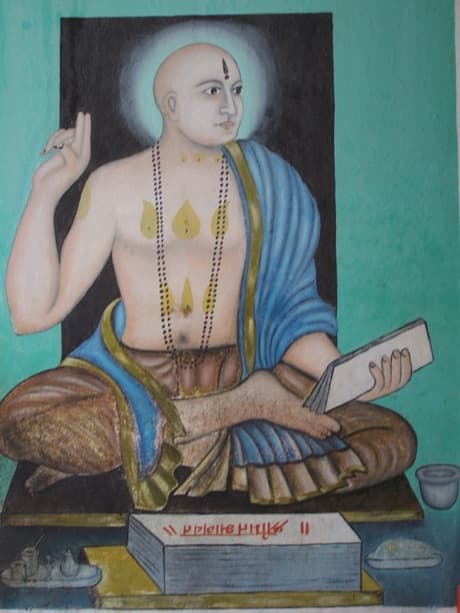
Madhvācārya · Dvaita
SanskritEnglishOn verses 16.21–16.24
“मामात्मपरदेहेषु इति | न कस्यचिद् विष्णुः कारयिता, यदि स्यान्मामपीदानीं कारयतु - इत्यादि | ईश्वरो यदि सर्वस्य कारकः कारयीत माम् | अद्येति वादिनं वृथात् सदाऽधो यास्यसीति तु || इति हि सामवेदे यास्कश्रुतिः ||” - मामात्मपरदेहेषु means when the actions are not motivated by the Lord. “None of them are the actions prompted by Sri Vishnu. If that were not so, then He would not have said ‘I have not prompted these actions’. “If all the actions are said to be His, then let my actions be performed by Him, such ones would be required to be told that they will go to eternal hell, thus according to Yaska scripture of Samaveda.”

Jñāneśvar · Vārkarī
English23 "Whosoever, relinquishing the prescribed ways of the Shāstra, acts under the promptings of lust, he does not achieve success, nor happiness, nor the Highest Goal. (445)
And (there is) that self-destroyer (stealer), who does not like all this and who reclining (and thus supporting) his head on passion and other demerits, defies the fatherly Vedas, which are uniformly kind to all and which are the headlights, showing what is (wholesome) to one's advantage and what is not. He who shows no respect for the mandates of the Scriptures, neglects his own interests, and goes on indulging the senses; he who never lets go his grip on Passion, Wrath and Greed keeps his promise (word) with them and who wanders freely through the jungle of unrestrained way—ward conduct—such a one does not get a single drop of water (to drink) of the river of liberation, what to say then of (the bliss of swimming in) the river itself, which he cannot enjoy even in a dream. He cannot have the enjoyment even of the ordinary, common objects of the world; what then of enjoyments pertaining to the other world (from which he is definitely excluded)? Getting deluded at seeing a fish (on the surface of the water) a Brahmin dives in with the greed of catching the fish; but instead of catching it he only incurs the risk of losing his own life: in that way, one just tries hard for the attainment of the other world, solely out of temptation for the enjoyment of the sense-objects; but while so striving, Death snatches him away somewhere else (before his desire is satisfied). In short he gets neither Heaven's nor this world's enjoyments; what then of securing liberation? Therefore, one who on account of the strength of desires, strives for the enjoyment of the sense-objects, gets neither the enjoyment nor the Heaven, nor yet can he ever expect to have salvation.
Swami Ramsukhdas · Modern
English'Yaḥ śāstravidhimutsṛjya vartate'—Those people, perform
* The theme of the twenty-eighth verse of the seventeenth chapter is almost the same.
actions, such as sacrifice, offer charity and do good to others in an arbitrary way, according to their sweet will* disobeying the ordinances of scriptures. The reason, is that they attach importance only to the seemingly good activities. They do not bother to get rid of their evil feelings.
Though they have evil feelings, yet they are proud of their outward good actions. It is because, of their pride, that their virtues are transformed into evil, their glory into blame, and their renunciation into attachment, and pleasure, which lead them to their downfall and ruin. It is because of their internal evil feelings, that they act in an arbitrary way, according to their own sweet will.
A patient, intends to discard unwholesome diet, and plans to take wholesome food. But out of attachment, takes unwholesome diet, which worsens his disease, similarly, people from their own view-point, make an attempt to perform good actions. But evils—desire, anger and greed take them under their sway and they act in an arbitrary way, disregarding the ordinance of scriptures and are thus, damned.
'Na sa siddhimavāpnoti'—Those, possessing demoniac nature, perform supposedly good actions, such as religious sacrifice etc., casting aside the ordinances of scriptures. Thus they may attain benefits, like wealth, and honour etc., but they do not attain perfection, in the form of purity of heart.
'Na sukham'—They do not attain Sāttvika happiness because
* (A) Here in the verse the expression 'Kāmakārataḥ' denotes one's own unrestrained self-will while in the expression 'Kāmakāreṇa' used in the twelfth verse of the fifth chapter there is desire for pleasures. The former looks at the actions while the latter looks at the fruit of the action. But 'Kāma' (Desire) is the root in both of them.
(B) Here a point needs attention that in this chapter from the seventh verse to the twenty-third verse the term 'Kāma' (Desire) has been used nine times in the context of the demoniac nature (16/8, 16/10, 11, 12, 12, 16, 18, 21, 23) (in 12 verse two times each). It means that desire is the root of the demoniac nature.
in their hearts the burning feeling of desire and anger, etc., persists. They may derive pleasure, born of contact with objects, which are only sources of sorrow (Gītā 5/22).
'Na parāṁ gatim'—They do not attain the Supreme Goal, because firstly they do not believe in it. Moreover, their actions, performed out of desire, anger and greed, are not conducive to attainment, of the Supreme Goal.
Their acts are good. So they can attain perfection, happiness and the Supreme Goal. But they do not attain these, because they possess evil propensities, such as desire (lust), anger, greed and pride, which are stumbling blocks, in their attainment. It is because of these evil propensities, that their good actions, generally convert into evil and vice. Therefore, they do not get all these things. Had their activities been evil, by nature, then there would have not been any question of their attaining, perfection, happiness and the Supreme Goal.
Appendix—People of demoniac nature, because of their pride, regard themselves as perfect and happy—'siddho'ham balavānsukhī' (Gītā 16/14) but actually they are never perfect and happy—'na sa siddhimavāpnoti na sukham'. Their hearts burn with the fire of pride and malice.
Link:—Those, who cast aside the ordinances of scriptures, attain neither perfection nor happiness, nor the Supreme Goal. So what should a man do? The Lord, answers the question, in the next verse.
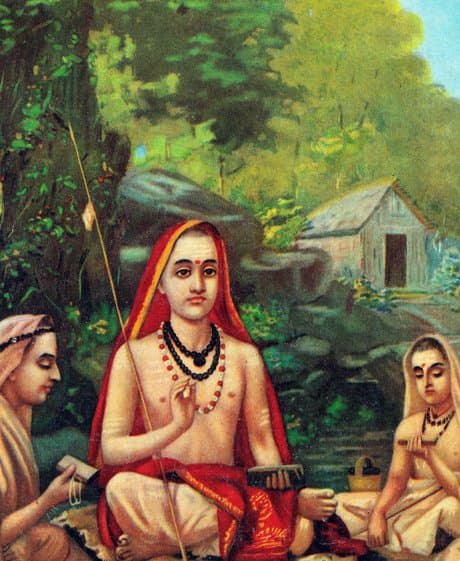
Ādi Śaṅkarācārya · Advaita
Sanskritयः शास्त्रविधिं शास्त्रं वेदः तस्य विधिं कर्तव्याकर्तव्यज्ञानकारणं विधिप्रतिषेधाख्यं उत्सृज्य त्यक्त्वा वर्तते कामकारतः कामप्रयुक्तः सन्, न सः सिद्धिं पुरुषार्थयोग्यतां अवाप्नोति, न अपि अस्मिन् लोके सुखं न अपि परां प्रकृष्टां गतिं स्वर्गं मोक्षं वा ॥
Ādi Śaṅkarācārya · Advaita
Hindiइस समस्त आसुरी सम्पत्तिके त्यागका और कल्याणमय आचरणोंका, मूल कारण शास्त्र है, शास्त्रप्रमाणसे ही दोनों किये जा सकते हैं, अन्यथा नहीं, अतः—
जो मनुष्य शास्त्रके विधानको, अर्थात् कर्तव्य-अकर्तव्यके ज्ञानका कारण जो विधि-निषेध-बोधक आदेश है उसको, छोड़कर कामनासे प्रयुक्त हुआ बर्तता है, वह न तो सिद्धिको—पुरुषार्थकी योग्यताको पाता है, न इस लोकमें सुख पाता है और न परम गतिको अर्थात् स्वर्ग या मोक्षको ही पाता है
Jñāneśvar · Vārkarī
MarathiOn verses 16.23–16.24
ना हें नावडोनि कांहीं । कामादिकांच्याचि ठायीं । दाटिली जेणें डोई । आत्मचोरें ॥ ४४५ ॥ जो जगीं समान सकृपु । हिताहित दाविता दीपु । तो अमान्यु केला बापु । वेदु जेणें ॥ ४४६ ॥ न धरीचि विधीची भीड । न करीचि आपली चाड । वाढवीत गेला कोड । इंद्रियांचें ॥ ४४७ ॥ कामक्रोधलोभांची कास । न सोडीच पाळिली भाष । स्वैराचाराचें असोस । वळघला रान ॥ ४४८ ॥ तो सुटकेचिया वाहिणीं । मग पिवों न लाहे पाणी । स्वप्नींही ते कहाणी । दूरीचि तया ॥ ४४९ ॥ आणि परत्र तंव जाये । हें कीर तया आहे । परी ऐहिकही न लाहे । भोग भोगूं ॥ ४५० ॥ तरी माशालागीं भुलला । ब्राह्मण पाणबुडां रिघाला । कीं तेथही पावला । नास्तिकवादु ॥ ४५१ ॥ तैसें विषयांचेनि कोडें । जेणें परत्रा केलें उबडें । तंव तोचि आणिकीकडे । मरणें नेला ॥ ४५२ ॥ एवं परत्र ना स्वर्गु । ना ऐहिकही विषयभोगु । तेथ केउता प्रसंगु । मोक्षाचा तो ? ॥ ४५३ ॥ म्हणौनि कामाचेनि बळें । जो विषय सेवूं पाहे सळें । तया विषयो ना स्वर्गु मिळे । ना उद्धरे तो ॥ ४५४ ॥
Jñāneśvar · Vārkarī
Hindi(16.445) अन्यथा जो आत्मचोर ऐसा करना नहीं चाहता और काम इत्यादि दोषों के बीच सिर दिये रहता है,
(16.446) संसार में सब पर समान कृपावान और हिताहित दिखानेवाला दीपक जो श्रेष्ठ वेद है उसका जो अवमान करता है,
(16.447) जो विधि की मर्यादा नहीं रखता, आत्महित की इच्छा नहीं रखता, केवल इन्द्रियों की इच्छा बढ़ाता जाता है,
(16.448) जो मानो इसी शपथ का पालन करता है कि काम, क्रोध और लोभ का पीछा न छोड़ूँगा, तथा जो स्वेच्छाचार के असीम वन में प्रवेश करता है (16.449) उसे फिर कभी मुक्तता-रूपी नदी का पानी पीने के लिए नहीं मिल सकता। उस सुख की कहानी उसे स्वप्न में भी दुर्लभ है।
(16.450) और परलोक का नाश तो उसका निश्चय से होता ही है परन्तु उसे ऐहिक भाग भी भागने का लाभ नहीं होता।
(16.451) जैसे कोई ब्राह्मण मछली के लोभ से धीमरों में मिल जाय पर वहाँ भी नास्तिक कहलाया जाय
(16.452) वैसे ही विषयों की इच्छा से जो अपना परलोक खो देता है मरण उसे और दूसरी ओर ले जाता है।
(16.453) इस प्रकार न परलोक वा स्वर्ग और न ऐहिक विषयों का भोग मिलता है, फिर वहाँ मोक्ष-प्राप्ति का मौका ही कैसे हो सकता है?
(16.454) अतः जो काम के अधीन हो बलात्कार से विषयों का सेवन करना चाहता है उसे न विषय मिलते हैं, न स्वर्ग मिलता है। उसका उद्धार नहीं होता।
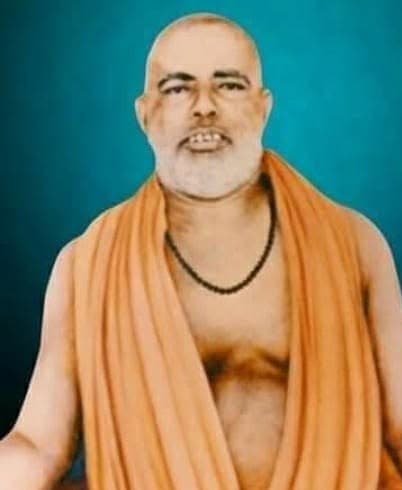
Sri Udiya Baba · Modern
Hindiसंगति— अब स्वेच्छाचारी की गति बतलाते हैं—
भावार्थ— जो शास्त्रविधि को त्यागकर मनमाना व्यवहार करता है वह सफलता प्राप्त नहीं कर सकता और न सुख या परमगति ही प्राप्त कर सकता है।
Swami Ramsukhdas · Modern
Hindi[सत्रहवें अध्यायका अट्ठाईसवाँ श्लोक भी इससे मिलता-जुलता है।]
‘यः शास्त्रविधिमुत्सृज्य वर्तते’—जो लोग शास्त्रविधिकी अवहेलना करके शास्त्रविहित यज्ञ करते हैं, दान करते हैं, परोपकार करते हैं, दुनियाके लाभके लिये तरह-तरहके कई अच्छे-अच्छे काम करते हैं; परन्तु वह सब करते हैं—‘कामकारतः’* अर्थात् शास्त्रविधिकी तरफ ध्यान न देकर अपने मनमाने ढंगसे करते हैं। मनमाने ढंगसे करनेमें कारण यह है कि उनके भीतर जो काम, क्रोध आदि पड़े रहते हैं, उनकी परवाह न करके वे बाहरी आचरणोंसे ही अपनेको बड़ा मानते हैं। तात्पर्य है कि वे बाहरके आचरणोंको ही श्रेष्ठ समझते हैं। दूसरे लोग भी बाहरके आचरणोंको ही विशेषतासे देखते हैं। भीतरके भावोंको, सिद्धान्तोंको जाननेवाले लोग बहुत कम होते हैं। परन्तु वास्तवमें भीतरके भावोंका ही विशेष महत्त्व है।
अगर भीतरमें दुर्गुण-दुर्भाव रहते हैं और बाहरसे बड़े भारी त्यागी-तपस्वी बन जाते हैं, तो अभिमानमें आकर दूसरोंकी ताड़ना कर देते हैं। इस प्रकार भीतरमें बड़े हुए देहाभिमानके कारण उनके गुण भी दोषमें परिणत हो जाते हैं, उनकी महिमा निन्दामें परिणत हो जाती है, उनका त्याग रागमें, आसक्तिमें, भोगोंमें परिणत हो जाता है और आगे चलकर वे पतनमें चले जाते हैं। इसलिये भीतरमें दोषोंके रहनेसे ही वे शास्त्रविधिका त्याग करके मनमाने ढंगसे आचरण करते हैं।
* (अ) यहाँ आये, ‘कामकारतः वर्तते’ (शास्त्रविधिकी अवहेलना करके मनमाने ढंगसे वर्ताव करता है) और पाँचवें अध्यायके बारहवें श्लोकमें आये ‘कामकारेण फले सक्तः’ (भोगोंकी, पदार्थोंकी इच्छासे फलमें आसक्त हुआ)—दोनोंमें थोड़ा अन्तर है। ‘कामकारतः’ में क्रिया करनेमें उच्छृङ्खल वृत्ति है और ‘कामकारेण’ में भोगोंकी इच्छा है। तात्पर्य है कि ‘कामकारतः’ की दृष्टि क्रियाकी तरफ है और ‘कामकारेण’ की दृष्टि क्रियाके परिणाम-(फल-) की तरफ है कि परिणाममें मुझे अमुकामुक लाभ होगा। पर दोनोंमें मूल कारण तो ‘काम’ ही है।
(ब) एक बात ध्यान देनेकी है कि सातवें श्लोकसे लेकर इस तेईसवें श्लोकतक जो आसुरी-सम्पत्तिका वर्णन हुआ है, उसमें कुल नौ बार ‘काम’ शब्द आया है; जैसे—१—‘कामहेतुकम्’ (१६।८), २—‘काममाश्रित्य’ (१६।१०), ३—‘कामोपभोगपरमाः’ (१६।११), ४—‘कामक्रोधपरायणाः’ (१६।१२), ५—‘कामभोगार्थम्’ (१६।१२), ६—‘कामभोगेषु’ (१६।१६), ७—‘कामम्’ (१६।१८), ८—‘कामः’ (१६।२१) और ९—‘कामकारतः’ (१६।२३)। इससे यह बात सिद्ध होती है कि आसुरी-सम्पत्तिका मूल कारण ‘काम’ अर्थात् कामना ही है।
जैसे रोगी अपनी दृष्टिसे तो कुपथ्यका त्याग और पथ्यका सेवन करता है, पर वह आसक्तिवश कुपथ्य ले लेता है, जिससे उसका स्वास्थ्य और अधिक खराब हो जाता है। ऐसे ही वे लोग अपनी दृष्टिसे अच्छे-अच्छे काम करते हैं, पर भीतरमें काम, क्रोध और लोभका आवेश रहनेसे वे शास्त्रविधिकी अवहेलना करके मनमाने ढंगसे काम करने लग जाते हैं, जिससे वे अधोगतिमें चले जाते हैं।
‘न स सिद्धिमवाप्नोति’—आसुरी-सम्पदावाले जो लोग शास्त्र-विधिका त्याग करके यज्ञ आदि शुभ कर्म करते हैं, उनको धन, मान, आदर आदिके रूपमें कुछ प्रसिद्धिरूप सिद्धि मिल सकती है, पर वास्तवमें अन्तःकरणकी शुद्धिरूप जो सिद्धि है, वह उनको नहीं मिलती।
‘न सुखम्’—उनको सुख भी नहीं मिलता; क्योंकि उनके भीतरमें काम-क्रोधादिकी जलन बनी रहती है। पदार्थोंके संयोगसे होनेवाला सुख उन्हें मिल सकता है, पर वह सुख दुःखोंका कारण ही है अर्थात् उससे दुःख-ही-दुःख पैदा होते हैं (गीता—पाँचवें अध्यायका बाईसवाँ श्लोक)। तात्पर्य यह है कि पारमार्थिक मार्गमें मिलनेवाला सात्त्विक सुख उनको नहीं मिलता।
‘न परां गतिम्’—उनको परमगति भी नहीं मिलती। परमगति मिले ही कैसे? पहले तो वे परमगतिको मानते ही नहीं और यदि मानते भी हैं, तो भी वह उनको मिल नहीं सकती; क्योंकि काम, क्रोध और लोभके कारण उनके कर्म ही ऐसे होते हैं।
सिद्धि, सुख और परमगतिके न मिलनेका तात्पर्य यह है कि वे आचरण तो श्रेष्ठ करते हैं, जिससे उन्हें सिद्धि, सुख और परमगतिकी प्राप्ति हो सके; परन्तु भीतरमें काम, क्रोध, लोभ, अभिमान आदि रहनेसे उनके अच्छे आचरण भी बुराईमें ही चले जाते हैं। इससे उनको उपर्युक्त चीजें
नहीं मिलतीं। यदि ऐसा मान लिया जाय कि उनके आचरण ही बुरे होते हैं, तो भगवान्का 'न स सिद्धिमवाप्नोति न सुखं न परां गतिम्'—ऐसा कहना बनेगा ही नहीं; क्योंकि प्राप्ति होनेपर ही निषेध होता है—'प्राप्तौ सत्यां निषेधः'।
**परिशिष्ट भाव**—आसुर मनुष्य अभिमानके कारण अपनेको सिद्ध और सुखी मानते हैं—'सिद्धोऽहं बलवान्सुखी' (गीता १६। १४), पर वास्तवमें वे सिद्ध और सुखी होते नहीं—'न स सिद्धिमवाप्नोति न सुखम्'। उनके हृदयमें अभिमान और द्वेषकी अग्नि जलती रहती है!
**सम्बन्ध**—शास्त्रविधिका त्याग करनेसे मनुष्यको सिद्धि आदिकी प्राप्ति नहीं होती, इसलिये मनुष्यको क्या करना चाहिये—इसे आगेके श्लोकमें बताते हैं।
The word śāstra refers exclusively to the Vedic scriptures. Vidhi means the injunctions and ordinances within them.
The Vedic scriptures are the Supreme Lord Krishna's mandates.
Whosoever foolishly abandons these instructions and utsṛjya or transgresses the injunctions and ordinances to drift whimsically wherever their desires aimlessly take them,
will never achieve siddhi or perfection beyond mundane conceptions, never achieve sukham or happiness of any longevity or param gatim the supreme goal of human existence.