

Bhagavad Gītā · Chapter 8 · Akṣara Brahma Yoga
वेदेषु यज्ञेषु तपःसु चैव
दानेषु यत्पुण्यफलं प्रदिष्टम्
अत्येति तत्सर्वमिदं विदित्वा
योगी परं स्थानमुपैति चाद्यम्
vedeṣu yajñeṣu tapaḥsu caiva
dāneṣu yatpuṇyaphalaṃ pradiṣṭam|
atyeti tatsarvamidaṃ viditvā
yogī paraṃ sthānamupaiti cādyam||
Word meanings
योगी = the yogi
इदम् = this
विदित्वा = knowing
वेदेषु = in the Vedas
यज्ञेषु = in sacrifices
तपःसु = in austerities
च, एव = and indeed
दानेषु = in charity
यत् = whatever
पुण्यफलम् = meritorious fruit
प्रदिष्टम् = is declared
तत् = that
सर्वम् = all
अत्येति = transcends
च = and
आद्यम् स्थानम् = the primal state
परम् = the Supreme
उषेति = attains
Translation
The Yogi, realizing this profound truth, doubtless transcends all the rewards, ascribed in the scriptures to the study of the Vedas, as well as to the performance of sacrifices, austerities and charities, and attains the beginningless supreme state.
Commentary
The commentators seated around this verse
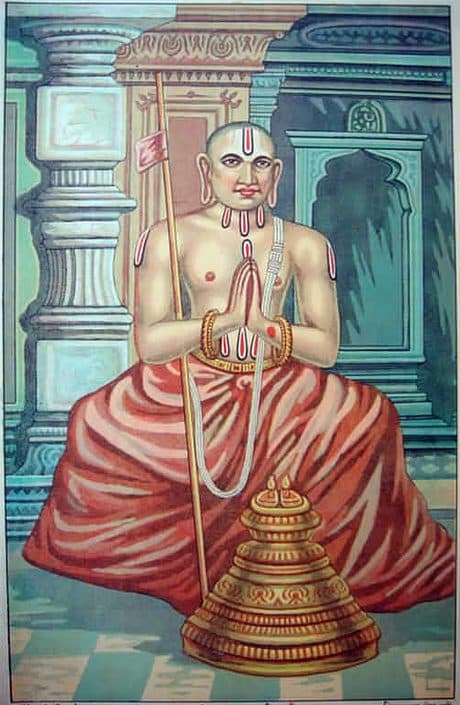
Rāmānuja · Viśiṣṭādvaita
English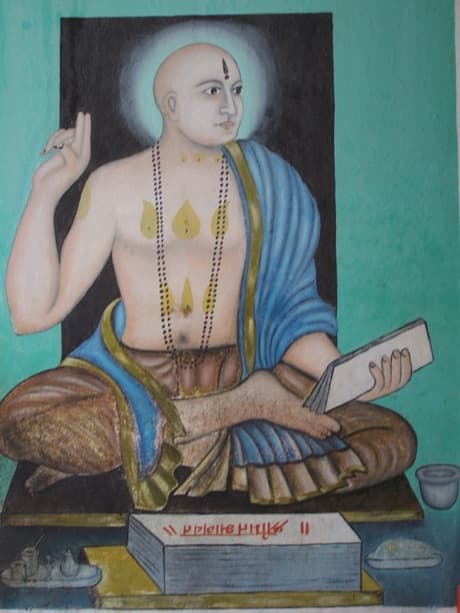
Madhvācārya · Dvaita
Madhva BhāṣyaSanskritEnglishOn verses 8.27–8.28
“एते सूती सोपाये ज्ञात्वाऽनुष्ठाय न मुह्यति | तच्चाह स्कान्दे – सूती ज्ञात्वा तु सोपाये चानुष्ठाय च साधनम् | न कश्चिन्मोहमाप्नोति नचान्या तत्र वै गतिः || इति ||” - The one who knowing this Truth and process of attaining it performs actions, will never forget the supreme Lord. Therefore, it is said in Skanda Purana: “Knowing these two paths along with the process, the instruments and the methodology, the one is not deluded in knowing the final goal”.
Madhvācārya · Dvaita
Gītā Tātparya NirṇayaSanskritEnglishOn verses 8.27–8.28
“मार्गो ब्रह्म च यः पश्येत् साक्षादेवापरोक्षतः | सर्वपुण्यतिगोऽमुह्यन् यात्यसौ ब्रह्म तत् परम् || इति च ||” - He who sees these Paths and the Brahman through the knowledge of the Supreme Lord, attains the Supreme State of Brahman which is more meritorious than the study of the Vedas etc. Thus Padma Purana.
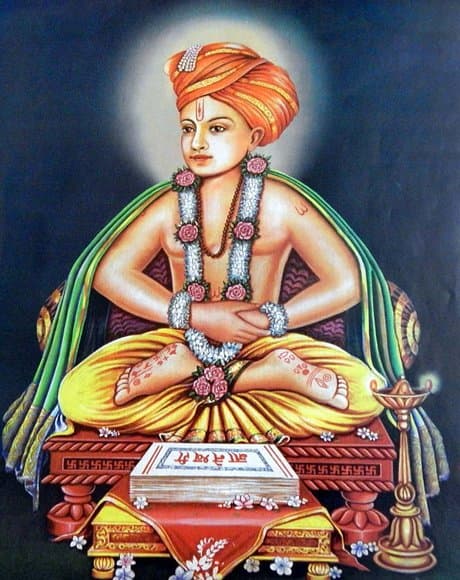
Jñāneśvar · Vārkarī
English28 "Through (study of the) Vedas, through sacrifices as also through austerities and through gifts, whatever merit's fruition has been pointed out (as attainable) the Yogin, knowing all this, gets beyond it (all), and gains the Supreme and Foremost Abode." (261)
The best fruit of the study of the Vedas or attainment of immense meritorious action through sacrificial works or through austerities and charity—all this, with all its abundant crop of merits is but a poor thing as compared to the glory of the Supreme Brahman. The Heavenly bliss, (which) when weighed in the balance does not weigh in any way lighter than the Supreme Brahman, to which the Vedas and the sacrifices are the pathway, of which one never feels surfeit, nor can it ever come to an end—nay it widens the field of enjoyment according to the desires of the enjoyer, and with ever increasing richness it begins to be felt as not second to the Supreme Brahman. That heavenly bliss is reckoned fit even to take the place of the Supreme Bliss, on account of the contentment felt outwardly (from it) by the senses. That heavenly bliss is insecure even by performers of hundred sacrifices: such heavenly bliss when weighed by the great Yogins on their palms in the form of divine vision secured through the attainment of the knowledge of the Supreme, is found by them to weigh ridiculously light and consequently holding it to be worthless, the Yogins make of it only stepping stones, and raising themselves high up, by standing on these steps, they ascend the seat of the Supreme Brahman. Such (is) the united glory of the universe, composed of the moveables and immoveables, and (is) fit to be prayed for even by Gods Brahmadev and Shiva. (It is) the thing of enjoyment by the Yogins and also the resultant bliss of that enjoyment. That mystery was unfolded to the Son of Pandu, by Lord Krishna, the soul of all arts, the Supreme Bliss incarnate, the very means of subsistence of all the living beings in the entire universe, the very life-blood (जीवन) of all knowledge, and the brilliant lamp of his own dynasty—such an account of Kurukshetra, Samjaya narrated to the King (Dhritarashtra), and the same should be heard by the hearers,—so requested Jnādev of his hearers.
अक्षरब्रह्मयोगो नामाष्टमोऽध्यायः ॥ ८ ॥
Swami Ramsukhdas · Modern
English'Vedeṣu yajñesu tapahsu caiva dānesu yatpunyaphalam pradiṣṭam atyeti tatsarvamidaṁ viditvā yogi paraṁ sthānamupaiti cādyam'—The fruit of performing meritorious acts, such as austerities, sacrifices, penances, charities and pilgrimages etc., is perishable, because all those acts have a beginning and an end; so how could their fruit, be imperishable? The man (soul), because of ignorance gets entangled in perishable things and persons etc., though, he is an eternal fraction of the Lord. Thus a striver, who knows the secret of the bright and the dark paths, described from the twenty-third verse to the twenty-sixth verse, transcends, the fruits of meritorious deeds, of the performance of sacrifices, austerities and charities etc., because he comes to know that all the worlds of pleasures from the abode of Brahmā downwards are subject to return. But on attaining, the Lord, there is no rebirth (Gītā 8/16). He, also knows, that he is a fraction of the Lord, and so without getting entangled in perishable and kaleidoscopic things and
pleasures, he can take refuge, in Him. Thus, he can attain, the primeval Abode viz., God* Who has been called in the twenty-first verse, of this chapter 'Supreme Goal', and 'Supreme Abode'.
The man, who is engrossed in pleasure and prosperity, cannot know, the Supreme primeval Abode viz., God. He himself, is responsible for this ignorance, because of his disinclination for God. He can wipe out this ignorance and error. If he renounces, the desire for sensual pleasure, he can know the supreme primeval Abode viz., the Lord. So a striver should make the best possible efforts, to attain the goal of human life, by renouncing desire, for perishable pleasure.
At the end of the sixth chapter, Lord Kṛṣṇa first, recited the merits of a Yogī, and then called upon Arjuna, to be a Yogī (6/46), but here, He first asked him to be a Yogī, and then explained, the merits of a Yogī. The reason, is that in the sixth chapter, the context is of the aspirant, who falls short of perfection in Yoga. Arjuna, then puts the question, 'He whose mind deviates from Yoga, does not perish?' In response to his question, Lord Kṛṣṇa answers, 'There is no fall for him, either here or hereafter. Not only this, even a seeker of Yoga, transcends the fruit of actions.' Therefore, Lord Kṛṣṇa, first tells the merit of a Yogī and then orders Arjuna to be a Yogī. Here, Arjuna puts the question, 'How are You to be known, at the time of death, by the self-controlled?' So, Lord Kṛṣṇa answers, 'I am attainable by exclusive devotion.' It means, that when a devotee, having total disinclination for worldly objects, takes refuge only in Him, He is attained, by that Yogī easily. So Lord Kṛṣṇa, first orders him to be a Yogī, and then explains the merit of a Yogī.
* 'I am the prime cause in all respects of gods as well as of other seers' (Gītā 10/2); 'I take refuge in that Primal Person (Gītā 15/4).'
ॐ तत्सदिति श्रीमद्भगवद्गीतासूपनिषत्सु ब्रह्मविद्यायां योगशास्त्रे
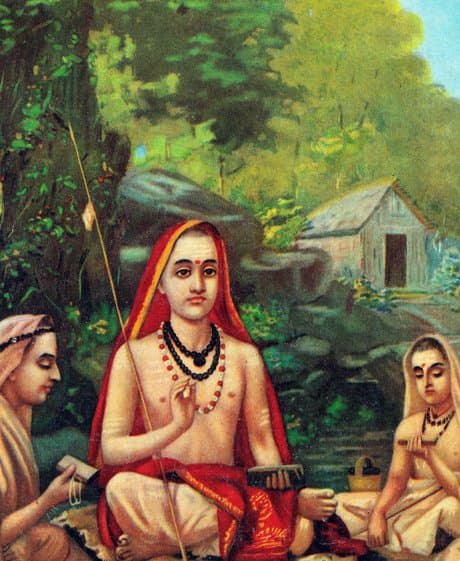
Ādi Śaṅkarācārya · Advaita
Sanskritवेदेषु सम्यगधीतेषु यज्ञेषु च साद्गुण्येन अनुष्ठितेन तपःसु च सुतप्तेषु दानेषु च सम्यग्दत्तेषु, एतेषु यत् पुण्यफलं प्रदिष्टं शास्त्रेण, अत्येति अतीत्य गच्छति तत् सर्वं फलजातम् ; इदं विदित्वा सप्तप्रश्ननिर्णयद्वारेण उक्तं अर्थं सम्यक् अवधार्य अनुष्ठाय योगी, परं उत्कृष्टं ऐश्वरं स्थानं उपैति च प्रतिपद्यते आद्यं आदौ भवम्, कारणं ब्रह्म इत्यर्थः ॥
Ādi Śaṅkarācārya · Advaita
Hindiइनको जानकर अर्थात् इन सात प्रश्नोंके निर्णयद्वारा कहे हुए रहस्यको यथार्थ समझकर और उसका अनुष्ठान करके योगी पुरुष, भलीभाँति पढ़े हुए वेद, श्रेष्ठ गुणोंसहित सम्पादन किये हुए यज्ञ, भली प्रकार किये हुए तप और यथार्थ पात्रको दिये हुए दान इन सबका शास्त्रोंने जो पुण्य-फल बतलाया है उस सबको अतिक्रम कर जाता है और आदिमें होनेवाले सबके कारणरूप परम श्रेष्ठ ऐश्वर-पदको अर्थात् ब्रह्मको पा लेता है
Jñāneśvar · Vārkarī
Marathiजरी वेदाध्ययनाचे जालें । अथवा यज्ञाचें शेतचि पिकलें । कीं तपोदनांचें जोडलें । सर्वस्व हन जें ॥ २६१॥
तया आघवां पुण्याचा मळा । भार आंतौनि जया ये फळा । तें परब्रह्मा निर्मळा । सांटी न सरे ॥ २६२॥
जें नित्यानंदाचेनि मानें । उपमेचा कांटाळां न दिसे सानें । पाहा पां वेदयज्ञादि साधनें । जया सुखा ॥ २६३॥
जें विटे ना सरे । भोगितयाचेनि पवाडें पुरे । पुढती महासुखाचें सोयरें । भावंडचि ॥ २६४॥
ऐसें दृष्टीचेनि सुखपणें । जयासी अदृष्टाचें बैसणें । जें शतमखाही आंगवणें । नोहेचि एका ॥ २६५॥
तयातें योगीश्वर अलौकिकें । दिठीचेनि हाततुकें । अनुमानती कौतुकें । तंव हळुवार आवडे ॥ २६६॥
मग तया सुखाची किरीटी । करुनियां गा पाउटी । परब्रह्मचिये पाटीं । आरूढती ॥ २६७॥
ऐसें चराचरैकभाग्य । जें ब्रह्मेशां आराधनेयोग्य । योगियांचे भोग्य- । भोगधन जें ॥ २६८॥
जो सकळ कळांची कळा । जो परमानंदाचा पुतळा । तो जिवाचा जिव्हाळा । विश्वाचिया ॥ २६९॥
जो सवर्ज्ञतेचा वोलावा । जो यादवकुळींचा कुळदिवा । तो श्रीकृष्णजी पांडवा- । प्रति बोलिला ॥ २७०॥
ऐसा कुरुक्षेत्रींचा वृत्तांतु । संजयो रायासी असे सांगतु । तेचि परियेसा पुढां मातु । ज्ञानदेव म्हणे ॥ २७१॥
Jñāneśvar · Vārkarī
Hindi(8.261) जो पुण्य वेद के अध्ययन से प्राप्त होता है, अथवा यज्ञरूपी खेत में पकता है, अथवा तप, दान, इत्यादि बातों से जिस सर्वस्व का लाभ होता है
(8.262) उस सम्पूर्ण पुण्य का बागीचा यद्यपि फल की बहार से भर जाय तो भी वह उस निर्मल परब्रह्म की बराबरी नहीं कर सकता। (8.263) जो सुख नित्यानन्द की उपमा की तुलना से कुछ कम नहीं दिखाई देता; और देखो, जिस सुख के लिए वेद, यज्ञ इत्यादि साधन हैं;
(8.264) जो न कभी विकृत होता है और न समाप्त होता है; जो भोगनेहारे की इच्छा के अनुसार पूर्ति करता है; और जो महासुख का सम्बन्धी भ्राता ही है;
(8.265) दृष्टि को सुखकारी होने के कारण जहाँ प्रारब्ध जा बैठता है, जो सौ यज्ञ करने से भी साध्य नहीं होता;
(8.266) उसे योगीश्वर — जो दिव्यदृष्टि की युक्ति के द्वारा कुतूहल से — देखते हैं तो वह उन्हें हलके मोल का दिखाई देता है।
(8.267) हे किरीटी! उस सुख की सीढ़ी बनाकर योगी परब्रह्म-पद पर चढ़ते हैं।
(8.268) जो स्थावर-जंगमों के एकभाग्य हैं, जो ब्रह्मदेव और शंकर द्वारा पूजनीय हैं, जो योगियों के उपभोग करने योग्य भोगधन हैं.
(8.269) जो सकल कलाओं की कला हैं, जो परमानन्द की मूर्ति हैं, जो जगत् के जीव के जीवन हैं, (8.270) जो सर्वज्ञता के हृदय हैं, जो यादवों के कुल के दीपक हैं, उन श्रीकृष्ण ने अर्जुन से इस प्रकार निरूपण किया।
(8.271) ज्ञानदेव कहते हैं कि यह कुरुक्षेत्र का वृत्तान्त संजय धृतराष्ट्र से कह रहे हैं। वही कथा और आगे सुनिए।
इति श्रीज्ञानदेवकृत भावार्थदीपिकायां अष्टमोऽध्यायः।
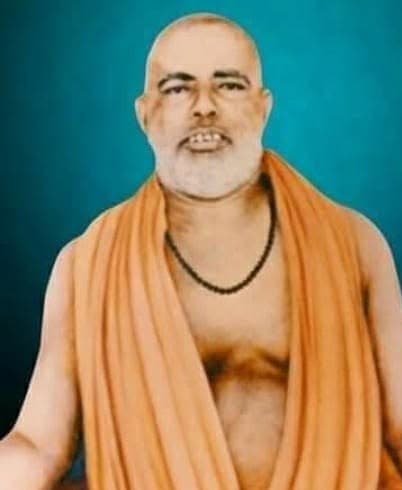
Sri Udiya Baba · Modern
Hindiभावार्थ— योगी (ब्रह्मनिष्ठ) इस रहस्य को जानकर वेद, यज्ञ, तप और दानादि के द्वारा जो फल बताया है उस सबको पार कर जाता है तथा जो सबसे श्रेष्ठ और सबका आदिकारण है उस (परब्रह्मरूप) स्थान को प्राप्त होता है।
व्याख्या— अर्थात् लौकिक अलौकिक सभी प्रकार के भोगों से विरक्त होकर परमात्मा को प्राप्त हो जाता है। यहाँ उसी योगी से तात्पर्य है जिसे अध्याय ६ श्लोक ४६ में तपस्वी, ज्ञानी और कर्मी सभी से बरकर बताया है।
Swami Ramsukhdas · Modern
Hindi‘वेदेषु यज्ञेषु तपःसु ... स्थानमुपैति चाद्यम्’—यज्ञ, दान, तप, तीर्थ, व्रत आदि जितने भी शास्त्रीय उत्तम-से-उत्तम कार्य हैं और उनका जो फल है, वह विनाशी ही होता है। कारण कि जब उत्तम-से-उत्तम कार्यका भी आरम्भ और समाप्ति होती है, तो फिर उस कार्यसे उत्पन्न होनेवाला फल अविनाशी कैसे हो सकता है? वह फल चाहे इस लोकका हो, चाहे स्वर्गादि भोग-भूमियोंका हो, उसकी नश्वरतामें किंचिन्मात्र भी फरक नहीं है। जीव स्वयं परमात्माका अविनाशी अंश होकर भी विनाशी पदार्थोंमें फँसा रहे, तो इसमें उसकी अज्ञता ही मुख्य है। अतः जो मनुष्य इस अध्यायमें वर्णित विषयके रहस्यको समझ लेता है, वह यज्ञ, तप, दान आदि सभी पुण्यफलोंका अतिक्रमण कर जाता है। कारण कि वह यह समझ लेता है कि भोग-भूमियोंकी भी आखिरी हद जो ब्रह्मलोक है, वहाँ जानेपर भी लौटकर पीछे आना पड़ता है; परन्तु भगवान्को प्राप्त होनेपर लौटकर नहीं आना पड़ता (आठवें अध्यायका सोलहवाँ श्लोक); और साथ-साथ यह भी समझ लेता है कि मैं तो साक्षात् परमात्माका अंश हूँ तथा ये प्राकृत पदार्थ नित्य-निरन्तर अभावमें, नाशमें जा रहे हैं, तो फिर वह नाशवान् पदार्थोंमें, भोगोंमें न फँसकर भगवान्के ही आश्रित हो जाता है। इसलिये वह आदिस्थान* परमात्माको प्राप्त हो जाता है, जिसको इसी अध्यायके इक्कीसवें श्लोकमें ‘परमगति’ और ‘परमधाम’ नामसे कहा गया है।
नाशवान् पदार्थोंके संग्रह और भोगोंमें आसक्त हुआ मनुष्य उस आदिस्थान परमात्मतत्त्वको नहीं जान सकता। न जाननेकी यह असामर्थ्य न तो भगवान्की दी हुई है, न प्रकृतिसे पैदा हुई है और न किसी कर्मका फल ही है अर्थात् यह असामर्थ्य किसीकी देन नहीं है; किन्तु स्वयं जीवने ही
परमात्मतत्त्वसे विमुख होकर इसको पैदा किया है। इसलिये यह स्वयं ही इसको मिटा सकता है। कारण कि अपने द्वारा की हुई भूलको स्वयं ही मिटा सकता है और इसको मिटानेका दायित्व भी स्वयंपर ही है। इस भूलको मिटानेमें यह जीव असमर्थ नहीं है, निर्बल नहीं है, अपात्र नहीं है। केवल संयोगजन्य सुखकी लोलुपताके कारण यह अपनेमें असामर्थ्यका आरोप कर लेता है और इसीसे मनुष्यजन्मके महान् लाभसे वंचित रह जाता है। अतः मनुष्यको संयोगजन्य सुखकी लोलुपताका त्याग करके मनुष्यजन्मको सार्थक बनानेके लिये नित्य-निरन्तर उद्यत रहना चाहिये।
छठे अध्यायके अन्तमें भगवान्ने पहले योगीकी महिमा कही और पीछे अर्जुनको योगी हो जानेकी आज्ञा दी (छठे अध्यायका छियालीसवाँ श्लोक); और यहाँ भगवान्ने पहले अर्जुनको योगी होनेकी आज्ञा दी और पीछे योगीकी महिमा कही। इसका तात्पर्य है कि छठे अध्यायमें योगभ्रष्टका प्रसंग है, और उसके विषयमें अर्जुनके मनमें सन्देह था कि वह कहीं नष्ट-भ्रष्ट तो नहीं हो जाता? इस शंकाको दूर करनेके लिये भगवान्ने कहा कि ‘कोई किसी तरहसे योगमें लग जाय तो उसका पतन नहीं होता। इतना ही नहीं, इस योगका जिज्ञासुमात्र भी शब्दब्रह्मका अतिक्रमण कर जाता है।’ इसलिये योगीकी महिमा पहले कही और पीछे अर्जुनके लिये योगी होनेकी आज्ञा दी। परन्तु यहाँ अर्जुनका प्रश्न रहा कि नियतात्मा पुरुषोंके द्वारा आप कैसे जाननेमें आते हैं? इस प्रश्नका उत्तर देते हुए भगवान्ने कहा कि ‘जो सांसारिक पदार्थोंसे सर्वथा विमुख होकर केवल मेरे परायण होता है, उस योगीके लिये मैं सुलभ हूँ’, इसलिये पहले ‘तू योगी हो जा’ ऐसी आज्ञा दी और पीछे योगीकी महिमा कही।
Whatever gain is said to be obtained from the four meritorious actions:—
(a) adhyāyana —the regular study of the Vedas,
(b) yajña —the performance of sacrifices,
(c) tapa —self-restraint,
(d) dāna —charity
all this is transcended by knowing this teaching, namely the greatness of the Lord as taught in these two chapters (7 and 8). By the immense joy arising from the knowledge of the greatness of the Divine, one regards all these merits as insignificant as straw.
By being a Yogi, that is, an enlightened person one reaches the Supreme, Original State which is eternal —beyond time.