

Bhagavad Gītā · Chapter 8 · Akṣara Brahma Yoga
अनन्यचेताः सततं यो मां स्मरति नित्यशः
तस्याहं सुलभः पार्थ नित्ययुक्तस्य योगिनः
ananyacetāḥ satataṃ yo māṃ smarati nityaśaḥ|
tasyāhaṃ sulabhaḥ pārtha nityayuktasya yoginaḥ||
Word meanings
पार्थ = O Pārtha
अनन्यचेताः = with undivided mind
यः = he who
माम् = Me
नित्यशः = constantly
सततम् = constantly
स्मरति = remembers
तस्य = of that
नित्ययुक्तस्य = of the ever-disciplined
योगिनः = for the yogi
अहम् = I
Translation
Arjuna, whosoever always and constantly thinks of Me with undivided mind, to that Yogi ever absorbed in Me I am easily attainable.
Commentary
The commentators seated around this verse

Rāmānuja · Viśiṣṭādvaita
English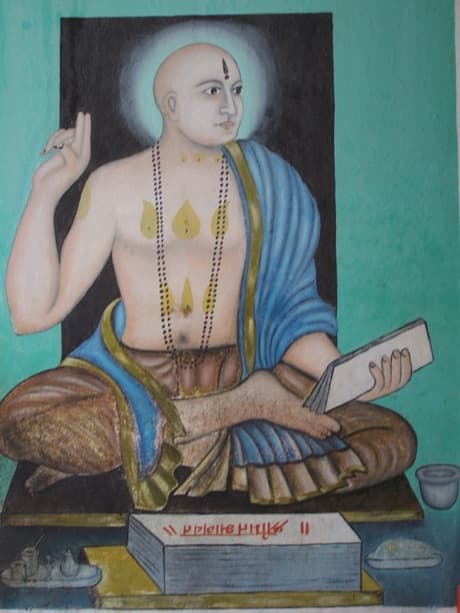
Madhvācārya · Dvaita
Madhva BhāṣyaSanskritEnglishOn verses 8.14–8.16
“नित्ययुक्तस्य नित्योपायवतः । योगिनः परिपूर्णयोगस्य ।” – Equanimous is one who constantly endeavours. The Yogi is completely in equanimity. “तत्प्राप्तिं स्तौति - माम् इति । परमां सिद्धिं गता हि त इति तत्र हेतुः । महामेरुस्थब्रह्मसदनमारभ्य पुनरावृत्तिः । तच्चोक्तं नारायणगोपालकल्पे । आमेरुब्रह्मसदनादानान्न जनिर्भुवि । तथाप्यभावः सर्वत्र प्राप्यैव वसुदेवजम् ॥ इति ।” – Sri Krishna praises attainment of the Supreme State as the singular goal. Starting from Brahma, who dwells on the mountain Meru, there is no return, thus it is said in Narayana Kalpa. “In all the cases concerned with worlds, from the world of (four-faced) Brahma on Maha Meru mountain to the world of human beings, there is no possibility of attaining the Supreme Being”, thus also having been said.
Madhvācārya · Dvaita
Gītā Tātparya NirṇayaSanskritEnglishOn verses 8.14–8.16
“नियमाज्जन्मनोऽभावो मुक्तस्यैव तथाऽपि तु । महर्लोकमतीतानां न जन्मांशलयौ विना । तत्राप्यवश्यं तत् स्थानं तैः क्षिप्रं पुनराप्यते ॥ इति भावे ॥” – Deliverance from samsara and attaining the supreme Lord is possible only through exclusive devotion or Bhakti. Those whose desire is enjoy the heavenly pleasures free from disease, degeneration and old age will soon return to the samsara again without reaching the goal, whereas the devotees of the lord reach the goal.

Jñāneśvar · Vārkarī
EnglishOn verses 8.14–8.15
14 'He who, with the mind not straying elsewhere, always and continuously thinks of Me: for such a Yogin, ever diligent in application, I remain, O Son of Pṛthā, easy of attainment. 15 'Having reached Me, (they) do not become liable to re-birth, which is transient and an abode of woe; the high-souled ones who have (already) attained the summum bonum. (124) Such God-Seekers relinquishing all sense pleasures and delights, and fettering all earthly desires, have made Me the cherished treasure of their hearts: thus they enjoy the bliss of My Divine Presence; while enjoying this bliss, no wonder that they forget even hunger and thirst; how could the lure of visible and other objects affect them? Such Souls, as have in this way united themselves to me and been merged in Me and live in Me entirely—would they, at the time of departing this life be required to remember Me for relief? Were it to be, that I should be propitious to such ones only, if and when they remember Me at the time of the fall of their bodies—of what avail then would their entire life of devotion and worship be? Any poor mortal in distress prays piteously, raising the cry of help “Hasten, Oh God, to save me”. Do I not hasten to him to soothe his pain? And if My lifelong devotees be placed in this sad plight, what worth may this strife and strain of a devoted life be? Therefore, I say, let there be no such doubt in your mind even for a moment. I am at their service and ready to relieve their distress, whenever such devotees remember me; for unbearable indeed to Me is the burden of their unswerved devoted life. With such a debt of devotion on My head, I am at all times eager to relieve their suffering, at the time of their end, thus repaying the debt I owe to them. To protect from bodily affliction, the tender and delicate frame of these dear ones, I give them shelter in the Spiritual encasement of Self-knowledge, and then covered with the soothing and cool shade of perpetual presence of My Divine name and fixed in their mind full of Me, they are united to My essence eternal. Therefore, it never happens that My devotees ever suffer any distress at the time of their death.
I bring those, dear to Me, to My own eternal being. I get them to merge into My Divine life by making them cast off their outer bodily covers after brushing aside the dust of their conceit, and keeping untainted the purity of their pure desires. The devotees too have left (in them) no bodily attachment, and therefore, they hardly feel any pangs of separation from their bodies. Also having already become one with Me, even while in (human) body-form, they naturally have no feeling that I should get by their side at death and take them unto Myself. In truth, their very sojourn in this mortal life is only a reflection, as it were, in the waters in the form of their bodies. And just as the reflections of the moon-beams in water, abide in the moon herself with the disappearance of the water, even so with the ebbing of their bodily life, their sojourn in the mortal life abides forever in the Essence of the Eternal Self. Their existence in the world is, in fact, not real but is like reflection while the real form is only the essence of Supreme Brahman. In this way, they having ever become My own Essence, I am always in their life and there is consequently no doubt, that with the fall of their bodies, they abide in Me. And to bodily life they never return—those who have reached the eternal abode in Me. For, verily the body is a soil in which grow trees of misery and a hot-bed of fire breeding three classes of affliction (i) physical, (ii) mental and (iii) Super-natural. It is indeed a victim (बळी) offered to the carrion of Death. It breeds plenty of wretchedness, multiplies, and is the hot-bed of all evil. It is the root of all vice, the ripe fruit of wicked actions and the very image of human folly. It is the home of misery that earthly life is, the garden on which grow all lusts and passions, and the very dish in which food is given to all ills of this life. The body again is a foul morsel of rice dish (खिचडी), that all-destroying time has thrown after chewing. It is the ever-growing strength of the hope never-ending, and the fertile and watery soil for (the breeding of) births and deaths. It is full of delusion and error, is cast on the stuff of fancies and is as it were the very underground (grain) pit of scorpions. It is the den of the tiger, and is strumpet-like in its action on soul, and is the very tool of sense enjoyment on Sensuous pleasures. It is like the affection of a sorceress or like a sip of cool poison, or the showy (false) faith of a thug. It is like embracing a person having white leprosy or the softness of a dark-coloured snake, or the singing of an entrapper (फासेपारधी), or the hospitality by an enemy, or the welcome from a vicious person—nay it is an ocean of evil things. It is like a dream in a dream, or a dense forest grown on (the water of) mirage, or a sky formed by the particles of smoke. To a body of this nature, never return those, who have reached (Me) and become one with the essence of My Being.
Swami Ramsukhdas · Modern
English[The Lord, endowed with attributes and form, referred to in the thirtieth verse of the seventh chapter, is discussed in detail here, in the fourteenth, fifteenth and sixteenth verses.]
'Ananyacetāḥ'—A striver, whose mind is not attracted in the least, towards prosperity and pleasures, and remains absorbed in God, and does not depend on anyone besides the Lord, is of undivided mind. He depends only on God, like a chaste wife, who totally depends on her husband, and thinks of him only, and like an obedient disciple or son, who depends on his preceptor or parents only.
Such a striver, worships the Lord endowed with attributes, such as Rāma, Kṛṣṇa, Śiva, Durgā, Gaṇeśa, Sūrya (Sun-God). He, without thinking of the other forms, of the Lord, as different from
his own, worships his favourite Deity, with exclusive devotion. He has a firm belief, that he is only God's and only God is his; he is of none else, and none else is his.
'Satataṁ yo māṁ smarati nityaśaḥ'—'Satataṁ' means 'Constantly', from the time he is awake, to the time he goes to sleep. 'Nityaśaḥ' means, always i.e., he thinks of Him, from the day he knew Him, to the day he dies.
'Tasyāhaṁ sulabhaḥ pārtha nityayuktasya yoghah'—I am easily attainable to such a devotee, who is absorbed in Me. 'Absorbed in Me' does not mean, that his mind, constantly dwells on Me. But it means, that he is devoted to Me, in a dedicated spirit, with full faith and love. For instance, a Brāhmaṇa by caste, always remembers that he is a Brāhmaṇa, not a Kṣatriya or a Vaiśya. He remains a Brāhmaṇa, whether he thinks of it or not. Similarly, a devotee has a firm belief, that he is only Mine and only I am his. He, who maintains this affinity, is called 'absorbed in Me.' His senses, body, mind, intellect etc., are not his. If he accepts his body and mind etc., as his own, I cannot be easily attainable to him.
The fact is, that we have identity with the Lord, not with the world. Our identity with the world, is impossible. But, by an error, we identify ourselves with bodies, and think that the Lord, is separate from us. The result is, that we have to follow the cycle of birth and death. But, if we realize the reality, the Lord, can be easily attainable to us.
From the eighth verse to the thirteenth verse, the Lord explained, that a striver should think of the Lord, Who is formless and endowed with attributes, as well as attributeless-formless. He can be attained by restraining the life-breath. But, at the time of death the process of restraining the breath is difficult, and it is easier to think of Him. The man, is an eternal fraction of the Lord and he has had his natural affinity for Him, from time immemorial. This affinity, is not subject to practice and action.
So, by realizing this real and natural affinity for the Lord, he with his body, senses, mind and intellect, should surrender himself to Him. By doing so, he need not worry in the least, about his salvation or attaining the Supreme Goal, in the same way as there is no worry in case of damage or destruction, of an article if it is insured. There is no difficulty in it. Therefore, the Lord, has declared that He is easily attainable, to such a striver.
Appendix—Ananyacetāḥ—when a devotee holds that there is no other entity besides God, then how will his mind wander? Why will it wander? where will it wander? Therefore he naturally becomes ‘ananyacetāḥ’ viz., he whose mind is undivided and who depends only on God—‘satatam yo māṁ smarati nityaśaḥ’—One is ‘to do’ and the other is ‘to take place’. Whatever is done is an action and whatever takes place is remembrance (memory). As at the end of the Gītā, Arjuna said, ‘smṛtirlabdhā’ (18/73), the memory is not an action but it is remembrance (memory) of one’s eternal relationship (intimacy) with God. The ‘sense of mine’ with God is the main factor for His memory. God is mine and He is for me—by this mineness, love (devotion) for God naturally develops and when we love, He is naturally and constantly remembered by us. Therefore at the beginning of the seventh chapter by the expression ‘mayyāsaktamanāḥ’ the Lord has mentioned to get attached to Him viz., to love Him. It means that when a striver regards only God as his and for him, He becomes loving (lovable) to him. When this lovingness (lovability) is developed, God is naturally remembered. ‘nityayuktasya’—when a devotee is perpetually attached to God, he is called ‘nityayukta’. In the seventeenth verse of the seventh chapter, the same fact has been pointed out by the expression ‘teṣāṁ jñānī nityayuktaḥ.’ In the term nityayukta’ all the points mentioned in the first half of the verse, are also included.
‘Tasyāhaṁ sulabhaḥ pārtha’—The Lord has declared a great soul to be rare—‘sa mahātmā sudurlabhaḥ’ (Gītā 7/19) but here
the Lord declares that He is easily attainable. It means that in the world God is not rare but the devotees, who having known reality about Him, take refuge in Him, are rare. The reason is that if a striver seeks God, being omnipresent He will be available everywhere, but the loving devotee of God will be available only rarely.
hari duralabha nahiṃ jagatameṃ, harijana duralabha hoya
hari heryāṃ saba jaga milai, harijana kahiṃ eka hoya
God by His grace bestows upon a man this human body, with this body he can also pave the way to numerous wombs and even hells. But a devotee (saint) by showering his grace leads the man to God-realization.
hari se tū jani heta kara, kara harijana se heta
hari rijhai jaga deta haiṃ, harijana hari hī deta
In fact He who is ever attained, about Him no question arises whether He is attained easily or rarely. In order to renounce this misconception, the Lord has declared that He is easily attainable. The unreal (the body and the world) has no existence, but we recognise its existence, value it and are attached to it; therefore ever attained God has become rare. If we don't accept the existence of the unreal and don't value it, God's attainment is self-evident (natural), 'The unreal exists, it is ours and is for us'—this assumption means to give existence to the unreal, to value it and to be attached to it.
Link:—In the next two verses, Lord Kṛṣṇa explains the merit of His realization.
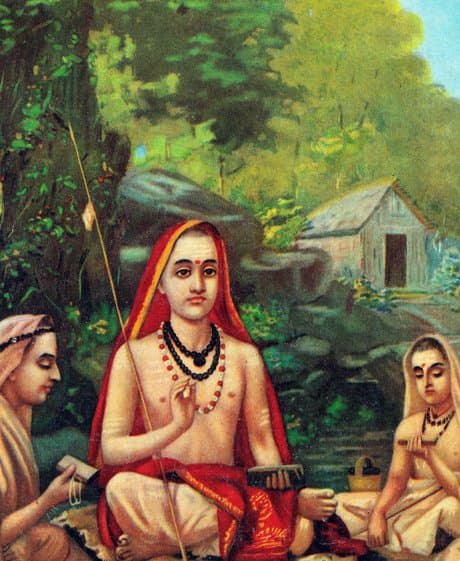
Ādi Śaṅkarācārya · Advaita
Sanskritअनन्यचेताः न अन्यविषये चेतः यस्य सोऽयं अनन्यचेताः, योगी सततं सर्वदा यः मां परमेश्वरं स्मरति नित्यशः । सततं इति नैरन्तर्यं उच्यते, नित्यशः इति दीर्घकालत्वं उच्यते । न षण्मासं संवत्सरं वा ; किं तर्हि ? यावज्जीवं नैरन्तर्येण यः मां स्मरतीत्यर्थः । तस्य योगिनः अहं सुलभः सुखेन लभ्यः हे पार्थ, नित्ययुक्तस्य सदा समाहितचित्तस्य योगिनः । यतः एवम्, अतः अनन्यचेताः सन् मयि सदा समाहितः भवेत् ॥ तव सौलभ्येन किं स्यात् इत्युच्यते ; शृणु तत् मम सौलभ्येन यत् भवति --
Ādi Śaṅkarācārya · Advaita
Hindiअनन्यचित्तवाला अर्थात् जिसका चित्त अन्य किसी भी विषयका चिन्तन नहीं करता, ऐसा जो योगी सर्वदा निरन्तर प्रतिदिन मुझ परमेश्वरका स्मरण किया करता है।
यहाँ ‘सततम्’ इस शब्दसे निरन्तरताका कथन है और ‘नित्यशः’ इस शब्दसे दीर्घकालका कथन है, अतः यह समझना चाहिये कि छः महीने या एक वर्ष ही नहीं किंतु जीवनपर्यन्त जो निरन्तर मेरा स्मरण करता है।
हे पार्थ! उस नित्य-समाधिस्थ योगीके लिये मैं सुलभ हूँ। अर्थात् उसको मैं अनायास प्राप्त हो जाता हूँ। जब कि यह बात है, इसलिये (मनुष्यको) अनन्य चित्तवाला होकर सदा ही मुझमें समाहितचित्त रहना चाहिये
Jñāneśvar · Vārkarī
MarathiOn verses 8.14–8.15
जे विषयांसि तीळांजळी देऊनी । प्रवृत्तीवरी निगड वाउनी । मातें हृदयीं सूनी । भोगताती ॥ १२४॥
परि भोगितया आराणुका । भेटणें नाहीं क्षुधादिकां । तेथ चक्षुरादि रंकां । कवण पाडु ॥ १२५॥
ऐसे निरंतर एकवटले । जे अंतःकरणी मजशीं लिगटले । मीचि होऊनि आटले । उपासैती ॥ १२६॥
तयां देहावसान जैं पावे । तैं तिहीं मातें स्मरावें । मग म्यां जरी पावावें । तरि उपास्ति ते कायसी ॥ १२७॥
पैं रंकु एक आडलेपणें । काकुळती अंती धांवा गा धांवा म्हणे । तरि तयाचिये ग्लानी धांवणे । काय न घडे मज ॥ १२८॥
आणि भक्तांही तेचि दशा । तरी भक्तीचा सोसु कायसा । म्हणऊनि हा ध्वनी ऐसा । न वाखाणावा ॥ १२९॥
तिहीं जे वेळीं मी स्मरावा । ते वेळीं स्मरला कीं पावावा । तो आभारूही जीवा । साहवेचि ना ॥ १३०॥
तें ऋणवैपण देखोनि आंगी । मी आपुलियाचि उत्तीर्णत्वालागीं । भक्तांचिया तनुत्यागीं । परिचर्या करीं ॥ १३१॥
देहवैकल्याचा वारा । झणें लागेल या सकुमारां । म्हणोनि आत्मबोधाचे पांजिरां । सूयें तयांतें ॥ १३२॥
वरि आपुलिया स्मरणाची उवाइली । हींवाऐसी करीं साउली । ऐसेनि नित्य बुद्धि संचली । मी आणीं तयांतें ॥ १३३॥
म्हणोनि देहांतींचें सांकडें । माझियां कहींचि न पडे । मी आपुलियांतें आपुलीकडे । सुखेंचि आणीं ॥ १३४॥
वरचील देहाची गंवसणी फेडुनी । आहाच अहंकाराचे रज झाडुनी । शुद्ध वासना निवडुनी । आपणापां मेळवी ॥ १३५॥
आणि भक्तां तरी देहीं । विशेष एकवंकीचा ठाव नाहीं । म्हणऊनि अव्हेरू करितां कांही । वियोग ऐसा न वाटे ॥ १३६॥
ना तरी देहांतींचि मियां यावें । मग आपणपें यांतें न्यावें । हेंही नाहीं जे स्वभावें । ते आधींचि मज मीनले ॥ १३७॥
येरी शरीराचिया सलिलीं । असतेपण हे साउले । वांचूनि चंद्रिका ते ठेली । चंद्रींचि आहे ।। १३८॥
ऐसे जे नित्ययुक्त । तयांसि सुलभ मी सतत । म्हणाऊनि देहांतीं निश्चित । मीचि होती ॥ १३९॥
मग क्लेशतरूची वाडी । जे तापत्रयाग्नीची सगडी । जे मृत्युकाकासि कुरोंडी । सांडिली आहे ॥ १४०॥
जें दैन्याचें दुभतें । जें महाभयातें वाढवितें । जें सकळ दुःखाचें पुरतें । भांडवल ॥ १४१॥
जें दुर्मतीचें मूळ । जें कुमार्गाचें फळ । जें व्यामोहाचें केवळ । स्वरूपचि ॥ १४२॥
जें संसाराचें बैसणें । जें विकाराचें उद्यानें । जें सकळ रोगांचें भाणें । वाढिलें आहे ॥ १४३॥
जें काळाचा खिचउशिटा । जें आशेचा आंगवठा । जन्ममरणाचा वोलिंवटा । स्वभावें जें ॥ १४४॥
जें भुलीचें भरींव । जें विकल्पाचें वोतींव । किंबहुना पेंव । विंचुवांचें ॥ १४५॥
जें व्याघ्राचें क्षेत्र । जें पण्यांगनेचें मैत्र । जें विषयविज्ञानयंत्र । सुपूजित ॥ १४६॥
जें लांवेचा कळवळा । निवालिया विषोदकाचा गळाळा । जें विश्वासु आंगवळा । संवचोराचा ॥ १४७॥
जें कोढियाचें खेंव । जें काळसर्पाचें मार्दव । गोरियाचें स्वभाव । गायन जें ॥ १४८॥
जें वैरियाचा पाहुणेर । जें दुर्जनाचा आदर । हें असो जें सागर । अनर्थाचा ॥ १४९॥
जें स्वप्नीं देखिलें स्वप्न । जें मृगजळें सासिन्नलें वन । जें धूम्ररजांचें गगन । ओतलें आहे ॥ १५०॥
ऐसें जें हें शरीर । तें ते न पवतीचि पुढती नर । जे होऊनि ठेले अपार । स्वरूप माझें ॥ १५१॥
Jñāneśvar · Vārkarī
HindiOn verses 8.14–8.15
(8.124) जो पुरुष विषयों को तिलांजलि दे प्रवृत्ति के पाँवों में बेड़ी ठोक मुझे हृदय में रख भोगते हैं,
(8.125) पर भोग की अतृप्ति के कारण क्षुधा आदि की भी भेंट नहीं लेते तो चक्षु आदि रंकों की क्या कथा;
(8.126) वे जो निरन्तर एकाग्र हो अन्तःकरण में मुझसे युक्त हो मेरे स्वरूप में ही व्याप्त होकर मेरी भक्ति करते हैं,
(8.127) देहावसान के समय यदि वे मेरा स्मरण करें और मैं उन्हें प्राप्त न होऊँ तो वह उपासना ही क्या हुई?
(8.128) कोई दीन मनुष्य संकट में पड़ा अकुला कर "दौड़ो दौड़ो" चिल्लावे तो उसका दुःख दूर करने के लिए क्या मैं नहीं दौड़ जाता?
(8.129) फिर यदि भक्तों की भी वही दशा हो तो कोई भक्ति की उत्कट कामना ही क्यों करें! इसलिए ऐसी बात ही मत कहो।
(8.130) भक्त ज्योंही मेरा स्मरण करते हैं त्योंही, स्मरण करते ही, मैं उनके पास पहुँचता हूँ! परन्तु उसके स्मरण का उपकार भी मेरा जी सह नहीं सकता।
(8.131) अतः मैं निज को इस प्रकार ऋणी देखकर, उनसे उऋण होने के लिए, भक्तों के देहान्त के समय उनकी सेवा करता हूँ। (8.132) उन सुकुमारों को शरीर की विकलतारूप हवा न लग जाय, इसलिए मैं उन्हें आत्मज्ञानरूपी पिंजरे में रखता हूँ
(8.133) और उनपर अपने स्मरण की शान्त और ठण्डी छाया करता हूँ। इस प्रकार मैं उन्हें इस संचित बुद्धि का स्मरण करा देता हूँ कि "मैं नित्य हूँ।"
(8.134) इसलिए मेरे भक्तों को शरीरत्याग के समय संकट कभी नहीं होता। अपने सेवकों को मैं अपनी ओर सुख से ले आता हूँ।
(8.135) उनके बाह्य-शरीर का आच्छादन निकाल कर मिथ्या अहंकार की धूल झाड़ कर शुद्ध वासना के द्वारा मैं उन्हें निज में मिला लेता हूँ।
(8.136) और, भक्तों को भी देह से विशेष तादात्म्य नहीं रहता इसलिए उसे छोड़ते उन्हें कुछ विरह नहीं मालूम पड़ता।
(8.137) अथवा देहान्त के समय वे यह भी नहीं सोचते कि मैं जाऊँ और उन्हें निजस्वरूप को ले आऊँ। क्योंकि वे पहले ही से मुझमें मिले हुए रहते हैं। (8.138) उनका अहंकार शरीररूपी जल में आत्मरूपी चन्द्र का प्रतिबिम्ब दिखाई देता है, परन्तु वास्तव में आत्मारूपी चन्द्रिका का निवास तो चन्द्र में ही रहता है।
(8.139) इस प्रकार जो निरन्तर मुझ से युक्त हैं उन्हें मैं सर्वदा सुलभ हूँ। इसलिए शरीर छोड़ते समय वे निश्चय से मद्रूप हो जाते हैं।
(8.140) और जो क्लेशरूपी वृक्षों का बगीचा है, जो आध्यात्मिक-आधिदैविक और आधिभौतिक तापों की अँगीठी है, जो मृत्युरूपी कौए के लिए मानों बलि डाला गया है,
(8.141) जो दारिद्र्य उत्पन्न करनेवाला और मृत्यु के भय को बढ़ानेवाला है, जो सकल दुःखों की पूर्ण पूँजी है,
(8.142) जो दुर्मति का मूल है, जो कुकर्म का फल है, जो भ्रान्ति की केवल स्वरूप है,
(8.143) जो संसार के बैठने का स्थान है, जो विकारों का बगीचा है, जो सकल रोगों की परोसी हुई थाली है,
(8.144) जो काल की जूँठी खिचड़ी है, जो आशा के शरीर का ढाँचा है, जो स्वभावतः जन्म-मरण के आवागमन का रास्ता है, (8.145) जो भ्रम से भरा हुआ, विकल्प से ढाला हुआ किंबहुना बिच्छुओं की खँव (खती) है,
(8.146) जो व्याघ्र का क्षेत्र है, जो वेश्या का मित्र है, जो विषयों को जानने का उत्तम मन्त्र है,
(8.147) जो डाकिनी के प्रेम का स्थान है, और विषरूपी ठण्डे पानी का घूँट है, जो साहु-चोर का विश्वसनीय सहवासी है,
(8.148) जो कोढ़ी का आलिंगन है, जो महाविषैले सर्प की मृदुता के समान है, जिसका स्वभाव बहेलिये के गायन जैसा है,
(8.149) जो शत्रु की पहुँच है, दुर्जन का आदर है, और क्या कहें, जो अनर्थों का समुद्र है,
(8.150) जो स्वप्न में देखा हुआ स्वप्न अथवा मृगजल का विस्तृत वन अथवा जो धुएँ के रज का ढाला हुआ गगन है,
(8.151) ऐसा जो यह शरीर है उसे मेरे अपार स्वरूप से एक हो जानेवाले पुरुष पुनः नहीं पाते।
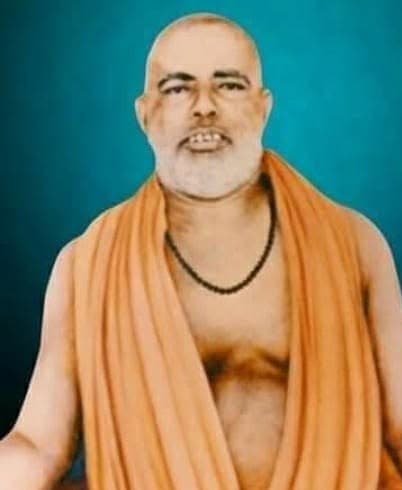
Sri Udiya Baba · Modern
Hindiसंगति— यहाँ योग का विषय समाप्त हुआ। यह बहुत कठिन मार्ग है। अब आगे भगवान् सुगम मार्ग बतलायेंगे।
भावार्थ— हे पार्थ! जो पुरुष अनन्यचित्त से मेरा निरन्तर स्मरण करता है उस नित्ययुक्त योगी को मैं सुलभ हूँ।
व्याख्या— अनन्यचित्त का भाव है एकनिष्ठ होकर अथवा सच्चिदानन्द से भिन्न अन्य सत्ता का अभाव देखते हुए। 'सुलभ' शब्द गीता में यहाँ के सिवाय और कहीं नहीं आया। इससे सिद्ध होता है कि भगवान् को सुलभता से प्राप्त करने का एकमात्र साधन नित्य निरन्तर अभेद भाव से भजन करना ही है।
Swami Ramsukhdas · Modern
Hindi[सातवें अध्यायके तीसवें श्लोकमें जो सगुण-साकार परमात्माका वर्णन हुआ था, उसीको यहाँ चौदहवें, पंद्रहवें और सोलहवें श्लोकमें विस्तारसे कहा गया है।]
‘अनन्यचेताः’—जिसका चित्त भगवान्को छोड़कर किसी भी भोगभूमिमें, किसी भी ऐश्वर्यमें किंचिन्मात्र भी नहीं जाता; जिसके अन्तःकरणमें भगवान्के सिवाय अन्य किसीका कोई आश्रय नहीं है, महत्त्व नहीं है, वह पुरुष अनन्य चित्तवाला है। जैसे, पतिव्रता स्त्रीका पतिका ही व्रत, नियम रहता है। पतिके सिवाय उसके मनमें अन्य किसी भी पुरुषका रागपूर्वक चिन्तन कभी होता ही नहीं। शिष्य गुरुके और सुपुत्र माँ-बापके परायण रहता है, उनका दूसरा कोई इष्ट नहीं होता। इसी तरहसे भक्त भगवान्के ही परायण रहता है।
यहाँ ‘अनन्यचेताः’ पद सगुण-उपासना करनेवालेका वाचक है। सगुण-उपासनामें विष्णु, राम, कृष्ण, शिव, शक्ति, गणेश, सूर्य आदि जो भगवान्के स्वरूप हैं, उनमेंसे जो जिस स्वरूपकी उपासना करता है, उसी स्वरूपका चिन्तन हो। परन्तु दूसरे स्वरूपोंको अपने इष्टसे अलग न माने और अपने-आपको भी अपने इष्टके सिवाय और किसीका न माने, तो उसका अन्यकी तरफ मन नहीं जाता। तात्पर्य यह हुआ कि ‘मैं केवल भगवान्का हूँ और भगवान् ही मेरे हैं; मेरा और कोई नहीं है तथा मैं और किसीका नहीं हूँ’ ऐसा भाव होनेसे वह ‘अनन्यचेताः’ हो जाता है।
‘सततं यो मां स्मरति नित्यशः’—‘सततम्’ का अर्थ होता है—निरन्तर अर्थात् जबसे नींद खुले, तबसे लेकर गाढ़ नींद आनेतक जो मेरा स्मरण करता है; और ‘नित्यशः’ का अर्थ होता है—सदा अर्थात् इस बातको जिस दिनसे पकड़ा, उस दिनसे लेकर मृत्युतक जो मेरा स्मरण करता है।
‘तस्याहं सुलभः पार्थ नित्ययुक्तस्य योगिनः’—ऐसे नित्ययुक्त योगीके लिये मैं सुलभ हूँ। यहाँ ‘नित्ययुक्त’ पद चित्तके द्वारा निरन्तर चिन्तन करनेवालेका वाचक नहीं है, प्रत्युत श्रद्धा-प्रेमपूर्वक निष्कामभावसे खुद भगवान्में लगनेवालेका वाचक है। जैसे कोई ब्राह्मण अपने ब्राह्मणपनेमें
स्थित रहता है कि ‘मैं ब्राह्मण हूँ; क्षत्रिय, वैश्य आदि नहीं हूँ।’ वह अपने ब्राह्मणपनेको याद करे या न करे, पर उसके ब्राह्मणपनेमें कोई फर्क नहीं पड़ता। ऐसे ही ‘मैं भगवान्का हूँ और भगवान् मेरे हैं’—इस नित्य-सम्बन्धमें दृढ़ रहनेवाला ही नित्ययुक्त है। ऐसे नित्ययुक्त योगीको भगवान् सुगमतासे मिल जाते हैं।
भगवान्के सिवाय शरीर, इन्द्रियाँ, प्राण, मन, बुद्धि अपने नहीं हैं, केवल भगवान् ही अपने हैं—ऐसा दृढ़तासे माननेपर भगवान् सुलभ हो जाते हैं। परन्तु शरीर आदिको अपना मानते रहनेसे भगवान् सुलभ नहीं होते।
भगवान्के साथ अपनी भिन्नता तथा संसारके साथ अपनी एकता कभी हुई नहीं, होगी नहीं और हो सकती भी नहीं। इस रीतिसे मनुष्यकी भगवान्के साथ स्वतः-स्वाभाविक अभिन्नता है और संसारके साथ स्वतः-स्वाभाविक भिन्नता है। परन्तु भूलके कारण मनुष्य अपनेको भगवान्से और भगवान्को अपनेसे अलग मान लेता है तथा अपनेको शरीरका तथा शरीरको अपना मान लेता है। इस विपरीत धारणाके कारण ही यह मनुष्य जन्म-मरणके चक्रमें फँसा रहता है। जब यह विपरीत धारणा सर्वथा मिट जाती है, तब भगवान् स्वतः सुलभ हो जाते हैं।
आठवेंसे तेरहवें श्लोकतक सगुण-निराकार और निर्गुण-निराकारका स्मरण बताया गया। इन दोनों स्मरणोंमें प्राणायामकी मुख्यता रहती है, जिसको सिद्ध करना कठिन है। अन्तकाल-जैसी विकट अवस्थामें भी प्राणायामके बलसे प्राणोंको ध्रुवोंके मध्यमें स्थापित कर सकें अथवा मूर्धा-(दशम द्वार-) में लगा सकें—ऐसा प्राणोंपर अधिकार रहनेकी आवश्यकता है। परन्तु भगवान्के स्मरणमें यह कठिनता नहीं है, क्योंकि यहाँ प्राणोंका खयाल नहीं है। यहाँ तो भगवान्के साथ साधकका स्वयंका अनादिकालसे स्वतःसिद्ध सम्बन्ध है। इस सम्बन्धमें इन्द्रियाँ, मन, बुद्धि, प्राण आदिकी भी जरूरत नहीं है। अतः इसमें अन्तकालमें प्राण आदिको लगानेकी जरूरत नहीं है। जैसे किसी वस्तुका बीमा होनेपर वस्तुके बिगड़ने, टूटने-फूटनेकी चिन्ता नहीं रहती, ऐसे ही शरीर-इन्द्रियाँ-मन-बुद्धिसहित अपने-आपको भगवान्के समर्पित कर देनेपर साधकको अपनी गतिके विषयमें कभी किंचिन्मात्र
भी चिन्ता नहीं होती। कारण कि यह साधन क्रियाजन्य अथवा अभ्यासजन्य नहीं है। इसमें तो वास्तविक सम्बन्धकी जागृति है। अतः इसमें कठिनताका नामोनिशान नहीं है। इसीसे भगवान्ने अपने-आपको सुलभ बताया है।
**परिशिष्ट भाव—‘अनन्यचेताः’**—भक्तकी दृष्टिमें एक परमात्माके सिवाय अन्यकी सत्ता न होनेसे उसका मन अन्य जगह कैसे जायगा? क्यों जायगा? कहाँ जायगा? इसलिये वह स्वतः अनन्यचित्तवाला हो जाता है।
**‘सततं यो मां स्मरति नित्यशः’**—एक ‘करना’ होता है और एक ‘होना’ होता है। जो करते हैं, वह क्रिया है और जो अपने-आप होता है, वह स्मरण है। जैसे, गीताके अन्तमें अर्जुनने कहा—**‘स्मृतिर्लब्धा’** (१८।७३) तो वह स्मृति क्रिया नहीं है, प्रत्युत भगवान्के साथ अपने नित्य सम्बन्धकी स्वतः होनेवाली स्मृति है। भगवान्के स्मरणमें खास हेतु उनमें अपनापन है। भगवान् ही मेरे हैं और मेरे लिये हैं—इस प्रकार भगवान्में अपनापन होनेसे स्वतः भगवान्में प्रेम होता है और जिसमें प्रेम होता है, उसका स्मरण अपने-आप और नित्य-निरन्तर होता है। इसलिये भगवान्ने सातवें अध्यायके आरम्भमें **‘मय्यासक्तमनाः’** पदसे अपनेमें आसक्ति अर्थात् प्रेम होनेकी बात कही है। तात्पर्य है कि केवल भगवान्को ही अपना और अपने लिये माननेसे साधककी भगवान्में प्रियता हो जाती है। भगवान्में प्रियता होनेके बाद फिर भगवान्का स्मरण स्वतः होता है।
**‘नित्ययुक्तस्य’**—नित्य-निरन्तर भगवान्के साथ जुड़ा हुआ होनेसे भक्तको ‘नित्ययुक्त’ कहा गया है। सातवें अध्यायके सत्रहवें श्लोकमें **‘तेषां ज्ञानी नित्ययुक्तः’** पदोंसे भी यही बात कही गयी है। **‘नित्ययुक्तस्य’** पदसे श्लोकके पूर्वार्धमें आयी सभी बातोंका समाहार हो जाता है।
**‘तस्याहं सुलभः पार्थ’**—भगवान्ने महात्माको तो दुर्लभ बताया है—**‘स महात्मा सुदुर्लभः’** (गीता ७।१९), पर यहाँ अपनेको सुलभ बताया है। इसका तात्पर्य है कि संसारमें भगवान् दुर्लभ नहीं हैं, प्रत्युत उनके तत्त्वको जानकर उनके शरण होनेवाले भक्त दुर्लभ हैं। कारण कि भगवान्को ढूँढ़े तो वे सब जगह मिल जायेंगे, पर भगवान्का प्यारा भक्त कहीं-कहीं ही मिलेगा—
हरि दुर्लभ नहीं जगतमें, हरिजन दुर्लभ होय।
हरि हेत्वाँ सब जग मिले, हरिजन कहि एक होय॥
भगवान् कृपा करके जो मनुष्यशरीर देते हैं, उस शरीरसे जीव अनेक योनियोंमें तथा नरकोंमें भी जा सकता है। परन्तु भक्त कृपा करके भगवान्की ही प्राप्ति करता है—
हरि से तू जनि हेत कर, कर हरिजन से हेत।
हरि रीझै जग देत हैं, हरिजन हरि ही देत॥
वास्तवमें जो नित्यप्राप्त है, उसमें सुलभता-दुर्लभता कहना बनता ही नहीं। परन्तु लोगोंने उसको दुर्लभ (कठिन) मान रखा है, इस वृत्तिको हटानेके लिये भगवान्ने अपनेको सुलभ बताया है। जिसकी खुदकी सत्ता है ही नहीं, उस असत् (शरीर-संसार) को सत्ता और महत्ता देनेसे तथा उसके साथ सम्बन्ध जोड़नेसे ही नित्यप्राप्त परमात्मा दुर्लभ हो रहे हैं। असत् को सत्ता और महत्ता न दें तो परमात्माकी प्राप्ति स्वतःसिद्ध है। असत् है और वह अपना तथा अपने लिये है—ऐसा मानना ही असत् को सत्ता और महत्ता देकर उसके साथ सम्बन्ध जोड़ना है।
सम्बन्ध—अब दो श्लोकोंमें भगवान् अपनी प्राप्तिका महात्म्य बताते हैं।
**मामुपेत्य पुनर्जन्म दुःखालयमशाश्वतम्।**
The word nityaśaḥ or always means always since the aspirant consciously devoted themselves to Lord Krishna as the exclusive goal.
The word satataṃ or continuously means at all times.
The word smarati or remembering implies that the Supreme Lord has become the sole object of intense love and devotion so much so that the instant one is bereft from thought of Him, one's very life feels it is in jeopardy, so one incessantly meditates upon Him.
The words nitya-yuktasya yoginaḥ is the enlightened one who yearns for eternal relationship with Lord Krishna. This is the jñāni or knower and lover of god to whom the Supreme Lord is very easily accessible.
What the Jñānī seeks for his goal is the Supreme Lord only and nothing else.
This means that it is not the elevated state of consciousness of the Supreme Lord that the jijnansur seek or the state of unlimited fortune like the Supreme Lord that the arthathis or seekers of fortune desire.
The goal of the Jñānī is to obtain eternal relationship with the Supreme Lord Krishna or any of His authorized avatars or incarnations and expansions as revealed specifically in the Vedic scriptures.
The Supreme Lord is sulabhaḥ or easy to achieve. This means Lord Krishna is happily available and accessible to all those who are devoted to Him in love
and furthermore He, Himself is unable to bear any separation from His devotees at any time. Therefore it is He who chooses to be associated with them and this is the confidential tattva or truth.
By so doing the Supreme Lord Himself quickly carries to perfection by inspiration and intuition the very method that His votary is performing for attaining Him.
The Supreme Lord Himself removes all obstacles which may hamper His chosen votary from swiftly progressing to Him simultaneously while generating an increase in His devotees love for Him to propel Him onwards.
The Katha Upaniṣad states:
“He whom this (Self) chooses, by him alone He can be obtained” (Mun.Up., 3.2.3 and Ka.Up., 2.22).
This will be explained further in chapter X, verses X and XI:
“To those, who desire eternal union with Me and who worship Me, I bestow that discernment by which they come to Me. Out of compassion for them, I, abiding in their heart, dispel the darkness born of ignorance, by the brilliant lamp of knowledge.” (10;10 —11).
but now the remaining verses in this chapter will be focused on showing that there is no return to samsāra or the perpetual cycle of birth and death
for the Jñānī who is the knower and lover of the Supreme Lord nor is there any return for the jijnansur who has achieved ātma tattva or soul realisation;
but there is a return to samsāra for the arthathi or seeker of wealth for they have not qualified for mokṣa or liberation from material existence.