

Bhagavad Gītā · Chapter 8 · Akṣara Brahma Yoga
परस्तस्मात्तु भावोऽन्योऽव्यक्तोऽव्यक्तात्सनातनः
यः स सर्वेषु भूतेषु नश्यत्सु न विनश्यति
parastasmāttu bhāvo'nyo'vyakto'vyaktātsanātanaḥ|
yaḥ sa sarveṣu bhūteṣu naśyatsu na vinaśyati||
Word meanings
तु = but
तस्मात् = than that
अव्यक्तात् = from the unmanifest
अन्यः = another
सनातनः = eternal
परः = supreme
भावः = existence
यः = who
अव्यक्तः = unmanifest
सः = that
सर्वेषु = in all
भूतेषु = among beings
नश्यत्सु = when perishing
न, विनश्यति = does not perish
Translation
Far beyond even this Unmanifest, there is yet another unmanifest Existence, that Supreme Divine Person, who does not perish even though all beings perish.
Commentary
The commentators seated around this verse
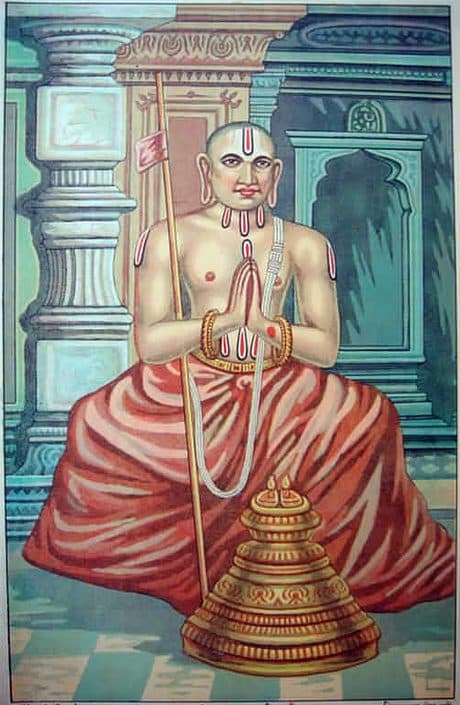
Rāmānuja · Viśiṣṭādvaita
EnglishOn verses 8.20–21
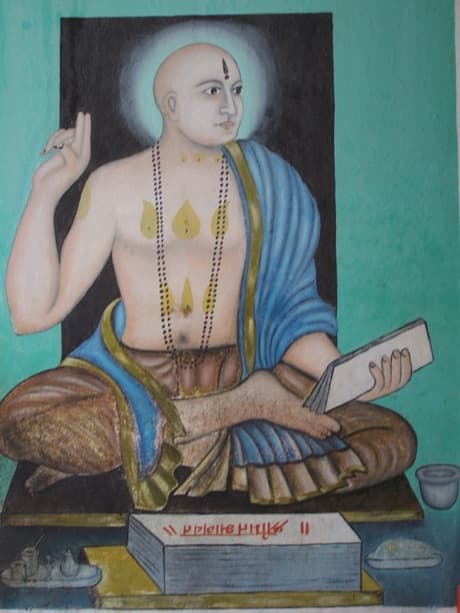
Madhvācārya · Dvaita
SanskritEnglishOn verses 8.18–8.20
“द्विपराधप्रलय एवात्र विवक्षितः | अव्यक्ताद् व्यक्तयः सर्वाः इत्युक्तेः | उक्तं च महाकौर्मे - अनेकयुगपर्यं नतमहाविष्णोस्तथा निशा | रात्र्यादौ लैयते सर्वमहारादौ च जायते || इति | यः स सर्वेषु इति वाक्यशेषात् |” — “Till the end of many ages, it is night and day for Sri Vishnu. When the night falls everything gets merged and when the day dawns all comes to be created” thus in Maha Kurma Puraana. Further, by such special reference - “He who is in all the creatures...”.
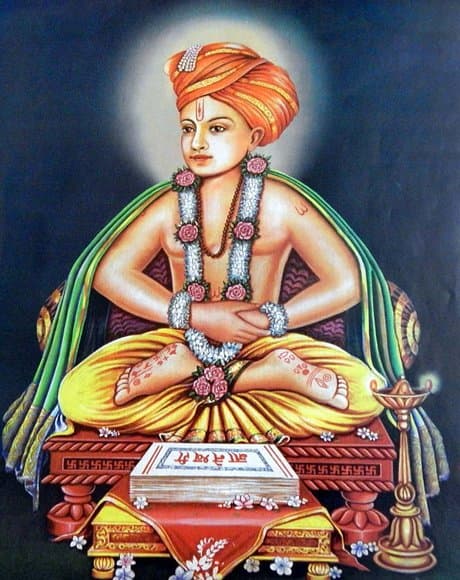
Jñāneśvar · Vārkarī
English20 *'But higher than this Non-manifest is another entity which is the Eternal Non-manifest, which, while all beings perish, perishes not.* (170) In such a state nothing like “great or small” (in the Sāmya), is to be found and so words like this and that all lose meaning in the way milk loses its name and form as soon as it is turned into curds. Just so, with the disappearance of the form of the universe, is dissolved its manifold becoming; yet it remains in its pure equipoised state of being as seed. Hence it is properly called non-manifest “Avyakta;” and that which takes a local habitation and place out of this non-manifest is the manifested. These two names get their meaning from each other: in reality these names are but appearances. Silver when melted becomes a silverbar: when this solid mass changes, it itself becomes ornaments: yet these two changes appear on the original substance of silver: in that way the changes of ‘manifested and non-manifested’ take place in one and the same Supreme Spirit. But this Supreme Brahman is neither manifest nor non-manifest—it is neither eternal nor perishable. It is the self-same pure being beyond changes and abiding for ever. It abides as pure being even while the universe comes into being, and does get destroyed even though the universe gets dissolved. Letters once written may be wiped off, but the meaning remains: waves get created and also disappear, yet they exist eternally in water form; in that way even though the beings perish, yet that (from which they are created) is eternal: or just as there exists the (state of) gold that is above melting in the ornaments which are melted; in that way even though the form of beings perishes, that (from which the forms are created) abides in the immortal state.
Swami Ramsukhdas · Modern
English'Parastasmāttu bhāvo'nyo'vyakto'vyaktātsanātanaḥ'—From the sixteenth to the nineteenth verse, it has been said that all the worlds, from the abode of Brahmā downwards, are subject to rebirth. But the Eternal Existence, is different from them—so the term 'Tu' (but), is used.
The word 'Avyaktāt', stands for the subtle body of Brahmā, because in the eighteenth and nineteenth verses, it has been mentioned that all manifest beings, emanate from Brahmā's subtle body, and again they merge in the same. The term 'Tasmāt', also stands for Brahmā's subtle body. The unmanifest Eternal Existence, is beyond Brahmā's subtle body, as well as, his causal body (primordial matter).
Beyond Brahmā's subtle body, there are two existences—primordial matter and God. This context, pertains to God. So unmanifested Eternal Existence, has been used for God, Who does not perish even when all beings, perish.
In the Gītā, all beings have been called unmanifest (2/28); Brahmā's subtle body has also been called unmanifest (8/18); Matter or nature, has also been called unmanifest (13/5). Beyond, all of them, the form of the Lord, whether manifest or unmanifest, is ever-existent. He was neither absent nor will be. He, can never be missing as He is eternal. He is Supreme. None can, ever be superior to Him.
'Yaḥ sa sarveṣu bhūteṣu naśyatsu na vinaśyati'—The unmanifested Existence, never perishes, even though, all beings perish. In that Absolute Existence, there is not the least modification, while in the entire universe, there are so many modifications.
**Appendix**—One is unchanging (permanent) entity—parā and the other is kaleidoscopic (temporary) entity—aparā. Parā never undergoes any change and Aparā is ever kaleidoscopic. Aparā never persists without change, cannot persist at all. It undergoes change in Brahmā's day and Brahmā's night and even in new creation and final dissolution.
If parā and aparā—both entities are unchanging, the wheel of birth and death may end, and if both are kaleidoscopic, then also the wheel of birth and death may end. But the parā in spite of being immutable, has assumed its affinity with changeful aparā and so it is ensnared in the wheel of birth and death. The soul by having affinity with jagat (world) has become jagat (Gītā 7/13). As a man by boarding a moving train, moves himself, similarly a man (the self) by seizing the kaleidoscopic world has become mutable (kaleidoscopic) and has started going astray in numerous wombs.
The purpose of calling God as 'parā' viz., the supreme is that the primordial matter (causal body) is superior to the subtle body of Brahmā and God is even superior to the primordial matter.
*Link:—In the next verse, Lord Kṛṣṇa explains that perishable beings, after attaining Imperishable do not return.*
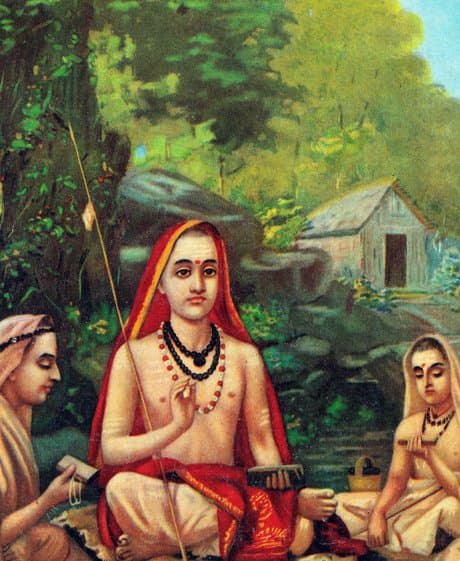
Ādi Śaṅkarācārya · Advaita
Sanskritपरः व्यतिरिक्तः भिन्नः ; कुतः ? तस्मात् पूर्वोक्तात् । तु--शब्दः अक्षरस्य विवक्षितस्य अव्यक्तात् वैलक्षण्यविशेषणार्थः । भावः अक्षराख्यं परं ब्रह्म । व्यतिरिक्तत्वे सत्यपि सालक्षण्यप्रसङ्गोऽस्तीति तद्विनिवृत्त्यर्थम् आह -- अन्यः इति । अन्यः विलक्षणः । स च अव्यक्तः अनिन्द्रियगोचरः । ``परस्तस्मात्'' इत्युक्तम् ; कस्मात् पुनः परः ? पूर्वोक्तात् भूतग्रामबीजभूतात् अविद्यालक्षणात् अव्यक्तात् । अन्यः विलक्षणः भावः इत्यभिप्रायः । सनातनः चिरन्तनः यः सः भावः सर्वेषु भूतेषु ब्रह्मादिषु नश्यत्सु न विनश्यति ॥
Ādi Śaṅkarācārya · Advaita
Hindiजिस अक्षरका पहले प्रतिपादन किया था उसकी प्राप्तिका उपाय 'ओमित्येकाक्षरं ब्रह्म' इत्यादि कथनसे बतला दिया। अब उसी अक्षरके स्वरूपका निर्देश करनेकी इच्छासे यह बतलाया जाता है कि 'इस योगमार्गद्वारा अमुक वस्तु मिलती है'—
'तु' शब्द यहाँ आगे वर्णन किये जानेवाले अक्षरकी उस पूर्वोक्त अव्यक्तसे विलक्षणता दिखलानेके लिये है। (वह अव्यक्त) भाव यानी अक्षरनामक परब्रह्म परमात्मा अत्यन्त भिन्न है। किससे? उस पहले कहे हुए अव्यक्तसे।
भिन्न होनेपर भी किसी प्रकार समानता हो सकती है? इस शंकाकी निवृत्तिके लिये कहते हैं कि वह इन्द्रियोंसे प्रत्यक्ष न होनेवाला अव्यक्तभाव अन्य— दूसरा है अर्थात् सर्वथा विलक्षण है।
उससे पर है ऐसा कहा, सो किससे पर है ? वह उस पूर्वोक्त भूत-समुदायके बीजभूत अविद्यारूप अव्यक्तसे परे है। ऐसा जो सनातन भाव अर्थात् सदासे होनेवाला भाव है, वह ब्रह्मादि समस्त प्राणियोंका नाश होनेपर भी नष्ट नहीं होता
Jñāneśvar · Vārkarī
Marathiतेथ समविषम न दिसे कांही । म्हणोनि भूतें हे भाष नाही । जेविं दूधचि जाहालिया दहीं । नामरूप जाय ॥ १७० ॥
तेंविं आकारलोपासरिसें । जगाचें जगपण भ्रंशे । परि जेथ जाहालें तें जैसें । तैसेंचि असे ॥ १७१॥
तैं तया नांव सहज अव्यक्त । आणि आकारा वेळीं तेंचि व्यक्त । हें एकास्तव एक सूचित । एऱ्हवीं दोनी नाही ॥ १७२॥
जैसें आटलिया स्वरूपें । आटलेपण ते खोटी म्हणिपे । पुढती तो घनाकारू हारपे । जे वेळीं अळंकार होती ॥ १७३॥
हीं दोन्ही जैशीं होणीं । एकीं साक्षीभूत सुवर्णी । तैसी व्यक्ताव्यक्ताची कडसणी । वस्तूच्या ठायी ॥ १७४॥
तें तरी व्यक्त ना अव्यक्त । नित्य ना नाशवंत । या दोहीं भावाअतीत । अनादिसिध्द ॥ १७५॥
जें हें विश्वचि होऊनि असे । परि विश्वपण नासिलेनि न नासे । अक्षरें पुसिल्या न पुसे । अर्थु जैसा ॥ १७६।।
पाहें पां तरंग तरी होत जात । परि तेथ उदक तें अखंड असत । तेवीं भूताभावीं नाशिवंत । अविनाश जें ॥ १७७॥
ना तरी आटतिये अळंकारी । नाटतें कनक असे जयापरी । तेवीं मरतिये जीवाकारीं । अमर जें आहे ॥ १७८॥
Jñāneśvar · Vārkarī
Hindi(8.170) तब न्यूनाधिक भाव कुछ नहीं दिखाई देते। इसलिए पदार्थमात्र का नाम भी नहीं रहता। जैसे दूध दही हो जाय तो उसका नाम-रूप नहीं रहता।
(8.171) वैसे ही आकार के नाश के संग जग के जगत्व का भी नाश हो जाता है, परन्तु जहाँ से उत्पन्न हुआ था वहाँ वह ज्यों का त्यों बना रहता है।
(8.172) अतः उसे स्वभावतः अव्यक्त कहते हैं। और जब वह आकार को प्राप्त होता है तब उसी को व्यक्त कहते हैं। ये नाम तो एक दूसरे के सूचक हैं, वास्तव में है दोनों ही नहीं।
(8.173) जब चाँदी गलाई जाती है तब उसके आकार को पासा कहते हैं, और फिर जब उसके अलंकार बनाये जाते हैं तब वह घनाकार नष्ट हो जाता है।
(8.174) ये दोनों बातें जैसी एक ही साक्षिभूत चाँदी में होती हैं, वैसे ही व्यक्त और अव्यक्त दोनों विचार ब्रह्म के ही हैं।
(8.175) परन्तु ब्रह्म न व्यक्त है न अव्यक्त, न नित्य है न विनाशी, किन्तु इन दोनों भावों के परे अनादिकाल से सिद्ध है। (8.176) वह विश्वमय बना हुआ है, परन्तु जैसे अक्षर मिटा देने से अर्थ नहीं मिटाया जा सकता, वैसे ही विश्व का नाश होने से उसका नाश नहीं होता।
(8.177) देखो, तरंगें उत्पन्न होती हैं और विलीन होती हैं परन्तु जल अखण्ड बना रहता है, वैसे ही ब्रह्म जो अविनाशी है वह भूतमात्र के अभाव से नष्ट नहीं होता।
(8.178) अथवा अलंकार गला देने से जैसे सुवर्ण नहीं गल जाता वैसे ही जीवाकार की मृत्यु होने पर भी जो अमर रहता है,
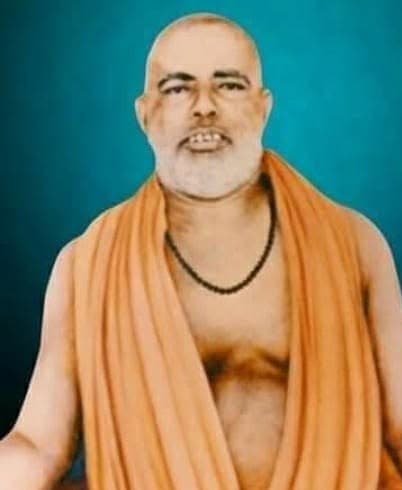
Sri Udiya Baba · Modern
Hindiसंगति— अब यह दिखलाते हैं कि इस भावाभावरूप संसार से अतीत जो ब्रह्म है वही अविनाशी है—
भावार्थ— उस [संसार-कारणरूप] अव्यक्त से परे जो [ब्रह्मरूप] अन्य अव्यक्त भाव है वह सनातन (सदा रहने वाला) है। वह सम्पूर्ण भूतों के नष्ट होने पर भी नष्ट नहीं होता। वह कार्य-कारण से अतीत है अथवा सब वही है।
Swami Ramsukhdas · Modern
Hindi‘परस्तस्मात्तु भावोऽन्योऽव्यक्तोऽव्यक्तात्-सनातनः’—सोलहवेंसे उन्नीसवें श्लोकतक ब्रह्मलोक तथा उससे नीचेके लोकोंको पुनरावर्ती कहा गया है। परन्तु परमात्मतत्त्व उनसे अत्यन्त विलक्षण है—यह बतानेके लिये यहाँ ‘तु’ पद दिया गया है।
यहाँ ‘अव्यक्तात्’ पद ब्रह्माजीके सूक्ष्मशरीरका ही वाचक है। कारण कि इससे पहले अठारहवें-उन्नीसवें श्लोकोंमें सर्गके आदिमें ब्रह्माजीके सूक्ष्मशरीरसे प्राणियोंके पैदा होनेकी और प्रलयमें ब्रह्माजीके सूक्ष्मशरीरमें प्राणियोंके लीन होनेकी बात कही गयी है। इस श्लोकमें आया ‘तस्मात्’ पद भी ब्रह्माजीके उस सूक्ष्मशरीरका द्योतन करता है। ऐसा होनेपर भी यहाँ ब्रह्माजीके सूक्ष्मशरीर-(समष्टि मन, बुद्धि और अहंकार-) से भी पर अर्थात् अत्यन्त विलक्षण जो भावरूप अव्यक्त कहा गया है, वह ब्रह्माजीके सूक्ष्म-शरीरके साथ-साथ ब्रह्माजीके कारण-शरीर-(मूल प्रकृति-) से भी अत्यन्त विलक्षण है।
ब्रह्माजीके सूक्ष्मशरीरसे पर दो तत्त्व हैं—मूल प्रकृति और परमात्मा। यहाँ प्रसंग मूल प्रकृतिका नहीं है, प्रत्युत परमात्माका है। अतः इस श्लोकमें परमात्माको ही पर और श्रेष्ठ कहा गया है, जो सम्पूर्ण प्राणियोंके नष्ट होनेपर भी नष्ट नहीं होता। आगेके श्लोकमें भी ‘अव्यक्तोऽक्षर’
**परिशिष्ट भाव—**एक अपरिवर्तनशील (स्थायी) तत्त्व ‘परा’ है और एक परिवर्तनशील (अस्थायी) तत्त्व ‘अपरा’ है। परामें कभी परिवर्तन होता ही नहीं और अपरामें निरन्तर परिवर्तन होता रहता है। अपरा कभी परिवर्तनके बिना रहती ही नहीं, रह सकती ही नहीं। सर्ग और प्रलयमें तो परिवर्तन होता रहता है, महासर्ग और महाप्रलयमें भी परिवर्तन होता रहता है।
अगर परा और अपरा—दोनों ही तत्त्व अपरिवर्तनशील हों तो जन्म-मरण मिट जाय अथवा दोनों ही परिवर्तनशील हों तो जन्म-मरण मिट जाय! परन्तु स्वयं अपरिवर्तनशील होते हुए भी जीव-(परा-) ने परिवर्तनशील अपरासे सम्बन्ध जोड़ लिया, इसीसे वह जन्म-मरणके चक्करमें पड़ गया। जगत्से अपना सम्बन्ध जोड़कर वह भी जगत् हो गया (गीता—सातवें अध्यायका तेरहवाँ श्लोक)। जैसे कोई चलती हुई गाड़ीमें बैठकर चल पड़े, ऐसे ही परिवर्तनशील संसारको पकड़कर जीव भी परिवर्तनशील बन गया—अनेक योनियोंमें भटकने लग गया!
परमात्माको ‘पर’ अर्थात् अत्यन्त श्रेष्ठ कहनेका तात्पर्य है कि ब्रह्माजीके सूक्ष्मशरीरसे भी श्रेष्ठ मूल प्रकृति (कारणशरीर) है और मूल प्रकृतिसे भी श्रेष्ठ परमात्मा हैं।
**सम्बन्ध—**अभीतक जो परमात्मविषयक वर्णन हुआ है, उस सबकी एकता करते हुए अनन्यभक्तिके विशेष महत्त्वका वर्णन आगेके दो श्लोकोंमें करते हैं।
Lord Krishna now reveals His superior conscious avyakta or unmanifest which is different in principle and substance then the unconscious avyakta or unmanifest of Brahma which is non-intelligent and operates according to set parameters.
Lord Krishna's superior avyakta is characterised by eternality due to its possession of ātma tattva or soul realisation. Thus it is also characterised by jñāna or consciousness.
Avyakta is also known as indistinct because it beyond any perceptive faculty of the mind or senses to cognise it as a perceivable reality. The purport is that avyakta is a principle of self-consciousness and as such is completely unique in its nature.
The word Sanātana meaning eternal because His superior avyakta is not subject to combination and aggregation or resolution and disintegration
and never disperses or dissipates when all the material elements of earth, water, fire, air and ether in their rudimental forms and derivative forms dissolve away, although His superior avyakta abides within them.
This is why the Vedic scriptures call it avyakta or indistinct as well as akṣara or indestructible.
Those steeped in the wisdom of the Vedic scriptures have declared that this is the paramam gatim or supreme exalted goal to be achieved.
Lord Krishna previously mentioned akṣara in verse three of this chapter and will later mention it again in chapters XII.III and XV.XVI.
The superior state of avyakta is where ātma tattva or soul realisation abounds and when once reached immediately precludes forever the subjection to union with matter again as there is no more rebirth for reincarnation has been terminated.
Lord Krishna specifies their destination with the words dhāma paramam mama meaning His supreme personal abode of eternity, knowledge and bliss where all things reciprocate fully with Him and is the abode of the liberated beings.
The word dhāma also denotes luminosity as in the light of consciousness which is the primary attribute of the ātma or soul.
Thus Lord Krishna is indicating His paramam dhāma as non-different from the infinite consciousness of the ātma in contrast to the limited state of consciousness one possesses,
who is oblivious to the ātma due to being deluded by the illusory material energy known as māyā and cherishing the association of the senses with sense objects.
The other avyakta where resides prakṛti or the material substratum which contains all living entities and which is perishable is controlled by Lord Krishna as well,
through His manifestation as the eternal ātma or soul within the etheric heart of all created beings throughout all existence. This is the abode of the non-liberated beings.
From the superior avyakta there is no return to samsāra the cycle of birth and death.
The next verse will show how the goal of the Jñānī or knower of the Supreme Lord is the most sublime state of consciousness, more exalted than any other.