

Bhagavad Gītā · Chapter 8 · Akṣara Brahma Yoga
अधियज्ञः कथं कोऽत्र देहेऽस्मिन्मधुसूदन
प्रयाणकाले च कथं ज्ञेयोऽसि नियतात्मभिः
adhiyajñaḥ kathaṃ ko'tra dehe'sminmadhusūdana|
prayāṇakāle ca kathaṃ jñeyo'si niyatātmabhiḥ||
Word meanings
for verses 8.1–8.2
पुरुषोत्तम = O Puruṣottama
तत् = that
ब्रह्म = Brahman
किम् = what
अध्यात्मम् = adhyātma
किम् = what
कर्म = action
किम् = what
अधिभूतम् = adhibhūta
किम् = what
प्रोक्तम् = is called
च = and
अधिदैवम् = adhidaiva
किम् = what
उच्यते = is said
अत्र = here
अधियज्ञः = adhiyajña
कः = what
च = and
अस्मिन् = in this
देहे = in the body
कथम् = how
मधुसूदन = O Madhusūdana
नियतात्मभिः = by those of controlled mind
प्रयाणकाले = at the time of departure
कथम् = how
ज्ञेयः = to be known
असि = are you
Translation
Krsna, who is Adhiyajña here and how does he dwell in the body? And how are You to be realized at the time of death by those of steadfast mind
Commentary
The commentators seated around this verse
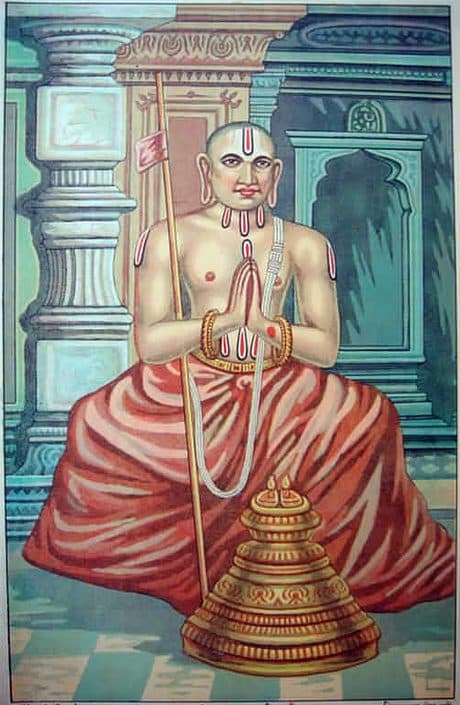
Rāmānuja · Viśiṣṭādvaita
EnglishOn verses 8.1–2
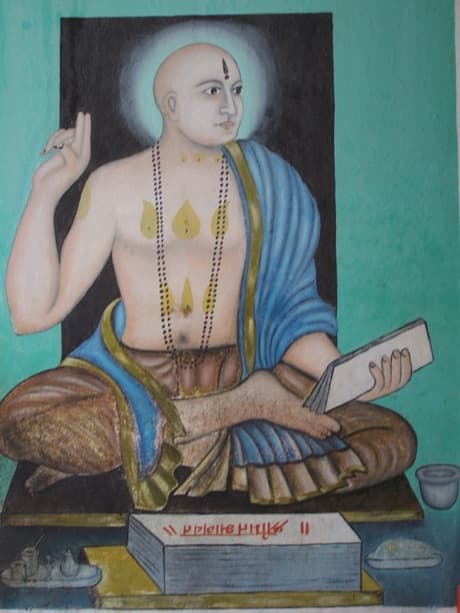
Madhvācārya · Dvaita
Madhva BhāṣyaSanskritEnglishOn verses 8.1–8.3
“परमक्षरं ब्रह्म | वेदादिशङ्काव्यावृत्त्यर्थमेतत् | आत्मन्यविधि यत्, तद् अध्यात्मम् | आत्माधिकारे यत् तद्, इति वा | तथाहि चैवः स्वभावः | स्वाख्यो भाव स्वभव इति व्युत्पत्त्या जीवो वा स्वभावः | सर्वदाऽस्त्येव एकप्रकारेण इति भावः | अन्तःकरणादिव्यावृत्त्यर्थो भाव शब्दः | नद्येकप्रकारेण स्थितिन्तःकरणादेः | विकारित्वात् | स्व शब्दः ईश्वरव्यावृत्त्यर्थः | भूतानां जीवानां जडपदार्थानां चोदभवकरेश्वरक्रिया विसर्गः | विशेषेण सर्जनं विसर्गः इत्यर्थः ||” - परमक्षरं, Supreme Immutable is Brahman, thus to remove any doubts about the importance of the Vedas. अध्यात्मम् is that which elevates the self or that by which the self is controlled. Similarly, Jiva is his स्वभावः i. e. the inherent nature which is helpful to him in elevating his self. Therefore Jiva is that which is made up of the innate nature. Since the attitude is always to elevate the innate nature, it is helpful. Associated with internal organs, the word भावः is used, (however) since all the internal organs do not respond equally in the same manner, another meaning of the word भावः could also be not helpful to the organs. The word स्व connotes the relationship with the Lord. The action of the Lord which creates the gross objects and the creatures to be elevated is known विसर्गः. विसर्गः is the special creative activity of the Lord.
Madhvācārya · Dvaita
Gītā Tātparya NirṇayaSanskritEnglishOn verses 8.1–8.3
“तद् इति विशेषणात् ब्रह्मेत्युक्तमन्यदेव | प्रकृत्यादिनां मध्ये यत् किञ्चित् उपरि साधियज्ञं च || इति | च शब्दादधिभूतादिसहितत्वेन विष्णुज्ञानानमन्यदेव इति संशयः किं तद् ब्रह्म इति प्रश्नकारणम् ||” - Because of the adjective tat, Brahman alone is spoken amidst all other words like Prakriti etc. Further when the words accompanied with sacrifice along with the elements which are useful to the creatures (adhibhootadi), are used for attaining the wisdom of Sri Vishnu alone, why should there be any doubt about others being Brahman? When it is established that the Supreme Immutable is primarily Sri Vishnu alone, the doubt is dispelled. The, reminder is for the ignorant ones for the removal of their doubts. “परमाक्षरो विष्णुरेव मुख्यतः इति प्रसिद्धतत्वात् यथैव परिहारति ।” - अज्ञानां तदपि ज्ञापयितुं तथैव परिहारः । पुनरहमिति नोक्तम् इत्याशङ्का अव्यक्तं व्यक्तिमापन्नम् इति विष्णुरेव प्रयुक्तत्वेनाव्यक्तशब्देन अव्यक्तोऽक्षर इत्युक्तः इति परिग्रह्यते । ये चाप्यक्षरमव्ययम् इत्यत्र तु पृथक् प्रश्नादुपासकयोः फलतारतम्यकथनात् कूटस्थोऽक्षर उच्यते इत्युक्त अक्षरादपि चोत्तमः इति विष्णुरुत्सम्बन्धनाचान्यदेवेत्यवसीयते । - Again for the removal of doubts, ‘those who think the Unmanifest as the manifest one’ saying thus Sri Vishnu Himself by the word अव्यक्तं is clarified. Here in the separate question, अव्यक्तोऽक्षर इत्युक्तः - ‘That which is immutable unmanifest’ is for the clarification of the nature of gradation to the aspirants, having made a reference to कूटस्थोऽक्षर, the Immutable dwelling within, ‘I am the immutable and the best’ thus the principle of Sri Vishnu and subservience of others gods has been shown.

Jñāneśvar · Vārkarī
English2 The inner entity of Sacrifice: how and who is he, (stationed) within the body, O Slayer of Madhu? And how art Thou to be known at the time of death by those practised in self-control?" (4)
Oh God, who this person that is called Adhiyajna (अधियज्ञ) is, and how he comes to this body, is indeed beyond the reach of reason. Let me hear too how you, the Supreme Person, are known by devout souls, adept in keeping the hearts under control, when they depart this life. Just see, the man of good fortune sleeping in a house built of Chintāmani (wishing-stones)—anything he could blurt out in his dream would not prove in vain; in that way no sooner did these words come out of Arjuna's mouth, then they were met halfway by Lord Krishna saying, "Hear attentively: I am just telling what you have asked for.” Kiriti was the very calf of the Kāmadhenu (wishing cow), and it was as though he was also resting under the shade of the wishing-tree (Kalpataru). Is there any wonder then that his wishes are fulfilled with pleasure and with ease? Even those whom Lord Krishna smites—out of wrath—would be one with the Supreme eternal everlasting life. How then would one to whom Lord Krishna mercifully preached the eternal truth fail to reach it? When we ourselves live up unto Lord Krishna, Lord Krishna comes to dwell in our very heart, and then the Goddesses of success and perfection (ऋद्धिसिद्ध) are voluntarily at our service. Such an undivided love towards the Lord was only in Arjuna, and hence, all his desires were fulfilled. Therefore, Lord Anant, anticipating what Arjuna would ask for, held ready the dish in the form of the reply. The mother by instinct feels the need of the child, no sooner than it puts its mouth to the breasts. Does it ever happen that the child first asks for her breasts, and then she takes it for feeding? No wonder then that such deep love towards his disciples is discovered in the merciful Preceptor—the very ocean of kindness. But let that pass. Pray listen to what the Lord said.
Swami Ramsukhdas · Modern
EnglishOn verses 8.1–8.2
'Puruṣottama kiṁ tadbrahma'—O Best among men! What do You mean, by the term 'Brahma'?
'Kimadhyātmam'—What is meant, by 'Adhyātma'?
'Kim karma'—What do You mean, by 'Karma'?
'Adhibhūtaṁ ca kim proktam'—What does the term, 'Adhibhūta' mean?
'Adhidaivaṁ kimucyate'—What is 'Adhidaiva'?
'Adhiyajñāḥ katham ko'tra dehe'smin'—What is 'Adhiyajña', and how is it in this body?
'Madhusūdana prayāṇakāle ca katham jñeyo'si niyatātmabhiḥ'—O Destroyer of the demon, named Madhu, how are You to be realized at the time of death, by those of steadfast mind i.e., by those, who having a disinclination for the world, worship You with exclusive devotion? Which of Your forms, do they know and how?
*Link:—Lord Kṛṣṇa, in the next two verses answers the six questions, one by one.*

Ādi Śaṅkarācārya · Advaita
SanskritOn verses 8.1–8.2
एषां प्रश्नानां यथाक्रमं निर्णयाय श्रीभगवानुवाच --
Ādi Śaṅkarācārya · Advaita
HindiOn verses 8.1–8.3
‘ते ब्रह्म तद्विदुः कृत्स्नम्’ इत्यादि वचनोंसे (पूर्वाध्यायमें) भगवान्ने अर्जुनके लिये प्रश्नके बीजोंका उपदेश किया था, अतः उन प्रश्नोंको पूछनेके लिये अर्जुन बोले—
हे पुरुषोत्तम! वह ब्रह्मतत्त्व क्या है? अध्यात्म क्या है? कर्म क्या है? अधिभूत किसको कहते हैं? अधिदैव किसको कहते हैं? हे मधुसूदन! इस देहमें अधियज्ञ कौन है और कैसे है तथा संयतचित्तवाले योगियोंद्वारा आप मरणकालमें किस प्रकार जाने जा सकते हैं?
इन प्रश्नोंका क्रमसे निर्णय करनेके लिये श्रीभगवान् बोले—
परम अक्षर ब्रह्म है अर्थात् ‘हे गार्गि! इस अक्षरके शासनमें ही यह सूर्य और चन्द्रमा धारण किये हुए स्थित हैं’ इत्यादि श्रुतियोंसे जिसका वर्णन किया गया है, जो कभी नष्ट नहीं होता वह परमात्मा ही ‘ब्रह्म’ है।
‘परम’ विशेषणसे युक्त होनेके कारण यहाँ अक्षर शब्दसे ‘ओमित्येकाक्षरं ब्रह्म’ इस वाक्यमें वर्णित ओंकारका ग्रहण नहीं किया गया है; क्योंकि ‘परम’ वह विशेषण निरतिशय अक्षर ब्रह्ममें ही अधिक सम्भव—युक्तियुक्त है।
उसी परब्रह्मका जो प्रत्येक शरीरमें अन्तरात्मभाव है उसका नाम स्वभाव है, वह स्वभाव ही 'अध्यात्म' कहलाता है।
अभिप्राय यह कि आत्मा यानी शरीरको आश्रय बनाकर जो अन्तरात्मभावसे उसमें रहनेवाला है और परिणाममें जो परमार्थ ब्रह्म ही है वही तत्त्व स्वभाव है, उसे ही अध्यात्म कहते हैं अर्थात् वही अध्यात्म नामसे कहा जाता है।
'भूतभाव-उद्भव-कर' अर्थात् भूतोंकी सत्ता 'भूतभाव' है। उसका उद्भव (उत्पत्ति) 'भूतभावोद्भव' है, उसको करनेवाला 'भूतभावोद्भवकर' यानी भूतवस्तुको उत्पन्न करनेवाला, ऐसा जो विसर्ग अर्थात् देवोंके उद्देश्यसे चरु, पुरोडाश आदि (हवन करने योग्य) द्रव्योंका त्याग करना है, वह त्यागरूप यज्ञ, कर्म नामसे कहा जाता है, इस बीजरूप यज्ञसे ही वृष्टि आदिके क्रमसे स्थावर-जङ्गम समस्त भूतप्राणी उत्पन्न होते हैं
Jñāneśvar · Vārkarī
Marathiदेवा अधियज्ञ तो काई । कवण पां इये देही । हें अनुमानासि कांही । दिठी न भरे ॥ ४॥
आणि नियता अंतःकरणी । तूं जाणिजसी देहप्रयाणी । तें कैसेनि हें शारंगपाणी । परिसवा मातें ॥ ५॥
देखा धवळारी चिंतामणीचा । जरी पहुडला होय दैवाचा । तरी वोसणताही बोल तयाचा । परी सोपु न वचे ॥ ६॥
तैसें अर्जुनाचिया बोलासवें । आलें तेंचि म्हणितलें देवे। परियेसें गा बरवे । जें पुसिले तुवां ॥ ७॥
किरीटी कामधेनूचा पाडा । वरी कल्पतरूचा आहे मांदोडा । म्हणोनि मनोरथसिद्धीचिया चाडा । तो नवल नोहे ॥ ८॥
कृष्ण कोपोनि ज्यासि मारी । तो पावे परब्रह्मसाक्षात्कारी । मा कृपेने उपदेशु करी । तो कैशापरी न पवेल ॥ ९॥
जैं कृष्णाचेया होइजे आपण । तैं कृष्ण होय आपुले अंतःकरण । मग संकल्पाचे आंगण । वोळगती सिद्धी ॥ १०॥
परि ऐंसे जें प्रेम । अर्जुनींचि आथि निस्सीम । म्हणऊनि तयाचे काम । सदा सफळ ॥ ११॥
या कारणे श्रीअनंते । तें मनोगत तयाचें पुसतें । होईल जाणूनि आइतें । वोगरूनि ठेविलें ॥ १२॥
जें अपत्य थानी निगे । त्याची भूक ते मातेसीचि लागे । एऱ्हवीं तें शब्दें काय सांगे । मग स्तन्य दे येरी ॥ १३॥
म्हणोनि कृपाळुवा गुरूचिया ठायी । हे नवल नोहे कांही । परि तें असो आइका काई । जें देव बोलते जाहले ॥ १४॥
Jñāneśvar · Vārkarī
Hindi(8.4) हे देव! अनुमान से कुछ जान नहीं पड़ता कि अधियज्ञ क्या है और वह इस देह में कौन है; (8.5) और भी, हे शार्ईपाणि! जिन्होंने अपने अन्तःकरण का नियमन किया है उन्हें देहत्याग के समय जो आपका ज्ञान हो जाता है वह किस प्रकार से होता है, सुनाइए।
(8.6) देखो, जो भाग्यवान् चिन्तामणिरत्नों के मन्दिर में सोया हुआ हो वह जो शब्द नींद में बर्राता है वे भी विफल नहीं जाते,
(8.7) वैसे ही अर्जन के मुख से उक्त वचन निकलते ही देव ने कहा कि तुमने जो पूछा उसे अच्छी तरह सुनो।
(8.8) अर्जुन कामधेनु का बछड़ा है और कल्पतरु के मण्डप में बँधा है। इसलिए मनोरथसिद्धि उसके लाभ का इच्छा करे तो कुछ आश्चर्य नहीं।
(8.9) श्रीकृष्ण जिसे कोप कर मारते हैं उसे परब्रह्म का साक्षात्कार प्राप्त होता है; फिर जिसे वे कृपा कर उपदेश करें, उसे कैसे न हो?
(8.10) हम कृष्णरूप हो जायँ तो हमारा अन्तःकरण भी कृष्णरूप हो जावेगा और हमारे संकल्प के आँगन में सिद्धियाँ आश्रय लेंगी।
(8.11) परन्तु ऐसा जो प्रेम है वह अर्जुन में ही निस्सीम है, अतएव उसके मनोरथ सर्वदा सफल होते हैं। (8.12) इसी लिए यह जानकर कि अर्जुन यह मनोगत पूछेगा, श्रीकृष्ण ने उत्तररूप भोजन पहले से ही परोस कर रक्खा है।
(8.13) जो बालक स्तनपान करता है उसकी भूख माता को ही लगती है। अन्यथा, क्या वह मुँह से माँगता है और फिर माता उसे दूध पिलाती है?
(8.14) उसी प्रकार, कृपालु गुरु के विषय में यह बात कुछ अद्भुत नहीं है। परन्तु अब रहने दो। देव ने क्या कहा सो सुनिए।
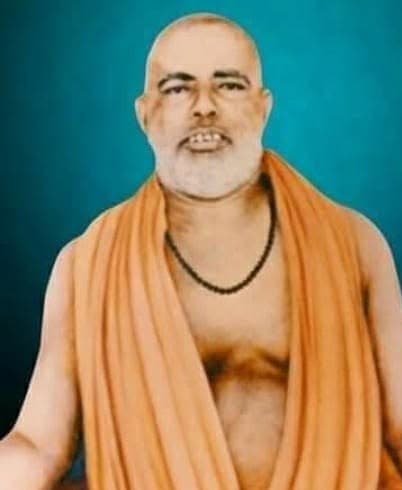
Sri Udiya Baba · Modern
Hindiभावार्थ— मधुसूदन! इस शरीर में अधियज्ञ कौन और किस प्रकार है तथा नियतात्मा (इन्द्रियनिग्रहवान् अथवा निरन्तर भजन करने वाले पुरुषों) के लिये आप किस प्रकार जानने योग्य हैं?
श्रीभगवान् उवाच
Swami Ramsukhdas · Modern
HindiOn verses 8.1–8.2
‘पुरुषोत्तम किं तद्ब्रह्म’—हे पुरुषोत्तम! वह ब्रह्म क्या है अर्थात् ‘ब्रह्म’ शब्दसे क्या समझना चाहिये?
‘किमध्यात्मम्’—‘अध्यात्म’ शब्दसे आपका क्या अभिप्राय है?
‘किं कर्म’—कर्म क्या है अर्थात् ‘कर्म’ शब्दसे आपका क्या भाव है?
‘अधिभूतं च किं प्रोक्तम्’—आपने जो ‘अधिभूत’
शब्द कहा है, उसका क्या तात्पर्य है?
‘अधिदैवं किमुच्यते’—‘अधिदैव’ किसको कहा जाता है?
‘अधियज्ञः कथं कोऽत्र देहेऽस्मिन्’—इस प्रकरणमें ‘अधियज्ञ’ शब्दसे किसको लेना चाहिये। वह ‘अधियज्ञ’ इस देहमें कैसे है?
‘मधुसूदन प्रयाणकाले च कथं ज्ञेयोऽसि नियतात्मभिः’—हे मधुसूदन! जो पुरुष वशीभूत
अन्तःकरणवाले हैं अर्थात् जो संसारसे सर्वथा हटकर अनन्यभावसे केवल आपमें ही लगे हुए हैं, उनके द्वारा अन्तकालमें आप कैसे जाननेमें आते हैं? अर्थात् वे आपके किस रूपको जानते हैं और किस प्रकारसे जानते हैं?
सम्बन्ध—अब भगवान् आगेके दो श्लोकोंमें अर्जुनके छः प्रश्नोंका क्रमसे उत्तर देते हैं।
श्रीभगवानुवाच
What is the tad brahma or the supreme, spiritual substratum pervading all existence? What is adhyātma or the soul within all embodied beings? What is karma or the equal reaction to any action?
How is it possible to reach mokṣa or liberation from the cycle of birth and death by knowing these things and taking shelter of Bhagavan or the possessor of full knowledge, full power, full fame, full wealth, full beauty and full renunciation, who is the Supreme Lord Krishna?
What is the Adhibhūta or embodied being and adhidaivas or demigods which the atharthis or seekers of wealth must know?
What also is indicated by the term Adhiyajña which all three classes of aspirants have to be cognisant of beings atharthis, jijnasurs or those desiring soul realisation and jñānis or those exclusively seeking the Supreme Lord and why is it specially characterised?
Finally Arjuna wanted to know specifically in what way is the Supreme Lord Krishna to be realised by persons of controlled mind and senses at the time of death.