

Bhagavad Gītā · Chapter 8 · Akṣara Brahma Yoga
अग्निर्ज्योतिरहः शुक्लः षण्मासा उत्तरायणम्
तत्र प्रयाता गच्छन्ति ब्रह्म ब्रह्मविदो जनाः
agnirjyotirahaḥ śuklaḥ ṣaṇmāsā uttarāyaṇam|
tatra prayātā gacchanti brahma brahmavido janāḥ||
Word meanings
ज्योतिः = light
षण्मासाः = the six months
अग्निः = fire
उत्तरायणम् = the northward course of the sun
अहः = day
तत्र = by that path
शुक्लः = the bright fortnight
प्रयाताः = having departed
ब्रह्मविदः = knowers of Brahman
जनाः = people
ब्रह्म = Brahman
गच्छन्ति = reach
Translation
Of the two paths) the one is that which are stationed the all-effulgent fire-god and the deities presiding over daylight, the bright fortnight, and the six months of the northward course of the sun respectively; proceeding along it after death Yogis, who have known Brahma, being successively led by the above gods, finally reach Brahma.
Commentary
The commentators seated around this verse
Rāmānuja · Viśiṣṭādvaita
English
Madhvācārya · Dvaita
Madhva BhāṣyaSanskritEnglishOn verses 8.23–8.26
“यत्कालाद्यभिमानिदेवता गता आवृत्यनावृत्ती गच्छन्ति ता आह – यत्र इत्यादिना | काल इत्युपलक्षणम् | अग्न्यादेरपि वक्ष्यमाणत्वत् ||” - Sri Krishna speaks about the presiding deities through whose help, if one departs, one reaches the state of freedom or the state of being in bondage, yatra kaale is only a qualifying statement Since ‘through Agni, the splendour’ etc. are also the avenues, he also speaks about them.
“ज्योतिः अर्चिः | तेऽर्चिषमभिसम्भवन्ति | इति हि श्रुतिः | तथाहि नारदीये – अग्निं प्राप्य ततश्चार्चि स्ततश्चाप्यहरादिकम् | इति | अभिमानिदेवताश्चाग्न्यादयः | कथमन्यथा – अहन् आपूर्यमाणपक्षम् इति युज्येत? | दिवादिवेताभिस्तु पूजितो ब्रह्म याति हि | इति हि बाह्ये | मासाभिमानीन्योऽयनाभिमानी च पृथक् | तच्चोक्तं गारुडे – पूजितस्त्वयननासी मासैः परिवृतेन ह | इति | अहरभिजिता शक्लं पौर्णमास्या अयनं विपुवा सह |” - ज्योति is represented by the deity known as अर्चि, it is so declared, “They attain अर्चि”. Similarly, in Narada Puraana - “After attaining Agni and then अर्चिः and thereafter attaining the worlds of अह etc”. For Agni and the rest are the presiding deities or else it would not be in accordance with scripture to say, “During the day time he attains the bright portion of the month”. Since there is in essence nothing but the day, how can the equanimous could be said to have attained Brahman in days of Shukla portion of the month? Thus, in Brahma Puraana.
The presiding deities of the month and of the portion of the months would be proper interpretation. “The knowers of wisdom worshipping the presiding deities of the months as well by those of the fortnights...”, this in Garuda Puraana. Along with the presiding deities, अह, शुक्लं and अयनं and other related presiding deities like विपु also should be worshipped. “Honouring the presiding deities of the day as well those of the night as well the presiding deities of the bright Moon as well as those of the dark Moon, by the presiding deities of the northern as well the southern course and विपु one who has realized Brahman attains Keshava”, thus in Brahma Vaivarta Puraana.
Madhvācārya · Dvaita
Gītā Tātparya NirṇayaSanskritEnglishOn verses 8.23–8.26
“यत्र कालाभिमानिदेवतासु मृत्युनन्तरं प्रयाताः | अग्निज्योतिर्धूमानामकालाभिमानित्वेऽपि कालप्राचुर्यात् काल इत्युच्यते || अग्निज्योति द्विधा वह्नेः पुत्रो व्यवस्थितः | तं प्राप्य याति ब्रह्मिष्ठो दिवासाद्यभिमानिनः || इति सतत्वे ||” - The deities presiding over Time are those through whose assistance one departs after death. Even Agni, splendour, smoke etc. even though not the presiding deities over Time, are spoken as time in general usage. “As Agni and splendour in such dual form, the son of Primal Agni is established. The one who abides in Brahman, attaining these two finally reaches the Presiding Deity” thus in Sat-Tatva text.
तत्कालमरणविवक्षयामग्निज्योतिर्धूमानामयोगः | अथ यो दक्षिणे प्रमीयते पितृणामेव महिमानं गत्वा चन्द्रमसः सायुज्यं सलोक्तामाप्नोत्येतौ वै सूर्याचन्द्रमसोर्महिमानी ब्राह्मणो विद्वानभिजयति तस्माद् ब्रह्मणो महिमानमाप्नोति || इति विदुषोदक्षिणायनमरणेऽप्यपुनरावृत्या ब्रह्मप्राप्तिश्रुतेः | विद्वान् ब्रह्म समाप्नोति यत्र तत्र मृतोऽपि सन् || इति पादमे ||” -There, the Time is not the presiding deity but Agni, splendour or the smoke etc. “Now those who die during Dakshinaayana, the period of southern part of the sun, they receive respects due to those ancient fathers, and acquiring likeness of the Moon, attain the corresponding world. But those who are qualified to receive Wisdom of Brahman, they having received the appropriate respect in the world of Sun and the Moon, attain finally the world of Brahman. Thus for one who is Wise in Wisdom of Brahman. There is no return even if death comes in Uttaraayan or Dakshinayan”. Thus the wise ones have expressed their view that the knower of the Brahman will not return even if he dies in Dakshinaayan. “The Knower of the Brahman attains the Supreme whenever he may have died”, thus in Padma Puraana.
Jñāneśvar · Vārkarī
English24 'Fire, Flame, Day, Bright (Fortnight), the Six Months (that mark) the Northern Path: the Brahman knowing peoples who depart (along the Path marked) by these, attain the Brahman. (220)
Inside, there should be the light of the internal fire, and outside, there should be the bright half (शुक्लपक्ष) and also the daytime, and anyone of the six months during which the Sun is in the Northern Hemisphere. Those, that lay down their bodies at an auspicious juncture, reach the Supreme Brahman, and undoubtedly become the Supreme itself. Hear, O Dhanurdhara, such is the power of this coincidence of such favourable auspices that it is the only straight way to reach the Supreme. The first step on this way, is the internal fire, the second, its bright flame, the third, the day-time, and the fourth, is the bright half of the month. One of the six months during which the sun is in the Northern hemisphere, is the highest step of the ladder of five steps, which the Yogins scale and then reach the home of salvation—absorption in the Supreme Brahman. This should be considered as the most auspici- ous time for dropping down the body, and it is called the bright “path way”. Now, I tell you about the inauspicious time also.
Swami Ramsukhdas · Modern
English'Agnirjyotirahaḥ śuklaḥ saṇmāsā uttarāyaṇam'—In the bright path, first of all, there is the right of fire-god. Fire gives light at night, and that light works, for a short distance and for a short time, while the day-light, works for a longer distance and a longer time. A bright fortnight, is the night of manes. The light of this bright fortnight, remains for a very long distance and for many days in the sky. The northern path of the sun, is of six months, and is equal to a day of the gods. The light in the northern path, remains for a very long distance and time.
'Tatra prayātā gacchanti brahma brahmavido janāḥ'—Those, who pass along the bright path, first go to the territory, of the fire-god. Then the fire-god, hands them over, to the god of day, after they have crossed fire-god's territory. Similarly, the god of day, hands them over to the god of bright fortnight, and he hands them over to the god of the northward course of the sun, and he hands them over to the god, of the abode of Brahmā. Then with Brahmā, they are liberated and attain God.
Here, the term 'Brahmavidaḥ', has been used for those who know Brahma, and not for those, who have realized Him. If they had realized Him, they would have been liberated souls, they would not have gone, to the abode of Brahmā.
**Appendix**—The yogīs (ascetics), who during their spiritual practice had a craving to go to the abode of Brahmā or had an insistence on their opinion, they in an order first go to the abode of Brahmā and then are liberated along with Brahmā, when there is final dissolution.
**brahmaṇā saha te sarve samprāpte pratisāñcare parasyānte kṛtātmānaḥ pravīsanti parañ padam**
(Kūrmapurāṇa pūrvā. 11/284)
At the completion of the age of Brahmā, when there is final dissolution, then all pure hearted persons attain the Supreme Goal with Brahmā.
In salvation by stages the abode of Brahmā is just like a station on the way, where only the persons craving for pleasures, alight. But those, who have no craving for pleasures, don't alight there; as if we have no purpose on the way, there may be a station or a jungle, what difference does it make for us?
In Upaniṣads the order of the bright fortnight path has been described in different ways; as—
According to Chāndogyopaniṣad—the deity of 'arci', the deity of daylight, the deity of bright fortnight, the deity of the northern solstice, Saṃvatsara, āditya, moon, vidyut, and then to carry to the abode of Brahmā by an inhuman being (4/15/5; 5/10/1-2).
According to bṛhadāraṇyakopaniṣad—the deity of light, the deity of day, the deity of bright fortnight, the deity of the northern solstice, abode of deities, āditya, vidyut (vaidyuta deity) and then attaining 'Brahmaloka' by mānasa puruṣa (6/2/15).
According to Kauṣitakibrāhmaṇopaniṣad—the abode of fire, the abode of air, the abode of sun, the abode of Varuṇa, the abode of Indra, the abode of Prajāpati and then the abode of Brahmā (1/3).
In Brahmasūtra (4/3/2-3) also this topic has been discussed.
In Upaniṣads the bright fortnight path has been named 'devayāna', 'arcimārga', 'Uttaramārga', 'devapatha' and 'brahmapatha' also.
Link:—In the next verse, Lord Kṛṣṇa, describes the path of those, who depart to return.
Ādi Śaṅkarācārya · Advaita
Sanskritअग्निः कालाभिमानिनी देवता । तथा ज्योतिरपि देवतैव कालाभिमानिनी । अथवा, अग्निज्योतिषी यथाश्रुते एव देवते । भूयसा तु निर्देशो ``यत्र काले'' ``तं कालम्'' इति आम्रवणवत् । तथा अहः देवता अहरभिमानिनी ; शुक्लः शुक्लपक्षदेवता ; षण्मासा उत्तरायणम्, तत्रापि देवतैव मार्गभूता इति स्थितः अन्यत्र अयं न्यायः । तत्र तस्मिन् मार्गे प्रयाताः मृताः गच्छन्ति ब्रह्म ब्रह्मविदो ब्रह्मोपासकाः ब्रह्मोपासनपरा जनाः । ``क्रमेण'' इति वाक्यशेषः । न हि सद्योमुक्तिभाजां सम्यग्दर्शननिष्ठानां गतिः आगतिर्वा क्वचित् अस्ति, ``न तस्य प्राणा उत्क्रामन्ति'' (बृ. उ. ४-४-६) इति श्रुतेः । ब्रह्मसंलीनप्राणा एव ते ब्रह्ममया ब्रह्मभूता एव ते ॥
Ādi Śaṅkarācārya · Advaita
Hindiयहाँ अग्नि कालाभिमानी देवताका वाचक है तथा ज्योति भी कालाभिमानी देवताका ही वाचक है, अथवा अग्नि और ज्योति नामवाले दोनों प्रसिद्ध वैदिक देवता ही हैं।
जिस वनमें आमके पेड़ अधिक होते हैं उसको जैसे आमका वन कहते हैं, उसी प्रकार यहाँ कालाभिमानी देवताओंका वर्णन अधिक होनेसे 'यत्र काले' 'तं कालम्' इत्यादि कालवाचक शब्दोंका प्रयोग किया गया है।
(अभिप्राय यह कि जिस मार्गमें अग्निदेवता, ज्योतिदेवता,) दिनका देवता, शुक्ल-पक्षका देवता और उत्तरायणके छः महीनोंका देवता है उस मार्गमें (अर्थात् उपर्युक्त देवताओंके अधिकारमें) मरकर गये हुए ब्रह्मवेत्ता यानी ब्रह्मकी उपासनामें तत्पर हुए पुरुष क्रमसे ब्रह्मको प्राप्त होते हैं। यहाँ उत्तरायण मार्ग भी देवताका ही वाचक है; क्योंकि अन्यत्र (ब्रह्मसूत्रमें) भी यही न्याय माना गया है।
जो पूर्ण ज्ञाननिष्ठ सद्योमुक्तिके पात्र होते हैं उनका आना-जाना कहीं नहीं होता! श्रुति भी कहती है, 'उसके प्राण निकलकर कहीं नहीं जाते।' वे तो 'ब्रह्मसंलीनप्राण' अर्थात् ब्रह्ममय-ब्रह्मरूप ही हैं
Jñāneśvar · Vārkarī
Marathiआंतु अग्निज्योतीचा प्रकाशु । बाहेरी शुक्लपक्षु आणि दिवसु । आणि सा मासांमाजीं मासु । उत्तरायण ॥ २२०॥
ऐशिया समयोगाची निरूती । लाहोनि जे देह ठेविती । ते परब्रह्मचि होती । ब्रह्मविद ॥ २२१॥
अवधारीं गा धनुर्धरा । येथवरी सामर्थ्य यया अवसरा । तेवींचि हा उजू मार्ग स्वपुरा । यावया पैं ॥ २२२॥
एथ अग्नि हें पहिलें पायतरें । ज्योतिर्मय हें दुसरें । दिवस जाणें तिसरें । चौथें शुक्लपक्ष ॥ २२३॥
आणि सामास उत्तरायण । तें वरचील गा सोपान । येणें सायुज्यसिद्धिसदन । पावती योगी ॥ २२४॥
हा उत्तम काळु जाणिजे । यातें अर्चिरादि मार्गु म्हणिजे । आतां अकाळु तोही सहजें । सांगेन आईक ॥ २२५॥
Jñāneśvar · Vārkarī
Hindi(8.220) हृदय में अग्नि की ज्योति का प्रकाश हो, बाह्यतः शुक्लपक्ष हो, और दिन हो, और उत्तरायण के छः महीनों में से कोई महीना हो;
(8.221) ऐसी सब बातों का सुयोग पा कर जो ब्रह्मविद् देह छोड़ते हैं वे ब्रह्म ही हो जाते हैं।
(8.222) हे धनुर्धर! सुनो, इस काल में इतनी सामर्थ्य है। इस प्रकार मोक्ष को पहुँचने का यह सरल मार्ग है।
(8.223) इसमें अग्नि पहली सीढ़ी है, ज्योतिर्मय दूसरी, दिन तीसरी, शुक्लपक्ष चौथी,
(8.224) और उत्तरायण के छः मास ऊपर का जीना है। इससे योगी सायुज्यतारूपी भुवन में पहुँच जाते हैं। (8.225) इसे उत्तम काल जानो। इसे अर्चिरादि, अर्थात् सूर्यकिरण द्वारा जाने का मार्ग कहते हैं। अब जो अयोग्य समय है उसका भी प्रसंग से वर्णन करते हैं।
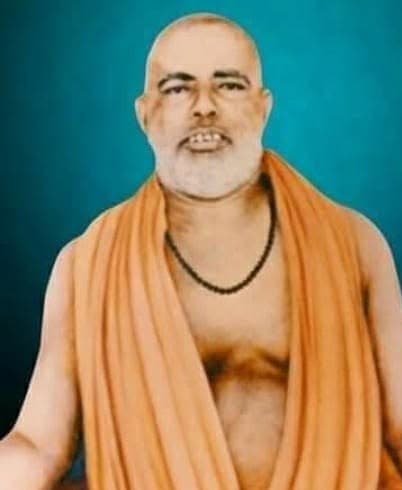
Sri Udiya Baba · Modern
Hindiभावार्थ— जिस काल में ज्योतिर्मय अग्नि-अभिमानी देवता, दिवसाभिमानी देवता, शुक्लपक्षाभिमानी देवता और उत्तरायण के छः मासों के अभिमानी देवता रहते हैं उसमें मरकर गये हुए कृतोपासक ब्रह्म को प्राप्त हो जाते हैं।
व्याख्या— यहाँ 'काल' शब्द का अर्थ मार्ग है, आगे २७ वें श्लोक में इसके लिये मार्गवाची 'सृती' शब्द का प्रयोग किया भी है। 'ब्रह्म' शब्द से भी यहाँ कारण-ब्रह्म या कार्य-ब्रह्म ही समझना चाहिए क्योंकि उपासना निर्गुण या सगुण ब्रह्म की ही होती है, शुद्ध या निर्विशेष ब्रह्म की नहीं।
Swami Ramsukhdas · Modern
Hindi'अग्निज्योतिरहः शुक्लः षण्मासा उत्तरायणम्'—इस भूमण्डलपर शुक्लमार्गमें सबसे पहले अग्नि देवताका अधिकार रहता है। अग्नि रात्रिमें प्रकाश करती है, दिनमें नहीं; क्योंकि दिनके प्रकाशकी अपेक्षा अग्निका प्रकाश सीमित है। अतः अग्निका प्रकाश थोड़ी दूरतक (थोड़े देशमें) तथा थोड़े समयतक रहता है; और दिनका प्रकाश बहुत दूरतक तथा बहुत समयतक रहता है।
शुक्लपक्ष पंद्रह दिनोंका होता है, जो कि पितरोंकी एक रात है। इस शुक्लपक्षका प्रकाश आकाशमें बहुत दूरतक और बहुत दिनोंतक रहता है। इसी तरहसे जब सूर्यभगवान् उत्तरकी तरफ चलते हैं, तब उसको उत्तरायण कहते हैं, जिसमें दिनका समय बढ़ता है। वह उत्तरायण छः महीनोंका होता है, जो कि देवताओंका एक दिन है। उस उत्तरायणका प्रकाश बहुत दूरतक और बहुत समयतक
रहता है।
**'तत्र प्रयाता गच्छन्ति ब्रह्म ब्रह्मविदो जनाः'**— जो शुक्लमार्गमें अर्थात् प्रकाशकी बहुलतावाले मार्गमें जानेवाले हैं, वे सबसे पहले ज्योतिःस्वरूप अग्नि देवताके अधिकारमें आते हैं। जहाँतक अग्नि देवताका अधिकार है, वहाँसे पार कराकर अग्नि देवता उन जीवोंको दिनके देवताको सौंप देता है। दिनका देवता उन जीवोंको अपने अधिकारतक ले जाकर शुक्लपक्षके अधिपति देवताके समर्पित कर देता है। वह शुक्लपक्षका अधिपति देवता अपनी सीमाको पार कराकर उन जीवोंको उत्तरायणके अधिपति देवताके सुपुर्द कर देता है। फिर वह उत्तरायणका अधिपति देवता उनको ब्रह्मलोकके अधिकारी देवताके समर्पित कर देता है। इस प्रकार वे क्रमपूर्वक ब्रह्मलोकमें पहुँच जाते हैं। ब्रह्माजीकी आयुतक वे वहाँ रहकर महाप्रलयमें ब्रह्माजीके साथ ही मुक्त हो जाते
हैं—सच्चिदानन्दधन परमात्माको प्राप्त हो जाते हैं।
यहाँ 'ब्रह्मविदः' पद परमात्माको परोक्षरूपसे जाननेवाले मनुष्योंका वाचक है, अपरोक्षरूपसे अनुभव करनेवाले
ब्रह्मज्ञानियोंका नहीं। कारण कि अगर वे अपरोक्ष ब्रह्मज्ञानी होते, तो यहाँ ही मुक्त (सद्यो मुक्त या जीवन्मुक्त) हो जाते और उनको ब्रह्मलोकमें जाना नहीं पड़ता।
**परिशिष्ट भाव**—पहले साधनावस्थामें जिनके भीतर ब्रह्मलोककी वासना अथवा अपने मतका आग्रह रहा है, वे क्रममुक्तिसे पहले ब्रह्मलोकमें जाते हैं और फिर महाप्रलय आनेपर ब्रह्माजीके साथ मुक्त हो जाते हैं—
**ब्रह्मणा सह ते सर्वे सम्प्राप्ते प्रतिसंचरे। परस्यान्ते कृतात्मानः प्रविशन्ति परं पदम्॥**
(कूर्मपुराण, पूर्व० ११। २८४)
'ब्रह्माकी आयु पूर्ण होनेपर जब महाप्रलयकाल उपस्थित होता है, तब वे सम्पूर्ण शुद्ध अन्तःकरणवाले पुरुष ब्रह्माके साथ ही परमपदमें प्रविष्ट हो जाते हैं।'
क्रममुक्तिमें ब्रह्मलोक मार्गमें आनेवाले एक स्टेशनकी तरह है, जहाँ सुखकी वासनावाले पुरुष उतरते हैं। परन्तु जिनमें सुखकी वासना नहीं है, वे वहाँ नहीं उतरते; जैसे—हमारा कोई प्रयोजन न हो तो मार्गमें स्टेशन आये या जंगल, क्या फर्क पड़ता है!
उपनिषदोंमें शुक्लमार्गके क्रमका अलग-अलग ढंगसे वर्णन आता है; जैसे—
छान्दोग्योपनिषदके अनुसार—अर्चिका देवता, दिनका देवता, शुक्लपक्षका देवता, उत्तरायणका देवता, संवत्सर, आदित्य, चन्द्रमा, विद्युत् और फिर अमानव पुरुषके द्वारा ब्रह्मलोकमें (ब्रह्माके पास) ले जाना (४। १५। ५; ५। १०। १-२)।
बृहदारण्यकोपनिषदके अनुसार—ज्योतिका देवता, दिनका देवता, शुक्लपक्षका देवता, उत्तरायणका देवता, देवलोक, आदित्य, विद्युत् (वैद्युत देव) और फिर मानस पुरुषके द्वारा ब्रह्मलोककी प्राप्ति (६। २। १५)।
कौषीतकिब्रह्मणोपनिषदके अनुसार—अग्निलोक, वायुलोक, सूर्यलोक, वरुणलोक, इन्द्रलोक, प्रजापतिलोक और ब्रह्मलोक (१। ३)।
ब्रह्मसूत्र (४। ३। २-३)-में भी इसपर विचार किया गया है।
शुक्लमार्गको उपनिषदोंमें देवयान, अर्चिमार्ग, उत्तरमार्ग, देवपथ और ब्रह्मपथ नामसे भी कहा गया है।
सम्बन्ध—अब आगेके श्लोकमें कृष्णमार्गका अर्थात् लौटकर आनेवालोंके मार्गका वर्णन करते हैं।
Time in this verse indicates the route where the presiding demigods over the various time divisions from the day up to a year, reside in great numbers.
Their route is either that path going by which yogis are not subject to rebirth; or that path where persons of righteous deeds are born again. This last path Lord Krishna is describing next.
The mention of fire, illumination, day, waxing moon and the suns six month sojourn on its waxing northern journey implies the year as well.