

Bhagavad Gītā · Chapter 8 · Akṣara Brahma Yoga
अव्यक्तोऽक्षर इत्युक्तस्तमाहुः परमां गतिम्
यं प्राप्य न निवर्तन्ते तद्धाम परमं मम
avyakto'kṣara ityuktastamāhuḥ paramāṃ gatim|
yaṃ prāpya na nivartante taddhāma paramaṃ mama||
Word meanings
तम् = that
अव्यक्तः = unmanifest
अक्षरः = imperishable
इति = thus (saying)
उक्तः = is called
परमाम् = supreme
गतिम् = goal
आहुः = they call
यम् = which
प्राप्य = attaining
न, निवर्तन्ते = do not return
तत् = that
मम = my
परमम् = supreme
धाम = abode
Translation
The same Unmanifest which has been spoken of as the Indestructible is also called the supreme Goal; that again is My supreme Abode, attaining which they return not to this mortal world.
Commentary
The commentators seated around this verse
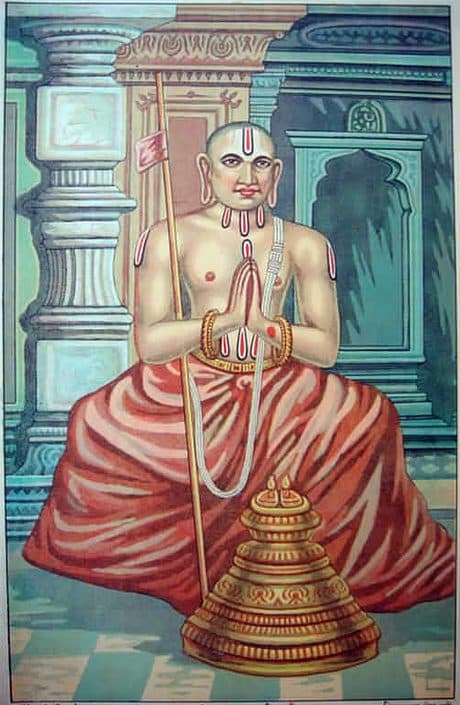
Rāmānuja · Viśiṣṭādvaita
EnglishOn verses 8.20–21
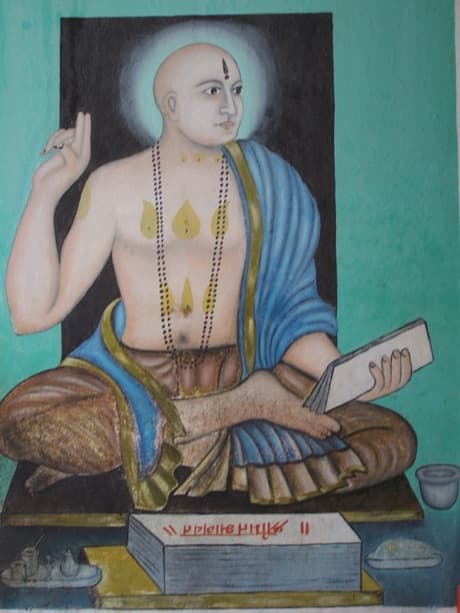
Madhvācārya · Dvaita
SanskritEnglish“अव्यक्तो भगवान् | यं प्राप्य न निवर्तन्ते इति, मामुपेत्य इत्युक्तस्य परामर्शात् | अव्यक्तं परमं विष्णुम् इति प्रयोगाश्च गारुडे | धाम स्वरूपम् | तेजः स्वरूपं च गृहं प्राज्ञैर्धामेति गीयते इत्याभिधानात् ||” — The unmanifest is the supreme Lord, यं प्राप्य न निवर्तन्ते, मामुपेत्य - by such statements' and अव्यक्तं परमं विष्णुम् with such usage in Garuda Purana. धाम is abode, one's form. Having explained thus तेजः स्वरूपं च गृहं प्राज्ञैर्धाम - these are the meanings understood by the wise for धाम, - abode.
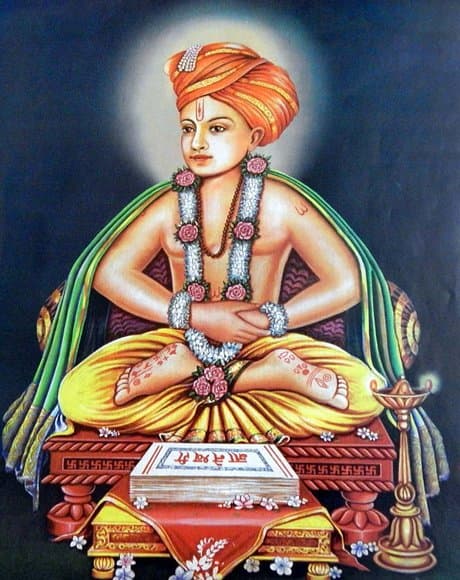
Jñāneśvar · Vārkarī
EnglishOn verses 8.21–8.22
21 “It is designated the Immutable Non-manifest, and that is said to be the Highest Goal, having attained which they no longer (have to) return: that is my Highest Abode.
22 “He, O Son of Pṛthā, is the Person Supreme, to be attained by single-pointed devotion: He within whom the beings dwell, and by whom all this is permeated. (179) That might be called “Non-manifest” in a witty manner of speaking. Yet it is not an apt description, since that pure being does not come within the grasp of mind or reason. Its limitless Being does not change even when it appears as limited, and again its immutable essence abides eternally, though the limitations are destroyed. Hence it is truly called Akshara (अक्षर immutable), for, by that word, its essence is grasped. Beyond the Immutable, there is naught, and so it is the highest haven of rest—the highest good. But it spreads in the entire life of this body and yet it is slumbering all the time, since it neither causes anything to be done nor itself does anything. Indeed, Oh Arjuna, not one out of the functions of all the ten organs and senses comes to a stop and (all) are being carried on uninterruptedly and the routes of all the organs overflow ever and anon. The mind indeed becomes the very market place where show-cases of sense pleasures are opened to view. In this, the soul too gets its due share of pleasure and pain. Business and trade goes on in all quarters of his State while the King lies enjoying his slumber as people do their business just as they please. Even so, the act of knowing in the intellect, the action of the mind, the doings of the organs, and the movements of the (life) breath, continue even while the supreme soul does not cause them to be done. People carry on their daily round of duties, without the Sun making them go on; in that way, O Arjuna, the soul is called “Purusha,” as he dwells resting in the body, and this name “Purusha” is also given to the soul for the reason that he lives conjugal happiness in the company of the Prakriti-Māyā, who is to the supreme soul as a faithful and loyal wife. The Vedas with their omniscient lore cannot reach even the skirts of the souls’ dwelling place—what then of (reaching) the house itself? The boundless sky is only the outer garment of His glory. Hence the Yogins call it the supreme beyond all exuberance, and yet this Supreme Divine being comes out to meet and find the devotee in his humble dwelling. For, the devotee, wholeheartedly, in mind, body and speech, surrenders himself exclusively to the Supreme. The Supreme is then to the devotee a garden of plenty. It is the home, Oh son of Pandu, of men of unflinching faith: for they have seen that the whole world is a revelation of Purshottama (Person Supreme). The Supreme is the one story of those who have dropped self-conceit; it is the very sentience of Being without quality, and places the recluse in the kingdom of the highest happiness unending. It is the richest food served to the happy soul, the mother’s love to the Blessed poor spirits who do not worry about life’s cares; and the royal road to this Supreme Abode is devotion. In how many ways shall I, Oh Dhanajaya, repeat this? Suffice to say, it is that Abode by reaching which, the soul is united to and merged in it. Hot water gets cold with a cold breeze; or darkness turns into light with the Sun coming to it; in that way, this Supreme divine abode makes of this earthly life the eternal Home of Perfect Freedom; or a dry wood falling into fire becomes itself the fire and cannot be brought back as fuel. Or, O Son of Pandu, once sugarcane is turned into sugar, it cannot be made to change again into sugarcane, however intelligent and skilful one (trying it) may be. Once the *Parīs* has made iron into gold (by its touch) how could it bring back the lost state of the iron, however much it (*Parīs*) may try? Therefore, as milk once converted into ghee cannot definitely get back its state of milk, in that way the final resting place, which when it is reached leaves not a trace of the distress of births and deaths, is the Highest and My real Abode; take this deepest secret of My heart that I am disclosing to you.
Swami Ramsukhdas · Modern
English'Avyakto'kṣara ityuktastamāhuḥ paramāṇ gatim yam prāpya
na nivartante taddhāma paramam mama'—The Lord Who has been called 'Mām' (Me), in the twenty-eighth, twenty-ninth and thirtieth verses of the seventh chapter, 'Imperishable Brahma', in the third verse of the eighth chapter, 'Adhiyajña' (God); in the fourth verse 'Mām' (Me), in the fifth and seventh verses, 'Supreme Divine Puruṣa' (God), in the eighth verse, 'the Omniscient, the Ancient, the Ruler' etc., in the ninth verse, 'Mām' (Me) in the thirteenth, fourteenth, fifteenth and sixteenth verses, 'Unmanifest' and 'Eternal', in the twentieth verse, has been called here 'Unmanifest', 'Imperishable', 'the Supreme Goal' and 'the Supreme Abode', attaining Which, beings do not return. Similarly, in the twenty-seventh verse of the fourteenth chapter, He has declared, 'I am the Abode of Brahma, the Immortal and the Immutable, the eternal Dharma (virtue), and Absolute Bliss.' Thus, the Lord has explained here that He, Who has been described in different verses by different names, is One and the same.
Some people, think that the fruit of adoration of the Lord, Who is endowed with attributes, and He, Who is attributeless, is different. To remove this misconception, Lord Kṛṣṇa, in this verse, has made it clear that the Lord is one, and the same, and devotees according to their tastes and beliefs worshipping Him, in different ways and His different forms, attain the same Lord.
The other worlds, including that of Brahmā are subject to return i.e., beings after going there, have to return and thus they have to follow the wheel of birth and death, because they all, are within the domain of nature (matter) and are perishable, while the Abode of the Lord, is beyond Nature and is Imperishable. The beings, after going there, have no return, no birth. But, just like the Lord, Who incarnates by His own will, to enable the people to attain salvation the liberated souls by the Lord's will, can come to this earth as representatives of the Lord, in order to enable the people of this mortal world, to attain salvation.
**Appendix**—The terms unmanifest and imperishable etc., have
no access to the Supreme, Who is to be attained. The reason is that the supreme is the independent entity which is free from unmanifest and manifest, imperishable and perishable, motion and rest. Having attained Him there is no return to this mortal world because He transcends all limits (of time etc.).
*Link:—In the next verse, He explains that the Imperishable, can be attained by exclusive devotion.*
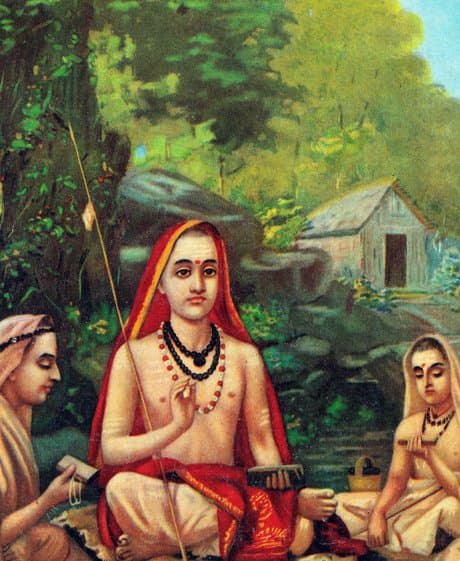
Ādi Śaṅkarācārya · Advaita
Sanskritसोऽसौ अव्यक्तः अक्षरः इत्युक्तः, तमेव अक्षरसंज्ञकं अव्यक्तं भावं आहुः परमां प्रकृष्टां गतिम् । यं परं भावं प्राप्य गत्वा न निवर्तन्ते संसाराय, तत् धाम स्थानं परमं प्रकृष्टं मम, विष्णोः परमं पदमित्यर्थः ॥ तल्लब्धेः उपायः उच्यते --
Ādi Śaṅkarācārya · Advaita
Hindiजो वह 'अव्यक्त' 'अक्षर' ऐसे कहा गया है उसी अक्षर नामक अव्यक्तभावको परम-श्रेष्ठ गति कहते हैं। जिस परम भावको प्राप्त होकर (मनुष्य) फिर संसारमें नहीं लौटते, वह मेरा परम श्रेष्ठ स्थान है अर्थात् मुझ विष्णुका परमपद है
Jñāneśvar · Vārkarī
MarathiOn verses 8.21–8.22
जयातें अव्यक्त म्हणों ये कोडें । म्हणतां स्तुति हें ऐसें नावडे ॥ जें मनबुद्धी न सांपडे । म्हणऊनियां ॥ १७९॥
आणि आकारा आलिया जयाचें । निराकारपण न वचे । आकारलोपें न विसंचे । नित्यता गा ॥ १८०॥
म्हणोनि अक्षर जें म्हणिजे । तेवीचि म्हणतां बोधुही उपजे । जयापरौता पैसु न देखिजे । या नाम परमगति ॥ १८१॥
परि आघवा इहीं देहपुरीं । आहे निजेलियाचे परी । जे व्यापारू करवी ना करी । म्हणऊनियां ॥ १८२॥
एऱ्हवीं जे शारीरचेष्टा । त्यांमाजीं एकही न ठके गा सुभटा । दाही इंद्रियांचिया वाटा । वाहतचि आहाति ॥ १८३॥
उकलूं विषयांचा पेटा । होता मनाचां चोहटा । तो सुखदुःखाचा राजवांटा । भीतराहि पावे ॥ १८४॥
परि रावो पहुडलिया सुखें । जैसा देशींचा व्यापारू न ठके । प्रजा आपुलालेनि अभिलाखें । करितचि असती ॥ १८५॥
तैसें बुद्धीचें हन जाणणें । कां मनाचें घेणेंदेणें । इंद्रियांचें करणें । स्फुरण वायूचें ॥ १८६॥
हे देहक्रिया आघवी । न करितां होय बरवी । जैसा न चलवितेनि रवी । लोकु चाले ॥ १८७॥
अर्जुना तयापरी । सुतला ऐसा आहे शरीरीं । म्हणोनि पुरूषु गा अवधारीं । म्हणिपे जयातें ॥ १८८॥
आणि प्रकृति पतिव्रते । पडिला एकपत्नीव्रतें । येणेंही कारणें जयातें । पुरूषु म्हणों ये ॥ १८९॥
पैं वेदाचें बहुवसपण । देखेचिना जयाचें आंगण । हें गगनाचें पांघरूण । होय देखा ॥ १९०॥
ऐसें जाणूनि योगीश्वर । जयातें म्हणती परात्पर । जें अनन्यगतीचें घर । गिंवसीत ये ॥ १९१॥
जे तनू वाचा चित्ते । नाइकती दुजिये गोष्टीतें । तयां एकनिष्ठेचें पिकतें । सुक्षेत्र जें ॥ १९२।।
हें त्रैलोक्यचि पुरूषोत्तम । ऐसा साच जयाचा मनोधर्मु । तया आस्तिकाचा आश्रमु । पांडवा गा ॥ १९३॥
जें निगर्वाचें गौरव । जें निर्गुणाची जाणीव । जें सुखाची राणीव । निराशांसी ॥ १९४॥
जें संतोषियां वाढिलें ताट । जें अचिंता अनाथाचें मायपोट । भक्ती उजू वाट । जया गांवा ॥ १९५॥
हें एकैक सांगोनि वायां । काय फार करूं धनंजया । पैं गेलिया जया ठाया । तो ठावोचि होइजे ॥ १९६॥
हिंवाचिया झुळुका । जैसें हिंवचि पडे उष्णोदका । कां समोर हालिया अर्का । तमचि प्रकाशु ॥ १९७॥
तैसा संसारू जया गांवा । गेला सांता पांडवा । होऊनि ठाके आघवा । मोक्षाचाचि ॥ १९८॥
तरी अग्नीमाजीं आलें । जैसें इंधनचि अग्नि जहालें पाठीं न निवडेचि कांही केलें । काष्ठपण ॥ १९९॥
ना तरी साखरेचा माघौता । बुध्दिमंतपणेंही करितां । परि ऊंस नव्हे पांडुसुता । जियापरी ॥ २००॥
लोहाचें कनक जहालें । हें एकें परिसेंचि केलें । आतां आणिक कैंचें तें गेलें । लोहत्व आणी ॥ २०१॥
म्हणोनि तूप होऊनि माघौतें । जेवीं दूधपण न येचि निरूतें । तेविं पावोनियां जयातें । पुनरावृत्ति नाहीं ॥ २०२॥
तें माझें परम । साचोकारें निजधाम । हें आंतुवट तुज वर्म । दाविजत असें ।। २०३॥
Jñāneśvar · Vārkarī
HindiOn verses 8.21–8.22
(8.179) जिसे कौतुक से अव्यक्त कह देने से उसकी स्तुति नहीं होती, क्योंकि वह मन और बुद्धि के हाथ ही नहीं आता,
(8.180) आकार को प्राप्त होने से भी जिसकी निराकारता नहीं बिगड़ती और आकार के लोप होने से जिसकी नित्यता का भी भंग नहीं होता, (8.181) अतएव जिसे अक्षर कहते हैं, और ऐसे वर्णन से ही जिसका ज्ञान हो सकता है, जिसके परे कुछ विस्तार नहीं दिखाई देता, उसे परमगति कहते हैं।
(8.182) वह सम्पूर्ण इस देहरूपी नगर में सोते हुए पुरुष के समान है, क्योंकि वह न कोई व्यापार कराता है न करता है।
(8.183) यों तो जो शरीर के व्यापार हैं उनमें से एक भी बन्द नहीं रहता। दसों इन्द्रियरूपी मार्ग चलते ही रहते हैं।
(8.184) विषयरूपी पैठ खुलकर मन का चौरस्ता तैयार होता है और वहाँ जीव को सुखदुःखरूपी उत्तम हिस्सा मिलता है।
(8.185) परन्तु जैसे राजा सुख से सोया हो तथापि देश के व्यापार बन्द नहीं होते और प्रजा अपने अपने इच्छानुसार व्यापार करती है,
(8.186) वैसे ही बुद्धि का जानना, मन का संकल्प-विकल्प करना, इन्द्रियों का क्रिया करना, वायु का स्फुरण,
(8.187) आदि सब शरीर-क्रियाएँ किसी के चलाये बिना ही भली भाँति चलती रहती हैं। जैसे कि सूर्य किसी को नहीं चलाता तथापि लोग उसके प्रकाश में चलते रहते हैं (8.188) वैसे ही हे अर्जुन! इस शरीररूपी पुर में मानों सोते रहने के कारण जिसे पुरुष कहते हैं,
(8.189) और प्रकृतिरूपी पतिव्रता के एकपत्नी-व्रत में निमग्न रहने के कारण भी जो पुरुष कहा जा सकता है,
(8.190) वेद की व्यापक बुद्धि जिसका आँगन भी नहीं देखती; जो आकाश का भी आच्छादन है
(8.191) ऐसा जान कर योगी जिसे परात्पर कहते हैं; जो एकनिष्ठता का घर खोजता आ पहुँचता है;
(8.192) काया, वाचा और मन से दूसरी बात न जाननेहारे एकनिष्ठ भक्तों का जो उत्तम पका हुआ खेत है;
(8.193) हे पाण्डव! जो इस त्रैलोक्य को ही सत्य भाव से पुरुषोत्तम माननेहारे आस्तिक पुरुष का आश्रय है;
(8.194) जो निरहंकारों की महत्ता का रूप है; जो निर्गुणों का ज्ञान है; जो निःस्पृह पुरुषों का सुख का राज्य है;
(8.195) तो सन्तोषीजनों के लिए परोसी हुई थाली है; जो संसार की चिन्ता न करनेहारे शरणागतों की माता है; जहाँ जाने के लिए भक्ति को सरल मार्ग मिल जाता है; (8.196) इस प्रकार एक एक बात कह कर व्यर्थ क्या तूल खींचूँ परन्तु हे धनंजय! जिस पद को जाते ही मनुष्य तद्रूप बन जाता है;
(8.197) जैसे ठण्डी हवा की लहर से गरम पानी ठण्डा हो जाता है, अथवा सूर्य के सामने जाने से अन्धकार प्रकाश बन जाता है,
(8.198) वैसे ही हे पाण्डव! संसार जिस गाँव को जाते ही सम्पूर्ण मोक्षमय हो जाता है;
(8.199) जैसे अग्नि में डाला हुआ ईंधन अग्निमय हो जाता है और फिर काष्ठत्व सर्वदा जुदा नहीं हो सकता,
(8.200) अथवा जैसे कितनी ही बुद्धिमत्ता की चेष्टा की जाय तथापि शंकर की फिर से ईख नहीं बन सकती,
(8.201) लोहे का सुवर्ण बन जाना एक पारस के किये हो सकता है, परन्तु ऐसी कौन-सी वस्तु है जो उस नष्ट लोहत्व को फिर से बना दे?
(8.202) अतएव जैसे घी का फिर से सर्वथा दूध नहीं बन सकता, वैसे ही जिसे प्राप्त करने पर पुनर्जन्म नहीं होता,
(8.203) वह मेरा परम और सच्चा निजधाम है। यह हम तुमसे अपना आन्तरिक मर्म प्रकट करते हैं।
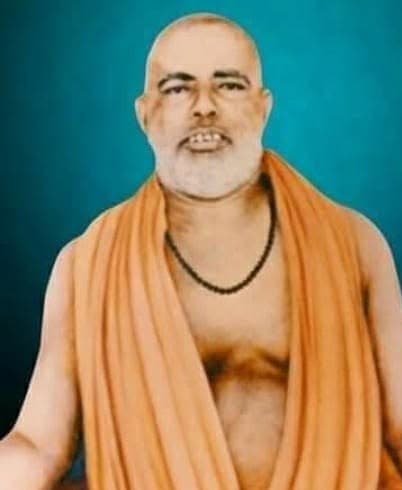
Sri Udiya Baba · Modern
Hindiभावार्थ— जो अव्यक्त (शुद्ध ब्रह्म) अक्षर (अविनाशी) कहा गया है उसी को परम गति कहते हैं, जिसे प्राप्त होने पर फिर नहीं लौटते और वही मेरा परम धाम है।
व्याख्या— श्लोक १८, १९ और २० में तो 'अव्यक्त' शब्द से माया या प्रकृति कही गयी है किन्तु इस श्लोक में 'अव्यक्त' का अर्थ शुद्ध ब्रह्म है। वस्तु को प्राप्त करने वाला वस्तु से भी उत्कृष्ट होता है, जैसे राज्य को प्राप्त करने वाला राजा राज्य से बड़ा होता है। अतः परमात्मा को प्राप्त करने वाला यद्यपि परमात्मा से भी बड़ा है तथापि उसमें बड़प्पन का अभिमान तनिक भी नहीं होता।
प्रश्न— ब्रह्म को 'अव्यक्त' कहकर फिर 'अक्षर' क्यों कहा?
उत्तर— अव्यक्त तो प्रकृति भी है। अतः उससे अलग बताने के लिये ब्रह्म को 'अक्षर' कहा गया है।
परमात्मा चिन्मात्र हैं, अतः उन्हें प्राप्त होने पर फिर नहीं लौटता, क्योंकि फिर वह भी चिन्मात्र हो जाता है। संसार में तो कामना या वासना वाला जीव ही लौटता है। इस लोक में जैसे जीवन्मुक्त आभास मात्र ही रहते हैं; वैसे ही उपासक इष्टदेव के धाम में रहते हैं।
Swami Ramsukhdas · Modern
Hindi‘अव्यक्तोऽक्षरः’ ‘तद्भाम परमं मम’—भगवान्ने सातवें अध्यायके अट्ठाईसवें, उनतीसवें और तीसवें श्लोकमें जिसको ‘माम्’, कहा है तथा आठवें अध्यायके तीसरे श्लोकमें ‘अक्षरं ब्रह्म’, चौथे श्लोकमें ‘अधियज्ञः’, पाँचवें और सातवें श्लोकमें ‘माम्’, आठवें श्लोकमें ‘परमं पुरुषं दिव्यम्’, नवें श्लोकमें ‘कविं पुराणमनुशासितारम्’ आदि, तेरहवें, चौदहवें, पन्द्रहवें और सोलहवें श्लोकमें ‘माम्’, बीसवें श्लोकमें ‘अव्यक्तः’ और ‘सनातनः’ कहा है, उन सबकी एकता करते हुए भगवान् कहते हैं कि उसीको अव्यक्त और अक्षर कहते हैं तथा उसीको परमगति अर्थात् सर्वश्रेष्ठ गति कहते हैं; और जिसको प्राप्त होनेपर जीव फिर लौटकर नहीं आते, वह मेरा परमधाम है अर्थात् मेरा सर्वोत्कृष्ट स्वरूप है। इस प्रकार जिस प्रापणीय वस्तुको अनेक रूपोंमें कहा गया है, उसकी यहाँ एकता की गयी है। ऐसे ही चौदहवें अध्यायके सत्ताईसवें श्लोकमें भी ‘ब्रह्म, अविनाशी अमृत, शाश्वत धर्म और ऐकान्तिक सुखका आश्रय मैं हूँ’ ऐसा कहकर भगवान्ने प्रापणीय वस्तुकी एकता की है।
लोगोंकी ऐसी धारणा रहती है कि सगुण-उपासनाका फल दूसरा है और निर्गुण-उपासनाका फल दूसरा है। इस धारणाको दूर करनेके लिये इस श्लोकमें सबकी एकताका
परिशिष्ट भाव—अव्यक्त, अक्षर आदि नामोंकी पहुँच उस प्रापणीय तत्त्वतक नहीं है। कारण कि वह अव्यक्त-व्यक्त, अक्षर-क्षर, गति-स्थिति दोनोंसे रहित निरपेक्ष तत्त्व है। उसको प्राप्त होनेपर जीव लौटकर नहीं आता; क्योंकि उसकी अवधि नहीं है।
वर्णन किया गया है। मनुष्योंकी रुचि, विश्वास और योग्यताके अनुसार उपासनाके भिन्न-भिन्न प्रकार होते हैं, पर उनके अन्तिम फलमें कोई फरक नहीं होता। सबका प्रापणीय तत्त्व एक ही होता है। जैसे भोजनके प्राप्त न होनेपर अभावकी और प्राप्त होनेपर तृप्तिकी एकता होनेपर भी भोजनके पदार्थोंमें भिन्नता रहती है, ऐसे ही परमात्माके प्राप्त न होनेपर अभावकी और प्राप्त होनेपर पूर्णताकी एकता होनेपर भी उपासनाओंमें भिन्नता रहती है। तात्पर्य यह हुआ कि उस परमात्माको चाहे सगुण-निराकार मानकर उपासना करें, चाहे निर्गुण-निराकार मानकर उपासना करें और चाहे सगुण-साकार मानकर उपासना करें, अन्तमें सबको एक ही परमात्माकी प्राप्ति होती है।
ब्रह्मलोक आदि जितने भी लोक हैं, वे सभी पुनरावर्ती हैं अर्थात् वहाँ गये हुए प्राणियोंको फिर लौटकर जन्म-मरणके चक्करमें आना पड़ता है; क्योंकि वे सभी लोक प्रकृतिके राज्यमें हैं और विनाशी हैं। परन्तु भगवद्भाम प्रकृतिसे परे और अविनाशी है। वहाँ गये हुए प्राणियोंको गुणोंके परवश होकर लौटना नहीं पड़ता, जन्म लेना नहीं पड़ता। हाँ, भगवान् जैसे स्वेच्छासे अवतार लेते हैं, ऐसे ही वे भगवान्की इच्छासे लोगोंके उद्धारके लिये कारक पुरुषोंके रूपमें इस भूमण्डलपर आ सकते हैं।
Lord Krishna now reveals His superior conscious avyakta or unmanifest which is different in principle and substance then the unconscious avyakta or unmanifest of Brahma which is non-intelligent and operates according to set parameters.
Lord Krishna's superior avyakta is characterised by eternality due to its possession of ātma tattva or soul realisation. Thus it is also characterised by jñāna or consciousness.
Avyakta is also known as indistinct because it beyond any perceptive faculty of the mind or senses to cognise it as a perceivable reality. The purport is that avyakta is a principle of self-consciousness and as such is completely unique in its nature.
The word Sanātana meaning eternal because His superior avyakta is not subject to combination and aggregation or resolution and disintegration
and never disperses or dissipates when all the material elements of earth, water, fire, air and ether in their rudimental forms and derivative forms dissolve away, although His superior avyakta abides within them.
This is why the Vedic scriptures call it avyakta or indistinct as well as akṣara or indestructible.
Those steeped in the wisdom of the Vedic scriptures have declared that this is the paramam gatim or supreme exalted goal to be achieved.
Lord Krishna previously mentioned akṣara in verse three of this chapter and will later mention it again in chapters XII.III and XV.XVI.
The superior state of avyakta is where ātma tattva or soul realisation abounds and when once reached immediately precludes forever the subjection to union with matter again as there is no more rebirth for reincarnation has been terminated.
Lord Krishna specifies their destination with the words dhāma paramam mama meaning His supreme personal abode of eternity, knowledge and bliss where all things reciprocate fully with Him and is the abode of the liberated beings.
The word dhāma also denotes luminosity as in the light of consciousness which is the primary attribute of the ātma or soul.
Thus Lord Krishna is indicating His paramam dhāma as non-different from the infinite consciousness of the ātma in contrast to the limited state of consciousness one possesses,
who is oblivious to the ātma due to being deluded by the illusory material energy known as māyā and cherishing the association of the senses with sense objects.
The other avyakta where resides prakṛti or the material substratum which contains all living entities and which is perishable is controlled by Lord Krishna as well,
through His manifestation as the eternal ātma or soul within the etheric heart of all created beings throughout all existence. This is the abode of the non-liberated beings.
From the superior avyakta there is no return to samsāra the cycle of birth and death.
The next verse will show how the goal of the Jñānī or knower of the Supreme Lord is the most sublime state of consciousness, more exalted than any other.