

Bhagavad Gītā · Chapter 7 · Jñāna Vijñāna Yoga
श्री भगवानुवाच
मय्यासक्तमनाः पार्थ योगं युञ्जन्मदाश्रयः
असंशयं समग्रं मां यथा ज्ञास्यसि तच्छृणु
śrī bhagavānuvāca
mayyāsaktamanāḥ pārtha yogaṃ yuñjanmadāśrayaḥ|
asaṃśayaṃ samagraṃ māṃ yathā jñāsyasi tacchṛṇu||
Word meanings
पार्थ = O Pārtha
मयि = in Me
आसक्तमनाः = with mind attached
मदाश्रयः = taking refuge in Me
योगम् = yoga
युजन्म = practicing yoga
माम् = Me
समग्रम् = in entirety
असंशयम् = without doubt
यथा = how
ज्ञास्यसि = you will know
तत् = that
शृणु = listen
Translation
Sri Bhagavan said: Arjuna, now listen how with the mind attached to Me (through exclusive love) and practising Yoga with absolute dependence on Me, you will know Me (the Repository of all power, strength and glory and other attributes, the Universal Soul) in entirety and without any shadow of doubt.
Commentary
The commentators seated around this verse

Rāmānuja · Viśiṣṭādvaita
English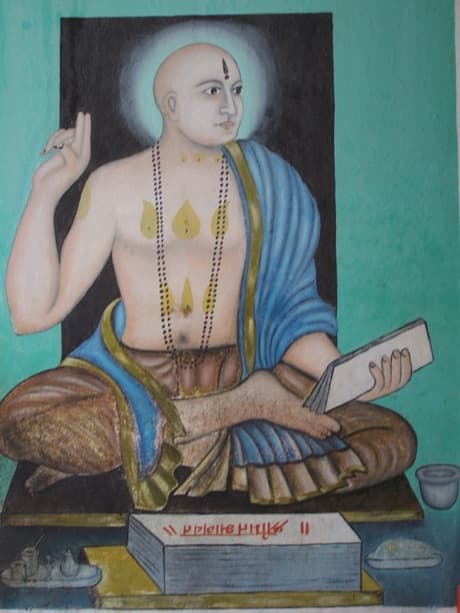
Madhvācārya · Dvaita
Madhva BhāṣyaSanskritEnglishOn verses 7.1–7.2
“आसक्तमनाः अतीवस्नेहयुक्तमनाः । मदाश्रयः - भगवानेह मया सर्वे कारयति । स एव शरणम् । तस्मिन्नेव चाहं स्थित इति स्थितः । असंशयं समग्रम् इति क्रियाविशेषणम् ॥” - आसक्तमनाः means extremely attached to mental disposition. मदाश्रयः means accepting that the Lord does everything, He alone is the protector, in Him alone do I abide. असंशयं is the special predicate.
Madhvācārya · Dvaita
Gītā Tātparya NirṇayaSanskritEnglishOn verses 7.1–7.2
“भगवन्महिमा विशेषतः उच्यते ।” - speaks with special reference to the glory of the supreme Lord.

Jñāneśvar · Vārkarī
EnglishOn verses 7.1–7.2
1 "With the mind holding fast unto Me, O Son of Pṛthā, and carrying on Yogic practice, with Me as the refuge, the way thou wilt know Me in entirety and with certainty, do thou hear: 2 "I shall now impart unto thee in its fulness that knowledge, together with its realisation, after knowing which there does not remain here anything else as a further object of knowledge. (1)
"Hear ye now", Shrikrishna then said to Arjuna, "O, you have now certainly come in the possession of (the knowledge of) Yoga path. I shall now preach to you "Jnāna, (the Secret of all Knowledge) and "Vijnāna" (Knowledge of this world), so that you will be able to know me in entirety as clearly as the very jewel placed on your palm. You might feel doubtful about the necessity of the empirical or worldly knowledge, but you must know it before everything else. For, with the advent of the vision of true knowledge, ordinary awareness gets its eyes dimmed, just as a boat remains steady, when kept resting on the bank. That state where the worldly awareness gets no footing, in that state of mind even the thought turns back and the reasoning power even is crippled—well, such a state of soul, Oh Pārtha, is known as knowledge. All other views by which the wherefore and the why of the world are grasped, are entirely different from the Supreme Knowledge of being, and they are named 'Vijnāna'; and the belief that the world is all a reality is ignorance. Indeed, with a view to ending that ignorance and to melting the worldly-minded insight, one's soul must fix itself in the essence of Supreme Knowledge. When this state is attained, all talk of the preacher comes to a halt, the craving for learning on the part of the hearers comes to an end, and all distinction, such as small and big, ceases to exist. Such mystic secret I am going to speak to you now, and even a small fraction of it, will make your mind feel greatly satisfied.
Swami Ramsukhdas · Modern
English'Mayyāsaktamaṇāḥ'—He, whose mind is attached to Me alone, has not to think of Me, but his mind always remains absorbed in Me. He is not, in the least, attached to the sensual pleasures of this world or the next world, and remains indifferent to comfort, name, fame and other, earthly or heavenly acquisitions.
There are two means, by which mind may be attached to Him.
(i) A striver, who from his heart depending only on God, adores Him, his mind, by His grace is attached to Him. As a servant, in his master's house, even without doing any work as the master did not allot any work for him on a day gets payment, a devotee with the only aim to attach his mind to Him by depending upon Him, gets success in attaching his mind to Him, by His grace.
(ii) God pervades everywhere, at all times and in all things, men and creatures etc., and He belongs to all. So a devotee thinks, that He is here, He is present at the time, He is in him, and belongs to him also. By believing so, if he chants His name, his mind gets attached to Him very easily, during spiritual practice.
'Madāśrayaḥ'—He takes refuge in Me alone viz., and depends on Me, alone.
It is in the nature of man, that he depends on someone, or the other. Being a fragment of God, he actually seeks God. But he, without knowing his true affinity for God, accepts his affinity for the body and the world. All the worldly things, including body, are perishable and so they cannot satisfy him, while God, is eternal, gracious and omnipotent, so he, by accepting his affinity for Him, should depend on Him only, and be subject to His will, because He creates even unfavourable circumstances, for his welfare.
Mind in God, gets absorbed through love. Love develops through affinity. Dependence is sought, upon the greatest and the most powerful, God is omnipotent. Therefore, a striver should rely on Him only, and remain happy in His dispensation. He needs nothing, such as, an individual, an object or any circumstance. Dependence on God, in this way is 'Madāśrayaḥ'.
'Yogaṇ yuñjan'—A striver by accepting his true affinity for God, remaining equanimous in success and failure, adores Him. His performance of different activities either spiritual or
mundane, is practice of Yoga. It means that he, depending on God with his mind attached to Him, accepts his union with Him, while discharging his duty. All his activities, are according to His will. He does not act in such a way, that he may suffer disunion from Him.
'Asaṃśayam samagram mām'—He, whose mind is attached to the Lord, who depends on Him and who has accepted his true affinity for Him, knows Him in full, without any doubt viz., he knows that the Lord, manifests Himself in the form of Lord Śiva, Gaṇeśa, Sūrya (the Sun) and Viṣṇu. He is known both with form and attributes; and without any form and attribute. He is also in the form of incarnations.
A Jñānayogī, can know Him and realize Him. But a devotee, can know Him in full, and have His vision in the form of his favourite deity. The Lord does not stop thinking of the devotion of His devotees.
'Yathā jñāsyasi tacchṛṇu'—By the term 'Yathā*, Lord Kṛṣṇa says, that He will tell him how to know Him; and by the word 'tat'†, He means, that He will tell him that, which he wants to know. In these words, Lord Kṛṣṇa by using the second person for Arjuna, asks him to listen to Him, how he will know Him, in full.
In the forty-seventh verse of the sixth chapter, in the expression 'He who worships Me endowed with faith, is deemed by Me, to be the most devout', the Lord by using 'he' the third person, makes a general statement, while here in the expression 'Hear how you shall know Me' He uses the second person pointedly
*The term 'Yathā' has been used to describe how to know him from the gross to the subtle (As water is subtler than earth, fire is subtler than water and air is subtler than fire etc.). It has been described from the fourth to the seventh verses of this chapter.
†'Tat' means that God is the seed of the world. It has been described from the eighth to the twelfth verses of this chapter.
to address Arjuna, how he will know Him fully.
In the first six chapters, the word 'Samagrañ' (in full), has not been used for the Lord. So, this term signifies, different forms of the Lord, as well as, His glory and other divine traits, while this term, in the twenty-third verse of the fourth chapter, in the expression 'He who works for the sake of sacrifice, the whole action, is dissolved' the term, 'whole' has been used for totality of actions.
An Exceptional Fact
(i) Lord Kṛṣṇa means that a devotee will know Him in full, if he, instead of having attachment for pleasures, is attached to Him. If he instead of depending on body, family and prosperity, depends on Him, and if he has no desire of his own.
(ii) Real affinity for God, is called 'Yogañ' and assumption (acceptance) of that affinity incessantly, is called 'Yuñjan'. It means, that a striver instead of assuming his affinity for body, mind and senses etc., should realize his real affinity, for God.
In fact practice of Yoga is not so important, as renunciation of attachment, for and dependence, on the world. By doing so, meditation upon God will be practised automatically, and all actions will be performed, without any desire for their fruit. In such a case, he will not have to practise Yoga. It means, that he who attaches importance to the perishable worldly things and persons etc., cannot know, the all-pervading God. If a man has links with a great man of the society, he feels exalted. Similarly, when our intimacy is aroused with God, who is our disinterested friend and well-wisher and Whose fragment we are, how much more exalted we must feel! In that case, unique and supreme love, is aroused and the striver's mind gets attached, to Him and he depends on Him, quite spontaneously.
Synonyms of Śaraṇāgati (Surrender)
'Āśraya', 'Avalambana', 'Adhīnatā', 'Prapatti' and 'Sahārā', are synonyms of the term 'surrender' (refuge), yet they have different meanings.
(1) **Āśraya**:—We cannot live, without the support of earth. In the same way, we cannot live, without the support of God. This is called 'Āśraya'.
(2) **Avalambana**:—If a man's arm is broken, it is dressed and slung from the neck, with a band. Thus the arm, is supported with a sling, while hanging from the neck. In like manner, a helpless person seeks refuge in God. This support is called 'Avalambana'.
(3) **Adhīnatā**:—It is of two kinds: (a) Someone may force us to depend upon him. (b) We ourselves may willingly, depend on some other. Similarly, a devotee with exclusive devotion and without any selfish motive, becomes an attendant upon God, by regarding Him, as his master. This service with exclusive devotion, is called 'Adhīnatā'.
(4) **Prapatti**:—When a devotee, like a helpless person, offers obeisance before a great man, prostrates before God, it is called 'Prapatti'.
(5) **Sahārā**:—When a devotee, in order to be liberated, from the cycle of birth and death, takes refuge in God, like a drowning man who catches at a straw, it is called 'Sahārā'.
A devotee, is said to take refuge in God, when he is attached only to God and depends only on Him i.e., when he fixes his mind and intellect only, on God. When a man himself takes refuge in God, with his mind and intellect, he possesses all the virtues, of a surrendered devotee.
When a striver resolves, that his so-called mind and intellect, are God's, his mind is naturally attached to Him, and he depends only on Him i.e., he becomes 'Mayyāsaktamaṇāḥ' and 'Madāśrayaḥ'.
In fact, all the worldly things are in the process of decay every moment, and we being eternal, have no real affinity with them. So, if we renounce this assumed affinity, and only aim at salvation, we shall take refuge in Him automatically, because we are God's, despite ever having developed disinclination for Him, due to our inclination, for the world. As soon as, this assumed affinity or inclination are renounced, our affinity or inclination for God, will manifest itself, and that is axiomatic.
**Appendix**—The devotee, whose mind has been naturally attracted towards God, who has taken refuge in God and who has accepted his axiomatic eternal union (intimate relationship) with God, knows God in full. All is God this is the integral (entire) form of God.
In the term 'mayyāsaktamanāḥ' there is predominance of love (devotion) and in 'madāśrayaḥ' there is predominance of faith (belief).
'Samagraṁ māṁ'—In this expression the term 'samagraṁ' is adjective and the term 'māṁ' (God) is the noun qualified. A devotee's affinity instead of being with adjective is with the noun-qualified i.e., with God.
In the expression 'śraddhāvan bhajate yo māṁ' used at the end of the sixth chapter, what is the form of 'māṁ'? The Lord answers the questions here—'māṁ' is My entire form.
'Yathā jñāsyasi tacchṛṇu'—I shall describe My full form in such a manner, using such a device, in such a style that you will easily know My real form.
Arjuna in the preceding chapter expressed his doubt—'etanme saṃśayaṁ kṛṣṇa' (6/39). Therefore the Lord here declares that He will unfold to him the fact by which he will have no doubt.
*Link:—In the first verse, Lord Kṛṣṇa asked Arjuna, to listen to how he would know Him in full. Now in the next verse, He*
*promises to tell him about it.*
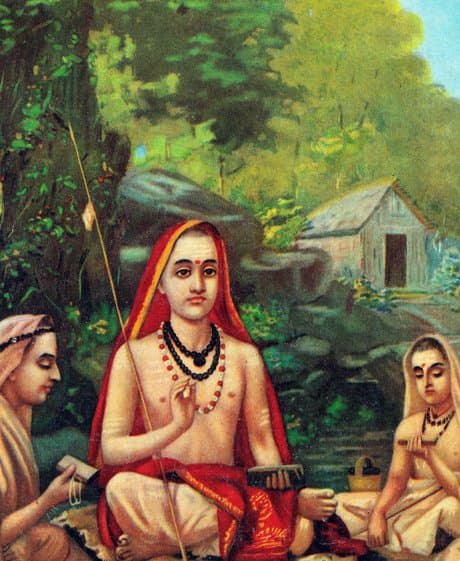
Ādi Śaṅkarācārya · Advaita
Sanskritमयि वक्ष्यमाणविशेषणे परमेश्वरे आसक्तं मनः यस्य सः मय्यासक्तमनाः, हे पार्थ योगं युञ्जन् मनःसमाधानं कुर्वन्, मदाश्रयः अहमेव परमेश्वरः आश्रयो यस्य सः मदाश्रयः । यो हि कश्चित् पुरुषार्थेन केनचित् अर्थी भवति स तत्साधनं कर्म अग्निहोत्रादि तपः दानं वा किञ्चित् आश्रयं प्रतिपद्यते, अयं तु योगी मामेव आश्रयं प्रतिपद्यते, हित्वा अन्यत् साधनान्तरं मय्येव आसक्तमनाः भवति । यः त्वं एवम्भूतः सन् असंशयं समग्रं समस्तं विभूतिबलशक्त्यैश्वर्यादिगुणसम्पन्नं मां यथा येन प्रकारेण ज्ञास्यसि संशयमन्तरेण ``एवमेव भगवान्'' इति, तत् शृणु उच्यमानं मया ॥ तच्च मद्विषयं --
Ādi Śaṅkarācārya · Advaita
Hindiइस श्लोकद्वारा छठे अध्यायके अन्तमें प्रश्नके बीजकी स्थापना करके फिर स्वयं ही ‘ऐसा मेरा तत्त्व है’ ‘इस प्रकार मुझमें स्थित अन्तरात्मावाला हो जाना चाहिये’ इत्यादि बातोंका वर्णन करनेकी इच्छावाले भगवान् बोले—
आगे कहे जानेवाले विशेषणोंसे युक्त मुझ परमेश्वर— में ही जिसका मन आसक्त हो, वह ‘मय्यासक्तमना’ है और मैं परमेश्वर ही जिसका (एकमात्र) अवलम्बन हूँ वह ‘मदाश्रय’ है, हे पार्थ ! ऐसा ‘मय्यासक्तमना’ और ‘मदाश्रय’ होकर तू योगका साधन करता हुआ अर्थात् मनको ध्यानमें स्थित करता हुआ (जिस प्रकार मुझको संशयरहित समग्ररूपसे जानेगा सो सुन—)
जो कोई (धर्मादि पुरुषार्थोंमेंसे) किसी पुरुषार्थका चाहनेवाला होता है, वह उसके साधनरूप अग्निहोत्रादि कर्म, तप या दानरूप किसी एक आश्रयको ग्रहण किया करता है, परंतु यह योगी तो अन्य साधनोंको छोड़कर केवल मुझको ही आश्रयरूपसे ग्रहण करता है और मुझमें ही आसक्तचित्त होता है।
इसलिये तू उपर्युक्त गुणोंसे सम्पन्न होकर विभूति, बल, ऐश्वर्य आदि गुणोंसे सम्पन्न मुझ समग्र परमेश्वरको जिस प्रकार संशयरहित जानेगा कि ‘भगवान् निस्सन्देह ठीक ऐसा ही है,’ वह प्रकार मैं तुझसे कहता हूँ, सुन
Jñāneśvar · Vārkarī
HindiOn verses 7.1–7.2
(7.1) सुनिए, फिर श्रीअनन्त ने पार्थ से कहा कि तुम अब योगयुक्त हो चुके।
(7.2) अब हम तुम्हें व्यवहार-ज्ञान समेत ज्ञान बताते हैं जिससे तुम मुझ सर्वव्यापी को ऐसे जान लोगे कि जैसे हथेली का रत्न।
(7.3) यदि तुम समझते हो कि यहाँ विज्ञान (व्यवहार-ज्ञान) का क्या काम है तो वास्तव में प्रथम वही जानना पड़ता है।
(7.4) फिर ज्ञान के समय तो ज्ञातृत्व के नेत्र बन्द हो जाते हैं। जैसे तीर पर टिकते ही नाव आगे नहीं चलती,
(7.15) वैसे ही जानने की क्रिया जहाँ प्रवेश नहीं करती, विचार आते ही पलट जाता है, जिसकी ओर तर्क की गति नहीं चलती, (7.6) उसे हे अर्जुन! ज्ञान कहते हैं। और प्रपंच विज्ञान है, तथा प्रपंच में सत्य बुद्धि रखना अज्ञान जानो
(7.7) अब जिससे सब अज्ञान चला जाता है, वह विज्ञान निःशेष शुष्क हो जाता है, और स्वरूप ज्ञानमय हो जाता है,
(7.8) जिससे बोलनेहारे का दुःख नष्ट हो जाता है, जिससे छोटा बड़ा इत्यादि भेदभाव नहीं रहता,
(7.9) ऐसा जो गुप्त मर्म है उसका मैं शब्दों से वर्णन करता हूँ जिससे थोड़े में ही तुम्हारे मन की बहुत-सी इच्छा पूरी हो जावेगी।

Sri Udiya Baba · Modern
Hindiसंगति— इस अध्याय में ब्रह्म के स्वरूप तथा ब्रह्मनिष्ठा का प्रतिपादन करेंगे। तथा यह भी बतायेंगे कि किस प्रकार ईश्वर के शरणापन्न हुआ जाता है और किस प्रकार वे संसार-सागर से तारते हैं।
भावार्थ— भगवान् श्री कृष्ण बोले— हे पार्थ! मेरे में चित्त लगाकर मेरे आश्रित योगाभ्यास करते हुए जिस प्रकार तुम निःसन्देह पूर्णतया मुझे प्राप्त कर लोगे, वह सुनो।
व्याख्या— भगवान् के दो रूप हैं सविशेष और निर्विशेष। सविशेष रूप ध्यान-प्राप्य है और निर्विशेष ज्ञान या विचार-प्राप्य। सविशेष भावमय है तथा उसमें भेद या द्वैत है और निर्विशेष ज्ञानस्वरूप है तथा उसमें अभेद या अद्वैत है।
प्रश्न— आपने सविशेष में भेद और निर्विशेष में अभेद बतलाया। यह ठीक समझ में नहीं आया। कृपया बतलाइये कि अद्वैत की सिद्धि किस प्रकार होती है।
उत्तर— अद्वैत की सिद्धि क्या की जाय, वह तो सिद्ध ही है। वास्तव में (वस्तु-दृष्टि से) द्वैत और अद्वैत में कोई भेद नहीं है। जिसमें द्वैत है उसीमें अद्वैत है और जिसमें अद्वैत है उसीमें द्वैत है। सुवर्ण दृष्टि जो अद्वैत है आभूषण दृष्टि से उसी में द्वैत है। केवल दृष्टियों का ही भेद है, वस्तुओं का नहीं। कार्य-दृष्टि द्वैत है और कारण दृष्टि अद्वैत। व्यवहार-दृष्टि से जहाँ द्वैत है परमार्थ-दृष्टि से वहीं अद्वैत है।
ब्रह्म के तीन स्वरूप हैं—कार्य, कारण और शुद्ध। शुद्ध-ब्रह्म-निर्विशेष है तथा कार्य-ब्रह्म और कारण-ब्रह्म सविशेष है। कार्य-ब्रह्म
साकार है और कारण-ब्रह्म निराकार है। शुद्ध-ब्रह्म साकार-निराकार दोनों से परे है। साधक जब तक सविशेष या निर्विशेष ब्रह्म में चित्त नहीं लगावेगा तब तक 'मय्यासक्तमनाः' नहीं हो सकेगा और न वह मेरे समग्र रूप को ही जान सकेगा। मेरे तत्त्व को जानना ही समग्र रूप को जानना है। जो भूत-भविष्य को जानता है वह सर्वज्ञ नहीं है, सर्वज्ञ तो वही है जो मेरे तत्त्व को जानता है।
प्रश्न— क्या ज्ञानी सर्वज्ञ होता है?
उत्तर— ज्ञान होने पर तो सर्व रहता ही नहीं, फिर सर्वज्ञ कैसे होगा? ईश्वर के ज्ञान से भक्त को और योगाभ्यास से योगी को सर्वज्ञता प्राप्त होती है।
प्रश्न— जब अर्जुन के सामने भगवान् स्वयं खड़े हैं तब उन्हें समग्र रूप से जानने में क्या रह गया?
उत्तर— जब तक भगवान् में चित्त आसक्त नहीं होता तब तक साधक की दृष्टि में हेय-उपादेय रहता है। किन्तु भगवान् में चित्त आसक्त होने पर भेद नहीं रहता। सभी संसार दृश्यमात्र या भगवत्स्वरूप हो जाता है। इसलिये तभी वह समग्र तत्त्व को जानता है। हेयोपदेय-बुद्धि रहते हुए वह समग्र ब्रह्म को नहीं जान पाता। जो पहले सगुणोपासना करते हैं उन्हीं को ऐसा ज्ञान होता है।
यहाँ 'मय्यासक्तमनाः' और 'मदाश्रयः' दो विशेषण आये हैं। अतः यह श्लोक सगुणोपासना का प्रतिपादन करता है।
Swami Ramsukhdas · Modern
Hindi‘मय्यासक्तमनाः’—मेरेमें ही जिसका मन आसक्त हो गया है अर्थात् अधिक स्नेहके कारण जिसका मन स्वाभाविक ही मेरेमें लग गया है, चिपक गया है, उसको मेरी याद करनी नहीं पड़ती, प्रत्युत स्वाभाविक मेरी याद आती है और विस्मृति कभी होती ही नहीं—ऐसा तू मेरेमें मनवाला हो।
जिसका उत्पत्ति-विनाशशील वस्तुओंका और शब्द, स्पर्श, रूप, रस तथा गन्धका आकर्षण मिट गया है, जिसका इस लोकमें शरीरके आराम, आदर-सत्कार और नामकी बड़ाईमें तथा स्वर्गादि परलोकके भोगोंमें किंचिन्मात्र भी खिंचाव, आसक्ति या प्रियता नहीं है, प्रत्युत केवल मेरी तरफ ही खिंचाव है, ऐसे पुरुषका नाम ‘मय्यासक्तमनाः’ है।
साधक भगवान्में मन कैसे लगाये, जिससे वह ‘मय्यासक्तमनाः’ हो जाय—इसके लिये दो उपाय बताये जाते हैं—
(१) साधक जब सच्ची नीयतसे भगवान्के लिये ही जप-ध्यान करने बैठता है, तब भगवान् उसको अपना भजन मान लेते हैं। जैसे, कोई धनी आदमी किसी नौकरसे कह दे कि ‘तुम यहाँ बैठो, कोई काम होगा तो तुम्हारेको बता देंगे।’ किसी दिन उस नौकरको मालिकने कोई काम नहीं बताया। वह नौकर दिनभर खाली बैठा रहा और शामको मालिकसे कहता है—‘बाबू! मेरेको पैसे दीजिये।’ मालिक कहता है—‘तुम सारे दिन बैठे रहे, पैसे किस बातके?’ वह नौकर कहता है—‘बाबूजी! सारे दिन बैठा रहा, इस बातके!’ इस तरह जब एक मनुष्यके लिये बैठनेवालेको भी पैसे मिलते हैं, तब जो केवल भगवान्में मन लगानेके लिये सच्ची लगनसे बैठता है, उसका बैठना क्या भगवान् निरर्थक मानेंगे? तात्पर्य यह हुआ कि जो भगवान्में मन लगानेके लिये भगवान्का आश्रय लेकर, भगवान्के ही भरोसे बैठता है, वह भगवान्की कृपासे
भगवानमें मनवाला हो जाता है।
(२) भगवान सब जगह हैं तो यहाँ भी हैं; क्योंकि अगर यहाँ नहीं हैं तो भगवान सब जगह हैं—यह कहना नहीं बनता। भगवान सब समयमें हैं तो इस समय भी हैं; क्योंकि अगर इस समय नहीं हैं तो भगवान सब समयमें हैं—यह कहना नहीं बनता। भगवान सबमें हैं तो मेरेमें भी हैं; क्योंकि अगर मेरेमें नहीं हैं तो भगवान सबमें हैं—यह कहना नहीं बनता। भगवान सबके हैं तो मेरे भी हैं; क्योंकि अगर मेरे नहीं हैं तो भगवान सबके हैं—यह कहना नहीं बनता। इसलिये भगवान यहाँ हैं, अभी हैं, अपनेमें हैं और अपने हैं। कोई देश, काल, वस्तु, व्यक्ति, परिस्थिति, घटना और क्रिया उनसे रहित नहीं है, उनसे रहित होना सम्भव ही नहीं है। इस बातको दृढ़तासे मानते हुए, भगवन्नाममें, प्राणमें, मनमें, बुद्धिमें, शरीरमें, शरीरके कण-कणमें परमात्मा हैं—इस भावकी जागृति रखते हुए नाम-जप करे तो साधक बहुत जल्दी भगवानमें मनवाला हो सकता है।
‘मदाश्रयः’—जिसको केवल मेरी ही आशा है, मेरा ही भरोसा है, मेरा ही सहारा है, मेरा ही विश्वास है और जो सर्वथा मेरे ही आश्रित रहता है, वह ‘मदाश्रयः’ है।
किसी-न-किसीका आश्रय लेना इस जीवका स्वभाव है। परमात्माका अंश होनेसे यह जीव अपने अंशीको ढूँढ़ता है। परन्तु जबतक इसके लक्ष्यमें, उद्देश्यमें परमात्मा नहीं होते, तबतक यह शरीरके साथ सम्बन्ध जोड़े रहता है और शरीर जिसका अंश है, उस संसारकी तरफ खिंचता है। वह यह मानने लगता है कि इससे ही मेरेको कुछ मिलेगा, इसीसे मैं निहाल हो जाऊँगा, जो कुछ होगा, वह संसारसे ही होगा। परन्तु जब यह भगवानको ही सर्वोपरि मान लेता है, तब यह भगवानमें आसक्त हो जाता है और भगवानका ही आश्रय ले लेता है।
संसारका अर्थात् धन, सम्पत्ति, वैभव, विद्या, बुद्धि, योग्यता, कुटुम्ब आदिका जो आश्रय है, वह नाशवान् है, मिटनेवाला है, स्थिर रहनेवाला नहीं है। वह सदा रहनेवाला नहीं है और सदाके लिये पूर्ति और तृप्ति करानेवाला भी नहीं है। परन्तु भगवानका आश्रय कभी किंचिन्मात्र भी कम होनेवाला नहीं है; क्योंकि भगवानका आश्रय पहले भी था, अभी भी है और आगे भी रहेगा। अतः आश्रय केवल भगवानका ही लेना चाहिये। केवल भगवानका ही आश्रय, अवलम्बन, आधार, सहारा हो। इसीका वाचक यहाँ ‘मदाश्रयः’ पद है।
भगवान कहते हैं कि मन भी मेरेमें आसक्त हो जाय और आश्रय भी मेरा हो। मन आसक्त होता है—प्रेमसे और प्रेम होता है—अपनेपनसे। आश्रय लिया जाता है—बड़ेका, सर्वसमर्थका। सर्वसमर्थ तो हमारे प्रभु ही हैं। इसलिये उनका ही आश्रय लेना है और उनके प्रत्येक विधानमें प्रसन्न होना है कि मेरे मनके विरुद्ध विधान भेजकर प्रभु मेरी कितनी निगरानी रखते हैं! मेरा कितना खयाल रखते हैं कि मेरी सम्मति लिये बिना ही विधान करते हैं! ऐसे मेरे दयालु प्रभुका मेरेपर कितना अपनापन है! अतः मेरेको कभी किसी वस्तु, व्यक्ति, परिस्थिति आदिकी किंचिन्मात्र भी आवश्यकता नहीं है। इस प्रकार भगवानके आश्रित रहना ही ‘मदाश्रयः’ होना है।
‘योगं युज्जन्’—भगवानके साथ जो स्वतःसिद्ध अखण्ड सम्बन्ध है, उस सम्बन्धको मानता हुआ तथा सिद्धि-असिद्धिमें सम रहता हुआ साधक जप, ध्यान, कीर्तन करनेमें, भगवानकी लीला और स्वरूपका चिन्तन करनेमें स्वाभाविक ही अटल भावसे लगा रहता है। उसकी चेष्टा स्वाभाविक ही भगवानके अनुकूल होती है। यही ‘योगं युज्जन्’ कहनेका तात्पर्य है।
जब साधक भगवानमें ही आसक्त मनवाला और भगवानके ही आश्रयवाला होगा, तब वह अभ्यास क्या करेगा? कौन-सा योग करेगा? वह भगवत्सम्बन्धी अथवा संसार-सम्बन्धी जो भी कार्य करता है, वह सब योगका ही अभ्यास है। तात्पर्य है कि जिससे परमात्माका सम्बन्ध हो जाय, वह (लौकिक या पारमार्थिक) काम करता है और जिससे परमात्माका वियोग हो जाय, वह काम नहीं करता है।
‘असंशयं समग्रं माम्’—जिसका मन भगवानमें आसक्त हो गया है, जो सर्वथा भगवानके आश्रित हो गया है और जिसने भगवानके सम्बन्धको स्वीकार कर लिया है—ऐसा पुरुष भगवानके समग्ररूपको जान लेता है अर्थात् सगुण-निर्गुण, साकार-निराकार, अवतार-अवतारी और शिव, गणेश, सूर्य, विष्णु आदि जितने रूप हैं, उन सबको वह जान लेता है।
भगवान अपने भक्तकी बात कहते-कहते अघाते नहीं हैं और कहते हैं कि ज्ञानमार्गसे चलनेवाला तो मेरेको जान सकता है और प्राप्त कर सकता है; परंतु भक्तिसे तो मेरा भक्त समग्ररूपको जान सकता है और इष्टका अर्थात् जिस रूपसे मेरी उपासना करता है, उस रूपका दर्शन भी कर सकता है।
‘यथा ज्ञास्यसि तच्छृणु’—यहाँ ‘यथा’ पदसे प्रकार बताया गया है कि तू जिस प्रकार जान सके, वह प्रकार भी कहूँगा, और ‘तत्’ पदसे बताया गया है कि जिस तत्त्वको तू जान सकता है, उसका मैं वर्णन करता हूँ, तू सुन।
छठे अध्यायके सैंतालीसवें श्लोकमें ‘श्रद्धावान् भजते यो मां स मे युक्ततमो मतः’ पदोंमें प्रथम पुरुष-(वह-) का प्रयोग करके सामान्य बात कही थी और यहाँ सातवाँ अध्याय आरम्भ करते हुए ‘यथा ज्ञास्यसि तच्छृणु’ पदोंमें मध्यम पुरुष-(तू-) का प्रयोग करके अर्जुनके लिये विशेषतासे कहते हैं कि तू जिस प्रकार मेरे समग्ररूपको जानेगा, वह मेरेसे सुन।
इससे पहलेके छः अध्यायोंमें भगवान्के लिये ‘समग्र’ शब्द नहीं आया है। चौथे अध्यायके तेईसवें श्लोकमें ‘यज्ञायाचरतः कर्म समग्रं प्रविलीयते’ पदोंमें कर्मके विशेषणके रूपमें ‘समग्र’ शब्द आया है और यहाँ ‘समग्र’ शब्द भगवान्के विशेषणके रूपमें आया है। ‘समग्र’ शब्दमें भगवान्का तात्त्विक स्वरूप सब-का-सब आ जाता है, बाकी कुछ नहीं बचता।
विशेष बात
(१) इस श्लोकमें ‘आसक्ति केवल मेरेमें ही हो, आश्रय भी केवल मेरा ही हो, फिर योगका अभ्यास किया जाय तो मेरे समग्ररूपको जान लेगा’—ऐसा कहनेमें भगवान्का तात्पर्य है कि अगर मनुष्यकी आसक्ति भोगोंमें है और आश्रय रुपये-पैसे, कुटुम्ब आदिका है तो कर्मयोग, ज्ञानयोग, ध्यानयोग आदि किसी योगका अभ्यास करता हुआ भी मेरेको नहीं जान सकता। मेरे समग्ररूपको जाननेके लिये तो मेरेमें ही प्रेम हो, मेरा ही आश्रय हो। मेरेसे किसी भी कार्यपूर्तिकी इच्छा न हो। ऐसा होना चाहिये और ऐसा नहीं होना चाहिये—इस कामनाको छोड़कर, भगवान् जो करते हैं, वही होना चाहिये और भगवान् जो नहीं करना चाहते वह नहीं होना चाहिये—इस भावसे केवल मेरा आश्रय लेता है, वह मेरे समग्र रूपको जान लेता है। इसलिये भगवान् अर्जुनको कहते हैं कि तू ‘मय्यासक्तमनाः’ और ‘मदाश्रयः’ हो जा।
१-स्थूलसे लेकर सूक्ष्मतक वर्णन करना (जैसे—भूमिसे जल सूक्ष्म है, जलसे अग्नि सूक्ष्म है, अग्निसे वायु सूक्ष्म है आदि)—यह ‘यथा’ कहनेका तात्पर्य है। इस ‘यथा’ अर्थात् प्रकारका वर्णन इसी अध्यायके चौथेसे सातवें श्लोकतक हुआ है।
२-जो कुछ कार्य (संसार) दीखता है, उसमें कारणरूपसे भगवान् ही हैं—यह ‘तत्’ कहनेका तात्पर्य है। इसका वर्णन इसी अध्यायके आठवेंसे बारहवें श्लोकतक हुआ है।
(२) परमात्माके साथ वास्तविक सम्बन्धका नाम ‘योगम्’ है और उस सम्बन्धको अखण्डभावसे माननेका नाम ‘युञ्जन्’ है। तात्पर्य यह है कि मन, बुद्धि, इन्द्रियाँ आदिके साथ सम्बन्ध मानकर अपनेमें ‘मैं’-रूपसे जो एक व्यक्तित्व मान रखा है, उसको न मानते हुए परमात्माके साथ जो अपनी वास्तविक अभिन्नता है, उसका अनुभव करता रहे।
वास्तवमें ‘योगं युञ्जन्’ की इतनी आवश्यकता नहीं है, जितनी आवश्यकता संसारकी आसक्ति और आश्रय छोड़नेकी है। संसारकी आसक्ति और आश्रय छोड़नेसे परमात्माका चिन्तन स्वतः-स्वाभाविक होगा और सम्पूर्ण क्रियाएँ निष्कामभावपूर्वक होने लगेंगी। फिर भगवान्को जाननेके लिये उसको कोई अभ्यास नहीं करना पड़ेगा। इसका तात्पर्य यह है कि जिसका संसारकी तरफ खिंचाव है और जिसके अन्तःकरणमें उत्पत्ति-विनाशशील वस्तुओंका महत्त्व बैठा हुआ है, वह परमात्माके वास्तविक स्वरूपको नहीं जान सकता। कारण कि उसकी आसक्ति, कामना, महत्ता संसारमें है, जिससे संसारमें परमात्माके परिपूर्ण रहते हुए भी वह उनको नहीं जान सकता।
मनुष्यका जब समाजके किसी बड़े व्यक्तिसे अपनापन हो जाता है, तब उसको एक प्रसन्नता होती है। ऐसे ही जब हमारे सदाके हितैषी और हमारे खास अंशी भगवान्में आत्मीयता जाग्रत् हो जाती है, तब हरदम प्रसन्नता रहते हुए एक अलौकिक, विलक्षण प्रेम प्रकट हो जाता है। फिर साधक स्वाभाविक ही भगवान्में मनवाला और भगवान्के आश्रित हो जाता है।
शरणागतिके पर्याय
आश्रय, अवलम्बन, अधीनता, प्रपत्ति और सहारा—ये सभी शब्द ‘शरणागति’ के पर्यायवाचक होते हुए भी अपना अलग अर्थ रखते हैं; जैसे—
(१) आश्रय—जैसे हम पृथ्वीके आधारके बिना जी ही नहीं सकते और उठना-बैठना आदि कुछ कर ही नहीं सकते, ऐसे ही प्रभुके आधारके बिना हम जी नहीं सकते और कुछ भी कर नहीं सकते। जीना और कुछ भी करना प्रभुके आधारसे ही होता है। इसीको ‘आश्रय’ कहते हैं।
(२) **अवलम्बन**—जैसे किसीके हाथकी हड्डी टूटनेपर डॉक्टरलोग उसपर पट्टी बाँधकर उसको गलेके सहारे लटका देते हैं तो वह हाथ गलेके अवलम्बित हो जाता है, ऐसे ही संसारसे निराश और अनाश्रित होकर भगवान्के गले पड़ने अर्थात् भगवान्को पकड़ लेनेका नाम 'अवलम्बन' है।
(३) **अधीनता**—अधीनता दो तरहसे होती है—१-कोई हमें जबर्दस्तीसे अधीन कर ले या पकड़ ले और २-हम अपनी तरफसे किसीके अधीन हो जायें या उसके दास बन जायें। ऐसे ही अपना कुछ भी प्रयोजन न रखकर अर्थात् केवल भगवान्को लेकर ही अनन्यभावसे सर्वथा भगवान्का दास बन जाना और केवल भगवान्को ही अपना स्वामी मान लेना 'अधीनता' है।
(४) **प्रपत्ति**—जैसे कोई किसी समर्थके चरणोंमें लम्बा पड़ जाता है, ऐसे ही संसारकी तरफसे सर्वथा निराश होकर भगवान्के चरणोंमें गिर जाना 'प्रपत्ति' (प्रपन्नता) है।
(५) **सहारा**—जैसे जलमें डूबनेवालेको किसी वृक्ष, लता, रस्से आदिका आधार मिल जाय, ऐसे ही संसारमें बार-बार जन्म-मरणमें डूबनेके भयसे भगवान्का आधार ले लेना 'सहारा' है।
इस प्रकार उपर्युक्त सभी शब्दोंमें केवल शरणागतिका
**परिशिष्ट भाव**—जिसका मन स्वाभाविक ही भगवान्की तरफ खिंच गया है, जो सर्वथा भगवान्के आश्रित हो गया है और जिसने भगवान्के साथ अपने स्वतःसिद्ध नित्ययोग-(आत्मीय सम्बन्ध-) को स्वीकार कर लिया है, वह भक्त भगवान्के समग्ररूपको जान लेता है। सब कुछ भगवान् ही हैं—यह भगवान्का समग्ररूप है।
'मय्यासक्तमनाः' में प्रेमकी और 'मदाश्रयः' में श्रद्धाकी मुख्यता है।
'समग्रं माम्'—इसमें 'समग्रम्' (समग्ररूप) विशेषण है और 'माम्' (भगवान्) विशेष्य हैं। भक्तका सम्बन्ध विशेषणके साथ न होकर विशेष्यके साथ होता है।
छठे अध्यायके अन्तमें 'श्रद्धावान्भजते यो माम्' पदोंमें आये 'माम्' का क्या स्वरूप है—इसको भगवान् यहाँ बताते हैं कि वह 'माम्' मेरा समग्ररूप है।
'यथा ज्ञास्यसि तच्छृणु'—उस समग्ररूपका वर्णन में इस प्रकार, ढंग, युक्ति, शैलीसे करूँगा, जिससे तू मेरेको सुगमतापूर्वक यथार्थरूपसे जान लेगा।
अर्जुनने पिछले अध्यायमें अपना संशय प्रकट किया था—'एतन्मे संशयं कृष्ण०' (६।३९), इसलिये भगवान् कहते हैं कि अब मैं वही बात कहूँगा, जिससे कोई संशय बाकी न रहे।
सम्बन्ध—पहले श्लोकमें भगवान्ने अर्जुनसे कहा था कि तू मेरे समग्र रूपको जैसा जानेगा, वह सुन। अब भगवान् आगेके श्लोकमें उसे सुनानेकी प्रतिज्ञा करते हैं।
“Listen attentively to this teaching which I am about to impart to you, by which you will understand Me conclusively and completely.
I am the object of the Yogic contemplation in which you are engaged with a mind so deeply attached to Me by virtue of your overwhelming love.
It would probably disintegrate instantaneously in the moment it lost contact with My essential Being, attributes, pastimes and glories, and with your very Self resting so completely on Me —it would break up when bereft of Me.”