

Bhagavad Gītā · Chapter 7 · Jñāna Vijñāna Yoga
ज्ञानं तेऽहं सविज्ञानमिदं वक्ष्याम्यशेषतः
यज्ज्ञात्वा नेह भूयोऽन्यज्ज्ञातव्यमवशिष्यते
jñānaṃ te'haṃ savijñānamidaṃ vakṣyāmyaśeṣataḥ|
yajjñātvā neha bhūyo'nyajjñātavyamavaśiṣyate||
Word meanings
ते = to you
अहम् = I
इदम् = this
सविज्ञानम् = with realization
ज्ञानम् = knowledge
अशेषतः = completely
वक्ष्यामि = I shall declare
यत् = which
ज्ञात्वा = having known
भूयः = again
इह = here, in this
ज्ञातव्यम् = to be known
अन्यत् = else
न, अवशिष्यते = nothing remains
Translation
I shall unfold to you in its entirety this wisdom (Knowledge of God in His absolute formless aspect) along with the Knowledge of the qualified aspect of God (both with form and without form), having known which nothing else remains yet to be known in this world.
Commentary
The commentators seated around this verse
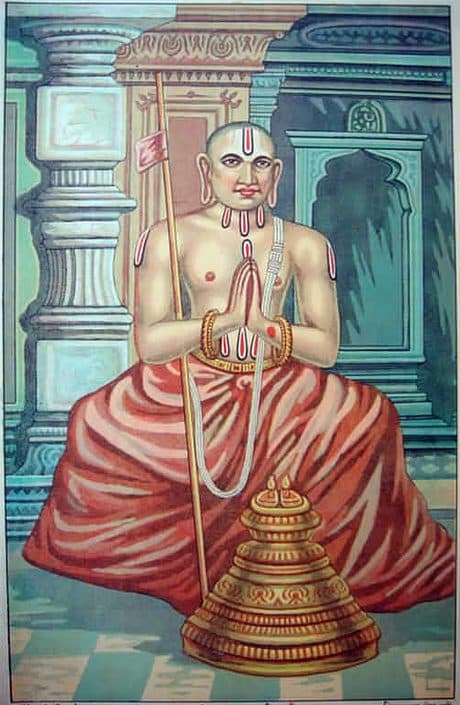
Rāmānuja · Viśiṣṭādvaita
English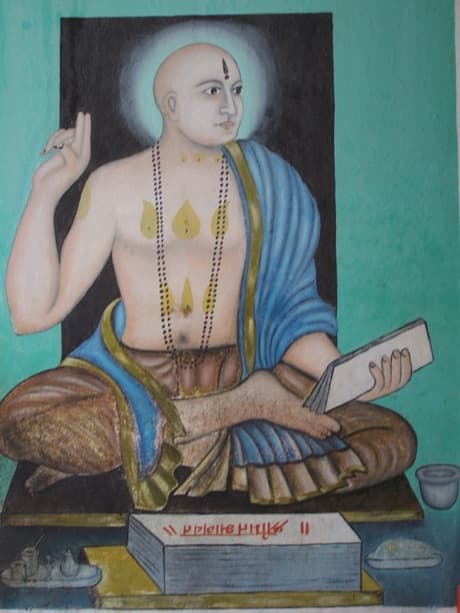
Madhvācārya · Dvaita
Madhva BhāṣyaSanskritEnglishOn verses 7.1–7.2
“आसक्तमनाः अतीवस्नेहयुक्तमनाः । मदाश्रयः - भगवानेह मया सर्वे कारयति । स एव शरणम् । तस्मिन्नेव चाहं स्थित इति स्थितः । असंशयं समग्रम् इति क्रियाविशेषणम् ॥” - आसक्तमनाः means extremely attached to mental disposition. मदाश्रयः means accepting that the Lord does everything, He alone is the protector, in Him alone do I abide. असंशयं is the special predicate.
Madhvācārya · Dvaita
Gītā Tātparya NirṇayaSanskritEnglishOn verses 7.1–7.2
“भगवन्महिमा विशेषतः उच्यते ।” - speaks with special reference to the glory of the supreme Lord.
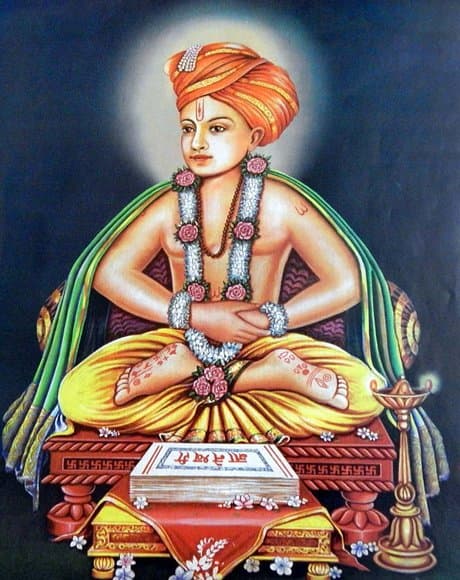
Jñāneśvar · Vārkarī
EnglishOn verses 7.1–7.2
1 "With the mind holding fast unto Me, O Son of Pṛthā, and carrying on Yogic practice, with Me as the refuge, the way thou wilt know Me in entirety and with certainty, do thou hear: 2 "I shall now impart unto thee in its fulness that knowledge, together with its realisation, after knowing which there does not remain here anything else as a further object of knowledge. (1)
"Hear ye now", Shrikrishna then said to Arjuna, "O, you have now certainly come in the possession of (the knowledge of) Yoga path. I shall now preach to you "Jnāna, (the Secret of all Knowledge) and "Vijnāna" (Knowledge of this world), so that you will be able to know me in entirety as clearly as the very jewel placed on your palm. You might feel doubtful about the necessity of the empirical or worldly knowledge, but you must know it before everything else. For, with the advent of the vision of true knowledge, ordinary awareness gets its eyes dimmed, just as a boat remains steady, when kept resting on the bank. That state where the worldly awareness gets no footing, in that state of mind even the thought turns back and the reasoning power even is crippled—well, such a state of soul, Oh Pārtha, is known as knowledge. All other views by which the wherefore and the why of the world are grasped, are entirely different from the Supreme Knowledge of being, and they are named 'Vijnāna'; and the belief that the world is all a reality is ignorance. Indeed, with a view to ending that ignorance and to melting the worldly-minded insight, one's soul must fix itself in the essence of Supreme Knowledge. When this state is attained, all talk of the preacher comes to a halt, the craving for learning on the part of the hearers comes to an end, and all distinction, such as small and big, ceases to exist. Such mystic secret I am going to speak to you now, and even a small fraction of it, will make your mind feel greatly satisfied.
Swami Ramsukhdas · Modern
English'Jñānaṁ te'haṁ savijñānamidaṁ vakṣyāmyaśeṣataḥ'—Lord Kṛṣṇa declares:—O Arjuna, I Myself shall teach you in full, this 'Jñāna' (knowledge) and 'Vijñāna' (real knowledge of manifest Divinity).* No one else, can describe Me in full, because their knowledge about Me, is limited, so they cannot know Myself, in full†, as My knowledge is limitless and imperishable, being ever omniscient. After knowing it, nothing else remains to be known.
In the sixteenth verse of the tenth chapter, Arjuna says to Lord Kṛṣṇa, "You alone can describe in full, Your divine glories" (10/16). So Lord Kṛṣṇa in response to his curiosity, says, "I shall tell you of My important divine glories, because there is no end to My manifestations" (10/19). At the end of this chapter again, He declares, "There is no end of My divine glories" (10/40). Here (in 7/2) He declares, "I shall unfold to you the true essence of real knowledge (realization) and having
* Here the adjective 'Vijñāna' qualifies the noun 'Jñāna' and so is superior to 'Jñāna'. Here the belief that the world is born of the Lord and again merges in Him is knowledge (wisdom) (Jñāna) while the realization, that in the world there is nothing else except the manifestation of God, is the real knowledge (Vijñāna).
† A man cannot describe his own experience in full because the thoughts and feelings cannot be clearly expressed in words. When a man cannot express his own experience in words, how can he teach and unfold the knowledge (wisdom) along with real knowledge like the Lord?
known which, nothing else remains to be known.' It means, that God's glories, manifestations and powers etc., are endless. In the Rāmacaritamānasa also, it has been declared, 'The form of the Lord without attribute, is easy to know, while the form endowed with attributes, is too difficult to understand. His manifestations, are so varied, that even ascetics find themselves, at their wits end.
It means that there is no end to the glories of the Lord, endowed with attributes. So, how could a man know Him, by using his mind? But a man can know the Divine essence, which is all-pervading. As in different ornaments, made of gold, there is nothing but gold, similarly, in the whole universe, there is nothing else, except Divine manifestation. A man, can know of gold without knowing about different ornaments. Similarly, a striver, can know that God pervades everywhere, in all creatures and things etc., even though, he may not know the names of different creatures and things etc., which form parts of His divine glories. By knowing the reality about God, nothing else remains to be known, in the same way, as thirst is quenched, after drinking water.
In the second verse of the tenth chapter, the Lord declared, 'Neither gods nor great sages, know the secret of My birth.' In the third verse, He declares, 'He who knows Me, as unborn and without beginning, among men, is undeluded and purged of all sins.' Now, a question arises, how a man can know Him, when even gods and great sages, do not know Him. The answer is, that if a striver, accepts Him as unborn and without beginning, with a firm faith, it means that he knows Him, because it is within the power of man, only to accept Him as unborn and without beginning. As a child, cannot see a marriage procession of its parents, so to gods, sages, liberated souls etc., cannot know of incarnations, godly sports and divine glories, of the Lord, because He is limitless and unfathomable. But a devotee can know Him in essence.
In order to know the Lord in reality, in the Discipline of Knowledge, there is pre-eminence of knowledge, while in the Discipline of Devotion, there is pre-eminence of assumption, or acceptance. If reality is accepted firmly, it cannot be given up, because it is real. When no one, can force a man to renounce, even a false assumption, how can an assumption of real affinity for God, be renounced? This assumption, is in no way, less significant than knowledge; it is as effective as knowledge.
In the Discipline of Devotion, there is pre-eminence of acceptance. In the first verse of the tenth chapter, Lord Kṛṣṇa says to Arjuna, 'O mighty-armed, listen to My supreme word, which I speak to you, out of a desire to do you good.' Here, 'listen' means 'accept'. Importance is attached to acceptance, because it is, the context of devotion. In the Discipline of Knowledge, importance is attached to knowledge. In the first verse of the fourteenth chapter, Lord Kṛṣṇa declares, 'I impart to you, the supreme knowledge, the best of all forms of knowledge, acquiring which, all sages have attained the highest perfection.' In the Discipline of Devotion, a striver knows Him by accepting His Existence, while in the Discipline of Knowledge, a man accepts Him, by knowing Him. In perfection, both of them, are identified.
An Exceptional Fact Pertaining to Knowledge (Wisdom) and Real Knowledge of Manifest Divinity**
The world, is born of the Lord and it merges into Him. Therefore, He is the root of the world—this belief (acceptance) is knowledge. There is nothing in the world, except God viz., the world is nothing except manifest Divinity—this realization, is real knowledge (Vijñāna).
Lord Kṛṣṇa (in 7/4—6) declares, 'My nature, is of two kinds—lower and higher and I am the origin of the whole universe.' By this declaration, Lord Kṛṣṇa referred to knowledge (Jñāna). 'There is nothing else, besides Me. Like clusters, of
yarn-beads, formed by knots on a thread, all this is threaded on Me' (7/7). By this declaration Lord Kṛṣṇa explains what real knowledge (Vijñāna) is?
'I am the sapidity in water, the light in the moon and the sun, the eternal seed, of all beings. Whatever other entities there are, born of sattva (the mode of goodness), of rājasa (the principle of activity), (the mode of passion) and of tāmasa (the principle of inertia), (the mode of ignorance), know these all, as evolved from Me, alone' (7/8—12). By this declaration, He explains the essence of knowledge. 'In reality neither I exist in them nor they in Me viz., I manifest Myself in all forms, because none have their free existence' (7/12). By this declaration, He explains realization (Vijñāna).
'The whole of this creation, is deluded by objects, evolved from the three modes of nature (prakṛti). But those who are not deluded, by the modes of nature and accept that these are born of Me and are absorbed in Me—by accepting so, they take refuge in Me alone, and cross the divine illusion of Mine. Such devotees, are of four types—a seeker of worldly objects, a sufferer, the seeker of knowledge, and a man of wisdom. All these, are noble but the man of wisdom is extremely dear, to Me and he is My own Self' (7/13—18). By this declaration, He explains of knowledge, 'The man of realization, who realizes, that all is God, is very rare (7/19).' By this declaration He explains realization, (Vijñāna).
'Those who, being motivated by desires worship gods, gain perishable fruit, while those who are My devotees, attain Me. I am not manifest to those, who do not know Me, as the unborn and imperishable Supreme Spirit. I know the beings of the past, the present and the future, but no one knows Me. Those, who are subject to illusion, by the delusion of pairs of opposites, follow a cycle of birth and death. But, the sins of those who worship Me with a firm resolve, come to an end, and they become free
from the pairs of opposites' (7/20—28). By this declaration also, He explains knowledge (Jñāna), 'Those who take refuge in Me, know Brahma (the Infinite), Adhyātma (Embodied souls), Karma (Action), Adhibhūta (Matter), Adhidaiva (Brahma) and Adhiyajña (the unmanifest Divinity), viz., they realize that I manifest Myself, in all the movable, as well as the immovable (7/29-30). By this declaration He explains realization (Vijñāna).
**'Yajñātvā neha bhūyo'nyajñātavyamavaśiṣyate'**—After knowing this wisdom, and with realization, nothing remains to be known. It means that there is nothing else besides Me (Gītā 7/7), and that all, is God (7/19). After knowing this reality, nothing else remains to be known. On the other hand, if a striver possesses all knowledge about the world, without knowing Me, all his efforts are in vain, they bear no fruit.
Whatever, a striver knows with his senses, mind and intellect, is not true knowledge about God, because these all belong to matter and matter cannot know reality, which is beyond matter. When one takes refuge in Him, he knows Him naturally, without making any effort, because He can be known by the self, rather than, with mind and intellect etc.
**Appendix**—The Parā Prakṛti (higher nature) and the Aparā Prakṛti (lower nature) have no independent existence—this is 'jñāna' (knowledge) and the higher and the lower nature—all is God—this is 'Vijñāna'. Therefore all including 'ego' is only God—this is Jñāna with Vijñāna.
**'Jñātavyam'**—which must be known and which can be known is called 'Jñātavya'.
Having known 'Jñāna' with 'Vijñāna' viz., the entire form of God, nothing remains to be known viz., he who wants to know the Pure-Reality, nothing remains to be known to him. The reason is that when there is nothing else besides God (seventh verse of this chapter), then what more will remain to be known?
Someone may raise a question that the Lord declares that
he will tell 'Jñāna' with 'Vijñāna', it means that the primary importance goes to 'Jñāna' while 'Vijñāna' is of secondary importance. But actually it is not so, only 'Jñāna' can lead to salvation but 'endless bliss of love' is attained only when it is accompanied by 'Vijñāna'. 'Jñāna' is like money and 'Vijñāna' is the feeling of attraction. Money does not provide the pleasure which attraction for money provides. Similarly the bliss that is attained by 'Vijñāna' (devotion) is not attained by 'Jñāna' (knowledge). In 'Jñāna' there is constant relish but in 'Vijñāna' there is such a relish which goes on increasing every moment. Therefore while declaring 'Jñāna' with 'Vijñāna', the Lord specially aims at 'Vijñāna' and he wants to explain that it is superior to 'Jñāna' because 'Vijñāna' stands for the Lord's entire form.
*Link:—In the second verse, Lord Kṛṣṇa said, 'I shall unfold to you this knowledge with Realization, having known which nothing remains to be known.' How is it that men do not know the reality, about God, when nothing else remains to be known? In the next verse, Lord Kṛṣṇa answers the question.*
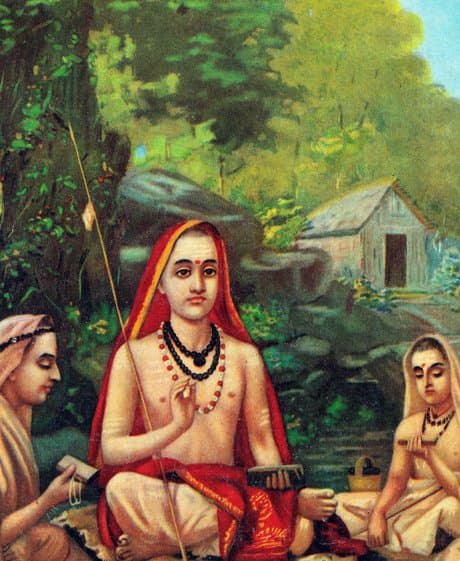
Ādi Śaṅkarācārya · Advaita
Sanskritज्ञानं ते तुभ्यं अहं सविज्ञानं विज्ञानसहितं स्वानुभवयुक्तं इदं वक्ष्यामि कथयिष्यामि अशेषतः कार्त्स्न्येन । तत् ज्ञानं विवक्षितं स्तौति श्रोतुः अभिमुखीकरणाय -- यत् ज्ञात्वा यत् ज्ञानं ज्ञात्वा न इह भूयः पुनः अन्यत् ज्ञातव्यं पुरुषार्थसाधनं अवशिष्यते नावशिष्टं भवति । इति मत्तत्त्वज्ञो यः, सः सर्वज्ञो भवतीत्यर्थः । अतो विशिष्टफलत्वात् दुर्लभं ज्ञानम् ॥ कथमित्युच्यते --
Ādi Śaṅkarācārya · Advaita
Hindiवहीं यह अपने स्वरूपका—
ज्ञानं मैं तुझे विज्ञानके सहित अर्थात् अपने
अनुभवके सहित निःशेषतः—सम्पूर्णतासे कहूँगा।
श्रोताको सम्मुख अर्थात् सावधान करनेके लिये जिसका वर्णन करना है उस ज्ञानकी स्तुति करते हैं।
जिस ज्ञानको जान लेनेपर फिर इस जगत्में पुरुषार्थका कोई साधन जानना शेष नहीं रहता अर्थात् जो मेरे तत्त्वको जाननेवाला है वह सर्वज्ञ हो जाता है। अतः यह ज्ञान अति उत्तम फलवाला होनेके कारण दुर्लभ है
Jñāneśvar · Vārkarī
HindiOn verses 7.1–7.2
(7.1) सुनिए, फिर श्रीअनन्त ने पार्थ से कहा कि तुम अब योगयुक्त हो चुके।
(7.2) अब हम तुम्हें व्यवहार-ज्ञान समेत ज्ञान बताते हैं जिससे तुम मुझ सर्वव्यापी को ऐसे जान लोगे कि जैसे हथेली का रत्न।
(7.3) यदि तुम समझते हो कि यहाँ विज्ञान (व्यवहार-ज्ञान) का क्या काम है तो वास्तव में प्रथम वही जानना पड़ता है।
(7.4) फिर ज्ञान के समय तो ज्ञातृत्व के नेत्र बन्द हो जाते हैं। जैसे तीर पर टिकते ही नाव आगे नहीं चलती,
(7.15) वैसे ही जानने की क्रिया जहाँ प्रवेश नहीं करती, विचार आते ही पलट जाता है, जिसकी ओर तर्क की गति नहीं चलती, (7.6) उसे हे अर्जुन! ज्ञान कहते हैं। और प्रपंच विज्ञान है, तथा प्रपंच में सत्य बुद्धि रखना अज्ञान जानो
(7.7) अब जिससे सब अज्ञान चला जाता है, वह विज्ञान निःशेष शुष्क हो जाता है, और स्वरूप ज्ञानमय हो जाता है,
(7.8) जिससे बोलनेहारे का दुःख नष्ट हो जाता है, जिससे छोटा बड़ा इत्यादि भेदभाव नहीं रहता,
(7.9) ऐसा जो गुप्त मर्म है उसका मैं शब्दों से वर्णन करता हूँ जिससे थोड़े में ही तुम्हारे मन की बहुत-सी इच्छा पूरी हो जावेगी।
Sri Udiya Baba · Modern
Hindiसंगति— अब उस ज्ञान का महत्व बतलाते हैं—
भावार्थ— मैं तुमसे पूर्णतया यह विज्ञान के सहित ज्ञान कहूँगा, जिसे जानने पर संसार में तुम्हें और कुछ भी जानना शेष नहीं रहता।
व्याख्या— सुनकर निश्चय कर लेना ज्ञान है तथा सुनकर प्रत्यक्ष देख लेना (अपरोक्ष अनुभव कर लेना) विज्ञान है।
प्रश्न— जिसको जानने पर कुछ भी जानना शेष नहीं रहता उसको जानने का यत्न सभी क्यों नहीं करते?
उत्तर— भगवान् की भक्ति करने पर उनके अनुग्रह से सद्गुरु की प्राप्ति होती है, फिर श्रवणादि द्वारा ज्ञान होता है। किन्तु जिस प्रकार सूर्य सर्वत्र है किन्तु अन्धकार से अत्यन्त दूर है उसी प्रकार भगवान् सर्वत्र हैं, किन्तु कामी से अत्यन्त दूर हैं।
Swami Ramsukhdas · Modern
Hindi‘ज्ञानं तेऽहं सविज्ञानमिदं वक्ष्या-व्यशेषतः’—भगवान् कहते हैं कि भैया अर्जुन! अब मैं विज्ञानसहित ज्ञान कहूँगा, तुम्हें कहूँगा और मैं खुद कहूँगा तथा सम्पूर्णतासे कहूँगा। ऐसे तो हरेक आदमी हरेक गुरुसे मेरे स्वरूपके बारेमें सुनता है और उससे लाभ भी होता है; परन्तु तुम्हें मैं स्वयं कह रहा हूँ। स्वयं कौन? जो समग्र परमात्मा है, वह मैं स्वयं! मैं स्वयं मेरे स्वरूपका जैसा वर्णन कर सकता हूँ, वैसा दूसरे नहीं कर सकते; क्योंकि वे तो सुनकर और अपनी बुद्धिके अनुसार विचार करके ही कहते हैं। उनकी बुद्धि समष्टि बुद्धिका एक छोटा-सा अंश है, वह कितना जान सकती है! वे तो पहले अनजान होकर फिर जानकार बनते हैं, पर मैं सदा अलुप्तज्ञान हूँ। मेरेमें अनजानपना न है, न कभी था, न होगा और न होना सम्भव ही है। इसलिये मैं तेरे लिये उस तत्त्वका वर्णन करूँगा, जिसको जाननेके बाद और कुछ जानना बाकी नहीं रहेगा।
दसवें अध्यायके सोलहवें श्लोकमें अर्जुन कहते हैं कि आप अपनी सब-की-सब विभूतियोंको कहनेमें समर्थ हैं—‘**वक्तुमहस्यशेषेण दिव्या ह्यात्मविभूतयः**’ तो उसके उत्तरमें भगवान् कहते हैं कि मेरे विस्तारका अन्त नहीं है, इसलिये प्रधानतासे कहूँगा—‘**प्राधान्यतः कुरुश्रेष्ठ नास्त्यन्तो विस्तरस्य मे**’ (१०।१९)। फिर अन्तमें कहते हैं कि मेरी विभूतियोंका अन्त नहीं है—‘**नान्तोऽस्ति मम दिव्यानां विभूतीनां परंतप**’ (१०।४०)। यहाँ (७।२ में) भगवान्
कहते हैं कि मैं विज्ञानसहित ज्ञानको सम्पूर्णतासे कहूँगा, शेष नहीं रखूँगा—‘**अशेषतः**।’ इसका तात्पर्य यह समझना चाहिये कि मैं तत्त्वसे कहूँगा। तत्त्वसे कहनेके बाद कहना, जानना कुछ भी बाकी नहीं रहेगा।
दसवें अध्यायमें विभूति और योगकी बात आयी कि भगवान्की विभूतियोंका और योगका अन्त नहीं है। अभिप्राय है कि विभूतियोंका अर्थात् भगवान्की जो अलग-अलग शक्तियाँ हैं, उनका और भगवान्के योगका अर्थात् सामर्थ्य, ऐश्वर्यका अन्त नहीं आता। रामचरितमानसमें कहा है—
**निर्गुन रूप सुलभ अति सगुन जान नहीं कोइ।**
**सुगम अगम नाना चरित सुनि मुनि मन भ्रम होइ॥**
(उत्तर ७३ ख)
तात्पर्य है कि सगुण भगवान्का जो प्रभाव है, ऐश्वर्य है, उसका अन्त नहीं आता। जब अन्त ही नहीं आता, तब उसको जानना मनुष्यकी बुद्धिके बाहरकी बात है। परन्तु जो वास्तविक तत्त्व है, उसको मनुष्य सुगमतासे समझ सकता है। जैसे, सोनेके गहने कितने होते हैं? इसको मनुष्य नहीं जान सकता; क्योंकि गहनोंका अन्त नहीं है, परन्तु उन सब गहनोंमें तत्त्वसे एक सोना ही है, इसको तो मनुष्य जान ही सकता है। ऐसे ही परमात्माकी सम्पूर्ण विभूतियों और सामर्थ्यको कोई जान नहीं सकता; परन्तु उन सबमें तत्त्वसे एक परमात्मा ही है, इसको तो मनुष्य तत्त्वसे जान ही सकता है। परमात्माको तत्त्वसे जाननेपर उसकी समझ तत्त्वसे
१-मैं ‘विज्ञानसहित ज्ञान’ सम्पूर्णतासे कहूँगा—इसमें विज्ञान ज्ञानका विशेषण है। विशेषण विशेष्यकी विशेषता बतानेवाला होता है। इस दृष्टिसे विशेष्य व्यापक हुआ और विशेषण व्याप्य हुआ अर्थात् ज्ञान (विशेष्य) बड़ा हुआ और विज्ञान (विशेषण) छोटा हुआ। परन्तु विज्ञानने ज्ञानकी विशेषता बता दी—इस दृष्टिसे विज्ञान बड़ा अर्थात् श्रेष्ठ हुआ। यहाँ यह संसार भगवान्से ही उत्पन्न होता है और भगवान्से ही लीन होता है—ऐसा मानना ज्ञान है; और सब कुछ भगवान् ही है, भगवान् ही सब कुछ बने हुए हैं, भगवान्के सिवाय कुछ है ही नहीं—ऐसा अनुभव हो जाना विज्ञान है। इसमें ज्ञान सामान्य हुआ और विज्ञान विशेष हुआ।
२-जैसे, कोई वर्णन करता है तो वर्णन करनेवालेका जो स्वयंका अनुभव है, वह पूरा बुद्धिमें नहीं आता; बुद्धिमें जितना आता है, उतना मनमें नहीं आता और जितना मनमें आता है, उतना कहनेमें नहीं आता। इस प्रकार जब उसका अपना अनुभव भी पूरा कहनेमें नहीं आता अर्थात् वह अपने अनुभवको भी पूरा प्रकट नहीं कर सकता, तो फिर वह भगवान्की तरह कैसे कह सकता है ?
परिपूर्ण हो जाती है, बाकी नहीं रहती। जैसे, कोई कहे कि 'मैंने जल पी लिया' तो इसका तात्पर्य यह नहीं कि अब संसारमें जल बाकी नहीं रहा। अतः जल पीनेसे जलका अन्त नहीं हुआ है, प्रत्युत हमारी प्यासका अन्त हुआ है। इसी तरहसे परमात्मतत्त्वको तत्त्वसे समझ लेनेपर परमात्मतत्त्वके ज्ञानका अन्त नहीं हुआ है, प्रत्युत हमारी अपनी जो समझ है, जिज्ञासा है, वह पूर्ण हुई है, उसका अन्त हुआ है, उसमें केवल परमात्मतत्त्व ही रह गया है।
दसवें अध्यायके दूसरे श्लोकमें भगवान्ने कहा है कि मेरे प्रकट होनेको देवता और महर्षि नहीं जानते और तीसरे श्लोकमें कहा है कि जो मुझे अज और अनादि जानता है, वह मनुष्योंमें असम्भूढ़ है और वह सम्पूर्ण पापोंसे मुक्त हो जाता है। तो जिसे देवता और महर्षि नहीं जानते, उसे मनुष्य जान ले—यह कैसे हो सकता है? भगवान् अज और अनादि हैं, ऐसा दृढ़तासे मानना ही जानना है। मनुष्य भगवान्को अज और अनादि मान ही सकता है। परन्तु जैसे बालक अपनी माँके विवाहकी बरात नहीं देख सकता, ऐसे ही सब प्राणियोंके आदि तथा स्वयं अनादि भगवान्को देवता, ऋषि, महर्षि, तत्त्वज्ञ, जीवन्मुक्त आदि नहीं जान सकते। इसी प्रकार भगवान्के अवतार लेनेको, लीलाको, ऐश्वर्यको कोई जान नहीं सकता; क्योंकि वे अपार हैं, अगाध हैं, अनन्त हैं। परन्तु उनको तत्त्वसे तो जान ही सकते हैं।
परमात्मतत्त्वको जाननेके लिये 'ज्ञानयोग' में जानकारी—(जानने-) की प्रधानता रहती है और 'भक्तियोग' में मान्यता—(मानने-) की प्रधानता रहती है। जो वास्तविक मान्यता होती है, वह बड़ी दृढ़ होती है। उसको कोई इधर-उधर नहीं कर सकता अर्थात् माननेवाला जबतक अपनी मान्यताको न छोड़े, तबतक उसकी मान्यताको कोई छुड़ा नहीं सकता। जैसे, मनुष्यने संसार और संसारके पदार्थोंको अपने लिये उपयोगी मान रखा है तो इस मान्यताको स्वयं छोड़े बिना दूसरा कोई छुड़ा नहीं सकता। परन्तु स्वयं इस बातको जान ले कि ये सब पदार्थ उत्पन्न और नष्ट होनेवाले हैं तो इस मान्यताको मनुष्य छोड़ सकता है; क्योंकि यह मान्यता असत्य है, झूठी है। जब असत्य मान्यताको भी दूसरा कोई छुड़ा नहीं सकता, तब जो वास्तविक परमात्मा सबके मूलमें है, उसको कोई मान ले तो यह मान्यता कैसे छूट सकती है? क्योंकि यह मान्यता सत्य है। यह यथार्थ मान्यता ज्ञानसे कम नहीं होती, प्रत्युत
ज्ञानके समान ही दृढ़ होती है।
भक्तिमार्गमें मानना मुख्य होता है। जैसे, दसवें अध्यायके पहले श्लोकमें भगवान्ने अर्जुनसे कहा कि 'हे महाबाहो अर्जुन! मैं तेरे हितके लिये परम (सर्वश्रेष्ठ) वचन कहता हूँ, तुम सुनो अर्थात् तुम इस वचनको मान लो।' वहाँ भक्तिका प्रकरण है; अतः वहाँ माननेकी बात कहते हैं। ज्ञानमार्गमें जानना मुख्य होता है। जैसे, चौदहवें अध्यायके पहले श्लोकमें भगवान्ने कहा कि 'मैं फिर ज्ञानोंमें उत्तम और सर्वोत्कृष्ट ज्ञान कहता हूँ, जिसको जाननेसे सब-के-सब मुनि परम सिद्धिको प्राप्त हुए हैं।' वहाँ ज्ञानका प्रकरण है; अतः वहाँ जाननेकी बात कहते हैं। भक्तिमार्गमें मनुष्य मान करके जान लेता है और ज्ञानमार्गमें जान करके मान लेता है। अतः पूर्ण होनेपर दोनोंकी एकता हो जाती है।
ज्ञान और विज्ञानसम्बन्धी विशेष बात
संसार भगवान्से ही पैदा होता है और उनमें ही लीन होता है, इसलिये भगवान् इस संसारके महाकारण हैं—ऐसा मानना 'ज्ञान' है। भगवान्के सिवाय और कोई चीज है ही नहीं, सब कुछ भगवान् ही हैं, स्वयं भगवान् ही सब कुछ बने हुए हैं—ऐसा अनुभव हो जाना 'विज्ञान' है।
अपरा और परा प्रकृति मेरी है; इनके संयोगसे सम्पूर्ण प्राणियोंकी उत्पत्ति होती है और मैं इस सम्पूर्ण जगत्का महाकारण हूँ (चौथेसे छठे श्लोकतक)—ऐसा कहकर भगवान्ने 'ज्ञान' बताया। मेरे सिवाय अन्य कोई है ही नहीं, सूतके धागमें उसी सूतकी बनी हुई मणियोंकी तरह सब कुछ मेरेमें ही ओतप्रोत है (सातवाँ श्लोक)—ऐसा कहकर भगवान्ने 'विज्ञान' बताया।
जलमें रस, चन्द्र-सूर्यमें प्रभा मैं हूँ इत्यादि; सम्पूर्ण भूतोंका सनातन बीज मैं हूँ; सात्त्विक, राजस और तामस भाव मेरेसे ही होते हैं (आठवेंसे बारहवें श्लोकतक)—ऐसा कहकर 'ज्ञान' बताया। ये मेरेमें और मैं इनमें नहीं हूँ, अर्थात् सब कुछ मैं-ही-मैं हूँ; क्योंकि इनकी स्वतन्त्र सत्ता नहीं है (बारहवाँ श्लोक)—ऐसा कहकर 'विज्ञान' बताया।
जो मेरे सिवाय गुणोंकी अलग सत्ता मान लेता है, वह मोहित हो जाता है। परन्तु जो गुणोंसे मोहित न होकर अर्थात् ये गुण भगवान्से ही होते हैं और भगवान्में ही लीन होते हैं—ऐसा मानकर मेरे शरण होता है, वह गुणमयी मायाको तर जाता है। ऐसे मेरे शरण होनेवाले चार प्रकारके
भक्त होते हैं—अर्थार्थी, आर्त, जिज्ञासु और ज्ञानी (प्रेमी)। ये सभी उदार हैं; पर ज्ञानी अर्थात् प्रेमी मेरेको अत्यन्त प्रिय है और मेरी आत्मा ही है (तेरहवेंसे अठारहवें श्लोकतक)—ऐसा कहकर 'ज्ञान' बताया। जिसको 'सब कुछ वासुदेव ही है' ऐसा अनुभव हो जाता है, वह महात्मा अत्यन्त दुर्लभ है (उन्नीसवाँ श्लोक)—ऐसा कहकर 'विज्ञान' बताया।
मेरेको न मानकर जो कामनाओंके कारण देवताओंके शरण हो जाते हैं, उनको अन्तवाला फल (जन्म-मरण) मिलता है और जो मेरे शरण हो जाते हैं, उनको मैं मिल जाता हूँ। जो मुझे अज-अविनाशी नहीं जानते, उनके सामने मैं प्रकट नहीं होता। मैं भूत, भविष्य और वर्तमान—तीनों कालोंको और उनमें रहनेवाले सम्पूर्ण प्राणियोंको जानता हूँ, पर मेरेको कोई नहीं जानता। जो द्वन्द्वमोहसे मोहित हो जाते हैं, वे बार-बार जन्म-मरणको प्राप्त होते हैं। जो एक निश्चय करके मेरे भजनमें लग जाते हैं, उनके पाप नष्ट हो जाते हैं तथा वे निर्द्वन्द्व हो जाते हैं (बीसवेंसे अठारहवें श्लोकतक)—ऐसा कहकर 'ज्ञान' बताया। जो मेरा आश्रय लेते हैं, वे ब्रह्म, अध्यात्म, कर्म, अधिभूत, अधिदैव और अधियज्ञको जान जाते हैं अर्थात् चर-अचर सब कुछ मैं
ही हूँ, ऐसा उनको अनुभव हो जाता है (७। २९-३०)—ऐसा कहकर 'विज्ञान' बताया।
'यज्ञात्वा नेह भूयोऽन्यज्ञातव्यमवशिष्यते'—विज्ञानसहित ज्ञानको जाननेके बाद जानना बाकी नहीं रहता। तात्पर्य है कि मेरे सिवाय संसारका मूल दूसरा कोई नहीं है, केवल मैं ही हूँ—'मत्तः परतरं नान्यत्किञ्चिदस्ति धनंजय' (गीता ७। ७) और तत्त्वसे सब कुछ वासुदेव ही है—'वासुदेवः सर्वम्' (७। १९) और कोई है ही नहीं—ऐसा जान लेगा तो जानना बाकी कैसे रहेगा? क्योंकि इसके सिवाय दूसरा कुछ जाननेयोग्य है ही नहीं। यदि एक परमात्माको न जानकर संसारकी बहुत-सी विद्याओंको जान भी लिया तो वास्तवमें कुछ नहीं जाना है, कोरा परिश्रम ही किया है।
'जानना कुछ बाकी नहीं रहता'—इसका तात्पर्य है कि इन्द्रियोंसे, मनसे, बुद्धिसे जो परमात्माको जानता है, वह वास्तवमें पूर्ण जानना नहीं है। कारण कि ये इन्द्रियाँ, मन और बुद्धि प्राकृत हैं, इसलिये ये प्रकृतिसे अतीत तत्त्वको नहीं जान सकते। स्वयं जब परमात्माके शरण हो जाता है, तब स्वयं ही परमात्माको जानता है। इसलिये परमात्माको स्वयंसे ही जाना जा सकता है, मन-बुद्धि आदिसे नहीं।
**परिशिष्ट भाव**—परा तथा अपरा प्रकृतिकी स्वतन्त्र सत्ता नहीं है—यह 'ज्ञान' है और परा-अपरा सब कुछ भगवान् ही हैं—यह 'विज्ञान' है। अतः अहमसहित सब कुछ भगवान् ही हैं—यही विज्ञानसहित ज्ञान है।
'ज्ञातव्यम्'—जिसको अवश्य जानना चाहिये और जो जाना जा सकता है, उसको 'ज्ञातव्य' कहते हैं। विज्ञानसहित ज्ञानको अर्थात् भगवान्के समग्ररूपको जाननेके बाद फिर जाननेयोग्य कुछ भी शेष नहीं रहता अर्थात् जो यथार्थ तत्त्व जानना चाहता है, उसके लिये जानना कुछ भी बाकी नहीं रहता। कारण कि जब एक भगवान्के सिवाय किंचिन्मात्र भी कुछ है ही नहीं (इसी अध्यायका सातवाँ श्लोक), तो फिर जाननेयोग्य क्या बाकी रहेगा?
यहाँ कोई कह सकता है कि 'विज्ञानसहित ज्ञान' कहनेसे ज्ञानकी मुख्यता और विज्ञानकी गौणता हुई? परन्तु वास्तवमें ऐसी बात नहीं है। केवल 'ज्ञान' से मुक्ति तो हो जाती है, पर प्रेमका अनन्त आनन्द तभी मिलता है, जब उसके साथ विज्ञान भी हो। 'ज्ञान' धनकी तरह है और 'विज्ञान' आकर्षण है। जैसे धनके आकर्षणमें जो सुख है, वह धनमें नहीं है, ऐसे ही 'विज्ञान' (भक्ति) में जो आनन्द है, वह 'ज्ञान' में नहीं है। 'ज्ञान' में तो अखण्डरस है, पर 'विज्ञान' में प्रतिक्षण वर्धमान रस है। इसलिये 'विज्ञानसहित ज्ञान' कहनेमें भगवान्का लक्ष्य मुख्यरूपसे 'विज्ञान' की तरफ ही है और उसीको भगवान् श्रेष्ठ बताना चाहते हैं; क्योंकि 'विज्ञान' समग्रताका वाचक है।
सम्बन्ध—भगवान्ने दूसरे श्लोकमें यह बताया कि मैं विज्ञानसहित ज्ञानको सम्पूर्णतासे कहूँगा, जिससे कुछ भी जानना बाकी नहीं रहता। जब जानना बाकी रहता ही नहीं, तो फिर सब मनुष्य उस तत्त्वको क्यों नहीं जान लेते? इसके उत्तरमें आगेका श्लोक कहते हैं।
Vijñāna (differentiating insight) is that knowledge of the Godhead in which His nature is clearly distinguished from all other things.
The Supreme Being is distinguished from all things, animate and inanimate, as the only Being that is devoid of all negativity and is endowed with innumerable, infinitely varied, positive and unsurpassed attributes.
Śrī Krishna declares that this teaching is difficult to attain: —