

Bhagavad Gītā · Chapter 7 · Jñāna Vijñāna Yoga
मनुष्याणां सहस्रेषु कश्चिद्यतति सिद्धये
यततामपि सिद्धानां कश्चिन्मां वेत्ति तत्त्वतः
manuṣyāṇāṃ sahasreṣu kaścidyatati siddhaye|
yatatāmapi siddhānāṃ kaścinmāṃ vetti tattvataḥ||
Word meanings
सहस्रेषु = among thousands
मनुष्याणाम् = of men
कश्चित् = someone, one
सिद्धये = for perfection
यतति = strives
यतताम् = of those striving
सिद्धानाम् = among the perfected
कश्चित् = someone, one
अपि = indeed
माम् = me
तत्त्वतः = in truth
वेत्ति = knows
Translation
Hardly one among thousands of men strives to realize Me; of those striving Yogis, again, some rare one (devoting himself exclusively to Me) knows Me in reality.
Commentary
The commentators seated around this verse
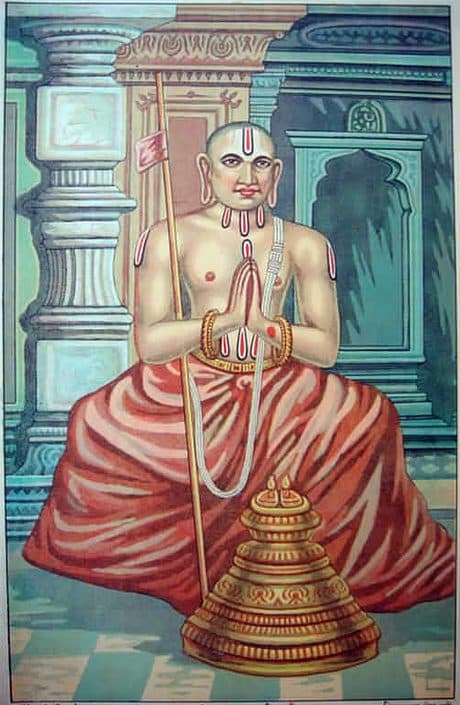
Rāmānuja · Viśiṣṭādvaita
English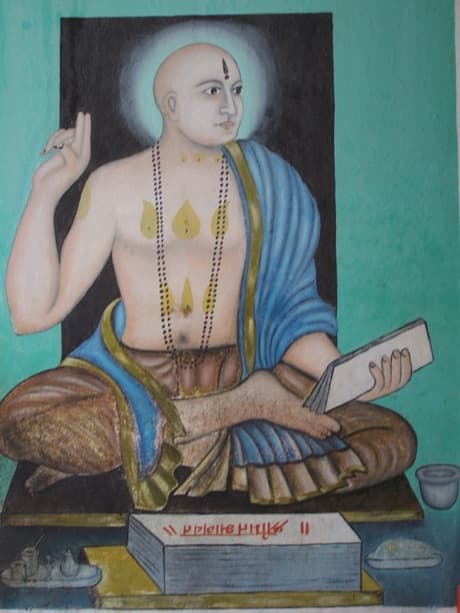
Madhvācārya · Dvaita
Madhva BhāṣyaSanskritEnglish“इदम् मद्धिपयं ज्ञानम् । विज्ञानम् विशेष ज्ञानम् ।” - ज्ञानम् - Knowledge concerning the Lord. विज्ञानम् is Wisdom, special knowledge. “दौलभ्यं ज्ञानस्याह - मनुष्याणाम् इति ॥” - Inadequate is this Knowledge among human beings
Madhvācārya · Dvaita
Gītā Tātparya NirṇayaSanskritEnglish“अनन्तानां तु जीवानां यतन्ते कपचिदेव तु । मुक्तयै तेषु च मुच्यन्ते केचिन्मुक्तेषु च स्फुटम् ॥ केचनैव हरिं सम्यग् ब्रह्मरुद्रादयो विदुः । अन्यथा यावता मुक्तिस्तावत् ज्ञान हरो परम् ॥ इति पादमे ॥ मुक्तानामपि सिद्धानां नारायणपरायणः । मुदुर्लभः प्रशान्तात्मा कोटिष्वपि महामते ॥ इति भागवते ॥ सर्वे मुक्ता हरो भक्तास्तेषु ब्रह्मैव मुख्यतः । विष्णोः परमभक्तस्तु तस्मात् जीवघनो मतः ॥ इति सतत्वे ॥” - Of innumerable Jivas only few ever endeavor and among them only few are delivered, even among such delivered ones only few like four-faced Brahma and Rudra know Sri Hari in entirety, thus in Padma Puraana. Even among the hundred thousand delivered ones only few are those who realize that Sriman Narayana is the ultimate refuge, thus, in Bhagavat Puraana. All the delivered ones are the devotees of Sri Hari, Brahma being the foremost of them. Therefore for the devoted Jivas, Sri Vishnu is said to be the best, thus in Sat-Tatva scripture.

Jñāneśvar · Vārkarī
English3 "Hardly one amongst thousands of men strives to achieve the goal; and amongst the (few) seekers that strive (for it), hardly one in reality gains the knowledge of Me as I am. (10)
Hardly one amongst thousands has any keen desire for, or passion for such Supreme Knowledge, and amongst thousands that have such a liking, only a few are met with who really attain full Knowledge. An army is made up of recruits in lakhs, each one being searched for and selected on the score of valour and courage, from the entire community. Out of these lakhs of recruits that make up the army, only (some) one sits on the throne of the Goddess of Victory, in the midst of clanging of swords and flying of small bits of cut-flesh on the battle-field. In that way, crores of people plunge themselves in the great flood of the desire for knowledge of the Supreme Brahman; yet hardly anyone succeeds in crossing over the ocean of existence to the other shore. Therefore, it is not such an ordinary thing. It is a very deep and difficult thing for preaching, but I shall try to teach it to you and you simply hear it.
Swami Ramsukhdas · Modern
English'Manuṣyāṇām sahasreṣu kaścidyatati siddhaye'—Among
* If a word is used as an adjective of number, its number is singular. But in the sixth inflexion it has not only the singular number but all the three numbers. Here in the word 'Manuṣyāṇām' there is sixth inflexion in connection with the thousand
thousands of men, scarcely one strives for perfection. It means, that only those persons who do not indulge in the sensuous pleasures like eating, drinking and enjoying themselves like animals, are human beings, in the true sense of the term. Out of those, men who follow virtues and righteousness, are only in thousands. Out of those thousands, hardly one strives for Divine perfection or Divine bliss,* having gained which, one thinks that there is no greater gain beyond it, and there is not the least sorrow.
Persons, who have no desire to go to heaven, and to enjoy worldly pleasures, respect and praise etc., even when they get an opportunity and have an inclination to them, but because of past impressions who do not deviate from their principles and aims, and want to attain, Divine perfection, are rare.
Pleasure and prosperity, are obstacles to spiritual progress. Worldly pleasures, seem pleasant only in the beginning. If strivers, think over the result of pleasure and prosperity, that these are gateways to hells and eighty-four lac forms of lives, they will start taking to spiritual practice. Most of the people, hanker after worldly pleasure and prosperity. Some people, who transcend worldly pleasures, run after heavenly pleasures. But, there are only a few aspirants, who strive for Divine perfection or God-realization. If we turnover the pages of history, such aspirants are very rare. Most of them, are those who have performed actions and penances etc., in order to, reap fruits.
number and there is seventh inflexion in the plural number in the word 'Sahasrāṇī'. Therefore, the expression 'Manuṣyāṇām sahasreṣu kaścidyatati siddhaye' means 'Manuṣyāṇām sahasrāṇi bhagavati rucim kurvanti sahasreṣu kaścit siddhaye yatati ca' i.e., 'thousands of men have an inclination to God but one of those thousands of men strives to attain perfection.
* Divine perfection does not mean worldly and heavenly enjoyments and accomplishment such as 'Aṇimā, Mahimā' and 'Garimā' etc., because they lead to a downfall and to the cycle of birth and death (9/21). Therefore, here perfection means God-realization.
In fact, it is not difficult to attain, God-realization but there are only a few aspirants who strive, sincerely from their heart, to realize Him. Now, a question arises, why do not strivers strive for God-realization? The answer is, that there are two stumbling blocks—attraction of sensual pleasures and hope to realize Him, in future.\*
'Yatatāmapī siddhānām'†—Here, 'Siddha' (the successful one), is the striver whose mind has been purified, and whose only aim, is to realize God. Though (in 7/19) the man of realization who realizes that all is God, is called a great soul, yet in this context, great souls are those strivers, who possess divine nature, worship the Lord constantly, with exclusive devotion (Gītā 9/13), and strive to realize Him.
Here, 'Yatatām' means, that strivers want to realize God, from their heart and so strive for Divine perfection, and naturally think of Him, with reverence.
'Kaścīnmām vetti tattvataḥ'—'Scarcely one knows Me in reality.' Here it does not mean, that the strivers who strive to know Him, cannot know Him. But, at present, anyone striver out of the assiduous strivers, knows Him in reality; out of those who know Him, scarcely anyone can speak of Him, and explain to others. Other learned persons, may be there who may have
\* God always pervades everywhere, all persons, things, incidents, circumstances and actions etc. Therefore, God-realization need not be left for the future. He is now, here, in everyone and everyone's. Moreover, He is superior to all the persons etc. By having this belief, mind will be attracted towards Him automatically and a burning desire to realize Him immediately will be aroused.
† Here the striver has been called 'Siddha' (successful one) according to 'Śāṭī-sūtra-nyāya' because he will attain perfection in the same way as a saree will be prepared of the Sūtra (thread). If a striver depending on God, having exclusive devotion for Him adores Him in order to realize Him, he will attain perfection, there is no doubt about it. As far as a saree is concerned it may be prepared out of the thread or even any other cloth may be prepared out of the thread or the thread may be destroyed. But the devotee who adores God with exclusive devotion will certainly attain perfection.
knowledge, but they cannot explain to others. The Lord declares, 'One looks upon Him, as a marvel; another, likewise speaks of Him, as a marvel' (Gītā 2/29).
Generally, people give illustrations about this verse, in order to explain, that it is very difficult to attain, Divine perfection. But actually, it is not so. In order to attain Divine perfection, it is difficult to have keen desire and for the fulfilment of that desire, it is not easy to have the company of liberated souls. Here, Lord Kṛṣṇa says to Arjuna, 'I shall unfold (teach) to you in full, this knowledge, combined with realization and you will know it.' Such an omniscient speaker, as Lord Kṛṣṇa Himself, and such an inquisitive striver as Arjuna, are very rare. The fact is, that it is difficult to have keen desire. By having keen desire, a striver has no responsibility of his own, the responsibility is shouldered by the Lord.
By using 'tattvataḥ' (In truth), Lord Kṛṣṇa means that a striver comes to know the truth (reality), about Him, that He manifests Himself in the form of Lord Śiva, Gaṇeśa, Sūrya (the sun), Viṣṇu, by incarnations and He is possessed of form and attributes and He is also, without form and attributes i.e., he knows that there is no existence, in the least, besides the Lord.
**Appendix**—Out of all the God-realized souls who have attained perfection after striving, following the disciplines of Karma, Jñāna and Dhyāna etc., the devotees, who know the entire form of God in reality, in the shape of 'all is God' are very rare, indeed (7/19).
'Yatatāmapi siddhānām'—those liberated souls, are dissatisfied with their state of liberation and from within they have a yearning, a hunger to have supreme devotion (infinite bliss). Therefore it is mentioned in the Brahmasūtra—'muktopasṛpyavyapadeśāt' (1/3/2)—'that God Who is an embodiment of love (devotion) is realizable (attainable) even by the liberated souls'. The reason is that by attaining salvation, the desire for the perishable relish
is wiped out but the hunger for endless relish is not satisfied. That hunger is aroused by God's grace. It means that those, who practise spiritual discipline by having faith and belief in God, who have the latent impression of devotion, God does not let them be satisfied with knowledge, does not let them stay there, and makes the relish of salvation insipid for them.
A Karmayogī, a Jñānayogī, a Dhyānayogī, etc.—all can attain perfection (salvation) but all of them don't know God in His entire form. Therefore the expression 'yatatāmapi siddhānām' means that by striving, they have attained perfection with their own method but they don't know My entire (full) form. The reason is that My entire form can be known by supreme devotion—'bhaktyā māmabhijānāti yāvānyaścāsmi tattvataḥ' (Gītā 18/55).
'Kaścinnām vetti tattvataḥ'—Here the term 'mām' stands for God in his entire form. The entire form of God can be known by God's grace, not by thought (Gītā 10/11). Arjuna also after hearing the gospel of the Gītā said to Lord Kṛṣṇa, 'By Your grace my delusion is destroyed and memory is gained'—'naṣato mohaḥ smṛtirlabdhā tvatprasādānmayācyuta' (Gītā 18/73). As while feeding the cow licks her calf with fondness, it provides so much nourishment which the calf can't get only by drinking milk. Similarly the knowledge which is gained by God's grace, can't be gained by thought because while thinking, the entity of the self persists.
He who knows only attributeless God, does not know Him in reality but he who knows both God endowed with attributes and also attributeless God (entire) knows God in reality.
By Karmayoga 'quiet bliss' (peace) (quietude) is attained because attachment to the world causes disquietude. By Karmayoga renunciation of attachment to the world causes peace—'tyāgācchāntiranantaram' (Gītā 12/12). By Jñānayoga 'unbroken bliss' is attained. This unbroken bliss is also called 'self-bliss' because it is the bliss of the self. In self-bliss the self merges
into Brahma (Absolute) viz., as Brahma is truth, consciousness and bliss solidified, similarly the self becomes truth, consciousness and bliss solidified—‘mama sādharmyamāgatāh’ (Gītā 14/2). Though having attained the self-bliss (Self-realization) a striver lacks nothing, yet the striver, who has the latent impression of devotion and depends on God’s grace, is not satisfied with that self-bliss.* Within him there is hunger for endless bliss. Therefore by Bhaktiyoga, endless bliss is attained. Self-bliss is the bliss of the fragment (soul) but endless bliss is the bliss of the whole (God) (supreme soul). This is the principle that the pleasure which is caused by the attraction of an object, is not caused by the knowledge of that object. As the pleasure which is derived from the greed for money, is not derived from the mere knowledge of money. By knowing the money we shall know how to make use of it, but there will not be special attraction. ‘Gain more and more money’—this attraction will persist by being greedy for money. In fact there is no pleasure in gaining money but it seems because of the evil of greed, but God’s bliss is because of pure love and this bliss really exists. The reason is that being a fragment of God, the embodied self has an automatic attraction towards Him. This is the principle that a fragment is naturally attracted towards the whole; as a stone being a fragment of the earth when thrown upward naturally is attracted towards the earth, fire is naturally attracted towards the sun (upward)† and rivers naturally flow towards the sea and so on.
*He who attains salvation is naturally satisfied, but he who has the impressions of devotion is not satisfied. The reason is that God showers his special grace on such a devotee and does not let him stay there. (7/3)
† Here a doubt may crop up that the sun does not shine at night, then why does fire rise upward at night? The clarification is that whether it is day or night, the sun may shine anywhere but he is always above the earth. Therefore as the people in India see the sun above the earth, so do the people of America (which is almost in the opposite direction of India) also see the sun above the earth.
Why do we need God? If we reflect upon it, we come to know that there is such a necessity which can't be satisfied either by our own self or by the world. In order to alleviate sufferings and to attain supreme peace, there is no necessity for God. The reason is that if desires are totally renounced, our sufferings will end and Supreme Peace will be attained—'tyāgācchāntira-nantaram' viz., we shall attain salvation, we have necessity for God in order to attain Supreme Love because we are fragments only of God.
The man who wants to be liberated from worldly sufferings, who wants to be independent, being free from dependence, attains salvation. But the man, who being tired of the worldly sufferings thinks, 'If there had been anyone my own who would have given me refuge in himself, who would have embraced me and who would have removed my grief, sin, lack, fear and monotony etc., attains devotion.' It means that God is not needed to attain salvation but he is needed to attain devotion. When a man comes to know that in such a vast world, in endless universes, there is nothing mine but only He is mine, in Whose one fragment endless universes are situated, then he feels the necessity for God from within. The reason is that only the thing, which ever stays with us and with which we may ever stay, can be ours. Only God can be the entity Who may not be separated from us and from Whom we may not be separated.
Now the question arises when a man needs God, why is He not attained? The answer is that a man lives comfortably without attaining Him, he forgets his necessity. He remains satisfied with objects, ability and power etc., which are available to him. If he realizes the need for God and can be ill at ease, there is no delay in God-realization. The reason is what should be the delay in attaining Him Who is ever attained? God is not a tree that the seed is sown today and it will bear fruit after years. He is present at all places, all the time, in all things, in all states and
in all circumstances the same as He is. We have turned away from Him, he has not turned away from us.
Link:—In the second verse, Lord Kṛṣṇa promised Arjuna to unfold to him knowledge combined with realization. In keeping with His promise, Lord Kṛṣṇa proceeds, in the next verse, to explain knowledge with realization.
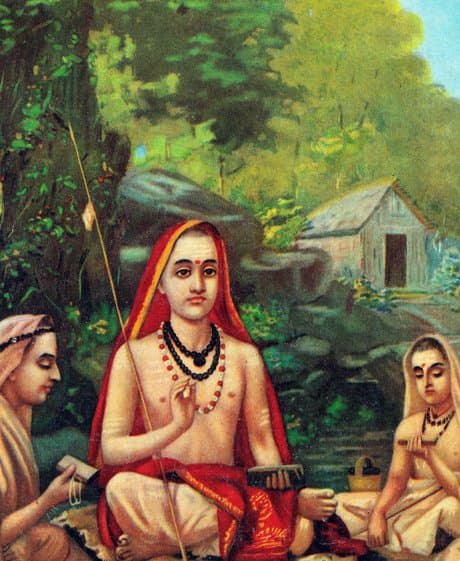
Ādi Śaṅkarācārya · Advaita
Sanskritमनुष्याणां मध्ये सहस्रेषु अनेकेषु कश्चित् यतति प्रयत्नं करोति सिद्धये सिद्ध्यर्थम् । तेषां यततामपि सिद्धानाम्, सिद्धा एव हि ते ये मोक्षाय यतन्ते, तेषां कश्चित् एव हि मां वेत्ति तत्त्वतः यथावत् ॥
श्रोतारं प्ररोचनेन अभिमुखीकृत्याह --
Ādi Śaṅkarācārya · Advaita
Hindiयह (दुर्लभ) कैसे है? सो कहते हैं—
हजारों मनुष्योंमें कोई एक ही (मोक्षरूप) सिद्धिके लिये प्रयत्न करता है और उन यत्न करनेवाले सिद्धोंमें भी—जो मोक्षके लिये यत्न करते हैं वे (एक तरहसे) सिद्ध ही हैं उनमें भी—कोई एक ही मुझे तत्त्वसे—यथार्थ जान पाता है
Jñāneśvar · Vārkarī
Hindi(7.10) अजी, सहस्रावधि मनुष्यों में किसी एक को ही इस विषय में प्रीति उत्पन्न होती है और इन बहुत से प्रीतिवालों में कोई विरला ही ज्ञानी होता है।
(7.11) हे अर्जुन! जैसे इस भरे हुए त्रिभुवन में से अच्छे अच्छे पुरुष चुनकर लक्षावधि सेना तैयार की जाती है,
(7.12) परन्तु पश्चात् शस्त्र से अनेक शरीरों का संहार होने पर विजय-श्री के पद पर कोई एक ही मनुष्य बैठता है, (7.13) वैसे ही करोड़ों लोग आस्था रूपी नदी की बाढ़ में प्रवेश करते हैं, परन्तु प्राप्ति के परतीर तक कोई विरला ही पहुँचता है।
(7.14) इसलिए यह पद सामान्य नहीं है। यह स्थिति बड़ी श्रेष्ठ है, परन्तु इसका वर्णन आगे करेंगे। अभी तो दूसरी बात सुनो।
Sri Udiya Baba · Modern
Hindiसंगति— अब अगले श्लोक में यह बतलाते हैं कि ज्ञान कितना कठिन है—
भावार्थ— हजारों मनुष्यों में से कोई एक सिद्धि (तत्त्वज्ञान) के लिये प्रयत्न करता है और उन प्रयत्न करने वाले सिद्धों में से कोई बिरला ही मुझे तत्त्वतः जान पाता है। अर्थात् ज्ञाननिष्ठा प्राप्त करता है।
व्याख्या— प्रश्न— यहाँ 'मनुष्याणां' क्यों कहा 'प्राणिनां' क्यों नहीं कहा?
उत्तर— ज्ञान में मनुष्यों का ही अधिकार है, उनमें भी मुख्यतया ब्राह्मणों का अधिकार माना जाता है। ज्ञानप्राप्ति के लिये निष्कामता अपेक्षित है, उसमें वासनाहीन का ही प्रवेश हो सकता है। यह गुण ब्राह्मणों में विशेष रूप से होता है। अतः ज्ञान के मुख्य अधिकारी ब्राह्मण हैं; अन्य वर्णों की गौणता है। परन्तु ब्राह्मण वास्तव में वही है जिसकी भेद-दृष्टि निवृत्त हो गयी है।
यहाँ 'सिद्धि' शब्द से तत्त्वज्ञान और 'मां वेत्ति' से ज्ञाननिष्ठा समझनी चाहिये। भगवान् का ज्ञान तो प्रायः उपदेशकाल में ही हो जाता है, परन्तु उन्हें तत्त्वतः तो कोई-कोई ही जानता है। सामान्य ज्ञान तो भक्ति न होने पर भी हो जाता है परन्तु तत्त्वतः ज्ञान तो अनन्य भक्ति होने पर ही होता है। यही बात अध्याय १८ के श्लोक ५५ में
भी 'भक्त्या मामभिजानाति यावान् यश्चास्मि तत्त्वतः' इस वाक्य द्वारा कही गयी है।
प्रश्न— भगवान् को तत्त्वतः जानना क्यों कठिन है?
उत्तर— भगवान् का एक स्वरूप नहीं है। यदि एक स्वरूप होता तो ज्ञान सुगम होता। परन्तु सब रूप तो भगवान् के ही हैं, तथा उनका कोई भी रूप नहीं है। इस प्रकार उनमें सम्पूर्ण विरुद्ध धर्मों का समन्वय होता है। इसीसे उन्हें जानना कठिन है।
Swami Ramsukhdas · Modern
Hindi‘मनुष्याणां सहस्रेषु कश्चिद्यतति सिद्धये’—हजारों मनुष्योंमें कोई एक ही मेरी प्राप्तिके लिये यत्न करता है। तात्पर्य है कि जिनमें मनुष्यपना है अर्थात् जिनमें पशुओंकी तरह खाना-पीना और ऐश-आराम करना नहीं है, वे ही वास्तवमें मनुष्य हैं। उन मनुष्योंमें भी जो नीति और धर्मपर चलनेवाले हैं, ऐसे मनुष्य हजारों हैं। उन हजारों मनुष्योंमें भी कोई एक ही सिद्धिके लिये यत्न करता है अर्थात् जिससे बढ़कर कोई लाभ नहीं, जिसमें दुःखका लेश भी नहीं और आनन्दकी किंचिन्मात्र भी कमी नहीं, कमीकी सम्भावना ही नहीं—ऐसे स्वतःसिद्ध नित्यतत्त्वकी प्राप्तिके लिये यत्न करता है।
जो परलोकमें स्वर्ग आदिकी प्राप्ति नहीं चाहता और इस लोकमें धन, मान, भोग, कीर्ति आदि नहीं चाहता अर्थात् जो उत्पत्ति-विनाशशील वस्तुओंमें नहीं अटकता और भोगे हुए भोगोंके तथा मान-बड़ाई, आदर-सत्कार आदिके संस्कार रहनेसे उन विषयोंका संग होनेपर, उन विषयोंमें रुचि होते रहनेपर भी जो अपनी मान्यता, उद्देश्य, विचार, सिद्धान्त आदिसे विचलित नहीं होता—ऐसा कोई एक पुरुष ही सिद्धिके लिये यत्न करता है। इससे सिद्ध होता है कि परमात्मप्राप्तिरूप सिद्धिके लिये यत्न करनेवाले अर्थात् दृढ़तासे उधर लगनेवाले बहुत कम मनुष्य होते हैं।
परमात्मप्राप्तिकी तरफ न लगनेमें कारण है—भोग और संग्रहमें लगना। सांसारिक भोग-पदार्थोंमें केवल
आरम्भमें ही सुख दीखता है। मनुष्य प्रायः तत्काल सुख देनेवाले साधनोंमें ही लगते हैं। उनका परिणाम क्या होगा—इसपर वे विचार करते ही नहीं। अगर वे भोग और ऐश्वर्यके परिणामपर विचार करने लग जायें कि ‘भोग और संग्रहके अन्तमें कुछ नहीं मिलेगा, रीते रह जायेंगे और उनकी प्राप्तिके लिये किये हुए पाप-कर्मोंके फलस्वरूप चौरासी लाख योनियों तथा नरकोंके रूपमें दुःख-ही-दुःख मिलेगा’, तो वे परमात्माके साधनमें लग जायेंगे। दूसरा कारण यह है कि प्रायः लोग सांसारिक भोगोंमें ही लगे रहते हैं। उनमेंसे कुछ लोग संसारके भोगोंसे ऊँचे उठते भी हैं तो वे परलोकके स्वर्ग आदि भोग-भूमियोंकी प्राप्तिमें लग जाते हैं। परन्तु अपना कल्याण हो जाय, परमात्माकी प्राप्ति हो जाय—ऐसा दृढ़तासे विचार करके परमात्माकी तरफ लगनेवाले लोग बहुत कम होते हैं। इतिहासमें भी देखते हैं तो सकामभावसे तपस्या आदि साधन करनेवालोंके ही चरित्र विशेष आते हैं। कल्याणके लिये तत्परतासे साधन करनेवालोंके चरित्र बहुत ही कम आते हैं।
वास्तवमें परमात्मतत्त्वकी प्राप्ति कठिन या दुर्लभ नहीं है, प्रत्युत इधर सच्ची लगनसे तत्परतापूर्वक लगनेवाले बहुत कम हैं। इधर दृढ़तासे न लगनेमें संयोगजन्य सुखकी तरफ आकृष्ट होना और परमात्मतत्त्वकी प्राप्तिके लिये भविष्यकी आशा रखना ही खास कारण है।
प्रायः लोग इस (तीसरे) श्लोकको तत्त्वकी कठिनता
१-संख्यावाचक शब्दको यदि किसीका विशेषण बताया जाय, तो उस शब्दमें एकवचन ही होता है। यदि उसके योगमें षष्ठी की जाय तो संख्यावाचक शब्दमें तीनों वचन होते हैं। यहाँ ‘मनुष्याणाम्’ पदमें सहस्र संख्याके योगमें षष्ठी हुई है और ‘सहस्राणि’ पदमें निर्धारण अर्थमें सप्तमीका बहुवचन हुआ है। अतः ‘मनुष्याणां सहस्रेषु कश्चिद्यतति सिद्धये’ पदोंका अर्थ हुआ—‘मनुष्याणां सहस्राणि भगवति रुचि कुर्वन्ति सहस्रेषु कश्चित् सिद्धये यतति च’ ‘हजारों मनुष्य भगवान्में रुचि रखते हैं, पर उन हजारोंमेंसे कोई एक सिद्धिके लिये यत्न करता है।’
२-स्वर्ग आदि लोकोंकी और अणिमा, महिमा, गरिमा आदि सिद्धियोंकी प्राप्ति वास्तवमें सिद्धि है ही नहीं, प्रत्युत वह तो असिद्धि ही है; क्योंकि वह पतन करनेवाली अर्थात् बार-बार जन्म-मरण देनेवाली है (नवें अध्यायका इक्कीसवाँ श्लोक)। इसलिये यहाँ परमात्माकी प्राप्तिको ही सिद्धि कहा गया है।
३-परमात्मा सब देशमें, सब कालमें, सम्पूर्ण व्यक्तियोंमें, सब वस्तुओंमें, सब घटनाओंमें, सब परिस्थितियोंमें और सम्पूर्ण क्रियाओंमें स्वतः परिपूर्णरूपसे मौजूद हैं; अतः उनकी प्राप्तिमें भविष्यका कोई कारण ही नहीं है। परमात्मतत्त्व कर्मजन्य नहीं है। जो वस्तु कर्मजन्य होती है, वह भविष्यमें मिलती है। कारण कि जो वस्तु कर्मजन्य होती है, वह उत्पत्ति-विनाशवाली होती
बतानेवाला मानते हैं। परन्तु वास्तवमें यह श्लोक तत्त्वकी कठिनताके विषयमें नहीं है; क्योंकि परमात्मतत्त्वकी प्राप्ति कठिन नहीं है, प्रत्युत तत्त्वप्राप्तिकी उत्कट अभिलाषा होना और अभिलाषाकी पूर्तिके लिये तत्त्वज्ञ जीवनमुक्त महापुरुषोंका मिलना दुर्लभ है, कठिन है। यहाँ भगवान् अर्जुनसे कहते हैं कि 'मैं कहूँगा और तू जानेगा', तो अर्जुन-जैसा अपने श्रेयका प्रश्न करनेवाला और भगवान्- जैसा सर्वज्ञ कहनेवाला मिलना दुर्लभ है। वास्तवमें देखा जाय तो केवल उत्कट अभिलाषा होना ही दुर्लभ है। कारण कि अभिलाषा
होनेपर उसको जाननेकी जिम्मेवारी भगवान्पर आ जाती है।
यहाँ 'तत्त्वतः' कहनेका तात्पर्य है कि वह मेरे सगुण- निर्गुण, साकार-निराकार, शिव, शक्ति, गणेश, सूर्य, विष्णु आदि रूपोंमें प्रकट होनेवाले और समय-समयपर तरह- तरहके अवतार लेनेवाले मुझको तत्त्वसे जान लेता है अर्थात् उसके जाननेमें किंचिन्मात्र भी सन्देह नहीं रहता और उसके अनुभवमें एक परमात्मतत्त्वके सिवाय संसारकी किंचिन्मात्र भी सत्ता नहीं रहती।
**परिशिष्ट भाव**—कर्मयोग, ज्ञानयोग, ध्यानयोग आदि जितने साधन हैं, उन साधनोंसे (यत्न करते हुए) जो सिद्ध हो चुके हैं, ऐसे जीवनमुक्त ज्ञानी महापुरुषोंमें भी 'सब कुछ भगवान् ही हैं'—इस प्रकार भगवान्के समग्ररूपको यथार्थरूपसे अनुभव करनेवाले प्रेमी भक्त दुर्लभ हैं* (इसी अध्यायका उन्नीसवाँ श्लोक)।
'यततामपि सिद्धानाम्'—वे सिद्ध अर्थात् जीवनमुक्त पुरुष अपनी स्थिति-(मुक्तावस्था-) से असन्तुष्ट हैं और उनके भीतर परमप्रेम-(अनन्तरस-) को प्राप्त करनेकी उत्कण्ठा है, भूख है। इसलिये ब्रह्मसूत्रमें आया है— 'मुक्तोपसृज्यव्यपदेशात्' (१।३।२) 'उस प्रेमस्वरूप भगवान्को मुक्त पुरुषोंके लिये भी प्राप्तव्य बताया गया है'। कारण यह है कि मुक्त होनेपर नाशवान् रसकी कामना तो मिट जाती है, पर अनन्तरसकी भूख नहीं मिटती। वह भूख भगवान्की कृपासे ही जाग्रत होती है। तात्पर्य है कि जो भगवान्पर श्रद्धा-विश्वास रखते हुए साधन करते हैं, जिनके भीतर भक्तिके संस्कार हैं, उनको भगवान् ज्ञानमें सन्तुष्ट नहीं होने देते, उसमें टिकने नहीं देते और उनकी मुक्तिके रसको फीका कर देते हैं।
सिद्ध (मुक्त) तो कर्मयोगी, ज्ञानयोगी, ध्यानयोगी आदि सभी हो सकते हैं, पर भगवान्के समग्ररूपको जाननेवाले सब नहीं होते। अतः 'यततामपि सिद्धानाम्' पदोंका तात्पर्य है कि वे यत्न करते हुए अपनी पद्धतिसे सिद्ध तो हो गये, पर मेरे समग्ररूपको नहीं जान सके! कारण कि मेरे समग्ररूपको पराभक्तिसे ही जाना जा सकता है— 'भक्त्या मामभिजानाति यावान्यश्चास्मि तत्त्वतः' (गीता १८।५५)।
'कश्चिन्मां वेत्ति तत्त्वतः'—यहाँ 'माम्' पद समग्र परमात्माका वाचक है। भगवान्के समग्ररूपको भगवान्की कृपासे ही जाना जा सकता है, विचारसे नहीं (गीता—दसवें अध्यायका ग्यारहवाँ श्लोक)। अर्जुनने भी गीता सुननेके बाद भगवान्से कहा है कि आपकी कृपासे मेरा मोह नष्ट हो गया और स्मृति प्राप्त हो गयी— 'नष्टो मोहः स्मृतिर्लब्धा त्वत्प्रसादान्मयाच्युत' (१८।७३)। जैसे दूध पिलाते समय गाय अपने बछड़ेको स्नेहपूर्वक चाटती है तो उससे बछड़ेको जो पुष्टि होती है, वह केवल दूध पीनेसे नहीं होती। ऐसे ही भगवान्की कृपासे जो ज्ञान होता है, वह अपने विचारसे नहीं होता; क्योंकि विचार करनेमें स्वयंकी सत्ता रहती है।
केवल निर्गुणको जाननेवाला परमात्माको तत्त्वसे नहीं जानता, प्रत्युत सगुण-निर्गुण दोनोंको (समग्रको) जाननेवाला ही परमात्माको तत्त्वसे जानता है।
है और उसमें देश, कालकी दूरी होती है; अतः उसीके लिये भविष्य होता है। मनुष्य यह विचार करे कि परमात्मा सब देशमें हैं तो यहाँ भी हैं, जब यहाँ हैं तो कहीं जानेकी जरूरत नहीं। परमात्मा सब समयमें हैं तो अभी भी हैं, जब अभी हैं, तो भविष्य क्यों? परमात्मा सबमें हैं तो मेरेमें भी हैं, जब मेरेमें हैं तो दूसरे किसीमें खोजनेकी पराधीनता नहीं। परमात्मा सबके हैं, तो मेरे भी हैं; जब मेरे हैं तो मेरेको अत्यन्त प्यारे होने ही चाहिये; क्योंकि अपनी चीज सबको प्यारी होती ही है। साथ-ही-साथ परमात्मा सर्वोत्कृष्ट हैं अर्थात् उनसे बढ़कर कोई है ही नहीं—ऐसा विश्वास होनेपर स्वतः ही मन खिंचेगा।
उपर्युक्त बातोंपर दृढ़ विश्वास हो जाय तो परमात्माकी आशा भविष्यका अवलम्बन करनेवाली नहीं होती; किन्तु परमात्माको तत्काल प्राप्त करनेकी उत्कण्ठा हो जाती है।
* धर्मसील विरक्त अरु ग्यानी। जीवनमुक्त ब्रह्मपर प्रानी॥
सब ते सो दुर्लभ सुराया। राम भगति रत गत मद माया॥ (मानस, उत्तर ५४।३-४)
कर्मयोगसे 'शान्त आनन्द' (शान्ति) की प्राप्ति होती है, क्योंकि संसारके साथ सम्बन्ध होनेसे ही अशान्ति होती है। कर्मयोगसे संसारका सम्बन्ध-विच्छेद होनेसे शान्ति प्राप्त हो जाती है—**'त्यागच्छान्तिरनन्तरम्'** (गीता १२। १२)। ज्ञानयोगसे 'अखण्ड आनन्द' की प्राप्ति होती है। अखण्ड आनन्दको 'निजानन्द' भी कहते हैं; क्योंकि यह अपने स्वरूपका आनन्द है। निजानन्दमें जीवका ब्रह्मके साथ साधर्म्य हो जाता है अर्थात् जैसे ब्रह्म सत्-चित्-आनन्दस्वरूप है, ऐसे ही जीव भी सत्-चित्-आनन्दस्वरूप हो जाता है—**'मम साधर्म्यमागताः'** (गीता १४। २)। यद्यपि निजानन्दकी प्राप्ति होनेपर साधकमें कोई कमी नहीं रहती, फिर भी जिसके भीतर भक्तिके संस्कार हैं और भगवान्की कृपाका आश्रय है, उसको निजानन्दमें सन्तोष नहीं होता। उसके भीतर 'अनन्त आनन्द' की भूख रहती है। अतः भक्तियोगसे 'अनन्त आनन्द' की प्राप्ति होती है। निजानन्द तो अंश-(स्वरूप-) का आनन्द है, पर अनन्त आनन्द अंशी-(भगवान्-) का आनन्द है। यह सिद्धान्त है कि वस्तुके आकर्षणमें जो सुख होता है, वह सुख वस्तुके ज्ञानमें नहीं होता। जैसे, रुपयोंके लोभमें जो सुख मिलता है, वह रुपयोंका ज्ञान होनेसे नहीं मिलता। रुपयोंका ज्ञान होनेसे उनका उपयोग करना तो आ जायगा, पर विशेष आकर्षण नहीं होगा। 'और मिले, और मिले'—यह आकर्षण तो लोभ होनेसे ही होगा। रुपयोंका सुख तो लोभरूप दोषके कारण दीखता है, वास्तवमें है नहीं, पर भगवान्का आनन्द निर्दोष प्रेमके कारण है, जो वास्तवमें है। कारण कि भगवान्का ही अंश होनेसे जीवमें अंशी-(भगवान्-) का आकर्षण स्वतः है। यह सिद्धान्त है कि अंशका अंशीकी तरफ स्वतः आकर्षण होता है; जैसे—पृथ्वीका अंश होनेसे ऊपर फेंका गया पत्थर स्वतः पृथ्वीकी तरफ खिंचता है, अग्नि स्वतः सूर्यकी तरफ (ऊपर) खिंचती है नदियाँ स्वतः समुद्रकी तरफ खिंचती हैं, आदि।
हमें भगवान्की आवश्यकता क्यों है?—इसपर विचार करें तो मालूम होता है कि हमारी कोई ऐसी आवश्यकता है, जिसको हम न तो अपने द्वारा पूरी कर सकते हैं और न संसारके द्वारा ही पूरी कर सकते हैं। दुःखोंका नाश करनेके लिये और परमशान्तिको प्राप्त करनेके लिये हमें भगवान्की आवश्यकता नहीं है। कारण कि अगर हम कामनाओंका सर्वथा त्याग कर दें तो स्वतः हमारे दुःखोंका नाश होकर परमशान्तिकी प्राप्ति हो जायगी—**'त्यागच्छान्तिरनन्तरम्'** अर्थात् हम मुक्त हो जायेंगे। हमें परमप्रेमकी प्राप्तिके लिये ही भगवान्की आवश्यकता है; क्योंकि हम भगवान्के ही अंश हैं।
जो मनुष्य सांसारिक दुःखोंसे छूटना चाहता है, पराधीनतासे छूटकर स्वाधीन होना चाहता है, उसकी मुक्ति हो जाती है। परन्तु जो मनुष्य संसारसे दुःखी होकर ऐसा सोचता है कि कोई तो अपना होता, जो मेरेको अपनी शरण लेकर, अपने गले लगाकर मेरे दुःख, सन्ताप, पाप, अभाव, भय, नीरसता आदिको हर लेता, उसको भक्ति प्राप्त हो जाती है। तात्पर्य यह हुआ कि मुक्ति पानेके लिये ईश्वरकी आवश्यकता नहीं है, प्रत्युत भक्ति पानेके लिये ईश्वरकी आवश्यकता है। जब मनुष्य इस बातको जान लेता है कि इतने बड़े संसारमें, अनन्त ब्रह्माण्डोंमें कोई भी वस्तु अपनी नहीं है, प्रत्युत जिसके एक अंशमें अनन्त ब्रह्माण्ड हैं, वही अपना है, तब उसके भीतर भगवान्की आवश्यकताका अनुभव होता है। कारण कि अपनी वस्तु वही हो सकती है, जो सदा हमारे साथ रहे और हम सदा उसके साथ रहें। जो कभी हमारेसे अलग न हो और हम कभी उससे अलग न हों। ऐसी वस्तु भगवान् ही हो सकते हैं।
अब प्रश्न यह उठता है कि जब मनुष्यको भगवान्की आवश्यकता है, तो फिर भगवान् मिलते क्यों नहीं? इसका कारण यह है कि मनुष्य भगवान्की प्राप्तिके बिना सुख-आरामसे रहता है, वह अपनी आवश्यकताको भूले रहता है। वह मिली हुई वस्तु, योग्यता और सामर्थ्यमें ही सन्तोष कर लेता है। अगर वह भगवान्की आवश्यकताका अनुभव
१-जो मुक्त हो जाता है, उसको तो स्वाभाविक ही सन्तोष हो जाता है, पर जिसके भीतर भक्तिके संस्कार हैं, उसको सन्तोष नहीं होता। कारण कि भक्तिके संस्कारवालेपर भगवान् विशेष कृपा करते हैं और उसको कहीं अटकने नहीं देते।
२-यहाँ शंका हो सकती है कि रातको सूर्य नहीं रहता, फिर भी अग्नि रातको ऊपरकी तरफ क्यों जाती है? इसका समाधान है कि रात हो या दिन, सूर्य कहीं भी रहे, वह सदा पृथ्वीसे ऊपर ही रहता है। इसलिये जैसे भारतके लोग सूर्यको पृथ्वीसे ऊपर देखते हैं, ऐसे ही (पृथ्वीमण्डलपर भारतसे लगभग विपरीत दिशामें स्थित) अमेरिकाके लोग भी सूर्यको ऊपर ही देखते हैं।
करे, उनके बिना चैनसे न रह सके तो भगवान्की प्राप्तिमें देरी नहीं है। कारण कि जो नित्यप्राप्त है, उसकी प्राप्तिमें क्या देरी? भगवान् कोई वृक्ष तो हैं नहीं कि आज बोयेंगे और वर्षोंके बाद फल मिलेगा! वे तो सब देशमें, सब समयमें, सब वस्तुओंमें, सब अवस्थाओंमें, सब परिस्थितियोंमें ज्यों-के-त्यों विद्यमान हैं। हम ही उनसे विमुख हुए हैं, वे हमसे कभी विमुख नहीं हुए।
सम्बन्ध—दूसरे श्लोकमें भगवान्ने ज्ञान-विज्ञान कहनेकी प्रतिज्ञा की थी। उस प्रतिज्ञाके अनुसार अब भगवान् ज्ञान-विज्ञान कहनेका उपक्रम करते हैं।
‘Men’, —those Dvījas (Brāhmaṇs, Kṣatriyas and Vaiṣyas) who are qualified to observe the meditative techniques enjoined in the Shastras —among thousands of such qualified practitioners, only a few persist until the attainment of perfection (in yoga).
Among the thousands who strive till the attainment of perfection, a very few only, knowing Me, strive to attain success through Me [i.e., through My Grace].
Among thousands of those who might know Me, one alone may know Me in reality, as I am.
The point is: there is no one who is capable of knowing Me as I am. It will be declared later on:
—“It is very hard to find such a great person” (7.19), and “But no one knows Me” (7.26).