

Bhagavad Gītā · Chapter 7 · Jñāna Vijñāna Yoga
येषां त्वन्तगतं पापं जनानां पुण्यकर्मणाम्
ते द्वन्द्वमोहनिर्मुक्ता भजन्ते मां दृढव्रताः
yeṣāṃ tvantagataṃ pāpaṃ janānāṃ puṇyakarmaṇām|
te dvandvamohanirmuktā bhajante māṃ dṛḍhavratāḥ||
Word meanings
तु = but
येषाम् = whose
पुण्यकर्मणाम् = of virtuous deeds
जनानाम् = of people
पापम् = sin
अन्तगतम् = come to an end
ते = they
द्वन्द्वमोहनिर्मुक्ताः = freed from the delusion of opposites
दृढव्रताः = firm in resolve
माम् = Me
भजन्ते = worship
Translation
But those men of virtuous deeds whose sins have come to an end, being freed from delusion in the shape of pairs of opposites (born of attraction and repulsion), worship Me with a firm resolve in every way.
Commentary
The commentators seated around this verse
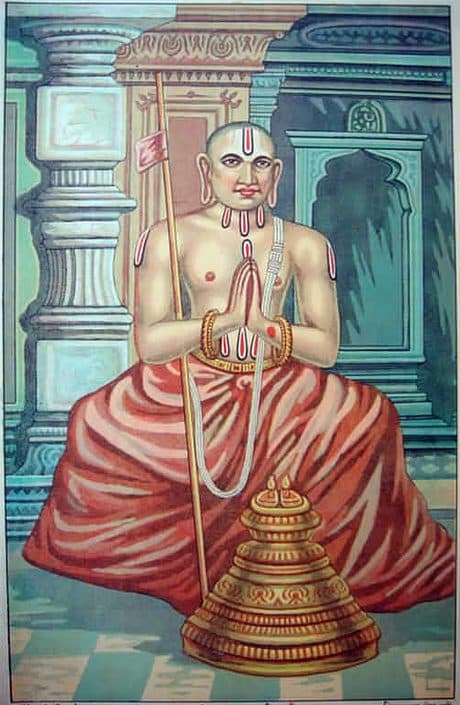
Rāmānuja · Viśiṣṭādvaita
English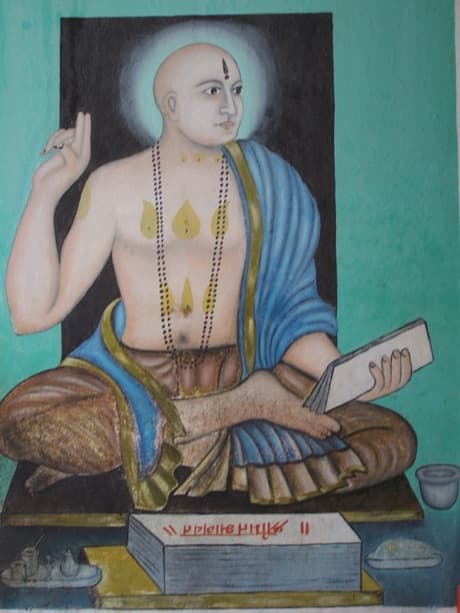
Madhvācārya · Dvaita
Madhva BhāṣyaSanskritEnglishOn verses 7.27–7.29
“द्वंद्वमोहेन सुखदुःखादिविषयमोहेन | इच्छाद्वेषयोः प्रवृद्धयोर्नहि किञ्चिज्ज्ञातुं शक्यम् | कारणान्तरमेतत् | सर्गे सर्गकाल आरभ्येव | शरीरे हि सन्तीच्छादयः | पूर्वं त्वज्ञानमात्रम् ||” - By delusion due to duality like pleasure and pain or by attachment to sense-objects, from desires and hatred, non-awareness (about Lord) is possible. सर्ग means in the beginning of creation. With the arrival of the body, the desires etc also come to arise. Prior to that (before creation) there was only the non-awareness.
“विपरीताच्च केचित् सन्ति इत्यहा - येषाम् इति ||” - There are also some who are exception to this. Thus, in this verse.
Madhvācārya · Dvaita
Gītā Tātparya NirṇayaSanskritEnglishOn verses 7.27–7.29
“द्वंद्वमोहो मिथ्याज्ञानम् | तपस्तु शार्वं विद्यान्मोहश्चैव विपर्ययः | इति च भारते | जीवेश्वराधिकं द्वंद्वम् | तद्विषयो मोहो द्वंद्वमोहः | सम्मोहः तदाग्रहः | तदाग्रहो महामोहः क्रोधस्तामिश्र उच्यते | इत्युक्त्वात् || सर्गे सर्गं काल एव | जीवधर्मानिश्चैवैव वा द्वंद्वमोही स उच्यते || इत्यग्नये ||” - Delusion due to dualities is illusory knowledge. Everything appears similar in darkness and similar is the case in delusion. There is duality between the Jiva and the Lord. The delusion in respect thereof is द्वंद्वमोह. Unreal knowledge is its effect. Because its effect is the great delusion; the mixture thereof is anger, thus in Mahabharata. The Jiva whose attributes are assumed to be in the Lord and that of the Lord, or who sees unity between Jiva and the Lord is said to be one who is bewildered by delusion, thus in Agni Puraana.
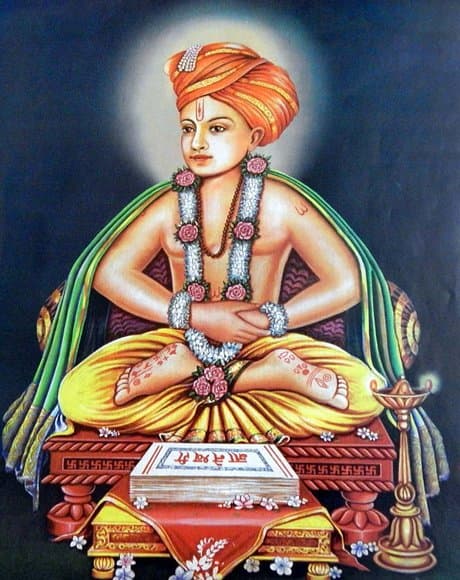
Jñāneśvar · Vārkarī
English28 "But those people of righteous deeds whose sin has reached its end: they, freed from the delusion of the dualisms, betake themselves unto Me, being steadfast in their resolve. (172)
But there are, however, others who seeing the thorns of senseless ways of doubt and error, keep out the delusion of the pairs of opposites. They walk straight, step after step in complete faith, crushing under their feet the thorns of evil thoughts, and cross the wild jungle of great sins. They then run along the road on the strength of their righteous deeds ( पुण्य ), come near Me, escaping unhurt, from the hands of the robbers in the guise of passions and wrath.
Swami Ramsukhdas · Modern
English'Yeṣām tvantagataṁ pāpaṁ janānām puṇyakarmaṇām te
**dvandvamohanirmuktā bhajante māṁ dr̥havratāḥ**—The term 'Tu' (but), has been used to show the singularity of those who, being free from delusion, worship the Lord. Men of virtuous deeds, are those who have realized, that the only aim of human life, is God-realization. They have a firm determination to realize Him, during this human life, which has been bestowed upon them for God-realization, and not for sensual pleasures. It means, that determination is a better means, than oblation, charity and penance etc., for purification, because this determination is of one's own self, while actions such as oblation, charity etc., are bodily acts.
'Antagatam pāpam' means, that when a man has a firm determination, that he has to realize God, all his sins are rooted out, because disinclination for God, is the root of sins. The saints, have said that, there are one and a half sins, and one and a half virtues. Disinclination for God is one sin, and to be engaged in evil and immoral actions, is half. Similarly, inclination for God is one virtue, and engagement in good and moral actions, is half. When a man surrenders himself to God, all his sins perish.
Secondly, those people whose sole aim is God-realization, are virtuous because by having this aim, all their sins come to an end. Even if, because of past influences, any sin, is committed, God, Who dwells in their hearts, destroys that sin.
Thirdly, if a man determines sincerely, never to commit a sin, in future, his sins, perish.
'Te dvandvamohanirmuktā bhajante māṁ dr̥havratāḥ'—Men of virtuous deeds, being free from delusion of the pairs of opposites, worship God, with a firm resolve. This duality (pairs of opposites), can be of several kinds.
1. Whether they should be engaged in divine adoration for salvation, or in worldly affairs for welfare of this world.
2. Whether they should worship Lord Viṣṇu, the preserver, Lord Śiva, the destroyer, Goddess Durgā, God Gaṇeśa or the
Sun. Out of these five sects, which one should they follow?
3. Which of the following principles—dualistic, non-dualistic, special-non-dualistic, pure-non-dualistic etc., should they follow?
4. Which of the Disciplines—of devotion, knowledge, action and meditation etc., should they follow?
5. There are pairs of opposites like—favourable and unfavourable circumstances, pleasure and pain, attachment and aversion etc.
A man of virtuous deeds, being free from all spiritual and mundane dualistic delusions, worships God with a firm resolve.
If a man has only the aim of God-realization, all pairs of opposites, come to an end, if he follows any spiritual discipline, principle, sect or method. A striver, should follow any path, with exclusive devotion and without criticizing other paths. He should respect the followers of other paths, without regarding them as inferior to him, and without considering their sect inferior to his. So long as, a striver disregards, others' principles, religions and sects etc., he cannot realize God. Therefore, a striver on paying due regard to all sects, principles and methods, should follow his own path, with full faith and undivided devotion. By doing so, his dualism comes to an end.
It is human nature, that when a man lives in spiritual environment, he thinks that salvation, is a great achievement of life. But, when he lives in mundane environment, he attaches greater importance to worldly affairs, and secondary importance to, adoration for God, because he thinks that he has to perform action in order to get the necessities of life, and there is not much use for adoration.
Those whose only aim is salvation, without caring for worldly pleasure and pain, profit and loss, fame and defame, regard and disregard etc., are free from delusion, of the pairs of opposites.
'Dṛḍhavratāḥ' means, that the striver has a firm resolve to worship God, whether he is dualistic or non-dualistic, endowed with form or formless, two-armed or four-armed. He is not much concerned, about different forms etc.*
When a striver, follows spiritual discipline he is confronted with three questions: What is God like? What is the nature of soul? What is the nature of the world? The answer, is, 'God exists'. He is not much concerned, about where He lives and what He does etc. Similarly, about the soul it is enough for him, 'I am', and about the world it is enough, to know that it is to be renounced. It means, that a striver, by depending on God and having disinclination for the world, which is to be renounced, has a firm resolve to attain Him. By having a firm resolve, he becomes free from the delusion, of the pairs of opposites. The gist of all the philosophies, is to have an inclination for God, by having disinclination for the world.
Secondly, a striver has no knowledge about God, Who is attributeless and neither has he beheld God endowed with attributes. But he knows, that the world is perishing every moment, and assumes, that in the world, there is nothing besides God. By having this knowledge and assumption, he worships God with a firm resolve. Just like a chaste wife who is faithful to her husband, a man of virtuous deeds, by depending on God, worships Him.
An Exceptional Fact
It is mentioned in the scriptures, including the *Gītā*, and also in the utterances of saints, the sinners, have no inclination for God. This is a general rule. But sins cannot force a man to have disinclination for God, because he is a fragment of
* He, who protects the one who being afraid of the very strong fast running death-snake, takes refuge in Him, and being afraid of Whom even death is running, I take refuge in Him (*Śrīmadbhā*, 8/2/33).
God. Therefore, his purity may be veiled by sins, but cannot be destroyed. Therefore, even the vilest sinner, who worships Him with exclusive devotion, becomes virtuous (Gītā 9/31).* Therefore, a man should never think, that his sins are obstacles to his adoration. Sins produce, unfavourable circumstances and then perish. If sins, had been obstacles to adoration, Lord Kṛṣṇa, would not have declared, “Even the vilest sinner, worships Me with exclusive devotion (Gītā 9/30). It means, that sins, are not obstacles to worship, the Lord. The sins of those who worship the Lord, with a firm resolve, surrendering themselves to Him, come to an end. So circumstances cannot be obstacles to adoration.
Men, having a desire for fruit of their virtuous actions, go to heaven, while the evil actions lead men to hell. But, God by His special grace, bestows the human body in between i.e., without forcing them to acquire the fruit of their actions. We have got this human life, for God-realization, so we should never be disappointed, as far as God-realization, is concerned.
This human life, is not meant for sensual pleasures. It is generally called a life for action. But, according to the principles and utterances of the saints, the only aim of this human life, is God-realization. Both the favourable and the unfavourable circumstances, are the means for God-realization. A striver, in favourable circumstances, should serve others, and in unfavourable circumstances, he should give up desire for favourable circumstances. By doing so, both types of circumstances, will become means for spiritual progress. In favourable circumstances, old virtues perish and there are also chances to be entangled, in sensual pleasures. But in unfavourable circumstances, old sins
*In other lives besides the human life this is not a rule that the nature may be purified. By reaping the fruit of sinful actions in eighty-four lac forms of lives and in hells, sins are wiped out but nature does not improve. But in human life in spite of having sins a striver’s nature can be purified. Sins result in unfavourable circumstances such as disease etc., while good company, spirituality and change of doership change a striver’s nature.
perish, and a man becomes more alert, and careful in spiritual discipline. Therefore, saints value unfavourable circumstances, more than favourable ones.
**Appendix**—The greatest virtue is to turn one’s face towards God because this is the root of all virtues.\* But to turn away one’s face from God is the most deadly sin, because this is the root of all sins. But the men whose sins have been destroyed viz., who having a disinclination for the world, have inclined to God, they being free from the duality of attachment and aversion, pleasure and pain, joys and sorrows etc., worship God. This types of the devotees, who worship God, have been described in the sixteenth verse of this chapter by the expression ‘caturvidhā bhajante mām’.
Attachment and aversion go on attracting a man towards the world. So long as a man is attached to one thing, he has an aversion to the other thing, because if a man is inclined to a thing, he will certainly have a disinclination for the other thing. As long as a man has attachment and aversion, he can’t be totally inclined to God, because he remains connected with the world. The extent to which he is attached to the world, to the same extent he remains detached from God viz., he has a disinclination for God.
‘Drḍhavratāḥ’—A man of lax nature can’t renounce the unreal quickly. He has an idea and gives it up; then again he has another idea and also relinquishes it—thus by having different ideas and by giving them up, he inculcates this sort of bad habit. Because of this bad habit he has the bookish knowledge (rot learning) of renunciation of the unreal, but he finds himself helpless in renouncing it. Even if he renounces the unreal once; because of
\*sanamukha hoi jīva mohi jabahīm, janma koṭi agha nāsahīm tabahīm.
(Mānasa, Sundara. 44/1)
his lax nature he again assumes the existence of the unreal. This lax nature of a striver is self-made. Therefore it is inevitable for a striver to have a firm resolve. Whatever plan is formed in the mind, he should stick to it. If he has a firm resolve even in petty matters, by the formation of this type of nature, he will acquire strength to renounce the unreal and to have disinclination for the world.
*Link:—In the beginning of the seventh chapter Lord Kṛṣṇa declared that a striver with his mind attached to Him, taking refuge in Him and practising Yoga, would without any doubt, know, Him in full. Now, He concludes these three facts, in the next two verses.*
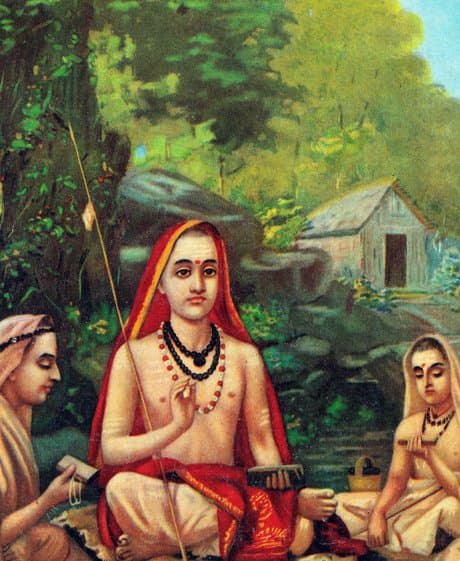
Ādi Śaṅkarācārya · Advaita
Sanskritयेषां तु पुनः अन्तगतं समाप्तप्रायं क्षीणं पापं जनानां पुण्यकर्मणां पुण्यं कर्म येषां सत्त्वशुद्धिकारणं विद्यते ते पुण्यकर्माणः तेषां पुण्यकर्मणाम्, ते द्वन्द्वमोहनिर्मुक्ताः यथोक्तेन द्वन्द्वमोहेन निर्मुक्ताः भजन्ते मां परमात्मानं दृढव्रताः । ``एवमेव परमार्थतत्त्वं नान्यथा'' इत्येवं सर्वपरित्यागव्रतेन निश्चितविज्ञानाः दृढव्रताः उच्यन्ते ॥ ते किमर्थं भजन्ते इत्युच्यते --
Ādi Śaṅkarācārya · Advaita
Hindiतो फिर इस द्वन्द्वमोहसे छूटे हुए ऐसे कौन-से मनुष्य हैं जो आपको शास्त्रोक्त प्रकारसे आत्मभावसे भजते हैं ? इस अपेक्षित अर्थको दिखानेके लिये कहते हैं—
जिन पुण्यकर्मा पुरुषोंके पापोंका लगभग अन्त हो गया होता है, अर्थात् जिनके कर्म पवित्र यानी अन्तःकरणकी शुद्धिके कारण होते हैं वे पुण्यकर्मा हैं ऐसे उपर्युक्त द्वन्द्वमोहसे मुक्त हुए वे दृढव्रती पुरुष मुझ परमात्माको भजते हैं। 'परमार्थतत्त्व ठीक इसी प्रकार है, दूसरी प्रकार नहीं' ऐसे निश्चित विज्ञानवाले पुरुष दृढव्रती कहे जाते हैं
Jñāneśvar · Vārkarī
Hindi(7.172) इन निष्फल विकल्परूपी तीक्ष्ण काँटों को देखते हुए जो पुरुष मतिभ्रम को पास ही नहीं आने देते,
(7.173) जो सरल एक-निष्ठारूपी डगों से उन काँटों की नोकें रगड़कर महापातरूपी जंगल नाँघ जाते हैं,
(7.174) वे पुण्यरूपी दौड़ लगाते हुए मेरे पास पहुँचते हैं। बहुत क्या कहें, वे रास्ते के वधियों से बच जाते हैं।
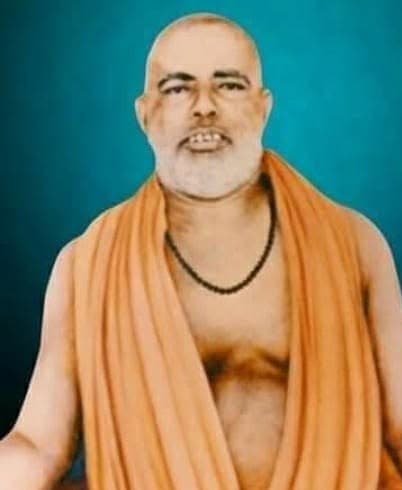
Sri Udiya Baba · Modern
Hindiसंगति— अगले श्लोक में यह बतलाते हैं कि कौन साधक मोहमुक्त रहकर भगवान् का भजन कर सकते हैं—
भावार्थ— जिन पुण्यकर्मा लोगों के पाप समाप्त हो चुके हैं वे ही द्वन्द्व और मोह से छूटकर दृढव्रती होकर मुझे भजते हैं।
व्याख्या— जगत् की वासनाएँ ही पाप हैं तथा निष्काम कर्मपुण्य है। जिनके पापों का पुण्य कर्मों के द्वारा अन्त हो गया है वे द्वन्द्व और मोह से मुक्त होकर ज्ञान प्राप्त करने के पश्चात् दृढव्रतपूर्वक मुझे भजते हैं। अर्थात् जीवन्मुक्ति के लिये ब्रह्माकारवृत्ति करते हैं, क्योंकि निर्द्वन्द्व भजन तो बोध के पश्चात् ही हो सकता है। ज्ञान होने से पूर्व तो वे जिज्ञासा के कारण तपते रहते हैं।
मोह विचार से दूर होता है और द्वन्द्व ज्ञाननिष्ठा से दूर होते हैं। इसलिये पहले मोह दूर होगा और फिर द्वन्द्व समाप्त होंगे, क्योंकि द्वन्द्वों की उत्पत्ति मोह से ही होती है। द्वन्द्व-मोह से मुक्ति, दृढव्रत और भजन—ये तीनों बातें एक साथ ही होनी चाहिये। तात्पर्य यह है कि
विवेक होने के पश्चात् जो भजन करता है उसे द्वन्द्व चलायमान नहीं कर सकते क्योंकि विवेक द्वारा उसने अपनी असंगता का अनुभव कर लिया है।
प्रश्न— आप ब्रह्माकार वृत्ति की आवृत्ति पर बहुत जोर देते हैं। अतः यह बतलाने की कृपा करें कि वृत्तियों का स्वरूप क्या है तथा ब्रह्माकार वृत्ति किसे कहते हैं?
उत्तर— वृत्ति का अपना कोई रूप नहीं है। अपने से पृथक् प्रतीत होता ही उसका स्वभाव है। वह जिस विषय में जाती है उसी का रूप धारण कर लेती है और उसी के अनुसार उसका रूप भी देशकालावच्छिन्न जान पड़ता है। वृत्ति के द्वारा विषय का आवरण भंग होता है। इसे वृत्तिव्याप्ति कहते हैं। और चिदाभास से वस्तु का स्फुरण होता है। इसे फलव्याप्ति कहते हैं। किन्तु यह नियम इदंरूप (प्रत्यक्ष रूप) से स्फुरित होने वाले पदार्थों के विषय में है। आत्मा तो कोई परिच्छिन्न और परप्रकाश्य पदार्थ नहीं है। अतः जब सब अनात्मवर्ग का निषेध करके वृत्ति अहमर्थ में पहुँचती है तो उसका कोई परिच्छेद न होने के कारण उससे किसी आकार विशेष का स्फुरण नहीं होता। अनात्म-वस्तुओं का निषेध करते-करते जब वृत्ति अभावाकार होती है तो उसे ही श्रुतिप्रतिपादित शुद्ध बुद्धि कहते हैं। उसी के द्वारा गुरु कृपा से बोध होता है। तत्त्वबोध होते ही फिर अनात्म वस्तु कुछ नहीं रहती। फिर तो समुद्र से तरङ्ग, सूर्य से किरण और मृत्तिका से घट-शरावादि के समान उसे कोई भी वस्तु अपने से भिन्न नहीं जान पड़ती।
प्रश्न— बोध और बोधवृत्ति में क्या अन्तर है?
उत्तर— संसार सत्ताशून्य है— ऐसा अनुभव होना बोध है तथा सत्ताशून्य अनुभव होने पर भी जो उसकी प्रतीति होती है यह बुद्धिवृत्ति है। इस बुद्धिवृत्ति को दूर करने के लिये ही ब्रह्माकार वृत्ति या बोधवृत्ति की आवृत्ति की जाती है।
प्रश्न— ब्रह्माकार वृत्ति कैसे करनी चाहिये?
उत्तर— प्रतीति को अपने से अलग देखना ही ब्रह्माकार वृत्ति है। जहाँ अहंवृत्ति के सहित इष्टाकार वृत्ति रहती है वह उपासना है। परन्तु जहाँ केवल अहंवृत्ति है वह बोध है, क्योंकि केवल अहंवृत्ति ही कर्ता के अधीन नहीं होती। इदंवृत्ति कर्ता के अधीन है। देश, काल और वस्तु के साथ अपना कोई सम्बन्ध न हो—यही ब्रह्माकार वृत्ति है। यहाँ से उठकर कहीं अन्यत्र वृत्ति जाय तो वह ब्रह्माकार वृत्ति नहीं। अथवा विवेक-अवस्था में जो अभावाकार वृत्ति है वही ब्रह्माकार-वृत्ति है।
प्रश्न— यदि यह ब्रह्माकार वृत्ति है तो अभावाकार वृत्ति किसे कहेंगे? ब्रह्म तो वृत्ति का अविषय है, वृत्ति से परे है, उसे वृत्ति किस प्रकार ग्रहण करेगी? और यदि ऐसा मानें कि वृत्ति उसे ग्रहण नहीं कर सकती तो उसका ज्ञान कैसे होगा?
उत्तर— अभावाकार वृत्ति से प्रपञ्च सत्ताशून्य भासता है। उससे आवरण भङ्ग हो जाता है। आवरण भङ्ग के पश्चात् स्वयं ही रह जाता है, अतः वही ब्रह्माकार वृत्ति है और उसी से बोध होता है।
प्रश्न— वृत्ति तो कर्ता के अधीन है उससे ज्ञान कैसे होगा?
उत्तर— जब तक अज्ञान है तब तक वृत्ति कर्ता के अधीन है। जब कर्तृत्व-भोक्तृत्व समाप्त हो जाते हैं तो वृत्ति स्वतन्त्र है। जब तक कर्तृत्व-भोक्तृत्व है तभी तक जीवसंज्ञा है, अतः तब तक वृत्ति भी कर्ता के अधीन रहती है। कर्तृत्व-भोक्तृत्व न रहने पर जो स्वतन्त्र वृत्ति होती है वही ब्रह्माकार वृत्ति है। यह वृत्ति प्रारब्ध समाप्त होने तक रहती है, फिर ब्रह्मस्वरूप हो जाती है। अथवा यों समझो कि जब हम किसी विषय को ग्रहण करते हैं तो वृत्ति विषयाकार होती है। उस समय देह में अहन्ता होती है। किन्तु जब सम्पूर्ण दृश्य को एक सत्ता में देखते हैं तो देह में अहंबुद्धि नहीं रहती, क्योंकि शरीर और कर्ता-भोक्ता भी दृश्य के अन्तर्गत हो जाते हैं तथा अहन्ता देहातीत और कर्तृत्व-भोक्तृत्वशून्य होती है। इसलिये इसको भी ब्रह्माकार वृत्ति ही कहेंगे।
अभावाकार वृत्ति कर्ता के अधीन है, किन्तु ब्रह्माकार वृत्ति कर्ता के अधीन नहीं, क्योंकि वह वृत्ति सार्वभौम अकर्ता-अभोक्ता की है। ब्रह्माकार वृत्ति कर्ता के अधीन नहीं क्योंकि वह स्वयं ब्रह्म है। उस वृत्ति को करने वाला भी ब्रह्म है और उसका विषय भी ब्रह्म है। भेद का द्रष्टा ही कर्ता-भोक्ता होता है। जहाँ द्रष्टा और दृश्य का भेद नहीं रहता वहाँ वह अकर्ता-अभोक्ता होता है। जिस प्रकार ईश्वर की माया ईश्वर से भिन्न नहीं, किन्तु भिन्न जान पड़ती है उसी प्रकार ब्रह्माकार वृत्ति ब्रह्म से भिन्न नहीं, किन्तु 'वृत्ति' कहने से भिन्न-सी जान पड़ती है।
Swami Ramsukhdas · Modern
Hindi'येषां त्वन्तगतं पापं जनानां पुण्यकर्मणाम्'—द्वन्द्वमोहसे मोहित मनुष्य तो भजन नहीं करते और जो द्वन्द्वमोहसे मोहित नहीं हैं, वे भजन करते हैं, तो भजन न करनेवालोंकी अपेक्षा भजन करनेवालोंकी विलक्षणता बतानेके लिये यहाँ 'तु' पद आया है।
जिन मनुष्योंने 'अपनेको तो भगवत्प्राप्ति ही करनी है'—इस उद्देश्यको पहचान लिया है अर्थात् जिनको उद्देश्यकी यह स्मृति आ गयी है कि यह मनुष्यशरीर भोग भोगनेके लिये नहीं है, प्रत्युत भगवान्की कृपासे केवल उनकी प्राप्तिके लिये ही मिला है—ऐसा जिनका दृढ़ निश्चय हो गया है, वे मनुष्य ही 'पुण्यकर्मा' हैं। तात्पर्य यह हुआ कि अपने एक निश्चयसे जो शुद्धि होती है, पवित्रता आती है, वह यज्ञ, दान, तप आदि क्रियाओंसे नहीं आती। कारण कि 'हमें तो एक भगवान्की तरफ ही चलना है', यह निश्चय स्वयंमें होता है और यज्ञ, दान आदि क्रियाएँ बाहरसे होती हैं।
'अन्तगतं पापम्' कहनेका भाव यह है कि जब यह निश्चय हो गया कि 'मेरेको तो केवल भगवान्की तरफ ही चलना है' तो इस निश्चयसे भगवान्की सम्मुखता होनेसे
विमुखता चली गयी, जिससे पापोंकी जड़ ही कट गयी; क्योंकि भगवान्से विमुखता ही पापोंका खास कारण है। सन्तोंने कहा है कि डेढ़ ही पाप है और डेढ़ ही पुण्य है। भगवान्से विमुख होना पूरा पाप है और दुर्गुण-दुराचारोंमें लगना आधा पाप है। ऐसे ही भगवान्के सम्मुख होना पूरा पुण्य है और सद्गुण-सदाचारोंमें लगना आधा पुण्य है। तात्पर्य यह हुआ कि जब मनुष्य भगवान्के सर्वथा शरण हो जाता है, तब उसके पापोंका अन्त हो जाता है।
दूसरा भाव यह है कि जिनका लक्ष्य केवल भगवान् हैं, वे पुण्यकर्मा हैं; क्योंकि भगवान्का लक्ष्य होनेपर सब पाप नष्ट हो जाते हैं। भगवान्का लक्ष्य होनेपर पुराने किसी संस्कारसे पाप हो भी जायगा, तो भी वह रहेगा नहीं; क्योंकि हृदयमें विराजमान भगवान् उस पापको नष्ट कर देते हैं—'विकर्म यच्चोत्पतितं कथञ्चिद् धुनोति सर्वं हृदि सन्निविष्टः' (श्रीमद्भगवद्गीता ५।४२)।
तीसरा भाव यह है कि मनुष्य सच्चे हृदयसे यह दृढ़ निश्चय कर ले कि 'अब आगे मैं कभी पाप नहीं करूँगा' तो उसके पाप नहीं रहते।
'ते द्वन्द्वमोहनिर्मुक्ता भजन्ते मां दृढव्रताः'—
पुण्यकर्मी लोग द्वन्द्वरूप मोहसे रहित होकर और दृढ़व्रती होकर भगवान्का भजन करते हैं। द्वन्द्व कई तरहका होता; जैसे—
१—भगवान्में लगे या संसारमें लगे? क्योंकि परलोकके लिये भगवान्का भजन आवश्यक है और इहलोकके लिये संसारका काम आवश्यक है।
२—वैष्णव, शैव, शाक्त, गणपत और सौर—इन सम्प्रदायोंमेंसे किस सम्प्रदायमें चले और किस सम्प्रदायमें न चले?
३—परमात्माके स्वरूपके विषयमें द्वैत, अद्वैत, विशिष्टाद्वैत, शुद्धाद्वैत, अचिन्त्यभेदाभेद आदि कई तरहके सिद्धान्त हैं। इनमेंसे किस सिद्धान्तको स्वीकार करें और किस सिद्धान्तको स्वीकार न करें?
४—परमात्माकी प्राप्तिके भक्तियोग, ज्ञानयोग, कर्मयोग, ध्यानयोग, हठयोग, लययोग, मन्त्रयोग आदि कई मार्ग हैं। उनमेंसे किस मार्गपर चले और किस मार्गपर न चले?
५—संसारमें होनेवाले अनुकूल-प्रतिकूल, हर्ष-शोक, ठीक-बैठीक, सुख-दुःख, राग-द्वेष आदि सभी द्वन्द्व हैं।
उपर्युक्त सभी पारमार्थिक और सांसारिक द्वन्द्वरूप मोहसे मुक्त हुए मनुष्य दृढ़व्रती होकर भगवान्का भजन करते हैं।
मनुष्यका एक ही पारमार्थिक उद्देश्य हो जाय, तो पारमार्थिक और सांसारिक सभी द्वन्द्व मिट जाते हैं। पारमार्थिक उद्देश्यवाले साधक अपनी-अपनी रुचि, योग्यता और श्रद्धा-विश्वासके अनुसार अपने-अपने इष्टको सगुण मानें, साकार मानें, निर्गुण मानें, निराकार मानें, द्विभुज मानें, चतुर्भुज मानें अथवा सहस्रभुज आदि कैसे ही मानें, पर संसारकी विमुखतामें और परमात्माकी सम्मुखतामें वे सभी एक हैं। उपासनाकी पद्धतियाँ भिन्न-भिन्न होनेपर भी लक्ष्य सबका एक होनेसे कोई भी पद्धति छोटी-बड़ी नहीं है। जिस साधकका जिस पद्धतिमें श्रद्धा-विश्वास होता है, उसके लिये वही पद्धति श्रेष्ठ है और उसको उसी पद्धतिका ही अनुसरण करना चाहिये। परन्तु दूसरोंकी पद्धति या निष्ठाकी निन्दा करना, उसको दो नम्बरका
मानना दोष है। जबतक यह साधनविषयक द्वन्द्व रहता है और साधकमें अपने पक्षका आग्रह और दूसरोंका निरादर रहता है, तबतक साधकको भगवान्के समग्ररूपका अनुभव नहीं होता। इसलिये आदर तो सब पद्धतियों और निष्ठाओंका करे, पर अनुसरण अपनी पद्धति और निष्ठाका ही करे; तो इससे साधनविषयक द्वन्द्व मिट जाता है।
मनुष्यमात्रकी यह प्रकृति होती है, ऐसा एक स्वभाव होता है कि जब वह पारमार्थिक बातें सुनता है, तब वह यह समझता है कि साधन करके अपना कल्याण करना है; क्योंकि मनुष्यजन्मकी सफलता इसीमें है। परन्तु जब वह व्यवहारमें आता है, तब वह ऐसा सोचता है कि 'साधन-भजन' से क्या होगा? सांसारिक काम तो करना पड़ेगा; क्योंकि संसारमें बैठे हैं; चीज-वस्तुकी आवश्यकता पड़ती है, उसके बिना काम कैसे चलेगा? अतः संसारका काम मुख्य रहेगा ही और भजन-स्मरणका नित्य-नियम तो समयपर कर लेना है; क्योंकि सांसारिक कामकी जितनी आवश्यकता है, उतनी भजन-स्मरण, नित्य-नियमकी नहीं। ऐसी धारणा रखकर भगवान्में लगे हुए मनुष्य बहुत हैं।
भगवान्की तरफ चलनेवालोंमें भी जिन्होंने एक निश्चय कर लिया है कि मेरेको तो अपना कल्याण करना है, सांसारिक लाभ-हानि कुछ भी हो जाय, इसकी कोई परवाह नहीं। कारण कि सांसारिक जितनी भी सिद्धि है, वह आँख मीचते ही कुछ नहीं है—'**सम्मीलने नयनयोर्नहि किंचिदस्ति**' और इन सांसारिक वस्तुओंको प्राप्त करनेसे कितने दिनतक हमारा काम चलेगा? ऐसा विचार करके जो एक भगवान्की तरफ ही लग जाते हैं और सांसारिक आदर-निरादर आदिकी तरफ ध्यान नहीं देते, ऐसे मनुष्य ही द्वन्द्वमोहसे छूटे हुए हैं।
'**दृढ़व्रताः**' कहनेका तात्पर्य है कि हमें तो केवल परमात्माकी तरफ ही चलना है, हमारा और कोई लक्ष्य है ही नहीं। वह परमात्मा द्वैत है कि अद्वैत है, शुद्धाद्वैत है कि विशिष्टाद्वैत है, सगुण है कि निर्गुण है, द्विभुज है कि चतुर्भुज है—इससे हमें कोई मतलब नहीं है। वह हमारे लिये कैसी भी परिस्थिति भेजे; हमें कहीं भी रखे और कैसे भी
* जैसा कि गजेन्द्रने कहा था—
यः कश्चनेशो बलिनोऽन्तकोरगात् प्रचण्डवेगादभिधावतो भूशम्।
भीतं प्रपन्नं परिपाति यद्वयान्मृत्युः प्रधावत्यरणं तमीमहि ॥ (श्रीमद्भा० ८।२।३३)
'जो कोई ईश्वर प्रचण्ड वेगसे (सबको निगल जानेके लिये) दौड़ते हुए अत्यन्त बलवान् कालरूपी साँपसे भयभीत होकर शरणमें आये हुएकी रक्षा करता है और जिससे भयभीत होकर मृत्यु भी दौड़ रही है, उसीकी मैं शरण ग्रहण करता हूँ।'
रखे—इससे भी हमें कोई मतलब नहीं है। बस, हमें तो केवल परमात्माकी तरफ चलना है—ऐसे निश्चयसे वे दृढ़व्रती हो जाते हैं।
परमात्माकी तरफ चलनेवालोंके सामने तीन बातें आती हैं—परमात्मा कैसे हैं? जीव कैसा है? और जगत् कैसा है? तो उनके हृदयमें इनका सीधा उत्तर यह होता है कि 'परमात्मा हैं।' वे कहाँ रहते हैं, क्या करते हैं आदिसे हमें कोई मतलब नहीं, हमें तो परमात्मासे मतलब है। जीव क्या है, उसका कैसा स्वरूप है, वह कहाँ रहता है, इससे हमें कोई मतलब नहीं। हमें तो इतना ही पर्याप्त है कि 'मैं हूँ।' जगत् कैसा है, ठीक है कि बेठीक है, हमें इससे कोई मतलब नहीं। हमें तो इतना ही समझना पर्याप्त है कि 'जगत् त्याज्य है' और हमें इसका त्याग करना है। तात्पर्य यह हुआ कि परमात्माकी तरफ चलना है, संसारको छोड़ना है और हमें चलना है अर्थात् 'हमें संसारसे विमुख होकर परमात्माके सम्मुख होना है'—यही सम्पूर्ण दर्शनोंका सार है और यही दृढ़व्रती होना है। दृढ़व्रती होनेसे उनके द्वन्द नष्ट हो जाते हैं; क्योंकि एक निश्चय न होनेसे ही द्वन्द रहते हैं।
दूसरा भाव है कि उनको न तो निर्गुणका ज्ञान है और न उनको सगुणके दर्शन हुए हैं; किन्तु उनकी मान्यतामें संसार निरन्तर नष्ट हो रहा है, निरन्तर अभावमें जा रहा है और सब देश, काल, वस्तु, व्यक्ति आदिमें भावरूपसे एक परमात्मा ही हैं—ऐसा मानकर वे दृढ़व्रती होकर भजन करते हैं। जैसे पतिव्रता स्त्री पतिके परायण रहती है, ऐसे ही भगवान्के परायण रहना ही उनका भजन है।
विशेष बात
शास्त्रोंमें, सन्तवाणीमें और गीतामें भी यह बात आती है कि पापी मनुष्य भगवान्में प्रायः नहीं लग पाते; पर यह एक स्वाभाविक सामान्य नियम है। वास्तवमें कितने ही पाप क्यों न हों, वे भगवान्से विमुख कर ही नहीं सकते; क्योंकि जीव साक्षात् भगवान्का अंश है; अतः उसकी शुद्धि पापोंसे आच्छादित भले ही हो जाय, पर मिट नहीं सकती। इसलिये दुराचारी भी दुराचार छोड़कर भगवान्के भजनमें लग जाय, तो वह बहुत जल्दी धर्मात्मा (भक्त)
हो जाता है—'क्षिप्रं भवति धर्मात्मा' (गीता ९। ३१)। अतः मनुष्यको कभी भी ऐसा नहीं मानना चाहिये कि पुराने पापोंके कारण मेरेसे भजन नहीं हो रहा है; क्योंकि पुराने पाप केवल प्रतिकूल परिस्थितिरूप फल देनेके लिये होते हैं, भजनमें बाधा देनेके लिये नहीं। प्रतिकूल परिस्थिति देकर वे पाप नष्ट हो जाते हैं। अगर ऐसा मान लिया जाय कि पापोंके कारण ही भजन नहीं होता, तो 'अपि चेत्सुदुराचारो भजते मामनन्यभाक्' (गीता ९। ३०) 'दुराचारी-से-दुराचारी पुरुष अनन्यभावसे मेरा भजन करता है'—यह कहना बन नहीं सकता। पापोंके कारण अगर भजन-ध्यानमें बाधा लग जाय, तो बड़ी मुश्किल हो जायगी; क्योंकि बिना पापके कोई प्राणी है ही नहीं। पाप-पुण्यसे ही मनुष्यशरीर मिलता है। इससे सिद्ध होता है कि पुराने पाप भजनमें बाधक नहीं हो सकते। इसलिये जो दृढ़व्रती पुरुष भगवान्के शरण होकर वर्तमानमें भगवान्के भजनमें लग जाते हैं, उनके पुराने पापोंका अन्त हो जाता है। मनुष्यशरीर भजन करनेके लिये ही मिला है, अतः जो परिस्थितियाँ शरीरतक रहनेवाली हैं, वे भजनमें बाधा पहुँचायें—ऐसा कभी सम्भव ही नहीं है।
सकाम पुण्यकर्मोंकी मुख्यता होनेसे जीव स्वर्गमें जाते हैं और पापकर्मोंकी मुख्यता होनेसे नरकोंमें जाते हैं। परन्तु भगवान् विशेष कृपा करके पापों और पुण्योंका पूरा फल-भोग न होनेपर भी अर्थात् चौरासी लाख योनियोंके बीचमें ही जीवको मनुष्यशरीर दे देते हैं। मनुष्यशरीरमें भगवद्भजनका अवसर विशेषतासे प्राप्त होता है। अतः मनुष्यशरीर प्राप्त होनेपर भगवत्प्राप्तिकी तरफसे कभी निराश नहीं होना चाहिये; क्योंकि भगवत्प्राप्तिके लिये ही मनुष्यशरीर मिलता है।
यह मनुष्यशरीर भोगयोनि नहीं है। इसको सामान्यतः कर्मयोनि कहते हैं। परन्तु संतोंकी वाणी और सिद्धान्तोंके अनुसार मनुष्यशरीर केवल भगवत्प्राप्तिके लिये ही है। इसमें पुराने पुण्योंके अनुसार जो अनुकूल परिस्थिति आती है और पुराने पापोंके अनुसार जो प्रतिकूल परिस्थिति आती है—ये दोनों ही केवल साधन-सामग्री हैं। इन दोनोंमेंसे अनुकूल
* अन्य योनियोंमें पाप नष्ट होनेपर भी स्वभाव सुधर जाय—यह नियम नहीं है; जैसे—चौरासी लाख योनियाँ और नरक भोगते हुए पाप तो नष्ट हो जाते हैं, पर स्वभाव नहीं सुधरता। परन्तु मनुष्ययोनिमें पाप रहनेपर भी साधकका स्वभाव सुधर सकता है, जैसे—पापोंके रहनेसे उनके फलरूपमें प्रतिकूल परिस्थिति (बीमारी आदि) आती है, पर सत्संगसे, साधनपरायणतासे, अहंता-परिवर्तनसे पारमार्थिक साधकका स्वभाव सुधर जाता है।
परिस्थिति आनेपर दुनियाकी सेवा करना और प्रतिकूल परिस्थिति आनेपर अनुकूलताकी इच्छाका त्याग करना—यह साधकका काम है। ऐसा करनेसे ये दोनों ही परिस्थितियाँ साधन-सामग्री हो जायेंगी। इनमें भी देखा जाय तो अनुकूल परिस्थितिमें पुराने पुण्योंका नाश होता
है और वर्तमानमें भोगोंमें फँसनेकी सम्भावना भी रहती है। परन्तु प्रतिकूल परिस्थितिमें पुराने पापोंका नाश होता है और वर्तमानमें अधिक सजगता, सावधानी रहती है, जिससे साधन सुगमतासे बनता है। इस दृष्टिसे संतजन सांसारिक प्रतिकूल परिस्थितिका आदर करते आये हैं।
**परिशिष्ट भाव**—भगवानके सम्मुख होना सबसे बड़ा पुण्य है; क्योंकि यह सब पुण्योंका मूल है। परन्तु भगवानसे विमुख होना सबसे बड़ा पाप है; क्योंकि यह सब पापोंका मूल है। जिन मनुष्योंके पाप नष्ट हो गये हैं अर्थात् जो संसारसे विमुख होकर भगवानके सम्मुख हो गये हैं, वे राग-द्वेष, हर्ष-शोक, सुख-दुःख आदि द्वन्द्वोंसे रहित होकर भगवानका भजन करते हैं। भजन करनेवालोंके प्रकारका वर्णन भगवान सोलहवें श्लोकमें 'चतुर्विधा भजन्ते माम्' पदोंसे कर चुके हैं।
राग-द्वेष मनुष्यको संसारकी तरफ खींचते रहते हैं। जबतक एक वस्तुमें राग रहता है, तबतक दूसरी वस्तुमें द्वेष रहता ही है; क्योंकि मनुष्य किसी वस्तुके सम्मुख होगा तो किसी वस्तुसे विमुख होगा ही। जबतक मनुष्यके भीतर राग-द्वेष रहते हैं; तबतक वह भगवानके सर्वथा सम्मुख नहीं हो सकता; क्योंकि उसका सम्बन्ध संसारसे जुड़ा रहता है। उसका जितने अंशमें संसारसे राग रहता है, उतने अंशमें भगवानसे द्वेष अर्थात् विमुखता रहती है।
'दृढव्रताः'—दीली प्रकृतिवाला अर्थात् शिथिल स्वभाववाला मनुष्य असतका जल्दी त्याग नहीं कर सकता। एक विचार किया और उसको छोड़ दिया, फिर दूसरा विचार किया और उसको छोड़ दिया—इस प्रकार बार-बार विचार करने और उसको छोड़ने रहनेसे आदत बिगड़ जाती है। इस बिगड़ी हुई आदतके कारण ही वह असतके त्यागकी बातें तो सीख जाता है, पर असतका त्याग नहीं कर पाता। अगर वह असतका त्याग कर भी देता है तो स्वभावकी ढिलाईके कारण फिर उसको सत्ता दे देता है। स्वभावकी यह शिथिलता स्वयं साधककी बनायी हुई है। अतः साधकके लिये यह बहुत आवश्यक है कि वह अपना स्वभाव दृढ़ रहनेका बना ले। एक बार वह जो विचार कर ले, उसपर वह दृढ़ रहे। छोटी-से-छोटी बातमें भी वह दृढ़ (पक्का) रहे तो ऐसा स्वभाव बननेसे उसमें असतका त्याग करनेकी, संसारसे विमुख होनेकी शक्ति आ जायगी।
सम्बन्ध—सातवें अध्यायके आरम्भमें भगवानने साधकके लिये तीन बातें कही थीं—'मय्यासक्तमनाः'—मेरेमें प्रेम करके और 'मदाश्रयः'—मेरा आश्रय लेकर 'योगं युज्जन्'—योगका अनुष्ठान करता है, वह मेरे समग्ररूपको जान जाता है। उन्हीं तीन बातोंका उपसंहार अब आगेके दो श्लोकोंमें करते हैं।
However, there are some people whose demerit, which has accrued from beginningless time, and which causes an attraction or aversion to the pairs of opposites and which hinders the development of devotion, has come to an end, i.e., has become attenuated through the accumulation of merit in numerous births.
They take refuge in Krishna, and freed from the delusion produced by the Guṇas, they worship Krishna alone in proportion to the excellence of their Karma (accumulation of merit) previously described.
In order to attain deliverance from old age and death and for acquiring the ultimate goal of reaching Him, they remain steadfast in their vows; that is —they remain determined.