

Bhagavad Gītā · Chapter 7 · Jñāna Vijñāna Yoga
अव्यक्तं व्यक्तिमापन्नं मन्यन्ते मामबुद्धयः
परं भावमजानन्तो ममाव्ययमनुत्तमम्
avyaktaṃ vyaktimāpannaṃ manyante māmabuddhayaḥ|
paraṃ bhāvamajānanto mamāvyayamanuttamam||
Word meanings
अबुद्धयः = the unwise
मम = my
परम् = supreme
अव्ययम् = imperishable
अनुत्तमम् = unsurpassed
भावम् = nature
अजानन्तः = not knowing
अव्यक्तम् = unmanifest
माम् = Me
व्यक्तिम् = a manifested, visible form
आपन्नम् = having assumed
मन्यन्ते = think, consider
Translation
Not knowing My unsurpassable and undecaying supreme nature, the ignorant believe Me, the supreme Spirit beyond the reach of mind and senses, the embodiment of Truth, Knowledge and Bliss, to have assumed a finite form through birth (as an ordinary human being).
Commentary
The commentators seated around this verse
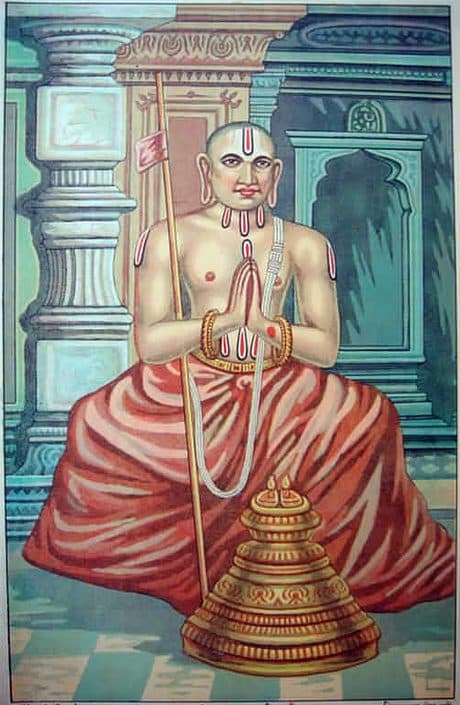
Rāmānuja · Viśiṣṭādvaita
English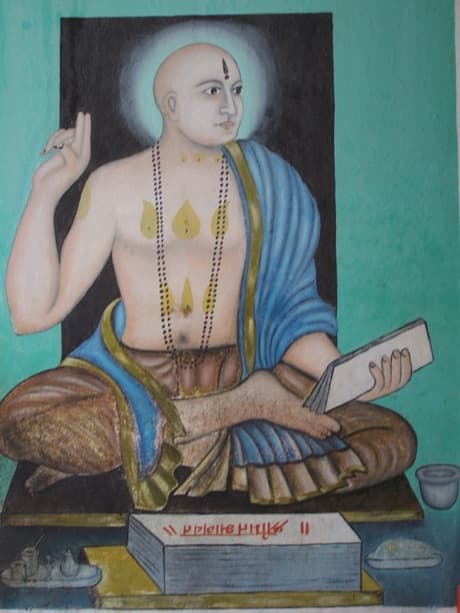
Madhvācārya · Dvaita
Madhva BhāṣyaSanskritEnglishOn verses 7.24–7.25
“को विशेषस्तवान्येभ्यः? इत्यत आह - अव्यक्तम् इति | कार्यदेहादिवर्जितम् | तद्वानिव प्रतीयस | इत्यत आह - व्यक्तिमापन्नम् इति | कार्यदेहाद् आपन्नम् | तच्चोक्तम् - सदसतः परम् | न तस्य कार्यम् | अपाणिपादः | अनन्ददेहं पुरुषं मन्यन्ते गौणदेहिकम् | इत्यादि | भावम् याथार्थ्यर्थम् | तच्चाववीत् - याथातथ्यमजानन्तः परं तस्य विमोहिताः इति ||” - What is the special from the other gods? This he speaks in this verse. अव्यक्तम् - unmanifest is that which is devoid of body and of actions. Therefore he clarifies by saying व्यक्तिमापन्नम् इति - by assuming action as the form. कार्यदेहाद् आपन्नम् - by assuming the body for action. etc. It is also said, सदसतः परम् - superior hunfred times to the manifest prakriti, न तस्य कार्यम् - having no actions to be performed, अपाणिपादः - having no hands or feet, अनन्ददेहं पुरुषं मन्यन्ते गौणदेहिकम् - the Person who is blissful is considered as one having body with attributes, भावम् - inclination is His proper form. Therefore it is said without knowing the Supreme Truth of His existence they become deluded.
“अज्ञानं च मदिच्छया इत्याह - नाहम् इति | योगेन सामर्थ्योपायेन मायया च | मयैव मूढो नाभिजानाति ||” - Such non-awareness is by the power of the illusion of the supreme Loprd alone, says Sri Krishna in this verse. The thoughtless ones do not know (that everything is) on his account alone. “तथाऽह पादमे - आत्मनः प्रवृत्तिं चैव लोकचित्तस्य बन्धनम् | स्वसामर्थ्यान् देव्या च कुरुते स महेश्वरः || इति |” - The Lord by His own power and through illusion (Durgadevi) makes His own Self hidden from the minds of people in bondage, thus in Padma Puraana.
Madhvācārya · Dvaita
Gītā Tātparya NirṇayaSanskritEnglishOn verses 7.24–7.25
“अव्यक्तः परमात्माऽसौ व्यक्तो जीव उदाहृतः | मन्यते यस्तयोरैक्यं स तु यात्यधरं तमः || इति |” - Unmanifest is the supreme Self and Jiva is known as the manifest one. Those who consider unity between them surely go to the place of obscurity, thus having been said.
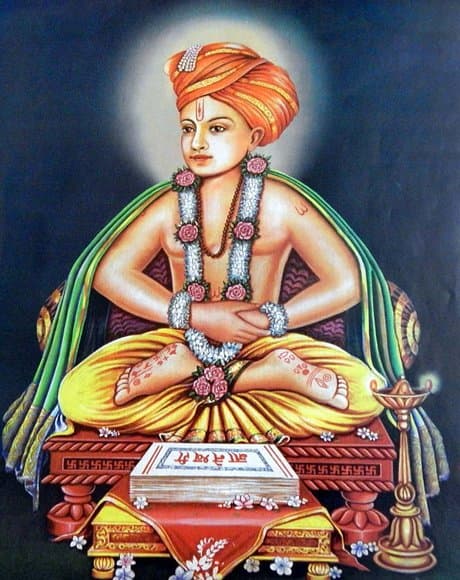
Jñāneśvar · Vārkarī
English24 “The non-manifest has attained manifestness”—so do the thoughtless ones think of Me, not knowing my Highest-essence, which is immutable and transcendent. (151)
But ordinary mortals do not take this eternal path to Me and are lost to real good, in vain like one trying to swim in water held on the palm; why should one diving in the ocean of the nectar of life everlasting, keep his mouth shut up, and then bring to mind water in a pond? Why should one court death after entering into the nectar ocean? Why not be one with the nectar of divine life and live in that life itself? In that way, why not escape from the cage of desire for fruit, Oh Dhanurdhara, and soar in the infinite expanse of divine life to rule as its master there? The exploit of such a high flight opens such an endless experience of Bliss, that in the thrill of such a joy, one takes flight as one wishes. Why try to limit, by a measure, the immeasurable bliss of the Self? Why should I be held as one (to be) hunted for in My manifested incarnation and having a form, when I am essentially unmanifested and without form? Why should one squander one's energies on useless and unfruitful means, when My divine glory is self-evident in all beings? But, Oh Son of Pandu, my putting questions in this fashion is not much liked by these mortals!
Swami Ramsukhdas · Modern
English'Avyaktaṁ vyaktimāpannaṁ manyante māmabuddhayaḥ paraṁ bhāvamajānanto mamāvyayamanuttamam'—Men of poor understanding, think of Me as having been born, and dead, just like ordinary men. They think, that I am also manifested, in the mid-state only, like other beings (Gītā 2/28). They do not know Me, as imperishable, uniform, immaculate, all-pervading, untainted, beyond time, space and causation, and as an incarnation of God. So they, instead of worshipping Me, worship the gods.
There is not a total negation of discrimination in them. But, their understanding is poor, because they do not admit
the perishable world, as perishable. Secondly, they know that if desires cannot be satisfied, they will have to be abandoned, but they do not abandon them.
They do not know My supreme state, immutable and unsurpassed. So, they for satisfaction of their desires, are attracted towards, the gods. Had they known Me, as unsurpassed, they would have worshipped Me, only.
(i) Men of understanding, are those who, accepting the Lord as unsurpassed, take refuge in Him. (ii) Men of poor understanding, are those who regarding the gods, as superior to them to take refuge in them. They are, somewhat polite and simple. (iii) Men without understanding, are those who regard God, as an ordinary human being, and think that they are supreme (Gītā 16/14). God, in spite of being imperishable, the Lord of the whole universe, manifests Himself, through His own divine potency, keeping His nature (prakṛti), under control. But men of poor understanding, do not know, that, He is beyond perishable matter and is superior to the imperishable soul.
An Exceptional Fact
Some people, interpret this verse to mean that those who think of the Lord, the unmanifest, as having manifestation, are of poor understanding, because they do not know Him, as unmanifest and formless. Others, interpret that those who regard Lord Kṛṣṇa, the incarnation of God, Who works as Arjuna's charioteer, as formless, are of poor understanding.
But, both views are not correct. The reason is, that the former will censure the Lord endowed with form, and His devotees, while the latter will censure formless God, and the devotees who worship a formless God. When, even the elements such as earth, water and fire etc., can be with form and without form, why can the Lord, not be with form and without form, with attributes and without attributes?
The Gītā, accepts both His aspects, the unmanifest, as well as, the manifest. In the sixth verse of the fourth chapter, Lord Kṛṣṇa declares that He, in spite of being unborn manifests Himself, in spite of being immortal, disappears and despite his being the Lord of the whole universe, becomes an obedient son or pupil, while in the fourth verse of the ninth chapter, He declares that all this is permeated by Him, in His unmanifest aspect. Thus, He can be both—manifest and unmanifest.
**Appendix**—God is manifest and also unmanifest; He is worldly as well as unworldly—'Vāsudevaḥ sarvam' (Gītā 7/19), 'sadasaccāhamarjuna' (Gītā 9/19). But men, who lack understanding, think of God as manifested from the unmanifest like other beings viz., regard Him as worldly (who is born and dead) for whom the Lord has said—
**avyaktādini bhūtāni vyaktamadhyāni bhārata**
**avyaktanidhanānyeva tatra kā paridevanā** (Gītā 2/28)
'O Bhārata (Arjuna), all beings were imperceptible before they were born and will become so again when they are dead; they are perceptible only in the intermediate stage. Therefore why to lament?'
God like common human beings is not manifest from the unmanifest, but at the same time being unmanifest, He manifests Himself and being manifest, He remains unmanifest.
**'Param'**—God endows the worshippers of deities with faith and also rewards them for their worship—this is God's supreme viz., impartial attitude.
**'Avyayam'**—Deities are relatively imperishable (immortal), they are not totally imperishable. But God is absolutely imperishable. Anyone else neither is nor can be imperishable like Him.
**'Anuttamam'**—God wants the welfare of all beings—this is the unexcelled feeling of the Lord. No other feeling can be superior to it.
*Link:—Why do people think of the Lord as an ordinary man? The explanation comes next.*
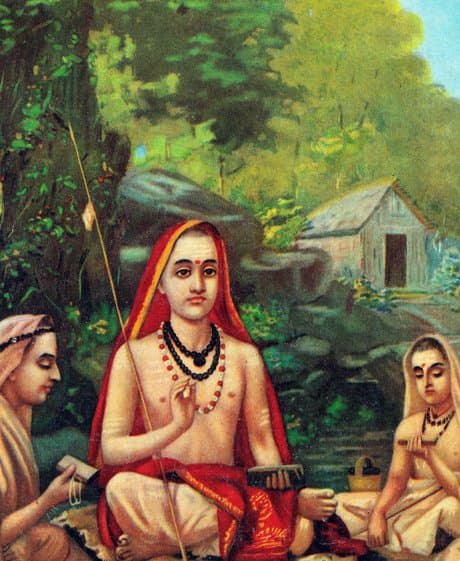
Ādi Śaṅkarācārya · Advaita
Sanskritअव्यक्तं अप्रकाशं व्यक्तिं आपन्नं प्रकाशं गतं इदानीं मन्यन्ते मां नित्यप्रसिद्धमीश्वरमपि सन्तं अबुद्धयः अविवेकिनः परं भावं परमात्मस्वरूपं अजानन्तः अविवेकिनः मम अव्ययं व्ययरहितं अनुत्तमं निरतिशयं मदीयं भावमजानन्तः मन्यन्ते इत्यर्थः ॥ तदज्ञानं किन्निमित्तमित्युच्यते --
Ādi Śaṅkarācārya · Advaita
Hindiवे मुझ परमेश्वरकी ही शरणमें क्यों नहीं आते, सो बतलाते हैं—
मेरे अविनाशी निरतिशय परम भावको अर्थात् परमात्मस्वरूपको न जाननेवाले बुद्धिरहित—विवेक—हीन मनुष्य मुझको, यद्यपि मैं नित्य-प्रसिद्ध सबका ईश्वर हूँ तो भी, ऐसा समझते हैं कि यह पहले प्रकट नहीं थे, अब प्रकट हुए हैं। अभिप्राय यह कि मेरे वास्तविक प्रभावको न समझनेके कारण वे ऐसा मानते हैं
Jñāneśvar · Vārkarī
Hindi(7.151) परन्तु प्राणी ऐसा नहीं करते; वृथा अपने हित की हानि करते हैं। वे चुल्लू भर पानी में तैरने की चेष्टा करते हैं।
(7.152) अमृत के समुद्र में डुबकी मारते समय क्या मुँह में दाँती भींच लेनी चाहिए और मन में क्या किसी डावर के पानी का स्मरण करना चाहिए!
(7.153) ऐसा क्यों करना चाहिए? अमृत में प्रवेश कर मरने की अपेक्षा सुख से अमृत में अमृत होकर क्यों न रहना चाहिए?
(7.154) और, हे धनुर्धर! फलहेतु का पिंजरा छोड़कर अनुभवरूपी पंखों की सहायता से चिदाकाश का स्वामी क्यों न हो रहना चाहिए?
(7.155) जो वस्तु ऐसी ऊँची है कि उसमें अपने इच्छानुसार उड़ने के लिए मनमाने विचार का लाभ हो सकता है,
(7.156) इस मापी न जानेवाली वस्तु को मापने की चेष्टा क्यों करनी चाहिए? निराकार को साकार क्यों मानना चाहिए? सिद्ध रहते हुए भी साधन करते हुए जीवन का अन्त क्यों करना चाहिए? (7.157) परन्तु हे पाण्डव! विचार करने से मालूम होता है कि उक्त कथन इस जीव को विशेषतः नहीं भाता।
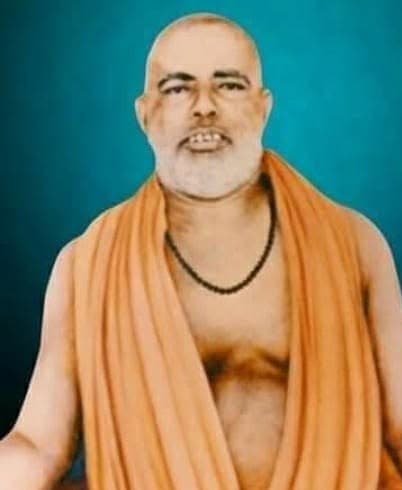
Sri Udiya Baba · Modern
Hindiसंगति— अगले श्लोक में भगवान् अपना स्वरूप बतलाते हैं—
भावार्थ— बुद्धिहीन लोग ही मेरे परस्वरूप को न जानने के कारण सम्पूर्ण प्राणियों के महान् ईश्वर मुझ अव्यक्त को व्यक्त मानते हैं।
व्याख्या— मेरे परभाव अर्थात् शुद्ध स्वरूप को न जानने के कारण मुझे व्यक्त (साकार) या अव्यक्त (निराकार) मानते हैं, क्योंकि मेरा वास्तविक स्वरूप बुद्धि का अविषय है तथा साकार-निराकार दोनों ही बुद्धिगम्य हैं, वेदान्त की दृष्टि में ये दोनों भाव अध्यस्त और नाशवान् हैं। ईश्वर या आत्मा में देह-देही भाव भी नहीं है, अतः वह ध्यान का विषय भी नहीं है, कहा भी है—‘देहिदेहविभागोऽयमीश्वरं न प्रवर्तते।’
प्रश्न— ‘परंभाव’ का क्या अर्थ है?
उत्तर— जो मन-बुद्धि के विषय हैं वे अपर भाव हैं; जैसे—देवभाव, जीवभाव, ईश्वरभाव आदि। और जो सब प्रकार के भावों से परे तथा मन-बुद्धि का अविषय है वह परंभाव है। व्यक्त-अव्यक्त दोनों को एक सत्ता में लाकर परमार्थ वस्तु को दोनों से ही विलक्षण, देखना परभाव है।
जो लोग भगवान् के साकार और निराकार रूपों को अलग-अलग मानते हैं वे भी बुद्धिहीन हैं क्योंकि जैसे पत्थर ही मूर्ति है उसी प्रकार निराकार ही साकार है। हनुमानजी की मूर्ति को भक्त तो हनुमानजी मानते हैं, किन्तु आर्यसमाजी पत्थर ही कहते हैं तथा विचारवान् पत्थर में हनुमानजी और हनुमानजी में पत्थर देखते हैं। ‘अबुद्धि’ का तात्पर्य बुद्धिहीन नहीं अपितु विवेकहीन है। अध्याय ९ श्लोक ११ में जो ‘परं भावमजानन्तो’ आया है उसका भी यही आशय है।
Swami Ramsukhdas · Modern
Hindi'अव्यक्तं व्यक्तिमापन्नं ... ममाव्यय-मनुत्तमम्'—जो मनुष्य निर्बुद्धि हैं और जिनकी मेरेमें श्रद्धा-भक्ति नहीं है, वे अल्पमेधाके कारण अर्थात् समझकी कमीके कारण मेरेको साधारण मनुष्यकी तरह अव्यक्तसे व्यक्त होनेवाला अर्थात् जन्मने-मरनेवाला मानते हैं। मेरा जो अविनाशी अव्ययभाव है अर्थात् जिससे बढ़कर दूसरा कोई हो ही नहीं सकता और जो देश, काल, वस्तु, व्यक्ति आदिमें परिपूर्ण रहता हुआ इन सबसे अतीत, सदा एकरूप रहनेवाला, निर्मल और असम्बद्ध है—ऐसे मेरे अविनाशी भावको वे नहीं जानते और मेरा अवतार लेनेका जो तत्त्व है, उसको नहीं जानते। इसलिये वे मेरेको साधारण मनुष्य मानकर मेरी उपासना नहीं करते, प्रत्युत देवताओंकी उपासना करते हैं।
'अबुद्धयः' पदका यह अर्थ नहीं है कि उनमें बुद्धिका अभाव है, प्रत्युत बुद्धिमें विवेक रहते हुए भी अर्थात् संसारको उत्पत्ति-विनाशशील जानते हुए भी इसे मानते नहीं—यही उनमें बुद्धिहितपना है, मूढ़ता है।
दूसरा भाव यह है कि कामनाको कोई रख नहीं सकता, कामना रह नहीं सकती; क्योंकि कामना पहले नहीं थी और कामनापूर्तिके बाद भी कामना नहीं रहेगी। वास्तवमें कामनाकी सत्ता ही नहीं है, फिर भी उसका त्याग नहीं कर सकते—यही अबुद्धिपना है।
मेरे स्वरूपको न जाननेसे वे अन्य देवताओंकी उपासनामें लग गये और उत्पत्ति-विनाशशील पदार्थोंकी
कामनामें लग जानेसे वे बुद्धिहीन मनुष्य मेरेसे विमुख हो गये। यद्यपि वे मेरेसे अलग नहीं हो सकते तथा मैं भी उनसे अलग नहीं हो सकता, तथापि कामनाके कारण ज्ञान ढक जानेसे वे देवताओंकी तरफ खिंच जाते हैं। अगर वे मेरेको जान जाते, तो फिर केवल मेरा ही भजन करते।
(१) बुद्धिमान् मनुष्य वे होते हैं, जो भगवान्के शरण होते हैं। वे भगवान्को ही सर्वोपरि मानते हैं।
(२) अल्पमेधावाले मनुष्य वे होते हैं, जो देवताओंके शरण होते हैं। वे देवताओंको अपनेसे बड़ा मानते हैं, जिससे उनमें थोड़ी नम्रता, सरलता रहती है।
(३) अबुद्धिवाले मनुष्य वे होते हैं, जो भगवान्को देवता-जैसा भी नहीं मानते; किन्तु साधारण मनुष्य-जैसा ही मानते हैं। वे अपनेको ही सर्वोपरि, सबसे बड़ा मानते हैं (गीता—सोलहवें अध्यायका चौदहवाँ-पन्द्रहवाँ श्लोक)। यही तीनोंमें अन्तर है।
'परं भावमजानन्तः' का तात्पर्य है कि मैं अज रहता हुआ, अविनाशी होता हुआ और लोकोंका ईश्वर होता हुआ ही अपनी प्रकृतिको वशमें करके योगमायासे प्रकट होता हूँ—इस मेरे परमभावको बुद्धिहीन मनुष्य नहीं जानते।
'अनुत्तमम्' कहनेका तात्पर्य है कि पन्द्रहवें अध्यायमें जिसको क्षरसे अतीत और अक्षरसे उत्तम बताया है अर्थात् जिससे उत्तम दूसरा कोई है ही नहीं, ऐसे मेरे अनुत्तम भावको वे नहीं जानते।
विशेष बात
इस (चौबीसवें) श्लोकका अर्थ कोई ऐसा करते हैं कि ‘(ये) अव्यक्तं मां व्यक्तिमापन्नं मन्यन्ते (ते) अबुद्धयः’ अर्थात् जो सदा निराकार रहनेवाले मेरेको केवल साकार मानते हैं, वे निर्बुद्धि हैं; क्योंकि वे मेरे अव्यक्त, निर्विकार और निराकार स्वरूपको नहीं जानते। दूसरे कोई ऐसा अर्थ करते हैं कि ‘(ये) व्यक्तिमापन्नं माम् अव्यक्तं मन्यन्ते (ते) अबुद्धयः’ अर्थात् मैं अवतार लेकर तेरा सारथि बना हुआ हूँ—ऐसे मेरेको केवल निराकार मानते हैं, वे निर्बुद्धि हैं; क्योंकि वे मेरे सर्वश्रेष्ठ अविनाशी भावको नहीं जानते।
उपर्युक्त दोनों अर्थोंमेंसे कोई भी अर्थ ठीक नहीं है। कारण कि ऐसा अर्थ माननेपर केवल निराकारको माननेवाले साकाररूपकी और साकाररूपके उपासकोंकी निन्दा करेंगे और केवल साकार माननेवाले निराकाररूपकी और निराकाररूपके उपासकोंकी निन्दा करेंगे। यह सब एकदेशीयपना ही है।
पृथ्वी, जल, तेज आदि जो महाभूत हैं, जो कि विनाशी और विकारी हैं, वे भी दो-दो तरहके होते हैं—स्थूल और सूक्ष्म। जैसे, स्थूलरूपसे पृथ्वी साकार है और परमाणुरूपसे निराकार है; जल बर्फ, बूँदें, बादल और
**परिशिष्ट भाव**—भगवान् व्यक्त भी हैं और अव्यक्त भी हैं, लौकिक भी हैं और अलौकिक भी हैं—‘वासुदेवः सर्वम्’ (गीता ७।१९), ‘सदसच्चाहमर्जुन’ (गीता ९।१९)। परन्तु बुद्धिहीन मनुष्य भगवान्को उन प्राणियोंकी तरह अव्यक्तसे व्यक्त होनेवाला अर्थात् लौकिक (जन्मने-मरनेवाला) मानते हैं, जिनके लिये भगवान्ने कहा है—
**अव्यक्तादीनि भूतानि व्यक्तमध्यानि भारत। अव्यक्तनिधनान्येव तत्र का परिदेवना ॥**
(गीता २।२८)
‘हे भारत! सभी प्राणी जन्मसे पहले अप्रकट थे और मरनेके बाद अप्रकट हो जायेंगे, केवल बीचमें ही प्रकट दीखते हैं; अतः इसमें शोक करनेकी बात ही क्या है?’
भगवान् मनुष्योंकी तरह अव्यक्तसे व्यक्त नहीं होते, प्रत्युत अव्यक्त रहते हुए ही व्यक्त होते हैं और व्यक्त होते हुए भी अव्यक्त रहते हैं।
‘परम्’—भगवान् देवताओंकी उपासना करनेवालोंको श्रद्धा भी देते हैं और उनकी उपासनाका फल भी देते हैं—यह भगवान्का परम अर्थात् पक्षपातरहित भाव है।
‘अव्ययम्’—देवता सापेक्ष अविनाशी (अमर) हैं, सर्वथा अविनाशी नहीं। परन्तु भगवान् निरपेक्ष अविनाशी हैं। उनके समान अविनाशी दूसरा कोई नहीं है और हो भी नहीं सकता।
‘अनुत्तमम्’—भगवान् प्राणिमात्रका हित चाहते हैं—यह भगवान्का सर्वश्रेष्ठ भाव है। इससे श्रेष्ठ दूसरा कोई भाव हो ही नहीं सकता।
सम्बन्ध—भगवान्को साधारण मनुष्य माननेमें क्या कारण है? इसपर आगेका श्लोक कहते हैं।
Ignorant people do not know that it is Krishna, who is the ultimate receiver of all worship:
That He who is the Lord of all, and whose nature is incomprehensible and inexpressible, has incarnated in human form without compromising His Divinity, out of consummate compassion and solicitous love for all beings to be a source of refuge for all.
They consider Me as only a worldly prince who has just now born due Karma and has secured a special form. Therefore, they do not take refuge in Me, nor do they worship Me.