

Bhagavad Gītā · Chapter 7 · Jñāna Vijñāna Yoga
कामैस्तैस्तैर्हृतज्ञानाः प्रपद्यन्तेऽन्यदेवताः
तं तं नियममास्थाय प्रकृत्या नियताः स्वया
kāmaistaistairhṛtajñānāḥ prapadyante'nyadevatāḥ|
taṃ taṃ niyamamāsthāya prakṛtyā niyatāḥ svayā||
Word meanings
तैः, तैः = by those various
कामैः = desires
हृतज्ञानाः = whose knowledge is carried away
स्वया = by their own
प्रकृत्या = nature
नियताः = governed, impelled
तम्, तम् = that particular
नियमम् = rule, observance
आस्थाय = adopting, resorting to
अन्यदेवताः = other deities
प्रपद्यन्ते = worship, resort to
Translation
Those whose wisdom has been carried away by various desires, being prompted by their own nature, worship other deities adopting rules relating to each.
Commentary
The commentators seated around this verse
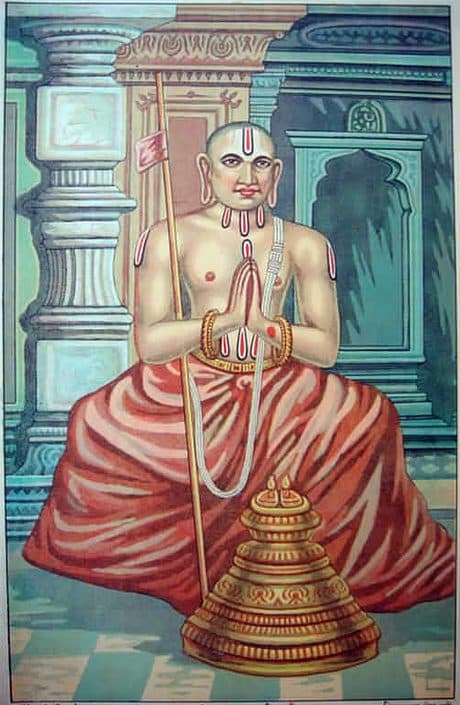
Rāmānuja · Viśiṣṭādvaita
English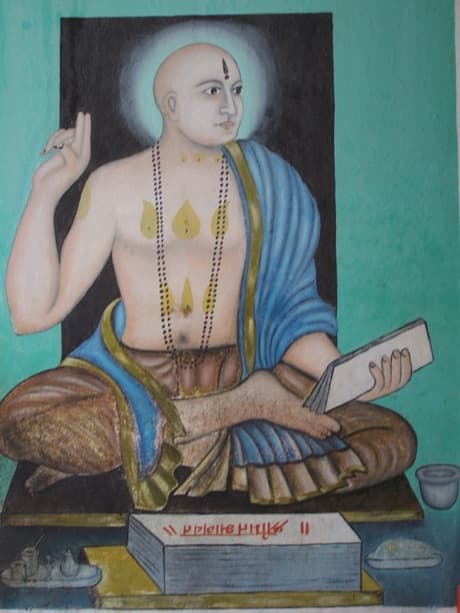
Madhvācārya · Dvaita
Madhva BhāṣyaSanskritEnglishOn verses 7.20–7.23
“प्रकृत्या स्वभावेन | स्वभावः प्रकृतिश्चैव संस्कारो वासनेति च | इत्यभिधानात् ||” - By nature means by their innate inclination and conventional impressions. By innate attributes, by nature, by tradition and by attraction of senses, thus having been spoken.
“यां याम् ब्रह्मदिरूपां तनूम् | उक्तं च नारदीये - अन्तो ब्रह्मदिभक्तानां मद्भक्तानां अन्तारा || इति | मुक्तच्छ कं गतिं गच्छेन्मोक्षश्चैव किमात्मकः? इत्यादेः | परिहारसम्बन्धो मोक्षधर्मेषु | अवतारे महाविष्णोर्भक्तः कुत्र च मुच्यते? इत्यादेः च ब्रह्मवैवर्ते ||” - Here यां याम् तनूम् means in whatever other forms, like those of Brahma and others. There is conclusion to the devotees of Brahma and others but to my devotees there is no such conclusion, thus in Narada Puraana. What is the goal of deliverance? Where does the self go after deliverance? All the matters dealing with deliverance have been explained here. Even though manifestations of the Lord are many, deliverance is singularly assured to the devotee of the Lord, thus in Brahma Vaivartaka Puraana.
Madhvācārya · Dvaita
Gītā Tātparya NirṇayaSanskritEnglishOn verses 7.20–7.23
“विष्णुं तत्परं ज्ञात्वा रमाव्रह्महरादिकान् | यजन्नापि तमोघोरं नित्यदुःखं प्रयाति हि || अज्ञानां तु कुले जातो यावद् विष्णुः समर्चयन् | विष्णुतत्त्वं च जानीयत् तावत् | सेव पृथक् कृता || विद्यादैहिकभोगय यदि बुद्ध्वा पुनर्नतु | परिवर्तामृते कुर्यादन्यदेवार्चनं क्वचित् || अजानता कृतं त्वक्तं न दोषाय भविष्यति | जन्मादिप्रदमेव स्यादत्यागे पुनरेव तु || क्षिप्रं च ज्ञापयत्येव भगवान् स्वायमेव तु | यदि जन्मान्तरे स्वीयो निनित्तीकृत्य कश्चन || इत्यादि च ||” - Even after knowing Sri Vishnu as the Supreme One, those who propitiate Ramaa, Brahma, Hara and others as the superior ones, though such worship, they enter the dark world of tamas (obscurity), offering the eternal misery, to those born in the family of those who have no awareness. Whereas Sri Vishnu alone is fully to be propitiated because without knowing this principles of propitiating Sri Vishnu other propitiation becomes disparate. Knowledge comes to be used only for the satisfaction of the body. If by discrimination one becomes aware of the truth, then other gods should be worshipped knowing them to be the members of His family.
The worship done unknowingly and later given up, does not bring any demerits. Only it causes re-births. In the subsequent life the Lord Himself grants quick recollection making some one the instrument of the proper mode of worship.
“मत्त एवेति तान् विद्धि इत्युपसंहाराच्च तत्कारणत्वात् तत्तनामेत्यवसीयते | मयि सर्वमिदं प्रोतम् | इति भेदेनैवोपक्रमाच्च | आप्नोति विष्णुमित्येवाऽस्मशब्दो ज्ञानिनि | आप्नोति यदादत्ते इत्यादेः | आस्थितः स हि, मां प्रपद्यते इत्यादिवाक्यशेषाच्च | बहूनां जन्मनान्ते ज्ञानवान् भवति | ततो मां प्रपद्यते | वासुदेवः सर्वमिति पूर्णमिति जानन् | प्रपद्यन्तेऽन्यदेवताः इतिवाक्यशेषे भेददर्शनाच्च | देवान् देवयज्ञो यान्ति मद्भक्ता यान्ति मामपि | इति च ||” - Knowing Me in this manner... - with these words of conclusion, He clarifies that He alone exists in everything. मयि सर्वमिदं प्रोतम् - speaks only of the difference. Thus he clarifies that for the one who is knowledgeable, Sri Vishnu alone is the Self within. “That which is attained; that which gives” with such statements, आस्थितः स हि, मां प्रपद्यते - one who is devoted to Me attains Me, particularly with such sentences, then He attains Me, “At the end of many lives one attains knowledge” knowing that Vasudeva is all this. Knowing Vasudeva as all this and also as the Complete one. “Those who worship other gods” such sentences show the difference. Those who are devoted to gods attain only the gods; while those who worship Me attain Me alone.
“ज्ञात्वा परत्वं विष्णोस्तु पृथग् देवान् यजन्तः | याति देवास्तदज्ञात्वा तम एव प्रपद्यते | तथापि यावदन्यैस्तु साम्यं हीनत्वमेकताम् | नकिञ्चिन्वन्ति जायन्ते संसारे ते पुनः पुनश्च || इति च ||” - Knowing the supremacy of Sri Vishnu, those human beings who worship others gods as the separate ones, go to the worlds of tamas (obscurity). Even then whoever considers the other gods as similar to, or superior than, or capable of being united with Sri Vishnu would certainly attain the world of tamas (obscurity).
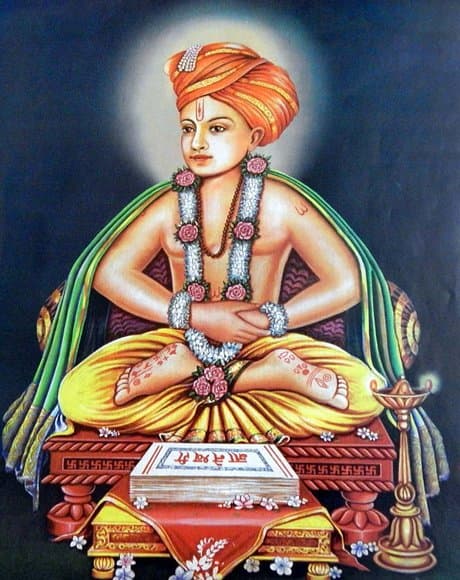
Jñāneśvar · Vārkarī
EnglishOn verses 7.20–7.21
20 "Those whose judgment is led astray by desires of different sorts, betake themselves to other Divinities, following various kinds of observances, being ruled by their own (inward) bent. 21 "Whatsover man of devotion desires to adore in faith this or that form of manifestation (of the Divinity), I make that same faith of such a man steadfast. (139)
Once desire for any fruit enters into the heart, through avarice, the Light that sees is blown out by the violent gale of that passion. Thus benighted in and out, they are lost to My divine being which is near at hand; and then they betake themselves to the worship of other deities, heart and soul. Being already slaves of 'Māyā' (delusion) they are helpless beggars through the love of sense-enjoyment; and what a pity, they covetously abandon themselves, to the worship of other deities. And no wonder, they of their own accord impose many rules of worship upon themselves, and scrupulously collect all sorts of materials used in worship, and dedicate riches to the deity, carefully observing the prescribed rules of procedure. And yet, I am the giver of the desires and the fruits of action to those who beg favours of any deity whatever. Such devotees have not (even) the faith to see that I am the God-head in all such deities. They are always misled in their hearts by wrong faith in the diverse deities as distinct from each other.
Swami Ramsukhdas · Modern
English'Kāmaistaistairhṛtajñānāḥ'—Their discrimination, has been led astray by desires, of this world, as well as of the next one. It means, that instead of applying their discrimination for God-realization, they remain engaged in, satisfying their desires. They have desire for worldly pleasure and prosperity, and hereafter they want to enjoy, heavenly pleasure.
They have desire for prosperity, greatness and pleasure, arising from pride. Similarly, they have a twofold desire, in performing virtuous deeds—to be considered pious, in this world and to enjoy pleasure, in the next world. Thus discrimination, is led astray by desires, and so they cannot distinguish the real from the unreal, the eternal from the transient, and emancipation from bondage.
'Prakṛtyā niyatāḥ svayā'—They are constrained by their own nature, because their discrimination is led astray by desires. Though a man cannot give up his nature, yet he can purify it, by removing evil. He is quite free, to make his nature pure and stainless. But, so long as, he aims at fulfilling his desires, he cannot purify his nature, and to him, it appears that his nature is powerful, while he is weak. When a striver, fixes his aim to be free from desires, he can purify and improve his nature, and is not constrained by it.
'Taṁ taṁ niyamamāsthāya'—A man, constrained by his own nature, undertakes several vows, and follows several methods, such as oblation, penance, charity, incantations etc., to satisfy his desire.
'Prapadyante'nyadevatāḥ'—Undertaking several vows, and following several methods, to satisfy desire, they instead of taking refuge in God, take refuge in the gods. They, instead of accepting the gods, as Divine manifestations, accept them as separate entities. So, the fruit reaped by them, is perishable (Gītā 7/23). If they accept the gods as Divine manifestations, they will gain immortal fruit.
They take refuge in the gods, because of desire and because of constraint, of their nature.
**Appendix**—The desires, that the Lord's devotees, who are seekers of wealth and also the afflicted have, are also possessed by the persons mentioned in this verse. But the difference between the two is that the seekers of wealth and the afflicted devotees have not predominance of desire but there is predominance of God in them, therefore they are not 'hṛtajñānāḥ' (discrimination has been led astray). But the persons described here have the predominance of desires; so they are 'hṛtajñānāḥ'.
The seekers of wealth and the afflicted devotees take refuge in only God but these persons leaving God aside, take refuge in other deities. Desires, deities, men and precepts—all these are various. If in spite of having several desires, only God is to be worshipped, then He will lead the devotee (worshipper) to salvation. But if desires are numerous and the deities worshipped are also numerous, then who will lead such a person to salvation?
There is no other entity besides God—this knowledge is veiled because of the desire for pleasure. The desire has been caused neither by prakṛti nor by God but it has been caused (made) by a man himself. Therefore it is his responsibility to wipe it out. The Lord by the term 'hṛtajñānāḥ' means to say that the discrimination has not been destroyed but because of desire it has been carried away. The same fact has been mentioned in the Gītā by the expressions, 'māyayāpahṛtajñānāḥ' (7/15), 'ajñānenāvṛtaṁ jñānam' (5/15) etc.
In the fifteenth verse of this chapter, in the expression 'māyayāpahṛtajñānāḥ' there is predominance of the mode of ignorance while the mode of passion is secondary, but in the expression 'kāmaistaistairhṛtajñānāḥ' used here, there is predominance of the mode of passion and the mode of ignorance is secondary. In the expression 'māyayāpahṛtajñānāḥ' there is predominance of the desire for wealth and in 'kāmaistaistairhṛta-
jñānāḥ' there is predominance of the desire for pleasure. The difference between the two is that the men deluded, deprived of discrimination by Māyā, don't worship gods but the men whose discrimination has been led astray by desires can worship gods. The reason is that there is no distaste for wealth—'jīmi pratilābha lobha adhikāī' but there is certainly distaste for pleasures. In 'māyayāpahrtajñānāḥ' a man depends on demoniac traits such as falsehood, fraud and dishonesty etc., but in 'kāmaistaistairhrtajñānāḥ' there is dependence on God. Therefore in 'māyayāpahrtajñānāḥ' there is special inertness (insentience) but in 'kāmaistaistairhrtajñānāḥ' there is comparatively more consciousness (sentience).*
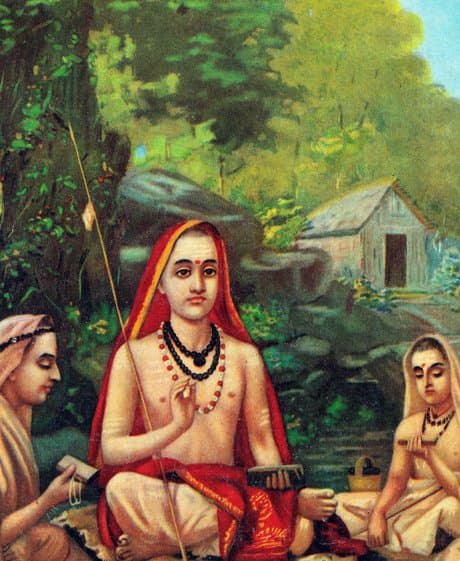
Ādi Śaṅkarācārya · Advaita
Sanskritकामैः तैस्तैः पुत्रपशुस्वर्गादिविषयैः हृतज्ञानाः अपहृतविवेकविज्ञानाः प्रपद्यन्ते अन्यदेवताः प्राप्नुवन्ति वासुदेवात् आत्मनः अन्याः देवताः ; तं तं नियमं देवताराधने प्रसिद्धो यो यो नियमः तं तं आस्थाय आश्रित्य प्रकृत्या स्वभावेन जन्मान्तरार्जितसंस्कारविशेषेण नियताः नियमिताः स्वया आत्मीयया ॥ तेषां च कामीनां --
Ādi Śaṅkarācārya · Advaita
Hindi'यह सर्व जगत् आत्मस्वरूप वासुदेव ही है' इस प्रकार न समझमें आनेका कारण बतलाते हैं—
पुत्र, पशु, स्वर्ग आदि भोगोंकी प्राप्तिविषयक नाना कामनाओद्वारा जिनका विवेक-विज्ञान नष्ट हो चुका है वे लोग अपनी प्रकृतिसे अर्थात् जन्म-जन्मान्तरमें इकट्ठे किये हुए संस्कारोंके समुदायरूप स्वभावसे प्रेरित हुए अन्य देवताओंको अर्थात् आत्मस्वरूप मुझ वासुदेवसे भिन्न जो देवता हैं, उनको, उन्हींकी आराधनाके लिये जो-जो नियम प्रसिद्ध हैं उनका अवलम्बन करके भजते हैं अर्थात् उनकी शरण लेते हैं
Jñāneśvar · Vārkarī
Hindi(7.139) और फल की इच्छा रखने के कारण जिनके हृदय में काम प्रवेश करता है तथा उसके संसर्ग के कारण जिनका ज्ञानरूपी दीपक बुझ जाता है।
(7.140) इस प्रकार वे अन्तर-बाह्य अन्धकार में जा गिरते हैं, जिससे मेरे पास रहते हुए भी मुझे भूल जाते हैं और सब प्रकार से अन्य देवताओं का आराधन करते हैं।
(7.141) पहले ही वे प्रकृति के दास रहते हैं, ऊपर से भोगों के लिए दीन रहते हैं, इससे लोलुपता के कारण कैसे कौतुक के साथ भजते हैं।
(7.142) कैसे नियम से चलते हैं! कितनी पूजा-सामग्री इकट्ठी करते हैं! और कैसे विधिपूर्वक विहित वस्तुएँ समर्पण करते हैं!
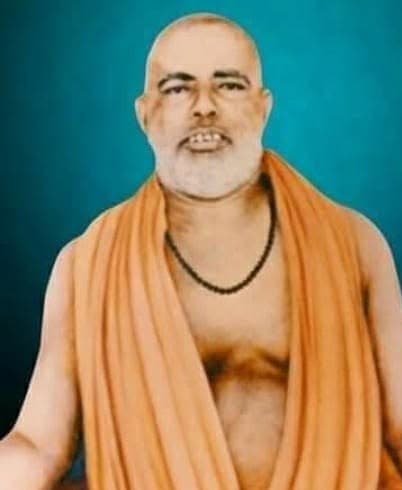
Sri Udiya Baba · Modern
Hindiभावार्थ— उन-उन भोगों की कामनाओं से जिनकी विवेक-शक्ति नष्ट हो गयी है वे सकाम पुरुष तत्तत् नियम में आस्था रखकर अपने स्वभाव से प्रेरित हो अन्य देवताओं की उपासना करते हैं।
व्याख्या— जिनकी विवेकशक्ति अर्थात् सत्-असत् का प्रार्थक्य करने वाली बुद्धि की सामर्थ्य नष्ट हो गयी है वे मीमांसक आदि सकाम
पुरुष दूसरे देवताओं की उपासना करते हैं। इस मोह में ही उनके अनेकों जन्म बीत जाते हैं। वे मुझे प्राप्त नहीं होते। उन उपासनाओं के भी दो परिणाम होते हैं—इन्द्रादि देवता तो उनकी कामना पूरी कर देते हैं, किन्तु ब्रह्मा विष्णु आदि उन्हें अपना-अपना धाम दे देते हैं।
Swami Ramsukhdas · Modern
Hindi'कामैस्तैस्तैर्हृतज्ञानाः'—उन-उन अर्थात् इस लोकके और परलोकके भोगोंकी कामनाओंसे जिनका ज्ञान ढक गया है, आच्छादित हो गया है। तात्पर्य है कि परमात्माकी प्राप्तिके लिये जो विवेकयुक्त मनुष्यशरीर मिला है, उस शरीरमें आकर परमात्माकी प्राप्ति न करके वे अपनी कामनाओंकी पूर्ति करनेमें ही लगे रहते हैं।
संयोगजन्य सुखकी इच्छाको कामना कहते हैं। कामना दो तरहकी होती है—यहाँके भोग भोगनेके लिये धन-संग्रहकी कामना और स्वर्गादि परलोकके भोग भोगनेके लिये पुण्य-संग्रहकी कामना।
धन-संग्रहकी कामना दो तरहकी होती है—पहली, यहाँ चाहे जैसे भोग भोगें; चाहे जब, चाहे जहाँ और चाहे जितना धन खर्च करें, सुख-आरामसे दिन बीतें आदिके
लिये अर्थात् संयोगजन्य सुखके लिये धन-संग्रहकी कामना होती है और दूसरी, मैं धनी हो जाऊँ, धनसे मैं बड़ा बन जाऊँ आदिके लिये अर्थात् अभिमानजन्य सुखके लिये धन-संग्रहकी कामना होती है। ऐसे ही पुण्य-संग्रहकी कामना भी दो तरहकी होती है—पहली, यहाँ मैं पुण्यात्मा कहलाऊँ और दूसरी, परलोकमें मेरेको भोग मिलें। इन सभी कामनाओंसे सत्-असत्, नित्य-अनित्य, सार-असार, बन्ध-मोक्ष आदिका विवेक आच्छादित हो जाता है। विवेक आच्छादित होनेसे वे यह समझ ही नहीं पाते कि जिन पदार्थोंकी हम कामना कर रहे हैं, वे पदार्थ हमारे साथ कबतक रहेंगे और हम उन पदार्थोंके साथ कबतक रहेंगे?
'प्रकृत्या नियताः स्वया'—कामनाओंके कारण विवेक ढका जानेसे वे अपनी प्रकृतिसे नियन्त्रित रहते हैं
१-इसी अध्यायके पन्द्रहवें श्लोकमें वर्णित पुरुषोंका ज्ञान तो मायासे ढका हुआ है और यहाँ वर्णित पुरुषोंका ज्ञान कामनासे ढका हुआ है। वहाँके पुरुष तो कामनापूर्तिके लिये जड़-पदार्थोंका आश्रय लेते हैं और यहाँके पुरुष कामनापूर्तिके लिये देवताओंका आश्रय लेते हैं। वहाँके पुरुष दुष्टताके कारण नरकोंमें जाते हैं और यहाँके पुरुष कामनाके कारण बार-बार जन्म-मरणको प्राप्त होते हैं।
२-यहाँ जो 'प्रकृत्या नियताः स्वया' कहा है, इसीको सत्रहवें अध्यायके तीसरे श्लोकमें 'यो यच्छ्रद्धः स एव सः' कहा है।
अर्थात् अपने स्वभावके परवश रहते हैं। यहाँ 'प्रकृति' शब्द व्यक्तिगत स्वभावका वाचक है, समष्टि प्रकृतिका वाचक नहीं। यह व्यक्तिगत स्वभाव सबमें मुख्य होता है—**'स्वभावो मूर्ध्नि वर्तते।'** अतः व्यक्तिगत स्वभावको कोई छोड़ नहीं सकता—**'या यस्य प्रकृतिः स्वभावजनिता केनापि न त्यज्यते।'** परन्तु इस स्वभावमें जो दोष हैं, उनको तो मनुष्य छोड़ ही सकता है, अगर उन दोषोंको मनुष्य छोड़ नहीं सकता, तो फिर मनुष्यजन्मकी महिमा ही क्या हुई? मनुष्य अपने स्वभावको निर्दोष, शुद्ध बनानेमें सर्वथा स्वतन्त्र है। परन्तु जबतक मनुष्यके भीतर कामनापूर्तिका उद्देश्य रहता है, तबतक वह अपने स्वभावको सुधार नहीं सकता और तभीतक स्वभावकी प्रबलता और अपनेमें निर्बलता दीखती है। परन्तु जिसका उद्देश्य कामना मिटानेका हो जाता है, वह अपनी प्रकृति-(स्वभाव-) का सुधार कर सकता है अर्थात् उसमें प्रकृतिकी परवशता नहीं रहती।
**'तं तं नियममास्थाप्य'**—कामनाओंके कारण अपनी प्रकृतिके परवश होनेपर मनुष्य कामनापूर्तिके अनेक उपायोंको और विधियों (नियमों-) को ढूँढ़ता रहता है। अमुक यज्ञ करनेसे कामना पूरी होगी कि अमुक तप
**परिशिष्ट भाव**—भगवान्के अर्थार्थी और आर्त भक्तोंमें जो कामनाएँ हैं, वही कामनाएँ इस श्लोकमें वर्णित मनुष्योंमें भी हैं। परन्तु दोनोंमें फर्क यह है कि अर्थार्थी और आर्त भक्तोंमें कामनाकी मुख्यता नहीं है, प्रत्युत भगवान्की मुख्यता है, इसलिये वे **'हृतज्ञानाः'** नहीं हैं। परन्तु यहाँ वर्णित मनुष्योंमें कामनाकी मुख्यता है; इसलिये वे **'हृतज्ञानाः'** हैं।
अर्थार्थी और आर्त भक्त तो केवल भगवान्के ही शरण होते हैं, पर ये मनुष्य भगवान्को छोड़कर अन्य देवताओंके शरण होते हैं। कामनाएँ, देवता, मनुष्य और नियम—ये सभी अनेक हुआ करते हैं। अगर अनेक कामनाएँ होनेपर भी उपास्यदेव एक परमात्मा हों तो वे उपासकका उद्धार कर देंगे। परन्तु कामनाएँ भी अनेक हों और उपास्यदेव भी अनेक हों तो उद्धार कौन करेगा?
एक भगवान्के सिवाय दूसरी कोई वस्तु है ही नहीं—यह ज्ञान सुखकी कामनाके कारण ढक जाता है। यह कामना न तो प्रकृतिकी बनायी हुई है और न परमात्माकी बनायी हुई है, प्रत्युत मनुष्यकी अपनी बनायी हुई है। इसलिये इसको मिटानेकी जिम्मेवारी मनुष्यपर ही है। **'हृतज्ञानाः'** कहनेका तात्पर्य है कि यह ज्ञान नष्ट नहीं हुआ है, प्रत्युत कामनाके कारण हरा गया है। इस बातको गीतामें **'माययापहृतज्ञानाः'** (७।१५), **'अज्ञानेनावृतं ज्ञानम्'** (५।१५) आदि पदोंसे भी कहा गया है।
इसी अध्यायके पन्द्रहवें श्लोकमें आये **'माययापहृतज्ञानाः'** पदमें तमोगुणकी प्रधानता और रजोगुणकी गौणता है, पर यहाँ आये **'कामैस्तैस्तैर्हृतज्ञानाः'** पदमें रजोगुणकी प्रधानता और तमोगुणकी गौणता है। **'माययापहृतज्ञानाः'** पदमें अर्थकी इच्छा मुख्य है और **'कामैस्तैस्तैर्हृतज्ञानाः'** पदमें भोगोंकी इच्छा मुख्य है। दोनोंमें फर्क यह है कि मायासे अपहृत ज्ञानवाले मनुष्य देवताओंका पूजन नहीं करते, पर कामनाओंसे अपहृत ज्ञानवाले मनुष्य देवताओंका पूजन कर सकते हैं। कारण कि अर्थसे अरुचि नहीं होती—**'जिमि प्रतिलाभ लोभ अधिकाई'**, पर भोगोंसे अरुचि होती ही है। **'माययापहृतज्ञानाः'** में तो आसुरभावका, झूठ, कपट, बेईमानी आदिका आश्रय है, पर **'कामैस्तैस्तैर्हृतज्ञानाः'** में
'स्वया' कहनेका तात्पर्य है कि अपनी-अपनी प्रकृतिके अनुसार सबकी कामनाएँ भी अलग-अलग होती हैं।
करनेसे? अमुक दान देनेसे कामना पूरी होगी कि अमुक मन्त्रका जप करनेसे? आदि-आदि उपाय खोजता रहता है। उन उपायोंकी विधियाँ अर्थात् नियम अलग-अलग होते हैं। जैसे—अमुक कामनापूर्तिके लिये अमुक विधिसे यज्ञ आदि करना चाहिये और अमुक स्थानपर करना चाहिये आदि-आदि। इस तरह मनुष्य अपनी कामनापूर्तिके लिये अनेक उपायों और नियमोंको धारण करता है।
**'प्रपद्यन्तेऽन्यदेवताः'**—कामनापूर्तिके लिये अनेक उपायों और नियमोंको धारण करके मनुष्य अन्य देवताओंकी शरण लेते हैं, भगवान्की शरण नहीं लेते। यहाँ **'अन्यदेवताः'** कहनेका तात्पर्य है कि वे देवताओंको भगवत्स्वरूप नहीं मानते हैं, प्रत्युत उनकी अलग सत्ता मानते हैं, इसीसे उनको अन्तवाला (नाशवान्) फल मिलता है—**'अन्तवत्तु फलं तेषाम्'** (गीता ७।२३)। अगर वे देवताओंकी अलग सत्ता न मानकर उनको भगवत्स्वरूप ही मानें तो फिर उनको अन्तवाला फल नहीं मिलेगा, प्रत्युत अविनाशी फल मिलेगा।
यहाँ देवताओंकी शरण लेनेमें दो कारण मुख्य हुए—एक कामना और एक अपने स्वभावकी परवशता।
देवताओंका आश्रय है। अतः 'माययापहतज्ञानाः' में तो विशेष जड़ता है, पर 'कामैस्तैस्तैर्हृतज्ञानाः' में उनकी अपेक्षा चेतनता है।
Everyone is conditioned by their own nature which is comprised of the psychological tendencies (vāsanās) resulting from an involvement with material nature.
Their insight into the Divine Nature is blurred by various desires (kāmas) which are conditioned by the subliminal activators (saṁskāras) created by their previous actions (karmas), in accordance with the three Guṇas.
In order to fulfil these various kinds of desires they take refuge in, that is, resort to and worship other deities who are regarded as different from Krishna, such as Indra and others, doing spiritual exercises which are meant to propitiate these deities.