

Bhagavad Gītā · Chapter 7 · Jñāna Vijñāna Yoga
वेदाहं समतीतानि वर्तमानानि चार्जुन
भविष्याणि च भूतानि मां तु वेद न कश्चन
vedāhaṃ samatītāni vartamānāni cārjuna|
bhaviṣyāṇi ca bhūtāni māṃ tu veda na kaścana||
Word meanings
अर्जुन = O Arjuna
भूतानि = beings
समतीतानि = past
च = and
वर्तमानानि = present
च = and
भविष्याणि = future
अहम् = I
वेद = I know
तु = but
माम् = me
कश्चन = anyone
न = not
वेद = knows
Translation
Arjuna, I know all beings, past as well as present, nay, even those that are yet to come; but none (devoid of faith and reverence) knows Me.
Commentary
The commentators seated around this verse
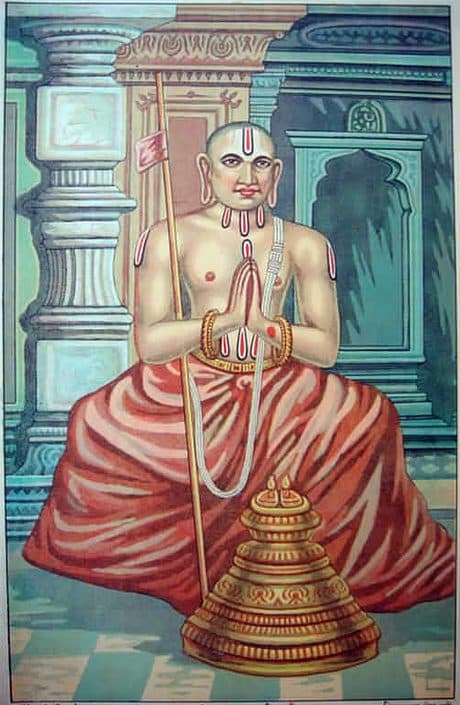
Rāmānuja · Viśiṣṭādvaita
EnglishOn verses 7.26–27
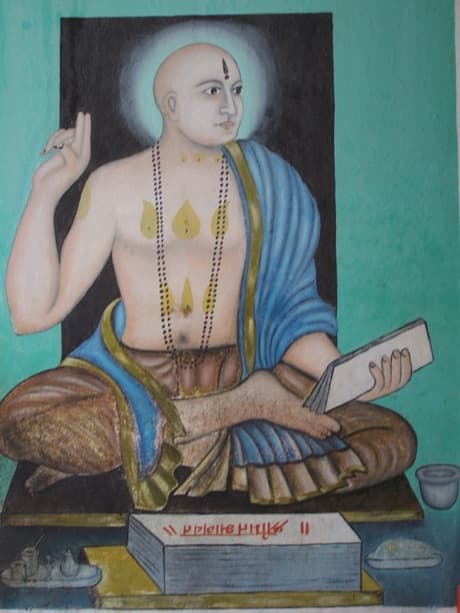
Madhvācārya · Dvaita
Madhva BhāṣyaSanskritEnglish“न च मां माया बध्नाति इत्याह - वेद इति | न कश्चन, अतिसमर्थोऽपि स्वसामर्थ्यात् ||” - For Me the illusion does not bind, thus Sri Krishna says in this verse. No one, even those extremely capable, can know Me by their own efforts.
Madhvācārya · Dvaita
Gītā Tātparya NirṇayaSanskritEnglish“यथाऽऽत्मानं हरिवेत्ति तथाऽन्य नैव तं विदुः | जानन्ति किञ्चित् क्रमशो रमाद्यास्तत्परभावार् ||” - To the extent Sri Hari knows Himself, no one else can know Him. Other like Ramaa and others know Him with his grace to some extent according to their gradation.

Jñāneśvar · Vārkarī
English26 'I know the beings that have been (in the past), and that are (now) in existence, O Arjuna, as also those that are yet to be: nobody, however, has (any) knowledge of Me. (161)
Whatever beings lived in the past, had become one with My own being and those too that are at present, live also in My being and those that will be born in future, will not be outside Me. All this however is mere talk, nothing really comes into being nor does anything cease to be. Just as no one can tell truly if a rope (taken through illusion as a serpent) is either of a dark or gray or reddish colour, even so is the separate being of living creatures, false and unreal. In this way, O son of Pandu, I am eternally and entirely the truth that pervades all beings; yet how does the cycle of their coming, and passing away occur is a different tale in a manner of speaking. I shall now relate that story briefly, listen.
Swami Ramsukhdas · Modern
English'Vedāhaṁ samatītāni vartamānāni cārjuna bhaviṣyāṇi ca bhūtāni māṁ tu veda na kaścana'—Here, the Lord has used three adjectives, to express the past, the present and the future for the beings, but for Himself, He has used only the present. It means that in God's eye, the past, the future and the present are simply present. So, He knows all the beings of the past, the future and the present. As in a movie, the incidents, for persons seeing a movie seem to occur in the past, the future and the
present, while in the film they are all in the present. Similarly, from the view-point of beings, there is distinction between the past, the future and the present, but in reality, there is only the present, because the beings are within a limit of time, while the Lord is beyond the limit of time. Time, things, men, incidents and circumstances etc., change, while God ever remains the same. Knowledge of the beings, who are bound by time, is limited, while knowledge of God, is limitless. The beings, by practising Yoga, enhance their knowledge, but that knowledge, is limited. Such Yogis, are called 'Yunjāna Yogī' (the ascetics who are practising austerities, but have not attained final beatitude). The Lord, is 'Yukta Yogī' i.e., He knows all beings and the whole world, all the time, without practising Yoga. All beings of the past, the future and the present, constantly abide in God; they can never be separated from Him. It is beyond His power, to separate Himself, from them. So, they can never escape, His observation.
'Mām tu veda na kaścāna'—It means, that the ignorant folk, who do not recognize Me, as unborn and imperishable, but regard Me as an ordinary man, do not know Me, but I know, all of them. As a man from inside, can see the outside through a curtain made from split bamboo sticks, hung on the door, but a man from outside the door, cannot see inside through it, the ignorant people, veiled by the curtain of divine potency, cannot see the Lord, while He can see all of them.
Now, a doubt arises, that as the Lord knows the future of all beings, it means that man's emancipation and bondage, are also predestined. Then, how can a man attain emancipation, or salvation, by making efforts?
The clarification is, that God has bestowed upon man, this last life. Now, it is upto him whether he attains salvation or he has a downfall (Gītā 7/27; 8/6), it is not decided by God.
The Lord Himself, in the nineteenth verse of this chapter,
declares, 'In the very last of all births viz., in this human birth, man of wisdom, takes refuge in Me, realizing that, all this is God. Such, a great soul is rare indeed.' It means, that men are free to attain salvation, or God-realization. If a man's rebirth in a particular womb, is predecided by God, it means that man is not free, in attaining salvation and there is no recourse for sanction and prohibition, preached by God, saints and preceptors, and in scriptures. Moreover, the Lord's declarations, 'Whatever form any devotee with faith wishes to worship, that faith of his, I make steady' (7/21) and 'Thinking of whatever being he at the end, gives up his body, to that being, does he attain' (8/6) will prove futile and man's worship and the freedom bestowed upon him, of the last thought, which determines his next birth, will also go, in vain.
The Lord by His grace bestows this human body, so that a man may attain salvation. In the thirty-third verse of the eleventh chapter, Lord Kṛṣṇa says to Arjuna, 'These warriors have already been slain by Me. You, be merely an instrument.' Similarly, the Lord, has bestowed upon men all the resources, for attaining salvation by His grace. He should merely become an instrument in his hand. The Lord also declares, 'By receiving this boat, in the form of a human body and favourable wind, in the form of My grace, one, who does not attain salvation, commits, suicide' (Śrīmadbhā. 11/20/17). In the Gītā, it is also declared, 'Seeing the same Lord dwelling equally in all, he does not kill his self, by the self and thereby reaches, the supreme state' (Gītā 13/28). It proves that the Lord has bestowed upon human beings, the right, resources and understanding, so that they can attain salvation. If they do not attain salvation, by receiving this priceless opportunity, they commit suicide and follow the cycle of birth and death. If on receiving this human body, a man makes proper use of the resources, without working against the ordinance of scriptures and God, his salvation is axiomatic, and there is no obstacle to it.
Thus, a man should have a firm determination, to make the best possible use of his resources, in accordance with the scriptures. But, if they are misused by an error, he should have a burning sensation, and pray to God, 'O God, I regret for my error. Give me power, so that I may not deviate from your ordinances and principles.' In such cases, God's help is certain.
Man's inability can be of two kinds—First, a man is not able to do a piece of work, because he has not got enough power, just as a servant, cannot lift a house and carry it, if desired by his master. Secondly, that he has the power and can do the work, but because of indolence, he does not do it. A striver, suffers from the latter sort of inability. In order, to do away with this inability, a striver should pray to God.
God can never wish that a human being may have to take, so many births, because He has given him freedom, to attain salvation. Not only this, the Lord would not wish countless animate and inanimate beings, to take births. God, does not force a man to follow the cycle of birth and death. Other beings, besides men, follow this cycle of birth and death according to the fruit of their actions. But, if anyone of those beings, either in human birth or even in any other birth, takes refuge in the Lord, He liberates him, from sins of infinite births (Mānasa 5/44/1).
**Appendix**—Here a doubt may arise that when the Lord knows all beings, it means that a man's bondage and salvation are predestined because the Lord's knowledge is eternal. This doubt arises because we assume the existence of the world and we value the world (it is our point of view). From the viewpoint of God and exalted souls, the world has no existence, only God exists—'Vāsudevah sarvam'. Because of ego we have assumed the existence of the world and have valued it. Therefore the Lord talks about the past, the present and the future in our language. If He does not speak in our language, how shall we understand? As, if a teacher of English language who wants
to teach us English, uses only English, we shall not be able to learn English.
The knowledge of God is eternal. All is within the knowledge of God. There is nothing else besides Him—'mattaḥ parataram nānyatkiñcidasti' (Gītā 7/7). The embodied soul because of ego (ignorance) has sustained the world. Therefore bondage and salvation are man (the self)-made. In Pure-Reality there is neither bondage nor salvation but there is only God.* The purpose of the use of the term 'ca' two times is that no time is permanent. Neither the past nor the present nor the future ever stays but God ever exists. As the past and the future don't persist now, so is the case with the present also. The conjunction of the past and the future is called present. There is a formula of Pāṇini-grammar—'vartamānasāmīpye vartamānavadvā' (3/3/131) viz., near-present is also like the present. As the action which was performed in the past, is said in the present 'I have come now' and the action of the future is also said in the present 'I am going now'—this is near-present which is called present. Had there been present really, it would have never changed into past. In fact time is not present but only God is present. Therefore the Lord has used the verb in the present tense 'Vedāham' (I know). God is ever present in the past, at present and in future also, but in God there is neither past nor future nor present. God's present existence does not depend on time because God transcends all limits of time. Time has no existence either from the viewpoint of God or from the view-point of an exalted soul.
* na nirodho na cotpattirna baddho na ca sādhakaḥ na mumukṣurna vai mukta ityeṣā paramārthatā (Ātmopaniṣad 31)
"There is no end (dissolution) and no origin; no one is bound and no one a striver; no one a seeker of emancipation and no one emancipated—this is Pure-Reality."
*Link:—In the previous verse, Lord Kṛṣṇa declared, that no one knows Him. Why do people not know Him? The answer is provided, in the next verse.*

Ādi Śaṅkarācārya · Advaita
Sanskritअहं तु वेद जाने समतीतानि समतिक्रान्तानि भूतानि, वर्तमानानि च अर्जुन, भविष्याणि च भूतानि वेद अहम् । मां तु वेद न कश्चन मद्भक्तं मच्छरणं एकं मुक्त्वा ; मत्तत्त्ववेदनाभावादेव न मां भजते ॥ केन पुनः मत्तत्त्ववेदनप्रतिबन्धेन प्रतिबद्धानि सन्ति जायमानानि सर्वभूतानि मां न विदन्ति इत्यपेक्षायामिदमाह --
Ādi Śaṅkarācārya · Advaita
Hindiजिस योगमायासे छिपे हुए मुझ परमात्माको संसार नहीं जानता, वह योगमाया, मेरी ही होनेके कारण मुझ मायापति ईश्वरके ज्ञानका प्रतिबन्ध नहीं कर सकती, जैसे कि अन्य मायावी (बाजीगर) पुरुषोंकी माया भी उनके ज्ञानको (आच्छादित नहीं करती) इसलिये—
हे अर्जुन! जो पूर्वमें हो चुके हैं उन प्राणियोंको एवं जो वर्तमान हैं और जो भविष्यमें होनेवाले हैं उन सब भूतोंको मैं जानता हूँ। परंतु मेरे शरणागत भक्तको छोड़कर मुझे और कोई भी नहीं जानता और मेरे तत्त्वको न जाननेके कारण ही (अन्य जन) मुझे नहीं भजते
Jñāneśvar · Vārkarī
Hindi(7.161) जो प्राणी पूर्व में हो गये हैं वे मद्रूप ही हो रहे हैं और जो वर्तमान में हैं वे भी मैं ही हूँ;
(7.162) अथवा जो आगे होनेवाले हैं वे भी मुझसे भिन्न नहीं हैं। ये केवल शब्द ही हैं, अन्यथा वस्तुतः न कुछ होता है न जाता है। (7.163) रस्सी पर दिखाई देनेवाले सर्प की, काला, कौड़िया इत्यादि गणना कोई नहीं करता, वैसे ही भूतमात्र मिथ्या होने के कारण उनकी भी गणना नहीं हो सकती।
(7.164) हे पाण्डुसुत! मैं सर्वदा ऐसा अखण्ड हूँ तथापि इन प्राणियों को जो संसार जान पड़ता है उसका कारण जुदा है।
(7.165) उसी का अब हम थोड़ा-सा निरूपण करते हैं; सुनो। जब अहंकार और तनु से प्रीति लग जाती है
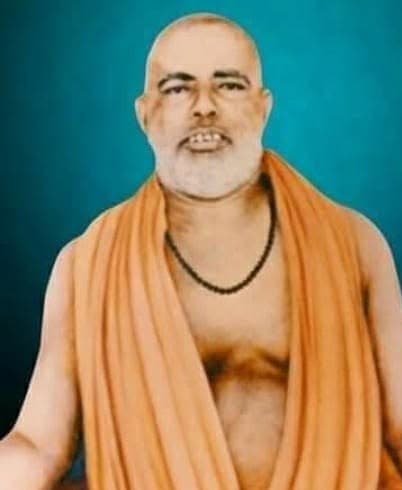
Sri Udiya Baba · Modern
Hindiसंगति— अगले श्लोक में इसी की पुष्टि करते हैं—
भावार्थ— अर्जुन! मैं भूत, भविष्य और वर्तमान को भी जानता हूँ, परन्तु मुझे कोई नहीं जानता।
व्याख्या— प्रश्न— भगवान् ने श्लोक २५ में तो कहा था कि मुझे अविवेकी नहीं जानते। इससे इतना आश्वासन था कि विवेकी तो जानते होंगे। परन्तु यहाँ तो दो टूक बात कह रहे हैं कि मुझे कोई नहीं जानता। इससे तो बड़ा दोष आता है। यदि कोई नहीं जानता तो क्या उपासना व्यर्थ ही है?
उत्तर— ‘कश्चन’ शब्द का अर्थ यही करना चाहिए कि मेरे भक्तों के अतिरिक्त और कोई नहीं जानता। अथवा शरीर, मन, बुद्धि, प्राण आदि दृश्यमात्र हैं, अतः जड़ होने के कारण ये कोई मुझे नहीं जान सकते।
प्रश्न— भगवान् को कोई भी क्यों नहीं जान सकता?
उत्तर— भगवान् तीनों कालों से परे हैं तथा मनुष्यादि सब काल के अन्तर्गत हैं, क्योंकि जानना तो किसी न किसी काल में ही होता है। अतः काल के अन्तर्गत होने के कारण देहाभिमानी उन्हें कैसे जान सकते हैं। विवेकी देश-कालातीत होता है, इसलिये वही उन्हें
जान सकता है। जब तक 'मैं कुछ हूँ' ऐसा अभिमान रहता है तब तक उन्हें कोई नहीं जान सकते, भले ही वह साक्षात् ब्रह्मा ही हो।
प्रश्न— इससे तो यह सिद्ध हुआ कि जिसमें कुछ भी होने का अभिमान है वह आत्मा को नहीं जान सकता। यदि जान लेता तो भगवान् का यह वाक्य कि 'मुझे कोई नहीं जानता' झूठा हो जायगा। भगवान् के कथन से तो यही ध्वनित होता है कि उन्हें कभी किसी ने नहीं जाना।
उत्तर— बस, यही अर्थ ठीक है कि भगवान् को किसी ने नहीं जाना। अर्थात् आत्मा का ज्ञान न किसी को हुआ, न है और न होगा। जो चीज जानी जाती है वह तो दृश्य होती है। यदि आत्मा का ज्ञान होगा तो वह भी दृश्य हो जायगा और जीव उसका द्रष्टा होगा। इससे सिद्ध हुआ कि आत्मा का ज्ञान होने की चीज नहीं है, वह अनुभवमात्र है—ऐसा जिसे अनुभव है वही उसे जानता है। अतः संसार में तत्त्ववेत्ता कोई नहीं। 'तत्त्ववेत्ता' यह शब्द ही नहीं बनता, क्योंकि इससे सिद्ध होता है कि एक तत्त्व है और एक उसे जानने वाला है। यदि दो हों तो 'तत्त्ववेत्ता' सिद्ध हो सकता है। किन्तु शास्त्र तो कहता है—
दर्शनादर्शने हित्वा स्वयं केवलरूपतः।
यस्तिष्ठति स तु विद्वन् ब्रह्म न ब्रह्मवित्स्वयम्॥
अर्थात् जो दर्शन (ज्ञान) और अदर्शन (अज्ञान) को त्यागकर स्वयं केवली भाव से स्थित है वह स्वयं ब्रह्म ही है, ब्रह्म को जानने वाला नहीं।
Swami Ramsukhdas · Modern
Hindi‘वेदाहं समतीतानि ... मां तु वेद न कश्चन’—यहाँ भगवान्ने प्राणियोंके लिये तो भूत, वर्तमान और भविष्यकालके तीन विशेषण दिये हैं; परन्तु अपने लिये ‘अहं वेद’ पदोंसे केवल वर्तमानकालका ही प्रयोग किया है। इसका तात्पर्य यह है कि भगवान्की दृष्टिमें भूत, भविष्य और वर्तमान—ये तीनों काल वर्तमान ही हैं। अतः
‘जिस समय भगवान् श्रीकृष्ण बलरामजीके साथ रंगभूमिमें पधारे, उस समय वे पहलवानोंको वज्रकठोर-शरीर, साधारण मनुष्योंको नर-रत्न, स्त्रियोंको मूर्तिमान् कामदेव, गोपोंको स्वजन, दुष्ट राजाओंको दण्ड देनेवाले शासक, माता-पिताके समान बड़े-बूढ़ोंको शिशु, कंसको मृत्यु, अज्ञानियोंको विराट्, योगियोंको परमतत्त्व और भक्तशिरोमणि वृष्णिवंशियोंको अपने इष्टदेव जान पड़े।’
(२) जिन्ह के रही भावना जैसी। प्रभु मूर्ति तिन्ह देखी तैसी। (मानस १।२४१।२)
वर्तमान है, ऐसे ही प्राणियोंकी दृष्टिमें भूत, वर्तमान और भविष्यकालका भेद रहता है, पर भगवान्की दृष्टिमें सब कुछ वर्तमान ही रहता है। कारण कि सम्पूर्ण प्राणी कालके अन्तर्गत हैं और भगवान् कालसे अतीत हैं। देश, काल, वस्तु, व्यक्ति, घटना, परिस्थिति आदि बदलते रहते हैं और भगवान् हरदम वैसे-के-वैसे ही रहते हैं। कालके अन्तर्गत आये हुए प्राणियोंका ज्ञान सीमित होता है और भगवान्का ज्ञान असीम है। उन प्राणियोंमें भी कोई योगका अभ्यास करके ज्ञान बढ़ा लेंगे तो वे 'युज्जान योगी' होंगे और जिस समय जिस वस्तुको जानना चाहेंगे, उस समय उसी वस्तुको वे जानेंगे। परन्तु भगवान् तो 'युक्त योगी हैं' अर्थात् बिना योगका अभ्यास किये ही वे मात्र जीवोंको और मात्र संसारको सब समय स्वतः जानते हैं।
भूत, भविष्य और वर्तमानके सभी जीव नित्य-निरन्तर भगवान्में ही रहते हैं, भगवान्से कभी अलग हो ही नहीं सकते। भगवान्में भी यह ताकत नहीं है कि वे जीवोंसे अलग हो जायें! अतः प्राणी कहीं भी रहें, वे कभी भी भगवान्की दृष्टिसे ओझल नहीं हो सकते।
'मां तु वेद न कश्चन' का तात्पर्य है कि पूर्वश्लोकमें कहे हुए मूढ़ समुदायमेंसे मेरेको कोई नहीं जानता अर्थात् जो मेरेको अज और अविनाशी नहीं मानते, प्रत्युत मेरेको साधारण मनुष्य-जैसा जन्मने-मरनेवाला मानते हैं, उन मूढ़ोंमेंसे मेरेको कोई भी नहीं जानता, पर मैं सबको जानता हूँ।
जैसे बाँसकी चिक दरवाजेपर लटका देनेसे भीतरवाले तो बाहरवालोंको पूर्णतया देखते हैं, पर बाहरवाले केवल दरवाजेपर टँगी हुई चिकको ही देखते हैं, भीतरवालोंको नहीं। ऐसे ही योगमायारूपी चिकसे अच्छी तरहसे आवृत होनेके कारण भगवान्को मूढ़ लोग नहीं देख पाते, पर भगवान् सबको देखते हैं।
यहाँ एक शंका होती है कि भगवान् जब भविष्यमें होनेवाले सब प्राणियोंको जानते हैं, तो किसकी मुक्ति होगी और कौन बन्धनमें रहेगा—यह भी जानते ही हैं; क्योंकि भगवान्का ज्ञान नित्य है। अतः वे जिनकी मुक्ति जानते हैं, उनकी तो मुक्ति होगी और जिनको बन्धनमें जानते हैं, वे बन्धनमें ही रहेंगे। भगवान्की इस सर्वज्ञतासे तो मनुष्यकी मुक्ति परतन्त्र हो गयी, मनुष्यके प्रयत्नसे साध्य नहीं रही।
इसका समाधान यह है कि भगवान्ने अपनी तरफसे मनुष्यको अन्तिम जन्म दिया है। अब इस जन्ममें मनुष्य अपना उद्धार कर ले अथवा पतन कर ले—यह उसके ऊपर निर्भर करता है (गीता—सातवें अध्यायका सत्ताईसवाँ और आठवें अध्यायका छठा श्लोक)। उसके उद्धार अथवा पतनका निर्णय भगवान् नहीं करते।
इसी अध्यायके उन्नीसवें श्लोकमें भगवान् यह कह आये हैं कि बहुत जन्मोंके इस अन्तिम मनुष्यजन्ममें जो 'सब कुछ वासुदेव ही है' ऐसे मेरे शरण होता है, वह महात्मा दुर्लभ है। इसका तात्पर्य यह हुआ कि मनुष्यशरीरमें सम्पूर्ण प्राणियोंको यह स्वतन्त्रता है कि वे अपने अन्तजन्मोंके संचित कर्म-समुदायका नाश करके भगवान्को प्राप्त कर सकते हैं, अपनी मुक्ति कर सकते हैं। अगर यही माना जाय कि कौन-सा प्राणी आगे किस गतिमें जायगा—ऐसा भगवान्का संकल्प है, तो फिर अपना उद्धार करनेमें मनुष्यकी स्वतन्त्रता ही नहीं रहेगी और 'ऐसा करो, ऐसा मत करो'—यह भगवान्, सन्त, शास्त्र, गुरु आदिका उपदेश भी व्यर्थ हो जायगा। इसके सिवाय 'जो-जो मनुष्य जिस-जिस देवताकी उपासना करना चाहता है, उस-उस देवताके प्रति मैं उसकी श्रद्धा दृढ़ कर देता हूँ' (सातवें अध्यायका इक्कीसवाँ श्लोक) और 'अन्त-समयमें मनुष्य जिस-जिस भावका स्मरण करके शरीर छोड़ता है, वह उस-उसको ही प्राप्त होता है' (आठवें अध्यायका छठा श्लोक)—इस तरह उपासना और अन्तकालीन स्मरणमें स्वतन्त्रता भी नहीं रहेगी, जो भगवान्ने मनुष्यमात्रको दे रखी है।
बिना कारण कृपा करनेवाले प्रभु जीवको मनुष्यशरीर देते हैं*, जिससे यह जीव मनुष्यशरीर पाकर स्वतन्त्रतासे अपना कल्याण कर ले। गीतामें ग्यारहवें अध्यायके तैंतीसवें श्लोकमें जैसे भगवान्ने अर्जुनसे कहा—'मयैवैते निहताः पूर्वमेव निमित्तमात्रं भव सव्यसाचिन्' अर्थात् मेरे द्वारा ये पहले ही मारे जा चुके हैं, तू केवल निमित्तमात्र बन जा। ऐसे ही मनुष्यमात्रको विवेक और उद्धारकी पूरी सामग्री देकर भगवान्ने कहा है कि तू अपना उद्धार कर ले अर्थात् अपने उद्धारमें तू केवल निमित्तमात्र बन जा, मेरी कृपा तेरे साथ है। इस मनुष्यशरीररूपी नौकाको पाकर मेरी कृपारूपी अनुकूल हवासे जो भवसागरको नहीं तरता अर्थात् अपना
* कबहुँक करि करुना नर देही। देत ईस बिनु हेतु सनेही॥ (मानस ७। ४४। ३)
उद्धार नहीं करता, वह आत्महत्यारा है—‘मयानुकूलेन नभस्वतेरितं पुमान् भवाब्धिं न तरेत् स आत्महा’ (श्रीमद्भा० ११। २०। १७)। गीतामें भी भगवान्ने कहा है कि जो परमात्माको सब जगह समान रीतिसे परिपूर्ण देखता है, वह अपनी हत्या नहीं करता, इसलिये वह परमात्माको प्राप्त होता है (तेरहवें अध्यायका अट्ठाईसवाँ श्लोक)। इससे भी यह सिद्ध हुआ कि मनुष्यशरीर प्राप्त होनेपर अपना उद्धार करनेका अधिकार, सामर्थ्य, समझ आदि पूरी सामग्री मिलती है। ऐसा अमूल्य अवसर पाकर भी जो अपना उद्धार नहीं करता, वह अपनी हत्या करता है और इसीसे वह जन्म-मरणमें जाता है। अगर यह जीव मनुष्यशरीर पाकर शास्त्र और भगवान्से विरुद्ध न चले तथा मिली हुई सामग्रीका ठीक-ठीक उपयोग करे, तो इसकी मुक्ति स्वतःसिद्ध है। इसमें कोई बाधा लग ही नहीं सकती।
मनुष्यके लिये यह खास बात है कि भगवान्ने कृपा करके जो सामर्थ्य, समझ आदि सामग्री दी है, उसका मैं दुरुपयोग नहीं करूँगा, भगवान्के सिद्धान्तके विरुद्ध नहीं चलूँगा—ऐसा वह अटल निश्चय कर ले और उस निश्चयपर डटा रहे। अगर अपनी असामर्थ्यसे कभी दुरुपयोग भी हो जाय तो मनमें उसकी जलन पैदा हो जाय और भगवान्से कह दे कि ‘हे नाथ! मेरेसे गलती हो गयी, अब ऐसी गलती कभी नहीं करूँगा। हे नाथ! ऐसा बल दो, जिससे कभी आपके सिद्धान्तसे विपरीत न चले’ तो उसका प्रायश्चित्त हो जाता है और भगवान्से मदद मिलती है।
**परिशिष्ट भाव**—यहाँ शंका हो सकती है कि जब भगवान् सब जीवोंको जानते ही हैं तो फिर जिसको बद्ध जानते हैं, वह बद्ध ही रहेगा और जिसको मुक्त जानते हैं, वही मुक्त होगा; क्योंकि भगवान्का ज्ञान नित्य है! यह शंका वस्तुतः संसारकी सत्ता और महत्ताको लेकर (हमारी दृष्टिमें) है। वास्तवमें भगवान् और महात्मा—दोनोंकी ही दृष्टिमें संसार नहीं है, प्रत्युत केवल भगवान् ही हैं—‘वासुदेवः सर्वम्’। हमने ही अहम् के कारण संसारको सत्ता और महत्ता दे रखी है। इसलिये भगवान् हमारी भाषामें भूत-भविष्य-वर्तमानकी बात कहते हैं। अगर वे हमारी भाषामें नहीं बोलेंगे तो हम समझेंगे कैसे? जैसे, हमें अंग्रेजी भाषा सिखानेवाला अगर अंग्रेजी भाषामें ही बोले तो हम अंग्रेजी सीख ही नहीं सकेंगे।
भगवान्का ज्ञान नित्य है। सब कुछ भगवान्के ज्ञानके अन्तर्गत है। उनके ज्ञानसे बाहर कुछ भी नहीं है। भगवान्के ज्ञानमें उनके सिवाय कुछ नहीं है—‘मत्तः परतरं नान्यत्किंचिदस्ति’ (गीता ७। ७)। जीवने ही अहम् के कारण (अज्ञानसे) जगत्को धारण कर रखा है—‘ययेदं धार्यते जगत्’ (गीता ७। ५)। अतः बन्धन और मोक्ष जीवके ही बनाये हुए हैं। तत्त्वसे न बन्धन है, न मोक्ष; किन्तु केवल परमात्मा ही हैं।
दो बार ‘च’ पद देनेका तात्पर्य है कि कोई भी काल स्थायी नहीं है। न भूतकाल सदा रहता है, न वर्तमान सदा
* न निरोधो न चोत्पत्तिर्न बद्धो न च साधकः। न मुमुक्षुर्न वै मुक्त इत्येषा परमार्थता॥ (आत्मोपनिषद् ३१)
‘न प्रलय है और न उत्पत्ति है, न बद्ध है और न साधक है, न मुमुक्षु है और न मुक्त है—यही परमार्थता अर्थात् वास्तविक तत्त्व है।’
मनुष्यकी असामर्थ्य दो तरहसे होती है—एक असामर्थ्य यह होती है कि वह कर ही नहीं सकता; जैसे—किसी नौकरसे कोई मालिक यह कह दे कि तुम इस मकानको उठाकर एक मीलतक ले जाकर रख दो, तो वह यह काम कर ही नहीं सकता। दूसरी असामर्थ्य यह होती है कि वह कर तो सकता है और करना चाहता भी है, फिर भी समयपर प्रमादवश नहीं करता। यह असामर्थ्य साधकमें आती रहती है। इसको दूर करनेके लिये साधक भगवान्से कहे कि ‘हे नाथ! मैं ऐसा प्रमाद फिर कभी न करूँ, ऐसी मेरेको शक्ति दो।’
भगवान्की ही दी हुई स्वतन्त्रताके कारण भगवान् ऐसा संकल्प कभी कर ही नहीं सकते कि इस जीवके इतने जन्म होंगे। इतना ही नहीं, चर-अचर अनन्त जीवोंके लिये भी भगवान् ऐसा संकल्प नहीं करते कि उनके अनेक जन्म होंगे। हाँ, यह बात जरूर है कि मनुष्यके सिवाय दूसरे प्राणियोंके पीछे परम्परासे कर्म-फलोंका ताँता लगा हुआ है, जिससे वे बार-बार जन्मते-मरते रहते हैं। ऐसी परम्परामें पड़े हुए जीवोंमेंसे कोई जीव किसी कारणसे मनुष्यशरीरमें अथवा किसी अन्य योनिमें भी प्रभुके चरणोंकी शरण हो जाता है, तो भगवान् उसके अनन्त जन्मोंके पापोंको नष्ट कर देते हैं—
कोटि बिप्र बध लागहिं जाहू। आई सरन तजउँ नहिं ताहू॥ सनमुख होइ जीव मोहिजबहीं। जन्म कोटि अघ नासहिं तबहीं॥
(मानस ५। ४४। १)
रहता है और न भविष्य सदा रहता है, पर भगवान् सदा रहते हैं। जैसे भूतकाल और भविष्यकाल अभी नहीं हैं, ऐसे ही वर्तमानकाल भी नहीं है। भूतकाल और भविष्यकालकी सन्धिको ही वर्तमानकाल कह देते हैं। पाणिनि-व्याकरणका एक सूत्र है—‘**वर्तमानसामीप्ये वर्तमानवद्वा**’ (३।३।१३१) अर्थात् वर्तमानसामीप्य भी वर्तमानकी तरह होता है। जैसे, भूतकालको लेकर कहते हैं कि ‘मैं अभी आया हूँ’ और भविष्यकालको लेकर कहते हैं कि ‘मैं अभी जा रहा हूँ’—यह वर्तमानसामीप्य है। वास्तवमें वर्तमानसामीप्यको ही वर्तमानकाल कह देते हैं। अगर वर्तमानकाल वास्तवमें होता तो वह कभी भूतकालमें परिणत नहीं होता। वास्तवमें काल वर्तमान नहीं है, प्रत्युत भगवान् ही वर्तमान हैं। तात्पर्य है कि जो प्रतिक्षण बदलता है, वह वर्तमान नहीं है, प्रत्युत जो कभी नहीं बदलता, वही वर्तमान है। इसलिये भगवान्ने श्लोकके आरम्भमें वर्तमान-क्रिया दी है—‘**वेदाहम्**’ (मैं जानता हूँ)। भगवान् भूत, भविष्य और वर्तमान—सबमें सदा वर्तमान हैं, पर भगवान्में न भूत है, न भविष्य है और न वर्तमान है। भगवान्का वर्तमानपना कालके अधीन नहीं है; क्योंकि भगवान् कालातीत हैं। काल न भगवान्की दृष्टिमें है, न महात्माकी दृष्टिमें।
सम्बन्ध—पूर्वश्लोकमें भगवान्ने यह कहा कि मुझे कोई भी नहीं जानता, तो भगवान्को न जाननेमें मुख्य कारण क्या है? इसका उत्तर आगेके श्लोकमें देते हैं।
Desire for pleasure and aversion from suffering is the dichotomy caused by the Guṇas.
They have their origin in the experiences of previous births.
These experiences create subtle impressions (saṁskāras) in the mind and manifest again, in every succeeding birth as an instinctive attraction and aversion towards those similar objects.
These mental habitual tendencies (vāsanās) are a delusive force acting from the very moment of birth.
One develops an inherent fondness or aversion for specific [material] things, instead of feeling joy in communion with Krishna and misery at separation from Him —as does the wise.