

Bhagavad Gītā · Chapter 5 · Karma Sannyāsa Yoga
संन्यासस्तु महाबाहो दुःखमाप्तुमयोगतः
योगयुक्तो मुनिर्ब्रह्म नचिरेणाधिगच्छति
saṃnyāsastu mahābāho duḥkhamāptumayogataḥ|
yogayukto munirbrahma nacireṇādhigacchati||
Word meanings
तु = but
महाबाहो = O mighty-armed one
अयोगतः = without yoga (of action)
संन्यासः * = renunciation
आप्तुम् = to attain
दुःखम् = difficult
मुनिः = the sage
योगयुक्तः = united in yoga
नचिरेण = before long
ब्रह्म = Brahman
अधिगच्छति = attains
Translation
Without Karmayoga, however, Sankhyayoga (or renunciation of doership in relation to all activities of the mind, senses and body) is difficult to accomplish; whereas the Karma- yogi, who keeps his mind fixed on God, reaches Brahma in no time, Arjuna.
Commentary
The commentators seated around this verse
Rāmānuja · Viśiṣṭādvaita
English
Madhvācārya · Dvaita
Madhva BhāṣyaSanskritEnglish“इतश्च संन्यासाद् योगो वर इत्याह संन्यासतु इति | योगभावे मोक्षादिफलं न भवति | अतः कामजयादिदुःखमेव तस्य | मोक्षोद्येव हि फलं अन्यत् तत्फलमल्पत्वादफलमेवेत्याशयः | तच्चोक्तं - विनामोक्षफलं यत्तु न तत् फलमुदीर्यते | इति पादमे | यत्तु महाफलयोग्यं तस्याल्यं फलमेव न भवति | यथा पदमरागस्य तंदूलमुष्टिः | महाफलश्च योगयुक्ते संन्यास इत्याह - योगयुक्त इति | मुनिः संन्यासी | तथा चोक्तम् - स हि लोके मुनिर्नाम यः कामक्रोधवर्जितः इति ||” - Renunciation is best for equanimity of mind and in the absence of equanimity fruits of deliverance are not possible. By acquiring desire etc. only misery comes over to him. (In reality) deliverance itself is the fruit, all other fruits are of little importance, they being as good as having no fruits at all. This is the purport. Except the fruit of deliverance all others are not of worth consideration, thus in Padma Puraana. When a thing is capable of giving superior results, having inferior results is of no consequence. In exchange for precious opal stones, fistful of rice would not be considered satisfactory. The supreme effect of equanimity is renunciation, thus Sri Krishna says here. muni is one who has renounced, therefore it is said: “They alone are called ascetics who are devoid of desire and anger”.
Madhvācārya · Dvaita
Gītā Tātparya NirṇayaSanskritEnglish“मोक्षोपायो योगः इति तद्रूपो न्यास एव तु | विष्णवर्पितताया भदो नान्यो न्यासः कथञ्चन ||” इत्याग्नये | विष्णवर्पितत्वादियोगरूपत्वं विना केवलकर्मत्यागो नरकफल एव | यं संन्यासमिति प्राहुर्योगं तं विद्धि पाण्डाव इति वक्ष्यमाणत्वात् | योगविशेषत्वान्यासस्य पृथगुक्तिः ||” - Deliverance is said to be the state of equanimity, and its form is renunciation. That which is renounced for the pleasure of Sri Vishnu alone is done well, not otherwise, thus, in Agni Puraana. Without renouncing fruits of the action, for the pleasure of Sri Vishnu, all other forms of renunciation are in essence similar to the pleasures of hell. What is called renunciation, know that to be equanimity, O Pandava, thus has been declared. Since equanimity is of primary importance, there is no need for repetition.
Jñāneśvar · Vārkarī
EnglishOn verses 5.4–5.6
4 "The unthinking ones speak of the Sāṃkhya and the Yoga as diverse (theories), but not the men of understanding. Whoso pursues one alone (of them) duly obtains the fruit of them both. 5 Whatever goal by the Sāṃkhya (adepts) is attained, that is reached even by the Yoga (adepts). Who so sees the Sāṃkhya and the Yoga as one, he (truly) sees. 6 Per contra, Renunciation, O Long-armed, is hard to attain if there be no Yoga; (whereas) a sage, steadied in Yoga, in no long a time, attains Brahman. (26)
O Pārtha, how could those that have not understood this main principle, be in a position to appraise this order of things conse- crated in the Sāmkhya and the Yoga? In their ignorance they consider these as different. In truth, does a lamp shed a variety of lights? The two paths are essentially one and the same in the vision of those who have realised the essence of the absolute Self. The goal attained by the Sāmkhya (adepts) is also the goal reached by the Yoga (adepts) and therefore, the two are of one and the same form. Just as space and its void cannot be separated, in the same way, Sāmkhya and Yoga both stand united together. True wisdom and the light of the vision of true self have dawned on the mind of the sage, who has realized the identity of Sāmkhya and Yoga. Oh Pārtha, one who proceeds along the path of actions and reaches the top of the mountain of salvation, reaches earlier the plateau of the bliss of the Self. But he toils in vain who does not succeed in even-tempered application to actions, for he can never attain the true renunciation of actions.
Ādi Śaṅkarācārya · Advaita
Sanskritसन्न्यासस्तु पारमार्थिकः हे महाबाहो दुःखं आप्तुं प्राप्तुं अयोगतः योगेन विना । योगयुक्तः वैदिकेन कर्मयोगेन ईश्वरसमर्पितरूपेण फलनिरपेक्षेण युक्तः, मुनिः मननात् ईश्वरस्वरूपस्य मुनिः, ब्रह्म -- परमात्मज्ञाननिष्ठालक्षणत्वात् प्रकृतः सन्न्यासः ब्रह्म उच्यते, ''न्यास इति ब्रह्मा ब्रह्मा हि परः'' (तै. ना. ७८) इति श्रुतेः -- ब्रह्म परमार्थसन्न्यासं परमार्थज्ञाननिष्ठालक्षणं नचिरेण क्षिप्रमेव अधिगच्छति प्राप्नोति । अतः मया उक्तम् ``कर्मयोगो विशिष्यते'' (भ. गी. ५-२) इति ॥ यदा पुनः अयं सम्यग्ज्ञानप्राप्त्युपायत्वेन --
Ādi Śaṅkarācārya · Advaita
Hindiपृ०—यदि ऐसा है तब तो कर्मयोगसे कर्मसंन्यास ही श्रेष्ठ है, फिर यह कैसे कहा कि 'उन दोनोंमें कर्मसंन्यासकी अपेक्षा कर्मयोग श्रेष्ठ है ?'
उ०—उसमें जो कारण है सो सुनो, तुमने केवल कर्मसंन्यास और केवल कर्मयोगके अभिप्रायसे पूछा था कि उन दोनोंमें कौन-सा एक कल्याण- कारक है ? उसीके अनुरूप मैंने यह उत्तर दिया कि ज्ञानरहित कर्मसंन्यासकी अपेक्षा तो कर्मयोग ही श्रेष्ठ है।
क्योंकि ज्ञानसहित संन्यासको तो मैं सांख्य मानता हूँ और वही परमार्थयोग भी है।
जो वैदिक (निष्काम) कर्मयोग है वह तो उसी ज्ञानयोगका साधन होनेके कारण गौणरूपसे योग और संन्यास कहा जाने लगा है। वह उसीका साधन कैसे है ? सो कहते हैं—
विना कर्मयोगके पारमार्थिक संन्यास प्राप्त होना कठिन है—दुष्कर है ।
तथा फल न चाहकर ईश्वर-समर्पणके भावसे किये हुए वैदिक कर्मयोगसे युक्त हुआ, ईश्वरके स्वरूपका मनन करनेवाला मुनि, ब्रह्मको अर्थात् परमात्मज्ञाननिष्ठारूप पारमार्थिक संन्यासको, शीघ्र ही प्राप्त कर लेता है, इसलिये मैंने कहा कि 'कर्मयोग श्रेष्ठ है' । परमात्मज्ञानका सूचक होनेसे प्रकरणमें वर्णित संन्यास ही ब्रह्म नामसे कहा गया है, तथा 'संन्यास ही ब्रह्म है और ब्रह्म ही पर है' इस श्रुतिसे भी यही बात सिद्ध होती है
Jñāneśvar · Vārkarī
Marathiजो युक्तिपंथें पार्था । चढे मोक्षपर्वता । तो महासुखाचा निमथा । वहिला पावे ॥ ३२ ॥
येरा योगस्थिति जया सांडे । तो वायांचि गा हव्यासीं पडे । परि प्राप्ति कहीं न घडे । संन्यासाची ॥ ३३ ॥
Jñāneśvar · Vārkarī
Hindi(5.32) हे पार्थ! जो योग के मार्ग से मोक्षरूपी पर्वत पर चढ़ता है वह शीघ्र ही महासुख के शिखर पर पहुँच जाता है।
(5.33) और अन्य जन जो योगस्थिति का अवलम्बन नहीं करते वे वृथा खटपट करते रहते हैं परन्तु उन्हें कभी संन्यास की प्राप्ति नहीं होती।
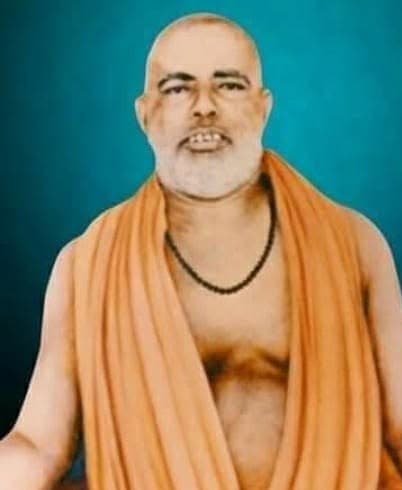
Sri Udiya Baba · Modern
Hindiभावार्थ— हे महाबाहो! जो योगयुक्त (कृतोपास्ति) नहीं है उसके लिये संन्यासनिष्ठा होनी कठिन है। और जो मननशील योगयुक्त है वह अविलम्ब ही ब्रह्म की प्राप्ति कर लेता है।
व्याख्या— यहाँ श्रीशंकराचार्यजी ने 'ब्रह्मप्राप्ति' के दो अर्थ किये हैं—संन्यास ग्रहण करना अथवा स्वरूप की प्राप्ति। इनमें वास्तविक अर्थ तो स्वरूप-प्राप्ति ही है। परन्तु वास्तव में इन दोनों में कोई विरोध भी नहीं है। उपासना से वैराग्य होता है, वैराग्य से
जिज्ञासा जाग्रत् होती है, तब गुरुदेव की शरण ग्रहण कर संन्यास लेता है और तब गुरुदेव के उपदेश से ही स्वरूप की प्राप्ति होती है।
Swami Ramsukhdas · Modern
Hindi‘संन्यासस्तु महाबाहो दुःखमाप्नुमयोगतः’—सांख्ययोगकी सफलताके लिये कर्मयोगका साधन करना आवश्यक है; क्योंकि उसके बिना सांख्ययोगकी सिद्धि कठिनतासे होती है। परन्तु कर्मयोगकी सिद्धिके लिये सांख्ययोगका साधन करनेकी आवश्यकता नहीं है। यही भाव यहाँ ‘तु’ पदसे प्रकट किया गया है।
सांख्ययोगीका लक्ष्य परमात्मतत्त्वका अनुभव करना होता है। परन्तु राग रहते हुए इस साधनके द्वारा परमात्मतत्त्वके अनुभवकी तो बात ही क्या है, इस साधनका समझमें आना भी कठिन है!
राग मिटानेका सुगम उपाय है—कर्मयोगका अनुष्ठान करना। कर्मयोगमें प्रत्येक क्रिया दूसरोंके हितके लिये ही की जाती है। दूसरोंके हितका भाव होनेसे अपना राग स्वतः मिटता है। इसलिये कर्मयोगके आचरणद्वारा राग मिटाकर सांख्ययोगका साधन करना सुगम पड़ता है। कर्मयोगका साधन किये बिना सांख्ययोगका सिद्ध होना कठिन है।
‘योगयुक्तो मुनिर्ब्रह्म नचिरेणाधिगच्छति’—अपने निष्कामभावका और दूसरोंके हितका मनन करनेवाले कर्मयोगीको यहाँ ‘मुनिः’ कहा गया है।
कर्मयोगी छोटी या बड़ी प्रत्येक क्रियाको करते समय यह देखता रहता है कि मेरा भाव निष्काम है या सकाम? सकामभाव आते ही वह उसे मिटा देता है; क्योंकि सकामभाव आते ही वह क्रिया अपनी और अपने लिये हो जाती है।
दूसरोंका हित कैसे हो? इस प्रकार मनन करनेसे रागका त्याग सुगमतासे होता है।
उपर्युक्त पदोंसे भगवान् कर्मयोगकी विशेषता बता रहे हैं कि कर्मयोगी शीघ्र ही परमात्मतत्त्वको प्राप्त कर लेता है। परमात्मतत्त्वकी प्राप्तिमें विलम्बका कारण है—संसारका राग। निष्कामभावपूर्वक केवल दूसरोंके हितके लिये कर्म करते रहनेसे कर्मयोगीके रागका सर्वथा अभाव हो जाता है और रागका सर्वथा अभाव होनेपर स्वतःसिद्ध परमात्मतत्त्वकी अनुभूति हो जाती है। इसी आशयको भगवान्ने चौथे अध्यायके अड़तीसवें श्लोकमें ‘तत्त्वं योगसंसिद्धः कालेनात्मनि विन्दति’ पदोंसे बताया है कि योगसंसिद्ध होते ही अपने-आप तत्त्वज्ञानकी प्राप्ति अवश्यमेव हो जाती है। इस साधनमें अन्य साधनकी अपेक्षा नहीं है। इसकी सिद्धिमें कठिनाई और विलम्ब भी नहीं है।
दूसरा कारण यह है कि देहधारी—देहाभिमानी मनुष्य सम्पूर्ण कर्मोंका त्याग नहीं कर सकता, पर जो कर्मफलका त्यागी है, वह त्यागी कहलाता है (अठारहवें अध्यायका ग्यारहवाँ श्लोक)। इससे यह ध्वनि निकलती है कि देहधारी कर्मोंका त्याग तो नहीं कर सकता, पर कर्मफलका—फलेच्छाका त्याग तो कर ही सकता है। इसलिये कर्मयोगमें सुगमता है।
कर्मयोगकी महिमामें भगवान् कहते हैं कि कर्मयोगीको तत्काल ही शान्ति प्राप्त हो जाती है—‘त्यागच्छन्ति-रनन्तरम्’ (गीता १२। १२)। वह संसारबन्धनसे
* यद्यपि यहाँ ‘संन्यास’ पद ‘आप्तुम्’ क्रियाका कर्म होनेसे उसमें द्वितीया होनी चाहिये, तथापि ‘तु’ पदको निपात संज्ञा मानकर उससे कर्म उक्त होनेसे ‘संन्यास’ पदमें प्रथमा हुई है।
सुखपूर्वक मुक्त हो जाता है—‘सुखं बन्धात्ममुच्यते’ (गीता ५।३)। अतः कर्मयोगका साधन सुगम, शीघ्र सिद्धिदायक और किसी अन्य साधनके बिना परमात्मप्राप्ति करानेवाला स्वतन्त्र साधन है।
सम्बन्ध—अब भगवान् कर्मयोगीके लक्षणोंका वर्णन करते हैं।
Lord Krishna affirms that the aspirant who performs renunciation of the rewards of actions and the aspirant who practices jñāna yoga or the cultivation of Vedic knowledge,
for both of them ātma tattva or realisation of the soul is difficult to achieve without the help of karma yoga or performing prescribed Vedic activities without desire for rewards.
The compound words yoga-yuktah is one who has achieved communion with the ultimate consciousness by karma yoga or performing prescribed Vedic activities without attachment.
The word munir or sagacious is one who is focused on meditating on the ātma or soul:
Such a muni easily traverses the path of karma yoga receiving ātma tattva or realisation of the soul as well as realisation of the Brahman or the spiritual substratum pervading all existence.
But the person who is inclined to perform jñāna yoga or the cultivation of Vedic knowledge finds this path extremely difficult and hard to maintain. Because of this it takes an exceptionally long time to attain the ātma by this discipline.