

Bhagavad Gītā · Chapter 5 · Karma Sannyāsa Yoga
न कर्तृत्वं न कर्माणि लोकस्य सृजति प्रभुः
न कर्मफलसंयोगं स्वभावस्तु प्रवर्तते
na kartṛtvaṃ na karmāṇi lokasya sṛjati prabhuḥ|
na karmaphalasaṃyogaṃ svabhāvastu pravartate||
Word meanings
प्रभुः = the Lord
लोकस्य = of people
न = nor
कर्तृत्वम् = agency (doership)
न = nor
कर्माणि = actions
न = nor
संयोगम् = union with the fruit of action
सृजति = creates
तु = but
स्वभावः = nature (inherent disposition)
प्रवर्तते = operates
Translation
God determines not the doership nor the doings of men, nor even their contact with the fruit of actions; but it is Nature alone that functions.
Commentary
The commentators seated around this verse
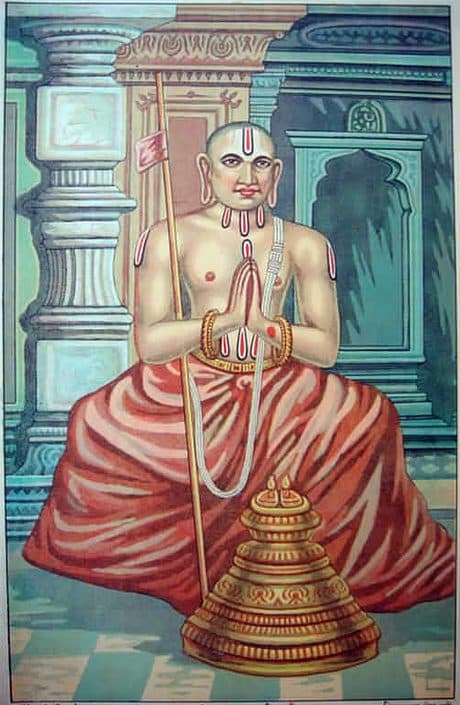
Rāmānuja · Viśiṣṭādvaita
English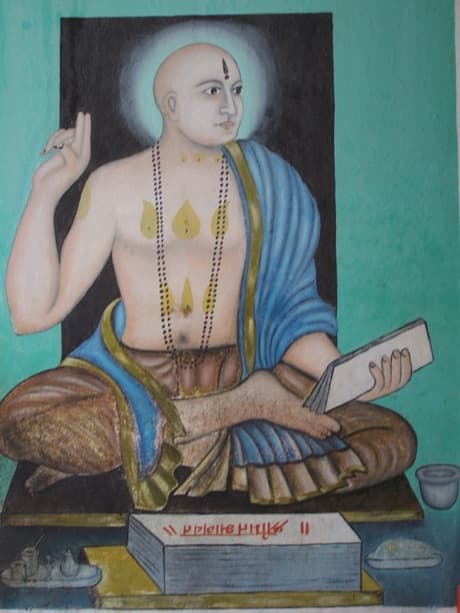
Madhvācārya · Dvaita
Madhva BhāṣyaSanskritEnglishOn verses 5.14–5.17
“न करोति वस्तुतः इत्याह । न कर्तृत्वम् इति । प्रभुः हि जीवो जडमपेक्ष्य ।” - In truth, He does not perform, thus Sri Krishna says in this verse. Here the word prabhu is used in relation to the human being, because among the gross objects, he is the superior one. “ज्ञानमेवाज्ञाननाशकम् उत्याह ज्ञानेन इति । प्रथनज्ञानं परोक्षम् ।” - Wisdom, awareness alone destroys non-awareness, thus He says in this verse. Primary awareness is the supra-sensory experience. “अपरोक्षज्ञानाव्यवतिसाथनमाह — तद्बुद्धयः ।” - Sri Krishna declares the means of being aware of the supra-sensory experience in this verse.
Madhvācārya · Dvaita
Gītā Tātparya NirṇayaSanskritEnglishOn verses 5.14–5.17
“यथा पितृदत्तं पालकत्वं राजपुत्राणामेव परमात्मदत्तं क्रियास्वातन्त्र्यलक्षणं कर्तृत्वम् | क्रियानिष्पन्नधर्मा दिरूपकर्मणि स्वतन्त्र्यं च जीवनामप्यस्ति इत्याशङ्कां परिहरति | न कर्तृत्वम् इत्यादिना | क्रियायामदृष्टोत्पादने फले च स्वातन्त्र्यं लोकस्य न मुजतीश्वरः इत्यर्थः | अन्यथा लोकस्य इति विशेषणं व्यर्थम् | जनपदे निवसतां तद्वित्तभोजिनामप्याधिपत्यादानान् दत्त्वा जनपदा राज्ञा स्वपुत्राणामितिवत् कर्मफालादिसंयोगिनामपि तत्त्वातन्त्र्यादानात् न मुजति इति युज्यते | स्वयमेव भवति भावयति च इति स्वभावो भगवान् | स्वभावत्वात् स्वयमेव कर्तृत्वादिषु प्रवर्तते || स्वातन्त्र्यादभगवान्विष्णुः स्वभाव इति कीर्तितः | तत्त्वातन्त्र्यं कदाऽप्येष नान्यस्य मुजति क्वचित् || स्वातन्त्र्यादेव पापादिसम्बंधः कुर्वतोऽपि न | अज्ञानावृतबुद्धित्वादीदृशंतं न जानते || इति महावराहे |” — Even as the regency granted by the king to his sons, even so is the (limited) independence given by the Supreme Self (to the human beings) for performance of actions. To remove doubts regarding independence of the human beings to the actions or the consequential righteous or unrighteous results of those actions Sri Krishna clarifies in this verse. The Lord does not initiate independence of action or the consequential fruits thereof to the people, otherwise the qualification - to the people would have been useless. Even as residing in the region and enjoying the fruits of such residence, consequent to giving control over such regions does not amount to the grant of independence by the king to his sons, even so the actions or for fruits consequent to such actions do not flow from the independence given to the human beings. The Lord impels and becomes, therefore is known as sva-bhaava. He alone induces the creative activity and human impulse. Because of his independence, Sri Vishnu is known as sva-bhaava. He alone is independent and given to none others. Being independent is not associated with merits or demerits. The intellect of humans being enveloped by non-awareness, this eternal Truth is not known by him, thus, in Maha Varaha Puraana.
“अहं सर्वस्य प्रभवः | तपाम्यहम् वर्षे निगृह्णामि | परास्य शक्तिविविधैव श्रूयते स्वाभाविकी ज्ञानवलक्रिया च | न ऋते त्वत् क्रियते किञ्चनाऽरे | देवस्यैष स्वभावोऽयम् | लोकवत् लीलाकैवल्यम् | इत्यादेर्ना स्यास्वाभाविकं कर्तृत्वमकर्तृत्वं वा ||” — I am the Lord of all, I create heat and dwell in clouds, pour rains and also stop them, Intrinsic attributes of the Lord like Wisdom, power and Actions are perceived in many ways. Without your Will, O Lord, no one can bring near that which is at a distance, due to your inherent attributes, Creation is but His effusive activity. Such statements speak nothing which is not natural to Him or His active or non-active attributes. There is no contradiction here.
“विपरीतप्रमाणभावाच्च | अनिर्वाच्यनिरासादेव च निरस्तोऽयं पक्षः | न च सर्वविशेषरहितवादिनां शून्यवादात् कश्चिद् विशेषः | न हि सर्वविशेषरहितम् इत्युक्ते तदास्ति इति सिद्धयति | वाच्यत्वलक्ष्यत्वास्तित्वादीनामपि विशेषत्वात् | अन्यथा अस्ति ब्रह्म इत्यादिनां शब्दानामपि पर्यायत्वादयो दोषाः | व्यावर्त्यविशेषश्च व्यावृतविशेषनिबन्धन एव | अन्यथा वेयर्थ्यमेव स्यात् | न च सर्वशब्दावाच्यास्य लक्ष्यत्वम् | न च सर्वप्रमाणो गीधर्मस्ति इत्यत्र किञ्चनमानम् | नास्तित्वं तु सप्तमरसादिवदर्शनात्सिद्धयति ऽ स्वप्रकाशत्वं च नामानं सिद्धयति | स्वयम्प्रकाशत्वं च ततोऽतिरिक्तं चेद् विशेषाङ्गीकारः | न चत् तदेव प्रमाणगोचरम् | तत्प्रमाणभावे परप्रकाशत्वमात्रनिरासे स्वप्रकाशत्वे प्रमाणभावादप्रकाशत्वमेव स्यात् | अर्थतः सिद्धिरियर्थापत्तितः सिद्धिस्तत्प्रमाणतः सिद्धिर्वा ? | उभयथाऽपि प्रमेयत्वमेव स्यात् | स्वप्रकाशशब्देन स्वमितत्वाङ्गीकारात् परमित्वानडगीकाराच्चासिद्धिरेव | प्रकाश इत्योक्तेऽपि समन्यं वा किञ्चित् प्रकाश्यं विना न दृष्ट एव भोजनादिवत् ऽकर्तृकर्मविरोधश्चानुभवविरुद्धः | ज्ञानं च ज्ञेयं ज्ञातारं विना न दृष्टम् | अतः शून्यवादान्न कश्चिद् विशेषः | अतोऽनन्तदोषदुष्टत्वादुपरम्यते |” - The inability of describing His actions having been clarified, it is not necessary to repeat the same again. In the absence of special attributes action need neither be attributed to Him nor the intemperate arguments of nihilists be countered. His being without any special attributes and inability to communicate His special attributes through symbols establishes His existence. Otherwise, Existence, Brahman and such other words would have to be understood by secondary proofs, which would be imperfect manner of knowing Him. If the attribute of un-knowability is to be understood by exclusion of his special attributes, then such un-knowability should, in the first instance, be understood as attributes of His Existence itself. Otherwise any attempts to understand will be useless. The words, सर्व etc. do not establish His existence nor prove His non-existence. Even when His seven types of attributes are established, even then they would remain unseen. By enlightenment also his experience is not easily established. His experience even without being enlightened is specially accepted and established. Not because it can be made subject to verifiable experience. In the absence of being enlightened by outside sources, His existence needs to be accepted on the evidence of His own luminosity. Otherwise, the essence of His existence capable of being known by enlightened experience or by illumination of external (premises) becomes contradiction in terms. If the premises by His own illumination are accepted then understanding the meaning would be something like seeing food etc. with restricted luminosity. The performer and performance of action are not contradictory terms according to normal experience. Knowledge and the object of knowledge cannot be experienced without there being the Knower. Therefore the arguments of the nihilists (शून्यवाद) do not have any special significance.
“हरिः स्वभावतः कर्ता सर्वमन्यत् तदीरितम् | अतः सा कर्तृता तस्य न कादाचित् विनश्यति || इति पैडगी श्रुति |” - Sri Hari is by nature the Performer, all else are subservient to Him. Therefore, without his initiated action there is no alternative, thus says Paingi Scripture.
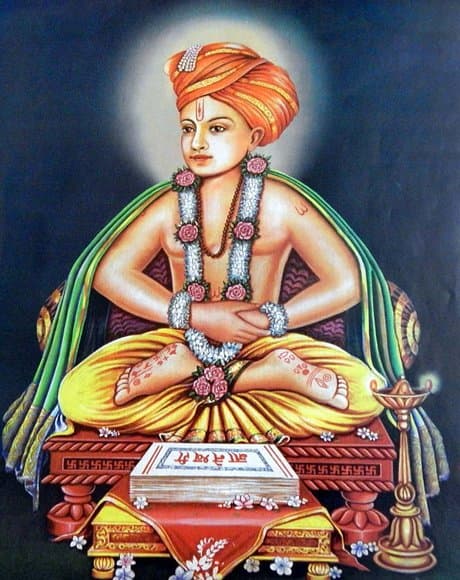
Jñāneśvar · Vārkarī
English14 "Neither the doer's status, nor the acts (to be done), does the Lord create for the people, nor (also) the joining of the fruit to the action: it is Nature, however, that operates (in the matter). (76)
The Almighty God, viewed in proper light, is without any activity and yet, he moves and is the author of everything in the vast universe. If it be said that he does anything, he is never touched even by the actions, since the hands and feet of this Neutral Being never get sullied by actions. The restful repose of his Divine Yoga is never disturbed; nor does his position as a neutral inactive author ever totter. Yet, it is He who raises this array of the five gross elements. He is the very life of the universe, and yet does not get controlled by anyone. He has indeed not even so much as awareness that the universe is ever created or it ends.
Swami Ramsukhdas · Modern
English'Na kartṛtvaṁ na karmāṇi lokasya sṛjati prabhuḥ'—The term 'Prabhuḥ', has been used here, because the universe is created by the Lord, Who is endowed with attributes. He is omnipotent and He controls, the entire universe. Though, He conducts the activities of the entire universe, yet He remains, a non-doer (Gītā 4/13).
All actions, are performed by the modes of nature, but out of ignorance, a man identifies himself with nature and becomes a doer of actions, which are done by nature in fact (Gītā 3/27). God has not made man the doer. If He had made him the doer, the Lord, in the eighth verse of this chapter, would not have said—The man, who is united with the Divine, and knows the truth thinks, "I do nothing at all." It means, that this sense of doership is self-made, and so it can be renounced by the man, who has inculcated it.
The Lord, does not decree whether a person, will have to perform a particular virtuous or evil deed. Had it been so decreed by Him, the prescribed and prohibited actions mentioned by scriptures, preceptors etc., would have been of no avail, and a man would not have had to bear, the fruit of his actions. The expression 'Na karmāṇi', proves that a man is independent, in the performance of actions.
'Na karmaphalasaṃyogaṁ'—A man, has to reap the fruit of actions, which he performs. Actions, being insentient cannot decide upon their result. So, it is ordained by God (Gītā 7/22). The Lord, awards the fruit of actions, but He does not bring
about union with fruit of actions. It is the man, who brings about this union. He, out of ignorance, having become a doer and having been attached to fruit of actions, has to feel happy, and sad. If he himself, does not get attached to fruit of actions, he can be free, from it. The term 'Sannyāsīṇām' (renouncers), in the twelfth verse of the eighteenth chapter, has been used, for such persons who are not attached to the fruit of actions. They have not to reap the fruits of their actions, here or hereafter. If God had connected actions with their fruit, a man would have, never been liberated, from the fruit of actions.
In the, forty-seventh verse of the second chapter, the Lord declares, 'Let the fruit of action, not be thy motive.' It means, that it depends upon a man, whether he feels happy or sad and whether the fruit of action is his motive or not? If the Lord had ordained the fruit of action then a man would have never become even-minded in pleasure and pain, and he would have never performed actions having abandoned attachment, or the fruit of actions, which has been emphasized by the Lord, time and again in the *Gītā* (vide 4/20, 5/12, 14/24 etc.).
**Question:**—In the scriptures, it is mentioned that the Lord causes those, whom He wants to send to the higher worlds, to perform virtuous actions, while He causes those whom He wants to send to the lower worlds, to perform, evil actions. Thus the declaration, 'Neither agency nor actions does the Lord create nor does, He connect actions, with their fruits,' seems contrary to the ordinance of the scriptures.
**Answer:**—In fact, the scriptures do not mean, that the Lord sends them to the higher or lower worlds, by causing them to perform virtuous or evil actions, but these mean, that the Lord purifies them by enabling them to reap the fruit of their past actions by creating circumstances* so that, they may attain God or His love.
* Being overpowered by desire a man performs good (virtuous) and bad (evil), actions (*Gītā* 3/37) which lead him to the higher worlds (heaven etc.,)
If the scriptures are interpreted, in the way, that the Lord causes people to perform virtuous or evil actions, so that they may go to higher or lower worlds, then man, will become dependent, in performing actions. Prescription and prohibition by the scriptures and saints, and instruction of the preceptors, will prove to be futile. So this interpretation, does not seem to be justified.
**'Svabhāvastu pravartate'**—It is, because of his nature, that man becomes a doer, performs actions and connects actions, with their fruit. Man himself, is responsible, to form this nature. So long as, there are attachment and aversion in nature, it is not purified; and as long as nature, is not purified, a man is overpowered, by nature.
The Lord, mentions here the same fact, which he has already stated in the thirty-third verse of the third chapter, when He declared, 'Beings follow their nature.'
So long as, a man acts according to his nature, he will become a doer, will perform actions and will link actions, with their fruit. Thus, he will remain dependent, and this dependence is self-created. If man renounces doership, actions and association of actions, with fruit which he has made himself, he can realize that he is ever untainted (uncontaminated).
**Appendix**—The sense of doership, action and attachment to the fruit of action—it is not God's creation, but it is the man's (embodied soul's) own creation. Therefore the man is responsible for its renunciation also.
**'Svabhāvastu pravartate'**—In fact renunciation of affinity for the world is natural; but because of the perception of naturalness in unnaturalness, affinity for the world is seen natural. This individual nature is not natural and untainted but it is one's own creation.
and lower worlds (hells etc.). A man has desires by making a misuse of the freedom which has been bestowed upon him so that he may attain salvation.
*Link:—When the Lord, neither creates agency (doership), nor does he force anyone to perform action, or bring about union of the actions and their fruit, how can He reap the fruit of action? The Lord, answers the question, in the next verse.*
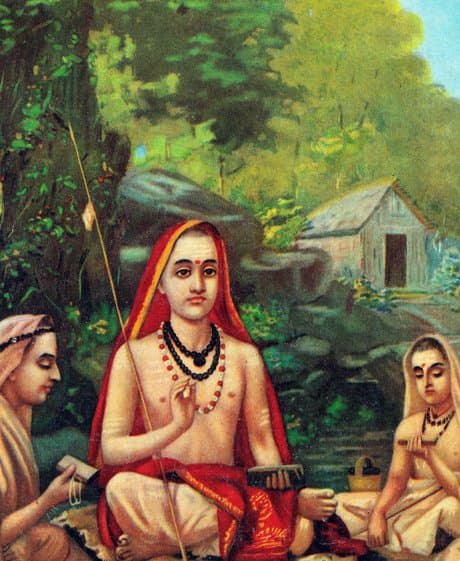
Ādi Śaṅkarācārya · Advaita
Sanskritन कर्तृत्वं स्वतः कुरु इति नापि कर्माणि रथघटप्रासादादीनि ईप्सिततमानि लोकस्य सृजति उत्पादयति प्रभुः आत्मा । नापि रथादि कृतवतः तत्फलेन संयोगं न कर्मफलसंयोगम् । यदि किञ्चिदपि स्वतः न करोति न कारयति च देही, कः तर्हि कुर्वन् कारयंश्च प्रवर्तते इति, उच्यते -- स्वभावस्तु स्वो भावः स्वभावः अविद्यालक्षणा प्रकृतिः माया प्रवर्तते ``दैवी हि'' (भ. गी. ७-१४) इत्यादिना वक्ष्यमाणा ॥
परमार्थतस्तु --
Ādi Śaṅkarācārya · Advaita
Hindiदेहादिका स्वामी आत्मा न तो ‘तू अमुक कर्म कर’ इस प्रकार लोगोंके कर्तापनको उत्पन्न करता है, और न रथ, घट, महल आदि कर्म जो अत्यन्त इष्ट हैं उनको रचता है तथा न रथादि बनानेवालेका उसके कर्म-फलके साथ संयोग ही रचता है—
यदि यह देहादिका स्वामी आत्मा स्वयं कुछ भी नहीं करता-कराता, तो फिर यह सब कौन कर रहा और करा रहा है? इसपर कहते हैं—
स्वभाव ही बर्तता है अर्थात् जो अपना भाव है, अविद्या जिसका स्वरूप है, जो ‘दैवी हि’ इत्यादि श्लोकोंसे आगे कही जानेवाली है, वह प्रकृति यानी माया ही सब कुछ कर रही है
Jñāneśvar · Vārkarī
Marathiजैसा कां सर्वेश्वरु । पाहिजे तंव निर्व्यापारु । परि तोचि रची विस्तारु । त्रिभुवनाचा ॥ ७६ ॥
आणि कर्ता ऐसें म्हणिपे । तरी कवणें कर्मीं न शिंपें । जे हातोपावो न लिंपे । उदासवृतीचा ॥ ७७ ॥
योगनिद्रा तरी न मोडे । अकर्तेपणा सळु न पडे । परि महाभूतांचे दळवाडें । उभारी भले ॥ ७८ ॥
जगाचा जीवीं आहे । परि कवणाचा कहीं नोहे । जगचि हें होय जाये । तो शुद्धीहि नेंणे ॥ ७९ ॥
Jñāneśvar · Vārkarī
Hindi(5.76) जैसे, देखने में तो सर्वेश्वर अकर्ता है परन्तु वही इस त्रिभुवन के विस्तार की रचना करता है;
(5.77) और उसे कर्ता कहिए तो वह किसी भी कर्म से लिप्त नहीं होता, क्योंकि उदासीन वृत्ति के हाथ-पाँव कर्म में लिप्त नहीं होते।
(5.78) उसकी योगनिद्रा का भंग न होते, उसके अकर्तृत्व में कुछ कमी न होते, वह भली-भाँति महाभूतों का समुदाय रचकर खड़ा कर देता है। (5.79) वह जगत् के हृदय में भरा है परन्तु वह कभी किसी का नहीं है। जगत् उत्पन्न होता और नाश पाता है पर इसकी उसे खबर भी नहीं है।
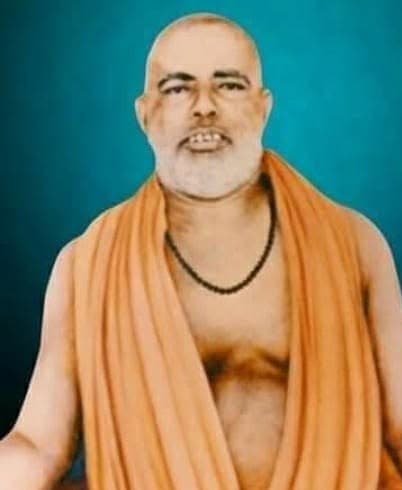
Sri Udiya Baba · Modern
Hindiसंगति— अगले श्लोक में इसी की पुष्टि करते हैं—
भावार्थ— प्रभु (आत्मा) लोक के कर्तापन या कर्म को उत्पन्न नहीं करता और न वह कर्मफल का संयोग ही करता है। सब कुछ स्वभाव या वासना से ही हो रहा है।
व्याख्या— इस लोक में 'प्रभु' शब्द जीव या ईश्वर का वाचक नहीं है। इससे निर्विशेष शुद्ध आत्मा ही ग्रहण करना चाहिये।
प्रश्न— यदि आत्मा में कर्तापन और कर्म नहीं हैं तो ये उसमें प्रतीत क्यों होते हैं?
उत्तर— अज्ञानी को ही प्रतीत होते हैं, ज्ञानी को नहीं। वह तो अपने को अकर्ता-अभोक्ता ही अनुभव करता है। अगले श्लोक में इसी को पुष्टि करते हैं।
Swami Ramsukhdas · Modern
Hindi'न कर्तृत्वं न कर्माणि लोकस्य सृजति प्रभुः'—सृष्टिकी रचनाका कार्य सगुण भगवान्का है, इसलिये 'प्रभुः' पद दिया है। भगवान् सर्वसमर्थ हैं और सबके शासक, नियामक हैं। सृष्टिरचनाका कार्य करनेपर भी वे अकर्ता ही हैं (गीता—चौथे अध्यायका तेरहवाँ श्लोक)।
किसी भी कर्मके कर्तापनका सम्बन्ध भगवान्का बनाया हुआ नहीं है। मनुष्य स्वयं ही कर्मोंके कर्तापनकी रचना करता है। सम्पूर्ण कर्म प्रकृतिके द्वारा किये जाते हैं; परन्तु मनुष्य अज्ञानवश प्रकृतिसे तादात्म्य कर लेता है और उसके द्वारा होनेवाले कर्मोंका कर्ता बन जाता है (गीता—तीसरे अध्यायका सत्ताईसवाँ श्लोक)। यदि कर्तापनका सम्बन्ध भगवान्का बनाया हुआ होता, तो भगवान् इसी अध्यायके आठवें श्लोकमें 'नैव किञ्चित्करोमीति युक्तो मन्येत तत्त्ववित्'—ऐसा कैसे कहते? तात्पर्य यह है कि कर्तापन भगवान्का बनाया हुआ नहीं है, अपितु जीवका अपना माना हुआ है। अतः जीव इसका त्याग कर सकता है।
भगवान् ऐसा विधान भी नहीं करते कि अमुक जीवको अमुक शुभ अथवा अशुभ कर्म करना पड़ेगा। यदि
ऐसा विधान भगवान् कर देते तो विधि-निषेध बतानेवाले शास्त्र, गुरु, शिक्षा आदि सब व्यर्थ हो जाते, उनकी कोई सार्थकता ही नहीं रहती और कर्मोंका फल भी जीवको नहीं भोगना पड़ता। 'न कर्माणि' पदोंसे यह सिद्ध होता है कि मनुष्य कर्म करनेमें स्वतन्त्र है।
'न कर्मफलसंयोगम्'— जीव जैसा कर्म करता है, वैसा फल उसे भोगना पड़ता है। जड़ होनेके कारण कर्म स्वयं अपना फल भुगतानेमें असमर्थ हैं। अतः कर्मोंके फलका विधान भगवान् करते हैं—'लभते च ततः कामान्येव विहितान्हि तान्' (गीता ७। २२)। भगवान् कर्मोंका फल तो देते हैं, पर उस फलके साथ सम्बन्ध भगवान् नहीं जोड़ते, प्रत्युत जीव स्वयं जोड़ता है। जीव अज्ञानवश कर्मोंका कर्ता बनकर और कर्मफलमें आसक्त होकर कर्मफलके साथ अपना सम्बन्ध जोड़ लेता है और इसीसे सुखी-दुःखी होता है। यदि वह कर्मफलके साथ स्वयं अपना सम्बन्ध न जोड़े, तो वह कर्मफलके सम्बन्धसे मुक्त रह सकता है। ऐसे कर्मफलसे सम्बन्ध न जोड़नेवाले पुरुषोंके लिये अठारहवें अध्यायके बारहवें श्लोकमें 'सन्न्यासिनाम्' पद आया है। उन्हें कर्मोंका फल
इस लोक या परलोकमें कहीं नहीं मिलता। यदि कर्मफलका सम्बन्ध भगवान्ने जोड़ा होता तो जीव कभी कर्मफलसे मुक्त नहीं होता।
दूसरे अध्यायके सैंतालीसवें श्लोकमें भगवान् कहते हैं—‘**मा कर्मफलहेतुर्भूः**’ अर्थात् कर्मफलका हेतु भी मत बन। तात्पर्य हुआ कि सुखी-दुःखी होना अथवा न होना और कर्मफलका हेतु बनना अथवा न बनना मनुष्यके हाथमें है। यदि कर्मफलका सम्बन्ध भगवान्का बनाया हुआ होता, तो मनुष्य कभी सुख-दुःखमें सम नहीं हो पाता और निष्कामभावसे कर्म भी नहीं कर पाता, जिसे करनेकी बात भगवान्ने गीतामें जगह-जगह कही है (जैसे चौथे अध्यायका बीसवाँ, पाँचवें अध्यायका बारहवाँ और चौदहवें अध्यायका चौबीसवाँ श्लोक आदि)।
शंका—श्रुतिमें आता है कि भगवान् जिसकी ऊर्ध्वगति करना चाहते हैं, उससे तो शुभ-कर्म करवाते हैं और जिसकी अधोगति करना चाहते हैं, उससे अशुभ-कर्म करवाते हैं। जब भगवान् ही शुभाशुभ कर्म करवाते हैं, तो फिर ‘भगवान् किसीके कर्तृत्व, कर्म और कर्मफल-संयोगकी रचना नहीं करते’—ऐसा कहना तो श्रुतिके साथ विरोध हुआ!
समाधान—वास्तवमें श्रुतिके उपर्युक्त कथनका तात्पर्य शुभाशुभ कर्म करवाकर मनुष्यकी ऊर्ध्वगति और अधोगति करनेमें नहीं है, प्रत्युत प्रारब्धके अनुसार कर्मफल भुगताकर उसे शुद्ध करनेमें है। अर्थात् मनुष्य शुभाशुभ कर्मका फल जैसे भोग सके, भगवान् कृपापूर्वक उसे कर्मबन्धनसे मुक्त करके अपना वास्तविक प्रेम प्रदान करनेके लिये (उसके प्रारब्धके अनुसार) वैसी ही परिस्थिति और बुद्धि बना देते हैं। जैसे, जिस मनुष्यको प्रारब्धके अनुसार धनकी प्राप्ति होनेवाली है, उसे व्यापार आदिमें वैसी ही (खरीदने आदिकी) प्रेरणा कर देते हैं अर्थात् उस समय उसकी वैसी ही बुद्धि बन जाती है और जिसे प्रारब्धके अनुसार हानि
**परिशिष्ट भाव**—कर्तापन, कर्म और कर्मफलका संयोग परमात्माकी सृष्टि नहीं है, प्रत्युत जीवकी सृष्टि है। इसलिये जीवपर ही इनके त्यागकी जिम्मेवारी है।
‘**स्वभावस्तु प्रवर्तते**’—वास्तवमें संसारके साथ सम्बन्ध-विच्छेद स्वाभाविक है; परन्तु अस्वाभाविकतामें स्वाभाविकता देखनेके कारण संसारका सम्बन्ध स्वाभाविक दीखने लग गया। यह स्वभाव स्वतः नहीं है, प्रत्युत बनाया हुआ (कृत्रिम) है।
होनेवाली है, उसे व्यापार आदिमें वैसी ही प्रेरणा कर देते हैं। तात्पर्य यह है कि मनुष्य जिस प्रकारसे अपने शुभाशुभ कर्मका फल भोग सके, भगवत्प्रेरणासे वैसी ही परिस्थिति और बुद्धि बन जाती है।
यदि श्रुतिका यही अर्थ लिया जाय कि भगवान् जिसकी ऊर्ध्वगति और अधोगति करना चाहते हैं, उससे शुभ और अशुभ-कर्म करवाते हैं, तो मनुष्य कर्म करनेमें सर्वथा पराधीन हो जायगा और शास्त्रों, सन्त-महात्माओं आदिका विधि-निषेध, गुरुकी शिक्षा आदि सभी व्यर्थ हो जायेंगे। अतः यहाँ श्रुतिका तात्पर्य कर्मका फल भुगताकर मनुष्यको शुद्ध करना ही है।
‘**स्वभावस्तु प्रवर्तते**’—कर्तापन, कर्म और कर्मफलका सम्बन्ध—इन तीनोंको मनुष्य अपने स्वभावके वशमें होकर करता है। यहाँ ‘**स्वभावः**’ पद व्यष्टि प्रकृति-(आदत) का वाचक है, जिसे स्वयं जीवने बनाया है। जबतक स्वभावमें राग-द्वेष रहते हैं, तबतक स्वभाव शुद्ध नहीं होता। जबतक स्वभाव शुद्ध नहीं होता, तबतक जीव स्वभावके वशीभूत रहता है।
तीसरे अध्यायके तैतीसवें श्लोकमें ‘**प्रकृतिं यान्ति भूतानि**’ पदोंसे भगवान्ने कहा है कि मनुष्योंको अपनी प्रकृति अर्थात् स्वभावके वशीभूत होकर कर्म करने पड़ते हैं। यही बात भगवान् यहाँ ‘**तु स्वभावः प्रवर्तते**’ पदोंसे कह रहे हैं।
जबतक प्रकृति अर्थात् स्वभावसे जीवका सम्बन्ध माना हुआ है, तबतक कर्तापन, कर्म और कर्मफलके साथ संयोग—इन तीनोंमें जीवकी परतन्त्रता बनी रहेगी, जो जीवकी ही बनायी हुई है।
उपर्युक्त पदोंसे भगवान् यह कह रहे हैं कि कर्तृत्व, कर्म और कर्मफलसंयोग (भौकृत्व)—तीनों जीवके अपने बनाये हुए हैं, इसलिये वह स्वयं इनका त्याग करके निलिप्तताका अनुभव कर सकता है।
१-‘एष होव साधु कर्म कारयति तं यमेभ्यो लोकेभ्य उन्निनीषत एष होवासाधु कर्म कारयति तं यमधो निनीषते।’ (कौषीतकिब्राह्मणोपनिषद् ३।८) २-मूलमें शुभ (पुण्य) और अशुभ (पाप) कर्म मनुष्य कामनाके वशीभूत होकर ही करता है (गीता ३।३७), जिनका फल क्रमशः ऊर्ध्वगति (स्वर्गादि लोकोंकी प्राप्ति) और अधोगति (नरकोंकी प्राप्ति) होता है। मनुष्य मुक्तिके लिये भगवान्की दी हुई स्वतन्त्रताका दुरुपयोग करके ही कामना करता है।
सम्बन्ध—जब भगवान् किसीके कर्तृत्व, कर्म और कर्मफल-संयोगकी रचना नहीं करते, तो फिर वे किसीके कर्मोंके फलभागी कैसे हो सकते हैं?—इस बातको आगेके श्लोकमें स्पष्ट करते हैं।
The word prabhu means master or ruler and the ātma or soul representing an eternal portion of the Supreme Lord is the ruler of each physical body.
By its eternal nature it is beyond the influence of actions and reactions and resides impervious to them in its own nature.
This ātma being the individual soul is not the originator in the material creation of the four categories of living entities: the gods, human beings, the fauna or animal kingdoms and the flora or plant kingdom.
The ātma is also not subject to any activities of authorship emanating from these four categories, nor any connection to the resultant reactions of any activity such as descending into the animal species or ascending to the heavenly spheres and becoming a demi-god.
What is it then that accomplishes all these activities? It is the very nature inherent within all beings which is the cause of all designations.
By nature it is meant the saṁskāras or impressions from past lifetimes formatted by the reactions from the chain of activities generated since time immemorial.
By nature it is also meant the illusion of authorship and the terminal habit of regarding the temporary physical body as a constitute of the eternal ātma.
Thus it can be clearly discerned that the essential nature of the ātma being eternal has no interconnection to the authorship of actions or the doership of actions which are temporary and the products of association with material matter.