

Bhagavad Gītā · Chapter 5 · Karma Sannyāsa Yoga
शक्नोतीहैव यः सोढुं प्राक्शरीरविमोक्षणात्
कामक्रोधोद्भवं वेगं स युक्तः स सुखी नरः
śaknotīhaiva yaḥ soḍhuṃ prākśarīravimokṣaṇāt|
kāmakrodhodbhavaṃ vegaṃ sa yuktaḥ sa sukhī naraḥ||
Word meanings
इह = here (in this life)
यः = who
शरीरविमोक्षणात् = release from the body
प्राक् = before
एव = indeed
कामक्रोधोद्भवम् = arising from desire and anger
उत्पन्न = arisen
होनेवाले = disciplined
वेगम् = the urge
सोढुम् = to endure
शक्नोति = is able
सः = he
सः = he
सुखी = happy
Translation
He alone who is able to stand, in this very life before-casting off this body, the urges of lust and anger is Yogi; and he alone is a happy man.
Commentary
The commentators seated around this verse
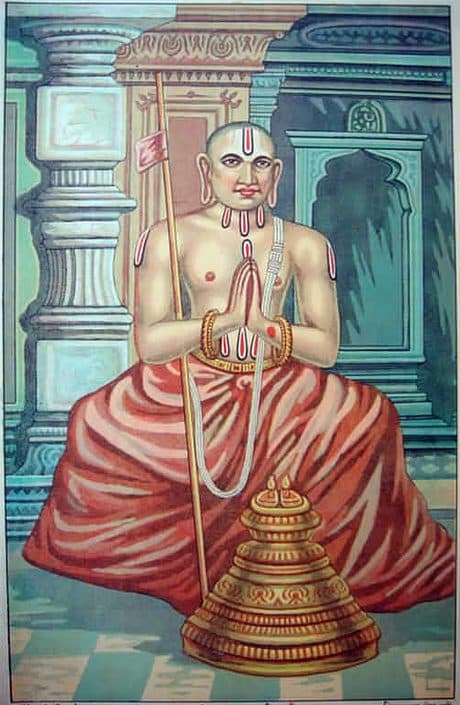
Rāmānuja · Viśiṣṭādvaita
English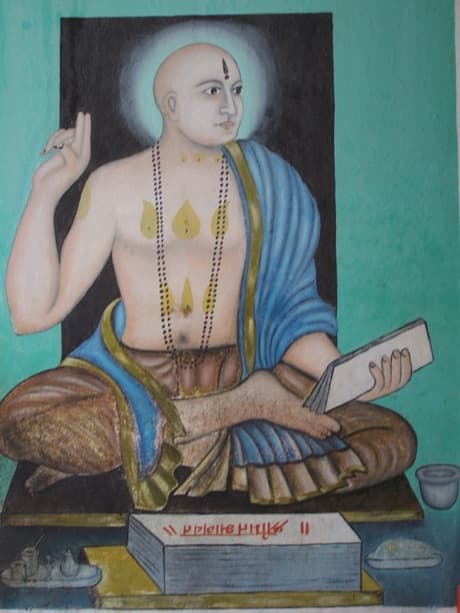
Madhvācārya · Dvaita
Madhva BhāṣyaSanskritEnglishOn verses 5.21–5.23
“पुनर्योगस्याधिक्यं स्पष्टयति बाह्यस्पर्शेषु इति | कामरहित अस्मानि यत् सुखं विन्दति स एव ब्रह्मयोगयुक्रात्मा चेत् तदेवाक्षयं सुखं विन्दति | ब्रह्मविषयो योगो ब्रह्मयोगः | ध्यानादियुक्तस्यैवाऽस्मुखमक्षयमन्यथ नेत्यर्थः ||” - Here in this verse, Sri Krishna again clarifies yoga, equanimity in performance of actions. Without any desires he who enjoys happiness in the self, he alone is in communion with Brahman and he alone becomes the enjoyer of eternal happiness. The communion with Brahman is yoking oneself with Brahman, the performance of which leads to Brahman. Enjoined through the means of meditation etc. is this eternal happiness of self. Not through any other means.
“संन्यासार्थं कामभोगं निन्दयति - ये हि | इति |” - For the sake of renunciation, enjoyment of desires are censured. “तत्परित्यागं प्रशंसति - शक्नोति इति | कामकाधोद्भवं वेगं सोढुं शक्नोति शरीरविमोक्षणत् प्राक् यथामनुष्यशरीरे सोढुं सुकरं तथा नान्यत्र इति भावः | ब्रह्मलोकादिस्तु जितकामानामेव भवति ||” - Sri Krishna again praises संन्यास renunciation saying he who resists desires and anger is the true संन्यासी. If human beings in their life are unable to control their mind and senses and neutralise the effects of kama and krodha then there is chance for them to ever achieve even Brahmaloka which is the topmost material planet and where everything is in sattva guna or the mode of pure goodness. The mastery of one's mind and senses is a prerequisite for higher existence.
Madhvācārya · Dvaita
Gītā Tātparya NirṇayaSanskritEnglishOn verses 5.21–5.23
“इदानीमपि परमात्मनि स्मृतमात्रे सुखं विन्दतीति यत्तदा स एव सम्यग्युक्तः किमु ? ||” - In this manner even with little remembrance of the Lord happiness is attained. Then what to speak of, if one does so in an concentrated manner? “ज्ञानिलक्षणं प्रपञ्चयत्युत श्लोकः - The marks of the man of wisdom are explained in the subsequent verses.
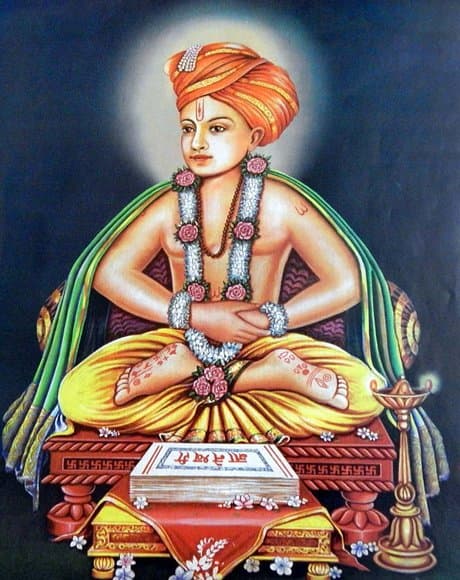
Jñāneśvar · Vārkarī
English23 "He that is enabled to withstand, right here and ere the dissolution of the body, the furor produced by passion and anger: that man is (truly) set in Yoga: is happy. (129)
Men of wisdom that have kept under control all the ills of the body, are not even aware of the existence of the misery arising out of sense-objects. They do not even understand the language of the external objects, having abiding eternal bliss in the interior. But their mode of enjoying that bliss is different. They do not taste that bliss, as do the birds taste the fruits, but while enjoying it, forget their own position as the enjoyer. While enjoying the bliss of the Self they become so much absorbed in it, that the last trace of Separateness gets altogether removed and then that absorption holds them in embrace in such a way that with that embrace their individual souls become one with the Supreme Self, just as water mingles with other water. When wind is of one life with the sky, the very difference as two separate things such as the "wind" and the "sky" is vain and void; in that way, with the beings and their absorption (in the bliss of the Self) getting together, the abiding result is only the happiness in the form of eternal life. With the elimination of duality, there remains only absolute Unity of Being: but is there any, that could remain separate as the experiencer of this?
Swami Ramsukhdas · Modern
English**'Śaknotihaiva yaḥ soḍhum prākṣarīravimokṣaṇāt kāmakrodhodbhavaṃ vegam'**—Every being, possesses unusual discrimination but it remains latent in birds and beasts etc., who know only how to maintain their body. In the life of gods etc., this discrimination remains concealed because these bodies are for the enjoyment of pleasures. In human life also, the discrimination of those, who hanker after pleasure and prosperity, remains veiled, but time and again, their sense of discrimination, makes them realise that pleasure and prosperity, result in pain and sin. A person, remains entangled in them, because he does not attach importance to discrimination. Therefore, a person by attaching importance to discrimination, should make it a permanent feature; and he has no restriction in doing so. By that he can be free from evil propensities, such as attachment, aversion, desire, anger etc. Therefore, by using the term 'Iha' (here) in this world the Lord exhorts human beings to resist the impulses of desire and anger, so that they may be happy forever, by controlling them.
This human body, has been bestowed upon us, so that having controlled the impulse of desire and anger, we may attain salvation. Every human being, without any distinction of caste, colour or creed etc., is qualified and deserving in controlling these impulses.
A man could die at any moment. So he should be ever cautious, not to be swayed by desire and anger, and he should control these, here in this life, before giving up the body. Secondly, it can also be interpreted that before the body starts functioning under their sway, these should be controlled.
As soon as, the thought of hankering after pleasure comes to the mind, a striver, should become alert, that he is a striver and so it is not proper for him to get entangled in pleasure. He should immediately renounce such thoughts.
It is because of attachment to objects—believing that these
are beautiful and give pleasure, that—such thoughts crop up. Such thoughts, give rise to desire to acquire them and we get angry with persons, who create obstacles, in their acquisition.
As soon as thoughts of desire and anger come to mind, these should be renounced otherwise, later it becomes very difficult to control these urges. As soon as, a thought arises, there is disquietude, excitement and struggle etc., in the mind. So such a man cannot be happy. But when he resists these impulses, he becomes happy. Sometimes, a person can control these impulses out of fear, in the presence of another man who may be more powerful, than he. Similarly, he can control these out of greed, in business etc., in order to earn money. But, this control cannot make him happy, because in such cases, instead of getting entangled in desire and anger, he gets caught in fear and greed. Moreover, a person, who resists impulses of desire and anger, has been called a Yogī. But, no one becomes a Yogī, who has not renounced thoughts (Gītā 6/2). Therefore, for a striver it is better to renounce thought, as soon as, it comes to the mind, rather than to resist the impulses of desire and anger.
A striver, can control desire and anger by realizing the fact that these are not inherent in him, as the self is permanent, while they are transitory. Secondly, how can these be in him, when he knows that he is different from them? Thirdly, a person can be free from desire and anger (Gītā 5/26; 16/22) it means that only he who is in reality free from them, can be free. Fourthly, the Lord has called desire and anger (the gross forms of attachment and aversion), the modification of nature (Gītā 13/6). So they remain in nature (prakṛti), not in the self, as the self does not undergo any modification. Thus, desire and anger do not abide in the self. He who considers them abiding in the self, invites them to overcome him.
'Sa yuktah narah'—The Lord, in the fifteenth verse of this chapter, has called such persons, 'Jantavah' (animals), whose
knowledge is veiled by ignorance. Here, He has called a person, who controls the impulses of desire and anger, 'narah' (a man). It means, that only he who has controlled these urges, deserves to be called, a man, otherwise, he is just like an animal.
He, who remains established in equanimity, is called a Yogī. He, who by attaching importance to discrimination is not swayed by desire and anger, is established in equanimity (even-mindedness).
'Sa sukhi'—Not to talk of men, even birds and beasts cannot lead a happy and peaceful life, if they are swayed by desire and anger. So, only a man, who has controlled these impulses is happy, otherwise evils such as disquietude, volatility and struggles are born and a man cannot be happy. A person, who depends on perishable persons and objects etc., and who, wants to derives pleasure, out of them by having affinity for them, can never be happy—this is a rule.
**Appendix**—In the mind first 'sphuranā' an idea (a thought which flashes on the mind) flashes. If a thought is accompanied with the feeling of reality for it, attachment to it and insistence on it, it is linked to us and it is transformed into a Saṅkalpa. This Saṅkalpa gives birth to contemplation which in its turn gives an impetus to evil propensities such as desire and anger etc., (Gītā 2/62-63). The topmost priority of a striver should be not to let the impetus (impulse) be born viz., he should not allow it to develop into a Saṅkalpa. Secondly if the impetus however is born, he should not act according to it.
*Link:—Having described the sad plight of a person, who is swayed by desire and anger, the Lord, in the next verse, explains the glory of a person, who is happy within himself.*
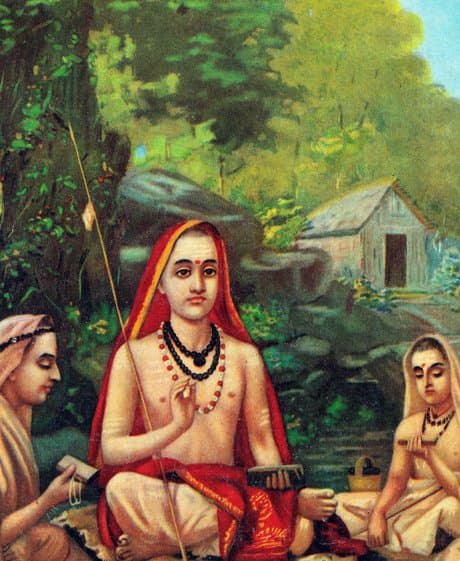
Ādi Śaṅkarācārya · Advaita
Sanskritशक्नोति उत्सहते इहैव जीवन्नेव यः सोढुं प्रसहितुं प्राक् पूर्वं शरीरविमोक्षणात् आ मरणात् इत्यर्थः । मरणसीमाकरणं जीवतोऽवश्यम्भावि हि कामक्रोधोद्भवो वेगः, अनन्तनिमित्तवान् हि सः इति यावत् मरणं तावत् न विस्रम्भणीय इत्यर्थः । कामः इन्द्रियगोचरप्राप्ते इष्टे विषये श्रूयमाणे स्मर्यमाणे वा अनुभूते सुखहेतौ या गर्धिः तृष्णा स कामः ; क्रोधश्च आत्मनः प्रतिकूलेषु दुःखहेतुषु दृश्यमानेषु श्रूयमाणेषु स्मर्यमाणेषु वा यो द्वेषः सः क्रोधः ; तौ कामक्रोधौ उद्भवो यस्य वेगस्य सः कामक्रोधोद्भवः वेगः । रोमाञ्चनप्रहृष्टनेत्रवदनादिलिङ्गः अन्तःकरणप्रक्षोभरूपः कामोद्भवो वेगः, गात्रप्रकम्पप्रस्वेदसन्दष्टोष्ठपुटरक्तनेत्रादिलिङ्गः क्रोधोद्भवो वेगः, तं कामक्रोधोद्भवं वेगं यः उत्सहते प्रसहते सोढुं प्रसहितुम्, सः युक्तः योगी सुखी च इह लोके नरः ॥ कथम्भूतश्च ब्रह्मणि स्थितः ब्रह्म प्राप्नोति इति आह भगवान् --
Ādi Śaṅkarācārya · Advaita
Hindiकल्याणके मार्गका प्रतिपक्षी यह (काम-क्रोधका वेगरूप) दोष बड़ा दुःखदायक है, सब अनर्थोंकी प्राप्तिका कारण है और निवारण करनेमें अति कठिन भी है। इसलिये भगवान् कहते हैं कि इसको नष्ट करनेके लिये खूब प्रयत्न करना चाहिये।
जो मनुष्य यहाँ—जीवितावस्थामें ही शरीर छूटनेसे पहले-पहले अर्थात् मरणपर्यन्त (काम-क्रोधसे उत्पन्न हुए वेगको) सहन कर सकता है अर्थात् सहन करनेका उत्साह रखता है (वही युक्त और सुखी है)।
जीवित पुरुषके अन्तःकरणमें काम-क्रोधका वेग अवश्य ही होता है, इसलिये मरणपर्यन्तकी सीमा की गयी है; क्योंकि वह काम-क्रोध-जनित वेग अनेक निमित्तोंसे प्रकट होनेवाला है, अतः मरनेतक उसका विश्वास न करे। (सदैव उससे सावधान रहे) यह अभिप्राय है।
किसी अनुभव किये हुए सुखदायक इष्ट-विषयके इन्द्रियगोचर हो जानेपर यानी सुन जानेपर या स्मरण हो जानेपर उसको पानेकी जो लालसा—तृष्णा होती है, उसका नाम काम है ।
वैसे ही अपने प्रतिकूल दुःखदायक विषयोंके दीखने, सुनायी देने या स्मरण होनेपर उनमें जो द्वेष होता है उसका नाम क्रोध है ।
वे काम और क्रोध जिस वेगके उत्पादक होते हैं वह काम-क्रोधसे उत्पन्न हुआ वेग कहलाता है । रोमाञ्च होना, मुख और नेत्रोंका प्रफुल्लित होना इत्यादि चिह्नोंवाला जो अन्तःकरणका क्षोभ है, वह कामसे उत्पन्न हुआ वेग है । तथा शरीरका काँपना, पसीना आ जाना, होठोंको चबाने लगना, नेत्रोंका लाल हो जाना इत्यादि चिह्नोंवाला वेग क्रोधसे उत्पन्न हुआ वेग है ।
ऐसे काम और क्रोधके वेगको जो सहन कर सकता है, उसको सहन करनेका उत्साह रखता है वह मनुष्य इस संसारमें योगी है और वही सुखी है
Jñāneśvar · Vārkarī
Marathiज्ञानियांच्या हन ठायीं । याची मातुही कीर नाहीं । देहीं देहभावो जिहीं । स्ववश केले ॥ १२९ ॥
जयांतें बाह्याची भाष । नेणिजेचि निःशेष । अंतरीं सुख । एक आथी ॥ १३० ॥
परि तें वेगळेपणें भोगिजे । जैसे पक्षिये फळ चुंबिजे । तैसें नव्हे तेथ विसरिजे । भोगितेपणही ॥ १३१ ॥
भोगीं अवस्था एक उठी । ते अंहकाराचा अचळु लोटी । मग सुखेंसि आंठी । गाढेपणें ॥ १३२ ॥
तिये आलिंगनमेळीं । होय आपेंआप कवळी । तेथ जळ जैसें जळी । वेगळें न दिसे ॥ १३३ ॥
कां आकाशीं वायु हारपे । तेथ दोन्ही हे भाष लोपे । तैसे सुखचि उरे स्वरुपें । सुरतीं तिये ॥ १३४ ॥
ऐसी द्वैताची भाष जाय । मग म्हणों जरी एकचि होय । तरी तेथ साक्षी कवणु आहे । जाणतें जे ॥ १३५ ॥
Jñāneśvar · Vārkarī
Hindi(5.129) और ज्ञानियों में तो निश्चय से विषयों की बात भी नहीं रहती। वे तो देह रहते हुए देह के विकार अपने अधीन कर लेते हैं।
(5.130) वे बाह्य विषयों का बिलकुल नाम भी नहीं जानते। उनके हृदय में एक सुख भरा रहता है।
(5.131) परन्तु उस सब सुख का भोग एक जुदी ही स्थिति में रह कर लिया जाता है। जैसे पक्षी फल का चुम्बन करते हैं वैसा यह भोग नहीं है। उसमें भोक्तृभाव का भी विस्मरण हो जाता है।
(5.132) उस भोग के समय एक ऐसी वृत्ति उठती है कि जो अहंकार का अंचल दूर कर सुख को दृढ़ आलिंगन देती है।
(5.133) उस आलिंगन से आप ही आप एक-रूपता हो जाती है। तब जल में मिला हुआ जल जैसे अलग नहीं दिखाई देता,
(5.134) अथवा आकाश में वायु मिल जाती है तो आकाश और वायु रूपी भेद का नाश हो जाता है वैसे ही उस सुख के समय सुख ही निज स्वरूप से रह जाता है। (5.135) इस प्रकार द्वैत का नाम मिट जाता है। यदि यह कहा जाय कि इस समय एकता हो जाती है तो उस एकता का जाननेहारा साक्षी भी कौन रह जाता है?
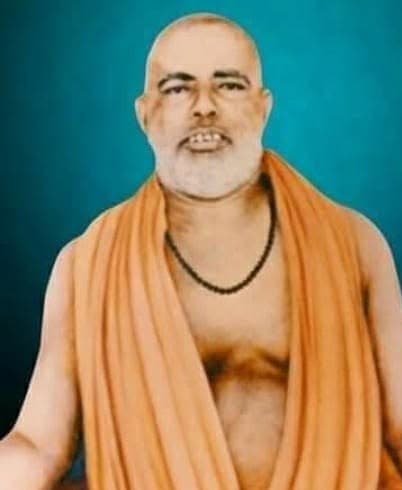
Sri Udiya Baba · Modern
Hindiभावार्थ— जो शरीर-त्याग से पूर्व ही अपने काम-क्रोधजनित वेग को रोकने में समर्थ है वही मनुष्य युक्त (सिद्ध) है और वही सुखी है।
व्याख्या— 'शरीर-त्याग' का अर्थ यहाँ संन्यास भी लिया जा सकता है, क्योंकि देह-त्याग के पश्चात् तो सभी के काम-क्रोध निःशेषता हो जाते हैं। अतः जिसने संन्यास ग्रहण करने के पूर्व ही काम-क्रोधादि वेगों को रोक लिया है वही युक्त है और वही सुखी है। परन्तु यह अर्थ भी सुसंगत नहीं जान पड़ता, क्योंकि इससे यह निश्चय
होता है कि मानो संन्यास में ही इनका निषेध आवश्यक है। अतः ऐसा अर्थ भी हो सकता है कि काम-क्रोधादि का वेग चित्त में आ जाने पर भी जो उसकी शारीरिक प्रतिक्रिया होने से पूर्व ही उसे रोक लेता है वही पुरुष युक्त और सुखी है। किन्तु इससे भी बढ़कर यह बात होगी कि इन काम-क्रोधादि वेगों के शारीरिक चिह्न भी प्रकट न हों। अर्थात् अभ्यास से जिसमें ऐसा सामर्थ्य आ गया है कि वह शरीर में भी इनके चिह्न प्रकट नहीं होने देता वही युक्त और सुखी है।
यहाँ जीवन्मुक्ति का प्रकरण है, इसलिये यही अच्छा है कि शरीर रहते हुए ही सब विकार छूट जायें। ऊपर से भले ही वह काम-क्रोधादि की चेष्टाएँ करे, परन्तु जिसे वास्तव में बोध हो गया है उसकी मुक्ति में कोई सन्देह नहीं है।
प्रश्न— क्रोध के शारीरिक चिह्न क्या हैं, तथा इसका परिणाम क्या है?
उत्तर— मुखाकृति का विकृत होना, नेत्र लाल हो जाना, ओंठ फड़कना, स्वर बिगड़ जाना, शरीर में कम्प होना, पसीना आना और दाँत पीसने लगना—ये सब क्रोध के ही चिह्न हैं। काम-क्रोधादि से अन्तःकरण की शीतलता विदा हो जाती है। और एक आग-सी लग जाती है, जो पहले शरीर को गर्म करती है और फिर वाणी को प्रभावित कर स्वर-भङ्ग कर देती है। यह अग्नि ही क्रोध है। शास्त्र में काम और क्रोध दोनों ही को अग्नि कहा है। क्रोध पाप का चिह्न और पाप का प्रधान कारण कहा गया है। राग-द्वेषजनित क्रोध मनुष्य का उत्थान नहीं होने देता। क्रोध से अपना ही सर्वनाश होता है। यदि हमें एकबार क्रोध आ जाय तो वह एक मास के जप, तप, पुण्य, दान और ध्यान के फल को नष्ट कर देता है। एक वर्ष में बारह बार क्रोध आने से कुछ भी नहीं रहता। जैसे चोरी या डकैती से तो पूरा धन नष्ट नहीं होता, कुछ बच भी जाता है, परन्तु आग लग जाय तो कुछ भी नहीं बचता, उसी प्रकार काम, लोभ, मोह, मद, मत्सर आदि से तो कुछ पुण्य बच भी जाता है, परन्तु क्रोध से तो सभी स्वाहा हो जाता है।
जहाँ क्रोध है वहीं कलियुग है, इसलिए हमें शान्त-चित्त ही रहना चाहिये। अत्यन्त कष्ट पड़ने पर या महान् सुख प्राप्त होने पर, शत्रु के आक्रमण करने पर या फूलों की वर्षा होने पर भी यदि राग-द्वेष से चित्त न बिगड़े, समता बनी रहे और क्रोध न हो तो समझो कि चित्त शान्त हुआ, समता आयी तथा द्वन्द्व की निवृत्ति हुई।
प्रश्न— काम क्रोधादि को किस साधन से रोका जा सकता है?
उत्तर— काम क्रोधादि केवल विचार से ही रोके जा सकते हैं। यदि काम-क्रोध आदि की वृत्ति हो तो समझे कि मेरी देह में अहंबुद्धि हो गयी है, क्योंकि बिना देह-बुद्धि हुए ये हो नहीं सकते। जिसे जो वस्तु प्रिय है वही उसका काम है और उसे छोड़ देना ही बहादुरी है। जैसे यदि स्त्री के प्रति आकर्षण हो तो उसकी निवृत्ति के लिये तीन काम करने चाहिये—स्त्री की ओर जानबूझकर देखे नहीं, उससे बात न करे और न उसका चिन्तन करे। यथासम्भव, किसी भी स्त्री से कभी एकान्त में न मिले; कहा भी है—
मात्रा स्वस्त्रा दुहित्रा वा न विविक्तासनो भवेत्। बलवानिन्द्रिमग्रामो विद्वान्समपि कर्षति॥
अर्थात् अपनी माता, बहिन और पुत्री के भी साथ एकांत में न रहे। इन्द्रियाँ बड़ी प्रबल होती हैं, ये विवेकी को भी खींच लेती हैं।
इसलिये प्रिय और अप्रिय वस्तु का दर्शन, वर्णन और चिन्तन न करना ही काम-क्रोध से बचने का उपाय है। अथवा अगले श्लोक में कहे हुए अन्तःसुख आदि गुणों से सम्पन्न पुरुष ही उन्हें जीत सकता है। इस श्लोक में यह दिखाया है कि काम-क्रोधादि को जीतने वाला ही वीर है, युक्त है और सुखी है तथा जो कामी-क्रोधी है वही दुःखी है। कामी-क्रोधी के प्राण में सर्वदा दाह होता रहता है। जब तक शरीर रहे सजग रहकर इनका सामना करना चाहिये, इनका कभी विश्वास नहीं करना चाहिये, ढील कभी नहीं देनी चाहिये। विवेकरूपी डण्डे से सर्वदा इन शत्रुओं पर प्रहार करते रहो।
Swami Ramsukhdas · Modern
Hindi‘शक्नोतीहैव यः...कामक्रोधोद्भवं वेगम्’—प्राणिमात्रको एक अलौकिक विवेक प्राप्त है। यह विवेक पशु-पक्षी आदि योनियोंमें प्रसुप्त रहता है। उनमें केवल अपनी-अपनी योनिके अनुसार शरीर-निर्वाहमात्रका विवेक रहता है। देव आदि योनियोंमें यह विवेक ढका रहता है; क्योंकि वे योनियाँ भोगोंके लिये मिलती हैं; अतः उनमें भोगोंकी बहुलता तथा भोगोंका उद्देश्य रहता है। मनुष्ययोनिमें भी भोगी और संग्रही मनुष्यका विवेक ढका
रहता है। ढके रहनेपर भी यह विवेक मनुष्यको समय-समयपर भोग और संग्रहमें दुःख एवं दोषका दर्शन कराता रहता है। परन्तु इसे महत्त्व न देनेके कारण मनुष्य भोग और संग्रहमें फँसा रहता है। अतः मनुष्यको चाहिये कि वह इस विवेकको महत्त्व देकर इसे स्थायी बना ले। इसकी उसे पूर्ण स्वतन्त्रता है। विवेकको स्थायी बनाकर वह राग-द्वेष, काम-क्रोध आदि विकारोंको सर्वथा समाप्त कर सकता है। इसलिये भगवान् 'इह' पदसे मनुष्यको सावधान करते हैं कि अभी उसे ऐसा दुर्लभ अवसर प्राप्त है, जिसमें वह काम-क्रोधपर विजय प्राप्त करके सदाके लिये सुखी हो सकता है।
मनुष्य-शरीर मुक्त होनेके लिये ही मिला है। इसलिये मनुष्यमात्र काम-क्रोधका वेग सहन करनेमें योग्य, अधिकारी और समर्थ है। इसमें किसी वर्ण, आश्रम आदिकी अपेक्षा भी नहीं है।
मृत्युका कुछ पता नहीं कि कब आ जाय; अतः सबसे पहले काम-क्रोधके वेगको सहन कर लेना चाहिये। काम-क्रोधके वशीभूत नहीं होना है—यह सावधानी जीवनभर रखनी है। यह कार्य मनुष्य स्वयं ही कर सकता है, कोई दूसरा नहीं। इस कार्यको करनेका अवसर मनुष्य-शरीरमें ही है, दूसरे शरीरोंमें नहीं। इसलिये शरीर छूटनेसे पहले-पहले ही यह कार्य जरूर कर लेना चाहिये—यही भाव इन पदोंमें है।
उपर्युक्त पदोंसे एक भाव यह भी लिया जा सकता है कि काम-क्रोधके वशीभूत होकर शरीर क्रिया करने लगे—ऐसी स्थितिसे पहले ही उनके वेगको सह लेना चाहिये। कारण कि काम-क्रोधके अनुसार क्रिया आरम्भ होनेके बाद शरीर और वृत्तियाँ अपने वशमें नहीं रहतीं।
भोगोंको पानेकी इच्छासे पहले उनका संकल्प होता है। वह संकल्प होते ही सावधान हो जाना चाहिये कि मैं तो साधक हूँ, मुझे भोगोंमें नहीं फँसना है; क्योंकि यह साधकका काम नहीं है। इस तरह संकल्प उत्पन्न होते ही उसका त्याग कर देना चाहिये।
पदार्थोंके प्रति राग (काम) रहनेके कारण 'अमुक पदार्थ सुन्दर और सुखप्रद हैं' आदि संकल्प उत्पन्न होते हैं। संकल्प उत्पन्न होनेके बाद उन पदार्थोंको प्राप्त करनेकी कामना उत्पन्न हो जाती है और उनकी प्राप्तिमें बाधा देनेवालोंके प्रति क्रोध उत्पन्न होता है।
काम-क्रोधके वेगको सहन करनेका तात्पर्य है—काम-क्रोधके वेगको उत्पन्न ही न होने देना। काम-क्रोधका संकल्प उत्पन्न होनेके बाद वेग आता है और वेग आनेके बाद काम-क्रोधको रोकना कठिन हो जाता है, इसलिये काम-क्रोधके संकल्पको उत्पन्न न होने देनेमें ही उपर्युक्त पदोंका भाव प्रतीत होता है। कारण यह है कि काम-क्रोधका संकल्प उत्पन्न होनेपर अन्तःकरणमें अशान्ति, उत्तेजना, संघर्ष आदि होने लग जाते हैं, जिनके रहते हुए मनुष्य सुखी नहीं कहा जा सकता। परन्तु इसी श्लोकमें 'स सुखी' पदोंसे काम-क्रोधका वेग सहनेवाले मनुष्यको 'सुखी' बताया गया है। दूसरी बात यह है कि काम-क्रोधके वेगको मनुष्य अपनेसे शक्तिशाली पुरुषके सामने भयसे भी रोक सकता है अथवा व्यापारमें आमदनी होती देखकर लोभसे भी रोक सकता है। परन्तु इस प्रकार भय और लोभके कारण काम-क्रोधका वेग सहनेसे वह सुखी नहीं हो जाता; क्योंकि वह जैसे क्रोधमें फँसा था, ऐसे ही भय और लोभमें फँस गया। तीसरी बात यह है कि इस श्लोकमें 'युक्तः' पदसे काम-क्रोधका वेग सहनेवाले व्यक्तिको योगी कहा गया है; परन्तु संकल्पोंका त्याग किये बिना मनुष्य कोई-सा भी योगी नहीं होता (गीता—छठे अध्यायका दूसरा श्लोक)। इसलिये काम-क्रोधके वेगको रोकना अच्छा होते हुए भी साधकके लिये इनके संकल्पको उत्पन्न न होने देना ही उचित है।
काम-क्रोधके संकल्पको रोकनेका उपाय है—अपनेमें काम-क्रोधको न मानना। कारण कि हम (स्वयं) रहनेवाले हैं और काम-क्रोध आने-जानेवाले हैं। इसलिये वे हमारे साथ रहनेवाले नहीं हैं। दूसरी बात, हम काम-क्रोधको अपनेसे अलगरूपसे भी जानते हैं। जिस वस्तुको हम अलगरूपसे जानते हैं, वह वस्तु अपनेमें नहीं होती। तीसरी बात, काम-क्रोधसे रहित हुआ जा सकता है—'कामक्रोधवियुक्तानाम्' (गीता ५। २६), 'एतैर्विमुक्तः' (गीता १६। २२)। इनसे रहित वही हो सकता है, जो वास्तवमें पहलेसे ही इनसे रहित होता है। चौथी बात, भगवान्ने काम-क्रोधको (जो राग-द्वेषके ही स्थूलरूप हैं) क्षेत्र अर्थात् प्रकृतिके विकार बताया है (गीता—तेरहवें अध्यायका छठा श्लोक)। अतः ये प्रकृतिमें ही होते हैं, अपनेमें नहीं; क्योंकि स्वरूप निर्विकार है। इससे सिद्ध होता है कि काम-क्रोध अपनेमें नहीं हैं। इनको अपनेमें
मानना मानो इनको निमन्त्रण देना है।
‘स युक्तः नरः’—अज्ञानके द्वारा जिनका ज्ञान ढका हुआ है, ऐसे मनुष्योंको भगवान्ने इसी अध्यायके पन्द्रहवें श्लोकमें जन्तु (जन्तवः) कहा है। यहाँ काम-क्रोधका वेग सहनेमें समर्थ मनुष्यको ‘नरः’ कहा है। भाव यह है कि जो काम-क्रोधके वशमें हैं, वे मनुष्य कहलानेयोग्य नहीं हैं। जिसने काम-क्रोधपर विजय प्राप्त कर ली है, वही वास्तवमें नर है, शूरवीर है।
समतामें स्थित मनुष्यको योगी कहते हैं। जो अपने विवेकको महत्त्व देकर काम-क्रोधके वेगको उत्पन्न ही नहीं होने देता, वही समतामें स्थित हो सकता है।
**परिशिष्ट भाव**—पहले स्फुरणा होती है। उस स्फुरणामें सत्ता, आसक्ति और आग्रह होनेसे वह स्फुरणा पकड़ी जाती है और संकल्प बन जाती है। संकल्पसे मनोरथ (मनोराज्य) होने लगता है, जिससे काम-क्रोधदिका वेग उत्पन्न होता है (गीता—दूसरे अध्यायका बासठवाँ, तिरसठवाँ श्लोक)। साधकके लिये एक नम्बरकी बात तो यह है कि वेग उत्पन्न ही न होने दे अर्थात् संकल्प न करे। दो नम्बरकी बात है कि वेग उत्पन्न होनेपर भी वैसी क्रिया न करे।
सम्बन्ध—बाह्य सम्बन्धसे होनेवाले सुखके अनर्थका वर्णन करके अब भगवान् आभ्यन्तर तत्त्वके सम्बन्धसे होनेवाले सुखकी महिमाका वर्णन करते हैं।
The point Lord Krishna is emphasising is that even before the demise of the physical body if the aspirants for mokṣa or liberation follow this procedure they will meet with success.
This means that whoever is able to gratefully glean any experience of the ātma or soul and by this is able to thwart the onslaught of kāma or lust and krodha or anger can be considered to be yuktah or in harmony with the Supreme Consciousness
and qualified to perform yoga or the science of the individual consciousness attaining communion with the ultimate consciousness and by this becomes immersed in the bliss of the ātma upon departing from the physical body.