

Bhagavad Gītā · Chapter 17 · Śraddhātraya Vibhāga Yoga
तत्सदिति निर्देशो ब्रह्मणस्त्रिविधः स्मृतः
ब्राह्मणास्तेन वेदाश्च यज्ञाश्च विहिताः पुरा
tatsaditi nirdeśo brahmaṇastrividhaḥ smṛtaḥ|brāhmaṇāstena vedāśca yajñāśca vihitāḥ purā||
Word meanings
ॐ = Om
तत् = Tat
सत् = Sat
इति = thus
त्रिविधः = threefold
ब्रह्मणः = of Brahman
निर्देशः = designation
स्मृतः = is declared
तेन = by that
पुरा = of old
वेदाः = the Vedas
च = and
ब्राह्मणाः = the brāhmaṇas
च = and
यज्ञाः = sacrifices
विहिताः = were ordained
Translation
OM, TAT and SAT—This has been declared as the threefold appellation of the Absolute, who is Truth, Consciousness and Bliss solidified. By That the Brahmanas and the Vedas as well as sacrifices were created at the cosmic dawn.
Commentary
The commentators seated around this verse
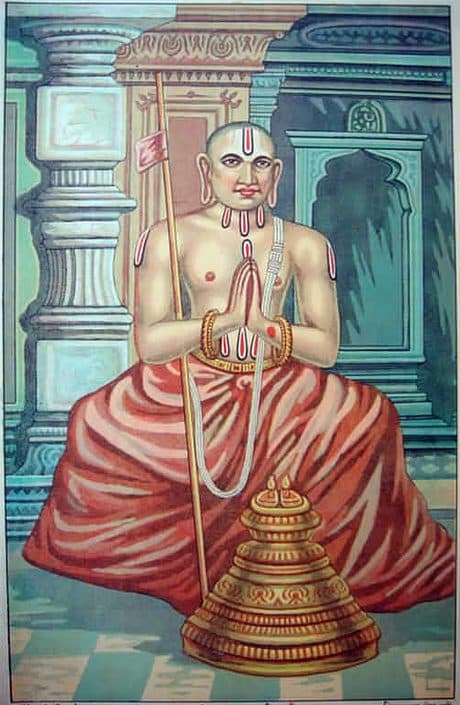
Rāmānuja · Viśiṣṭādvaita
English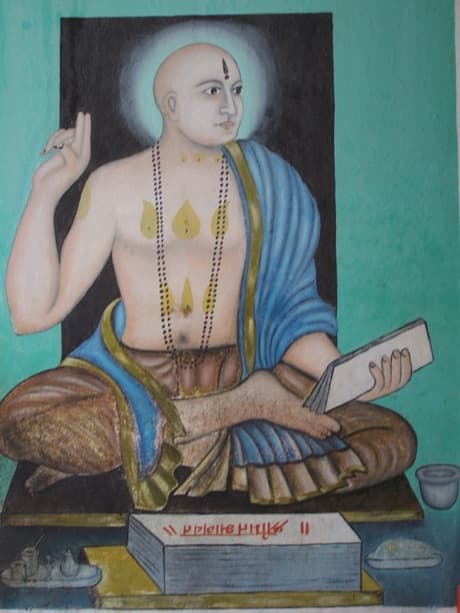
Madhvācārya · Dvaita
SanskritEnglishOn verses 17.18–17.23
“पुनश्च कर्मादितिकर्तव्यताविधानार्थमर्थवादमाह - ॐ तत्सद इत्यादिना | परस्य ब्रह्मणो हेतानि नामानि - ओतं जगद् यत्र स्वयं च पूर्णो वेदोक्तरूपोऽनपुचारतश्च | सर्वैः शुभैश्चाभियुतो नचान्यैरोन्तदसदित्येनमतो वदन्ति || इति हृग्वेदखिलेषु | द्वितीयपादतत् शब्दार्थः | सदेव सोम्येदमग आसीत् | इति च | तेन, ब्रह्मणा | आत्मपूजार्थम् | वेदविधिर्व्यञ्जनम् | मा तुक्ता पुरस्तात् ||” - Once again actions and the modalities that are ought to be performed are spoken by mentioning ॐ तत् सत् etc. which, verily, are names of the Supreme Brahman. Here in this world He is spread over in all entirety as Aum, therefore made reference in Vedas with respect. Thus, in the subsidiary chapter of Rigveda - He is सत्, since without any defects and is completely auspicious - “He (sat), verily, my dear, was there in the beginning”, “Aum, that is Brahman”. For propitiation of the Self by indicating the Vedic injunctions and Himself being referred subsequently.
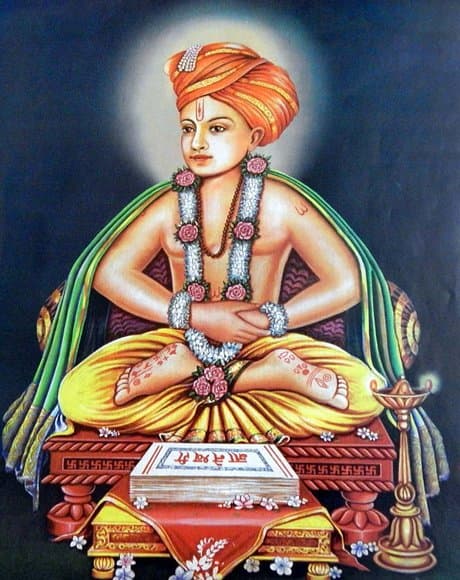
Jñāneśvar · Vārkarī
English23 "'Om-Tat-Sat': is the three-fold symbol indicative of Brahman; by it, the Brahmin sacrificers, the Vedic-Mantras, and the Sacrifices were created aforetime. (328)
The Supreme Brahman of all eternity, the very abode of rest of the entire universe, has got only one name which is three-fold. It has in fact neither any name nor any caste; but in order to give some identity to it, in the darkness of infatuation born of the Māyā, the Shruti Scriptures have given it a token name. A child does not bring along with its birth, a name. It answers and gets up when called by a (particular) name given to it. In that way, beings getting tired with the mundane worries approach Supreme Brahman for ventilating their grievances, (and call out by some token name). The token name which evoked a response from Brahman, became its conventional name. The Vedas out of great kindness for the world have discerned with divine vision a Sacred Formula (Mantra) that could break the silence of Supreme Brahman, and make its monistic aspect directly perceptible. Supreme Brahman, if entreated through the chanting of this formula, comes and stands in front face to face from the rear. But only those that do sit side by side, in the same row (level) as the God Brahmadev in the city in the form of the (the princip- les of) Upanishad Scriptures, on the top of the high mountain in the form of the Vedas, know of this formula. Nay—even the God Brahmadev secured his power of creating this universe by chanting this formula only once. Oh, the Best of the Warriors, God Brahmadev was a solitary figure, very much confused and mad before this universe was created (by him). He had clean forgotten Me—God, and was unable to create the universe; but the chanting of the name (formula) made him pre-eminent (endowed with that power). He secured the power of creating the universe through constant thinking of the meaning of it (formula) and chanting again and again the three syllables composing it. He then created the Brahmins giving them a direction to follow the Vedas and furnished them the means in the form of the sacrifices for their livelihood. He then created more people-innumerable to count and gave them in gift (for their livelihood) the three worlds, to be held and enjoyed by them hereditarily and in perpetuity. Now hear about the aspect of the name the chanting of which enabled God Brahmadev to bring about a miracle”, said the Lord of Shri. (He further said, “*Om* (ओम्) *Pranava*, the King of all the hymns, is the first syllable of this (name) know it; ‘*Tat*’ (तत्) is the second while ‘*Sat*’ (सत्) is the third. Thus *Om-Tat-Sat* (ओम्-तत्-सत्) is the three-fold name of Supreme Brahman, the beautiful flower of the Upanishad Scriptures, which you now smell. Sāttvic actions performed after getting one with that name makes the ‘Kaivalya’ (कैवल्य-absorption into Divine Essence) the domestic servant (of the performer). Good luck might secure ornaments of camphor for one; yet it is difficult for him to know how to wear them. In that way, one can perform good actions and even chant the name of Supreme Brahman; yet if one does not know the secret of its proper application (as laid down in the Scriptures), it becomes all fruitless. One stands to lose all merit, if the saintly persons visiting one’s house are not accorded proper reception; or one, out of longing for wearing ornaments in a fitting manner, should bundle them up and hang them around his neck. In that way, even if the mouth chants the name of Supreme Brahman, and the hands also perform good actions, yet it is of no avail if one does not know its proper application. Oh, there is food as also hunger side by side. Yet if a child does not know how to make a meal (of it) it necessarily starves; or a wick, oil and fire are all available in one place; yet if the process (हातवटि) of preparing a light (with the use of these) is not known, no light could be had. In that way even though there is the timely action, as also the remembrance of the formula, yet in the absence of (the knowledge of) proper application, all becomes useless, Therefore now hear about the proper application of the trilettered name (symbol) of Supreme Brahman.
Swami Ramsukhdas · Modern
English'Om tatsaditi nirdeśo brahmaṇastrividhaḥ smṛtaḥ'—Om, Tat and Sat—these are the three names of God, (These three names will be explained in the next four verses).
'Brāhmaṇāstena vedāśca yajñāśca vihitāḥ purā'—God at the beginning of the creation, created the Vedas, the Brāhmaṇas (persons of the priest class) and the sacrifices. The methods of performing sacrifices (which also include penance and charity), are explained in the Vedas; those who perform those sacrifices are Brāhmaṇas, and the acts that are performed, are sacrifices.
If there be any defect in the performance of sacrifice and penance or offering of charity, how to rectify the flaw and render it perfect? Utter the name of God (Om or Tat or Sat) the flaw will be rectified, and defect will be rendered perfect. As a cook, while kneading finds more water in the flour, he adds some more flour to it and thus he sets it right. Similarly a person, who performs virtuous actions, such as sacrifice and penance, etc., but finds any defect in those rites, he chants these names of the Lord and that recitation of Names corrects the defect.
Appendix—In 'Mahānirvāṇa tantra' it is mentioned—
om tatsaditi mantrena yo yatkarma samācaret, grhastho vāpyudāsīnastasyābhiṣṭāya tad bhavet. japo'homaḥ pratiṣṭhā ca saṃskārādyakhilāḥ kriyāḥ, om tatsanmantraniṣpannāḥ sampūrṇāḥ syurna saṃśayaḥ.
(14/154-155)
'om tat sat'—By uttering this sacred text whatever action a householder or a sage begins, with it he gets the desired fruit. All the actions such as utterance of the Lord's holy names, sacrifice, Pratiṣṭhā ceremony and rites etc., become successful by uttering the sacred text—om, tat, sat, there is no doubt about it.
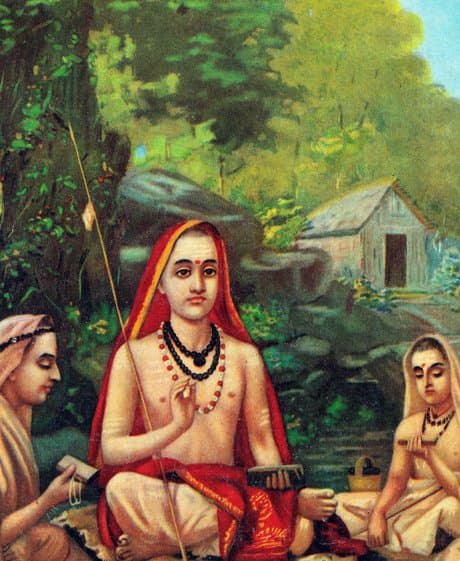
Ādi Śaṅkarācārya · Advaita
Sanskritओं तत् सत् इति एवं निर्देशः, निर्दिश्यते अनेन इति निर्देशः, त्रि-विधो नाम-निर्देशः ब्रह्मणः स्मृतः चिन्तितः वेदान्तेषु ब्रह्म-विद्भिः । ब्राह्मणाः तेन निर्देशेन त्रि-विधेन वेदाः च यज्ञाः च विहिताः निर्मिताः पुरा पूर्वं इति निर्देश-स्तुति-अर्थं उच्यते ॥
Ādi Śaṅkarācārya · Advaita
Hindiयज्ञ, दान और तप आदिको सद्गुणसम्पन्न बनानेके लिये यह उपदेश दिया जाता है—
ओम् तत् सत्—यह तीन प्रकारका ब्रह्मका निर्देश है। जिससे कोई वस्तु बतलायी जाय उसका नाम निर्देश है, अतः यह ब्रह्मका तीन प्रकारका नाम है, ऐसा वेदान्तमें ब्रह्मज्ञानियोंद्वारा माना गया है। पूर्वकालमें इस तीन प्रकारके नामसे ही ब्राह्मण, वेद और यज्ञ—ये सब रचे गये हैं। यह ब्रह्मके नामकी स्तुति करनेके लिये कहा जाता है
Jñāneśvar · Vārkarī
Marathiतरी अनादि परब्रह्म । जें जगदादि विश्रामधाम । तयाचें एक नाम । त्रिधा पैं असे ॥ ३२८ ॥ तें कीर अनाम अजाती । परी अविद्यावर्गाचिये राती-/ । माजी वोळखावया श्रुती । खूण केली ॥ ३२९ ॥ उपजलिया बाळकासी । नांव नाहीं तयापासीं । ठेविलेनि नांवेंसी । ओ देत उठी ॥ ३३० ॥ कष्टले संसारशीणें । जे देवों येती गाऱ्हाणें । तयां ओ दे नांवें जेणें । तो संकेतु हा ॥ ३३१ ॥ ब्रह्माचा अबोला फिटावा । अद्वैततत्त्वें तो भेटावा । ऐसा मंत्रु देखिला कणवा । वेदें बापें ॥ ३३२ ॥ मग दाविलेनि जेणें एकें । ब्रह्म आळविलें कवतिकें । मागां असत ठाके । पुढां उभें ॥ ३३३ ॥ परी निगमाचळशिखरीं । उपनिषदार्थनगरीं । आहाति जे ब्रह्माच्या येकाहारीं । तयांसीच कळे ॥ ३३४ ॥ हेंही असो प्रजापती । शक्ति जे सृष्टि करिती । ते जया एका आवृत्ती । नामाचिये ॥ ३३५ ॥ पैं सृष्टीचिया उपक्रमा-/ पूर्वीं गा वीरोत्तमा । वेडा ऐसा ब्रह्मा । एकला होता ॥ ३३६ ॥ मज ईश्वरातें नोळखे । ना सृष्टिही करूं न शके । तो थोरु केला एकें । नामें जेणें ॥ ३३७ ॥ जयाचा अर्थु जीवीं ध्यातां । जें वर्णत्रयचि जपतां । विश्वसृजनयोग्यता । आली तया ॥ ३३८ ॥ तेधवां रचिलें ब्रह्मजन । तयां वेद दिधलें शासन । यज्ञा ऐसें वर्तन । जीविकें केलें ॥ ३३९ ॥ पाठीं नेणों किती येर । स्रजिले लोक अपार । जाले ब्रह्मदत्त अग्रहार । तिन्हीं भुवनें ॥ ३४० ॥ ऐसें नाममंत्रें जेणें । धातया अढंच करणें । तयाचें स्वरूप आइक म्हणे । श्रीकांतु तो ॥ ३४१ ॥ तरी सर्व मंत्रांचा राजा । तो प्रणवो आदिवर्णु बुझा । आणि तत्कारु जो दुजा । तिजा सत्कारु ॥ ३४२ ॥ एवं ॐतत्सदाकारु । ब्रह्मनाम हें त्रिप्रकारु । हें फूल तुरंबी सुंदरु । उपनिषदाचें ॥ ३४३ ॥ येणेंसीं गा होऊनि एक । जैं कर्म चाले सात्त्विक । तैं कैवल्यातें पाइक । घरींचें करी ॥ ३४४ ॥ परी कापुराचें थळींव । आणून देईल दैव । लेवों जाणणेंचि आडव । तेथ असे बापा ॥ ३४५ ॥ तैसें आदरिजेल सत्कर्म । उच्चरिजेल ब्रह्मनाम । परी नेणिजेल जरी वर्म । विनियोगाचें ॥ ३४६ ॥ तरी महंताचिया कोडी । घरा आलियाही वोढी । मानूं नेणतां परवडी । मुद्दल तुटे ॥ ३४७ ॥ कां ल्यावया चोखट । टीक भांगार एकवट । घालूनि बांधिली मोट । गळा जेवीं ॥ ३४८ ॥ तैसें तोंडीं ब्रह्मनाम । हातीं तें सात्त्विक कर्म । विनियोगेंवीण काम । विफळ होय ॥ ३४९ ॥ अगा अन्न आणि भूक । पासीं असे परी देख । जेऊं नेणतां बालक । लंघनचि कीं ॥ ३५० ॥ का स्नेहसूत्र वैश्वानरा । जालियाही संसारा । हातवटी नेणतां वीरा । प्रकाशु नोहे ॥ ३५१ ॥ तैसे वेळे कृत्य पावे । तेथिंचा मंत्रुही आठवे । परी व्यर्थ तें आघवें । विनियोगेंवीण ॥ ३५२ ॥ म्हणौनि वर्णत्रयात्मक । जे हें परब्रह्मनाम एक । विनियोगु तूं आइक । आतां याचा ॥ ३५३ ॥
Jñāneśvar · Vārkarī
Hindi(17.328) जगत् इत्यादि सब का विश्रान्ति-स्थान जा अनादि परब्रह्म है उसका नाम एक ही परन्तु त्रिधा है। (17.329) ब्रह्म वस्तुतः नाम-रहित या जाति रहित है परन्तु अविद्यारूपी रात्रि में उसे पहचानने के लिए वेदों ने उसका एक नाम रख दिया है।
(17.330) बालक उत्पन्न होता है तो उसका कोई नाम नहीं रहता, परन्तु रक्खे हुए नाम से पुकारने पर वह उत्तर देता है;
(17.331) वैसे ही जो लोग संसार-व्यथा से कष्टी हो इस कष्ट का निवेदन करने के लिए ईश्वर के पास जाते हैं इन्हें वह जिस नाम से उत्तर देता है उसी नाम से हमारा अभिप्राय है।
(17.333) श्रेष्ठ वेद से कृपा-पूर्वक ऐसा एक मन्त्र देख निकाला है कि जिससे ब्रह्म की अनिर्वाच्यता मिट जाती और उसकी अद्वैत-पूर्वक प्राप्ति हो जाती है।
(17.334) उस वेदोपदिष्ट मन्त्र से पुकारते ही ब्रह्म, लीला से, पीछे अथवा सन्मुख आ खड़ा होता है;
(17.335) परन्तु यह प्रतीति उन्हीं को होती है जो वेदरूपी पर्वतों के शिखर पर उपनिषदों के अर्थ-रूपी नगर में ब्रह्म की ही पंक्ति में बैठे हुए हों।
(17.335) अस्तु, प्रजापति और शक्ति जो सृष्टि उत्पन्न करते हैं वे जिस एक नाम के अनुष्ठान से उत्पन्न करते हैं; (17.336) हे वीरोत्तम! सृष्टि के आरम्भ के पूर्व ब्रह्मा अकेले एक पागल मनुष्य के समान थे,
(17.337) वे मुझ ईश्वर को नहीं जानते थे और न उनमें सृष्टि रचने की सामर्थ्य थी, किन्तु उन्हें जिस एक नाम ने श्रेष्ठ बना दिया;
(17.338) अन्तःकरण में जिस एक नाम के अर्थ का ध्यान करने से, जिन तीन अक्षरों का जप करने से उन्हें विश्व रचने की योग्यता प्राप्त हो गई,
(17.339) और फिर उन्होंने ब्राह्मण उत्पन्न किये, उन्हें आचरण के लिए वेदों का उपदेश किया और उसके निर्वाह के लिए यज्ञ का अनुष्ठान नियत कर दिया,
(17.340) और अनन्तर न जाने कितने अन्य लोक उत्पन्न किये जिनकी गणना नहीं हो सकती और उन्हें तीनों भुवन मानों इनाम में दे दिये,
(17.341) श्रीलक्ष्मीपति कहते हैं, इस प्रकार जिस नाम-मन्त्र के द्वारा ब्रह्मा भी श्रेष्ठ हो गये उसका स्वरूप सुनो।
(17.342) सब मन्त्रों का राजा ओंकार उस नाम का पहला अक्षर है। तत्कार दूसरा अक्षर है और सत्कार तीसरा; (17.343) एवं ब्रह्म का नाम 'औतत्सत्' इन तीन अक्षरों का है। उपनिषद इसी सुन्दर फूल की सुगन्ध लेते हैं।
(17.344) इस नाम से युक्त हो जब सात्विक कर्म किया जाता है तो वह मोक्ष का घर का टहलुआ बना देता है।
(17.345) जैसे भाग्य से यदि कपूर के अलंकार प्राप्त हो भी जाय तो यह दिक्कत होती है कि वे पहने किस तरह जाये
(17.346) वैसे ही सत्कर्म का आचरण हो सकेगा, ब्रह्म के नाम का जप भी हो सकेगा परन्तु यदि उसके उपयोग का मर्म ज्ञात न हो
(17.347) तो जैसे कोट्यवधि महन्त जन आप ही आप घर पर पधारें और उनका सम्मान न किया जाय तो पुण्य का क्षय होता है;
(17.348) अथवा जैसे सुन्दर अलंकार पहनने की इच्छा से कुछ अलंकार और सोना एकत्रित कर गले में बाँध लिया जाय,
(17.349) वैसे ही मुख से ब्रह्म नाम का जप हो और हाथों से सत्कर्म होता हो तथापि उसका विनियोग मालूम न हो ते वह सब काम निष्फल है। (17.350) अजी! अन्न और भूख दोनों समीप हों तथापि खाना न जाननेहारे बालक को लंघन ही करनी होगी;
(17.351) अथवा तेल, बत्ती और अग्नि तीनों मिले तथापि हे वीर! उन्हें सुलगाने की युक्ति न मालूम हो तो प्रकाश का लाभ नहीं हो सकता;
(17.352) वैसे ही समयानुसार कर्म किया जाय और उसका मन्त्र भी याद हो तथापि विनियोग के बिना वह सब वृथा है।
(17.353) इसलिए अब यह जो तीन अक्षरों का परब्रह्म का एक ही नाम है उसका विनियोग कैसे किया जाता है सो सुनो।
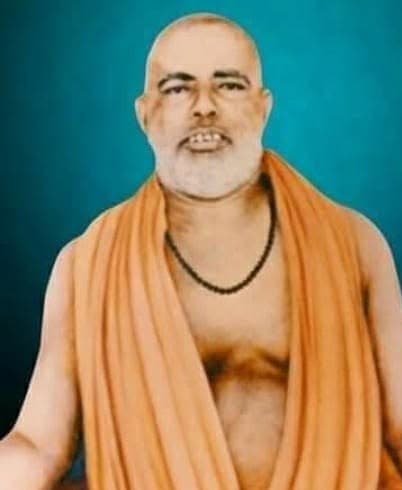
Sri Udiya Baba · Modern
Hindiभावार्थ— ॐ तत् और सत् इन तीन अवयवों वाला नाम परब्रह्म का कहा गया है। इसी से सृष्टि के आरम्भ में ब्राह्मण, वेद और यज्ञों का विधान किया गया था।
व्याख्या— ॐ परब्रह्म का वाचक है—‘तस्य वाचकः प्रणवः’ (यो.सू.) ‘तत्’ और ‘सत्’ उसी के संकेत हैं। ब्रह्मा ने इन्हीं के द्वारा सर्ग
के आरम्भ में वेद, ब्राह्मण और यज्ञों की सृष्टि की थी। अतः ये इनके मूल कारण हैं।
Swami Ramsukhdas · Modern
Hindi‘ॐ तत्सदिति निर्देशो ब्रह्मणस्त्रिविधः स्मृतः’—ॐ, तत् और सत्—यह तीन प्रकारका परमात्माका निर्देश है अर्थात् परमात्माके तीन नाम हैं (इन तीनों नामोंकी व्याख्या भगवान्ने आगेके चार श्लोकोंमें की है)।
‘ब्राह्मणास्तेन वेदाश्च यज्ञाश्च विहिताः पुरा’—उस परमात्माने पहले (सृष्टिके आरम्भमें) वेदों, ब्राह्मणों और यज्ञोंको बनाया। इन तीनोंमें विधि बतानेवाले वेद हैं, अनुष्ठान करनेवाले ब्राह्मण हैं और क्रिया करनेके लिये यज्ञ हैं। अब इनमें यज्ञ, तप, दान आदिकी क्रियाओंमें कोई
कमी रह जाय, तो क्या करें? परमात्माका नाम लें तो उस कमीकी पूर्ति हो जायगी। जैसे रसोई बनानेवाला जलसे आटा सानता (गूँधता) है, तो कभी उसमें जल अधिक पड़ जाय, तो वह क्या करता है? आटा और मिला लेता है। ऐसे ही कोई निष्कामभावसे यज्ञ, दान आदि शुभकर्म करे और उनमें कोई कमी—अंग-वैगुण्य रह जाय, तो जिस भगवान्से यज्ञ आदि रचे गये हैं, उस भगवान्का नाम लेनेसे वह अंग-वैगुण्य ठीक हो जाता है, उसकी पूर्ति हो जाती है।
परिशिष्ट भाव—‘महानिर्वाणतन्त्र’ में आया है—
ॐ तत्सदिति मन्त्रेण यो यत्कर्म समाचरेत्। गृहस्थो वाप्युदासीनस्तस्याभीष्टाय तद् भवेत्॥ जपो होमः प्रतिष्ठा च संस्काराद्यखिलाः क्रियाः। ॐ तत्सन्मन्त्रनिष्पन्नाः सम्पूर्णाः स्युर्न संशयः॥
(१४। १५४-१५५)
‘ॐ तत् सत्’—इस मन्त्रसे गृहस्थ अथवा उदासीन (साधु) जो भी कर्म आरम्भ करता है, उसको इससे अभीष्ट फलकी प्राप्ति होती है। जप, होम, प्रतिष्ठा, संस्कार आदि सम्पूर्ण क्रियाएँ ‘ॐ तत् सत्’—इस मन्त्रसे सफल हो जाती हैं, इसमें सन्देह नहीं है।’
Up until this time Lord Krishna has elaborated upon the distinctions between yajña or propitiation, tapaḥ or austerities and dāna or charity and how they are categorised in the three guṇas or modes of material nature.
Now the Supreme Lord will illustrate how yajña, Tapaḥ and dāna become spiritualised by being unified with the Prāṇava OM.
The term Prāṇava refers to first breath which is first vibrated as OM commencing all Vedic rites. It is derived from the root word Prāṇa meaning breath and is properly pronounced AAH with mouth open OOH with lips puckered and MMMM by pursing them together.
The triplicate formula OM TAT SAT is used in reference to the Brāhman or spiritual substratum pervading all existence, which is the impersonal aspect of the Supreme Lord.
The Brāhman also refers to the Vedas, which also originally emanated from the Supreme Lords Prāṇa.
The Vedas denote Vedically ordained activities, of which yajña, tapaḥ and dāna are essential.
All Vedically ordained yajñas, rituals and ceremonies are only bona fide and valid if prefaced with the Prāṇava OM at its commencement, accompanied by its auxiliaries TAT and SAT.
The absence of the transcendental sound of OM vibrating from the very inception of any Vedic activity, automatically disqualifies it and renders it invalid even if subsequent rituals are performed perfect and perfunctory.
The Prāṇava OM is an eternal prerequisite for every expiatory rite prescribed in the Vedic scriptures and thus indispensable.
The Prāṇava OM is the transcendental sound vibration personally representing the Supreme Lord Krishna. The auxiliary TAT denotes complete perfection and auspiciousness and the auxiliary SAT denotes the source of all creation.
The Vaiṣṇavas and the brāhmaṇas are those who have the sole right and exclusive authority to vibrate these transcendental sound vibrations audibly and inaudibly during all rituals, prescribed in the Vedic scriptures.
Brāhmaṇas are those seminally born in India in the topmost caste of Brahmin families.
Vaiṣṇavas are devotees of the Supreme Lord Krishna or any of His authorised incarnations and expansions as revealed in Vedic scriptures,
who are born in any caste, in any country, in any planetary system and who are so attracted to the Supreme Lord Krishna
that they make themselves available to receive twice born Brahmin initiation from a Vaiṣṇava āchārya or bona fide spiritual master from one of the four authorised sampradāya or bona fide channel of disciplic succession.
Only duly initiated Vaiṣṇavas and Brahmins are ordained to perform Vedic rites, no others have this authority and in this matter there is no exception.
The Brahmins and the Vaiṣṇavas were originally created by the Supreme Lord along with the Vedas and yajñas to harmoniously evolve and perfect all creation.