
Jñāneśvar · Vārkarī
English

Chapter 17 · 28 verses
The Yoga of the Division of Threefold Faith
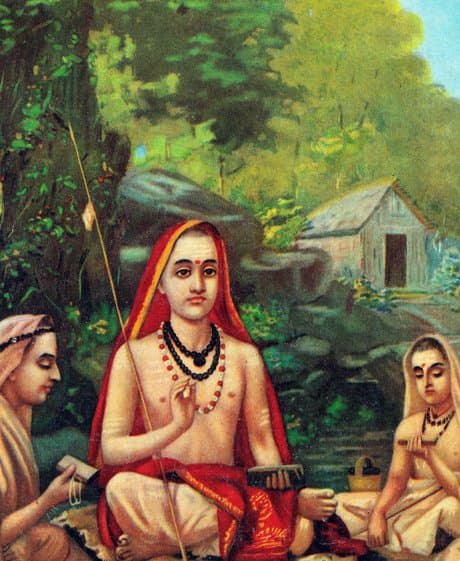 Ādi Śaṅkarācārya · Jñāneśvar expands this whole chapterAdvaita · Vārkarī · English · Sanskrit · Marathi · Hindi
Arjuna. If men forsake the holy ordinance, Heedless of Shastras, yet keep faith at heart And worship, what shall be the state of those, Great Krishna! Sattwan, Rajas, Tamas? Say! Krishna. Threefold the faith is of mankind and springs From those three qualities,--becoming "true," Or "passion-stained," or "dark," as thou shalt hear! The faith of each believer, Indian Prince! Conforms itself to what he truly is. Where thou shalt see a worshipper, that one To what he worships lives assimilate, [Such as the shrine, so is the votary,] The "soothfast" souls adore true gods; the souls Obeying Rajas worship Rakshasas Or Yakshas; and the men of Darkness pray To Pretas and to Bhutas. Yea, and those Who practise bitter penance, not enjoined By rightful rule--penance which hath its root In self-sufficient, proud hypocrisies-- Those men, passion-beset, violent, wild, Torturing--the witless ones--My elements Shut in fair company within their flesh, (Nay, Me myself, present within the flesh!) Know them to devils devoted, not to Heaven! For like as foods are threefold for mankind In nourishing, so is there threefold way Of worship, abstinence, and almsgiving! Hear this of Me! there is a food which brings Force, substance, strength, and health, and joy to live, Being well-seasoned, cordial, comforting, The "Soothfast" meat. And there be foods which bring Aches and unrests, and burning blood, and grief, Being too biting, heating, salt, and sharp, And therefore craved by too strong appetite. And there is foul food--kept from over-night, Savourless, filthy, which the foul will eat, A feast of rottenness, meet for the lips Of such as love the "Darkness." Thus with rites;-- A sacrifice not for rewardment made, Offered in rightful wise, when he who vows Sayeth, with heart devout, "This I should do!" Is "Soothfast" rite. But sacrifice for gain, Offered for good repute, be sure that this, O Best of Bharatas! is Rajas-rite, With stamp of "passion." And a sacrifice Offered against the laws, with no due dole Of food-giving, with no accompaniment Of hallowed hymn, nor largesse to the priests, In faithless celebration, call it vile, The deed of "Darkness!"--lost! Worship of gods Meriting worship; lowly reverence Of Twice-borns, Teachers, Elders; Purity, Rectitude, and the Brahmacharya's vow, And not to injure any helpless thing,-- These make a true religiousness of Act. Words causing no man woe, words ever true, Gentle and pleasing words, and those ye say In murmured reading of a Sacred Writ,-- These make the true religiousness of Speech. Serenity of soul, benignity, Sway of the silent Spirit, constant stress To sanctify the Nature,--these things make Good rite, and true religiousness of Mind. Such threefold faith, in highest piety Kept, with no hope of gain, by hearts devote, Is perfect work of Sattwan, true belief. Religion shown in act of proud display To win good entertainment, worship, fame, Such--say I--is of Rajas, rash and vain. Religion followed by a witless will To torture self, or come at power to hurt Another,--'tis of Tamas, dark and ill. The gift lovingly given, when one shall say "Now must I gladly give!" when he who takes Can render nothing back; made in due place, Due time, and to a meet recipient, Is gift of Sattwan, fair and profitable. The gift selfishly given, where to receive Is hoped again, or when some end is sought, Or where the gift is proffered with a grudge, This is of Rajas, stained with impulse, ill. The gift churlishly flung, at evil time, In wrongful place, to base recipient, Made in disdain or harsh unkindliness, Is gift of Tamas, dark; it doth not bless! HERE ENDETH CHAPTER XVII. OF THE BHAGAVAD-GITA, Entitled "Sraddhatrayavibhagayog," Or "The Book of Religion by the Threefold Kinds of Faith."
Edwin Arnold · Poetic (Victorian) — Public domain
Expansions that unfold the whole chapter, not verse by verse
Jñāneśvar · Vārkarī
EnglishĀdi Śaṅkarācārya · Advaita
Sanskrit``तस्मात् शास्त्रं प्रमाणं ते'' (भ. गी. १६-२४) इति भगवत्-वाक्यात् लब्ध-प्रश्न-बीजः अर्जुनः उवाच --
Jñāneśvar · Vārkarī
Marathi॥ ॐ श्री परमात्मने नमः ॥ ॥ अथ श्रीमद्भगवद्गीता ॥ । अथ सप्तदशोऽध्यायः - अध्याय सतरावा । । । श्रद्धात्रयविभागयोगः ।
विश्वविकासित मुद्रा । जया सोडी तुझी योगमुद्रा । तया नमोजी गणेंद्रा । श्रीगुरुराया ॥ १ ॥ त्रिगुणत्रिपुरीं वेढिला । जीवत्वदुर्गीं आडिला । तो आत्मशंभूनें सोडविला । तुझिया स्मृती ॥ २ ॥ म्हणौनि शिवेंसीं कांटाळा । गुरुत्वें तूंचि आगळा । तऱ्ही हळु मायाजळा- । माजीं तारूनि ॥ ३ ॥ जे तुझ्याविखीं मूढ । तयांलागीं तूं वक्रतुंड । ज्ञानियांसी तरी अखंड । उजूचि आहासी ॥ ४ ॥ दैविकी दिठी पाहतां सानी । तऱ्ही मीलनोन्मीलनीं । उत्पत्ति प्रळयो दोन्ही । लीलाचि करिसी ॥ ५ ॥ प्रवृत्तिकर्णाच्या चाळीं । उठली मदगंधानिळीं । पूजीजसी नीलोत्पलीं । जीवभृंगांच्या ॥ ६ ॥ पाठीं निवृत्तिकर्णताळें । आहाळली ते पूजा विधुळे । तेव्हां मिरविसी मोकळें । आंगाचें लेणें ॥ ७ ॥ वामांगीचा लास्यविलासु । जो हा जगद्रूप आभासु । तो तांडवमिसें कळासु । दाविसी तूं ॥ ८ ॥ हें असो विस्मो दातारा । तूं होसी जयाचा सोयरा । सोइरिकेचिया व्यवहारा । मुकेचि तो ॥ ९ ॥ फेडितां बंधनाचा ठावो । तूं जगद्बंधु ऐसा भावो । धरूं वोळगे उवावो । तुझाचि आंगीं ॥ १० ॥ तंव दुजयाचेनि नांवें तया । देहही नुरेचि पैं देवराया । जेणें तूं आपणपयां । केलासि दुजा ॥ ११ ॥ तूंतें करूनि पुढें । जे उपायें घेती दवडे । तयां ठासी बहुवें पाडें । मागांचि तूं ॥ १२ ॥ जो ध्यानें सूये मानसीं । तयालागीं नाहीं तूं त्याचे देशीं । ध्यानही विसरे तेणेंसीं । वालभ तुज ॥ १३ ॥ तूतें सिद्धचि जो नेणे । तो नांदे सर्वज्ञपणें । वेदांही येवढें बोलणें । नेघसी कानीं ॥ १४ ॥ मौन गा तुझें राशिनांव । आतां स्तोत्रीं कें बांधों हाव । दिसती तेतुली माव । भजों काई ॥ १५ ॥ दैविकें सेवकु हों पाहों । तरी भेदितां द्रोहोचि लाहों । म्हणौनि आतां कांहीं नोहों । तुजलागीं जी ॥ १६ ॥ जैं सर्वथा सर्वही नोहिजे । तैं अद्वया तूतें लाहिजे । हें जाणें मी वर्म तुझें । आराध्य लिंगा ॥ १७ ॥ तरी नुरोनि वेगळेंपण । रसीं भजिन्नलें लवण । तैसें नमन माझें जाण । बहु काय बोलों ॥ १८ ॥ आतां रिता कुंभ समुद्रीं रिगे । तो उचंबळत भरोनि निगे । कां दशीं दीपसंगें । दीपुचि होय ॥ १९ ॥ तैसा तुझिया प्रणितीं । मी पूर्णु जाहलों श्रीनिवृत्ती । आतां आणीन व्यक्तीं । गीतार्थु तो ॥ २० ॥ तरी षोडशाध्यायशेखीं । तिये समाप्तीच्या श्लोकीं । जो ऐसा निर्णयो निष्टंकीं । ठेविला देवें ॥ २१ ॥ जे कृत्याकृत्यव्यवस्था । अनुष्ठावया पार्था । शास्त्रचि एक सर्वथा । प्रमाण तुज ॥ २२ ॥ तेथ अर्जुन मानसें । म्हणे हें ऐसें कैसें । जे शास्त्रेंवीण नसे । सुटिका कर्मा ॥ २३ ॥ तरी तक्षकाची फडे । ठाकोनि कैं तो मणि काढे । कैं नाकींचा केशु जोडे । सिंहाचिये ? ॥ २४ ॥ मग तेणें तो वोंविजे । तरीच लेणें पाविजे । एऱ्हवीं काय असिजे । रिक्तकंठीं ? ॥ २५ ॥ तैसी शास्त्रांची मोकळी । यां कैं कोण पां वेंटाळी । एकवाक्यतेच्या फळीं । पैसिजे कैं ? ॥ २६ ॥ जालयाही एकवाक्यता । कां लाभें वेळु अनुष्ठितां । कैंचा पैसारु जीविता । येतुलालिया ॥ २७ ॥ आणि शास्त्रें अर्थें देशें काळें । या चहूंही जें एकफळे । तो उपावो कें मिळे । आघवयांसी ? ॥ २८ ॥ म्हणौनि शास्त्राचें घडतें । नोहें प्रकारें बहुतें । तरी मुर्खा मुमुक्षां येथें । काय गति पां ? ॥ २९ ॥ हा पुसावया अभिप्रावो । जो अर्जुन करी प्रस्तावो । तो सतराविया ठावो । अध्याया येथ ॥ ३० ॥ तरी सर्वविषयीं वितृष्णु । जो सकळकळीं प्रवीणु । कृष्णाही नवल कृष्णु । अर्जुनत्वें जो ॥ ३१ ॥ शौर्या जोडला आधारु । जो सोमवंशाचा शृंगारु । सुखादि उपकारु । जयाची लीला ॥ ३२ ॥ जो प्रज्ञेचा प्रियोत्तमु । ब्रह्मविद्येचा विश्रामु । सहचरु मनोधर्मु । देवाचा जो ॥ ३३ ॥
Jñāneśvar · Vārkarī
Hindi(17.1) हे श्रीगुरुराज, हे गणेन्द्र! जिनकी योग-समाधि के द्वारा जगत् का विकसित स्वरूप विलीन हो जाता है उन आपको में नमन करता हूँ।
(17.2) यह जगत् जो त्रिगुण-रूपी त्रिपुरों से वेष्टित है तथा जीव-रूपी किले में बन्द है उसे आत्मा-रूपी शंकर आपका स्मरण करते ही मुक्त कर देते हैं।
(17.3) अतएव शिव से तुलना करने से गुरुत्व में आप ही अधिक दिखाई देते हैं। तथापि आप लघु भी हैं क्योंकि आप माया-जल के पार लगा देनेवाली नौका हैं।
(17.4) जो आपके विषय में मूढ़ हैं उनके लिए आप वक्रतुण्ड हैं, परन्तु ज्ञानियों के लिए आप निरन्तर सरल ही हैं।
(17.5) आपकी दृष्टि देखने में सूक्ष्म दिखाई देती है परन्तु आप नेत्र खेलते और बन्द करते ही उत्पत्ति और प्रलय दोनों आसानी से कर देते हैं। (17.6) प्रवृत्ति-रूपी कान हिलाते ही मदगन्ध-युक्त वायु से आकर्षित होनेहारे जीव-रूपी भ्रमर आपके गण्डस्थल पर ऐसे शोभा देते हैं मानों आपकी नील कमलों से पूजा की गई हो।
(17.7) अनन्तर जब निवृत्ति-रूपी कान की झटकार से भ्रमर उड़ जाते या पूजा का विसर्जन हो जाता है तब आपके निर्मुक्त शरीर का लावण्य शोभा देता है।
(17.8) आपकी वामांगी जो माया है उसकी नृत्यक्रीड़ा जो यह जगद्रूप आभास है वह वास्तव में ताण्डव के मिस से आपके ही कौशल्य का परिचय देता है।
(17.9) यह रहने दीजिए। हे आश्चर्यकर्ता आपसे जिसका बन्धुत्व का सम्बन्ध हो जाता है वह बन्धुत्व के व्यवहार से वंचित हो रहता है।
(17.10) बन्धन मिटते ही वह — आपके जगद्वन्दु — भाव के द्वारा आप में ही आनन्द प्राप्त कर लेता है।
(17.11) हे देवराज! जिसके मिस से आप ही दूसरे रूप से दिखाई देते हैं उस द्वैत के लिए उसका शरीर भी शेष नहीं रहता।
(17.12) आपको जुदा समझ कर जो अनेक उपायों की ओर दौड़ते हैं उनके लिए आप प्रायः पीछे ही रह जाते हैं। (17.13) जो ध्यान के द्वारा आपको मन में रखने की चेष्टा करता है उसके लिए आप उसके प्रदेश में नहीं रहते, पर जो ध्यान भी भूल जाता है उस पर आप प्रेम करते हैं।
(17.14) जो सिद्ध सर्वज्ञ बन रहता है वह भी वास्तव में आपको नहीं जानता। वेदों की जैसी वाणी भी आपके कानों तक नहीं पहुँचती।
(17.15) मौन आपका राशिनाम हो रहा है, फिर मैं कहाँ तक स्तुति करने का हौसला रक्खूँ। जो दिखाई देवा है वह तो सब माया है फिर किसका भजन करूँ।
(17.16) आप देव और मैं आपका सेवक होना चाहूँ तो इस प्रकार भेद करने से दोष ही प्राप्त होगा। इसलिए महाराज! मैं अब आपका कोई नहीं होता।
(17.17) हे अद्वय, हे आराध्य मूर्ति! जब कोई सर्वथा कुछ भी न हो। तभी आपको प्राप्त कर सकता है; आपका यह मर्म मैं जानता हूँ।
(17.18) अतएव, लवण जैसे भिन्न न रहता हुआ जल से युक्त हो जाता है, वैसे ही मैं आपका नमन करता हूँ। और अधिक क्या कहूँ (17.19) रीता घड़ा समुद्र में डाला जाय तो वह जैसा उभरता हुआ भर जाता है, अथवा बत्ती जैसे दीप के संग से दीपक ही बन जाती है
(17.20) वैसे ही हे श्रीनिवृत्ति, मैं आपको। नमन करने से पूर्ण हो गया हूँ। अब मैं गीतार्थ प्रकट करता हूँ।
(17.21) 'सोलहवें' अध्याय के अन्त में अन्तिम श्लोक में श्रीकृष्ण देव ने इस सिद्धान्त का निर्णय किया
(17.22) कि हे पार्थ! कर्तव्याकर्तव्यव्यवस्था का प्रबन्ध करने के लिए तुम्हें सर्वथा शास्त्र ही एक प्रमाण मानना चाहिए।
(17.23) इस पर अर्जुन ने मन में कहा कि ऐसा क्यों होना चाहिए कि कर्म के लिए शास्त्र के बिना गति ही न हो।
(17.24) मनुष्य 'कब सर्प का फन पा कर उसमें से मणि निकाले और कब सिंह की नाक का बाल तोड़े?
(17.25) उसी बाल में और वही मणि पोह कर पहने तभी क्या उसे अलंकार मिल सकता है? अन्यथा क्या वह रिक्त-कण्ठ से रहेगा?
(17.26) वैसे ही शास्त्र अपरिच्छिन्न हैं, उनसे कौन कब काम ले सकता है? तथा वे एक-वाक्यता के पद पर कब पहुँच सकते हैं? (17.27) और एकवाक्यता भी हो तथापि उसके अनुसार अनुष्ठान करने के लिए समय कब मिल सकता है? आयुष्य का विस्तार इतना कहाँ है?
(17.28) शास्त्रपरिचय, द्रव्य, देश और काल आदि सबकी अनुकूलता एकत्र हो, ऐसा सुयोग सबके हाथ कहाँ लगता है?
(17.29) इस लिए प्रायः शास्त्र का साधन प्राप्त नहीं हो सकता। ऐसी अवस्था में अविद्वान मुमुक्षुओं के लिए क्या गति है?
(17.30) यह अभिप्राय पूछने के लिए अर्जुन ने जो प्रस्ताव किया वही सत्रहवें अध्याय की भूमिका है।
(17.31) सब विषयों से जो निरिच्छ हो गया है, जो सकल कलाओं में प्रवीण है, अर्जुनरूप से जो श्रीकृष्ण के चित्त का भी आकर्षण करनेहारा एक अपूर्व कृष्ण है,
(17.32) जो शूरता का अधिष्ठान है, सोमवंश की शोभा है, सुख इत्यादि उपकार करना जिसका खेल है,
(17.33) जो प्रज्ञारूपी स्त्री का प्रियोत्तम है, ब्रह्मविद्या का विश्रान्ति-स्थान है और जो श्रीकृष्ण का सहचारी मनोधर्म है,
Obeisance to you, Oh Indra (King) amongst the Ganas (Ganesha's attendants) — the Preceptor — you whose concentrated meditation (योगनिद्रा) releases the hold of the Universe of names and forms. The individual soul in the form of Shankara surrounded by the three Gunas in the form of Tripura (Demons) and detained in the fortress in the form of individual existence is released by your remembrance (in the way Lord Shiva, surrounded by Tripura Demons and shut up in a fortress, was released by the remembrance of Ganesha.) You are therefore in your capacity as the Preceptor, weightier than Lord Shiva if weighed side by side in a pair of scales; and yet you are light enough (like a raft) to carry safe across the waters of worldly delusion. To those, that are ignorant about your true nature, you look as one having a crooked face (this refers to Ganapati's bent trunk): yet to the learned you ever appear quite straight (उज्—not crooked). Your Divine eyes (vision) look small: yet with their opening and closing you easily bring about respectively the creation and the dissolution of the Universe. With the flapping of your (right) ear, in the form of activism (प्रवृत्ति), there blows the wind rendered fragrant by the ichor (मद) oozing from the temple, and then the black bees in the form of the beings, sit on your forehead, as if decorating it with a wreath of blue lotuses offered in worship. But when the other (left) ear flaps about, the flowers offered in worship are scattered and disappear and then the grandeur of your bodily form is revealed in its pristine glory. The sportive (graceful) movements of the deft dance, visible on the left side of your body, (this refers to the twisting motion of the trunk on the left side) which represents the false show of mundane activities, is displayed by you as an exquisite piece of art as it were of forceful manly dance. That apart: the wonderful thing is that with whomsoever you form a relationship, that person is at once deprived of that relationship. As soon as you remove the fetters (of mundane existence), the feeling that you are the very brother of the world is created and the sense of gratification felt by your devotees comes and sticks up to your person. With the eradication of the sense of duality—that duality through which you had created separation, he (the devotee) forgets the existence of his (separate) body-form. You remain too far behind (i.e. hidden) for those that look at you as distinct from their own selves, and keeping you straight before their gaze, run after you by diverse means to reach you. You never even remain in the region of those that meditate upon you with wrapt concentration: yet that one becomes dear to you who forgets such meditations (through his oneness with you). One that does not know that you are eternally self-same, conducts himself (as if) he is all-knowing. (How can you be expected to hear such a one since) you are not prepared to lend your ear even to the Vedas that propound You. You pass by the name “Silence” (मौन) on account of the Rāshi (राशि - the sign of the Zodiac) in which you were born. How could then one harbour the ambition of singing your praise? Whatever is perceptible is all born of Māyā (illusion): how and in what way should then one worship you? Looking upon you as Deity, if I seek to be your servant then it would mean taking myself to be distinct from you and laying myself open to the charge of being disloyal to you. It would therefore be only proper not to establish any kind of relationship in regard to you. It is only when one drops all distinctions, that one can attain you, Oh one without duality! I have now come to know of this secret of yours, you O adorable one! The salt does not exist separately but gets dissolved in the (cooked) food: treat (accept) my obeisance to you in that way—what more should I say? An earthen jar dipped in water comes up overflowing with water when drawn out: or a wick becomes—the lamp itself by associating with a (lighted) lamp: In that way, O Preceptor Nivrtināth, I have attained perfection by bowing to you. I now set myself to (the work of) interpreting the Teaching of the Gita. In the concluding stanza of Chapter XVI, the Lord gave the ever-abiding decision viz. “Oh Pārtha, the Scriptures should be thine sole authority for determining what is proper to be done and what is not.” On this, Arjuna thought to himself, “How is this? Is there no other alternative, but the Scriptures alone, for action? It is like (insisting on) wrenching out the snake-gem (सर्पमणि) from the hood of Takshaka—the mighty Cobra (by stamping on its hood), and pulling out the hair from the nostrils of a lion, and then knitting these together into an ornament for wearing round the neck: and if that be not possible then to remain bare-necked is highly degrading! Who would be able and how to bundle up (bring together) the loose, different (divergent) opinions propounded in different Scriptures and secure the fruit (a clear conclusion) as a result of their reconciliation? Assuming that such a reconciliation is secured, is there time available, sufficient to follow (i.e. to give a concrete shape to) that decision? How can one find leisure in his life time to get through such an intricate affair? And how would everybody be able (and fortunate enough) to secure the means to bring about the co-ordination and use for a common purpose of (i) the Scriptures, (ii) their interpretations, (iii) the place and (iv) the time? It is thus very difficult to perform actions strictly according to Scriptures, and under these conditions, how are the dull-witted (मूर्ख) seekers to fare? The solution (to this) which Arjuna is going to ask about, is discussed in this (XVII) Chapter. Arjuna, who is desireless in regard to all objects, and well-versed in all arts, who in his role as Arjuna has become a second Krishna (one who attracts); who is the main support of bravery, as also the ornament of the Soma (Lunar) Dynasty and to whom the enjoyment of pleasures is but a child's play; who is the master intellect and the very resting place of the Brahmic Lore, and whose mind worked in close association with the mind of God—(such Arjuna spake)!