

Bhagavad Gītā · Chapter 17 · Śraddhātraya Vibhāga Yoga
मनःप्रसादः सौम्यत्वं मौनमात्मविनिग्रहः
भावसंशुद्धिरित्येतत्तपो मानसमुच्यते
manaḥprasādaḥ saumyatvaṃ maunamātmavinigrahaḥ|bhāvasaṃśuddhirityetattapo mānasamucyate||
Word meanings
मनःप्रसादः = serenity of mind
सौम्यत्वम् = gentleness
मौनम् = silence
ग्रहः = self-control
भावसंशुद्धिः = purity of intention
इति = thus
एतत् = this
मानसम् = of the mind
तपः = austerity
उच्यते = is called
Translation
Cheerfulness of mind, placidity, habit of contemplation on God, control of the mind and perfect purity of inner feeling—all this is called austerity of the mind.
Commentary
The commentators seated around this verse
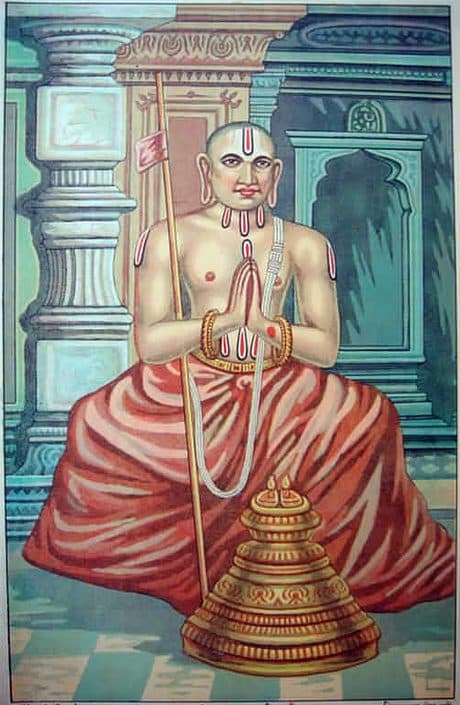
Rāmānuja · Viśiṣṭādvaita
English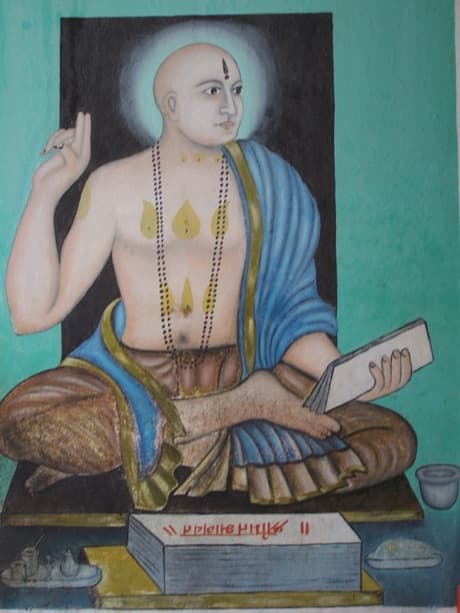
Madhvācārya · Dvaita
Madhva BhāṣyaSanskritEnglishOn verses 17.14–17.16
“सौमत्वम् अक्रौर्यम् | अक्रूरः सौम्य उच्यते | इति ह्यभिधानम् | मौनम् मननशीलत्वम् - बाल्यं च पांडित्य निर्विद्याथ मुनिः | इति हि श्रुतिः | एतेन हीदं सर्वं मतम् | यदनेनेदं सर्वं मतं तस्मान्मुनिस्तस्मान्मुनिरित्याचक्षते || इति हि भाल्लवेयश्रुतिः | कथमन्वथा - मानसम् तपः स्यात्? ||” - सौमत्वम् means being soft, gentle, not harsh or cruel. “Not being cruel is called being gentle” thus has been said. मौनम् means silence, being ever reflecting. “After acquiring wisdom and being eligible one acquires मौनम्” - Thus also in the scriptures. By him alone all this is reflected upon, thereupon, he is called Muni, thus in Bhallava scripture. Otherwise how else one could perform penance with the mind?
Madhvācārya · Dvaita
Gītā Tātparya NirṇayaSanskritEnglishOn verses 17.14–17.16
“मौनम् मननम् |” - मौनम् means reflection.
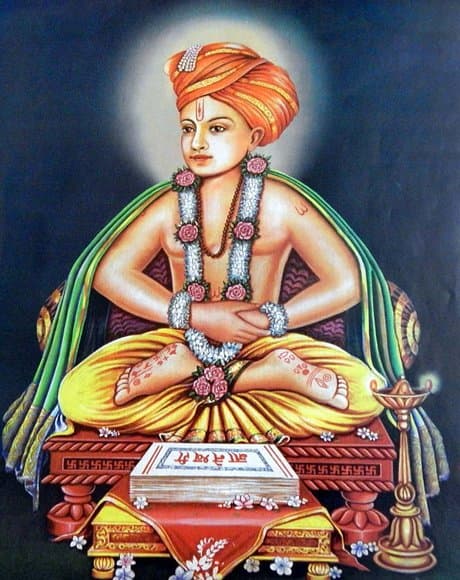
Jñāneśvar · Vārkarī
English16 'Serenity of mind, gentility, taciturnity, self-control, and purity of disposition: these are designated austerity of the mind. (225)
His mind remains steady in the Supreme Self,—getting freed from the webs of diverse ideas and fancies (leaving him), in the way the waves leave a lake, or the cloud leaves the sky, or snakes leave the sandal-tree forest, or the uneven phases leave the moon, or mental worry leaves a king, or the churning rod in the form of Mountain Mandara leaves the sea of milk. He attains the blissful self and rids himself of his temper, like the light without heat or food-flavour without density or the sky without cavity, or in the way the (already) benumbed limbs are not affected by cold. His mind then becomes clean and beautiful like the firm, unspotted and perfect moon. In such a state the hardship of asceticism is no more felt, the toilsome quest ceases and the trepidation of the mind is gone and there remains only in perfect form the realization of the self. The mouth, which was (formerly) always used as an instrument and vehicle for the faculty of speech in order to ponder over and expound the Scriptures—the same mouth now absolutely refuses to make use of the faculty of speech. Having secured the realisation of the Supreme Self the mind loses its nature—it is devitalized—and remains merged in the self in the way salt becomes one with water and gets itself extinguished in it. In such a state, whence could arise the emotions that rush along the road of the senses to the town of the sense-objects and reach it? Thus the mind rids itself of feelings and gets pure in the way the palm of the hand is pure (free) from hair. No need to say further, Oh Arjuna. When the mind attains such a stage it becomes eligible to the name 'austerity of mind'. Suffice this sermon: the aspects of the austerity of the mind have been preached to you in their entirety.” God said, (God further said), “You have been made to hear what are ordinarily the three classes of austerities viz. of body, speech and mind. Now will be explained to you how this (division into) three-fold austerity gets formed through its association with the three Gunas, and hear it (and digest it) with your powerful intellect.
Swami Ramsukhdas · Modern
English'Manaḥprasādaḥ'—Cheerfulness of mind is called 'Manaḥprasādaḥ'. Cheerfulness, which is caused by contact of
*Sweet (pleasant) words please human beings, hearts and birds. So a man should utter only pleasant words. Why should one show miserliness in speech?
persons, things and circumstances etc., is not permanent, but short-lived. Cheerfulness, which is revealed by giving up evils, remains permanent, and the mind, then becomes serene.
A man's peace of mind is disturbed, when he depends on the perishable worldly persons, such as his wife, sons and other members of the family, as well as, property and riches etc. If, instead of depending on the perishable, he depends only on the Lord, Who is eternal and imperishable, he can never lose, peace of mind.
The methods to remain cheerful—
(i) One should be free, from attachment and aversion, to persons and circumstances etc.
(ii) One should not be partial, out of selfishness and pride.
(iii) One should be full of divine traits, such as compassion, forgiveness and generosity etc.
(iv) One should have feelings for the welfare, of all beings.
(v) One, whose diet is balanced and regular, whose nature favours living in loneliness, who is reserved, who is temperate in sleep and recreation, according to ordinance of scriptures, such a striver, gains cheerfulness of mind, very quickly.
'Saumyatvam'—A person, who remains free from feelings of violence, cruelty, ruthlessness, ferocity, jealousy etc., and who has faith in the Lord's virtues, such as compassion etc., and His omnipresence, possesses gentleness or placidity. His placidity, is not disturbed, even if anyone uses harsh words for him, insults him, accuses him or there is loss in business etc.
'Maunam'—Here, the term 'Maunam', stands for mental penance. Real silence, consists in remaining equanimous in the pairs of opposites, such as favourable and unfavourable circumstances, union and disunion, attachment and aversion, pleasure and pain etc.*
* Here the term 'Maunam' does not stand for absence of speech. Had it been so, it would have been included in the penance of speech.
Constant application of the mind, to the words of saints, to the thought of virtues, glories and character, of the Lord as described in the sacred texts, such as the Gītā, Rāmāyaṇa and Bhāgavata as also to the thought of the welfare and salvation of living beings, is also included in the term 'Maunam'.
'Ātmavinigrahaḥ'—When mind becomes thoroughly disciplined and steady, it is called 'Ātmavinigrahaḥ'. Moreover, real self-control, consists in concentrating the mind and diverting it, as and when a person so desires. It means, that he should not be controlled by the mind, rather he should control it.
'Bhāvasaṃśuddhiḥ'—A pure state of mind, free from selfishness and pride, having the thought of welfare of others, is purity of nature. A man's nature, becomes pure when he thinks of the Lord and depends only on Him, and nature becomes impure, when he depends on the perishable world.
'Ityetattapo mānasamucyate'—Thus penance, which has predominance of mind, is called the penance of mind.
Appendix—A man should remain cheerful even in unfavourable circumstances. He should remain unaffected by circumstances. He should remain placid (gentle), even after hearing the undesirable utterances of others. He should not let the mind be free but make it contemplative because by leaving it free, there is enjoyment of pleasure and it does not become contemplative. He should renounce the 'mūḍha' (deluded), 'kṣipta' (volatile) and 'vikṣipta' (sometimes constant, sometimes volatile) inclinations of the mind. He should never think ill of anyone. All this is penance of the mind.
*Link:—Now the Lord, in the next three verses, describes*
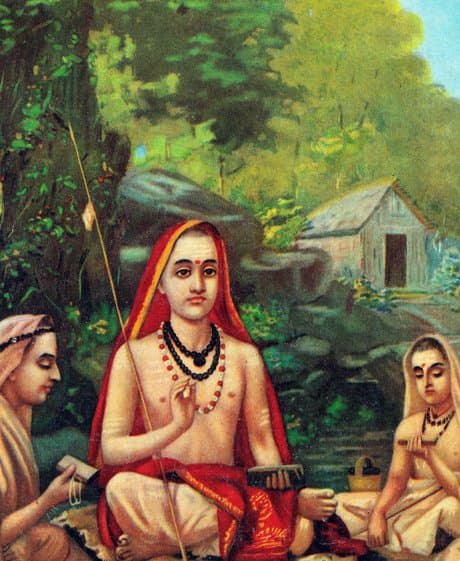
Ādi Śaṅkarācārya · Advaita
Sanskritमनः-प्रसादः मनसः प्रशान्तिः, स्वच्छता-आपादनं प्रसादः, सौम्यत्वं यत् सौमनस्यं आहुः -- मुख-आदि-प्रसाद-आदि-कार्य-उन्नेया अन्तःकरणस्य वृत्तिः । मौनं वाङ्-नियमः अपि मनः-संयम-पूर्वकः भवति इति कार्येण कारणं उच्यते मनः-संयमः मौनं इति । आत्म-विनिग्रहः मनो-निरोधः सर्वतः सामान्य-रूपः आत्म-विनिग्रहः, वाग्-विषयस्य एव मनसः संयमः मौनं इति विशेषः । भाव-संशुद्धिः परैः व्यवहार-काले अमायावित्वं भाव-संशुद्धिः । इति एतत् तपः मानसं उच्यते ॥ यथोक्तं कायिकं वाचिकं मानसं च तपः तप्तं नरैः सत्त्व-आदि-गुण-भेदेन कथं त्रि-विधं भवति इति, उच्यते --
Ādi Śaṅkarācārya · Advaita
Hindiमनका प्रसाद अर्थात् मनकी परम शान्ति— स्वच्छता सम्पादन कर लेना, सौम्यता—जिसको सुमनसता कहते हैं वह मुखादिको प्रसन्न करनेवाली अन्तःकरणकी शुद्ध-वृत्ति, मौन—अन्तःकरणका संयम, क्योंकि वाणीका संयम भी मनःसंयमपूर्वक ही होता है, अतः कार्यसे कारण कहा जाता है, मनका निरोध अर्थात् सब ओरसे साधारणभावसे मनका निग्रह और भली प्रकार भावकी शुद्धि अर्थात् दूसरोंके साथ व्यवहार करनेमें छल-कपटसे रहित होना, यह मानसिक तप कहलाता है । केवल वाणीविषयक मनके संयमका नाम मौन है और सामान्यभावसे संयम करनेका नाम आत्मनिग्रह है— यह भेद है
Jñāneśvar · Vārkarī
Marathiतरी सरोवर तरंगीं । सांडिलें आकाश मेघीं । का चंदनाचें उरगीं । उद्यान जैसें ॥ २२५ ॥ नाना कळावैषम्यें चंद्रु । कां सांडिला आधीं नरेंद्रु । नातरी क्षीरसमुद्रु । मंदराचळें ॥ २२६ ॥ तैसीं नाना विकल्पजाळें । सांडुनि गेलिया सकळें । मन राहे का केवळें । स्वरूपें जें ॥ २२७ ॥ तपनेंवीण प्रकाशु । जाड्येंवीण रसीं रसु । पोकळीवीण अवकाशु । होय जैसा ॥ २२८ ॥ तैसी आपली सोय देखे । आणि आपलिया स्वभावा मुके । हिंवली जैसी आंगिकें । हिवों नेदी निजांग ॥ २२९ ॥ तैसें न चलतें कळंकेंवीण । शशिबिंब जैसें परीपूर्ण । तैसें चोखी शृंगारपण । मनाचें जें ॥ २३० ॥ बुजाली वैराग्याची वोरप । जिराली मनाची धांप कांप । तेथ केवळ जाली वाफ । निजबोधाची ॥ २३१ ॥ म्हणौनि विचारावया शास्त्र । राहाटवावें जें वक्त्र । तें वाचेचेंही सूत्र । हातीं न धरी ॥ २३२ ॥ तें स्वलाभ लाभलेपणें । मन मनपणाही धरूं नेणें । शिवतलें जैसें लवणें । आपुलें निज ॥ २३३ ॥ तेथ कें उठिती ते भाव । जिहीं इंद्रियमार्गीं धांव । घेऊनि ठाकावे गांव । विषयांचे ते ॥ २३४ ॥ म्हणौनि तिये मानसीं । भावशुद्धिचि असे अपैसी । रोमशुचि जैसी । तळहातासी ॥ २३५ ॥ काय बहु बोलों अर्जुना । जैं हे दशा ये मना । तैं मनोतपाभिधाना । पात्र होय ती ॥ २३६ ॥ परी ते असो हें जाण । मानस तपाचें लक्षण । देवो म्हणे संपूर्ण । सांगितलें ॥ २३७ ॥ एवं देहवाचाचित्तें । जें पातलें त्रिविधत्वातें । तें सामान्य तप तूतें । परीसविलें गा ॥ २३८ ॥ आतां गुणत्रयसंगें । हेंचि विशेषीं त्रिविधीं रिगे । तेंही आइक चांगें । प्रज्ञाबळें ॥ २३९ ॥
Jñāneśvar · Vārkarī
Hindi(17.225) तरंगों के बिना जैसा सरोवर, मेघों से वियुक्त जैसा आकाश अथवा सर्पों से रहित जैसा चन्दन का उद्यान, (17.226) अथवा कलाओं की विषमता से वियुक्त चन्द्रमा, अथवा चिन्ता-विरहित राजा अथवा मन्दराचल से रहित जैसा क्षीरसागर,
(17.227) वैसा ही अनेक विकल्पों की जाली पूर्णतः निकल जाने पर जब मन केवल स्वरूपाकार से रह जाता है,
(17.228) बिना उष्णता के प्रकाश, बिना जड़ता के रस अथवा बिना पोलेपन के अवकाश
(17.229) की तरह जब मन अपने स्वरूप से रहता और अपने स्वभाव का इस प्रकार त्याग कर देता है जैसे हिम अपने शरीर का ठण्ड नहीं लगने देता,
(17.230) एवं कलंक-रहित चन्द्रमा जैसा निश्चल, नित्य और परिपूर्ण रहता है वैसा ही मन जब शुद्ध और उल्लसित रहता है,
(17.231) वैराग्य का क्लेश होना जब बन्द हो जाता है, हृदय का धड़धड़ाना और कँपना बन्द हो जाता है और उसके स्थान में आत्मबोध की पूर्णता प्राप्त हो जाती है।
(17.232) अतः शास्त्र-परिशीलन के लिए मुख का व्यापार जो वाचा है उसका भी कभी उपयोग नहीं किया जाता, (17.233) लवण जैसे अपनी मूलस्थिति अर्थात् जल का स्पर्श करते ही लवण-स्वरूप नहीं रख सकता वैसे ही आत्मलाभ की प्राप्ति के कारण मन जब मनत्व ही नहीं रख सकता
(17.234) तो उसमें ऐसे भाव कहाँ से उठ सकते हैं जिनसे इन्द्रिय-रूपी मार्ग से दौड़ कर विषय-रूपी नगर प्राप्त किये जाय,
(17.235) अतः जैसे हाथ की हथेली में बाल नहीं रहते वैसे उस समय मन में भी स्वभावतः भावशुद्धि रहती है,
(17.236) बहुत कहाँ तक कहूँ, हे अर्जुन! मन की जब ऐसी स्थिति है। जाती है, तब उस स्थिति का मानसिक तप नाम प्राप्त होता है।
(17.237) परन्तु अस्तु। देव ने कहा कि यहाँ तक हमने मानसिक तप के सम्पूर्ण लक्षणों का वर्णन किया;
(17.238) एवं हमने काया, वाचा और मन के द्वारा जो त्रिविध हुआ है उस सामान्य तप का विवरण कह सुनाया।
(17.239) अब तीन गुणों के संग से यही तप तीन प्रकार से भिन्न हो जाता है उसका विवेचन भी अपने बुद्धिबल के द्वारा भली भाँति ग्रहण करो।
Sri Udiya Baba · Modern
Hindiसंगति— अब अगले श्लोक में मानसिक तप बतलाते हैं—
भावार्थ— मन की प्रसन्नता, शान्ति, मौन, मनोनिग्रह और भाव की शुद्धि— ये सब मानसिक तप कहे जाते हैं।
व्याख्या— जब तक मन शुद्ध नहीं होगा भोजन और भजन निष्फल है। अतः मन को प्रसन्न रखना चाहिए। परन्तु प्रसन्नता के साथ
शान्ति भी रहनी आवश्यक है। इसी से 'प्रसाद' के पश्चात् 'सौम्यत्व' शब्द का प्रयोग किया है। अर्थात् मन के साथ नेत्र, चेष्टा, वाणी सभी प्रसन्न और शान्त हों। साथ ही मौन, ध्यान और निरन्तर इष्ट-चिन्तन हो, आत्मविनिग्रह अर्थात् मन और इन्द्रियों का निग्रह हो। ये सब बातें हों परन्तु भाव शुद्ध न हो तो सब निष्फल है, इसलिये सबके पश्चात् भाव-संशुद्धि कही है। भाव-संशुद्धि यही है कि सारे संसार को ब्रह्ममय, भगवत्स्वरूप अथवा मरुस्थल के जल के समान, गन्धर्व-नगरवत् या स्वप्नसदृश देखें। तात्पर्य यह कि राग-द्वेष को स्थान न देना, इष्टाकार वृत्ति रखना और संसार-चिन्तन को समीप न आने देना ही भाव-संशुद्धि है।
Swami Ramsukhdas · Modern
Hindi'मनःप्रसादः'—मनकी प्रसन्नताको 'मनःप्रसाद' कहते हैं। वस्तु, व्यक्ति, देश, काल, परिस्थिति, घटना आदिके संयोगसे पैदा होनेवाली प्रसन्नता स्थायीरूपसे हरदम नहीं रह सकती; क्योंकि जिसकी उत्पत्ति होती है, वह वस्तु स्थायी रहनेवाली नहीं होती। परन्तु दुर्गुण-दुराचारोंसे सम्बन्ध-विच्छेद होनेपर जो स्थायी तथा स्वाभाविक प्रसन्नता प्रकट होती है, वह हरदम रहती है और वही प्रसन्नता मन, बुद्धि आदिमें आती है, जिससे मनमें कभी अशान्ति होती ही नहीं अर्थात् मन हरदम प्रसन्न रहता है।
मनमें अशान्ति, हलचल आदि कब होते हैं? जब मनुष्य धन-सम्पत्ति, स्त्री-पुत्र आदि नाशवान् चीजोंका सहारा ले लेता है। जिसका सहारा उसने ले रखा है, वे सब चीजें आने-जानेवाली हैं, स्थायी रहनेवाली नहीं हैं।
अतः उनके संयोग-वियोगसे उसके मनमें हलचल आदि होती है। यदि साधक न रहनेवाली चीजोंका सहारा छोड़कर नित्य-निरन्तर रहनेवाले प्रभुका सहारा ले ले, तो फिर पदार्थ, व्यक्ति आदिके संयोग-वियोगको लेकर उसके मनमें कभी अशान्ति, हलचल नहीं होगी।
मनकी प्रसन्नता प्राप्त करनेके उपाय
(१) सांसारिक वस्तु, व्यक्ति, परिस्थिति, देश, काल, घटना आदिको लेकर मनमें राग और द्वेष पैदा न होने दे।
(२) अपने स्वार्थ और अभिमानको लेकर किसीसे पक्षपात न करे।
(३) मनको सदा दया, क्षमा, उदारता आदि भावोंसे परिपूर्ण रखे।
(४) मनमें प्राणिमात्रके हितका भाव हो।
* प्रियवाक्यप्रदानेन सर्वे तुष्यन्ति जन्तवः । तस्मात्तदेव वक्तव्यं वचने का दरिद्रता ॥
'प्रिय वाक्य बोलनेसे मनुष्य, पशु, पक्षी आदि सम्पूर्ण प्राणी प्रसन्न हो जाते हैं, इसलिये मनुष्यको प्रिय वाक्य ही बोलना चाहिये। बोलनेमें दरिद्रता—कंजूसी किस बातकी?'
(५) हितपरिमितभोजी नित्यमेकान्तसेवी सकृदुचितहितोक्तिः स्वल्पनिद्राविहारः । अनुनियमनशीलो यो भजत्युक्तकाले स लभत इव शीघ्रं साधुचितप्रसादम् ॥
(सर्ववेदान्तसिद्धान्तसारसंग्रह ३७२)
जो शरीरके लिये हितकारक एवं नियमित भोजन करनेवाला है, सदा एकान्तमें रहनेके स्वभाववाला है, किसीके पूछनेपर कभी कोई हितकी उचित बात कह देता है अर्थात् बहुत ही कम मात्रामें बोलता है, जो सोना और घूमना बहुत कम करनेवाला है। इस प्रकार जो शास्त्रकी मर्यादाके अनुसार खान-पान-विहार आदिका सेवन करने-वाला है, वह साधक बहुत ही जल्दी चित्तकी प्रसन्नताको प्राप्त हो जाता है।
—इन उपायोंसे मन सदा प्रसन्न रहता है।
‘सीम्यत्वम्’—हृदयमें हिंसा, क्रूरता, कुटिलता, असहिष्णुता, द्वेष आदि भावोंके न रहनेसे एवं भगवान्के गुण, प्रभाव, दयालुता, सर्वव्यापकता आदिपर अटल विश्वास होनेसे साधकके मनमें स्वाभाविक ही ‘सीम्यभाव’ रहता है। फिर उसको कोई टेढ़ा वचन कह दे, उसका तिरस्कार कर दे, उसपर बिना कारण दोषारोपण करे, उसके साथ कोई वैर-द्वेष रखे अथवा उसके धन, मान, महिमा आदिकी हानि हो जाय, तो भी उसके सीम्यभावमें कुछ भी फरक नहीं पड़ता।
‘मौनम्’—अनुकूलता-प्रतिकूलता, संयोग-वियोग, राग-द्वेष, सुख-दुःख आदि द्वन्द्वोंको लेकर मनमें हलचलका न होना ही वास्तवमें ‘मौन’ है।*
शास्त्रों, पुराणों और सन्त-महापुरुषोंकी वाणियोंका तथा उनके गहरे भावोंका मनन होता रहे; गीता, रामायण, भागवत
**परिशिष्ट भाव**—प्रतिकूल परिस्थितिमें भी प्रसन्न रहे। अपने ऊपर परिस्थितिका असर न पड़े। दूसरेकी प्रतिकूल बात सुनकर भी सीम्य रहे। मनकी स्वतन्त्रताका त्याग करके मनन करे; क्योंकि मनको स्वतन्त्र छोड़नेसे सुखभोग होता है, मननशीलता नहीं आती। मनकी मूढ़, क्षिप्त और विक्षिप्त वृत्तियोंका त्याग करे। अपने मनमें किसीके अहितका भाव न हो। यह सब मन-सम्बन्धी तप है।
* यहाँ ‘मौनम्’ पद वाणीके मौन-(चुप रहने-) का वाचक नहीं है। यदि यह वाणीके मौनका वाचक होता, तो इसे वाणी-सम्बन्धी तपमें देते। परन्तु यहाँ ‘मौन’ शब्द मानसिक तपके अन्तर्गत आया है।
गीतामें प्रायः यह देखा जाता है कि जहाँ अर्जुनका क्रियापरक प्रश्न है, वहाँ भगवान् भावपरक उत्तर देते हैं। जैसे दूसरे अध्यायके चौवनवें श्लोकमें अर्जुनने पूछा कि ‘स्थितधीः किं प्रभाषेत’ ‘स्थितप्रज्ञ पुरुष कैसे बोलता है?’ तो भगवान्ने उसका उत्तर दिया—‘दुःखेष्वनुद्विग्नमनाः...’ स्थितधीर्मुनिरुच्यते ॥’ अर्थात् अनुकूलता-प्रतिकूलताको लेकर जिसके मनमें हर्ष-शोक नहीं होते, वह स्थितप्रज्ञ मुनि (मौनी) है। तात्पर्य यह कि भगवान् क्रियाकी अपेक्षा भावको श्रेष्ठ मानते हैं। इसलिये भगवान्ने यहाँ भी ‘मौन’ को मानसिक तपमें लिया है।
आदि भगवत्सम्बन्धी ग्रन्थोंमें कहे हुए भगवान्के गुणोंका, चरित्रोंका सदा मनन होता रहे; संसारके प्राणी किस प्रकार सुखी हो सकते हैं? सबका कल्याण किन-किन उपायोंसे हो सकता है? किन-किन सरल युक्तियोंसे हो सकता है? उन-उन उपायोंका और युक्तियोंका मनमें हरदम मनन होता रहे—ये सभी ‘मौन’ शब्दसे कहे जा सकते हैं।
‘आत्मविनिग्रहः’—मन बिलकुल एकाग्र हो जाय और तैलधारावत् एक ही चिन्तन करता रहे—इसको भी मनका निग्रह कहते हैं; परन्तु मनका सच्चा निग्रह यही है कि मन साधकके वशमें रहे अर्थात् मनको जहाँसे हटाना चाहें, वहाँसे हट जाय और जहाँ जितनी देर लगाना चाहें, वहाँ उतनी देर लगा रहे। तात्पर्य यह कि साधक मनके वशीभूत होकर काम नहीं करे, प्रत्युत मन ही उसके वशीभूत होकर काम करता रहे। इस प्रकार मनका वशीभूत होना ही वास्तवमें ‘आत्मविनिग्रह’ है।
‘भावसंशुद्धिः’—जिस भावमें अपने स्वार्थ और अभिमानका त्याग हो और दूसरोंकी हितकारिता हो, उसे ‘भावसंशुद्धि’ अर्थात् भावकी महान् पवित्रता कहते हैं।
जिसके भीतर एक भगवान्का ही आसरा, भरोसा है, एक भगवान्का ही चिन्तन है और एक भगवान्की तरफ चलनेका ही निश्चय है, उसके भीतरके भाव बहुत जल्दी शुद्ध हो जाते हैं। फिर उसके भीतर उत्पत्ति-विनाशशील सांसारिक वस्तुओंका सहारा नहीं रहता; क्योंकि संसारका सहारा रखनेसे ही भाव अशुद्ध होते हैं।
‘इत्येतत्तपो मानसमुच्यते’—इस प्रकार जिस तपमें मनकी मुख्यता होती है, वह मानस (मन-सम्बन्धी) तप कहलाता है।
सम्बन्ध—अब भगवान् आगेके तीन श्लोकोंमें क्रमशः सात्त्विक, राजस और तामस तपका वर्णन करते हैं।
The austerities of the mind are manaḥ prasādaḥ or self-satisfaction and serenity free from mental imbalances.
The word saumyatvaṃ means serenity and benevolence to others. Maunam is silence externally and reflecting internally. Ātma- vinigrahaḥ is self-controlling the mind to stay focused on realisation of the ātma. Bhava-saṃśuddhiḥ is purity within and purity of purpose.
These austerities of mind are confirmed by Lord Krishna to be in sattva guṇa the mode of goodness.