

Bhagavad Gītā · Chapter 17 · Śraddhātraya Vibhāga Yoga
यत्तु प्रत्युपकारार्थं फलमुद्दिश्य वा पुनः
दीयते च परिक्लिष्टं तद्दानं राजसं स्मृतम्
yattu pratyupakārārthaṃ phalamuddiśya vā punaḥ|dīyate ca parikliṣṭaṃ taddānaṃ rājasaṃ smṛtam||
Word meanings
तु = but
यत् = which
परिक्लिष्टम् = grudgingly
च = and
प्रत्युपकारार्थम् = for the sake of a return favor
वा = or
फलम् = of the fruit
उद्दिश्य = aiming at
पुनः = again
दीयते = is given
तत् = that
दानम् = a gift
राजसम् = rajasic
स्मृतम् = is declared
Translation
A gift which is bestowed in a grudging spirit and with the object of getting a service in return or in the hope of obtaining a reward, is called Rajasika.
Commentary
The commentators seated around this verse
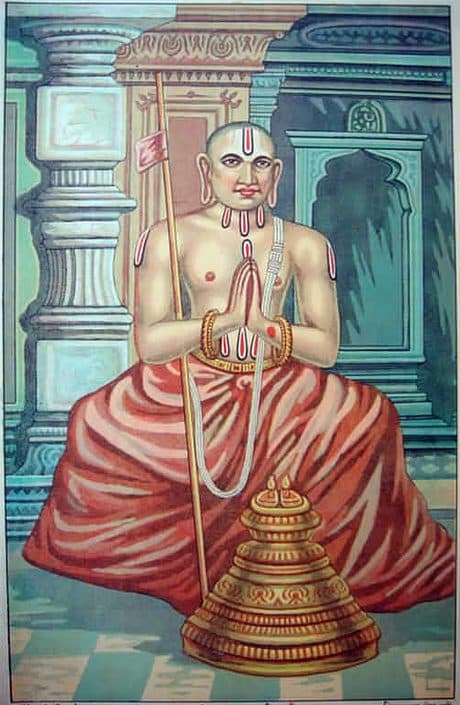
Rāmānuja · Viśiṣṭādvaita
English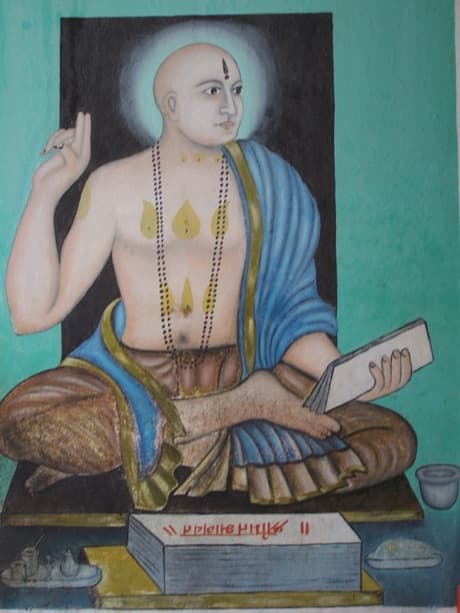
Madhvācārya · Dvaita
SanskritEnglishOn verses 17.18–17.23
“पुनश्च कर्मादितिकर्तव्यताविधानार्थमर्थवादमाह - ॐ तत्सद इत्यादिना | परस्य ब्रह्मणो हेतानि नामानि - ओतं जगद् यत्र स्वयं च पूर्णो वेदोक्तरूपोऽनपुचारतश्च | सर्वैः शुभैश्चाभियुतो नचान्यैरोन्तदसदित्येनमतो वदन्ति || इति हृग्वेदखिलेषु | द्वितीयपादतत् शब्दार्थः | सदेव सोम्येदमग आसीत् | इति च | तेन, ब्रह्मणा | आत्मपूजार्थम् | वेदविधिर्व्यञ्जनम् | मा तुक्ता पुरस्तात् ||” - Once again actions and the modalities that are ought to be performed are spoken by mentioning ॐ तत् सत् etc. which, verily, are names of the Supreme Brahman. Here in this world He is spread over in all entirety as Aum, therefore made reference in Vedas with respect. Thus, in the subsidiary chapter of Rigveda - He is सत्, since without any defects and is completely auspicious - “He (sat), verily, my dear, was there in the beginning”, “Aum, that is Brahman”. For propitiation of the Self by indicating the Vedic injunctions and Himself being referred subsequently.

Jñāneśvar · Vārkarī
English21 "But that which by way of a return obligation, or with an eye to subsequent gain, is given, grudgingly and scantily; that gift is pronounced Rajas-dominated. (285)
(As regards the Rajas-dominated charity): Feeding a cow in the expectation of milk to come, sowing land with the object of filling in grain pits (पेवे) with the yield secured; or inviting relations to a ceremonial function with an eye to the (expected) presents (आहेर), or sending charities to the house of one under a religious vow (बोवसिया) (not to retain any such), or recovering interest in advance and then lending (monetary) help to others, or recovering medical fees first and then giving medicine to the patient; or giving charity with the object that the giver should be able to feed himself on the recipient through what is given in charity; or coming across an itinerant Brahmin all-deserving, but not in a position to return any obligation (charity) made to him and then giving him a mere trifle (Kavadi, the smallest legal tender) on his own account and on behalf of all the members of the family (गोत्र) in expiation of all the past sins of commission and omission; or giving charity so scantily as to be hardly enough even for a single meal, and expecting in return the reward of various enjoyments in Heaven; (that apart), and when this miserly charity is being taken away (by the recipient) the donor feels so sad at heart on account of that loss, as if he has been robbed (by robbers), of all his possessions. What more should I say, Oh Good Talent! Giving charity with such a mentality (as described above) is known in all the three worlds as Rajas-dominated.
Swami Ramsukhdas · Modern
English'Yattu pratyupakārārtham'—A rājasika gift, is made with the hope of return. Rājasika people, think that if they make a gift to the family priest, of their relatives, the relatives will also give gifts to the former's family priest. Thus, their family priest will get money. Similarly they want to offer a gift to the priest, who is an astrologer, so that he may tell them the lucky moment of the marriage of their sons and daughters, and also of their journey, and business etc. Moreover, they want to make the gift to a priest, who is a physician, so that he may give them valuable medicines. Thus the gift, which is made to expect a return, is called 'Pratyupakārārtha'.
'Phalamuddiśya vā punaḥ'—This gift, is made with a view, that it will bring some unseen reward or heavenly pleasure. Rājasika people, make a gift at places of pilgrimage, (the Ganges, the Yamunā, Kurukṣetra etc., and on sacred occasions, such as the last day of a dark fortnight (Amāvāsyā), the full moon (Puṇimā) and eclipses etc., and to deserving learned
priests, who have studied the Vedas. But, because of the desire for reward, it has been called *rājasika*. So Lord Kṛṣṇa, has not mentioned, that it should be made, at a proper place and time and to a worthy person.
Here, the term 'punaḥ' (then or again), has been used to denote, that such a person first thinks of the man, to whom he is indebted or from whom he expects a reward, and then he makes a gift.
'Diyate ca pariklīṣṭam'—A *rājasika* gift, is made in a grudging and helpless mood, under compulsion or force. Whatever they give, is given, in a miserly manner, by being grieved, at heart. They believe, that by giving more, the habits of a donee will get spoiled, while they could suffer loss. So, it will be difficult for them, to run their lives smoothly. Thus they make petty gifts, in a higgling way.
'Taddānaṁ rājasaṁ smṛtam'—Such a gift, is said to be *rājasika* (passionate).

Ādi Śaṅkarācārya · Advaita
Sanskritयत् तु दानं प्रति-उपकार-अर्थं काले तु अयं मां प्रति-उपकरिष्यति इति एवं अर्थम्, फलं वा अस्य दानस्य मे भविष्यति अदृष्टं इति, तत् उद्दिश्य पुनः दीयते च परिक्लिष्टं खेद-संयुक्तम्, तत् दानं राजसं स्मृतम् ॥
Ādi Śaṅkarācārya · Advaita
Hindiजो दान प्रत्युपकारके लिये अर्थात् कालान्तरमें यह मेरा प्रत्युपकार करेगा, इस अभिप्रायसे अथवा इस दानसे मुझे परलोकमें फल मिलेगा ऐसे उद्देश्यसे क्लेश—खेदपूर्वक दिया जाता है, वह राजस कहा गया है
Jñāneśvar · Vārkarī
Marathiपरी मनीं धरूनि दुभतें । चारिजे जेवीं गाईतें । का पेंव करूनि आइतें । पेरूं जाइजे ॥ २८५ ॥ नाना दिठी घालुनि आहेरा । अवंतुं जाइजे सोयिरा । का वाण धाडिजे घरा । वोवसीयाचे ॥ २८६ ॥ पैं कळांतर गांठीं बांधिजे । मग पुढिलांचें काज कीजे । पूजा घेऊनि रसु दीजे । पीडितांसी ॥ २८७ ॥ तैसें जया जें दान देणें । तो तेणेंचि गा जीवनें । पुढती भुंजावा भावें येणें । दीजे जें का ॥ २८८ ॥ अथवा कोणी वाटे जातां । घेतलें उमचों न शकता । मिळे जैं पंडुसुता । द्विजोत्तमु ॥ २८९ ॥ तरी कवड्या एकासाठीं । अशेषां गोत्रांचींच किरीटी । सर्व प्रायश्चित्तें सुयें मुठीं । तयाचिये ॥ २९० ॥ तेवींचि पारलौकिकें । फळें वांछिजती अनेकें । आणि दीजे तरी भुके । येकाही नोहे ॥ २९१ ॥ तेंही ब्राह्मणु नेवो सरे । कीं हाणिचेनि शिणें झांसुरें । सर्वस्व जैसें चोरें । नागऊनि नेलें ॥ २९२ ॥ बहु काय सांगों सुमती । जें दीजे या मनोवृत्ती । तें दान गा त्रिजगतीं । राजस पैं ॥ २९३ ॥
Jñāneśvar · Vārkarī
Hindi(17.285) परन्तु गाय को जैसे दूध की इच्छा से चारा दिया जाय, अथवा अनाज भरने के लिए बण्डा बना कर जैसे बौनी की जाय,
(17.286) अथवा व्यवहार की ओर दृष्टि दे कर जैसे सम्बन्धियों का निमन्त्रण दिया जाय, अथवा जैसे व्रतस्थ मनुष्य के घर परोसा (पत्तल) भेजा जाय, क्योंकि उसके यहाँ से वह वापिस ही आवेगा,
(17.287) अथवा जैसे व्याज का पहले गाँठ में घर लेने पर द्रव्य-द्वारा किसी की सहायता की जाय, अथवा द्रव्य ले कर जैसे रोगियों को औषधि दी जाय,
(17.288) वैसे ही यदि इस भाव से दान दिया जाय कि उस दान से दान लेनेवाले का गुजारा हो और वह बार-बार दाता का नाम ले — उसका यश गावे (17.289) अन्यथा हे पाण्डुसुत! रास्ता चलते कोई प्रत्युपकार न करनेहारा उत्तम ब्राह्मण मिले
(17.290) तो उसे एक कौड़ी देने के साथ ही उसके हाथ सम्पूर्ण कुटुम्बियों के प्रायश्चित्त का संकल्प छोड़ा जाय,
(17.291) उसी प्रकार यदि अनेक स्वर्गीय फलों की इच्छा से दान दिया जाय और वह भी इतना सा कि एक को भूख के लिए भी काफी न हो
(17.292) तथा ब्राह्मण के दान लेकर जाते ही यदि दान देनेहारा उसे हानि समझ कर ऐसा दुखी हो मानों कोई चोर द्रव्यहरण कर ले गया हो,
(17.293) बहुत कहाँ तक कहें, हे सुमति! ऐसी मनोवृत्ति से यदि दान दिया जाय तो उस दान को संसार में राजस कहते हैं।

Sri Udiya Baba · Modern
Hindiभावार्थ— जो प्रत्युपकार की दृष्टि से अथवा फल को सामने रखकर कष्टपूर्वक दिया जाता है वह दान राजस माना जाता है।
Swami Ramsukhdas · Modern
Hindi'यत्तु प्रत्युपकारार्थम्'—राजस दान प्रत्युपकारके लिये दिया जाता है; जैसे—राजस पुरुष किसी विशेष अवसरपर दानकी चीजोंको गिन करके निकालता है, तो वह विचार करता है कि हमारे सगे-सम्बन्धीके जो कुल-पुरोहित हैं, उनको हम दान करेंगे, जिससे कि हमारे सगे-सम्बन्धी हमारे कुल-पुरोहितको दान करें और इस प्रकार हमारे कुल-पुरोहितके पास धन आ जायगा। अमुक पण्डितजी बड़े अच्छे हैं और ज्योतिष भी जानते हैं, उनको हम दान करेंगे, जिससे वे कभी यात्राका, पुत्रोंका तथा कन्याओंके विवाहका, नया मकान बनवानेका, कुआँ खुदवानेका मुहूर्त निकाल देंगे। हमारे सम्बन्धी हैं अथवा हमारा हित करनेवाले हैं, उनको हम सहायतारूपमें पैसे देंगे, तो वे कभी हमारी सहायता करेंगे, हमारा हित करेंगे। हमें दवाई देनेवाले जो पण्डितजी हैं; उनको हम दान करेंगे; क्योंकि दानसे राजी होकर वे हमें अच्छी-अच्छी दवाईयाँ देंगे, आदि-आदि। इस प्रकार प्रतिफलकी भावना रखकर अर्थात् इस लोकके साथ सम्बन्ध जोड़कर जो दान किया जाता है, वह 'प्रत्युपकारार्थ' कहा जाता है।
**'फलमुद्दिश्य वा पुनः'—**फलका उद्देश्य रखकर अर्थात् परलोकके साथ सम्बन्ध जोड़कर जो दान किया जाता है, उसमें भी राजस मनुष्य देश (गंगा, यमुना, कुरुक्षेत्र आदि), काल (अमावस्या, पूर्णिमा, ग्रहण आदि) और पात्र (वेदपाठी ब्राह्मण आदि)-को देखेगा तथा शास्त्रीय
विधि-विधानको देखेगा; परन्तु इस प्रकार विचारपूर्वक दान करनेपर भी फलकी कामना होनेसे वह दान राजस हो जाता है। अब उसके लिये दूसरे विधि-विधानका वर्णन करनेकी भगवान्ने आवश्यकता नहीं समझी, इसलिये राजस दानमें 'देशे काले च पात्रे' पदोंका प्रयोग नहीं किया।
यहाँ 'पुनः' पद कहनेका तात्पर्य है कि जिससे कुछ उपकार पाया है अथवा जिससे भविष्यमें कुछ-न-कुछ मिलनेकी सम्भावना है, उसका विचार राजस पुरुष पहले करता है, फिर पीछे दान देता है।
**'दीयते च परिक्लिष्टम्'—**राजस दान बहुत क्लेशपूर्वक दिया जाता है; जैसे—वक्त आ गया है, इसलिये देना पड़ रहा है। इतनी चीजें देंगे तो इतनी चीजें कम हो जायँगी। इतना धन देंगे तो इतना धन कम हो जायगा। वे समयपर हमारे काम आते हैं, इसलिये उनको देना पड़ रहा है। इतनेमें ही काम चल जाय तो बहुत अच्छी बात है। इतनेसे काम तो चल ही जायगा, फिर ज्यादा क्यों दें? ज्यादा देंगे तो और कहाँसे लायेंगे? और ज्यादा देनेसे लेनेवालेका स्वभाव बिगड़ जायगा। ज्यादा देनेसे हमारेको घाटा लग जायगा, तो काम कैसे चलेगा? पर इतना तो देना ही पड़ रहा है, आदि-आदि। इस प्रकार राजस मनुष्य दान तो थोड़ा-सा देते हैं, पर कसाकसी करके देते हैं।
**'तद्दानं राजसं स्मृतम्'—**उपर्युक्त प्रकारसे दिया जानेवाला दान राजस कहा गया है।
Lord Krishna clarifies that dānaṁ or charity that is bequeathed with an inner bg-sky desire and expectation for reward or dānaṁ that is proffered reluctantly,
or dānaṁ that is inferior due to damage or spoilage, or dānaṁ that is undamaged and perfectly good and fresh unspoiled articles are stingily given grudgingly are all known to be situated in raja guṇa the mode of passion.