

Bhagavad Gītā · Chapter 17 · Śraddhātraya Vibhāga Yoga
श्री भगवानुवाचत्रिविधा भवति श्रद्धा देहिनां सा स्वभावजा
सात्त्विकी राजसी चैव तामसी चेति तां श्रृणु
śrī bhagavānuvācatrividhā bhavati śraddhā dehināṃ sā svabhāvajā|sāttvikī rājasī caiva tāmasī ceti tāṃ śrṛṇu||
Word meanings
देहिनाम् = of embodied beings
सा = that
स्वभावजा = born of one's own nature
श्रद्धा = faith
सात्त्विकी = sattvic
च = and
राजसी = rajasic
च = and
तामसी = tamasic
इति = thus
त्रिविधा = threefold
एव = indeed
भवति = there is
ताम् = that
शृणु = hear
Translation
Sri Bhagavan said: that untutored innate faith of men is of three kinds—Sattvika and Rajasika and Tamasika. Hear of it from Me.
Commentary
The commentators seated around this verse
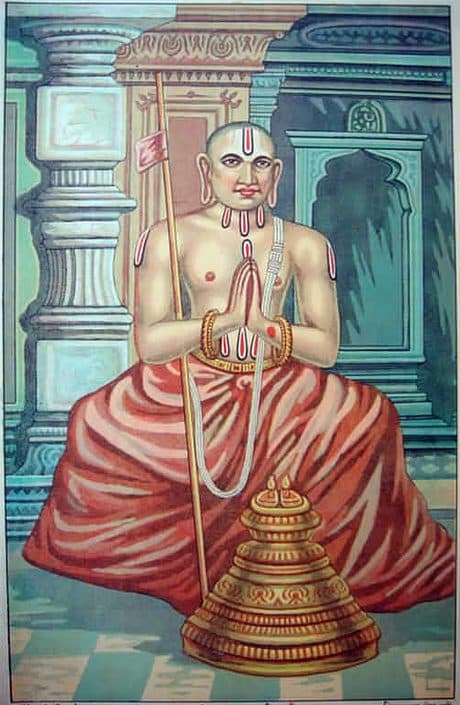
Rāmānuja · Viśiṣṭādvaita
EnglishOn verses 17.1–2
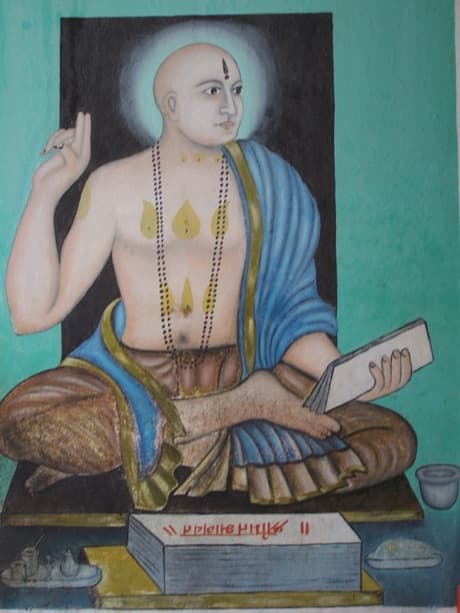
Madhvācārya · Dvaita
Madhva BhāṣyaSanskritEnglishOn verses 17.2–17.3
“अतो विभज्याऽह - त्रिविधा इत्यादिना | सत्वानुरूपा चित्तानुरूपा | यो यल्लुद्धः स एव सः | सात्विक श्रद्धः सात्विक इत्यादि ||” - Distinction of receptivity is made here as three-fold. सत्वानुरूपा means being attuned to luminous mind. He whose receptivity is luminous his perception verily, is enlightened. Those whose receptivity is luminous are to be known as saatvic - the luminous ones. Similarly the others. Being receptive (श्रद्धामयः) means having receptive form (श्रद्धामः).
Madhvācārya · Dvaita
Gītā Tātparya NirṇayaSanskritEnglishOn verses 17.2–17.3
“सच्चानुरूपा जीवानुरूपा अतो ये सात्विकश्रद्धास्ते सात्विका इति ज्ञायन्ते | अयोऽन्य इति | श्रद्धामयः श्रद्धारूपः | श्रद्धा स्वरूपं जीवस्य यस्माच्छ्रेयविभेदतः | उत्तमाधाममध्यस्तु जीवा ज्ञेय पृथक् पृथक् | स्वरूपभूता श्रद्धैव तामोगानां च मोक्षिणाम् || संस्मृतिस्थानां श्रद्धारूपं मनोऽपरम् | तत्र स्वरूपश्रद्धैव व्यज्यते पायशः क्वचित् | स्वातिकस्य तमेरूपा श्रद्धाऽन्तः कृणात्मिका | सात्विकी तामसस्यापि भूयस्त्वात् तद् विविच्यते ||” — Attributes are commensurate with one’s receptivity. Therefore one who responds in an enlightened manner is said to be of luminous receptivity, even as others differently. Since one responds according to one’s receptivity, one is distinguished from others as to their competence, as the superior, inferior and medium separately. The form of receptivity continues to be even for those who are go the darker worlds or to those who are delivered. Quite distinct from the form of receptivity there exists one which is superior even to the mind, where the real form of receptivity manifests. In rare moments in that interior place, the receptivity of the obscure one projects as luminous form and vice-versa. Therefore,
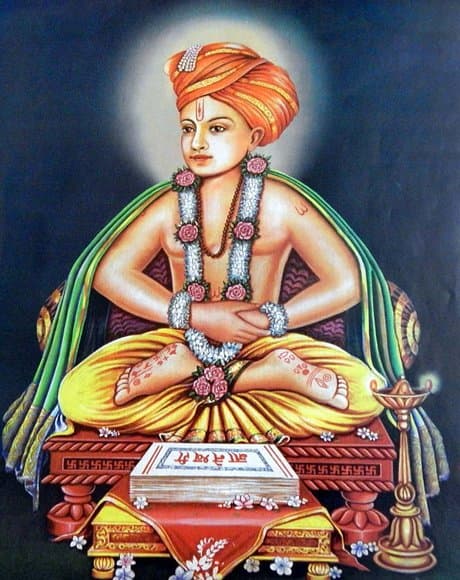
Jñāneśvar · Vārkarī
English2 *The Exalted-One Spake:* “Of three kinds is the faith that naturally belongs to embodied souls: Sātvika, Rājasa and Tāmasa: Listen as I describe it now.” (49)
Shri Bhagawān said, “Oh Pārtha, I have come to know the bent of your mind: you are feeling the study of the Scriptures as a great handicap. You appear to cling fast only to ‘faith’ for the attainment of the great seat (Supreme Brahman). But it is not, Oh Wise one, so easy. It is not proper, Oh Kiriti, merely to say ‘I have got faith,’ and depend upon it. Were a twice-born (Brahmin) to associate himself intimately with the lowest caste person, would he not be reduced to the status of that caste? Just think: one ought not to take (drink or eat) anything contained in a liquor pot, even though it might be the holy water of the Ganges. Does not sandal wood, even though pleasantly cool by itself, burn the fingers holding it, once it is set on fire? Or, if pure gold is mixed up with an alloy, melted in a mould and taken as pure gold, would that, Oh Kiriti, not cause a loss? 'Faith' by itself is a very fine (pure) principle; yet the being, to whose lot it goes, is naturally constituted of the three Gunas (Constituent aspects), by the power of Māyā (Illusion) which exists from all eternity. Of the three, two get weakened, while the third gets strong and dominates over the tendency of the being. The mind follows these tendencies, while the actions follow the mind, and then after death the being takes (re) birth in a new body-form in accordance with the actions in his past life. The seed (form) is disintegrated and develops into a tree: the tree (form) ends and is stored up in the seed (form): and this rotation goes on for crores of Kalpas: yet the tree genus does not become extinct. In that way, there take place innumerable births and deaths, and yet the being is invariably accompanied by the three Gunas (constituting the being). Therefore, whatever may be the faith that falls to the lot of the being it is you may see moulded, according to the individual combination of the three Gunas. Should, by chance, the Sattva Guna dominate, it invites knowledge; yet there are the two others (Rajas and Tamas) destructive to the third (Sattva). With the help of Sattva the faith enters on the way leading to liberation: yet there stand the Rajas and Tamas that are adverse to Sattva; how could they rest quiet? The Rajas defeats the Sattva and gets the upper hand (ascends the sky) with the result that the faith is reduced to (the position of) a broom for clearing (performing) actions. Then the Tamas rises into power, and transforms the faith into a new type in which it goes after undesirable enjoyment (of sense-objects).
Swami Ramsukhdas · Modern
English[Arjuna put the question to know, where they stand, while the Lord answers his question, according to their faith, because they stand, as is their faith.]
'Trividhā bhavati śraddhā dehinām sā svabhāvajā'— Faith is of three kinds. Now the question arises, whether that faith is born of company, learning of scriptures, or of innate nature. The answer is, that it is born of their nature. By having this faith, people worship the gods etc.
'Sāttviki rājasi caiva tāmasī ceti tāṁ śrṇu'— The faith born
of nature, is of three kinds—sāttvika (good), rājasa (passionate) and tāmasa (ignorant). Lord Kṛṣṇa, asks Arjuna to hear about these three, from Him.
In the preceding verse, in the expression 'Sattvamāho rajastamaḥ,' the conjunction 'Āho' (Or), has been used, which denotes that according to Arjuna 'sattvam' (good), stands for divine nature, while rajastamaḥ' (passionate-ignorant) stand, for demoniac nature. It means, that according to him, there are only two divisions. As far as bondage is concerned, the Lord also includes both the rajas and the tamas, in demoniac nature, when he declares that demoniac nature is conducive to bondage (Gītā 16/5). But, there is a difference between the two—the rajas and the tamas. The rājasa (passionate) people, perform actions, according to ordinance of scriptures to get their fruit. So having enjoyed, in heaven the heavenly pleasure, they enter (return to) the world of mortals, when their merit is exhausted (Gītā 9/21). But the tāmasa (ignorant) people do not perform actions, according to ordinances of the scripture. So they sink deep (Gītā 14/18). Thus the Lord, divides the faith of people, possessing a demoniac nature, into two parts, the rajas and the tamas, and asks Arjuna to hear from him, of the three kinds of faith— sāttvika, rājasa and tāmasa, separately.
Link:—The Lord, in the preceding verse, explains three kinds of faith. In the next verse, He explains, why it is of three kinds.
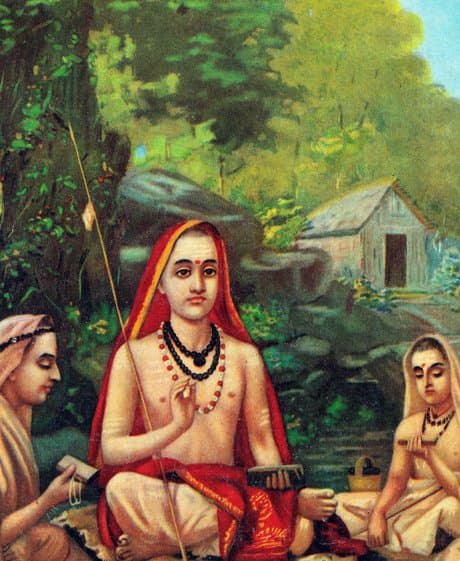
Ādi Śaṅkarācārya · Advaita
Sanskritत्रि-विधा त्रि-प्रकारा भवति श्रद्धा, यस्यां निष्ठायां त्वं पृच्छसि, देहिनां शरीरिणां सा स्वभाव-जा; जन्म-अन्तर-कृतः धर्म-आदि-संस्कारः मरण-काले अभिव्यक्तः स्वभावः उच्यते, ततः जाता स्वभाव-जा । सात्त्विकी सत्त्व-निर्वृत्ता देव-पूजा-आदि-विषया; राजसी रजो-निर्वृत्ता यक्ष-रक्षः-पूजा-आदि-विषया; तामसी तमो-निर्वृत्ता प्रेत-पिशाच-आदि-पूजा-विषया; एवं त्रि-विधां तां उच्यमानां श्रद्धां शृणु अवधारय ॥ सा इयं त्रि-विधा भवति --
Ādi Śaṅkarācārya · Advaita
Hindiयह प्रश्न साधारण मनुष्योंके विषयमें है, अतः इसका उत्तर बिना विभाग किये देना उचित नहीं, इस अभिप्रायसे श्रीभगवान् बोले—
जिस निष्ठाके विषयमें तू पूछता है, मनुष्योंकी वह स्वभावजन्य श्रद्धा अर्थात् जन्मान्तरमें किये हुए धर्म-अधर्म आदिके जो संस्कार मृत्युके समय प्रकट हुआ करते हैं उनके समुदायका नाम स्वभाव है, उससे उत्पन्न हुई श्रद्धा—तीन प्रकारकी होती है। सत्त्वगुणसे उत्पन्न हुई देवपूजादिविषयक श्रद्धा सात्त्विकी है, रजोगुणसे उत्पन्न हुई यक्ष-राक्षसादिकी पूजाविषयक श्रद्धा राजसी है और तमोगुणसे उत्पन्न हुई प्रेत-पिशाच आदिकी पूजाविषयक श्रद्धा तामसी है। ऐसे तीन प्रकारकी श्रद्धा होती है। उस आगे कही जानेवाली (तीन प्रकारकी) श्रद्धाको तू सुन
Jñāneśvar · Vārkarī
Marathiम्हणे पार्था तुझा अतिसो । हेंही आम्ही जाणतसों । जे शास्त्राभ्यासाचा आडसो । मानितोसि कीं ॥ ४९ ॥ नुसधियाची श्रद्धा । झोंबों पाहसी परमपदा । तरी तैसें हें प्रबुद्धा । सोहोपें नोहे ॥ ५० ॥ श्रद्धा म्हणितलियासाठीं । पातेजों नये किरीटी । काय द्विजु अंत्यजघृष्टीं । अंत्यजु नोहे ? ॥ ५१ ॥ गंगोदक जरी जालें । तरी मद्यभांडां आलें । तें घेऊं नये कांहीं केलें । विचारीं पां ॥ ५२ ॥ चंदनु होय शीतळु । परी अग्नीसी पावे मेळु । तैं हातीं धरितां जाळूं । न शके काई ? ॥ ५३ ॥ कां किडाचिये आटतिये पुटीं । पडिलें सोळें किरीटी । घेतलें चोखासाठीं । नागवीना ? ॥ ५४ ॥ तैसें श्रद्धेचें दळवाडें । अंगें कीर चोखडें । परी प्राणियांच्या पडे । विभागीं जैं ॥ ५५ ॥ ते प्राणिये तंव स्वभावें । आनादिमायाप्रभावें । त्रिगुणाचेचि आघवे । वळिले आहाती ॥ ५६ ॥ तेथही दोन गुण खांचती । मग एक धरी उन्नती । तैं तैसियाचि होती वृत्ती । जीवांचिया ॥ ५७ ॥ वृत्ती{ऐ}सें मन धरिती । मना{ऐ}सी क्रिया करिती । केलिया ऐसी वरीती । मरोनि देहें ॥ ५८ ॥ बीज मोडे झाड होये । झाड मोडे बीजीं सामाये । ऐसेनि कल्पकोडी जाये । परी जाति न नशे ॥ ५९ ॥ तियापरीं यियें अपारें । होत जात जन्मांतरें । परी त्रिगुणत्व न व्यभिचरें । प्राणियांचें ॥ ६० ॥ म्हणूनि प्राणियांच्या पैकीं । पडिली श्रद्धा अवलोकीं । ते होय गुणासारिखी । तिहीं ययां ॥ ६१ ॥ विपायें वाढे सत्त्व शुद्ध । तेव्हां ज्ञानासी करी साद । परी एका दोघे वोखद । येर आहाती ॥ ६२ ॥ सत्त्वाचेनि आंगलगें । ते श्रद्धा मोक्षफळा रिगे । तंव रज तम उगे । कां पां राहाती ? ॥ ६३ ॥ मोडोनि सत्त्वाची त्राये । रजोगुण आकाशें जाये । तेव्हां तेचि श्रद्धा होये । कर्मकेरसुणी ॥ ६४ ॥ मग तमाची उठी आगी । तेव्हां तेचि श्रद्धा भंगी । हों लागे भोगालागीं । भलतेया ॥ ६५ ॥
Jñāneśvar · Vārkarī
Hindi(17.49) हे पार्थ! तुम्हारी अभिरुचि हम जानते हैं। तुम शास्त्राभ्यास को एक प्रतिबन्ध समझते हो
(17.50) और केवल श्रद्धा से परमपद प्राप्त करना चाहते हो। परन्तु हे प्रबुद्ध! यह बात इतनी सहज नहीं है।
(17.51) हे किरीटी! वह श्रद्धा हो तो भी ऐसा विश्वास नहीं हो सकता कि वह निर्मल श्रद्धा है। ब्राह्मण क्या शूद्र के संसर्ग से शूद्र नहीं हो जाता?
(17.52) गंगाजल भी हो तथापि यह विचार देखो कि यदि वह मद्य के वासन में रक्खा हो, तो कुछ भी हो, उसे न पीना चाहिए।
(17.53) चन्दन शीतल होता है, परन्तु अग्नि से सम्बन्ध हो जाने पर क्या वह दाहक नहीं हो सकता? (17.54) हीन सुवर्ण को गला कर उस पर उत्तम सोने का पुट दिया हो तो उसे उत्तम समझ कर लेने से हे किरीटी! क्या हानि नहीं है?
(17.55) वैसे ही श्रद्धा का स्वरूप सचमुच स्वभावतः सुन्दर है परन्तु जब वह प्राणियों के भाग में आती है
(17.56) ते प्राणी तो सब स्वभावतः अनादि माया के प्रभाव के कारण त्रिगुणों के ही बने हुए होते हैं।
(17.57) उनमें से जब दो गुण दब जाते हैं और एक उन्नत होता है तब जीवों की वृत्तियाँ उसी उन्नत गुण के अनुसार होती हैं,
(17.58) वृत्तियों के अनुरूप उनका मन हो जाता है, मन के अनुसार वे क्रियाएँ करते हैं और जैसी क्रियाएँ करते हैं मरने पर वैसा ही शरीर धारण करते हैं।
(17.59) जैसे बीज नष्ट हो जाता है पर उसका वृक्ष होता है, और वृक्ष नष्ट हो जाता है पर बीज में समाया रहता है, इस प्रकार करोड़ों कल्प बीत जाय परन्तु पदार्थ की जाति का नाश नहीं होता
(17.60) वैसे ही जन्मान्तर अनेक होते जाय परन्तु प्राणियों के त्रिगुणों में अन्तर नहीं पड़ता। (17.61) इसलिए प्राणियों के भाग में आई हुई श्रद्धा भी इन्हीं तीनों गुणों के अनुसार हो जाती है।
(17.62) कभी शुद्ध सत्त्वगुण बढ़ जाय तो उससे ज्ञान प्राप्त हो सकता है, परन्तु दूसरे गुण उस एक के विरोधी होते हैं।
(17.63) सत्त्व के सम्बन्ध से श्रद्धा जब मोक्ष-फल की ओर प्रवृत्त होती है तब रज और तम क्योंकर चुप बैठे रहें?
(17.64) अतः सत्त्व के आधार का नाश कर रजो-गुण जब उन्नत होता है तब वही श्रद्धा कर्म करनेहारी हो जाती है।
(17.65) और जब तमरूपी प्रवृत्ति ऊँची उठती है तब वही श्रद्धा भिन्न हो अनेक भागों की इच्छा करती है।

Sri Udiya Baba · Modern
Hindiभावार्थ— प्राणियों की वह स्वाभाविकी श्रद्धा तीन प्रकार की होती है— सात्त्विकी, राजसी और तामसी। उसके विषय में सुनो।
Swami Ramsukhdas · Modern
Hindi[अर्जुनने निष्ठाको जाननेके लिये प्रश्न किया था, पर भगवान् उसका उत्तर श्रद्धाको लेकर देते हैं; क्योंकि श्रद्धाके अनुसार ही निष्ठा होती है।]
‘त्रिविधा भवति श्रद्धा देहिनां सा स्वभावजा’—श्रद्धा तीन तरहकी होती है। वह श्रद्धा कौन-सी है? संगजा है, शास्त्रजा है या स्वभावजा है? तो कहते हैं कि वह स्वभावजा है—‘सा स्वभावजा’ अर्थात् स्वभावसे पैदा हुई स्वतःसिद्ध श्रद्धा है। वह न तो संगसे पैदा हुई है और न शास्त्रोंसे पैदा हुई है। वे स्वाभाविक इस प्रवाहमें बह रहे हैं और देवता आदिका पूजन करते जा रहे हैं।
‘सात्त्विकी राजसी चैव तामसी चेति तां शृणु’—वह स्वभावजा श्रद्धा तीन प्रकारकी होती है—सात्त्विकी, राजसी और तामसी। उन तीनोंको अलग-अलग सुनो।
पीछेके श्लोकमें ‘सत्त्वमाहो रजस्तमः’ पदोंमें ‘आहो’ अव्यय देनेका तात्पर्य यह था कि अर्जुनकी दृष्टिमें ‘सत्त्वम्’ से देवी-सम्पत्ति और ‘रजस्तमः’ से आसुरी-सम्पत्ति—ये
दो ही विभाग हैं और भगवान् भी बन्धनकी दृष्टिसे राजसी-तामसी दोनोंको आसुरी-सम्पत्ति ही मानते हैं—‘निबन्धायासुरीमता’ (१६।५)। परंतु बन्धनकी दृष्टिसे राजसी और तामसी एक होते हुए भी दोनोंके बन्धनमें भेद है। राजस मनुष्य सकामभावसे शास्त्रविहित कर्म भी करते हैं; अतः वे स्वर्गादि ऊँचे लोकोंमें जाकर और वहाँके भोगोंको भोगकर पुण्य क्षीण होनेपर फिर मृत्युलोकमें लौट आते हैं—‘क्षीणे पुण्ये मर्त्यलोकं विशन्ति’ (गीता ९।२१)। परन्तु तामस मनुष्य शास्त्रविहित कर्म नहीं करते; अतः वे कामना और मृदुताके कारण अधम गतिमें जाते हैं—‘अधो गच्छन्ति तामसाः’ (गीता १४।१८)। इस प्रकार राजस और तामस—दोनों ही मनुष्योंका बन्धन बना रहता है। दोनोंके बन्धनमें भेदकी दृष्टिसे ही भगवान् आसुरी-सम्पदावालोंकी श्रद्धाके राजसी और तामसी—दो भेद करते हैं और सात्त्विकी, राजसी तथा तामसी—तीनों श्रद्धाओंको अलग-अलग सुननेके लिये कहते हैं।
सम्बन्ध—पूर्वश्लोकमें वर्णित स्वभावजा श्रद्धाके तीन भेद क्यों होते हैं—इसे भगवान् आगेके श्लोकमें बताते हैं।
The guṇas or three modes of material nature are sattva guṇa the mode of goodness, raja guṇa the mode of passion and tama guṇa the mode of ignorance.
They are singularly inherent within the faith of all mankind and they conform to the characteristics and disposition particular to each jīva or embodied being.
The impressions from past life incarnations arise as tendencies pursued in a present life correspondent to one's mood and taste and from that mood and taste ones' faith arises.
Displays of enthusiasm are indications of faith, where underlying is the belief that the effort will be successfully fulfilled.
Tendency, taste and faith are actually properties of the ātma or immortal soul; but they are only evoked when the ātma happens by chance to come in contact with the guṇas.
It has been deduced that when there is tranquillity in the mind there is control of the senses and peacefulness of the body and such effect manifests the chance contact between the ātma and the guṇas resulting in sattva guṇa.
Agitation of the mind, unbridled senses and over indulgence of the body results in raja and tama guṇa.
Thus effectively the experiences from past lives manifest into one of the three guṇas.