

Bhagavad Gītā · Chapter 17 · Śraddhātraya Vibhāga Yoga
यातयामं गतरसं पूति पर्युषितं च यत्
उच्छिष्टमपि चामेध्यं भोजनं तामसप्रियम्
yātayāmaṃ gatarasaṃ pūti paryuṣitaṃ ca yat|ucchiṣṭamapi cāmedhyaṃ bhojanaṃ tāmasapriyam||
Word meanings
यत् = which
भोजनम् = food
यातयामम् = stale
गतरसम् = flavorless
पूति = putrid
पर्युषितम् = left standing overnight
च = and
उच्छिष्टम् = already tasted
च = and
अमेध्यम् = impure
अपि = also
तामसप्रियम् = dear to the tamasic
Translation
Food which is half-cooked or half-ripe, insipid, putrid, stale and polluted, and which is impure too, is dear to men a Tamasika disposition.
Commentary
The commentators seated around this verse
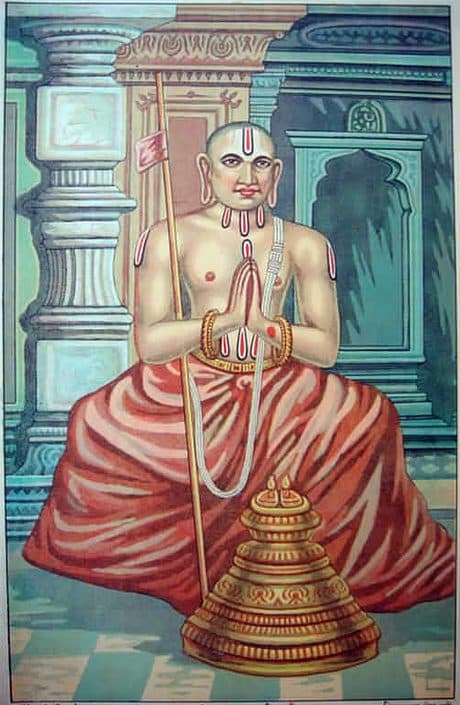
Rāmānuja · Viśiṣṭādvaita
EnglishOn verses 17.8–10
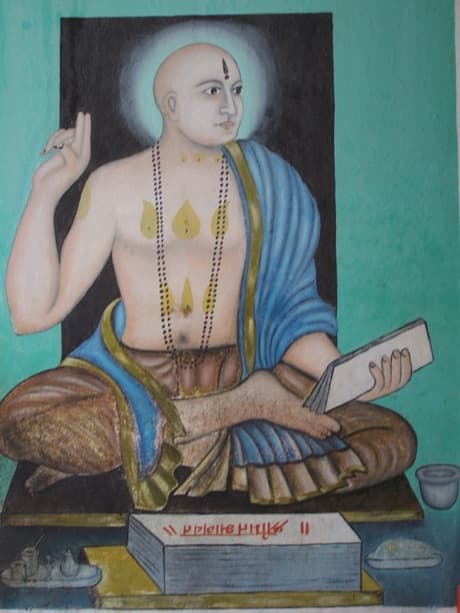
Madhvācārya · Dvaita
SanskritEnglish“यामान्तरितपाकं तु यातयाममितीयते | क्वचिच्च गतसारं स्यान्नियम्बं यातमस्य यत् | इति च | पूर्वं स्वादु पश्चादन्यथाजातं गतरसम् | शुद्धभागवतानां तु स्वभावपेक्षयैव तु | स्वादुत्वादि विजानीयात् पदार्थानां न चान्यथा || इति सूदशास्त्रे ||” - The food which is kept over for a period of three hours after the same is cooked is called यामा. When the taste of the food is lost, it is also called यातयाम. Earlier sweet but later turned without taste is called गतरसम् - tasteless. For the one who is devoted to the Resplendent One, even if a thing appears tasteless, the real nature of the thing should be made known - thus in Sudashastra.
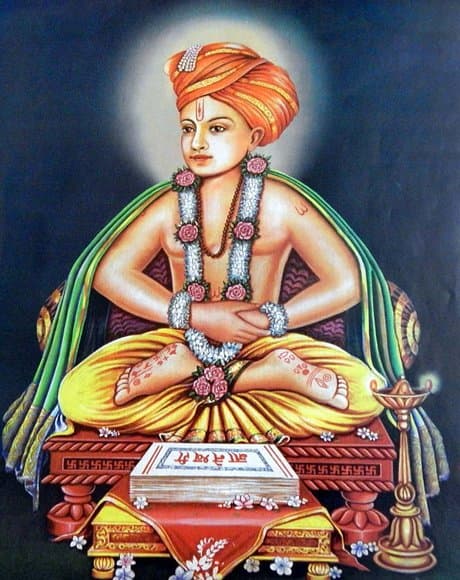
Jñāneśvar · Vārkarī
English10 "Void of freshness, no longer savoury, foul smelling; and what has stayed overnight; what has been left part-eaten and is unholy: such the fare favoured by those of Tāmasa temperament. (154)
He (Tāmas-tempered person) feels no repugnance while eating rotten, defiled, and left part-eaten food, in the way, a she-buffalo does not feel (repugnance) while consuming mash of grain, bran etc., laid before it (अबोण). A Tāmas-tempered person takes ungrudgingly food that was cooked in the morning or in the afternoon of the previous day. He also takes food that is imperfectly cooked or is over-cooked; also that which is no longer savoury. The proper type of food is that which is well-cooked and has become fully savoury. The Tāmas-tempered one is not convinced about it (he holds a different view); were he by chance to get fresh and nice food to eat, he would not take it until it became foul-smelling in the way a tiger does. Food that has been cooked days back, (food) that has lost all its flavour, (food) that has completely dried up, (food) that has rotten or fermented or swollen, (food) that has been squeezed and crushed by children like clay, or that has been mixed up (rubbed in together) as an oblation to family-Goddess by (five) married women and a virgin all sitting in company (बोडण) it is only when he takes such a foul and dirty food that he feels he has had a happy meal; yet even with this the sinner (the wretch) does not feel really satisfied. Just see, the wonder of it is that his longing for food and drink that is prohibited by the Scriptures, and which is also unwholesome and unfit to be taken, becomes extremely intense. Such is the liking, Oh Warrior, of one who has taken to Tāmas sort of food. It however takes no time for such a one to reap the fruit of such tendencies on his part, since he becomes the receptacle of sins, the moment his mouth comes in touch with such unholy drink and food. Whatever he takes in as food should not be considered as feeding (i.e. an aid to vitality), but (should be taken) as mere stuffing in (impending) troubles. Will any one like to go through the ordeal of cutting one's throat (head) or entering a blazing fire, simply to have a taste of it? But he (a Tāmas ridden person) continually suffers bitter pangs of the same nature (as a result of this diet). Thus the effects of the Tāmas sort of food cannot, Oh, Arjuna, be distinguished from the Tāmas- ridden disposition itself,” said the Lord. (God further said) “The sacrifices are also of three kinds like the diet, and you attend to the subject. The first of these is Sāttvic sacrifice and you hear about the mystic significance (the touchy point-वर्म) of it, Oh, the (head) gem (शिरोमणी) among the famous.
Swami Ramsukhdas · Modern
English'Yātayāmaṇ'—It means half-cooked, half-ripe, overcooked and overripe food and off-season fruit and vegetables etc., kept usable through refrigeration etc.
'Gatarasaṃ'—The fruits etc., which lose their juice due to exposure etc., of which the essence has been taken out through machinery are 'Gatarasaṃ'.
'Pūti—Putrid foods, are those of which the smell is offensive, these are onion and garlic etc. Moreover wine etc.,* which are
* In the scriptures a drunkard has been called a great sinner—He who steals gold, he who drinks wine, he who has sexual intercourse with his preceptor's wife and he who murders a Brāhmaṇa—these four are great sinners and the fifth great sinner is he who keeps their company. It means that drinking is one of the worst evils, worse than even the non-vegetarian diet.
The holy water of the Ganges purifies everything. But the goblet is not purified even with it. So how much impure a drunkard is—one can't imagine.
Its preparation involves a lot of violence. It kills the germs of righteousness i.e., the feelings and impressions of righteousness are destroyed by drinking wine and a man has a downfall.
rendered foul, through fermentation, are also putrid.
'Paryuṣitam'—Cooked food, such as vegetables and 'Capātis', prepared by mixing water and salt, in them which has been kept overnight, is stale. But sweets, prepared from milk, butter, ghee and sugar do not get stale, as they do not get spoiled, when allowed to stay overnight.
'Ucchiṣṭam'—Food left over on a plate after a meal or food which is either seen, or smelt or partly eaten, by a cow, a cat, a dog or a crow is called polluted (Ucchiṣṭam).
'Amedhyam'—Meat and eggs etc., are impure food, so impure that a man has to take a bath, even if he touches them. The Lord, does not want, even to name articles, of impure food.
'Api ca'—This expression, conveys that besides the above-mentioned foods, all other articles of food forbidden, by the scriptures—such as turnip and carrots etc., are prohibited according to one's stage of life or social order etc., are also included in the tāmasika food.
'Bhojanam tāmasapriyam'—Such food is dear to a tāmasika person. Thus a man' faith is known, by the food, which is dear to him.
Even if sāttvika food, is eaten having attachment for it, becomes rājasika. If it is eaten in excess, it becomes tāmasika. Similarly, dry or stale food offered to a beggar, is rājasika or tāmasika. But if the same food is offered to God, with devotion and it is eaten, less than the appetite* by chanting the name of the Lord, it becomes sāttvika.
An Important Fact Pertaining to the Topic
In this context, it seems as if there is a description of three types of food. But actually, it is a description of a person's inclination, which can be judged by the nature of food, which
*The quantity of the food should be moderate, neither more nor less.
is dear to him. The following points, clarify it.
(1) In the seventh verse of this chapter, the Lord uses the term 'Sarvasya', to indicate that all human beings, like three kinds of food, according to their inclination. That inclination, decides a man's conviction. The term 'priyaḥ' (dear), has also been used in the eighth and tenth verses, and 'Iṣṭa' (dear) in the ninth verse, which indicate a man's inclination, or taste. Had there been a context of food, the Lord, instead of using the term 'priyaḥ' (dear) or 'Iṣṭa', would have said, that these are Sāttvika foods, or the tāmasika ones etc.
(2) The second argument, is that while mentioning the sāttvika food, the Lord first explained the result of taking sāttvika food, and then sāttvika food. It is so, because a sāttvika person, thinks of the consequences of eating a particular food or performing an action, before he eats food, or performs an act.
A rājasika person, first eats food and then thinks, of its adverse effect. So in rājasika food, first there is a description of food and then its result, in the form, the pain, grief and sickness.
As far as the effect of the tāmasika food, is concerned, the Lord has not even mentioned it. It is so, because a tāmasika person, out of delusion does not think of the adverse effect, of the food eaten. He does not think—whether it is earned by fair means or foul, whether it is pure or impure, whether it is sanctioned by scriptures or not. He eats the food, like an animal. It means that he, who eats sāttvika food, possesses a divine nature, while he, who eats either rājasika or tāmasika food, possesses, a demoniac nature.
(3) Had the Lord described the food, He would have described the food in more details, such as that livelihood, should be earned by honest means; the food should be cooked by wearing clean clothes in a well cleaned and pure kitchen; it should first be offered to God, and then eaten by thinking of Him, and chanting His name. This sort of food, is sāttvika.
Similarly, He would have described the rājasa food. Livelihood should be earned by fair means or foul, having predominance of pride and selfishness. The food should be eaten for taste and fashion, and it should be eaten by having attachment, to it. This food is rājasika.
In the same way, food is earned by foul means, such as falsehood, fraud, theft and robbery etc., without any sense of purity and cleanliness, in an impure atmosphere, the food items, may be meat and egg etc., no attention is paid to how the food is cooked. One who takes food, does not wash his hands and feet and takes it with his shoes on. No cleanliness is maintained and it is eaten, in an impure atmosphere. Such food is tāmasika.
But here the Lord, has described the foods, which are dear to the sāttvika (good), the rājasika (passionate) and the tāmasika (ignorant), so that their inclinations, or faith could be known.
(4) Besides this, in the Gītā where there is description of food, there is reference only to the eaters, as 'others restrict their food', (4/30), 'Yoga is not for him, who eats too much, but for him who is temperate, in food' (6/16-17), 'Whatever thou eatest' (9/27) and 'He who eats, but little' (18/52).
Similarly, in the seventh verse of this chapter, the term 'tathā (also), denotes that a man performs sacrifice and austerity, and offers charity according to his sāttvika, rājasika or tāmasika, temperament. Similarly, in this chapter from the eleventh verse to the twenty-second verse, also there is description of the nature of those, who perform sacrifice and austerity, and offer charity.
An Important Thought Over Food
In the Upaniṣads, (Parts of different branches of Vedas) it is mentioned 'As is the food, so is the mind'. As the food, a man eats, so is his mind. So a man should eat pure food, because it purifies his mind. The place, seat, scene and atmosphere where he eats, the food should be pure and holy, as these also effect
the mind. Moreover, feelings and thought of a cook should be pure, and good.
Before, having a meal, a person should wash both the hands, both the feet and the mouth. He should sit on a clean and pure seat, with his face towards the east or the north. Then he should offer food to the Lord, by reciting verses—'Whosoever offers to Me with devotion a leaf, a flower, a fruit or water, that offering of love, of the pure of heart I accept' (Gītā 9/26). After this, he should take a little water, on his palm and reciting a verse, 'The act of offering is God, the oblation is God. By God, it is offered into the fire of God. God is verily to be attained by him who always sees God in action' (Gītā 4/24), one should drink it. Then, he should put the first morsel of food into his mouth by chanting the name of the Lord. While chewing a morsel, he should recite the sacred mantra (hymn), of sixteen words 'Hare Rāma Hare Rāma, Rāma Rāma Hare Hare, Hare Kṛṣṇa Hare Kṛṣṇa Kṛṣṇa Hare Hare' (or chant the name of his favourite deity), two times. Thus he chews a morsel thirty-two times, because there are sixteen words in the sacred hymn (formula). Thus, the food becomes digestible and nourishing and one remains absorbed, in the adoration of the Lord by chanting His names, which purify, the food.
If a person, while having a meal has evil propensities, such as hatred, envy, jealousy, fear and greed, his food is not digested well, and he suffers from indigestion. So, while eating food, he should be free from all these evil propensities, and should remain calm and pleased. It is heard, that a dog is allowed to run after a calf before a cow is milked. The cow grows angry, after seeing the dog. That milk is offered to soldiers, so that they may become cruel.
An experiment was made on some horses. Some of them were fed with milk of cows, while others were fed with the milk of buffaloes. The former could cross a stream, while the latter
could not. Similarly, if there is a fight between a bullock and a buffalo, the buffalo defeats the bullock. But if both of them draw a cart in the heat of the sun, the bullock is more active. The reason is that milk of the cow contains sāttvika nourishment.
As good and evil feelings, have their effect on food, so have looks. If an evil person or a hungry dog, has a look at food, it becomes impure. So what to do? He who wants to eat that food, should think that Lord Himself in that form has come to eat the food. So, first he should offer a part of it to Him, and then eat the remaining food himself. By doing so, the food is purified.
Secondly, those who take a share of the calf from the milk of a cow, make the milk impure. If they milk the cow, after the calf has been well-fed, the milk is pure.
The feelings of a person, who eats, and of the person, who offers food, have also their effect, on food. (i) Food which is offered with great pleasure, is of superior quality. (ii) The food offered with pleasure, but the eater thinks that he has saved some money, by receiving free food—it is considered of medium quality. (iii) Food offered with a feeling of compulsion, that he has been forced to offer the food, because someone has arrived, and the eater eats the food having the feeling of selfishness—that food is, of an inferior quality.
In the *Gītā* it is mentioned, that good persons are devoted to the welfare of all beings (5/25, 12/4). It means that the things and actions of persons, who are devoted to the welfare of other beings, are pure and holy.
The following verses, should be recited when a meal is over—
'All beings come forth from food, food is produced from rain, rain ensues from sacrifice and sacrifice, is born of action. Action has its origin in Brahma (Vedas), and the Vedas spring from the Imperishable (God); therefore the all-pervading (Brahma), ever rests in sacrifice' (*Gītā* 3/14-15).
Then, in order to digest food he should recite 'Becoming the
fire which dwells in the bodies of living beings, and mingling with the upward and downward breaths, I digest the four kinds of food" (Gnā 15/14), and move the navel, with the middle finger slowly.
Link:—Having explained, that the faith of a person can be known by his worship or by the food, which is dear to him, the Lord now explains, the three kinds of sacrifice, by which a man's faith or inclination, is known.
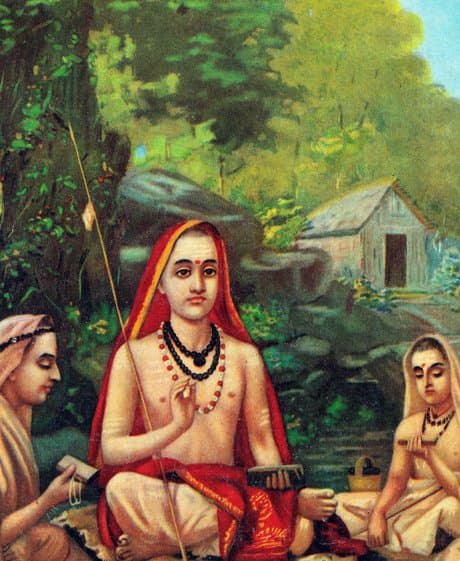
Ādi Śaṅkarācārya · Advaita
Sanskritयात-यामं मन्द-पक्वम्, निर्वीर्यस्य गत-रस-शब्देन उक्तत्वात् । गत-रसं रस-वियुक्तम्, पूति दुर्गन्धि, पर्युषितं च पक्वं सत् रात्रि-अन्तरितं च यत्, उच्छिष्टं अपि भुक्त-शिष्टं उच्छिष्टम्, अमेध्यं अयज्ञ-अर्हम्, भोजनं ईदृशं तामस-प्रियम् ॥ अथ इदानीं यज्ञः त्रि-विधः उच्यते --
Ādi Śaṅkarācārya · Advaita
Hindiयातयाम—अधपका, गतरस—रसरहित, पूति—दुर्गन्धयुक्त और बासी अर्थात् जिसको पके हुए एक रात बीत गयी हो, तथा उच्छिष्ट—खानेके पश्चात् बचा हुआ और अमेध्य—जो यज्ञके योग्य न हो, ऐसा भोजन तामसी मनुष्योंको प्रिय होता है। यहाँ, यातयामका अर्थ अधपका किया गया है; क्योंकि निर्वीर्य (सारहीन भोजनको 'गतरस' शब्दसे कहा गया है
Jñāneśvar · Vārkarī
Marathiनिपजलें अन्न तैसें । दुपाहरीं कां येरें दिवसें । अतिकरें तैं तामसें । घेईजे तें ॥ १५५ ॥ नातरी अर्ध उकडिलें । कां निपट करपोनि गेलें । तैसेंही खाय चुकलें । रसा जें येवों ॥ १५६ ॥ जया कां आथि पूर्ण निष्पत्ती । जेथ रसु धरी व्यक्ती । तें अन्न ऐसी प्रतीती । तामसा नाहीं ॥ १५७ ॥ ऐसेनि कहीं विपायें । सदन्ना वरपडा होये । तरी घाणी सुटे तंव राहे । व्याघ्रु जैसा ॥ १५८ ॥ कां बहुवें दिवशीं वोलांडिलें । स्वादपणें सांडिलें । शुष्क अथवा सडलें । गाभिणेंही हो ॥ १५९ ॥ तेंही बाळाचे हातवरी । चिवडिलें जैसी राडी करी । का सवें बैसोनि नारी । गोतांबील करी ॥ १६० ॥ ऐसेनि कश्मळें जैं खाय । तैं तया सुखभोजन ऐसें होय । परी येणेंही न धाय । पापिया तो ॥ १६१ ॥ मग चमत्कारु देखा । निषेधाचा आंबुखा । जया का सदोखा । कुद्रव्यासी ॥ १६२ ॥ तया अपेयांच्या पानीं । अखाद्यांच्या भोजनीं । वाढविजे उतान्ही । तामसें तेणें ॥ १६३ ॥ एवं तामस जेवणारा । ऐसैसी मेचु हे वीरा । तयाचें फल दुसरां । क्षणीं नाहीं ॥ १६४ ॥ जे जेव्हांचि हें अपवित्र । शिवे तयाचें वक्त्र । तेव्हांचि पापा पात्र । जाला तो कीं ॥ १६५ ॥ यावरतें जें जेवीं । ते जेविती वोज न म्हणावी । पोटभरती जाणावी । यातना ते ॥ १६६ ॥ शिरच्छेदें काय होये । का आगीं रिघतां कैसें आहे । हें जाणावें काई पाहें । परी साहातुचि असे ॥ १६७ ॥ म्हणौनि तामसा अन्ना । परीणामु गा सिनाना । न सांगोंचि गा अर्जुना । देवो म्हणे ॥ १६८ ॥ आतां ययावरी । आहाराचिया परी । यज्ञुही अवधारीं । त्रिधा असे ॥ १६९ ॥ परी तिहींमाजीं प्रथम । सात्त्विक यज्ञाचें वर्म । आईक पां सुमहिम -। शिरोमणी ॥ १७० ॥
Jñāneśvar · Vārkarī
Hindi(17.155) उसी प्रकार, जिस अन्न को पके हुए दोपहर वा एक दिन बीत जाता है उसे तामसी मनुष्य खाता है,
(17.156) अथवा जो अधकच्चा उबाला गया हो, वा निःशेष जल गया है, तथा जिसका रस निकल गया हो, ऐसा भी अन्न वह खाता है।
(17.157) जो पूर्ण पका हुआ हो, जिसमें रस भरा हुआ दिखाई देता है उस अन्न का अनुभव तामसी मनुष्य को नहीं रहता।
(17.158) कदाचित् उसे कभी ऐसा उत्तम अन्न मिल जाय तो वह उसे तब तक हाथ नहीं लगाता जब तक कि उसमें से दुर्गन्ध न छूटने लगे। व्याघ्र ऐसा ही करता है।
(17.159) जो कई दिनों का बासी हो, जिसमें से स्वाद निकल गया हो, जो सूख गया हो, सड़ गया हो वा फूल गया हो (17.160) ऐसे अन्न को भी, खाते समय, वह बालक की तरह गड़बड़ कर सान लेता है, अथवा अपनी स्त्री को संग बैठा कर गायों के समान एक थाली में खाता है।
(17.161) इस प्रकार गँदलेपन से जब वह खाता है तब उसे सुखभाजन सा मालूम होता है। परन्तु वह पापी इतने से ही तृप्त नहीं होता;
(17.162) वरन चमत्कार देखिए, जो बुरे पदार्थ निषिद्ध किये गये हैं, अथवा जो सदोष माने गये हैं
(17.163) उन अपेय पदार्थों के पीने के लिए, अथवा अखाद्य पदार्थों के खाने के लिए उस तामसी मनुष्य की इच्छा बढ़ती ही रहती है।
(17.164) सारांश, तामस भोजन करनेहारे की रुचि उपयुक्त प्रकार की रहती है। उसका फल मिलने लिए उसे कुछ दूसरा क्षण नहीं लगता
(17.165) क्योंकि ज्योंही उसका मुख उन अपवित्र पदार्थों का स्पर्श करता है त्योंही वह पाप का भाजन बन जाता है।
(17.166) उस पर जो वह खाता है वह खाना नहीं, केवल पेट भरने की चेष्टा समझनी चाहिए। (17.167) शिरच्छेद का क्या परिणाम होता है, अथवा अग्नि में प्रवेश करने से क्या होता है, क्या इन बातों का अनुभव लेना चाहिए? पर वह ऐसी बातें भी सह लेता है।
(17.168) इस प्रकार श्रीकृष्ण कहते हैं कि हे अर्जुन! यह कहने की कुछ आवश्यकता नहीं रही कि तामस अन्न का परिणाम सात्विक या राजस अन्न से जुदा होता है।
(17.169) इसके उपरान्त, अब आहार के समान यज्ञ भी तीन प्रकार का होता है।
(17.170) परन्तु उन तीनों में, हे उत्तम कीर्तिमानों के शिरोमणि! प्रथम सात्विक यज्ञ का मर्म सुनो।

Sri Udiya Baba · Modern
Hindiभावार्थ— अधपका, रसहीन, दुर्गन्धयुक्त, बासी और जो उच्छिष्ट (जूठा) तथा अपवित्र हो वह भोजन तामसी लोगों को प्रिय होता है।
व्याख्या— यातयाम—जिस भोजन को पके एक पहर बीत गया हो। परन्तु जो दुर्गन्धयुक्त न हो अथवा घृतपक्व (पकवान) हो वह यातयाम नहीं होता। चावल, रोटी, दाल एक पहर बीत जाने पर तथा जो आधा सिका हो वह पदार्थ यातयाम कहे जाते हैं। इन्हें नहीं खाना चाहिए। अमेध्य—बुद्धि को बिगाड़ने वाले मद्य—मांसादि। अथवा जो स्वयं अच्छा खाय परन्तु दूसरों को गला—सड़ा खिलाये या दूसरों से छिपाकर भोजन करे वह भी अमेध्य—भोजी है। किन्तु यदि दूसरों को अच्छा खिलाये और स्वयं रूखा—सूखा खाय तो वह बुद्धिबद्ध होता है।
Swami Ramsukhdas · Modern
Hindi'यातयामम्'—पकनेके लिये जिनको पूरा समय प्राप्त नहीं हुआ है, ऐसे अधपके या उचित समयसे ज्यादा पके हुए अथवा जिनका समय बीत गया है, ऐसे बिना ऋतुके पैदा किये हुए एवं ऋतु चली जानेपर फ्रिज आदिकी सहायतासे रखे हुए साग, फल आदि भोजनके पदार्थ।
'गतरसम्'—धूप आदिसे जिनका स्वाभाविक रस सूख गया है अथवा मशीन आदिसे जिनका सार खींच लिया गया है, ऐसे दूध, फल आदि।
'पूति'—सड़नसे पैदा की गयी मदिरा और स्वाभाविक दुर्गन्धवाले प्याज, लहसुन आदि।
'पर्युषितम्'—जल और नमक मिलाकर बनाये हुए साग, रोटी आदि पदार्थ रात बीतनेपर बासी कहलाते हैं। परन्तु केवल शुद्ध दूध, घी, चीनी आदिसे बने हुए अथवा
अग्निपर पकाये हुए पेड़ा, जलेबी, लड्डू आदि जो पदार्थ हैं, उनमें जबतक विकृति नहीं आती, तबतक वे बासी नहीं माने जाते। ज्यादा समय रहनेपर उनमें विकृति (दुर्गन्ध आदि) पैदा होनेसे वे भी बासी कहे जायेंगे।
'उच्छिष्टम्'—भुक्तावशेष अर्थात् भोजनके बाद पात्रमें बचा हुआ अथवा जूठा हाथ लगा हुआ और जिसको गाय, बिल्ली, कुत्ता, कौआ आदि पशु-पक्षी देख ले, सँघ ले या खा ले—वह सब जूठन माना जाता है।
'अमेध्यम्'—रज-वीर्यसे पैदा हुए मांस, मछली, अंडा आदि महान् अपवित्र पदार्थ, जो मुर्दा हैं और जिनको छूनेमात्रसे स्नान करना पड़ता है।
'अपि च'—इन अव्ययोंके प्रयोगसे उन सब पदार्थोंको ले लेना चाहिये, जो शास्त्रनिषिद्ध हैं। जिस वर्ण, आश्रमके
१-मदिरापान करनेवालेको शास्त्रोंमें महापापी कहा गया है—
स्तेनो हिरण्यस्य सुरां पिबश्च गुरोस्तत्पमावसन्नहाह्य चैते पतन्ति चत्वारः पंचमश्चाचरस्तैरिति। (छान्दोग्योपनिषद् ५।१०।९)
अर्थात् स्वर्णकी चोरी करनेवाला, मदिरा (शराब) पीनेवाला, गुरुपत्नीगमन करनेवाला, ब्राह्मणकी हत्या करनेवाला—ये चारों महापापी हैं और इनका संग करनेवाला पाँचवाँ महापापी है।
इससे सिद्ध होता है कि मदिरापान सर्वथा निन्दनीय, मांसाहारसे भी अधिक निन्दनीय और पतन करनेवाला है।
गंगाजी सबको शुद्ध करनेवाली हैं। परन्तु यदि गंगाजीमें मदिराका पात्र डाल दिया जाय तो वह शुद्ध नहीं होता। जब मदिराका पात्र भी (जिसमें मदिरा डाली जाती है) इतना अशुद्ध हो जाता है, तब मदिरा पीनेवाला कितना अशुद्ध हो जाता होगा—इसका कोई ठिकाना नहीं है।
मदिराके निर्माणमें असंख्य जीवोंकी हत्या होती है। मदिरापानसे होनेवाली सबसे भयंकर हानि यह है कि इससे अन्तःकरणमें रहनेवाले धर्मके अंकुर नष्ट हो जाते हैं। तात्पर्य है कि मनुष्यके भीतर जो धार्मिक भावनाएँ रहती हैं, धर्मकी रुचि, संस्कार रहते हैं, उनको मदिरापान नष्ट कर देता है। इससे मनुष्य महान् पतनकी तरफ चला जाता है।
२-यहाँ तामस भोजनमें 'अमेध्य' शब्दका प्रयोग करके भगवान् मानो इन चीजोंका नाम भी लेना नहीं चाहते।
लिये जिन-जिन पदार्थोंका निषेध है, उस वर्ण-आश्रमके लिये उन-उन पदार्थोंको निषिद्ध माना गया है; जैसे मसूर, गाजर, शलगम आदि।
‘भोजनं तामसप्रियम्’—ऐसा भोजन तामस मनुष्यको प्रिय लगता है। इससे उसकी निष्ठाकी पहचान हो जाती है।
उपर्युक्त भोजनोंमेंसे सात्त्विक भोजन भी अगर रागपूर्वक खाया जाय, तो वह राजस हो जाता है और लोलुपतावश अधिक खाया जाय, (जिससे अजीर्ण आदि हो जाय) तो वह तामस हो जाता है। ऐसे ही भिक्षुकको विधिसे प्राप्त भिक्षा आदिमें रूखा, सूखा, तीखा और बासी भोजन प्राप्त हो जाय, जो कि राजस-तामस है, पर वह उसको भगवान्के भोग लगाकर भगवन्नाम लेते हुए स्वल्पमात्रामें* खाये, तो वह भोजन भी भाव और त्यागकी दृष्टिसे सात्त्विक हो जाता है।
प्रकरण-सम्बन्धी विशेष बात
चार श्लोकोंके इस प्रकरणमें तीन तरहके—सात्त्विक, राजस और तामस आहारका वर्णन दीखता है; परन्तु वास्तवमें यहाँ आहारका प्रसंग नहीं है, प्रत्युत ‘आहारी’ की रुचिका प्रसंग है। इसलिये यहाँ ‘आहारी’ की रुचिका ही वर्णन हुआ है—इसमें निम्नलिखित युक्तियाँ दी जा सकती हैं—
(१) सोलहवें अध्यायके तेईसवें श्लोकमें आये ‘यः शास्त्रविधिमुत्सृज्य वर्तते कामकारतः’ पदोंको लेकर अर्जुनने प्रश्न किया कि मनमाने ढंगसे श्रद्धापूर्वक काम करनेवालोंकी निष्ठाकी पहचान कैसे हो? तो भगवान्ने इस अध्यायके दूसरे श्लोकमें श्रद्धाके तीन भेद बताकर तीसरे श्लोकमें ‘सर्वस्य’ पदसे मनुष्यमात्रकी अन्तःकरणके अनुरूप श्रद्धा बतायी और चौथे श्लोकमें पूज्यके अनुसार पूजककी निष्ठाकी पहचान बतायी। सातवें श्लोकमें उसी ‘सर्वस्य’ पदका प्रयोग करके भगवान् यह बताते हैं कि मनुष्यमात्रको अपनी-अपनी रुचिके अनुसार तीन तरहका भोजन प्रिय होता है—‘आहारस्त्वपि सर्वस्य त्रिविधो भवति प्रियः।’ उस प्रियतासे ही मनुष्यकी निष्ठा-(स्थिति-) की पहचान हो जायगी।
‘प्रियः’ शब्द केवल सातवें श्लोकमें ही नहीं आया है, प्रत्युत आठवें श्लोकमें ‘सात्त्विकप्रियाः’ नवें श्लोकमें
‘राजसस्येष्टाः’ और दसवें श्लोकमें ‘तामसप्रियम्’ में भी ‘प्रिय’ और ‘इष्ट’ शब्द आये हैं, जो रुचिके वाचक हैं। यदि यहाँ आहारका ही वर्णन होता तो भगवान् प्रिय और इष्ट शब्दोंका प्रयोग न करके ये सात्त्विक आहार हैं, ये राजस आहार हैं, ये तामस आहार हैं—ऐसे पदोंका प्रयोग करते।
(२) दूसरी प्रबल युक्ति यह है कि सात्त्विक आहारमें पहले ‘आयुः सत्त्वबलारोग्यसुखप्रीतिविवर्धनाः’ पदोंसे भोजनका फल बताकर बादमें भोजनके पदार्थोंका वर्णन किया। कारण कि सात्त्विक मनुष्य भोजन करने आदि किसी भी कार्यमें विचारपूर्वक प्रवृत्त होता है, तो उसकी दृष्टि सबसे पहले उसके परिणामपर जाती है।
रागी होनेसे राजस मनुष्यकी दृष्टि सबसे पहले भोजनपर ही जाती है, इसलिये राजस आहारके वर्णनमें पहले भोजनके पदार्थोंका वर्णन करके बादमें ‘दुःखशोकामयप्रदाः’ पदसे उसका फल बताया है। तात्पर्य यह कि राजस मनुष्य अगर आरम्भमें ही भोजनके परिणामपर विचार करेगा, तो फिर उसे राजस भोजन करनेमें हिचकिचाहट होगी; क्योंकि परिणाममें मुझे दुःख, शोक और रोग हो जायें—ऐसा कोई मनुष्य नहीं चाहता। परन्तु राग होनेके कारण राजस पुरुष परिणामपर विचार करता ही नहीं।
सात्त्विक भोजनका फल पहले और राजस भोजनका फल पीछे बताया गया; परन्तु तामस भोजनका फल बताया ही नहीं गया। कारण कि मूढ़ता होनेके कारण तामस मनुष्य भोजन और उसके परिणामपर विचार करता ही नहीं। भोजन न्याययुक्त है या नहीं, उसमें हमारा अधिकार है या नहीं, शास्त्रोंकी आज्ञा है या नहीं और परिणाममें हमारे मन-बुद्धिके बलको बढ़ानेमें हेतु है या नहीं—इन बातोंका कुछ भी विचार न करके तामस मनुष्य पशुकी तरह खानेमें प्रवृत्त होते हैं। तात्पर्य है कि सात्त्विक भोजन करनेवाला तो दैवी-सम्पत्तिवाला होता है और राजस तथा तामस भोजन करनेवाला आसुरी-सम्पत्तिवाला होता है।
(३) यदि भगवान्को यहाँ आहारका ही वर्णन करना होता, तो वे आहारकी विधिका और उसके लिये कर्मोंकी शुद्धि-अशुद्धिका वर्णन करते; जैसे—
शुद्ध कमाईके पैसोंसे अनाज आदि पवित्र खाद्य पदार्थ खरीदे जायें; रसोईमें चौका देकर और स्वच्छ वस्त्र पहनकर
* स्वल्पमात्रामें खानेका तात्पर्य यह है कि भोजन करनेके बाद पेट याद न आये; क्योंकि पेट दो कारणोंसे याद आता है—अधिक खानेपर और बहुत कम खानेपर।
पवित्रतापूर्वक भोजन बनाया जाय; भोजनको भगवान्के अर्पण किया जाय और भगवान्का चिन्तन तथा उनके नामका जप करते हुए प्रसाद-बुद्धिसे भोजन ग्रहण किया जाय—ऐसा भोजन सात्त्विक होता है।
स्वार्थ और अभिमानकी मुख्यताको लेकर सत्य-असत्यका कोई विचार न करते हुए पैसे कमाये जायें; स्वाद, शरीरकी पुष्टि, भोग भोगनेकी सामर्थ्य बढ़ाने आदिका उद्देश्य रखकर भोजनके पदार्थ खरीदे जायें; जिह्वाको स्वादिष्ट लगे और दीखनेमें भी सुन्दर दीखें—इस दृष्टिसे, रीतिसे उनको बनाया जाय; और आसक्तिपूर्वक खाया जाय—ऐसा भोजन राजस होता है।
झूठ-कपट, चोरी, डकैती, धोखेबाजी आदि किसी तरहसे पैसे कमाये जायें; अशुद्धि-शुद्धिका कुछ भी विचार न करके मांस, अंडे आदि पदार्थ खरीदे जायें; विधि-विधानका कोई खयाल न करके भोजन बनाया जाय और बिना हाथ-पैर धोये एवं चप्पल-जूती पहनकर ही अशुद्ध वायुमण्डलमें उसे खाया जाय—ऐसा भोजन तामस होता है।
परन्तु भगवान्ने यहाँ केवल सात्त्विक, राजस और तामस पुरुषोंको प्रिय लगनेवाले खाद्य पदार्थोंका वर्णन किया है, जिससे उनकी रुचिकी पहचान हो जाय।
(४) इसके सिवाय गीतामें जहाँ-जहाँ आहारकी बात आयी है, वहाँ-वहाँ आहारीका ही वर्णन हुआ है; जैसे—‘नियताहाराः’ (४।३०) पदमें नियमित आहार करने-वालेका, ‘नात्यश्नतस्तु’ और ‘युक्ताहारविहारस्य’ (६।१६-१७) पदोंमें अधिक खानेवाले और नियत खानेवालोंका; ‘यदश्नासि’ (९।२७) पदमें भोजनके पदार्थको भगवान्के अर्पण करनेवालेका, और ‘लघ्वाशी’ (१८।५२) पदमें अल्प भोजन करनेवालोंका वर्णन हुआ है।
इसी प्रकार इस अध्यायके सातवें श्लोकमें ‘यज्ञस्तपस्तथा दानम्’ पदोंमें आया ‘तथा’ (वैसे ही) पद यह कह रहा है कि जो मनुष्य यज्ञ, तप, दान आदि कार्य करते हैं, वे भी अपनी-अपनी (सात्त्विक, राजस अथवा तामस) रुचिके अनुसार ही कार्य करते हैं। आगे ग्यारहवेंसे बाईसवें श्लोकतकका जो प्रकरण है, उसमें भी यज्ञ, तप और दान करनेवालोंके स्वभावका ही वर्णन हुआ है।
भोजनके लिये आवश्यक विचार
उपनिषदोंमें आता है कि जैसा अन्न होता है, वैसा ही मन बनता है—‘अन्नमयं हि सोम्य मनः।’ (छान्दोग्य०
६।५।४) अर्थात् अन्नका असर मनपर पड़ता है। अन्नके सूक्ष्म सारभागसे मन (अन्तःकरण) बनता है, दूसरे नम्बरके भागसे वीर्य, तीसरे नम्बरके भागसे रक्त आदि और चौथे नम्बरके स्थूल भागसे मल बनता है, जो कि बाहर निकल जाता है। अतः मनको शुद्ध बनानेके लिये भोजन शुद्ध, पवित्र होना चाहिये। भोजनकी शुद्धिसे मन-(अन्तःकरण-)की शुद्धि होती है—‘आहारशुद्धौ सत्त्वशुद्धिः’ (छान्दोग्य० २।२६।२)। जहाँ भोजन करते हैं, वहाँका स्थान, वायुमण्डल, दृश्य तथा जिसपर बैठकर भोजन करते हैं, वह आसन भी शुद्ध, पवित्र होना चाहिये। कारण कि भोजन करते समय प्राण जब अन्न ग्रहण करते हैं, तब वे शरीरके सभी रोमकूपोंसे आसपासके परमाणुओंको भी खींचते—ग्रहण करते हैं। अतः वहाँका स्थान, वायुमण्डल आदि जैसे होंगे, प्राण वैसे ही परमाणु खींचेंगे और उन्हींके अनुसार मन बनेगा। भोजन बनानेवालेके भाव, विचार भी शुद्ध सात्त्विक हों।
भोजनके पहले दोनों हाथ, दोनों पैर और मुख—ये पाँचों शुद्ध, पवित्र जलसे धो ले। फिर पूर्व या उत्तरकी ओर मुख करके शुद्ध आसनपर बैठकर भोजनकी सब चीजोंको ‘पत्रं पुष्पं फलं तोयं यो मे भक्त्या प्रयच्छति। तदहं भक्त्युपहृतमश्नामि प्रयतात्मनः।’ (गीता ९।२६)—यह श्लोक पढ़कर भगवान्के अर्पण कर दे। अर्पणके बाद दायें हाथमें जल लेकर ‘ब्रह्मार्पणं ब्रह्म हविर्ब्रह्माग्नी ब्रह्मणा हुतम्। ब्रह्मैव तेन गन्तव्यं ब्रह्मकर्मसमाधिना।’ (गीता ४।२४)—यह श्लोक पढ़कर आचमन करे और भोजनका पहला ग्रास भगवान्का नाम लेकर ही मुखमें डाले। प्रत्येक ग्रासको चबाते समय ‘हरे राम हरे राम राम राम हरे हरे। हरे कृष्ण हरे कृष्ण कृष्ण कृष्ण हरे हरे।’
—इस मन्त्रको मनसे दो बार पढ़ते हुए या अपने इष्टका नाम लेते हुए ग्रासको चबाये और निगले। इस मन्त्रमें कुल सोलह नाम हैं और दो बार मन्त्र पढ़नेसे बत्तीस नाम हो जाते हैं। हमारे मुखमें भी बत्तीस ही दाँत हैं। अतः (मन्त्रके प्रत्येक नामके साथ) बत्तीस बार चबानेसे वह भोजन सुपाच्य और आरोग्यदायक होता है एवं थोड़े अन्नसे ही तृप्ति हो जाती है तथा उसका रस भी अच्छा बनता है और इसके साथ ही भोजन भी भजन बन जाता है।
भोजन करते समय ग्रास-ग्रासमें भगवन्नाम-जप करते रहनेसे अन्नदोष भी दूर हो जाता है*।
* कवले कवले कुर्वन् रामनामानुकीर्तनम्। यः कश्चित् पुरुषोऽश्नाति सोऽन्नदोषैर्न लिप्यते ॥
जो लोग ईर्ष्या, भय और क्रोधसे युक्त हैं तथा लोभी हैं, और रोग तथा दीनतासे पीड़ित और द्वेषयुक्त हैं, वे जिस भोजनको करते हैं, वह अच्छी तरह पचता नहीं अर्थात् उससे अजीर्ण हो जाता है। इसलिये मनुष्यको चाहिये कि वह भोजन करते समय मनको शान्त तथा प्रसन्न रखे। मनमें काम, क्रोध, लोभ, मोह आदि दोषोंकी वृत्तियोंको न आने दे। यदि कभी आ जायें तो उस समय भोजन न करे; क्योंकि वृत्तियोंका असर भोजनपर पड़ता है और उसीके अनुसार अन्तःकरण बनता है। ऐसा भी सुननेमें आया है कि फौजी लोग जब गायको दुहते हैं, तब दुहनेसे पहले बछड़ा छोड़ते हैं और उस बछड़ेके पीछे कुत्ता छोड़ते हैं। अपने बछड़ेके पीछे कुत्तेको देखकर जब गाय गुस्सेमें आ जाती है, तब बछड़ेको लाकर बाँध देते हैं और फिर गायको दुहते हैं। वह दूध फौजियोंको पिलाते हैं, जिससे वे लोग खूँखार बनते हैं।
ऐसे ही दूधका भी असर प्राणियोंपर पड़ता है। एक बार किसीने परीक्षाके लिये कुछ घोड़ोंको भैंसका दूध और कुछ घोड़ोंको गायका दूध पिलाकर उन्हें तैयार किया। एक दिन सभी घोड़े कहीं जा रहे थे। रास्तेमें नदीका जल था। भैंसका दूध पीनेवाले घोड़े उस जलमें बैठ गये और गायका दूध पीनेवाले घोड़े उस जलको पार कर गये। इसी प्रकार बैल और भैंसेका परस्पर युद्ध कराया जाय, तो भैंसा बैलको मार देगा; परन्तु यदि दोनोंको गाड़ीमें जोता जाय, तो भैंसा धूपमें जीभ निकाल देगा, जबकि बैल धूपमें भी चलता रहेगा। कारण कि भैंसके दूधमें सात्त्विक बल नहीं होता, जबकि गायके दूधमें सात्त्विक बल होता है।
जैसे प्राणियोंकी वृत्तियोंका पदार्थोंपर असर पड़ता है, ऐसे ही प्राणियोंकी दृष्टिका भी असर पड़ता है। बुरे व्यक्तिकी अथवा भूखे कुत्तेकी दृष्टि भोजनपर पड़ जाती है, तो वह भोजन अपवित्र हो जाता है। अब वह भोजन पवित्र कैसे हो? भोजनपर उसकी दृष्टि पड़ जाय, तो उसे देखकर मनमें प्रसन्न हो जाना चाहिये कि भगवान् पधारे हैं! अतः उसको सबसे पहले थोड़ा अन्न देकर भोजन करा दे। उसको देनेके बाद बचे हुए शुद्ध अन्नको स्वयं
ग्रहण करे, तो दृष्टिदोष मिट जानेसे वह अन्न पवित्र हो जाता है।
दूसरी बात, लोग बछड़ेको पेटभर दूध न पिलाकर सारा दूध स्वयं दुह लेते हैं। वह दूध पवित्र नहीं होता; क्योंकि उसमें बछड़ेका हक आ जाता है। बछड़ेको पेटभर दूध पिला दे; और इसके बाद जो दूध निकले, वह चाहे पावभर ही क्यों न हो, बहुत पवित्र होता है।
भोजन करनेवाले और करानेवालेके भावका भी भोजनपर असर पड़ता है; जैसे—(१) भोजन करनेवालेकी अपेक्षा भोजन करानेवालेकी जितनी अधिक प्रसन्नता होगी, वह भोजन उतने ही उत्तम दर्जेका माना जायगा। (२) भोजन करानेवाला तो बड़ी प्रसन्नतासे भोजन कराता है; परन्तु भोजन करनेवाला 'मुफ्तमें भोजन मिल गया; अपने इतने पैसे बच गये; इससे मेरेमें बल आ जायगा' आदि स्वार्थका भाव रख लेता है, तो वह भोजन मध्यम दर्जेका हो जाता है, और (३) भोजन करानेवालेका यह भाव है कि 'यह घरपर आ गया, तो खर्चा करना पड़ेगा, भोजन बनाना पड़ेगा, भोजन कराना ही पड़ेगा' आदि और भोजन करनेवालेमें भी स्वार्थभाव है, तो वह भोजन निकृष्ट दर्जेका हो जायगा।
इस विषयमें गीताने सिद्धान्तरूपसे कह दिया है— 'सर्वभूतहिते रताः' (५।२५, १२।४)। तात्पर्य यह है कि जिसका सम्पूर्ण प्राणियोंके हितका भाव जितना अधिक होगा, उसके पदार्थ, क्रियाएँ आदि उतनी ही पवित्र हो जायेंगी।
भोजनके अन्तमें आचमनके बाद ये श्लोक पढ़ने चाहिये—
अन्नाद्भवन्ति भूतानि पर्जन्यादन्नसंभवः। यज्ञाद्भवति पर्जन्यो यज्ञः कर्मसमुद्भवः॥ कर्म ब्रह्मोद्भवं विद्धि ब्रह्माक्षरसमुद्भवम्। तस्मात्सर्वगतं ब्रह्म नित्यं यज्ञे प्रतिष्ठितम्॥
(गीता ३।१४-१५)
फिर भोजनके पाचनके लिये 'अहं वैश्वानरो भूत्वा' (गीता १५।१४) श्लोक पढ़ते हुए मध्यमा अंगुलीसे नाभिको धीरे-धीरे घुमाना चाहिये।
* ईर्ष्याभयक्रोधसमन्वितेन लुब्धेन रुदैन्यनिपीडितेन। विद्वेषयुक्तेन च सेव्यमानमनं न सम्यक् परिपाकमेति॥
(भावप्रकाश-दिनचर्याप्रकरण ५।१२८)
सम्बन्ध—पहले यजन-पूजन और भोजनके द्वारा जो श्रद्धा बतायी, उससे शास्त्रविधिका अज्ञातापूर्वक त्याग करनेवालोंकी स्वाभाविक निष्ठा—रुचिकी तो पहचान हो जाती है; परन्तु जो मनुष्य व्यापार, खेती आदि जीविकाके कार्य करते हैं अथवा शास्त्रविहित यज्ञादि शुभकर्म करते हैं, उनकी स्वाभाविक रुचिकी पहचान कैसे हो—यह बतानेके लिये यज्ञ, तप और दानके तीन-तीन भेदोंका प्रकरण आरम्भ करते हैं।
To those who are situated in sattva guṇa the mode of goodness, foods that are of the nature of sattva or goodness such as milk, fruits, grains and vegetables are very dear.
Such foods promote long life, invigorating the body and elevating the mind in its function of intelligence.
As was confirmed earlier in chapter XIV verse XVII:
“From the quality of sattva guṇa knowledge arises”.
Sattva guṇa facilitates spiritual knowledge and likewise food that is sattva also facilitates spiritual intelligence as well as good health, strength, happiness and relish.
The word sukha meaning happiness refers to the pleasure experienced while ingesting the food and afterwards when it is digesting and assimilating within the body.
The word prīti means satisfaction that is derived from the intake of pure foods inspiring congenial interest in spiritual activities.
The word rasyāḥ means succulent, delectable. Snigdhāḥ means oleaginous, unctuous. Sthirāh means nourishing, sustaining. Hṛdyā means agreeable, pleasing.
These are the qualities of sattva foods which are very much appreciated by those in sattva guṇa.
Foods that are acidic, bitter, salty, sour, spicy, pungent, dry, hard or burning are the foods that those in raja guṇa are very much attracted to.
The word Tīkṣṇa refers to food of no value because they are either to cold or to hot. Rakṣa are foods which are to dry and hard. Vidāhinaḥ are those foods that cause a burning sensation in the body.
These foods produce pain, distress, sickness and misery and decreases longevity of life and increase desires for more and more Rājas or passion.
The foods liked by those in tama guṇa the mode of ignorance are yāta-yāmaṃ meaning stale, foods that are old from the previous day, foods cooked more than a yama which is literally three hours before.
Gata-rasa means those foods which have lost their original flavour and have become tasteless.
Pūti means putrid, possessing a foul smell. Paryuṣitaṃ means decomposed, unrecognisable. Ucchiṣṭam means eating the remains of others, food after they have eaten.
This does not apply to honouring the remnants of mahā Prasādam or sanctified food first offered to Lord Krishna and then eaten by the spiritual preceptors who mercifully leaves some for their devotees which is then glorified by them as mahā Prasādam.
Amedhyaṃ means unsanctified foods, due to not having been consecrated by first offering it to the Supreme Lord and thus impure.
Partaking of foods in tama guṇa such as meat, fish, fowl, eggs, wine, alcohol, etc. breeds dark nescience and great ignorance.
So in conclusion those fortunate jīvas or embodied beings with spiritual insight should absolve themselves from the intake of foods in raja guṇa and tama guṇa and resort exclusively to foods in sattva guṇa.