

Bhagavad Gītā · Chapter 14 · Guṇatraya Vibhāga Yoga
सत्त्वं सुखे सञ्जयति रजः कर्मणि भारत
ज्ञानमावृत्य तु तमः प्रमादे सञ्जयत्युत
sattvaṃ sukhe sañjayati rajaḥ karmaṇi bhārata|jñānamāvṛtya tu tamaḥ pramāde sañjayatyuta||
Word meanings
भारत = O descendant of Bharata
सत्त्वम् = sattva
सुखे = in joy
रजः = rajas
कर्मणि = in action
सञ्जयति = engages one in
तु = but
तमः = tamas
ज्ञानम् = wisdom
सञ्जयति = engages one in
Translation
Sattva drives one to joy, and Rajas to action; while Tamas, clouding wisdom, incites one to errer as well as sleep and sloth.
Commentary
The commentators seated around this verse
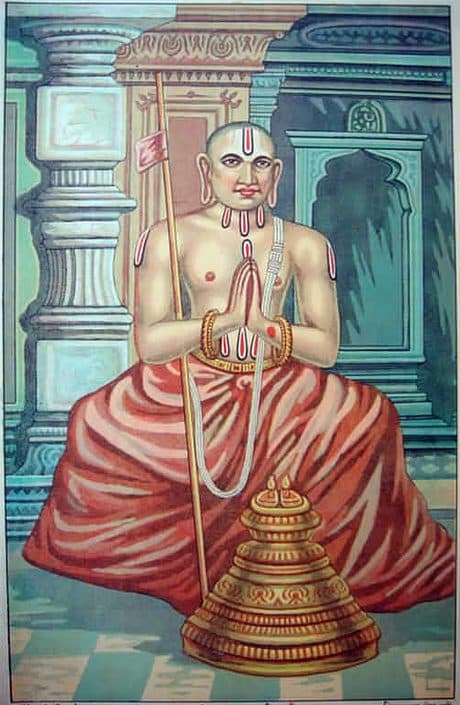
Rāmānuja · Viśiṣṭādvaita
English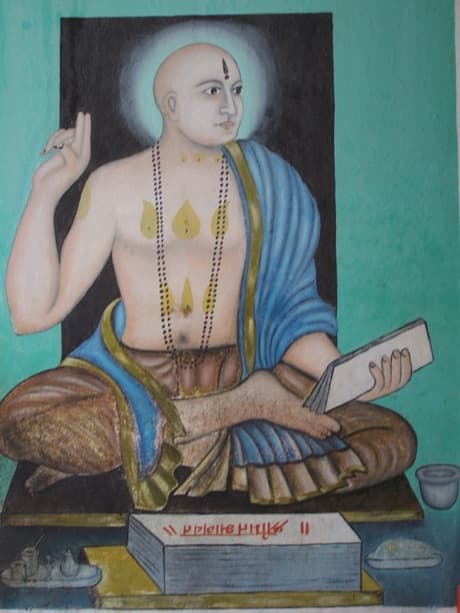
Madhvācārya · Dvaita
SanskritEnglishOn verses 14.9–14.18
“रजसस्तु फलं दुःखम् इत्यल्पसुखं दुःखम् | तथा हि शार्कराक्ष्यशाखायाम् - रजसो ह्येव जायते मात्रया सुखं दुःखं तस्मात् तान् सुखिनो दुःखिन इत्याचक्षते इति | अन्यथा दुःखस्यातिकृष्टत्वात् तमोऽधिकत्वं रजसो न स्यात् ||” - Result of the rajas is pain does not mean absolute pain but pleasure mixed with pain.
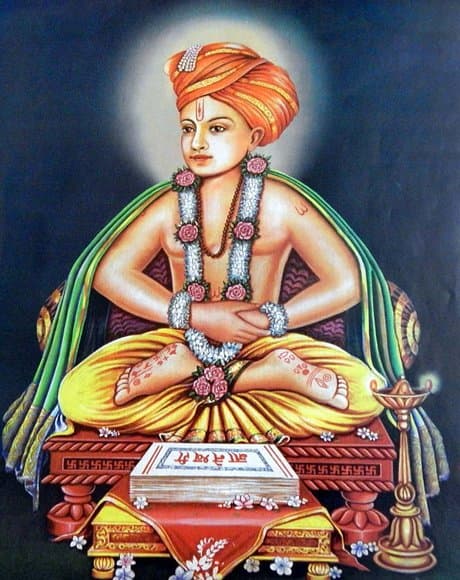
Jñāneśvar · Vārkarī
EnglishOn verses 14.9–14.10
9 *'The Sattva causes addiction to comfort; the Rajas, O Scion of Bharata, to action; but the Tamas, obscuring knowledge, causes in addition addiction to heedlessness.*
10 *'Overcoming Rajas and Tamas, the Sattva prevails, O Scion of Bharata; the Rajas (by overcoming) Sattva and Tamas: The Tamas (by overcoming) Sattva as well as Rajas. (196)*
When the bile strengthens itself by pushing aside phlegm and wind (कफवात) it makes hot (inflames) the entire body; or when at the end of hot and monsoon seasons, cold season sets in, the sky also is full of cold, or when the dreamy and wakeful states disappear, there only remains the deep slumber, and the mental attitude takes on the same hue, in that way when the Sattva Guna overpowers the Rajas and Tamas Gunas, (then) the soul says, 'how happy am I'! Similarly when the Tamas gets strong overpowering the Sattva and Rajas Gunas, it naturally causes the being to commit errors. In that same way with the overpowering of Sattva and Tamas Gunas, the Rajas gets strong and then the embodied soul—the king of the body—feels that nothing is more desirable than activism. I have discoursed, in three verses, on the special characteristics of the three Gunas, you do now hear attentively about the symptoms of the growth of the Sattva and others (Gunas).
Swami Ramsukhdas · Modern
English'Sattvam sukhe sañjayati'—A striver, is attached to happiness and thus he is bound. Because of this attachment, he does not make any further spiritual progress, and transcend the three gunas.
In the sixth verse of this chapter, the Lord declared that the mode of goodness, binds by attachment to happiness and knowledge. But here He refers to only attachment for happiness. It means, that pride of knowledge, also provides happiness which binds a striver. So, He describes, only happiness.
'Rajah karmaṇi bhārata'—As a child, takes pleasure in moving his arms and legs etc., so a man feels happy while performing actions. As he is attached to actions, this attachment overpowers him. He pays attention to the Lord's words 'You are not entitled to the fruit of action' (Gītā 2/47), but he does not pay attention to the fact, that he should not be attached, to actions. He goes through the Lord's declarations such as, "Your right is to perform your duty; let your attachment, not be to inaction" and "Action is said to be the means of the sage who wishes to attain to Yoga" (Gītā 6/3). So he thinks, that he must perform actions. Thus, by performing actions he is attached to them. So the Lord warns him, that he should beware of attachment to actions, which binds him. A striver, should discharge his duty promptly by performing actions, but should not get attached to them (Gītā 6/4).
'Jñānamāvṛtya tu tamah pramāde sañjayatyuta'—The mode of ignorance covers a man's discrimination and he cannot
distinguish, between the real and the unreal, right and wrong. So he is engaged, in idle pursuits, and does not discharge his duty, promptly.
Two characteristics of the mode of goodness, are—knowledge (discrimination), and illumination (light). The mode of ignorance, by covering discrimination, misleads a man to heedlessness and by covering light (purity of senses and mind), misleads him to indolence and sleep. So he cannot know reality in spite of reading and listening about it.
**Appendix**—Sattvaguṇa does not bind a striver merely by happiness but it binds by attachment to happiness—‘sukhasaṅgena badhnāti’ (Gītā 14/6). Similarly Rajoguṇa binds through attachment to action—‘tannibadhnāti kaunteya karmasaṅgena dehinam’ (14/7). But Tamoguṇa by its nature binds a man, in it there is no need for attachment. Therefore in Tamoguṇa the term ‘saṅga’ (attachment) has not been used.
‘I am happy’—this is attachment to happiness; and ‘I am doer of virtuous actions, my actions are very good’—this is attachment to actions. A man is bound only, when he gets attached viz., accepts his affinity with happiness or actions etc.
*Link:—In the next verse, the Lord describes how these guṇas (modes) act, one over the other.*
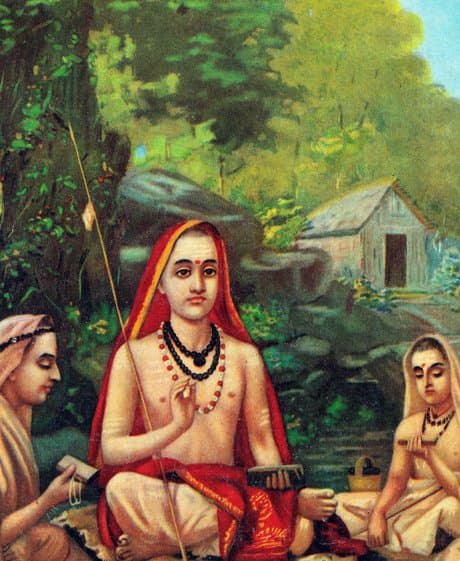
Ādi Śaṅkarācārya · Advaita
Sanskritसत्त्वं सुखे सञ्जयति संश्लेषयति, रजः कर्मणि हे भारत सञ्जयति इति अनुवर्तते । ज्ञानं सत्त्वकृतं विवेकं आवृत्य आच्छाद्य तु तमः स्वेन आवरणात्मना प्रमादे सञ्जयति उत प्रमादः नाम प्राप्तकर्तव्याकरणम् ॥
उक्तं कार्यं कदा कुर्वन्ति गुणा इति उच्यते --
Ādi Śaṅkarācārya · Advaita
Hindiफिर भी उन गुणोंका व्यापार संक्षेपसे बतलाया जाता है—
हे भारत! सत्त्वगुण सुखमें नियुक्त करता है और रजोगुण कर्मोंमें नियुक्त किया करता है तथा तमोगुण सत्त्वगुणसे उत्पन्न हुए विवेक-ज्ञानको अपने आवरणात्मक स्वभावसे आच्छादित करके फिर प्रमादमें नियुक्त किया करता है। प्राप्त कर्तव्यको न करनेका नाम प्रमाद है
Jñāneśvar · Vārkarī
MarathiOn verses 14.9–14.10
पैं हरूनि कफवात । जैं देही आटोपे पित्त । तैं करी संतप्त । देह जेवीं ॥ १९६ ॥ कां वरिष आतप जैसें । जिणौनि शीतचि दिसे । तेव्हां होय हिंव ऐसें । आकाश हें ॥ १९७ ॥ नाना स्वप्न जागृती । लोपूनि ये सुषुप्ती । तैं क्षणु एक चित्तवृत्ती । तेचि होय ॥ १९८ ॥ तैसीं रजतमें हारवी । जैं सत्त्व माजु मिरवी । तैं जीवाकरवीं म्हणवी । सुखिया ना मी ? ॥ १९९ ॥ तैसेंचि सत्त्व रज । लोपूनि तमाचें भोज । वळघें तैं सहज । प्रमादीं होय ॥ २०० ॥ तयाचि गा परिपाठीं । सत्त्व तमातें पोटीं । घालूनि जेव्हां उठी । रजोगुण ॥ २०१ ॥ तेव्हां कर्मावांचूनि कांहीं । आन गोमटें नाहीं । ऐसें मानी देहीं । देहराजु ॥ २०२ ॥ त्रिगुण वृद्धि निरूपण । तीं श्लोकीं सांगितलें जाण । आतां सत्त्वादि वृद्धिलक्षण । सादर परियेसीं ॥ २०३ ॥
Jñāneśvar · Vārkarī
HindiOn verses 14.9–14.10
(14.197) जब कफ और वात का अभिभूत कर शरीर में पित्त व्याप्त हो जाता है, तो वह जैसे देह का सन्तप्त कर देता है,
(14.198) अथवा जब वर्षा और ग्रीष्म का जीत कर शीतकाल ही छा जाता है, तब जैसे सब आकाश शीतमय हो रहता है,
(14.199) अथवा स्वप्न और जागृतावस्था का लोप हो कर जब सुषुप्ति आ जाती है, तब जैसे क्षण-भर चित्त की वृत्ति तद्रूप ही हो जाती है,
(14.200) वैसे ही जब सत्त्वगुण रज और तम का जीत कर अपनी प्रतिष्ठा जनाता है तब जीव कहता है कि मैं सुखी हूँ।
(14.201) उसी प्रकार सत्त्व और रज का लोप होकर जब तम को महत्व प्राप्त होता है, तब जीव सहज ही असावधान हो जाता है।
(14.202) तथा जब सत्त्व और तम का लील कर रजोगुण वृद्धि पाता है
(14.203) तब देह में रहनेहारा आत्मा कर्म का छोड़ और कुछ भी भला नहीं समझता।
(14.204) इस प्रकार इन तीन श्लोकों में तीनों गुणों का निरूपण हुआ। अब प्रेम के साथ सत्त्व आदि गुणों की वृद्धि के लक्षण सुनो।
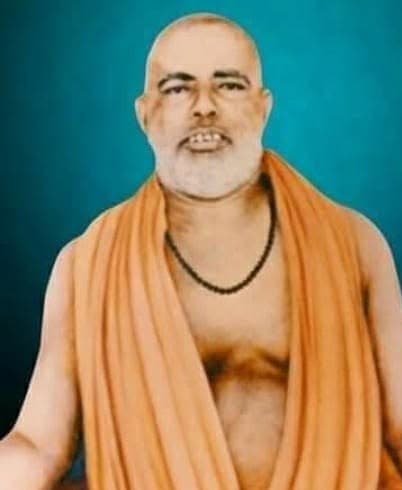
Sri Udiya Baba · Modern
Hindiसंगति— यहाँ तक तीनों गुणों के बन्धन बतलाये अब गुणों के स्वभाव बतलाते हैं।
भावार्थ— हे भारत! सत्त्वगुण सुख में आसक्त करता है, रजोगुण कर्म में लगा देता है और तमोगुण ज्ञान को आच्छादित कर प्रमाद में लगा देता है।
व्याख्या— सत्त्वगुण भजन-साधन से होने वाले रस में आसक्त कर देता है। रजोगुण श्रौत-स्मार्त कर्मों में, लोक सेवा में तथा हँसी-दिल्लगी में लगा देता है। तथा तमोगुण विचार-शक्ति को कुण्ठित कर प्रमाद में जैसे शतरंज-ताश आदि खेलना या व्यर्थ समय बिताना आदि में लगा देता है।
ये सुख आदि भी गुणों की प्रधानता आदि के कारण अनेक प्रकार के हैं।
Swami Ramsukhdas · Modern
Hindi‘सत्त्वं सुखे सञ्जयति’—सत्त्वगुण साधकको सुखमें लगाकर अपनी विजय करता है, साधकको अपने वशमें करता है। तात्पर्य है कि जब सात्त्विक सुख आता है, तब साधककी उस सुखमें आसक्ति हो जाती है। सुखमें आसक्ति होनेसे वह सुख साधकको बाँध देता है अर्थात् उसके साधनको आगे नहीं बढ़ने देता, जिससे साधक सत्त्वगुणसे ऊँचा नहीं उठ सकता, गुणातीत नहीं हो सकता।
यद्यपि भगवान्ने पहले छठे श्लोकमें सत्त्वगुणके
द्वारा सुख और ज्ञानके संगसे बाँधनेकी बात बतायी है, तथापि यहाँ सत्त्वगुणकी विजय केवल सुखमें ही बतायी है, ज्ञानमें नहीं। इसका तात्पर्य यह है कि वास्तवमें साधक सुखकी आसक्तिसे ही बँधता है। ज्ञान होनेपर साधकमें एक अभिमान आ जाता है कि ‘मैं कितना जानकार हूँ!’ इस अभिमानमें भी एक सुख मिलता है, जिससे साधक बँध जाता है। इसलिये यहाँ सत्त्वगुणकी केवल सुखमें ही विजय बतायी है।
‘रजः कर्मणि भारत’—रजोगुण मनुष्यको कर्ममें लगाकर अपनी विजय करता है। तात्पर्य है कि मनुष्यको क्रिया करना अच्छा लगता है, प्रिय लगता है। जैसे छोटा बालक पड़े-पड़े हाथ-पैर हिलाता है तो उसको अच्छा लगता है और उसका हाथ-पैर हिलाना बंद कर दिया जाय तो वह रोने लगता है। ऐसे ही मनुष्य कोई क्रिया करता है तो उसको अच्छा लगता है और उसकी उस क्रियाको बीचमें कोई छुड़ा दे तो उसको बुरा लगता है। यही क्रियाके प्रति आसक्ति है, प्रियता है, जिससे रजोगुण मनुष्यपर विजय करता है।
‘कर्मोंके फलमें तेरा अधिकार नहीं है’ (गीता—दूसरे अध्यायका सैंतालीसवाँ श्लोक) आदि वचनोंसे फलमें आसक्ति न रखनेकी तरफ तो साधकका खयाल जाता है, पर कर्मोंमें आसक्ति न रखनेकी तरफ साधकका खयाल नहीं जाता। वह ‘तेरा कर्म करनेमें ही अधिकार है; कर्म न करनेमें तेरी आसक्ति न हो’ (गीता—दूसरे अध्यायका सैंतालीसवाँ श्लोक), ‘जो योगारूढ़ होना चाहता है, उसके लिये निष्कामभावसे कर्म करना कारण है’ (गीता—छठे अध्यायका तीसरा श्लोक) आदि वचनोंसे यही समझ लेता है कि कर्म तो करने ही चाहिये। अतः वह कर्म करता है, तो कर्मोंको करते-करते उसकी उन कर्मोंमें आसक्ति,
परिशिष्ट भाव—सत्त्वगुण केवल सुख होनेपर विजय नहीं करता, प्रत्युत सुखका संग होनेपर विजय करता है—‘सुखसंगेन बध्नाति’ (गीता १४।६)। इसी तरह रजोगुण भी कर्मका संग होनेपर विजय करता है—‘तन्निबध्नाति कौन्तेय कर्मसंगेन देहिनम्’ (१४।७)। परन्तु तमोगुण स्वरूपसे ही विजय करता है। इसलिये तमोगुणमें ‘संग’ शब्द नहीं आया है।
‘मैं सुखी हूँ’—यह सुखका संग है और ‘मैं अच्छे कर्म करनेवाला हूँ, मेरे कर्म बड़े अच्छे हैं’—यह कर्मका संग है। संग करनेसे अर्थात् अपना सम्बन्ध जोड़नेसे ही मनुष्य बँधता है।
सम्बन्ध—एक-एक गुण मनुष्यपर कैसे विजय करता है—इसको आगेके श्लोकमें बताते हैं।
रजस्तमश्चाभिभूय सत्त्वं भवति भारत।
The cardinal features of three guṇas or modes of sattva or goodness, Rājas or passion and tamas or nescience are now being delineated by Lord Krishna.
The main quality of sattva is its ability to confer blessedness.
The main proponent of Rājas is that it impels vigorous activity and the dominant factor in tamas is that it obscures intelligence giving a perverted view of reality which results in the tendency to perform unnatural activities.
The three guṇas are the natural effects of prakṛti or the material substratum pervading physical existence and constitute the qualities of all matter which manifests into physical bodies both gross and subtle.
How they each give rise to consequences so radically different and conflicting with each other is answered in the next verse.