

Bhagavad Gītā · Chapter 14 · Guṇatraya Vibhāga Yoga
श्री भगवानुवाचप्रकाशं च प्रवृत्तिं च मोहमेव च पाण्डव
न द्वेष्टि सम्प्रवृत्तानि न निवृत्तानि काङ्क्षति
śrī bhagavānuvācaprakāśaṃ ca pravṛttiṃ ca mohameva ca pāṇḍava|na dveṣṭi sampravṛttāni na nivṛttāni kāṅkṣati||
Word meanings
पाण्डव = O son of Pāṇḍu
प्रकाशम् = light
च = and
प्रवृत्तिम् = activity
च = and
मोहम् = delusion
सम्प्रवृत्तानि = when present
एव = even
न, द्वेष्टि = does not hate
च = and
निवृत्तानि = when absent
न, काङ्क्षति = does not long for
Translation
Sri Bhagavan said: Arjuna, he who hates not light (which is born of Sattva) and activity (which is born of Rajas) and even stupor (which is born of Tamas), when prevalent, nor longs for them when they have ceased.
Commentary
The commentators seated around this verse
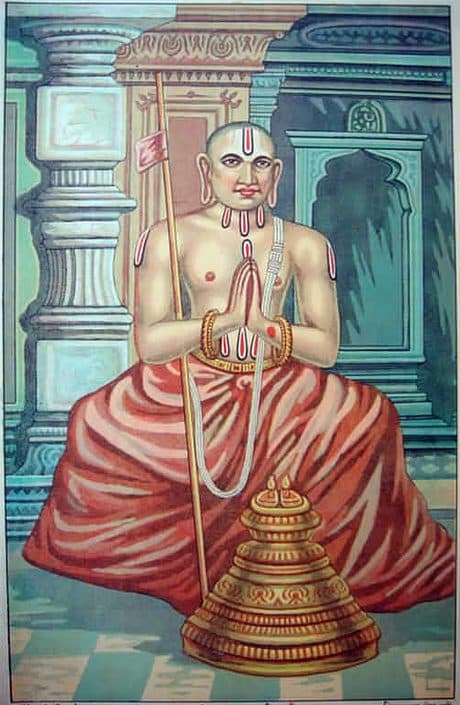
Rāmānuja · Viśiṣṭādvaita
EnglishOn verses 14.22–25
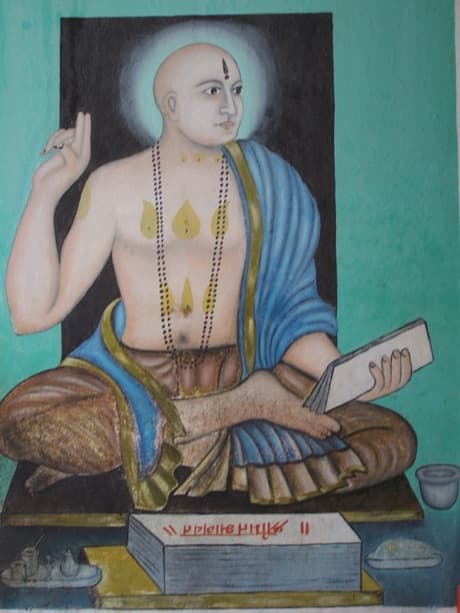
Madhvācārya · Dvaita
Madhva BhāṣyaSanskritEnglishOn verses 14.22–14.24
“प्रायो न द्वेष्टि न काङ्क्षति । तथा हि सामवेदे भाल्लवेयशाखायाम् - रजस्तमः सत्वगुणान् प्रवृत्तान् प्रायो न च द्वेष्टि न चापि काङ्क्षेत् । तथाऽपि सूक्ष्मं सत्वगुणं च काङ्क्षेद् यदि प्रविष्टं सुतमश्च जह्यात् ॥ इति । न हि देवा ऋषयश्च सत्त्वस्था नुपसत्तम । हीनाः सूक्ष्मेण सत्त्वेन ततो वैकारिकाः स्मृताः । कथं वैकारिको गच्छेत् पुरुषः पुरुषोत्तमम् ॥ इति हि मोक्षधर्मे । सात्त्विकः पुरुषव्याघ्र भवेन्मोक्षार्थनिश्चितः । इति च ॥” - Primarily he neither hates nor hankers for. Thus in Bhallaveya section of Samaveda - “The one who goes beyond the three attributes neither hates nor hankers for. Even then he would desire for the subtle saatvic attribute, but if subtle taamasic attributes come even by destiny, he will reject them”. Thus in Moksha Dharma - “Neither the gods nor seers, O King, established in satva can ever be insignificant in subtle attributes. In which case they would be modified in their convictions. One who is not firm in their convictions can never reach the Person, the Best of the Persons”. Thus similarly in the same text - “The person who is firm in his saatvic attributes becomes, verily, a man-Lion assured of his liberation”.
Madhvācārya · Dvaita
Gītā Tātparya NirṇayaSanskritEnglishOn verses 14.22–14.24
“लोकस्थितान् प्रकाशादीन् प्रायो न द्वेष्टि नेच्छति । स्वयंप्रकाशी मोहोज्ज्ञस्तथाऽपि पुनरिच्छति । विष्णोः प्रकाशं तं चापि नित्यभक्तव्याभिसेवते । सुखदुःखादिभावेऽपि विष्णुभक्तौ ममः सदा । अर्थार्थं वा प्रियार्थं वा निन्दादीनां भयादपि । न विष्णुभक्तिहासोऽस्य किन्तु साम्यमथोन्नतिः । अवैष्णवारम्भवर्जो विष्णुं याति न संशयः ॥ इति च |” - The illumination which is established in other people is neither desired nor hated (by the one who is beyond the three attributes). The illumined beings under delusion, however may again succumb to desires. The illumination of Sri Vishnu being in them, they are ever in communion with Him. Even if sometimes deluded, they will again desire communion with Sri Vishnu alone. Even in the absence of happiness or unhappiness, the devotees of Sri Vishnu are ever equipoise. For the sake of wealth, of dear ones or those who are inimical or because of fright, there is never any decrease in their devotion to Sri Vishnu. It is either stable or increases. Those who give up things which are not pleasing to Sri Vishnu will undoubtedly reach Him.

Jñāneśvar · Vārkarī
English22 The Exalted-one spake—“The light (of knowledge), the urge for action, and even infatuation, O Son of Pāṇḍu, as they (with the respective Gunas dominating) start into operation, he does not hate: nor does he long (for them) when they desist. (327)
One whom the notion that he alone is the ‘master action-doer,’ does not even touch, when the Rajas waxes strong and the body issues forth blossoms of activism and activity encircles the being; or who does not worry himself if action bears no fruit at all; or who does not get puffed up at his own state of being learned when the Sattva waxes strong and all the sense-centres get illuminated with the light of knowledge; or who does not fall a victim to infatuation, or does not worry over nescience when Tamas waxes strong. One who does not hanker after knowledge while under infatuation, or does not attach any importance to activism while possessed of knowledge, but (at the same time) does not feel sorry if actions take place, one who makes no differentiation, in the way the Sun takes no account of the three stages-evening, morning and noon: is there any need for such a one of any other light of knowledge to make him possessed of knowledge? Does the ocean stand in need of rain water to get into tide? Or, even were he to perform actions, will the activism stick to him? Just tell me if the mighty Himālaya Mountain ever shivers with cold. Or will it make him lose his knowledge were he faced with infatuation? Could the intense heat of summer ever bake (scald) the fire?
Swami Ramsukhdas · Modern
English**'Prakāśam ca'**—Purity of the senses and mind, is called 'Prakāśa', or illumination. It means, that illumination is the power, which enables the senses to perceive the five objects of senses, the mind, to think and the intellect, to judge.
The Lord (in 14/11) explained two marks of the mode of Sattva (goodness)—illumination (purity) and knowledge. Out of the two, only illumination has been mentioned here because in the mode, of goodness illumination occupies a predominant place. Unless there is illumination (purity) in the senses, mind and intellect, discrimination, is not aroused. Illumination arouses knowledge. So knowledge should be included within, illumination.
**'Pravṛttim ca'**—So long as, a person is attached to the modes of nature, the propensities, such as greed, activity, undertaking of actions, unrest and craving, of the mode of passion arise. But when a man rises above, the three guṇas (modes), the propensities of the mode of passion, do not spring up, but there is activity free from attachment and desire. Thus, the activity of the transcendental person, is flawless.
The mode of passion, has two forms—attachment and actions. Out of the two, attachment is the root cause of all suffering. A transcendental person, is free from attachment. But he performs actions, without having any desire, for the fruit of actions. These actions denote 'Pravṛtti' (Activity).
**'Mohameva ca pāṇḍava'**—Delusion, can be of two kinds
(i) absence of discrimination, between the real and the unreal or between what ought to be done, and what ought not to be done. (ii) Error, in practical life. As far as the first kind of delusion, is concerned, a transcendental soul, is totally free from it. But, as far as, an error in practical life is concerned, even a transcendental person, may commit it. He may have an optical illusion, and may take a rope for a snake and a shell, as a piece of silver, by error.
'Na dvești sampravṛttāni na nivṛttāni kāṅkṣati'—Illumination is the effect of Sattva, activity of Rajas and delusion of Tamas. A transcendental person, does not hate illumination, activity and delusion, when these are present, nor does he long for them, when they are absent. It means, that he does not hate them by thinking why they have evolved, and that they should disappear, nor does he desire, that they should continue or they should evolve, again. A person, who has transcended the three modes of nature, remains indifferent, to them.
An Important Fact
One thing, arises as 'cropping up of thoughts' while another is, 'to be engaged in thoughts' (have feelings of attachment and aversion). There is a world of difference, between the two. The former is cosmic, while the latter is personal. We are not responsible for what happens in the world, but we are held responsible, for what we do. Moreover, by having attachment and aversion for worldly activities, we assume our affinity with them i.e., we become a doer and so we have to get the fruit. If we do not assume our affinity, with these, we cannot be responsible for them, and we will not, have to reap their fruit (because they are performed by the body, a fragment of the world) in the same way, as we are not held responsible for the numberless actions, which are performed, in the world, through cosmic power. So a striver, should have neither attachment nor aversion to good
and evil propensities, evolved from the three modes of nature i.e., he should not assume affinity with them.
These propensities, appear in the mind, of even transcendental souls. They appear and again disappear. But, he has neither attachment nor aversion for them, he does not even perceive them, as such because he beholds, nothing else besides the Lord, in the entire universe.
One is to perceive, while the other is automatically seen. 'To see' comes within 'doing' and 'automatically seen' comes, within 'what happens.' A fault lies in 'seeing', not in 'what is automatically seen.' A striver, should not feel perturbed, even if he perceives the worst propensity, in his mind. He should have, neither attachment nor aversion to it. He commits an error, that he is either attached to those propensities, or has an aversion to them, and so he is entangled. Lord Rāma says to His younger brother, Bharata in the Rāmacaritamānasa:—
'O dear! There are innumerable virtues and vices evolved, by the deluding potency of the Lord. Discrimination, consists in their non-perception while ignorance consists in their perception' (7/41).
A striver, should think seriously, that dispositions appear and disappear, but he (the self) remains the same. The changeable cannot see the changeable, only the changeless can see, the changeable. This is a rule. It proves, that the self is an observer, while the dispositions, are to be observed. So, he is different from them. So he should not assume his affinity with them, he should, neither be pleased nor displeased with, the appearance and disappearance of the kaleidoscopic, mutable and perishable, dispositions. He should ever remain fixed, in his real self, which is non-changing, immutable and imperishable.
**Appendix**—The man, who transcends *gunas*, desires neither the favourable circumstances to continue nor the unfavourable ones to disappear. Having realized his immutability, he has the knowledge of the desirable and the undesirable circumstances,
Verso 23]
but he (the Self) is not affected by them. The propensities of the mind change but he himself remains untainted. The striver should not be affected by dispositions because the transcendental soul is the ideal for a striver and the striver is his follower.
It is inevitable for every striver that he should not identify the Self with the body. The dispositions are there in the mind, not in the Self. Therefore a striver should regard these dispositions neither as good nor bad nor in the Self. The reason is that these propensities are fleeting but the Self ever remains the same. Had these propensities been in us (the Self), they would have persisted, so long as the Self exists. But this is every one's experience that we ever exist but the propensities appear and disappear. These propensities are evolute of prakṛti, while we (the Self) are identified with God. Therefore the Self, who experiences the modifications apart from the Self, remains uniform.
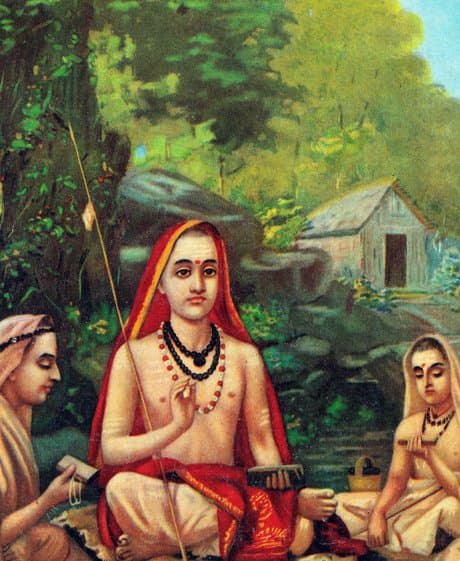
Ādi Śaṅkarācārya · Advaita
Sanskritप्रकाशं च सत्त्वकार्यं प्रवृत्तिं च रजःकार्यं मोहमेव च तमःकार्यं इत्येतानि न द्वेष्टि सम्प्रवृत्तानि सम्यग्विषयभावेन उद्भूतानि -- ``मम तामसः प्रत्ययो जातः, तेन अहं मूढः; तथा राजसी प्रवृत्तिः मम उत्पन्ना दुःखात्मिका, तेन अहं रजसा प्रवर्तितः प्रचलितः स्वरूपात्; कष्टं मम वर्तते यः अयं मत्स्वरूपावस्थानात् भ्रंशः; तथा सात्त्विको गुणः प्रकाशात्मा मां विवेकित्वं आपादयन् सुखे च सञ्जयन् बध्नाति'' इति तानि द्वेष्टि असम्यग्दर्शित्वेन । तत् एवं गुणातीतो न द्वेष्टि सम्प्रवृत्तानि । यथा च सात्त्विकादिपुरुषः सत्त्वादिकार्याणि आत्मानं प्रति प्रकाश्य निवृत्तानि काङ्क्षति, न तथा गुणातीतो निवृत्तानि काङ्क्षति इत्यर्थः । एतत् न परप्रत्यक्षं लिङ्गम् । किं तर्हि? स्वात्मप्रत्यक्षत्वात् आत्मार्थमेव एतत् लक्षणम् । न हि स्वात्मविषयं द्वेषमाकाङ्क्षां वा परः पश्यति ॥ अथ इदानीम् ``गुणातीतः किमाचारः?'' इति प्रश्नस्य प्रतिवचनं आह --
Ādi Śaṅkarācārya · Advaita
Hindiइस (उपर्युक्त) श्लोकमें अर्जुनने गुणातीतके लक्षण और गुणातीत होनेका उपाय पूछा है, उन दोनों प्रश्नोंका उत्तर देनेके लिये श्रीभगवान् बोले कि पहले गुणातीत पुरुष किन-किन लक्षणोंसे युक्त होता है उसे सुन—
सत्त्वगुणका कार्य प्रकाश, रजोगुणका कार्य प्रवृत्ति और तमोगुणका कार्य मोह, ये जब प्राप्त होते हैं अर्थात् भली प्रकार विषयभावसे उपलब्ध होते हैं, तब वह इनसे द्वेष नहीं किया करता।
अभिप्राय यह कि 'मुझमें तामसभाव उत्पन्न हो गया, उससे मैं मोहित हो गया और दुःखरूप राजसी प्रवृत्ति मुझमें उत्पन्न हुई, उस राजसभावने मुझे प्रवृत्त कर दिया, इसने मुझे स्वरूपसे विचलित कर दिया, यह जो अपनी स्वरूप-स्थितिसे विचलित होना है, वह मेरे लिये बड़ा भारी दुःख है तथा प्रकाशमय सात्त्विक गुण, मुझे विवेकित्व प्रदान करके और सुखमें नियुक्त करके बाँधता है', इस प्रकार साधारण मनुष्य अयथार्थदर्शी होनेके कारण उन गुणोंसे द्वेष किया करते हैं, परंतु गुणातीत पुरुष उनकी प्राप्ति होनेपर उनसे द्वेष नहीं करता।
तथा जैसे सात्त्विक, राजस और तामस पुरुष जब सात्त्विक आदि भाव अपना स्वरूप प्रत्यक्ष कराकर निवृत्त हो जाते हैं तब (पुनः) उनको चाहते हैं। वैसे गुणातीत उन निवृत्त हुए गुणोंके कार्योंको नहीं चाहता यह अभिप्राय है।
(परंतु ये सब लक्षण दूसरोंको प्रत्यक्ष होनेवाले नहीं हैं। तो कैसे हैं? अपने-आपको ही प्रत्यक्ष होनेके कारण ये स्वसंवेद्य ही हैं; क्योंकि अपने- आपमें होनेवाले द्वेष या आकांक्षाको दूसरा नहीं देख सकता
Jñāneśvar · Vārkarī
Marathiतरी रजाचेनि माजें । देहीं कर्माचें आणोजें । प्रवृत्ति जैं घेईजे । वेंटाळुनि ॥ ३२७ ॥ तैं मीचि कां कर्मठ । ऐसा न ये श्रीमाठ । दरिद्रलिये बुद्धी वीट । तोही नाहीं ॥ ३२८ ॥ अथवा सत्त्वेंचि अधिकें । जैं सर्वेंद्रियीं ज्ञान फांके । तैं सुविद्यता तोखें । उभजेही ना ॥ ३२९ ॥ कां वाढिन्नलेनि तमें । न गिळिजेचि मोहभ्रमें । तैं अज्ञानत्वें न श्रमे । घेणेंही नाहीं ॥ ३३० ॥ पैं मोहाच्या अवसरीं । ज्ञानाची चाड न धरी । ज्ञानें कर्में नादरी । होतां न दुःखी ॥ ३३१ ॥ सायंप्रतर्मध्यान्हा । या तिन्ही काळांची गणना । नाहीं जेवीं तपना । तैसा असे ॥ ३३२ ॥ तया वेगळाचि काय प्रकाशें । ज्ञानित्व यावें असें । कायि जळार्णव पाउसें । साजा होय ? ॥ ३३३ ॥ ना प्रवर्तलेनि कर्में । कर्मठत्व तयां कां गमे । सांगें हिमवंतु हिमें । कांपे कायी ? ॥ ३३४ ॥ नातरी मोह आलिया । काई पां ज्ञाना मुकिजैल तया । हो मा आगीतें उन्हाळेया । जाळवत असे ? ॥ ३३५ ॥
Jñāneśvar · Vārkarī
Hindi(14.328) यद्यपि रजोगुण के बल से शरीर से कम उत्पन्न होने पर प्रवृत्ति फँसा ले,
(14.329) तथापि कर्म सफल होने से उस पुरुष को यह अभिमान नहीं होता कि मैं कर्म करनेहारा हूँ; अथवा निष्फल होने से भी उसकी बुद्धि का कुछ उकताहट नहीं होती।
(14.330) वैसे ही, जब सत्त्वगुण की प्रबलता से सब इन्द्रियों में ज्ञान प्रकाशित होता है, तब वह उत्तम ज्ञान के कारण सन्तोष से नहीं फूलता,
(14.331) अथवा तमोगुण बढ़ जाने से वह मोह या भ्रम के वश भी नहीं होता, तथा न अज्ञान से दुःखी होता और न अज्ञान का अंगीकार करता है।
(14.332) मोह के समय ज्ञान-प्राप्ति की इच्छा नहीं रखता, और ज्ञान के समय न कर्म का त्याग करता है, न दुःखी होता है। (14.333) सूर्य जैसे प्रातःकाल, मध्याह्नकाल या सायंकाल इन तीनों कालों की गिनती नहीं रखता वैसे ही वह गुणातीत पुरुष रहता है।
(14.334) उसे क्या किसी दूसरे के ज्ञान से ज्ञान की प्राप्ति की अपेक्षा रहती है? समुद्र क्या वर्षा के पानी से परिपूर्ण होता है?
(14.335) अथवा कर्म में प्रवृत्त होने से क्या उस पुरुष की कर्मठता जान पड़ती है? हिमालय पर्वत क्या कभी शीत से कँपता है?
(14.336) अथवा मोह उत्पन्न होने से क्या उस पुरुष के ज्ञान का नाश हो सकता है? ग्रीष्म क्या महाअग्नि को जला सकता है?
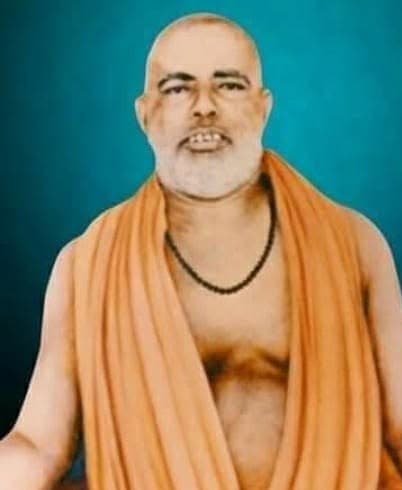
Sri Udiya Baba · Modern
Hindiभावार्थ— श्री भगवान् बोले—हे पाण्डुपुत्र! [गुणातीत पुरुष इन गुणों के कार्य] प्रकाश, प्रवृत्ति और मोह के आने पर उनसे द्वेष नहीं करता और ये न आवें—ऐसी इच्छा नहीं करता।
व्याख्या— वह तीनों गुणों में से किसी में राग या द्वेष नहीं करता, क्योंकि वह इन्हें मरुभूमि के जल के समान असत् समझता है। वह प्रकाश प्रवृत्ति और मोह तीनों अवस्थाओं से असंग और उदासीन रहता है। उसमें न कर्तृत्व रहता है न भोक्तृत्व। अतः उसमें प्रवृत्ति का कर्तृत्व तथा प्रकाश है, किन्तु मोह का भोक्तृत्व न रहने के कारण इनका कोई अर्थ नहीं रहता। देह-दृष्टि से इनकी प्रतीति होने पर भी स्वरूपदृष्टि से उसमें इनका अस्तित्व नहीं रहता। इसी से व्यवहार में यद्यपि उसकी विभिन्न प्रवृत्तियाँ देखी जाती हैं, तथापि ज्ञानदृष्टि से उसमें कोई भेद नहीं होता। यहाँ प्रवृत्ति न रहने का यह भी तात्पर्य है कि उसमें काम-क्रोधादि नहीं रहते।
प्रश्न— क्या ज्ञानी में काम-क्रोधादि नहीं रहते?
उत्तर— बोध दृष्टि से ज्ञानी में काम-क्रोधादि का अत्यन्त अभाव है। परन्तु अन्य पुरुषों को उसमें इनकी प्रतीति हो ही सकती है। मैं एक बात कहता हूँ, देखो, जिसमें काम-क्रोधादि दोष रहते हैं वह तो विषयी है और जिसमें ये नहीं रहते वह जिज्ञासु या साधक है। किन्तु बोधवान् तो इन दोनों से परे है। उसे कोई जान नहीं सकता कि वह क्या है और क्या करता है।
प्रश्न— बोध प्रवृत्तिनिष्ठ को भी हो जाता है या केवल निवृत्तिनिष्ठ को ही होता है।
उत्तर— बोध तो जिज्ञासु को होता है। जिसे तीव्र जिज्ञासा हो, वह प्रवृत्तिवाला हो चाहे निवृत्ति वाला उसे बोध हो सकता है। प्रवृत्ति-निवृत्ति तो प्रारब्धाधीन है। इनका बोध से कोई सम्बन्ध नहीं है।
प्रश्न— बोध होने पर निवृत्ति की प्रधानता रहती है या प्रवृत्ति की?
उत्तर— श्री शंकराचार्यजी के मतानुसार तो निवृत्ति की प्रधानता रहती है और लोकमान्य तिलक के अनुसार प्रवृत्ति की। परन्तु मेरा विचार तो ऐसा है कि जिसका जैसा प्रारब्ध होता है उसी के अनुसार वह दोनों में से किसी मार्ग का अनुसरण करने लगता है।
Swami Ramsukhdas · Modern
Hindi'प्रकाशं च'—इन्द्रियों और अन्तःकरणकी स्वच्छता, निर्मलताका नाम प्रकाश है। तात्पर्य है कि जिससे इन्द्रियोंके द्वारा शब्दादि पाँचों विषयोंका स्पष्टतया ज्ञान होता है, मनसे मनन होता है और बुद्धिसे निर्णय होता है, उसका नाम 'प्रकाश' है।
भगवान्ने पहले (ग्यारहवें श्लोकमें) सत्त्वगुणकी दो वृत्तियाँ बतायी थीं—प्रकाश और ज्ञान। उनमेंसे यहाँ केवल प्रकाश-वृत्ति लेनेका तात्पर्य है कि सत्त्वगुणमें प्रकाश-वृत्ति ही मुख्य है; क्योंकि जबतक इन्द्रियाँ और अन्तःकरणमें प्रकाश नहीं आता, स्वच्छता-निर्मलता नहीं आती, तबतक ज्ञान (विवेक) जाग्रत् नहीं होता। प्रकाशके आनेपर ही ज्ञान जाग्रत् होता है। अतः यहाँ ज्ञान-वृत्तिको प्रकाशके ही अन्तर्गत ले लेना चाहिये।
'प्रवृत्तिं च'—जबतक गुणोंके साथ सम्बन्ध रहता है, तबतक रजोगुणकी लोभ, प्रवृत्ति, रागपूर्वक कर्मोंका आरम्भ, अशान्ति और स्मृहा—ये वृत्तियाँ पैदा होती रहती हैं। परन्तु जब मनुष्य गुणातीत हो जाता है, तब रजोगुणके साथ तादात्म्य रखनेवाली वृत्तियाँ तो पैदा हो ही नहीं सकतीं, पर आसक्ति, कामनासे रहित प्रवृत्ति (क्रियाशीलता) रहती है। यह प्रवृत्ति दोषी नहीं है। गुणातीत मनुष्यके द्वारा भी क्रियाएँ होती हैं। इसलिये भगवान्ने यहाँ केवल
'प्रवृत्ति' को ही लिया है।
रजोगुणके दो रूप हैं—राग और क्रिया। इनमेंसे राग तो दुःखोंका कारण है। यह राग गुणातीतमें नहीं रहता। परन्तु जबतक गुणातीत मनुष्यका दीखनेवाला शरीर रहता है, तबतक उसके द्वारा निष्कामभावपूर्वक स्वतः क्रियाएँ होती रहती हैं। इसी क्रियाशीलताको भगवान्ने यहाँ 'प्रवृत्ति' नामसे कहा है।
'मोहमेव च पाण्डव'—मोह दो प्रकारका है—(१) नित्य-अनित्य, सत्-असत्, कर्तव्य-अकर्तव्यका विवेक न होना और (२) व्यवहारमें भूल होना। गुणातीत महापुरुषमें पहले प्रकारका मोह (सत्-असत् आदिका विवेक न होना) तो होता ही नहीं (गीता—चौथे अध्यायका पैंतीसवाँ श्लोक)। परन्तु व्यवहारमें भूल होना अर्थात् किसीके कहनेसे किसी निर्दोष व्यक्तिको दोषी मान लेना और दोषी व्यक्तिको निर्दोष मान लेना आदि तथा रस्सीमें साँप दीख जाना, मृगत्पुष्पामें जल दीख जाना, सीपी और अभ्रकमें चाँदीका भ्रम हो जाना आदि मोह तो गुणातीत मनुष्यमें भी होता है।
'न द्वेष्टि सम्प्रवृत्तानि न निवृत्तानि काङ्क्षति'—सत्त्वगुणका कार्य 'प्रकाश', रजोगुणका कार्य 'प्रवृत्ति' और तमोगुणका कार्य 'मोह'—इन तीनोंके अच्छी तरह प्रवृत्त होनेपर भी गुणातीत महापुरुष इनसे द्वेष नहीं करता और
इनके निवृत्त होनेपर भी इनकी इच्छा नहीं करता। तात्पर्य है कि ऐसी वृत्तियाँ क्यों उत्पन्न हो रही हैं, इनमेंसे कोई-सी भी वृत्ति न रहे—ऐसा द्वेष नहीं करता और 'ये वृत्तियाँ पुनः आ जायें; ये वृत्तियाँ बनी रहें'—ऐसा राग नहीं करता। गुणातीत होनेके कारण गुणोंकी वृत्तियोंके आने-जानेसे उसमें कुछ भी फरक नहीं पड़ता। वह इन वृत्तियोंसे स्वाभाविक ही निलिप्त रहता है।
विशेष बात
एक तो वृत्तियोंका 'होना' होता है और एक वृत्तियोंको 'करना' (उनसे सम्बन्ध जोड़ना अर्थात् राग-द्वेष करना) होता है। होने और करनेमें बड़ा अन्तर है। 'होना' समष्टिगत होता है और 'करना' व्यक्तिगत होता है। संसारमें जो 'होता' है, उसकी जिम्मेवारी हमारेपर नहीं होती। जो हम 'करते' हैं, उसीकी जिम्मेवारी हमारेपर होती है।
जिस समष्टि शक्तिसे संसारमात्रका संचालन होता है, उसी शक्तिसे हमारे शरीर, इन्द्रियाँ, मन, बुद्धि-(जो कि संसारके ही अंश हैं-) का भी संचालन होता है। जब संसारमें होनेवाली क्रियाओंके गुण-दोष हमें नहीं लगते, तब शरीरादिमें होनेवाली क्रियाओंके गुण-दोष हमें लग ही कैसे सकते हैं? परन्तु जब स्वतः होनेवाली क्रियाओंमेंसे कुछ क्रियाओंके साथ मनुष्य राग-द्वेषपूर्वक अपना सम्बन्ध जोड़ लेता है अर्थात् उनका कर्ता बन जाता है, तब उनका फल उसको ही भोगना पड़ता है। इसलिये अन्तःकरणमें सत्त्व, रज और तम—इन तीनों गुणोंसे होनेवाली अच्छी-बुरी वृत्तियोंसे साधकको राग-द्वेष नहीं करना चाहिये अर्थात् उनसे अपना सम्बन्ध नहीं जोड़ना चाहिये।
वृत्तियाँ एक समान किसीकी भी नहीं रहतीं। तीनों गुणोंकी वृत्तियाँ तो गुणातीत महापुरुषके अन्तःकरणमें भी होती हैं, पर उसका उन वृत्तियोंसे राग-द्वेष नहीं होता। वृत्तियाँ आप-से-आप आती और चली जाती हैं। गुणातीत
**परिशिष्ट भाव**—गुणातीत मनुष्यमें 'अनुकूलता बनी रहे, प्रतिकूलता चली जाय' ऐसी इच्छा नहीं होती। निर्विकारताका अनुभव होनेपर उसको अनुकूलता-प्रतिकूलताका ज्ञान तो होता है, पर स्वयंपर उनका असर नहीं पड़ता। अन्तःकरणमें वृत्तियाँ बदलती हैं, पर स्वयं उनसे निलिप्त रहता है। साधकपर भी वृत्तियोंका असर नहीं पड़ना चाहिये; क्योंकि गुणातीत मनुष्य साधकका आदर्श होता है, साधक उसका अनुयायी होता है।
साधकमात्रके लिये यह आवश्यक है कि वह देहका धर्म अपनेमें न माने। वृत्तियाँ अन्तःकरणमें हैं, अपनेमें नहीं हैं। अतः साधक वृत्तियोंको न अच्छा माने, न बुरा माने और न अपनेमें माने। कारण कि वृत्तियाँ तो आने-जानेवाली हैं, पर स्वयं निरन्तर रहनेवाला है। अगर वृत्तियाँ हमारेमें होतीं तो जबतक हम रहते, तबतक वृत्तियाँ भी रहतीं। परन्तु यह सबका अनुभव है कि हम तो निरन्तर रहते हैं, पर वृत्तियाँ आती-जाती रहती हैं। वृत्तियोंका सम्बन्ध प्रकृतिके साथ है और हमारा (स्वयंका) सम्बन्ध परमात्माके साथ है। इसलिये वृत्तियोंके परिवर्तनका अनुभव करनेवाला स्वयं एक ही रहता है।
महापुरुषकी दृष्टि उधर जाती ही नहीं; क्योंकि उसकी दृष्टिमें एक परमात्मतत्त्वके सिवाय और कुछ रहता ही नहीं।
देखना और दीखना—दोनोंमें बड़ा फरक है। देखना 'करने' के अन्तर्गत होता है और दीखना 'होने' के अन्तर्गत होता है। दोष देखनेमें होता है, दीखनेमें नहीं। अतः साधकको यदि अन्तःकरणमें खराब-से-खराब वृत्ति भी दीख जाय, तो भी उसको घबराना नहीं चाहिये। अपने-आप दीखनेवाली (होनेवाली) वृत्तियोंसे राग-द्वेष करना अर्थात् उनके अनुसार अपनी स्थिति मानना ही उनको देखना है। साधकसे भूल यही होती है कि वह दीखनेवाली वस्तुको देखने लग जाता है और फँस जाता है। भगवान् राम कहते हैं—
**सुनहु तात माया कृत गुन अरु दोष अनेक।**
**गुन यह उभय न देखिअहिं देखिअ सो अबिबेक ॥**
(मानस ७। ४१)
साधकको गहराईसे विचार करना चाहिये कि वृत्तियाँ तो उत्पन्न और नष्ट होती रहती हैं, पर स्वयं (अपना स्वरूप) सदा ज्यों-का-त्यों रहता है। वृत्तियोंमें होनेवाले परिवर्तनको देखनेवाला स्वरूप परिवर्तनरहित है। कारण कि परिवर्तनशीलको परिवर्तनशील नहीं देख सकता, प्रत्युत परिवर्तनरहित ही परिवर्तनशीलको देख सकता है। इससे सिद्ध होता है कि स्वरूप वृत्तियोंसे अलग है। परिवर्तनशील गुणोंके साथ अपना सम्बन्ध मान लेनेसे ही गुणोंमें होनेवाली वृत्तियाँ अपनेमें प्रतीत होती हैं। अतः साधकको आने-जानेवाली वृत्तियोंके साथ मिलकर अपने वास्तविक स्वरूपसे विचलित नहीं होना चाहिये। चाहे जैसी वृत्तियाँ आयें, उनसे राजी-नाराज नहीं होना चाहिये; उनके साथ अपनी एकता नहीं माननी चाहिये। सदा एकरस रहनेवाले गुणोंसे सर्वथा निलिप्त, निर्विकार एवं अविनाशी अपने स्वरूपको न देखकर परिवर्तनशील, विकारी एवं विनाशी वृत्तियोंको देखना साधकके लिये महान् बाधक है।
The word prakāśa means illumination, lucidity, the brightness of disposition and are the effects of sattva guṇa or the mode of goodness.
The word pravṛtti means enthusiastic effort or the disposition to endeavour actively and are the effects of raja guṇa the mode of passion.
The word moha means delusion, bewilderment or having a distorted perception.
All things external to the ātma or immortal soul are of two categories: One is what causes attraction and the second is what causes aversion.
The fundamental symptom of discerning who is beyond the three guṇas or modes of material nature is that such a being neither desire to accept anything nor does such a one desire to reject anything.
Whatever the Supreme Lord Krishna designates to come, such a one remains equipoise in all situations.
Such a one is udāsīnavad or unconcerned with external circumstances because of being enraptured within by ātma tattva or realisation of the immortal soul. Therefore one is naturally indifferent to anything external.
One who is never agitated by attraction and aversion which arise from the three guṇas and who lucid and tranquil reflects within that it is natural for the impulses of the three guṇas to occasionally parade themselves in one's consciousness, is never deluded by them into being impelled to act as the qualities might provoke one to respond.
The word sama means equanimity or keeping oneself equipoise in both joy and distress.
The word svasthaḥ means solidly situated, established firmly within on the immortal ātma, filled with rapture and bliss by its communion.
Such a one is never even distracted by external things let alone influenced by them. Even when exposed to great events of joy or catastrophic events of grief, such a one is undisturbed and does not succumb to delusion or illusion.
To such a one a clod of earth or a precious jewel or a nugget of gold all are looked upon alike as merely modifications of prakṛti. So there is nothing in material existence which such a one has any special attraction or aversion towards.
The word dhīraḥ means sober and denotes the wisdom of one who is knowledgeable of the distinction between prakṛti or the material substratum pervading physical existence and the eternal ātma or immortal soul.
Hence such a one remains equanimous in both praise and censure.
It is the desire for praise and adulation that shows the consequence of egotism which abides in the mind and is erroneously mistaken for the ātma and deludes one into thinking that it is a great honour to be praised.
Similarly aversion to being ridiculed and censured is also the consequence of same egotism which makes one think it is ignoble and shameful to receive such infamy.
But both conceptions are the results of delusion and one who is established in ātma tattva or realisation of the immortal soul is never implicated in illusion
as such a being is unlimited in consciousness knowing that all material designations are all transcended by communion with the ātma.
In the same way that egotism is alienated from the ātma what pertains to egotism such as honour and disgrace, friends and enemies, praise and censure does not affect the ātma.
One who is illuminated by ātma tattva is unconcerned and indifferent to worldly matters.
Similarly, since such a one comprehends that all efforts of activity are the cause and perpetuation of physical embodiment, such a one abandons all efforts not related to the ātma.
Such a person is known to be a conqueror of the three guṇas.
Next the primary means to overcome them will be given.