

Bhagavad Gītā · Chapter 14 · Guṇatraya Vibhāga Yoga
नान्यं गुणेभ्यः कर्तारं यदा द्रष्टानुपश्यति
गुणेभ्यश्च परं वेत्ति मद्भावं सोऽधिगच्छति
nānyaṃ guṇebhyaḥ kartāraṃ yadā draṣṭānupaśyati|guṇebhyaśca paraṃ vetti madbhāvaṃ so'dhigacchati||
Word meanings
यदा = when
द्रष्टा = the seer
गुणेभ्यः = than the guṇas
अन्यम् = any other
कर्तारम् = doer
न = not
अनुपश्यति = sees
च = and
गुणेभ्यः = beyond the guṇas
परम् = higher
वेत्ति = knows
सः = that
मद्भावम् = my being
अधिगच्छति = attains
Translation
When the seer perceives no agent other than the three Gunas; and realizes Me, the suprem Spirit standing entirely beyond these Gunas, he enters into My Being.
Commentary
The commentators seated around this verse
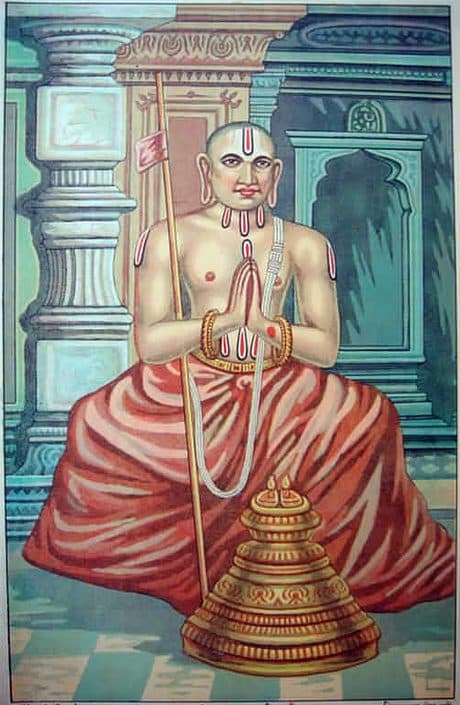
Rāmānuja · Viśiṣṭādvaita
English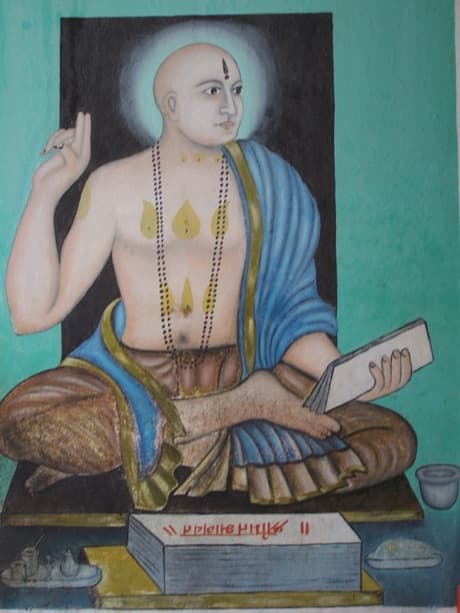
Madhvācārya · Dvaita
Madhva BhāṣyaSanskritEnglishOn verses 14.19–14.21
“परिणामिकर्तारं गुणेभ्योऽन्यं न पश्यति | अन्यथा, यदा पश्यः पश्यते रुमवर्णं कर्तारमीशं पुरुषं ब्रह्मयोनिम् इति श्रुतिविरोधः | नाहं कर्ता न कर्ता त्वं कर्ता यस्तु सदा प्रभुः | इति मोक्षधर्मं ||” - The attributes see the one who causes the consequential results, no one else. Otherwise the statement other. In that case, “When the seer sees the golden coloured one, the Lord of actions, the Person, the progenitor of Brahma” would have contradicted the scriptures. “Neither am I the performer nor are you the one; it is ever the Lord”, thus has been said in Moksha Dharma.
Madhvācārya · Dvaita
Gītā Tātparya NirṇayaSanskritEnglishOn verses 14.19–14.21
“एतेभ्यः सच्चादिगुणेभ्योऽन्यं कर्तारमीशं यदा पश्यति तदैवायं ना पुरुषः | अन्यथा पशुसमः | न केवल केशवं किन्तु गुणेभ्य उत्तमत्वेन च | कथं स एव ना ? यस्मात् मद्भावं सोऽधिगच्छति ||” - He who sees the One, who is different than these attributes, as the performer of actions, he, verily, perceives. Otherwise he would be like an animal, not only observing Sri Vishnu, the Lord of actions, as distinct from the attributes but seeing Him even superior to those attributes. How does he (the Jiva) become like this? By that perceptions be attains My nature.
“महालक्ष्मीरिति परा भार्या नारायणस्य या | प्रकृतिर्नाम सा ज्ञेया प्रकर्षेण करोति यत् | तस्यास्तु त्रीणि रूपाणि सच्चं नाम रजस्तमः | मुष्टिकाले विभज्यन्ते सच्चं श्रीः सदगुणप्रभाः | रजो रञ्जनकर्तृत्वाद् भूः सा मुष्टिकरी यतः | यदावेशादियं पृथ्वी भूमिरित्येव कथ्यते | जीवानां ग्लपनाद् दुर्गा तम इत्येव कीर्तिता | एताभिस्तिम्बिजीवाः सर्वे बद्धा अमुक्तिगाः | सर्वान् वधन्ति सर्वाच्च तथाऽपि तु विशेषतः | श्रीदेवबन्धिका नृणां भूर्दैत्यानामथापरा | एताभ्योऽन्यं परं चैव विष्णुं ज्ञात्वा विमुच्यते | सामर्थ्यतिशयदासां नैताभ्यो विद्यते परः | इति यावद् विज्ञानति तावत् तं नृपशु विदुः | तस्मादाभ्योऽधिकगुणो विष्णुर्ज्ञेयः सदैव च || इति महाविष्णुपुराणे ||” - Maha-Lakshmi is supreme spouse of Sriman Narayana. She is known as Prakriti, because she creates by her luminosity. In her, therefore, are the three forms, satva, raja and tama. At the time of creation, because of her being Luminous Sri is called sat and because of her illumination as tva. Because as tva, the earth, in the process of creation she is creative (enterprise), she is called raja. Since she manifests as this earth she is called raja. Because she obscures the minds of the Jivas, she is known as Durga or tama. The un-liberated human beings are thus being controlled by these three attributes. Even though the entire three bind all, especially Sri Devi binds the gods, Bhu Devi binds the human beings and Durga Devi binds the asuras. But knowing Sri Vishnu as superior to these three attributes, they are liberated. So long as human beings accept them as extremely powerful, till then they will remain like animals in the shape of human beings. Therefore Sri Vishnu should always be considered as possessing the increased attributes, thus in Maha Vishnu Puraana. “राजसस्तु फलं दुःखम् इत्यत्र दुःखमिति दुःखमिश्रं सुखम् । दुःखं दूरिति सम्प्रोक्तं खं नाम सुखमुच्यते । इति शब्दनिर्णये ॥ कर्मणो राजसस्योक्तं दुःखमिश्रं सुखं फलम् । अज्ञानजं तामसय नित्यदुःखं फलं विदुः ॥ इति स्कान्दे ॥” - “raja, verily, comes about mixed with pain and pleasures. In the word duhkha, dhu denotes pain and the kha denotes pleasure” thus, in Shabda Nirnaya. that tama or obscurity is caused by ignorance and always results in continuous pain, thus in Skanda Puraana.
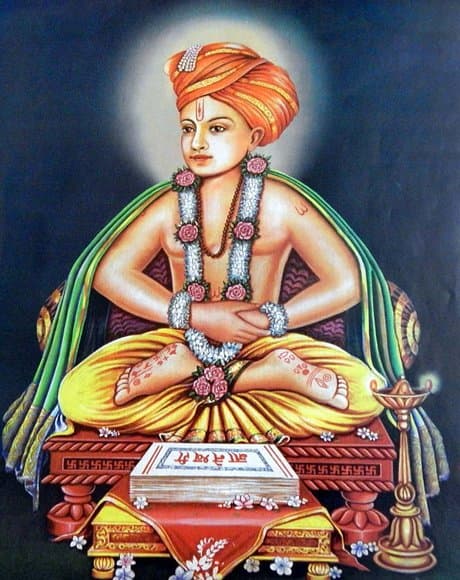
Jñāneśvar · Vārkarī
English19 *'When the percipient comes to see that there is no agent other than the Gunas, and (when he) realises Him who is on the other side of the Gunas, then does he attain oneness of essence with Me.* (279)
Yet enough of this discussion. Only give recognition to none else but the Supreme. Now I shall tell you and hear the account already narrated to you. Know this, that all these three Gunas make themselves felt through the instrumentality (mask) of the body owing to the power solely of highest Reality. The fire assumes the shape of the fire-wood it pervades, or the fertility of the soil becomes perceptible in the form of a tree (growing on it), or milk takes the form of curds, or sweetness becomes felt in the form of sugarcane. In that way the triad of the Gunas assumes the body-form accompanied by the inner sense (mind) and therefore becomes the cause of the bondage. But the wonder of it, Oh Dhananjaya, is that this entanglement of the Gunas and the body in no way affects the independence of the Self. All the three Gunas while playing their part in the body according to their respective properties, in no way affect the qualityless state of the (Supreme) Self. Complete deliverance is thus easy and this you would (be made to) hear, you who are the large black bee in the lotus in the form of knowledge. This is like what was preached to you before, viz. the sentience, although abiding among the Gunas, does not follow them, and this is realized, Oh Pārtha, when the human being attains the Self. One realizes the unreality of a dream when he awakes from sleep; one realizes, when he stands on the bank (of a river) looking at his own image, that what is broken into sundry images on the surface of the water at the upsurge of ripples is unsubstantial, or an actor is not deceived by his own skill in the art of dressing and make-up; in that way the individual soul should view the Gunas without getting absorbed in them. The sky experiences all the three seasons; yet it does not permit any defect in its own form or be in any way different. In that way, the self-same (Supreme) Self, above the Gunas, even though abiding admidst them (Gunas), continues to occupy its original seat in the form of the notion, “I am myself Supreme Brahman”. Viewing from that original seat it says, “I am only an on-looker, myself doing absolutely nothing. It is these Gunas that set up this array of activism. The scope of the activism gets widened up through the different properties of the three Gunas—Sattva, Rajas and Tamas. The activism (कर्मकाण्ड) is the disorder of the Gunas. (Were you to ask me) how I am in the tangle, (the answer is) I am (with reference to the tangle) what the spring season is to the loveliness of the woods (or) what the sunrise is to (the getting) dim of the brilliance of the stars, or the brightening of the Sun-stone (सूर्यकान्त) or the blowing fully open of the lotus or the expulsion of the darkness, just as for these results (consequent on the sunrise) the sun himself is not the direct cause, in that way, as a non-doer I abide in the body-form in my pristine state. Yet, in no way I am affected by the actions. The Gunas become perceptible, because I display them: (also) I maintain their power, and what remains behind after their total extinction, (subtraction) is myself, the qualityless, and the eternal Supreme Spirit. One, Oh Dhananjaya, who rises high through such discriminating power, goes higher up following the ascending path beyond these Gunas.
Swami Ramsukhdas · Modern
English'Nānyaṁ guṇebhyāḥ kartāraṁ yadā draṣṭānupaśyati guṇebhyāśca paraṁ vetti madbhāvaṁ so'dhigacchati'—There is no agent, other than the guṇas (modes) i.e., the modes alone, are responsible for all actions and modifications. The self, the illuminator of the modes, is an observer, who is in no way contaminated, by the modes and who has no connection with, the modes and actions, because they ever undergo modifications, while there is no modification, at all in the self. The thoughtful striver, who attains knowledge of the self, attains to the Lord's Being i.e., becomes identical with Him. It means, that the striver (self) who assumed his affinity with the guṇas (modes) by error, that assumption is wiped out and he realizes his natural identity with the Lord.
Appendix—'Guṇebhyāśca paraṁ vetti'—It means that the striver realizes that he is established in the illuminator by which the modes are illumined (Gītā 13/31).
'Madbhāvaṁ so'dhigacchati'—This expression means that he attains My Being viz., he attains Brahma. The same fact has been mentioned in the second verse by the expression 'mama sādhamyamāgatāḥ'.
A discriminative striver beholds no doer other than the modes and realizes himself to be detached from the modes viz., from actions and objects. Being detached from actions and objects, he attains Yoga (becomes Yogārūḍha)—'yadā hi nendriyārthēṣu ...' (Gītā 6/4). Having attained Yoga, he attains peace and
if he is not arrested there in other world, if he does not take delight in that peace, he attains God.
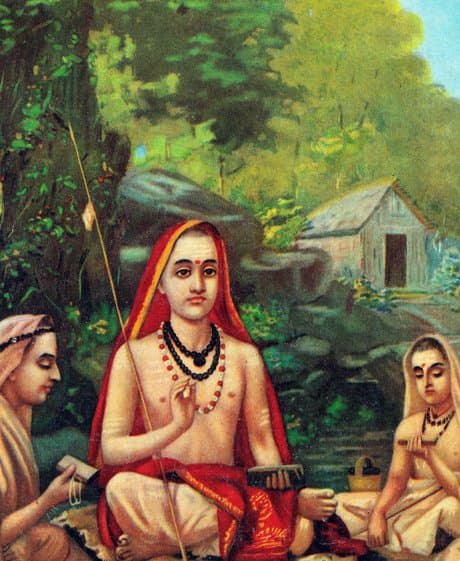
Ādi Śaṅkarācārya · Advaita
Sanskritन अन्यं कार्यकरणविषयाकारपरिणतेभ्यः गुणेभ्यः कर्तारं अन्यं यदा द्रष्टा विद्वान् सन् न अनुपश्यति, गुणा एव सर्वावस्थाः सर्वकर्मणां कर्तारः इत्येवं पश्यति, गुणेभ्यश्च परं गुणव्यापारसाक्षिभूतं वेत्ति, मद्भावं मम भावं सः द्रष्टा अधिगच्छति ॥ कथं अधिगच्छति इति, उच्यते --
Ādi Śaṅkarācārya · Advaita
Hindiप्रकृतिमें स्थित होनारूप मिथ्याज्ञानसे युक्त पुरुषका सुख-दुःख-मोहात्मक भोगरूप गुणोंमें 'मैं सुखी, दुःखी अथवा मूढ़ हूँ' इस प्रकारका जो सङ्ग है, वह सङ्ग ही इस पुरुषकी अच्छी-बुरी योनियोंमें जन्म-प्राप्तिरूप संसारका कारण है। यह बात जो पहले तेरहवें अध्यायमें संक्षेपसे कही थी, उसीको यहाँ 'सत्त्वं रजस्तम इति गुणाः प्रकृतिसम्भवाः' इस श्लोकसे लेकर (उपर्युक्त श्लोकतक) गुणोंका स्वरूप, गुणोंका कार्य, अपने कार्यद्वारा गुणोंका बन्धकत्व तथा गुणोंके कार्यद्वारा बँधे हुए
पुरुषकी जो गति होती है, इन सब मिथ्याज्ञानरूप अज्ञानमूलक बन्धनके कारणोंको, विस्तारपूर्वक बतलाकर, अब यथार्थ ज्ञानसे मोक्ष (कैसे होता है सो) बतलाना चाहिये, इसलिये भगवान् बोले—
जिस समय द्रष्टा पुरुष ज्ञानी होकर, कार्य, करण और विषयोंके आकारमें परिणत हुए गुणोंसे अतिरिक्त अन्य किसीको (भी) कर्ता नहीं देखता है, अर्थात् यही देखता है कि समस्त अवस्थाओंमें स्थित हुए गुण ही समस्त कर्मोंके कर्ता हैं तथा गुणोंके व्यापारके साक्षीरूप आत्माको गुणोंसे पर जानता है, तब वह द्रष्टा मेरे भावको प्राप्त होता है
Jñāneśvar · Vārkarī
Marathiपरी हे वाहणी असो । तरी तुज आन न दिसो । परिसें तें सांगतसों । मागील गोठी ॥ २७९ ॥ तरी ऐसें जाणिजे । सामर्थ्यें तिन्ही सहजें । होती देहव्याजें । गुणचि हे ॥ २८० ॥ इंधनाचेनि आकारें । अग्नि जैसा अवतरे । कां आंगवे तरुवरें । भूमिरसु ॥ २८१ ॥ नाना दहिंयाचेनि मिसें । परिणमे दूधचि जैसें । कां मूर्त होय ऊंसें । गोडी जेवीं ॥ २८२ ॥ तैसें हे स्वांतःकरण । देहचि होती त्रिगुण । म्हणौनि बंधासि कारण । घडे कीर ॥ २८३ ॥ परी चोज हें धनुर्धरा । जे एवढा हा गुंफिरा । मोक्षाचा संसारा । उणा नोहे ॥ २८४ ॥ त्रिगुण आपुलालेनि धर्में । देहींचे माघुत साउमें । चाळितांही न खोमें । गुणातीतता ॥ २८५ ॥ ऐसी मुक्ति असे सहज । ते आतां परिसऊं तुज । जे तूं ज्ञानांबुज- । द्विरेफु कीं ॥ २८६ ॥ आणि गुणीं गुणाजोगें । चैतन्य नोहे मागें । बोलिलों तें खागें । तेवींचि हें ॥ २८७ ॥ तरी पार्था जैं ऐसें । बोधलेनि जीवें दिसे । स्वप्न कां जैसें । चेइलेनी ॥ २८८ ॥ नातरी आपण जळीं । बिंबलों तीरोनी न्याहळी । चळण होतां कल्लोळीं । अनेकधा ॥ २८९ ॥ कां नटलेनि लाघवें । नटु जैसा न झकवे । तैसें गुणजात देखावें । न होनियां ॥ २९० ॥ पैं ऋतुत्रय आकाशें । धरूनियांही जैसें । नेदिजेचि येवों वोसें । वेगळेपणा ॥ २९१ ॥ तैसें गुणीं गुणापरौतें । जें आपणपें असे आयितें । तिये अहं बैसे अहंतें । मूळकेचिये ॥ २९२ ॥ तैं तेथूनि मग पाहतां । म्हणे साक्षी मी अकर्ता । हे गुणचि क्रियाजातां । नियोजित ॥ २९३ ॥ सत्त्वरजतमांचा । भेदीं पसरु कर्माचा । होत असे तो गुणांचा । विकारु हा ॥ २९४ ॥ ययामाजीं मी ऐसा । वनीं कां वसंतु जैसा । वनलक्ष्मीविलासा । हेतुभूत ॥ २९५ ॥ कां तारांगणीं लोपावें । सूर्यकांतीं उद्दीपावें । कमळीं विकासावें । जावें तमें ॥ २९६ ॥ ये कोणाचीं काजें कहीं । सवितिया जैसी नाहीं । तैसा अकर्ता मी देहीं । सत्तारूप ॥ २९७ ॥ मी दाऊनि गुण देखे । गुणता हे मियां पोखे । ययाचेनि निःशेखें । उरे तें मी ॥ २९८ ॥ ऐसेनि विवेकें जया । उदो होय धनंजया ।
Jñāneśvar · Vārkarī
Hindi(14.280) परन्तु यह बात रहने दो। तथापि यह ध्यान रखो कि ब्रह्म के अतिरिक्त और कुछ नहीं है। इसलिए हमने पहल जो एक बात कही थी उसे फिर सुनो।
(14.281) यह जान लो कि ब्रह्म की सत्ता द्वारा ये तीनों गुण ही स्वभावतः देह के मिस से उत्पन्न होते हैं।
(14.282) ईंधन के आकार में जैसे अग्नि ही प्रकट होती है, अथवा सम्पूर्ण वृक्षों के रूप में जैसे पृथ्वी का अन्तर्गत जल ही साकार हुआ दिखाई देता है,
(14.283) अथवा दही के रूप में जैसे दूध ही परिणत होता है, अथवा ईख के रूप में जैसे मिठास ही मूर्तिमती होती है,
(14.284) वैसे ही ये तीनों गुण अन्तःकरण-सहित देहरूप हो जाते हैं। यही वस्तुतः बन्धन का कारण है;
(14.285) तथापि हे धनुर्धर! यह आश्चर्य देखे कि इतनी उलझन होते हुए भी मोक्ष का विस्तार कुछ कम नहीं होता।
(14.286) यद्यपि तीनों गुण अपने-अपने धर्मानुसार देह के संचित या क्रियमाण कर्म करते हैं, तथापि ज्ञानियों की गुणातीतता कुछ कम नहीं होती। (14.287) इस प्रकार जो सहज मुक्ति प्राप्त होती है उसे अब हम तुम्हें सुनाते हैं, क्योंकि तुम ज्ञानरूपी कमल के भ्रमर हो।
(14.288) हम जो एक सिद्धान्त वर्णन कर चुके हैं कि गुणों में जो चैतन्य है वह गुणों के समान नहीं है, वही बात यह है।
(14.289) ज्ञान होने पर यह गुण-संसार ऐसा दिखाई देता है जैसे जागृत होने पर स्वप्न जान पड़ता है।
(14.290) अथवा जैसे तीर पर बैठ कर देखनेवाला मनुष्य जान लेता है कि बार बार हिलता हुआ, तरंगों में दिखाई देनेहारा, प्रतिबिम्ब मेरा ही है,
(14.291) अथवा नट ने कुशलता से वेष बदला हो तथापि वह जैसे निज का नहीं भूलता वैसे ही ज्ञानी जन इस गुणसमूह से एकरूप न हो कर इस के साक्षी रहते हैं।
(14.292) जैसे आकाश तीनों ऋतुओं को धारण करता हुआ अपनी भिन्नता में कुछ कमी नहीं होने देता
(14.293) वैसे ही जो गुणों के परे हैं, और गुणों में स्वभावतः सिद्ध हैं, उस मूल अहंकार में जिसका अहंकार जा बैठे
(14.294) और वहाँ से देखते हुए जिसे दिखाई दे कि मैं साक्षी और अकर्ता हूँ और ये गुण ही सम्पूर्ण कर्मों के नियोजक हैं; (14.295) सत्त्व, रज और तम इन भेदों से जो कर्म का विस्तार है वह इन्हों गुणों का विकार है
(14.296) और इनमें मैं ऐसा हूँ जैसे वन में वनश्री की शोभा का कारण वसन्त होता है,
(14.297) अथवा जैसे तारागणों का लुप्त होना, सूर्यकान्त मणि का प्रकाशित होना, कमलों का विकसित होना अथवा अन्धकार का नाश होना,
(14.298) इनमें से कोई भी बात सूर्य नहीं करता वैसे ही मैं अकर्ता होता हुआ देह में सत्तारूप हूँ,
(14.299) मैं गुणों को प्रकट करता हूँ, तथा उनका साक्षी हूँ, गुण- धर्मों का पोषण मेरे हो कारण होता है और इनका निरास होने पर जो शेष रहता है वही मैं हूँ;
(14.300) इस प्रकार जिसमें विवेक का उदय हो उसे, हे धनंजय!
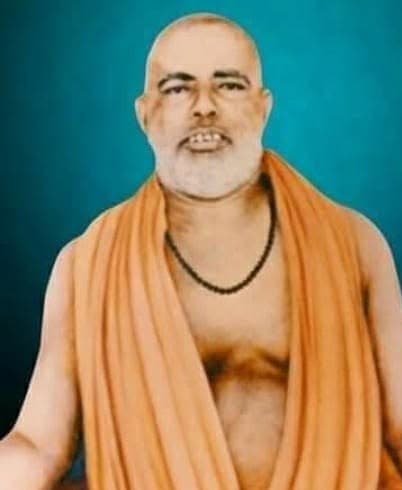
Sri Udiya Baba · Modern
Hindiसंगति— अब गुणों के त्याग द्वारा भगवत्प्राप्ति या स्व-स्वरूप की प्राप्ति बतलाते हैं—
भावार्थ— जिस समय द्रष्टा गुणों से भिन्न और किसी को कर्ता नहीं देखता और अपने को गुणों से परे देखता है उस समय वह मेरे स्वरूप को प्राप्त हो जाता है।
व्याख्या— जिस समय विवेक करते हुए द्रष्टा कर्ता, कर्म और क्रिया की त्रिपुटी को त्रिगुणमयी देखता है और अपने को उससे भिन्न उसका साक्षीमात्र जानता है उस समय वह गुणों के बन्धन से मुक्त होकर मेरे स्वरूप को अर्थात् स्वस्वरूप को प्राप्त हो जाता है। समष्टि-व्यष्टि दोनों द्रष्टाओं की अभिन्नता ही मद्भाव या पूर्णता है। इस पूर्णता को प्राप्त होकर वह निर्भय हो जाता है।
इस प्रकार सारा प्रपञ्च भिन्न है और द्रष्टा उससे भिन्न एवं असंग है। वास्तव में वह सब भी द्रष्टा की दृष्टि का ही विलास है, सब उसी में है, सब वही है। उससे भिन्न सबका अत्यन्ताभाव है, सब चराचर सृष्टि स्वप्ननगर, मनोराज्य या आकाश-कुसुम के सदृश है। जिसकी ऐसी दृष्टि है वही गुणातीत है। जिस समय द्रष्टा कर्ता-भोक्ता
को अपने से भिन्न अनुभव करता है ऐसी समय सारी सृष्टि का संहार हो जाता है। किन्तु उपासना में ऐसा नहीं है कि द्रष्टव्य अन्य है और कर्ता-भोक्ता अन्य। ज्ञान-मार्ग में ही दोनों का भेद किया जाता है और यह विवेक होने से शरीर का तादात्म्य टूट जाता है। जिस समय यह बोध होता है कि आत्मा अकर्ता अभोक्ता है उस समय सम्पूर्ण चित्तवृत्तियाँ क्षीण हो जाती हैं। किन्तु जब तक अपने को कर्ता-भोक्ता या उपासक मानता है तब तक गुणातीत नहीं होता। यह श्लोक बोधपरक है, यही तत्त्वदृष्टि है।
प्रश्न— ठीक है किन्तु मैं यह जानना चाहता हूँ कि शुद्ध स्वरूप का क्या लक्षण है?
उत्तर— शुद्ध स्वरूप ही तुरीय है। उसका लक्षण माण्डूक्योपनिषद् में इस प्रकार किया है—‘नान्तः प्रज्ञं न बहिः प्रज्ञं नोभयतः प्रज्ञं न प्रज्ञानघनं न प्रज्ञं न प्रज्ञम्’ इत्यादि। ‘नान्तः-प्रज्ञम्’ यह स्वप्न का निषेध किया। ‘न बहिः प्रज्ञम्’ यह जाग्रत् का निषेध किया। ‘नोभयतः प्रज्ञम्’ यह सन्धि का निषेध है। ‘न प्रज्ञानघनम्’ यह सुषुप्ति का निषेध है। ‘न प्रज्ञम्’ यह ज्ञान का निषेध है। ‘नाप्रज्ञम्’ यह अज्ञान का निषेध है। इस प्रकार जिसमें सभी अवस्थाओं का निषेध है वह तुरीय है। उसका क्या लक्षण किया जाय?
Swami Ramsukhdas · Modern
Hindiनान्यं गुणेभ्यः ... मद्भावं सोऽधिगच्छति—गुणोंके सिवाय अन्य कोई कर्ता है ही नहीं अर्थात् सम्पूर्ण क्रियाएँ गुणोंसे ही हो रही हैं, सम्पूर्ण परिवर्तन गुणोंमें ही हो रहा है। तात्पर्य है कि सम्पूर्ण क्रियाओं और परिवर्तनोंमें गुण ही कारण हैं और कोई कारण नहीं है। वे गुण जिससे प्रकाशित होते हैं, वह तत्त्व गुणोंसे पर है। गुणोंसे पर होनेसे वह कभी गुणोंसे लिप्त नहीं होता अर्थात् गुणों और क्रियाओंका उसपर कोई असर नहीं पड़ता। ऐसे उस तत्त्वको जो विचार-कुशल साधक
जान लेता है अर्थात् विवेकके द्वारा अपने-आपको गुणोंसे पर, असम्बद्ध, निलिप्त अनुभव कर लेता है कि गुणोंके साथ अपना सम्बन्ध न कभी हुआ है, न है, न होगा और न हो ही सकता है। कारण कि गुण परिवर्तनशील हैं और स्वयंमें कभी परिवर्तन होता ही नहीं। वह फिर मेरे भावको, मेरे स्वरूपको प्राप्त हो जाता है। तात्पर्य है कि वह जो भूलसे गुणोंके साथ अपना सम्बन्ध मानता था, वह मान्यता मिट जाती है और मेरे साथ उसका जो स्वतःसिद्ध सम्बन्ध है, वह ज्यों-का-ज्यों रह जाता है।
**परिशिष्ट भाव—**गुणेभ्यश्च परं वेत्ति का तात्पर्य है कि जिससे गुण प्रकाशित होते हैं, उस प्रकाशकमें अपनी स्थितिका अनुभव करना (गीता—तेरहवें अध्यायका इकतीसवाँ श्लोक)।
**‘मद्भावं सोऽधिगच्छति’** पदोंका अर्थ है कि वह मेरे भावको अर्थात् ब्रह्मको प्राप्त हो जाता है। इसी बातको दूसरे श्लोकमें **‘मम साधर्म्यमागताः’** पदोंसे कहा गया है।
विवेकी साधक गुणोंके सिवाय अन्य किसीको कर्ता नहीं देखता और अपनेको गुणोंसे अर्थात् क्रिया और पदार्थसे असंग अनुभव करता है। क्रिया और पदार्थसे असंग अनुभव करनेपर वह योगारूढ़ हो जाता है—**‘यदा हि नेत्रियार्थेषु...’** (गीता ६।४)। योगारूढ़ होनेसे शान्तिकी प्राप्ति होती है और उस शान्तिमें न अटकनेसे परमात्माकी प्राप्ति होती है।
Thus by eating foods situated in sattva guṇa or the mode of goodness, such as milk, cream, butter, fruits, rice, grains and vegetables,
and performing activities exclusively for the satisfaction of the Supreme Lord Krishna or any of His 55 authorised avatars or incarnations and do this never considering remuneration or rewards has been duly delineated by Lord Krishna Himself,
Then all traces and residue of raja guṇa or mode of passion and tama guṇa or mode of ignorance will be completely dissolved and eradicated.
When the aspirant becomes knowledgeable in the mechanisms of the three guṇas or modes of material nature and realises that they actually are performing all actions themselves according to their respective qualities, then they see that they are not the doer but only the observer.
When such a one further perceives the localised ātma or immortal soul within the etheric heart as being eternally a part of paramātma or the Supreme Soul within the etheric heart of all sentient beings everywhere in creation; then one attains a state of consciousness like unto the Supreme Lord.
The understanding is that the ātma or immortal soul is eternal and transcendental to all aspects of material nature and thus free from any influence or karma or reactions to actions that may come to the jīva or embodied being due to its association with the three guṇas within material existence.
The ātma itself is of the nature of infinite expanding consciousness.
All ātmas are feminine and when the ātma is thus realised then a jīva qualifies to have eternal association in the spiritual worlds with Lord Krishna. This is what He means by the words mad bhāvan meaning attains a consciousness like Mine.
So in conclusion after cognising and realising the absolute nature of the actionless ātma, which is completely beyond the purview of the material, the association of the Supreme Lord is attained.