

Bhagavad Gītā · Chapter 14 · Guṇatraya Vibhāga Yoga
लोभः प्रवृत्तिरारम्भः कर्मणामशमः स्पृहा
रजस्येतानि जायन्ते विवृद्धे भरतर्षभ
lobhaḥ pravṛttirārambhaḥ karmaṇāmaśamaḥ spṛhā|rajasyetāni jāyante vivṛddhe bharatarṣabha||
Word meanings
भरतर्षभ = O best of the Bharatas
रजसि = of rajas
विवृद्धे = when it increases
लोभः = greed
प्रवृत्तिः = activity
कर्मणाम् = of actions
आरम्भः = initiative
अशमः = restlessness
स्पृहा = longing
एतानि = these
जायन्ते = arise
Translation
With the preponderance of Rajas, Arjuna, greed, activity, undertaking of actions with an interested motive, restlessness and a thirst for enjoyment make their appearance.
Commentary
The commentators seated around this verse

Rāmānuja · Viśiṣṭādvaita
English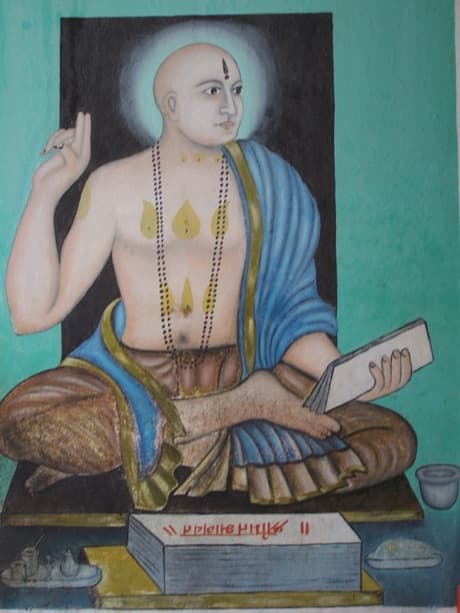
Madhvācārya · Dvaita
SanskritEnglishOn verses 14.9–14.18
“रजसस्तु फलं दुःखम् इत्यल्पसुखं दुःखम् | तथा हि शार्कराक्ष्यशाखायाम् - रजसो ह्येव जायते मात्रया सुखं दुःखं तस्मात् तान् सुखिनो दुःखिन इत्याचक्षते इति | अन्यथा दुःखस्यातिकृष्टत्वात् तमोऽधिकत्वं रजसो न स्यात् ||” - Result of the rajas is pain does not mean absolute pain but pleasure mixed with pain.

Jñāneśvar · Vārkarī
EnglishOn verses 14.11–14.15
11 "When, in this body, at all the gateways (of sense) light shines forth—the (light of) knowledge—then should one understand the Sattva to have waxed strong. 12 "Greed, urge (to action), starting (action), non-cessation of action, craving: these spring forth when the Rajas waxes strong, O Bull of the Bharata (clan). 13 "Forgginess and aversion to action, heedlessness and even infatuation: these spring forth when the Tamas waxes strong, O Gladdener of the Kurus. 14 "When, with the Sattva waxing strong, the body's tenant goes to dissolution, then, unto the taintless regions of the knowers of the Highest, does he attain. 15 "Going to dissolution when the Rajas (is waxing strong), he gets born amongst those addicted to action. So, too, being dissolved with the Tamas (waxing strong), he gets born amongst the non-sentient orders of beings. (204)
After getting victory over the Tamas and Rajas when the Sattva dominates over the body, the following signs appear in the body. In the spring season the fragrance in lotuses spreads out all around (unable to contain itself in the lotus), in that way (the light of) knowledge floods in the exterior, unable to contain itself in the interior. Then the reason remains watchful in all the sense centres and the hands and feet seem to have secured a wonderful vision. The beak of a swan decides the question (if any is raised before the swan), as to which is milk and which is water; in that way the senses themselves test and decide what is proper and what is improper, which is sin and which is merit, while comprehensive self-governance (नियम) attends as their footman. The ears instinctively abandon what ought not to be heard, the eyes eschew what ought not to be seen while the tongue avoids giving utterance to what ought not to be uttered. Just as darkness runs far away from the light (of a lamp), so the prohibited things dare not stand before (his) senses. Just as a big river inundates (the banks) during monsoon, so his intellect expands (comprehends) in all sciences. Just as the brilliance of the moon rushes into the sky on a full moon night, so the faculty of intellect spreads out freely in the region of knowledge. The desires get contracted, activism ebbs away, while the mind feels aversion for the enjoyment of sense-objects. In short, these are the signs of expansion of the Sattva Guna, and should death intervene just at this juncture (during the expansion of Sattva), it should be considered as an occasion for festivity, like the arrival of guests from the heaven (i.e. rare and exalted guests), just when there is a bumper harvest season and there should be ready-cooked delicious and flavoury dishes. Should there exist (in one's mind) generosity and courage in the same proportion as the riches in the house, why could not one secure the other world (Heaven) as also good fame here (in this world too)? Could such a one stand any comparison, Oh Dhananjaya? Similarly what other fate could one, possessed of the Sattva Guna, have when the embodied soul leaves his cottage in the form of the body—the enjoyer of sense objects carrying along with him the pure and manifested Sattva quality; and he actually quits the body in such (Sattwic) state, he is the very idol of the Sattva Guna—nay he takes his next birth amongst men of knowledge. Tell me, Oh Dhanurdhara, were a king in his role as the king, to go and sit on a hill top, would he be less of a king there? Were a light from here (one place) to be removed to a neighbouring village, could it not continue to be the (same) lamp there too, Oh Son of Pându? In the same way the pure Sattva Guna brings about an extraordinary increase in the knowledge with the result that the intellect begins to float over the discerning power. Then fully studying the aspects of all the elements, the soul along with such a study dissolves itself into the Self. That which is the 37th beyond the 36 (vide Chapter XIII. 5-6), or 25th beyond the 24 (according to Sâmkhyas) elements or the fourth beyond the three (गुणत्रय—the three qualities or Gunas such as Sattva, etc) or—the three stages of human life such as youth, etc. or the three states such as walking, etc.)—one who has attained that one—the best of all—secures, on the strength of this best Sattva Guna, a body that stands no comparison in the universe. In the same way when the Rajas waxes strong suppressing the Tamas and Sattva Gunas, he runs riot in the locality in the form of the body with his own programme works, the sense of which (you) now hear. Just as in a hurricane all things are rushed through and wound up together and whirled round and round in the sky, in that way with the force of the Rajas all the senses are let loose on their objects. He does not consider it in any way (morally) objectionable to cast a lustful eye on another man's wife, and goes on allowing the senses to indulge unrestrained in the enjoyment of their objects, like the mouth of a sheep, that strays out grazing on whatever comes in its way. His greed increases so much that anything that lies beyond the reach of his grasp alone escapes him. His natural tendencies do not permit him, Oh Dhananjaya, to keep his hands off any out-of-the-way sort of business transactions he may undertake. Similarly building a palace or performing an Ashvamedha sacrifice (Great Horse Sacrifice)—such extraordinary plans possess him completely. He undertakes works of vast magnitude, like planning towns, constructing big reservoirs, planting forests and laying out big gardens, (yet) his desires for happiness in this as also in the other world are not quenched. There moves about in his heart a greed for happiness of such a boundless and tremendous magnitude, that the extent and depth of an ocean falls short in comparison, or the burning power of fire proves too mild and tame before it. Very strong desires for enjoyment gallop abreast of the mind with great hope and, while wandering in this way, it treads over (traverses) the entire universe. These signs become perceptible when the Rajas waxes strong and were he to die in this state, he would have along with his greed and other companions, a new body in the human order. Oh see, could a beggar be a king were he to go in a palace furnished with all royal splendour? The bullocks, were they to carry a marriage party of even the rich, could have nothing else but *Kadhi* fodder (for their feed). Therefore, he (one meeting death while the Rajas waxes strong) gets yoked along with such as are engaged, without a moment's rest, in worldly affairs day and night. In short, one being drowned and dead in the deep waters in the form of the Rajas attributes, takes birth amongst persons heavily loaded with actions. In a similar way the Tamas waxes strong after swallowing the Rajas and Sattva Gunas. The signs that then appear inside and outside the body, I now narrate to you and do hear attentively. The mind in the Tamas stage becomes like the sky on an Amāvasyā night (the last day of the lunar month) having neither the Sun nor the Moon. Similarly the heart becomes blank, inactive and dull, there remaining no vivacity in it, while the language (all vestige) of reasoning is lost. The intellect loses all its elasticity and becomes so hard that even a stone cannot compare with it, while the memory goes into oblivion. The arrogance of thoughtlessness resounds through the body (in and out) while the being goes on doing ('give and take') transactions full of sheer foolishness. The bones, in the form of breaches of good manners, give (painful) pricking to the senses and yet he continues to behave along the same line even though it gives mortal agonies. There is one more novel thing about it; the mind of the Tamas-ridden being gets enlivened while doing wicked actions, in the way an owl gets vision in the dark. Similarly his mind is fired with wild expectations when confronted with the idea of an act that is forbidden and the senses also go galloping in hot pursuit of the same. In this way the being staggers without being drunk, raves without being delirious in high fever, and gets infatuated even in the absence of love like a mad man. He is in an ecstasy which is not, however, due to the mind getting enwrapped in concentrated meditation. In this way, he is possessed by insolent infatuation. In short, these signs are developed, when the Tamas waxes stronger and stronger, along with his paraphernalia. And were the being perchance to get a call from death on such an occasion, he gets out of the body along with the Tamas. A small *rai*-seed gets dried up (and dead) retaining in itself its *rai* property; would that same seed, when sown, germinate and develop into any other plant but the *rai* one? Even though the fire with which a lamp is lighted gets extinguished, still so long as the kindled flame of the lamp is burning, therein does exist the property of the original fire. Therefore, when the being quits the body along with the Tamas-ridden fancies, bundled up in a leather bucket (मोट) in the form of Tamas, he secures for himself again a Tamas-ridden body. There is no point in elaborating further this subject. One dying, while Tamas waxes strong, is born in any of the orders like the animal, bird, tree, or insect.
Swami Ramsukhdas · Modern
English'Lobhaḥ'—Greed, is the lust for multiplying wealth and possessions. But, if wealth increases without illegal means through one's own profession or business, though one has no craving, it is not greed.
'Pravṛttiḥ'—The urge, to undertake various form of activities is 'Pravṛtti'. Activity free from attachment and aversion, is not harmful, because even great souls, who have transcended the
three modes of nature, are engaged in activity (Gītā 14/22). But it is harmful, if it is performed with attachment and a desire for its fruit.
'Ārambhaḥ karmaṇām'—These actions are undertaken, in order to gain wealth, name, fame and praise etc. Performance of new actions, for worldly pleasure and prosperity, is the undertaking of actions viz., 'Ārambha' while one's profession or an activity according to circumstances or need of the hour, is a 'Pravṛtti'.
The goal of human life, is not worldly pleasure or prosperity but God-realization. So, in the Disciplines of Devotion and Knowledge, emphasis has been laid on giving up all initiative, for Ārambhaḥ action with interested motive (12/16, 14/25). In the Discipline of Action, acts are performed without desires and self-centred projections (Gītā 4/19). Without actions, a striver, following the Discipline of Action cannot attain equanimity, (Gītā 6/3). So a striver, should be engaged in action, according to the circumstances available, without having any attachment. By doing so, his urge for action, comes to an end. Thus, undertaking of actions, turns into activity.
'Aśamaḥ'—Unrest or dissatisfaction in the mind, is called 'Aśama'. Unfulfilled desires cause unrest. If desires are renounced; there is no, restlessness.
'Spṛhā'—Desire for bare necessities of life, is 'Spṛhā'. A striver, should renounce this desire, because nothing can be gained, merely by desire. It is not an evil to be aware of hunger, thirst and cold, but desire for getting food, water and cover is an evil.
'Rajasyetāni jāyante vivṛddhe bharatarṣabha'—When, there is an increase in the mode of passion, a striver, should think that his life is running smoothly. Then desire for more, is mere stupidity. By such thinking, he should do away with, this mode and become, indifferent to it.
Appendix—When there is an increase in Rajogunā, light and knowledge, the qualities of Sattva, are subdued. 'Rajogunā' is
opponent of detachment—'rajo rāgātmakam viddhi' (14/7). It is because of attachment to actions and objects that this (Rajogunā) does not let a man attain Yoga. The reason is that a man attains Yoga only when he is detached from actions and objects (Gītā 6/4).
*Link:—In the next verse, the Lord describes the symptoms when there is an increase, in the mode of ignorance.*
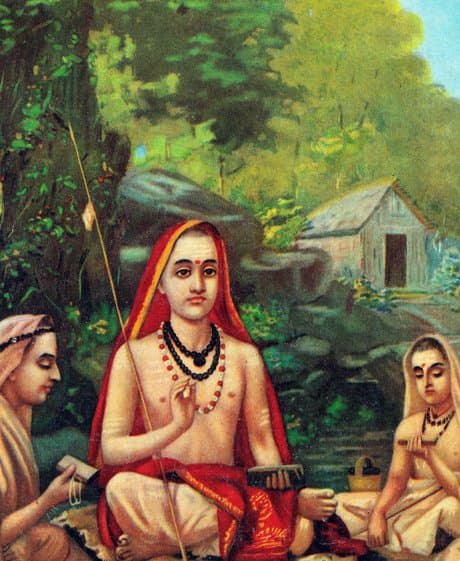
Ādi Śaṅkarācārya · Advaita
Sanskritलोभः परद्रव्यादित्सा, प्रवृत्तिः प्रवर्तनं सामान्यचेष्टा, आरम्भः; कस्य? कर्मणाम् । अशमः अनुपशमः, हर्षरागादिप्रवृत्तिः, स्पृहा सर्वसामान्यवस्तुविषया तृष्णा -- रजसि गुणे विवृद्धे एतानि लिङ्गानि जायन्ते हे भरतर्षभ ॥
Ādi Śaṅkarācārya · Advaita
Hindiउत्पन्न हुए रजोगुणके चिह्न ये होते हैं—
हे भरतर्षभोंमें श्रेष्ठ! लोभ—परद्रव्यको प्राप्त करनेकी इच्छा, प्रवृत्ति—सामान्यभावसे सांसारिक चेष्टा और कर्मोंका आरम्भ तथा अशान्ति—उपरामता—का अभाव, हर्ष और रागादिका प्रवृत्त होना तथा लालसा अर्थात् सामान्यभावसे समस्त वस्तुओंमें तृष्णा—ये सब चिह्न रजोगुणके बढ़नेपर उत्पन्न होते हैं
Jñāneśvar · Vārkarī
MarathiOn verses 14.11–14.15
पैं रजतमविजयें । सत्त्व गा देहीं इयें । वाढतां चिन्हें तियें । ऐसीं होती ॥ २०४ ॥ जे प्रज्ञा आंतुलीकडे । न समाती बाहेरी वोसंडें । वसंतीं पद्मखंडें । दृती जैसी ॥ २०५ ॥ सर्वेंद्रियांच्या आंगणीं । विवेक करी राबणी । साचचि करचरणीं । होती डोळे ॥ २०६ ॥ राजहंसापुढें । चांचूचें आगरडें । तोडी जेवीं झगडे । क्षीरनीराचे ॥ २०७ ॥ तेवीं दोषादोषविवेकीं । इंद्रियेंचि होती पारखीं । नियमु बा रे पायिकी । वोळगे तैं ॥ २०८ ॥ नाइकणें तें कानचि वाळी । न पहाणें तें दिठीचि गाळी । अवाच्य तें टाळी । जीभचि गा ॥ २०९ ॥ वाती पुढां जैसें । पळों लागे काळवसें । निषिद्ध इंद्रियां तैसें । समोर नोहे ॥ २१० ॥ धाराधरकाळें । महानदी उचंबळे । तैसी बुद्धि पघळे । शास्त्रजातीं ॥ २११ ॥ अगा पुनवेच्या दिवशीं । चंद्रप्रभा धांवें आकाशीं । ज्ञानीं वृत्ति तैसी । फांके सैंघ ॥ २१२ ॥ वासना एकवटे । प्रवृत्ति वोहटे । मानस विटे । विषयांवरी ॥ २१३ ॥ एवं सत्त्व वाढे । तैं हें चिन्ह फुडें । आणि निधनही घडे । तेव्हांचि जरी ॥ २१४ ॥ कां पाहालेनि सुयाणें । जालया परगुणें । पडियंतें पाहुणें । स्वर्गौनियां ॥ २१५ ॥ तरी जैसीचि घरींची संपत्ती । आणि तैसीचि औदार्यधैर्यवृत्ती । मा परत्रा आणि कीर्ती । कां नोहावें ? ॥ २१६ ॥ मग गोमटेया तया । जावळी असे धनंजया । तेवीं सत्त्वीं जाणे देहा । कें आथि गा ? ॥ २१७ ॥ जे स्वगुणीं उद्भट । घेऊनि सत्त्व चोखट । निगे सांडूनि कोपट । भोगक्षम हें ॥ २१८ ॥ अवचटें ऐसा जो जाये । तो सत्त्वाचाचि नवा होये । किंबहुना जन्म लाहे । ज्ञानियांमाजीं ॥ २१९ ॥ सांग पां धनुर्धरा । रावो रायपणें डोंगरा । गेलिया अपुरा । होय काई ? ॥ २२० ॥ नातरी येथिंचा दिवा । नेलिया सेजिया गांवा । तो तेथें तरी पांडवा । दीपचि कीं ॥ २२१ ॥ तैसी ते सत्त्वशुद्धी । आगळी ज्ञानेंसी वृद्धी । तरंगावों लागें बुद्धी । विवेकावरी ॥ २२२ ॥ पैं महदादि परिपाठीं । विचारूनि शेवटीं । विचारासकट पोटीं । जिरोनि जाय ॥ २२३ ॥ छत्तिसां सदतिसावें । चोविसां पंचविसावें । तिन्ही नुरोनि स्वभावें । चतुर्थ जें ॥ २२४ ॥ ऐसें सर्व जें सर्वोत्तम । जालें असे जया सुगम । तयासवें निरुपम । लाहे देह ॥ २२५ ॥ इयाचि परी देख । तमसत्त्व अधोमुख । बैसोनि जैं आगळीक । धरी रज ॥ २२६ ॥ आपलिया कार्याचा । धुमाड गांवीं देहाचा । माजवी तैं चिन्हांचा । उदयो ऐसा ॥ २२७ ॥ पांजरली वाहुटळी । करी वेगळ वेंटाळी । तैसी विषयीं सरळी । इंद्रियां होय ॥ २२८ ॥ परदारादि पडे । परी विरुद्ध ऐसें नावडे । मग शेळियेचेनि तोंडें । सैंघ चारी ॥ २२९ ॥ हा ठायवरी लोभु । करी स्वैरत्वाचा राबु । वेंटाळितां अलाभु । तें तें उरे ॥ २३० ॥ आणि आड पडलिया । उद्यमजाती भलतिया । प्रवृत्ती धनंजया । हातु न काढी ॥ २३१ ॥ तेवींचि एखादा प्रासादु । कां करावा अश्वमेधु । ऐसा अचाट छंदु । घेऊनि उठी ॥ २३२ ॥ नगरेंचि रचावीं । जळाशयें निर्मावीं । महावनें लावावीं । नानाविधें ॥ २३३ ॥ ऐसैसां अफाटीं कर्मीं । समारंभु उपक्रमीं । आणि दृष्टादृष्ट कामीं । पुरे न म्हणे ॥ २३४ ॥ सागरुही सांडीं पडे । आगी न लाहे तीन कवडे । ऐसें अभिलषीं जोडे । दुर्भरत्व ॥ २३५ ॥ स्पृहा मना पुढां पुढां । आशेचा घे दवडा । विश्व घापे चाडा । पायांतळीं ॥ २३६ ॥ इत्यादि वाढतां रजीं । इयें चिन्हें होतीं साजीं । आणि ऐशा समाजीं । वेंचे जरी देह ॥ २३७ ॥ तरी आघवाचि इहीं । परिवारला आनी देहीं । रिगे परी योनिही । मानुषीचि ॥ २३८ ॥ सुरवाडेंसिं भिकारी । वसो पां राजमंदिरीं । तरी काय अवधारीं । रावो होईल ? ॥ २३९ ॥ बैल तेथें करबाडें । हें न चुके गा फुडें । नेईजो कां वऱ्हाडें । समर्थाचेनी ॥ २४० ॥ म्हणौनि व्यापारा हातीं । उसंतु दिहा ना राती । तैसयाचिये पांती । जुंपिजे तो ॥ २४१ ॥ कर्मजडाच्या ठायीं । किंबहुना होय देहीं । जो रजोवृत्तीच्या डोहीं । बुडोनि निमे ॥ २४२ ॥ मग तैसाचि पुढती । रजसत्त्ववृत्ती । गिळूनि ये उन्नती । तमोगुण ॥ २४३ ॥ तैंचि जियें लिंगें । देहींचीं सबाह्य सांगें । तियें परिस चांगें । श्रोत्रबळें ॥ २४४ ॥ तरी होय ऐसें मन । जैसें रविचंद्रहीन । रात्रींचें कां गगन । अंवसेचिये ॥ २४५ ॥ तैसें अंतर असोस । होय स्फूर्तिहीन उद्वस । विचाराची भाष । हारपे तैं ॥ २४६ ॥ बुद्धि मेचवेना धोंडीं । हा ठायवरी मवाळें सांडी । आठवो देशधडी । जाला दिसे ॥ २४७ ॥ अविवेकाचेनि माजें । सबाह्य शरीर गाजे । एकलेनि घेपे दीजे । मौढ्य तेथ ॥ २४८ ॥ आचारभंगाचीं हाडें । रुपतीं इंद्रियांपुढें । मरे जरी तेणेंकडे । क्रिया जाय ॥ २४९ ॥ पैं आणिकही एक दिसे । जे दुष्कृतीं चित्त उल्हासे । आंधारी देखणें जैसें । डुडुळाचें ॥ २५० ॥ तैसें निषिद्धाचेनि नांवें । भलतेंही भरे हावे । तियेविषयीं धांवे । घेती करणें ॥ २५१ ॥ मदिरा न घेतां डुले । सन्निपातेंवीण बरळे । निष्प्रेमेंचि भुले । पिसें जैसें ॥ २५२ ॥ चित्त तरी गेलें आहे । परी उन्मनी ते नोहे । ऐसें माल्हातिजे मोहें । माजिरेनि ॥ २५३ ॥ किंबहुना ऐसैसीं । इयें चिन्हें तम पोषीं । जैं वाढे आयितीसी । आपुलिया ॥ २५४ ॥ आणि हेंचि होय प्रसंगें । मरणाचें जरी पडे खागें । तरी तेतुलेनि निगे । तमेंसीं तो ॥ २५५ ॥ राई राईपण बीजीं । सांठवूनियां अंग त्यजी । मग विरूढे तैं दुजी । गोठी आहे ? ॥ २५६ ॥ पैं होऊनि दीपकलिका । येरु आगी विझो कां । कां जेथ लागे तेथ असका । तोचि आहे ॥ २५७ ॥ म्हणौनि तमाचिये लोथें । बांधोनियां संकल्पातें । देह जाय तैं मागौतें । तमाचेचि होय ॥ २५८ ॥ आतां काय येणें बहुवे । जो तमोवृद्धि मृत्यु लाहे । तो पशु कां पक्षी होये । झाड कां कृमी ॥ २५९ ॥
Jñāneśvar · Vārkarī
HindiOn verses 14.11–14.15
(14.205) रज और तम का जीत कर इस देह में सत्त्व-गुण की वृद्धि होने से ऐसे लक्षण प्रकट होते हैं, -
(14.206) वसन्त ऋतु में जैसे कमलों की सुगन्ध फैलती है, वैसे ही सत्त्व-गुणाश्रित मनुष्य की प्रज्ञा अन्तःकरण में न समा कर बाहर निकलती है ।
(14.207) इसकी सब इन्द्रियों के घर विवेक टहल करता है । उसके कर-चरणों का भी आँखें होती हैं ।
(14.208) राजहंस की चोंच लगते ही जैसे दूध और पानी के झगड़े का निर्णय हो जाता है, (14.209) वैसे ही उसकी इन्द्रियाँ भी दोषदोष के विचार का निर्णय करती हैं। और नियम मानों उसकी सेवा के उद्देश्य से उसका आश्रय करते हैं।
(14.210) जो सुनने के योग्य नहीं है सो उसके कान छोड़ देते हैं, जो देखना उचित नहीं है सो उसकी दृष्टि तज देती है, और जो अवाच्य है सो उसकी जीभ टाल देती है।
(14.211) दीपक के सामने जैसे अँधेरा भाग जाता है, वैसे ही निषिद्ध विषय उसकी इन्द्रियों के सामने नहीं आते।
(14.212) वर्षाकाल में जैसे महानदी में बाढ़ आती है वैसे ही सम्पूर्ण शास्त्रों में उसकी बुद्धि बढ़ी हुई दीखती है।
(14.213) पूर्णमासी के दिन चन्द्र की प्रभा जैसे सारे आकाश-भर में फैलती है, वैसे ही उसकी वृत्ति सम्पूर्ण ज्ञानों में विकास पाती है।
(14.214) उसकी वासना का संकोच हो जाता है प्रवृत्ति पीछे हटती है, और मत का विषयों की हीक आ जाती है;
(14.215) एवं सत्त्व की वृद्धि हो तो उपयुक्त लक्षण प्रकट होते हैं और यदि ऐसे समय में मृत्यु हो जाय (14.216) तो --जैसे सुकाल प्राप्त हुआ हो। और घर में पकवान बना हो और उस समय स्वर्ग से यदि कोई प्रेमी जन पाहुना आ जाय
(14.217) तो इधर जैसी घर में सम्पत्ति है वैसी ही उदारता और धर्म की बुद्धि होने के कारण कीर्ति और परलोक दोनों क्यों न प्राप्त होंगे;
(14.218) वैसे ही हे धनंजय! उस सत्त्वगुणी मनुष्य की उत्तम योग्यता होने के कारण उसका सत्त्व से युक्त देह और कहाँ जा सकता है?
(14.219) क्योंकि जो शरीर भोग भोगने के लिए ही समर्थ है उसका त्याग कर सत्त्वगुण का आचरण करनेहारा जो मनुष्य शुद्ध तत्त्व ले निकलता है
(14.220) वह जो जाता हो से एकदम पुनः सत्त्व की ही मूर्ति बन जाता है। बहुत क्या कहें, उसे ज्ञानियों में जन्म प्राप्त होता है।
(14.221) कहो हे धनुर्धर! राजत्व कायम रहते हुए यदि राजा पर्वत पर जा खड़ा हो तो क्या कुछ न्यून हो जाता है?
(14.222) अथवा यहाँ का दीपक यदि कोई पड़ोस के गाँव में ले जाय तो वह जैसा वहाँ भी दीपक ही बना रहता है, (14.223) वैसे ही शुद्ध सत्त्व की वृद्धि, ज्ञान की वृद्धि-सहित वृद्धि का विचार-समुद्र में तैराने लगती है,
(14.224) और महत्त्व इत्यादि की परिपाटी का विचार कर, अन्त में विवेक-सहित, आत्म-स्वरूप में लीन हो जाती है।
(14.225) जो छत्तीस तत्त्वों के परे सैंतीसवाँ तत्त्व है, अथवा जो सांख्य मतानुसार चौबीस तत्त्वों के परे पच्चीसवाँ तत्त्व है, और जो तीनों देहों का निरसन होने पर स्वभावतः चौथा देह है,
(14.226) वह सर्वरूप सर्वोत्तम ब्रह्म जिसे सुलभ हो गया है ऐसे ज्ञानी के द्वारा उस सत्त्वगुणी मनुष्य को निरूपम देह का लाभ होता है।
(14.227) इसी प्रकार, देखो, जब तम और सत्त्व गुणों का अधोमुख बैठा कर रजोगुण प्रतिष्ठा पाता है
(14.228) और शरीररूपी गाँव में अपने कार्य की गड़बड़ मचा देता है तो ये लक्षण प्रकट होते हैं, -
(14.229) आँधी आकर जैसे अनेक प्रकार की वस्तुएँ ऊपर ले उड़ती है वैसे ही इन्द्रियों के विषयों में प्रवृत्त होने की मुक्तता हो जाती है; (14.230) परदारागमन इत्यादि करता हुआ वह मनुष्य उसे विपरीत आचरण नहीं समझता, और बकरी के मुँह के समान इन्द्रियों का चाहे जहाँ चरने देता है।
(14.231) उसका लोभ यहाँ तक मनमाना आचरण करता है कि जो वस्तु उसकी घात में न आ सके वही उससे बचती है।
(14.232) और हे धनंजय! कोई भी उद्यम उसके सामने आ जाय तो वह उसमें प्रवृत्त होता हुआ उसमें से हाथ नहीं निकालता।
(14.233) वह मन्दिर बनाना या अश्वमेघ करना ऐसी कोई दुर्घट धुन पकड़ बैठता है;
(14.234) नगर बसाना, जलाशय खुदवाना, नानाविध बड़े-बड़े बगीचे लगाना
(14.235) ऐसे-ऐसे महान कार्यों के समारम्भों का आरम्भ करता है। इस लोक की और परलोक की वासनाएँ उसके लिए काफी नहीं होतीं।
(14.236) वह ऐसा दुर्घट लोभ रखता है कि समुद्र भी उससे हार खाता है, और अग्नि की उसके सामने तीन कौड़ी की भी प्रतिष्ठा नहीं रहती। (14.237) इच्छा उसके मन के आगे आगे आशारूपी दौड़ दौड़ती है, और सम्पूर्ण विश्व का वह उस इच्छा के पाँवों तले पाँवड़ा बना बिछा देता है।
(14.238) रजोगुण की वृद्धि होने से ये लक्षण सिद्ध होते हैं। इस लक्षण-समुदाय की उपस्थिति में यदि मरण प्राप्त हो
(14.239) ते वह मनुष्य इन्हीं सब चिह्नों-समेत दूसरे देह में प्रवेश करता है, तथापि उसने मनुष्ययोनि ही प्राप्त होती है।
(14.240) परन्तु दरिद्री मनुष्य यद्यपि राजमन्दिर में सुख का उपभोग ले तथापि क्या वह कभी राजा बन सकेगा?
(14.241) बैल को चाहे किसी श्रीमान की बरात में ले जाओ तथापि उसकी घास नहीं छूटती।
(14.242) वैसे ही उस रजोगुणी मनुष्य का ऐसों के ही सहवास का लाभ होता है कि उसे रात और दिन व्यापार से विश्राम नहीं मिलता।
(14.243) तात्पर्य यह कि जो रजोगुण के देह में डूब कर देह छोड़ देता है वह जड़ कर्मों में श्रद्धा रखनेवालों के कुल में जन्म लेता है। (14.244) इसी प्रकार जब रज और सत्त्व-वृत्ति का अभिभूत कर तमोगुण उन्नत होता है
(14.245) तब शरीर में अन्तर्बाह्य जो चिह्न प्रकट होते हैं उनका भी हम वर्णन करते हैं। श्रोत्रबल से भली भाँति सुनो।
(14.246) उस समय मन ऐसा हो जाता है जैसा कि अमावस्या की रात का रवि और चन्द्र से विहीन गगन होता है।
(14.247) अन्तःकरण स्फूर्ति-हीन, शून्य और ऊजड़ पड़ जाता है और उसमें से विचार का नाम मिट जाता है।
(14.248) बुद्धि अपनी मृदुता यहाँ तक छोड़ देती है, कि पत्थर का भी कुछ नहीं समझती। स्मरण हद के पार निकाल दिया सा दिखाई देता है।
(14.249) अविवेक के नशे से शरीर अन्तर्बाह्य भर जाता है और एक मूर्खता ही उसे आलिंगन देती है।
(14.250) इन्द्रियों के सन्मुख मूर्तिमान आचारभंग खड़ा रहता है और मरते तक इसके कर्म अनाचार की ओर ही झुकते हैं।
(14.251) और भी देखा जाता है कि घुग्घू का जैसे अँधेरे में ही दिखाई देता है, वैसे ही उसका चित्त दुष्कर्म से ही आनन्दित होता है। (14.252) उसका चित्त निषिद्ध वस्तुओं में से चाहे जिसकी इच्छा करें, इन्द्रियाँ उसी ओर दौड़ती हैं।
(14.253) वह मदिरा पिये बिना ही डोलता है, सन्निपात के बिना ही बड़बड़ाता है, और प्रेम के बिना ही पागल जैसा भूला हुआ रहता है।
(14.254) चित्त उड़ जाता है परन्तु वह उन्मनी अवस्था नहीं, वह केवल मोह के नशे के वश हो जाता है।
(14.255) सारांश, जब तमोगुण अपनी सामग्री-सहित उन्नत होता है, तब ये चिह्न बढ़े हुए होते हैं।
(14.256) और प्रसंगवशात् ऐसे लक्षणों की उपस्थिति में मृत्यु आ जाय तो वह मनुष्य उन सब लक्षणों-सहित तमोगुण में ही प्रवेश करता है।
(14.257) राई अपना गुण बीज में रख कर नष्ट हो जाय और वृक्षरूप से उगे तो राई के अतिरिक्त क्या कोई दूसरी वस्तु उत्पन्न होती है?
(14.258) आग से दीपक की ज्योति सुलगाई जाय और आग बुझा दी जाय, तथापि जहाँ वह ज्योति लगेगी वहाँ सब अग्निमय ही हो जावेगा, (14.259) वैसे ही संकल्प को तमोगुण की पोटली में बाँध कर देह का त्याग किया जाय तो वह देह फिर तमोरूप ही होता है।
(14.260) अब बहुत क्या कहा जाय, जो कोई तमोगुण की वृद्धि होते हुए मृत्यु पाता है वह पशु या पक्षी, अथवा झाड़ या कीटकरूप से उत्पन्न होता है।

Sri Udiya Baba · Modern
Hindiसंगति— अगले श्लोक में रजोगुण की वृद्धि के लक्षण बतलाये जाते हैं—
भावार्थ— हे भरतश्रेष्ठ! रजोगुण की वृद्धि होने पर लोभ, प्रवृत्ति, कर्मों का आरम्भ, अशान्ति और इच्छा—इनकी उत्पत्ति होती है।
व्याख्या— अपनी वस्तु को त्यागने में असमर्थ होना लोभ है। निवृत्ति मार्ग की ओर से उपेक्षा होना, अर्थात् मकान, बगीचा, पाठशाला आदि बनवाना प्रवृत्ति है। एक काम समाप्त होने पर दो काम तैयार रहें, काम छिड़े ही रहें, कर्मप्रवाह से अवकाश ही न मिले—यह कर्मों का आरम्भ है। उपरति का अभाव अशान्ति है, स्वर्गादि अथवा मोक्ष की इच्छा होना भी स्पृहा है। ये पाँचों बातें रजोगुण के कारण होती है। जब ये उत्पन्न हों तो रजोगुण की वृद्धि समझनी चाहिये।
Swami Ramsukhdas · Modern
Hindi‘लोभः’—निर्वाहकी चीजें पासमें होनेपर भी उनको अधिक बढ़ानेकी इच्छाका नाम ‘लोभ’ है। परन्तु उन चीजोंके स्वाभाविक बढ़नेका नाम लोभ नहीं है। जैसे, कोई खेती करता है और अनाज ज्यादा पैदा हो गया, व्यापार करता है और मुनाफा ज्यादा हो गया, तो इस तरह पदार्थ, धन आदिके स्वाभाविक बढ़नेका नाम लोभ नहीं है और यह बढ़ना दोषी भी नहीं है।
**‘प्रवृत्तिः’**—कार्यमात्रमें लग जानेका नाम ‘प्रवृत्ति’ है। परन्तु राग-द्वेषरहित होकर कार्यमें लग जाना दोषी नहीं है; क्योंकि ऐसी प्रवृत्ति तो गुणातीत महापुरुषमें भी होती है (गीता—चौदहवें अध्यायका बाईसवाँ श्लोक)। रागपूर्वक अर्थात् सुख, आराम, धन आदिकी इच्छाको लेकर क्रियामें प्रवृत्त हो जाना ही दोषी है।
**‘आरम्भः कर्मणाम्’**—संसारमें धनी और बड़ा कहलानेके लिये; मान, आदर, प्रशंसा आदि पानेके लिये नये-नये कर्म करना, नये-नये व्यापार शुरू करना, नयी-नयी फैक्टरियाँ खोलना, नयी-नयी दूकानें खोलना आदि ‘कर्मोंका आरम्भ’ है।
प्रवृत्ति और आरम्भ—इन दोनोंमें अन्तर है। परिस्थितिके आनेपर किसी कार्यमें प्रवृत्ति होती है और किसी कार्यसे निवृत्ति होती है। परन्तु भोग और संग्रहके उद्देश्यसे नये-नये कर्मोंको शुरू करना ‘आरम्भ’ है।
मनुष्यजन्म प्राप्त होनेपर केवल परमात्मतत्त्वकी प्राप्तिका ही उद्देश्य रहे, भोग और संग्रहका उद्देश्य बिलकुल न रहे—इसी दृष्टिसे भक्तियोग और ज्ञानयोगमें ‘सर्वारम्भपरित्यागी’ (बारहवें अध्यायका सोलहवाँ और चौदहवें अध्यायका पचीसवाँ श्लोक) पदसे सम्पूर्ण आरम्भोंका त्याग करनेके लिये कहा गया है। कर्मयोगमें कर्मोंके आरम्भ तो होते हैं, पर
**परिशिष्ट भाव—**रजोगुणके बढ़नेपर सत्त्वगुणके प्रकाश और ज्ञान दब जाते हैं। रजोगुण असंगताका विरोधी है—‘रजो रागात्मकं विद्धि’ (गीता १४।७)। क्रिया और पदार्थका संग करनेके कारण यह मनुष्यको योगारूढ़ नहीं होने देता। कारण कि मनुष्य क्रिया और पदार्थसे असंग होनेपर ही योगारूढ़ होता है (गीता—छठे अध्यायका चौथा श्लोक)।
**सम्बन्ध—**बढ़े हुए तमोगुणके क्या लक्षण होते हैं—इसको आगेके श्लोकमें बताते हैं।
Lord Krishna now describes what is indicative of passion with the following words.
The word lobha means greed, avarice, parsimony regarding wealth.
The word pravṛttiḥ means restlessness with no specific purpose or reason.
The word āraṁbhaḥ means engaging in fruitive activities.
The word aśamaḥ means agitation of the senses.
The word spṛhā means craving for sense gratification.
All of these qualities manifest when raja guṇa or the mode of passion is predominant.