

Bhagavad Gītā · Chapter 14 · Guṇatraya Vibhāga Yoga
सत्त्वात्सञ्जायते ज्ञानं रजसो लोभ एव च
प्रमादमोहौ तमसो भवतोऽज्ञानमेव च
sattvātsañjāyate jñānaṃ rajaso lobha eva ca|pramādamohau tamaso bhavato'jñānameva ca||
Word meanings
सत्त्वात् = from sattva
ज्ञानम् = knowledge
च = and
रजसः = from rajas
लोभः = greed
एव = indeed
सञ्जायते = arises
तमसः = from tamas
प्रमादमोहौ = negligence and delusion
च = and
अज्ञानम् = ignorance
एव = indeed
भवतः = arise
Translation
Wisdom follows from Sattva, and greed, undoubtedly, from Rajas, likewise obstinate error, stupor and also ignorance follow from Tamas.
Commentary
The commentators seated around this verse
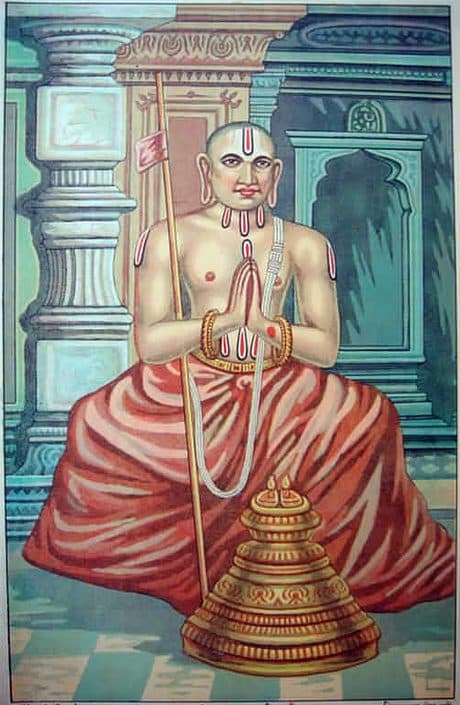
Rāmānuja · Viśiṣṭādvaita
English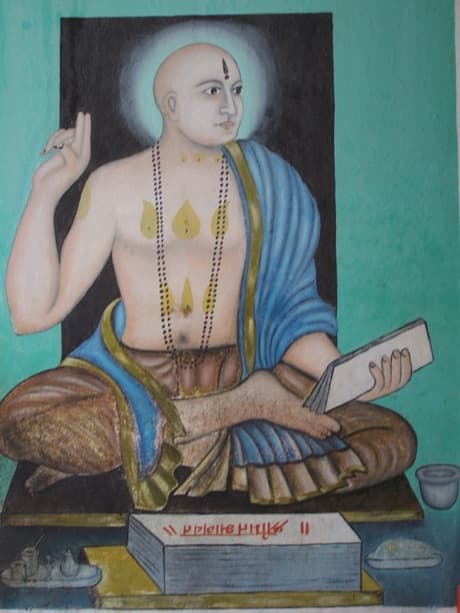
Madhvācārya · Dvaita
SanskritEnglishOn verses 14.9–14.18
“रजसस्तु फलं दुःखम् इत्यल्पसुखं दुःखम् | तथा हि शार्कराक्ष्यशाखायाम् - रजसो ह्येव जायते मात्रया सुखं दुःखं तस्मात् तान् सुखिनो दुःखिन इत्याचक्षते इति | अन्यथा दुःखस्यातिकृष्टत्वात् तमोऽधिकत्वं रजसो न स्यात् ||” - Result of the rajas is pain does not mean absolute pain but pleasure mixed with pain.
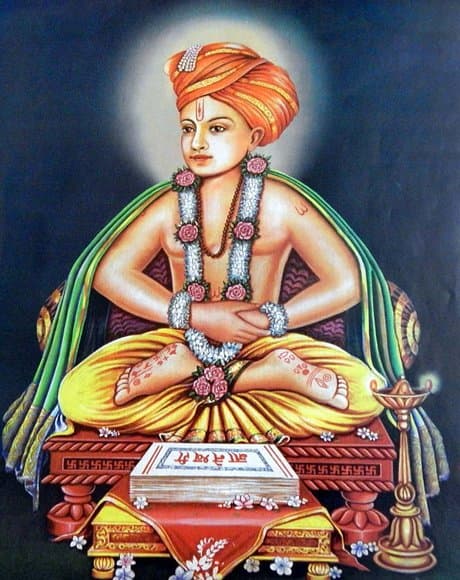
Jñāneśvar · Vārkarī
English17 "From the Sattva proceeds knowledge, and from the Rajas only greed. Heedlessness and infatuation spring from the Tamas, as also nescience itself." (265)
Therefore, O Arjuna, the Sattva quality is the root-cause of knowledge, in the way the Sun is the cause of the day. And in the same way, also know, that Rajas is the cause of grief, in the way forgetfulness of one's own self is (the cause) of duality. Infatuation, nescience, heedlessness (प्रमाद)—the collection of these three faults springs from the Tamas Guna, wise one! I have preached to you separately the different signs of each of the three Gunas in a way that would make your discerning power see them clearly like the Āvalā fruit placed on an open palm. Thus the Rajas and Tamas are observed to be the means leading to (man's) moral fall; none but the Sattva can lead the individual soul to knowledge. It is on account of this, that so many follow the tenets of Sattva Guna throughout their life just as some follow through the path of absolute renunciation—the fourth kind of devotion. (which consists of identification of the individual soul with Supreme Spirit).
Swami Ramsukhdas · Modern
English'Sattvātsañjāyate jñānam'—Sattva, awakens knowledge or discrimination. That discrimination, enables a man to perform only good actions, which bear Sāttvika and pure fruit.
'Rajaso lobha eva ca'—Rajoguna gives birth to greed etc. Actions of a greedy person, bear painful fruit.
Greed, is the lust for multiplying possessions. Greed can manifest itself, in two forms—not to incur proper expenditure and
to accumulate wealth etc., by foul means. If a person, does not spend money according to the need of the moment, because of greed, he loses his peace of mind. If he accumulates and hoards money, by foul means, he incurs sins, which lead him to hell and eighty-four lac forms of lives, which are full of suffering.
'Pramādamohau tamaso bhavato' jñānameva ca'—Heedlessness, delusion and ignorance arise, from Tāmasa. A Tāmasika man, thinks of wrong as right, and regards, all things contrary (Gītā 18/32).
In this verse, it is mentioned that ignorance arises from Tāmasa, while in the eighth verse of the chapter Tāmasu, has been said to be born of ignorance. It means, that as a seed is born of a tree and a tree is born of the seed, ignorance, is born of Tāmasa and Tāmasa is born of ignorance.
In the eighth verse, the Lord explained heedlessness, indolence and sleep, as the three propensities of Tāmasa, while in the thirteenth verse as well as in this verse, there is mention of heedlessness, and there is no mention of sleep. It indicates, that necessary sleep is neither Tāmasa nor forbidden, nor leads to bondage, but is a necessity for a Sāttvika person, as well as a transcendental person (who has transcended the three modes of nature). It is only excessive sleep, which is Tāmasa and which binds a person, because it makes him lazy, idle and a lot of his time, is wasted
An Important Fact
The soul (spirit), in spite of being a fragment of the Lord, assumes its affinity, with matter (nature) and its modes. Those modes, give birth, to the propensities in the mind. Those propensities, force a person to perform the same sort of actions. The fruit of those actions, causes a person to be born in good and evil bodies. It means, that during life, those actions bear fruit, in the form of favourable and unfavourable circumstances.
While after death, they cause his birth in good and evil wombs. But in fact it is the propensities of modes, at the root of actions, which conduce him to have his birth in good and evil bodies (Gītā 13/21). It means, that attachment to modes of nature is not weaker than actions. As actions bear good and bad fruit, attachment to modes of nature also bears good, and bad fruit (Gītā 8/6). So in the context of fourteen verses from the fifth to the eighteenth, the Lord, first in the fourteenth and the fifteenth verses, explained the destiny which awaits a man who dies during the predominance of one of the modes of nature; then in the sixteenth verse He explained the fruit of the actions in the form of favourable and unfavourable circumstances and finally in the eighteenth verse He explains the different destinies, awaiting those who are established in the three *guṇas*. Thus, different propensities arise, from these *guṇas* (modes) and these force a person, to perform the same sort of actions, as has been described in this verse. In this topic, the chief characteristic of the modes, has been mentioned.
A person, whose aim is God-realization, not mundane pleasures and prosperity, does not remain established in *prakṛti* (matter). So, he is not controlled, by the modes of nature. Through spiritual practice, when his egoism changes and he has a firm resolve to attain his aim, he realizes the self, which transcends the three modes. This is called wisdom (knowledge), of the self which has been delineated by the Lord, in the first and the second verses of this chapter, and also in the description of the marks and the conduct of the person, who has transcended the three modes, in the five verses from the twenty-second to the twenty-sixth. Thus the Lord in this chapter, has explained how a person can realize, the self or Him, by transcending the three *guṇas*.
**Appendix**—Knowledge (discrimination) emanates from *Sattvaguṇa* (mode of goodness), and if a striver is not attached to it, it gets enhanced and leads him even to salvation viz., it is
transformed into Self-realization. But when there is an increase in greed, heedlessness, delusion and ignorance, then he can escape no loss, no suffering, no womb of the deluded and no hell viz., he has to face them all.
Link:—In the fourteenth and the fifteenth verses, the Lord indicated the destiny, which awaits a man dying during the predominance of one of the modes of nature. Now in the next verse, He explains the different destinies awaiting those dying who are established, in the three guṇas (modes of nature).
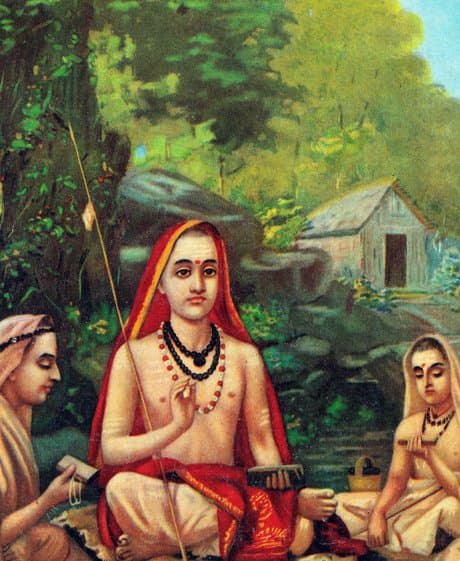
Ādi Śaṅkarācārya · Advaita
Sanskritसत्त्वात् लब्धात्मकात् सञ्जायते समुत्पद्यते ज्ञानम्, रजसो लोभ एव च, प्रमादमोहौ च उभौ तमसो भवतः, अज्ञानमेव च भवति ॥ किञ्च --
Ādi Śaṅkarācārya · Advaita
Hindiगुणोंसे क्या उत्पन्न होता है? (सो कहते हैं—)
उत्कर्षको प्राप्त हुए सत्त्वगुणसे ज्ञान उत्पन्न होता है और रजोगुणसे लोभ होता है तथा तमोगुणसे प्रमाद और मोह—ये दोनों होते हैं और अज्ञान भी होता है
Jñāneśvar · Vārkarī
Marathiम्हणौनि बा रे अर्जुना । येथ सत्त्वचि हेतु ज्ञाना । जैसा कां दिनमाना । सूर्य हा पैं ॥ २६५ ॥ आणि तैसेंचि हें जाण । लोभासि रज कारण । आपुलें विस्मरण । अद्वैता जेवीं ॥ २६६ ॥ मोह अज्ञान प्रमादा । ययां मैळेया दोषवृंदा । पुढती पुढती प्रबुद्धा । तमचि मूळ ॥ २६७ ॥ ऐसें विचाराच्या डोळां । तिन्ही गुण हे वेगळवेगळां । दाविले जैसा आंवळा । तळहातींचा ॥ २६८ ॥ तंव रजतमें दोन्हीं । देखिलीं प्रौढ पतनीं । सत्त्वावांचूनि नाणीं । ज्ञानाकडे ॥ २६९ ॥ म्हणौनि सात्त्विक वृत्ती । एक जाले गा जन्मव्रती । सर्वत्यागें चतुर्थी । भक्ति जैसी ॥ २७० ॥
Jñāneśvar · Vārkarī
Hindi(14.266) अतएव हे अर्जुन! दिनमान का हेतु जैसे सूर्य है वैसे ही संसार में सत्त्व ही ज्ञान का हेतु है।
(14.267) और निज का विस्मरण जैसे द्वैत का हेतु है वैसे ही रज लोभ का कारण है।
(14.268) उसी प्रकार हे प्रबुद्ध! मोह, अज्ञान और प्रमाद, इन मलिन दोषसमूहों का बार-बार तमोगुण ही कारण होता है।
(14.269) एवं हथेली के आँवले के समान हमने विवेक की दृष्टि से तीनों गुणों का अलग-अलग वर्णन किया।
(14.270) इनमें रज और तम की वृद्धि से निपतन होता है, तथा सत्त्व के बिना मनुष्य ज्ञान की ओर नहीं आता।
(14.271) अतएव जैसे ज्ञानी जन सबको छोड़ चौथी भक्ति का स्वीकार करते हैं, वैसे ही कोई आजन्म सात्विक वृत्ति रखने का ही व्रताचरण करते हैं।

Sri Udiya Baba · Modern
Hindiभावार्थ— सत्त्वगुण से ज्ञान (व्यावहारिक ज्ञान या विवेक) होता है। रजोगुण से लोभ उत्पन्न होता है तथा तमोगुण से प्रमाद, मोह और अज्ञान ही उत्पन्न होते हैं।
व्याख्या— सात्त्विक पुरुष सब काम विचारपूर्वक करता है। रजोगुण से ऐहिक और पारलौकिक भोगों का लोभ बढ़ता है। तमोगुण से स्त्री-पुत्रादि का रागरूप मोह बढ़ता है। पहले देह में आत्मबुद्धि होती है, फिर स्त्री-पुत्र एवं धनादि की ममता बढ़ जाती है।
Swami Ramsukhdas · Modern
Hindi‘सत्त्वात्सञ्जायते ज्ञानम्’—सत्त्वगुणसे ज्ञान होता है अर्थात् सुकृत-दुष्कृत कर्मोंका विवेक जाग्रत् होता
पुरुषके सामने कैसी ही परिस्थिति आ जाय, पर उसमें उसको दुःख नहीं हो सकता। राजस पुरुषके सामने कैसी ही परिस्थिति आ जाय, पर उसमें उसको सुख नहीं हो सकता। तामस पुरुषके सामने कैसी ही परिस्थिति आ जाय, पर उसमें उसका विवेक जाग्रत् नहीं हो सकता, प्रत्युत उसमें उसकी मूढ़ता ही रहेगी।
गुण (भाव) और परिस्थिति तो कर्मोंके अनुसार ही बनती है। जबतक गुण (भाव) और कर्मोंके साथ सम्बन्ध रहता है, तबतक मनुष्य किसी भी परिस्थितिमें सुखी नहीं हो सकता। जब गुण और कर्मोंके साथ सम्बन्ध नहीं रहता, तब मनुष्य किसी भी परिस्थितिमें कभी दुःखी नहीं हो सकता और बन्धनमें भी नहीं पड़ सकता।
जन्मके होनेमें अन्तकालीन चिन्तन ही मुख्य होता है और अन्तकालीन चिन्तनके मूलमें गुणोंका बढ़ना होता है तथा गुणोंका बढ़ना कर्मोंके अनुसार होता है। तात्पर्य है कि मनुष्यका जैसा भाव (गुण) होगा, वैसा वह कर्म करेगा और जैसा कर्म करेगा, वैसा भाव दृढ़ होगा तथा उस भावके अनुसार अन्तिम चिन्तन होगा। अतः आगे जन्म होनेमें अन्तकालीन चिन्तन ही मुख्य रहा। चिन्तनके मूलमें भाव और भावके मूलमें कर्म रहता है। इस दृष्टिसे गतिके होनेमें अन्तिम चिन्तन, भाव (गुण) और कर्म—ये तीनों कारण हैं।
है। उस विवेकसे मनुष्य सुकृत, सत्कर्म ही करता है। उन सुकृत कर्मोंका फल सात्त्विक, निर्मल होता है।
‘रजसो लोभ एव च’—रजोगुणसे लोभ आदि पैदा होते हैं। लोभको लेकर मनुष्य जो कर्म करता है, उन कर्मोंका फल दुःख होता है।
जितना मिला है, उसकी वृद्धि चाहनेका नाम लोभ है। लोभके दो रूप हैं—उचित खर्च न करना और अनुचित रीतिसे संग्रह करना। उचित कामोंमें धन खर्च न करनेसे, उससे जी चुरानेसे मनुष्यके मनमें अशान्ति, हलचल रहती है और अनुचित रीतिसे अर्थात् झूठ, कपट आदिसे धनका संग्रह करनेसे पाप बनते हैं, जिससे नरकोंमें तथा चौरासी लाख योनियोंमें दुःख भोगना पड़ता है। इस दृष्टिसे राजस कर्मोंका फल दुःख होता है।
‘प्रमादमोहो तमसो भवतोऽज्ञानमेव च’—तमोगुणसे प्रमाद, मोह और अज्ञान पैदा होता है। इन तीनोंके बुद्धिमें आनेसे विवेक-विरुद्ध काम होते हैं (गीता—अठारहवें अध्यायका बत्तीसवाँ श्लोक), जिससे अज्ञान ही बढ़ता है, दृढ़ होता है।
यहाँ तो तमोगुणसे अज्ञानका पैदा होना बताया है और इसी अध्यायके आठवें श्लोकमें अज्ञानसे तमोगुणका पैदा होना बताया है। इसका तात्पर्य यह है कि जैसे वृक्षसे बीज पैदा होते हैं और उन बीजोंसे आगे बहुत-से वृक्ष पैदा होते हैं, ऐसे ही तमोगुणसे अज्ञान पैदा होता है और अज्ञानसे तमोगुण बढ़ता है, पुष्ट होता है।
पहले आठवें श्लोकमें भगवान्ने प्रमाद, आलस्य और निद्रा—ये तीन बताये। परन्तु तेरहवें श्लोकमें और यहाँ प्रमाद तो बताया, पर निद्रा नहीं बतायी। इससे यह सिद्ध होता है कि आवश्यक निद्रा तमोगुणी नहीं है और निषिद्ध भी नहीं है तथा बाँधनेवाली भी नहीं है। कारण कि शरीरके लिये आवश्यक निद्रा तो सात्त्विक पुरुषको भी आती है और गुणातीत पुरुषको भी! वास्तवमें अधिक निद्रा ही बाँधनेवाली, निषिद्ध और तमोगुणी है; क्योंकि अधिक निद्रासे शरीरमें आलस्य बढ़ता है, पड़े रहनेका ही मन करता है, बहुत समय बरबाद हो जाता है।
**परिशिष्ट भाव**—ज्ञान (विवेक) सत्त्वगुणसे प्रकट होता है और संग न करनेपर बढ़ते-बढ़ते तत्त्वबोधतक चला जाता है अर्थात् तत्त्वबोधमें परिणत हो जाता है। परन्तु लोभ, प्रमाद, मोह, अज्ञान बढ़ते हैं तो कोई नुकसान बाकी नहीं रहता, कोई दुःख बाकी नहीं रहता, कोई मृदुयौनि बाकी नहीं रहती, कोई नरक बाकी नहीं रहता।
**सम्बन्ध**—तात्कालिक गुणोंके बढ़नेपर मरनेवालोंकी गतिका वर्णन तो चौदहवें-पन्द्रहवें श्लोकमें कर दिया; परन्तु जिनके जीवनमें सत्त्वगुण, रजोगुण अथवा तमोगुणकी प्रधानता रहती है, उनकी (मरनेपर) क्या गति होती है—इसका वर्णन आगेके श्लोकमें करते हैं।
विशेष बात
यह जीव साक्षात् परमात्माका अंश होते हुए भी जब प्रकृतिके साथ सम्बन्ध जोड़ लेता है, तब इसका प्रकृतिजन्य गुणोंके साथ सम्बन्ध जुड़ जाता है। फिर गुणोंके अनुसार उसके अन्तःकरणमें वृत्तियाँ पैदा होती हैं। उन वृत्तियोंके अनुसार कर्म होते हैं और इन्हीं कर्मोंका फल ऊँच-नीच गतियाँ होती हैं। तात्पर्य है कि जीवित-अवस्थामें अनुकूल-प्रतिकूल परिस्थितियाँ आती हैं और मरनेके बाद ऊँच-नीच गतियाँ होती हैं। वास्तवमें उन कर्मोंके मूलमें भी गुणोंकी वृत्तियाँ ही होती हैं, जो कि पुनर्जन्मके होनेमें खास कारण हैं (गीता—तेरहवें अध्यायका इक्कीसवाँ श्लोक)। तात्पर्य है कि गुणोंका संग कर्मोंसे कमजोर नहीं है। जैसे कर्म शुभ-अशुभ फल देते हैं, ऐसे ही गुणोंका संग भी शुभ-अशुभ फल देता है (गीता—आठवें अध्यायका छठा श्लोक)। इसीलिये पाँचवेंसे अठारहवें श्लोकतकके इस प्रकरणमें पहले चौदहवें-पन्द्रहवें श्लोकमें गुणोंकी तात्कालिक वृत्तियोंके बढ़नेका फल बताया और जीवित-अवस्थामें जो परिस्थितियाँ आती हैं, उनको सोलहवें श्लोकमें बताया तथा आगे अठारहवें श्लोकमें गुणोंकी स्थायी वृत्तियोंका फल बतायेंगे। अतः वृत्तियों और कर्मोंके होनेमें गुण ही मुख्य हैं। इस पूरे प्रकरणमें गुणोंकी मुख्य बात इसी (सत्रहवें) श्लोकमें कही गयी है।
जिसका उद्देश्य संसार नहीं है, प्रत्युत परमात्मा है, वह साधारण मनुष्योंकी तरह प्रकृतिमें स्थित नहीं है। अतः उसमें प्रकृतिजन्य गुणोंकी परवशता नहीं रहती और साधन करते-करते आगे चलकर जब अहंता परिवर्तित होकर लक्ष्यकी दृढ़ता हो जाती है, तब उसको अपने स्वतःसिद्ध गुणातीत स्वरूपका अनुभव हो जाता है। इसीका नाम बोध है। इस बोधके विषयमें भगवान्ने इस अध्यायका पहला-दूसरा श्लोक कहा और गुणातीतके विषयमें बाईसवेंसे छब्बीसवेंतकके पाँच श्लोक कहे। इस तरह यह पूरा अध्याय गुणोंसे अतीत स्वतःसिद्ध स्वरूपका अनुभव करनेके लिये ही कहा गया है।
What Lord Krishna is stating about those situated in sattva guṇa or the mode of goodness increase their wisdom to fruition then ātma tattva or realisation of the immortal soul becomes a reality.
When raja guṇa or the mode of passion increases in intensity more and more avid appetites are incited to enjoy the fruits of.
Similarly when tama guṇa or the mode of ignorance increases, it manifests as perverted understanding and the proclivity to be influenced by wickedness from which more and more tama is begotten.
Thus all development of intelligence is blocked and neutralised.