

Bhagavad Gītā · Chapter 14 · Guṇatraya Vibhāga Yoga
अर्जुन उवाचकैर्लिंगैस्त्रीन्गुणानेतानतीतो भवति प्रभो
किमाचारः कथं चैतांस्त्रीन्गुणानतिवर्तते
arjuna uvācakairliṃgaistrīnguṇānetānatīto bhavati prabho|kimācāraḥ kathaṃ caitāṃstrīnguṇānativartate||
Word meanings
प्रभो = O Lord
एतान् = these
त्रीन् = three
गुणान् = the guṇas
अतीतः = one who has transcended
कैः = by what
लिङ्गैः = marks
भवति = is
किमाचारः = what is his conduct
च = and
एतान् = these
त्रीन् = three
गुणान् = the guṇas
अतिवर्तते = does he go beyond
Translation
Arjuna said: What are the marks of him who has risen above the three Gunas, and what is his conduct? And how, Lord, does he rise above the three Gunas?
Commentary
The commentators seated around this verse
Rāmānuja · Viśiṣṭādvaita
English
Madhvācārya · Dvaita
Madhva BhāṣyaSanskritEnglishOn verses 14.19–14.21
“परिणामिकर्तारं गुणेभ्योऽन्यं न पश्यति | अन्यथा, यदा पश्यः पश्यते रुमवर्णं कर्तारमीशं पुरुषं ब्रह्मयोनिम् इति श्रुतिविरोधः | नाहं कर्ता न कर्ता त्वं कर्ता यस्तु सदा प्रभुः | इति मोक्षधर्मं ||” - The attributes see the one who causes the consequential results, no one else. Otherwise the statement other. In that case, “When the seer sees the golden coloured one, the Lord of actions, the Person, the progenitor of Brahma” would have contradicted the scriptures. “Neither am I the performer nor are you the one; it is ever the Lord”, thus has been said in Moksha Dharma.
Madhvācārya · Dvaita
Gītā Tātparya NirṇayaSanskritEnglishOn verses 14.19–14.21
“एतेभ्यः सच्चादिगुणेभ्योऽन्यं कर्तारमीशं यदा पश्यति तदैवायं ना पुरुषः | अन्यथा पशुसमः | न केवल केशवं किन्तु गुणेभ्य उत्तमत्वेन च | कथं स एव ना ? यस्मात् मद्भावं सोऽधिगच्छति ||” - He who sees the One, who is different than these attributes, as the performer of actions, he, verily, perceives. Otherwise he would be like an animal, not only observing Sri Vishnu, the Lord of actions, as distinct from the attributes but seeing Him even superior to those attributes. How does he (the Jiva) become like this? By that perceptions be attains My nature.
“महालक्ष्मीरिति परा भार्या नारायणस्य या | प्रकृतिर्नाम सा ज्ञेया प्रकर्षेण करोति यत् | तस्यास्तु त्रीणि रूपाणि सच्चं नाम रजस्तमः | मुष्टिकाले विभज्यन्ते सच्चं श्रीः सदगुणप्रभाः | रजो रञ्जनकर्तृत्वाद् भूः सा मुष्टिकरी यतः | यदावेशादियं पृथ्वी भूमिरित्येव कथ्यते | जीवानां ग्लपनाद् दुर्गा तम इत्येव कीर्तिता | एताभिस्तिम्बिजीवाः सर्वे बद्धा अमुक्तिगाः | सर्वान् वधन्ति सर्वाच्च तथाऽपि तु विशेषतः | श्रीदेवबन्धिका नृणां भूर्दैत्यानामथापरा | एताभ्योऽन्यं परं चैव विष्णुं ज्ञात्वा विमुच्यते | सामर्थ्यतिशयदासां नैताभ्यो विद्यते परः | इति यावद् विज्ञानति तावत् तं नृपशु विदुः | तस्मादाभ्योऽधिकगुणो विष्णुर्ज्ञेयः सदैव च || इति महाविष्णुपुराणे ||” - Maha-Lakshmi is supreme spouse of Sriman Narayana. She is known as Prakriti, because she creates by her luminosity. In her, therefore, are the three forms, satva, raja and tama. At the time of creation, because of her being Luminous Sri is called sat and because of her illumination as tva. Because as tva, the earth, in the process of creation she is creative (enterprise), she is called raja. Since she manifests as this earth she is called raja. Because she obscures the minds of the Jivas, she is known as Durga or tama. The un-liberated human beings are thus being controlled by these three attributes. Even though the entire three bind all, especially Sri Devi binds the gods, Bhu Devi binds the human beings and Durga Devi binds the asuras. But knowing Sri Vishnu as superior to these three attributes, they are liberated. So long as human beings accept them as extremely powerful, till then they will remain like animals in the shape of human beings. Therefore Sri Vishnu should always be considered as possessing the increased attributes, thus in Maha Vishnu Puraana. “राजसस्तु फलं दुःखम् इत्यत्र दुःखमिति दुःखमिश्रं सुखम् । दुःखं दूरिति सम्प्रोक्तं खं नाम सुखमुच्यते । इति शब्दनिर्णये ॥ कर्मणो राजसस्योक्तं दुःखमिश्रं सुखं फलम् । अज्ञानजं तामसय नित्यदुःखं फलं विदुः ॥ इति स्कान्दे ॥” - “raja, verily, comes about mixed with pain and pleasures. In the word duhkha, dhu denotes pain and the kha denotes pleasure” thus, in Shabda Nirnaya. that tama or obscurity is caused by ignorance and always results in continuous pain, thus in Skanda Puraana.
Jñāneśvar · Vārkarī
English21 Arjuna spake—“By what marks (characterised) is the man who transcends these Gunas, O Lord? What is his mode of conduct? And how does he transcend these three Gunas?” (320)
Feeling pleased (at the Lord’s words) the warrior (Arjuna) spake, “What are the distinguishing marks that appear in one in whom such realization of the Self gets deep-rooted, how the qualityless one conducts himself and how he transcends the Gunas—all this should be told to me by the parental home of kindness.” Hearing Arjuna’s question, the King possessed of the six qualities, spake—“Oh Pārtha, it is a novel thing that you are asking only so much (and not more). Just see, the very name “Above the Gunas” is unreal in such a case. One who is above quality must, either be not dominated by the Gunas and even were he to be amidst them, their contact must, in no way, affect him. Yet how to know whether he is so affected by the Gunas or is not so affected, when he is amidst their turmoil (खरपे)? If this be the only doubt, you are welcome to ask about it: and now hear the signs I tell you.
Swami Ramsukhdas · Modern
English'Kairlingaistringunānetānatīto bhavati prabho'—O Lord, I want to know the characteristics of a person, who has transcended the three modes of nature. What are the symptoms of such a person, by which he can be distinguished, from other common people?
'Kimācāraḥ'—What is his conduct, what is his daily routine, how does he live and what are, his activities? Are they regulated or nonregulated? How are they different, from those of common men?
'Katham caitāmstringunānativartate'—What is the means, by which one, can transcend the three modes?
Link:—In response to Arjuna's first question, the Lord explains the marks of a person who has transcended the three guṇas (modes), in the next two verses:
Ādi Śaṅkarācārya · Advaita
Sanskritकैः लिङ्गैः चिह्नैः त्रीन् एतान् व्याख्यातान् गुणान् अतीतः अतिक्रान्तः भवति प्रभो, किमाचारः कः अस्य आचारः इति किमाचारः कथं केन च प्रकारेण एतान् त्रीन् गुणान् अतिवर्तते अतीत्य वर्तते ॥ गुणातीतस्य लक्षणं गुणातीतत्वोपायं च अर्जुनेन पृष्टः अस्मिन् श्लोके प्रश्नद्वयार्थं प्रतिवचनं भगवान् उवाच । यत् तावत् ``कैः लिङ्गैः युक्तो गुणातीतो भवति'' इति, तत् शृणु --
Ādi Śaṅkarācārya · Advaita
Hindi(शरीरधारी जीव) 'जीता हुआ ही गुणोंको अतिक्रम करके अमृतका अनुभव करता है' इस प्रश्नबीजको पाकर अर्जुन बोले—
मम तामसः प्रत्ययो जातः तेन अहं मूढः तथा राजसी प्रवृत्तिः मम उत्पन्ना दुःखात्मिका तेन अहं रजसा प्रवर्तितः प्रचलितः स्वरूपात् कष्टं मम वर्तते यः अयं मत्स्वरूपावस्थानाद् भ्रंशः तथा सात्त्विको गुणः प्रकाशात्मा मां विवेकित्वम् आपादयन् सुखे च सञ्जयन् बध्नाति इति तानि द्वेष्टि असम्यग्दर्शित्वेन। तद् एवं गुणातीतो न द्वेष्टि सम्प्रवृत्तानि।
हे प्रभो! इन पूर्ववर्णित तीनों गुणोंसे अतीत— पार हुआ पुरुष किन-किन लक्षणोंसे युक्त होता है? और वह कैसे आचरणवाला होता है अर्थात् उसके आचरण कैसे होते हैं? तथा किस प्रकारसे (किस उपायसे) मनुष्य इन तीनों गुणोंसे अतीत हो सकता है?
Jñāneśvar · Vārkarī
Marathiतेणें तोषें वीर पुसे । जी कोण्ही चिन्हीं तो दिसे । जयामाजीं वसे । ऐसा बोधु ॥ ३२० ॥ तो निर्गुण काय आचरे । कैसेनि गुण निस्तरे । हें सांगिजो माहेरें । कृपेचेनि ॥ ३२१ ॥ यया अर्जुनाचिया प्रश्ना । तो षड्गुणांचा राणा । परिहारु आकर्णा । बोलतु असे ॥ ३२२ ॥ म्हणे पार्था तुझी नवाई । हें येतुलेंचि पुससी काई । तें नामचि तया पाहीं । सत्य लटिकें ॥ ३२३ ॥ गुणातीत जया नांवें । तो गुणाधीन तरी नव्हे । ना होय तरी नांगवे । गुणां यया ॥ ३२४ ॥ परी अधीन कां नांगवें । हेंचि कैसेनि जाणावें । गुणांचिये रवरवे- । माजीं असतां ॥ ३२५ ॥ हा संदेह जरी वाहसी । तरी सुखें पुसों लाहसी । परिस आतां तयासी । रूप करूं ॥ ३२६ ॥
Jñāneśvar · Vārkarī
Hindi(14.321) उस आनन्द के साथ अर्जुन ने श्रीकृष्ण से पूछा कि महाराज! जिसमें इस प्रकार ज्ञान रहता है वह किन चिह्नों से जाना जाता है?
(14.322) निर्गुण होता हुआ वह किस प्रकार व्यवहार करता है! गुणों का कैसे निवारण करता है? सो हे कृपा के मूलस्थान! वर्णन कीजिए।
(14.323) अर्जुन के इस प्रश्न पर षड्गुणों के राजा श्रीकृष्ण ने उत्तर दिया सो सुनो।
(14.324) वे बोले — हे पार्थ! हमें तुम्हारे प्रश्न पर आश्चर्य मालूम होता है। तुम क्या यही बात पूछते हो? उस पुरुष को वास्तव में गुणातीत अर्थात् गुणों के पार गया हुआ कहना ही मिथ्या है;
(14.325) क्योंकि जिसे मैं गुणातीत कहता हूँ वह कभी गुणों के अधीन रहता ही नहीं, अथवा गुणों में व्यापार करता हुआ दिखाई देने पर भी वह गुणों के वश में नहीं रहता।
(14.326) परन्तु गुणों की हलचल के बीच रहते हुए उनके अधीन होना या उनके वश न होना कैसे जाना जाय, (14.327) इस बात का यदि तुम्हें सन्देह हो तो तुम सुख से पूछ सकते हो उसका हम वर्णन करते हैं सुनो।
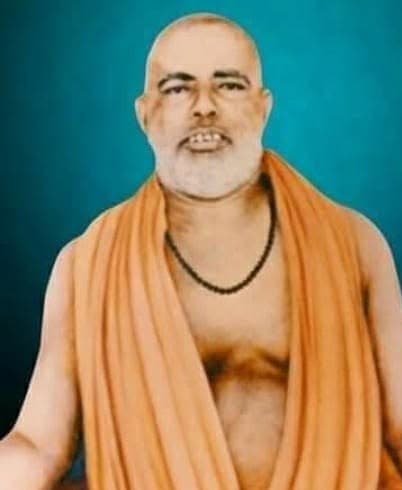
Sri Udiya Baba · Modern
Hindiभावार्थ— प्रभो! किन लक्षणों के द्वारा पुरुष इन गुणों से अतीत होता है। उसका कैसा आचरण होता है और किस प्रकार वह इन गुणों से अतीत होता है?
व्याख्या— प्रश्न—जब तक शरीर है कर्म होंगे ही, तो हम कैसे जानेंगे कि वह गुणातीत है, इसको बोध हो गया है। क्या कर्मफल का त्याग करने वाले को ही गुणातीत करते हैं।
उत्तर— कर्म तो स्वयं गुणों के अन्तर्गत है। कर्मफल त्यागने पर भी कर्म तो रहेंगे ही। अतः जिसे ऐसा अनुभव है कि ये कर्म मरु-मरीचिका के जल के समान हैं, इनकी अपनी कोई सत्ता नहीं है वह गुणातीत है। गुणातीत के लक्षण शरीर की क्रियाओं से प्रतीत नहीं हो सकते, क्योंकि यह विषय स्वसंवेद्य है। तथापि अपने आपको पहचानने के लिये भगवान् कुछ लक्षण बतलाते हैं।
Swami Ramsukhdas · Modern
Hindi‘कैलिङ्गैस्त्रीन्गुणानेतानतीतो भवति प्रभो’—हे प्रभो! मैं यह जानना चाहता हूँ कि जो गुणोंका अतिक्रमण कर चुका है, ऐसे मनुष्यके क्या लक्षण होते हैं? तात्पर्य है कि संसारी मनुष्यकी अपेक्षा गुणातीत मनुष्यमें
ऐसी कौन-सी विलक्षणता आ जाती है, जिससे साधारण व्यक्ति समझ ले कि यह गुणातीत पुरुष है? ‘किमाचारः’—उस गुणातीत मनुष्यके आचरण कैसे होते हैं? अर्थात् साधारण आदमीकी जैसी दिनचर्या और
रात्रिचर्या होती है, गुणातीत मनुष्यकी वैसी ही दिनचर्या-रात्रिचर्या होती है या उससे विलक्षण होती है? साधारण आदमीके जैसे आचरण होते हैं; जैसा खान-पान, रहन-सहन, सोना-जागना होता है, गुणातीत मनुष्यके आचरण, खान-
पान आदि भी वैसे ही होते हैं या कुछ विलक्षण होते हैं? 'कथं चैतांस्त्री-गुणातीतवर्तते'—इन तीनों गुणोंका अतिक्रमण करनेका क्या उपाय है? अर्थात् कौन-सा साधन करनेसे मनुष्य गुणातीत हो सकता है?
सम्बन्ध—अर्जुनके प्रश्नोंमेंसे पहले प्रश्नके उत्तरमें भगवान् आगेके दो श्लोकोंमें गुणातीत मनुष्यके लक्षणोंका वर्णन करते हैं।
श्रीभगवानुवाच
The word liṅgais means symptoms. By what symptoms can a liberated being be perceived? What distinguishes them from others?
The word ācāraḥ means conduct. By what means does such a liberated being conduct themselves? How does one transcend the three guṇas or modes of material nature?
These questions will be answered by Lord Krishna next.