

Bhagavad Gītā · Chapter 15 · Puruṣottama Yoga
उत्तमः पुरुषस्त्वन्यः परमात्मेत्युदाहृतः
यो लोकत्रयमाविश्य बिभर्त्यव्यय ईश्वरः
uttamaḥ puruṣastvanyaḥ paramātmetyudāhṛtaḥ|yo lokatrayamāviśya bibhartyavyaya īśvaraḥ||
Word meanings
उत्तमः = supreme
पुरुषः = the puruṣa
तु = but
अन्यः = yet other, distinct
यः = who
परमात्मा = the supreme self
इति = thus
उदाहृतः = is spoken of
अव्ययः = imperishable
ईश्वरः = the Lord
लोकत्रयम् = the three worlds
आविश्य = having entered
विभर्ति = sustains
Translation
The Supreme Person is yet other than these, who, having entered all the three worlds, upholds and maintains all, and has been spoken of as the imperishable Lord and the supreme Spirit.
Commentary
The commentators seated around this verse

Rāmānuja · Viśiṣṭādvaita
English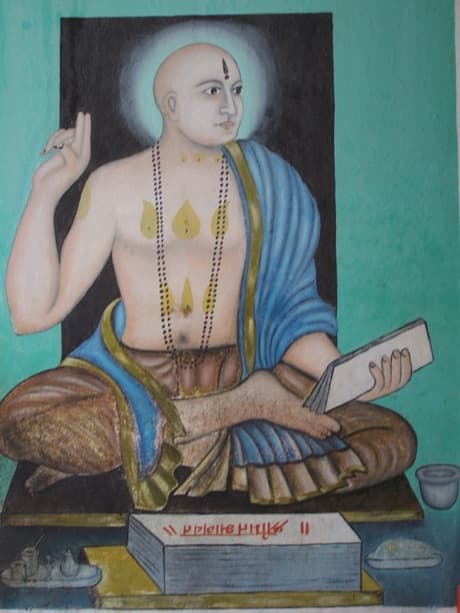
Madhvācārya · Dvaita
Madhva BhāṣyaSanskritEnglishOn verses 15.16–15.17
“क्षरभूतानि ब्रह्मादीनि | कूटस्थः प्रकृतिः | तथा च शार्कराक्ष्यश्रुतिः | प्रजपतिप्रमुखाः सर्वजीवाः क्षरोऽक्षरः पुरुषो वै प्रधानम् | तदुत्तमं चान्यमुदाहरन्ति जालाजालं मातारिश्वानमेकम् || इति |” - Perishable creatures are Brahma and other Jivas. kootastha is Prakriti. “Beginning primarily from Prajapati all the Jivas are perishable. Imperishable is (Sri Lakshmi) the Primal Person. Superior to Her and distinct from them all is said to be the One who is not subject to bondage”, thus in Sharkarakshya scripture.
Madhvācārya · Dvaita
Gītā Tātparya NirṇayaSanskritEnglishOn verses 15.16–15.17
“ब्रह्मरुद्रादय सर्वे शरीरक्षरणात् क्षराः | श्रीरक्षरात्मेत्युदिता नित्यचिद्देहका यतः | चेतनाचेतनस्यास्य राशेः संस्थापकत्वतः | कूटस्थ अम्मा सा ज्ञेया परमात्मा हरिः स्वयम् ||” - Brahma, Rudra and others all being subject to the destruction of the bodies are the perishable ones. Imperishable is Sri, having ever Conscious (Chit) body. Since she is the repository of both the conscious and non-conscious beings, she is known as kootastha. Superior to the perishable and the imperishable is the Supreme One, well known as Purushottama in Vedas. Thus, in Narayana scripture.

Jñāneśvar · Vārkarī
English17 "But there is still another, the Highest Puruṣa, who is proclaimed as the Supreme Self who, permeating the world—triad, sustains it as the Eternal Lord. (526)
Now these two states of wakefulness and dream which are created in the world from perverse knowledge get extinguished in the deep nescience; when that nescience loses itself in (the sea of) knowledge (lit. when it is dissolved in knowledge) it (ज्ञान) secures the Supreme Self, and then it itself ceases to exist in the way the fire ceases to exist after burning out tinder. That which remains behind without knowledge (after it ceases to exist)—that state is the Best (higher) Purusha (person) who coming out as an established truth—is the third—independent of the two already mentioned (Kshara and Akshara persons). Wakefulness, O Arjuna, is entirely a different state from either the deep slumber or the dream; (Or) the magnitude of the disc of the Sun is entirely different from his rays and mirage. Similarly different from the other two is the Best Person. The Fire (abiding latent) in dry wood is distinct from the dried wood itself; in that way the Best Person is distinct from 'Akshara' and 'Kshara.' The deluge at world-dissolution, transgresses all limits, converting all rivers and rivulets into one big mass of water (leaving no trace of the rivers or rivulets); in that way there remains no trace of dream or of deep slumber or of wakefulness, in the way day and night are devoured by the destructive heat at the time of world dissolution. All states having got extinguished, conditions like monism or duality in no way come to be experienced: such a state of things that exists should be known as (of) this Best Person. To give that name (Best Person) to the Supreme Soul without getting merged into it, is only possible by remaining in the state of living beings, Oh Son of Pāṇḍu, in the way any talk of drowning in water is only possible for one standing (safe) on its (water's) bank (and not for one getting drowned in the water). The Vedas can talk of matters relating to this or the yonder side only while standing on the bank of discrimination, and, therefore, placing both Kshara and Akshara persons on a lower plane, they (Vedas) call the person on the higher plane as Supreme (Form of the) Self. Therefore, keep well in mind, O Arjuna, (the term) 'Best Person' suggests itself from the term 'Supreme Self.' The place where 'no talk' is the talk, 'knowing nothing' is knowledge, and nothing happening is happening—where ceases to exist the very notion 'I am myself Supreme Brahman,' where the one who tells and the one who is told, (or) where the seer and the object seen both get extinguished—under these circumstances whatever comes actually to be experienced, should be taken as its form, since it would not be right to say that there exists no light at all because the light of the Sun and his reflection have ceased to be perceived, or there exists no fragrance at all because the fragrance abiding between the nostrils and the flowers cannot be perceived, or there exists nothing whatever, because the seer and the object of seeing have both ceased to appear. That which is illuminator in the absence of the objects to be illuminated, or that which is sovereign (regulator) in the absence of things to be controlled (governed), or that which abides in its own self in the form of Supreme Being, that which makes the very Sound to hear sound, makes flavour to taste itself, and bliss to enjoy itself, the Best Person who is the very perfection of the Perfect, the very rest in restfulness, who is the happiness in the happy, the splendour in the splendid and the zero (void) in the great zero; who transcends the very expansion, and devours the devourer and who is quantitatively far greater than the greatest;—which besides, brings to the experience of the ignorant (the appearance) as the silver of mother-of-pearl without the latter's actual conversion into silver;—that which becomes the support to the semblance of the universe, without dropping its own form or without itself mixing with the universe, in the way gold assumes the form of the ornaments, without in any way losing its property as gold;—or that which itself imparts reality and light to the world in the way there is no distinction between water and ripples;—that which even though to a certain extent becomes perceptible in the form of the universe, in the way the Moon becomes the cause of contraction or expansion of a reflection in water, it does not disappear along with the world when it (the world) disappears. The Sun does not assume two different forms during the day and the night (but remains one and the same); in that way there is no place where it does not exist nor is there any thing which can waste or spoil it: he alone can be compared to himself.
Swami Ramsukhdas · Modern
English'Uttamaḥ puruṣastvanyaḥ'—The Lord, having described two kinds of persons, the perishable and the imperishable, now mentions, that other than these, is the Supreme Person.*
Here the term 'Aṇyaḥ' (other), has been used for God, in order to explain, that He is not only different, from the imperishable soul, but also possesses a unique character. So the Lord, in the eighteenth verse, declares that He transcends the perishable, and is even higher, than the imperishable. The soul, in spite of being a fragment of God, is attracted towards the perishable. So God, has been called unique, and other than the soul.
'Paramātmetyudāhṛtaḥ'—The term 'Paramātmā', stands for the Supreme Person, and also denotes, attributeless God, the Supreme Soul, the Soul, of all beings. In this verse, both the term 'Paramātmā', and 'Īśvara', have been used, which means that God without attributes, or with attributes, is one and the same, 'Puruṣottama'.
* (1) Brahma (the Absolute) is the Supreme Imperishable Person, superior to Brahmā, the creator; unrevealed, limitless in whom both knowledge and ignorance are established. The perishable matter is known as ignorance while the imperishable soul is known as knowledge. The Supreme Lord Who controls both knowledge and ignorance is different from both of them and is totally unique (Śvetāśvataropaniṣad 5/1).
(2) Nature is perishable while the soul, the embodiment of nectar Which enjoys Nature is imperishable. The Lord controls these two (the perishable and the imperishable) (Śvetāśvataropaniṣad 1/10).
'Yo lokatrayamāviśya bibhartyavyaya īśvarah'—That Supreme Person permeates (enters), the three worlds equally.
Here the term 'Bibharti', means that God sustains all beings, but the soul by an error, having assumed its affinity for the world i.e., people etc., as their own, takes responsibility upon itself that it sustains beings, and then it has to suffer in vain.*
The Lord is called 'Avyayah' (a + vyayah = no spending or expenditure), because in spite of sustaining, all the world He incurs no expenditure; He has no shortage. He ever remains, uniform.
The term 'Īśvarah', stands for God with attributes, and it means, the controller.
A Vital Fact
Though parents, sustain or nourish a child, yet the child, does not know this fact. Similarly, God nourishes all beings, yet an ignorant person (not having an eye on God), does not realize, this fact. But a devotee, who has taken refuge in Him, knows it very well, that only God sustains, all beings.
As far as sustenance of beings is concerned, God is impartial to a devotee and non-devotee, the sinner and the virtuous, the believer and the non-believer, etc., equally.† It is very well, known to all, that in the universe created by God, the sun equally provides heat and light to all beings, the earth provides space to all beings, the gastric fire, equally digests food of all beings,
* The question of sustenance arises only in the path of devotion rather than in the path of knowledge because in the former path a man (the soul) is regarded as different from God. Therefore, this topic should be regarded as the topic of devotion.
† God showers His grace equally on all beings without any distinction of caste, form, riches and age of beings and without thinking whether they deserve praise or blame.
This great cloud in the form of the innerself is the enjoyer of the inner feelings. Does a cloud while providing rain think whether the receiver is the tree Mimosa catechu or Michelia champacca (Prabodhasudhakara 252-253)?
air is equally available to all beings, for breath, food and water satisfy all beings equally and so on.
**Appendix**—The Lord calls the Supreme Soul as other because the perishable (world) and the imperishable (soul)—both are laukika (worldly) but 'Puruṣottama' (the Supreme Person) is different from the two and is unique viz., unworldly (divine). Therefore the Supreme Soul (God) is not the subject to be reflected upon but is the subject of faith and belief. In believing the existence of God; devotees, saints, exalted souls, the Vedas and the scriptures are the authority. The term 'anya' has been explained by the Lord in the next verse.
'Yo lokatrayamāviṣya...'—In this expression there is the idea (gist) of the topic described from the twelfth to the fifteenth verses. A man has to perform his duty in the human world but the Lord's field of activities comprises all the three worlds. In fact the Lord has no duty to discharge, yet He is engaged in activities for the welfare of all beings (Gītā 3/22—24).
*Link:—The Lord having described His identity, with the Supreme Person, now discloses His secret, when He declares:—*
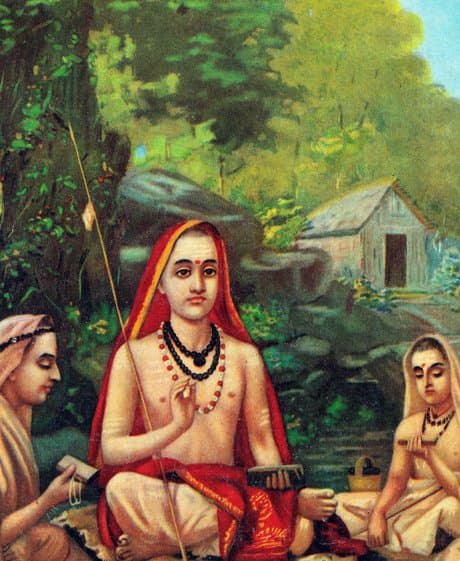
Ādi Śaṅkarācārya · Advaita
Sanskritउत्तमः उत्कृष्टतमः पुरुषस्तु अन्यः अत्यन्तविलक्षणः आभ्यां परमात्मा इति परमश्च असौ देहाद्यविद्याकृतात्मभ्यः, आत्मा च सर्वभूतानां प्रत्यक्चेतनः, इत्यतः परमात्मा इति उदाहृतः उक्तः वेदान्तेषु । स एव विशिष्यते यः लोकत्रयं भूर्भुवःस्वराख्यं स्वकीयया चैतन्यबलशक्त्या आविश्य प्रविश्य बिभर्ति स्वरूपसद्भावमात्रेण बिभर्ति धारयति; अव्ययः न अस्य व्ययः विद्यते इति अव्ययः । कः? ईश्वरः सर्वज्ञः नारायणाख्यः ईशनशीलः ॥ यथाव्याख्यातस्य ईश्वरस्य ``पुरुषोत्तमः'' इत्येतत् नाम प्रसिद्धम् । तस्य नामनिर्वचनप्रसिद्ध्या अर्थवत्त्वं नाम्नो दर्शयन् ``निरतिशयः अहं ईश्वरः'' इति आत्मानं दर्शयति भगवान् --
Ādi Śaṅkarācārya · Advaita
Hindiतथा जो क्षर और अक्षर—इन दोनोंसे विलक्षण है और क्षर—अक्षररूप दोनों उपाधियोंके दोषसे रहित है वह नित्य, शुद्ध, बुद्ध और मुक्तस्वभाववाला—
उत्तम—अतिशय उत्कृष्ट पुरुष तो अन्य ही है। अर्थात् इन दोनोंसे अत्यन्त विलक्षण है, जो कि परमात्मा नामसे कहा गया है। वह ईश्वर अविद्याजनित शरीरादि आत्माओंकी अपेक्षा पर है और सब प्राणियोंका आत्मा यानी अन्तरात्मा है, इस कारण वेदान्तवाक्योंमें वह 'परमात्मा' नामसे कहा गया है।
उसीका विशेषरूपसे निरूपण करते हैं—
जो पृथ्वी, अन्तरिक्ष और स्वर्ग—इन तीनों लोकोंको, अपने चैतन्य-बलकी शक्तिसे उनमें प्रविष्ट होकर, केवल स्वरूप-सत्तामात्रसे उनको धारण करता है और जो अविनाशी ईश्वर है, अर्थात् जिसका कभी नाश न हो, ऐसा नारायण नामक सर्वज्ञ और सबका शासन करनेवाला है
Jñāneśvar · Vārkarī
Marathiआतां अन्यथाज्ञानीं । या दोनी अवस्था जया जनीं । तया हरपती घनीं । अज्ञानतत्त्वीं ॥ ५२६ ॥ तें अज्ञान ज्ञानीं बुडालिया । ज्ञानें कीर्तिमुखत्व केलिया । जैसा वन्हि काष्ठ जाळूनियां । स्वयें जळे ॥ ५२७ ॥ तैसें अज्ञान ज्ञानें नेलें । आपण वस्तु देऊनि गेलें । ऐसें जाणणेंनिवीण उरलें । जाणतें जें ॥ ५२८ ॥ तें तो गा उत्तम पुरुषु । जो तृतीय कां निष्कर्षु । दोहींहून आणिकु । मागिला जो ॥ ५२९ ॥ सुषुप्तीं आणि स्वप्ना- । पासूनि बहुवें अर्जुना । जागणें जैसें आना । बोधाचेंचि ॥ ५३० ॥ कां रश्मी हन मृगजळा- । पासूनि अर्कमंडळा । अफाटु तेवीं वेगळा । उत्तमु गा ॥ ५३१ ॥ हें ना काष्ठींचा काष्ठाहुनी । अनारिसा जैसा वन्ही । तैसा क्षराक्षरापासुनी । आनचि तो ॥ ५३२ ॥ पैं ग्रासूनि आपली मर्यादा । एक करीत नदीनदां । उठी कल्पांतीं उदावादा । एकार्णवाचा ॥ ५३३ ॥ तैसें स्वप्न ना सुषुप्ती । ना जागराची गोठी आथी । जैसी गिळिली दिवोराती । प्रळयतेजें ॥ ५३४ ॥ मग एकपण ना दुजें । असें नाहीं हें नेणिजे । अनुभव निर्बुजे । बुडाला जेथें ॥ ५३५ ॥ ऐसें आथि जें कांहीं । तें तो उत्तम पुरुषु पाहीं । जें परमात्मा इहीं । बोलिजे नामीं ॥ ५३६ ॥ तेंही एथ न मिसळतां । बोलणें जीवत्वें पंडुसुता । जैसी बुडणेयाची वार्ता । थडियेचा कीजे ॥ ५३७ ॥ तैसें विवेकाचिये कांठीं । उभें ठाकलिया किरीटी । परावराचिया गोठी । करणें वेदां ॥ ५३८ ॥ म्हणौनि पुरुषु क्षराक्षरु । दोन्ही देखोनि अवरु । यातें म्हणती परु । आत्मरूप ॥ ५३९ ॥ अर्जुना ऐसिया परी । परमात्मा शब्दवरी । सूचिजे गा अवधारीं । पुरुषोत्तमु ॥ ५४० ॥ एऱ्हवीं न बोलणेंचि बोलणें । जेथिंचें सर्व नेणिवा जाणणें । कांहींच न होनि होणें । जे वस्तु गा ॥ ५४१ ॥ सोऽहं तेंही अस्तवलें । जेथ सांगतेंचि सांगणें जालें । द्रष्टत्वेंसी गेलें । दृश्य जेथ ॥ ५४२ ॥ आतां बिंबा आणि प्रतिबिंबा- । माजीं कैंची हें म्हणों नये प्रभा ? । जऱ्ही कैसेनि हे लाभा । जायेचि ना ॥ ५४३ ॥ कां घ्राणा फुला दोहीं । द्रुती असे जे माझारिलां ठायीं । ते न दिसे तरी नाहीं । ऐसें बोलों नये ॥ ५४४ ॥ तैसें द्रष्टा दृश्य हें जाये । मग कोण म्हणे काय आहे । हेंचि अनुभवें तेंचि पाहें । रूप तया ॥ ५४५ ॥ जो प्रकाश्येंवीण प्रकाशु । ईशितव्येंवीण ईशु । आपणेंनीचि अवकाशु । वसवीत असे जो ॥ ५४६ ॥ जो नादें ऐकिजता नादु । स्वादें चाखिजता स्वादु । जो भोगिजतसे आनंदु । आनंदेंचि ॥ ५४७ ॥ जो पूर्णतेचा परिणामु । पुरुषु गा पुरुषोत्तमु । विश्रांतीचाही विश्रामु । विराला जेथें ॥ ५४८ ॥ सुखासि सुख जोडिलें । जें तेज तेजासि सांपडलें । शून्यही बुडालें । महाशून्यीं जिये ॥ ५४९ ॥ जो विकासाहीवरी उरता । ग्रासातेंही ग्रासूनि पुरता । जो बहुतें पाडें बहुतां- । पासूनि बहु ॥ ५५० ॥ पैं नेणतयाप्रती । रुपेपणाची प्रतीती । रुपें न होनि शुक्ती । दावी जेवीं ॥ ५५१ ॥ कां नाना अलंकारदशे । सोनें न लपत लपालें असे । विश्व न होनियां तैसें । विश्व जो धरी ॥ ५५२ ॥ हें असो जलतरंगा । नाहीं सिनानेपण जेवीं गा । तेवीं दिसता प्रकाशु जगा । आपणचि जो ॥ ५५३ ॥ आपुलिया संकोचविकाशा । आपणचि रूप वीरेशा । हा जळीं चंद्र हन जैसा । समग्र गा ॥ ५५४ ॥ तैसा विश्वपणें कांहीं होये । विश्वलोपीं कहीं न जाये । जैसा रात्रीं दिवसें नोहे । द्विधा रवि ॥ ५५५ ॥ तैसा कांहींचि कोणीकडे । कायिसेनिहि वेंचीं न पडे । जयाचें सांगडें । जयासीचि ॥ ५५६ ॥
Jñāneśvar · Vārkarī
Hindi(15.526) अब संसार में जागृति और स्वप्न जो दो अवस्थाएँ हैं वे अन्यथा ज्ञान के द्वारा जिस घोर अज्ञान तत्व में विलीन हो जाती हैं (15.527). उस अज्ञान का जब ज्ञान में लय होता है, और ज्ञान ही सन्मुख रहता है, तब जैसे अग्नि काष्ठ का जला कर स्वयं भी जलती है,
(15.528) वैसे ही ज्ञान अज्ञान का नाश कर आप भी ब्रह्मस्वरूप का परिचय दे चला जाता है और तदनन्तर ज्ञातृत्व से विहीन जो जाननेहारा बच रहता है
(15.529) वह उत्तम पुरुष है, जो मानों तीसरा या अन्तिम पुरुष है तथा जो पूर्वोक्त दोनों पुरुषों से अलग है।
(15.530) हे अर्जुन! जैसे सुषुप्ति और स्वप्न से जागृतावस्था नितान्त भिन्न बोध का परिचय देनेवाली रहती है,
(15.531) अथवा जैसे सूर्य-किरण और मृगजल से सूर्यमण्डल अत्यन्त भिन्न होता है, वैसे ही यह उत्तम पुरुष भिन्न है।
(15.532) अथवा काष्ठ में रहनेहारी अग्नि जैसी काष्ठ से भिन्न रहती है वैसे ही यह उत्तम पुरुष क्षर और अक्षर से भिन्न है।
(15.533) कल्पान्त के समय जैसे सर्वत्र एक ही समुद्र पूर्ण हो अपनी सीमा का उल्लंघन कर नद-नदियों का एकाकार कर चलता है, (15.534) प्रलय के तेज से जैसे दिन और रात का अन्त हो जाता है वैसे ही उस उत्तम पुरुष के समीप न स्वप्न की, न सुषुप्ति की और न जागृति की वार्ता रहती है।
(15.535) तथा जहाँ न एकत्व है, न द्वैत है, अथवा जहाँ यह भी जान नहीं पड़ता कि कुछ है या नहीं,
(15.536) ऐसी जो कोई एक स्थिति है उस स्थिति का उत्तम पुरुष जाने। वह परमात्मा नाम से विख्यात है।
(15.537) यह वर्णन भी हे पाण्डुसुत! उस पद से एक न होने के कारण जीवत्व का अभिमान धरने से ही किया जाता है। जैसे बूढ़ते हुए मनुष्य का वर्णन कोई तटस्थ करे
(15.538) वैसे ही हे किरीटी! वेद भी विवेक के किनारे खड़े हो परतीरस्थ परमात्मा का वर्णन करते हैं।
(15.539) क्षर और अक्षर दोनों पुरुष इसी पार हैं ऐसा देख कर ही उत्तम पुरुष के परतीरस्थ आत्मा कहते हैं।
(15.540) हे अर्जुन! इस प्रकार परमात्मा शब्द से पुरुषोत्तम की सूचना होती है। (15.541) अन्यथा मौन ही जिसका शब्द है, सम्पूर्ण वस्तु-मात्र का ज्ञान न लोना जिसका ज्ञान है, किसी वस्तु के स्वरूप का न होना जिसका अस्तित्व है, ऐसी जो वस्तु है,
(15.542) सोऽहंभाव का भी जहाँ अस्त हो जाता है, वक्ता ही जहाँ वक्तव्य रूप हो जाता है, जहाँ दृश्य — द्रष्टा-सहित — विलीन हो जाता है,
(15.543) परन्तु जैसे बिम्ब और प्रति-बिम्ब के बीच रहनेहारी प्रभा हाथ नहीं लगती तथापि ऐसा नहीं कहा जा सकता कि वह नहीं है
(15.544) अथवा नाक और फूल के बीच रहनेवाली सुगन्ध दिखाई नहीं देती तथापि ऐसा नहीं कहा जा सकता कि उसका अस्तित्व नहीं है,
(15.545) वैसे ही द्रष्टा और दृश्य दोनों के विलीन हो जाने पर क्या रह जाता है सो कौन कह
सकता है? परन्तु ऐसी जो स्थिति है उसकी प्रतीति ही उस पुरुषोत्तम का रूप है।
(15.546) जो प्रकाश्य वस्तु के बिना ही प्रकाशता है, जो शासितव्य वस्तु के बिना ही शासन करता है, जे निज से ही सब आकाश का बसाता है, (15.547) जो स्वयं नाद के सुनने योग्य नाद है, स्वाद के चखने योग्य स्वाद है तथा आनन्द के ही भागने योग्य आनन्द है,
(15.548) जो पूर्णता का परिणाम है, जो सब पुरुषों में श्रेष्ठ हैं, जहाँ विश्रान्ति का भी विश्राम समाया हुआ है,
(15.549) जो सुख को प्राप्त हुआ सुख है, जो तेज को उपलब्ध हुआ तेज है, जिस महाशून्य में शून्य भी विलीन हो गया है,
(15.550) जो स्वयं विकसित होने पर भी शेष रहता है, जो संहार का भी संहार कर बच रहता है, जो बड़ी से बड़ी वस्तु से भी अनेकशः बड़ा है,
(15.551) जैसे सीप चाँदी न हो कर भी अज्ञानी का चाँदीरूप से प्रतीत होती है,
(15.552) अथवा सुवर्ण जैसे स्वयं गुप्त न रह कर अनेक अलंकार-रूपों में छिपा हुआ रहता है, वैसे ही जो वास्तव में विश्व न होता हुआ विश्व का धारण किये है,
(15.553) यह रहने दो, जल और तरंग में जैसे भिन्नता नहीं है वैसे ही जो आप ही जगत् की सत्ता और प्रकाशरूप है, (15.554) हे वीरेश! जल में दिखाई देनेहारे चन्द्र का कारण जैसे यह पूर्णचन्द्र है, वैसे ही जो आप ही अपने उदय और अस्त का कारण होता है
(15.555) तथा जो विश्व के प्रकट होने से न कुछ होता या उसके लय से न कहीं जाता, जैसे रात और दिन भिन्न होने से सूर्य द्विधा नहीं होता
(15.556) वैसे ही जिसका कभी भी या किसी कारण से भी कुछ भी क्षय नहीं होता, जिसकी तुलना स्वयं उसी से हो सकती है,

Sri Udiya Baba · Modern
Hindiभावार्थ— इन दोनों से भिन्न जो उत्तम पुरुष है वह 'परमात्मा' कहा गया है, जो अविनाशी और ईश्वर (समर्थ) है तथा तीनों लोकों को व्याप्त करके उसका भरण-पोषण करता है।
व्याख्या— वह नित्य शुद्ध ब्रह्म है। माया उसका स्पर्श भी नहीं कर सकती। वही सबको सत्ता-स्फूर्ति देने वाला है। जैसे राजा की सत्ता से राज्य-संचालन होता है उसी प्रकार उस परमात्मा की सत्ता से ही विश्व का सब व्यवहार चल रहा है। वह सर्वसाक्षी है। जाग्रदादि अवस्थाओं के बदलते रहने पर भी साक्षी निर्विकार ही रहता है, उसमें
कोई अन्तर नहीं आता। यहाँ 'ईश्वर' शब्द का प्रयोग शुद्ध ब्रह्म के लिये ही हुआ है, मायाविशिष्ट के लिये नहीं। 'उत्तमः पुरुषस्त्वन्यः' का तात्पर्य यह भी हो सकता है कि वह परमात्मा जड़-चेतन दोनों से उत्तम है।
Swami Ramsukhdas · Modern
Hindi'उत्तमः पुरुषस्त्वन्यः'—पूर्वश्लोकमें क्षर और अक्षर दो प्रकारके पुरुषोंका वर्णन करनेके बाद अब भगवान् यह बताते हैं कि उन दोनोंसे उत्तम पुरुष तो अन्य ही है*।
* (१) द्वे अक्षरे ब्रह्मपरे त्वनन्ते विद्याविद्ये निहिते यत्र गृहे।
क्षरं त्वविद्या ह्यमृतं तु विद्या विद्याविद्ये ईशते यस्तु सोऽन्यः ॥ (श्वेताश्वतरोपनिषद् ५। १)
यहाँ 'अन्यः' पद परमात्माको अविनाशी अक्षर- (जीवात्मा-) से भिन्न बतानेके लिये नहीं, प्रत्युत उससे विलक्षण बतानेके लिये आया है। इसीलिये भगवान्ने आगे अठारहवें श्लोकमें अपनेको नाशवान् क्षरसे 'अतीत' और अविनाशी अक्षरसे 'उत्तम' बताया है। परमात्माका अंश होते हुए भी जीवात्माकी दृष्टि या खिचाव नाशवान् क्षरकी ओर हो रहा है। इसीलिये यहाँ भगवान्को उससे विलक्षण बताया गया है।
'परमात्मेत्युदाहृतः'—उस उत्तम पुरुषको ही 'परमात्मा' नामसे कहा जाता है। 'परमात्मा' शब्द निर्गुणका वाचक माना जाता है, जिसका अर्थ है—परम (श्रेष्ठ) आत्मा अथवा सम्पूर्ण जीवोंकी आत्मा। इस श्लोकमें 'परमात्मा' और 'ईश्वर'—दोनों शब्द आये हैं, जिसका तात्पर्य है कि निर्गुण और सगुण सब एक पुरुषोत्तम ही है।
'यो लोकत्रयमाविश्य विभर्त्यव्यय ईश्वरः'—वह उत्तम पुरुष (परमात्मा) तीनों लोकोंमें अर्थात् सर्वत्र समानरूपसे नित्य व्याप्त है।
यहाँ 'विभर्ति' पदका तात्पर्य यह है कि वास्तवमें परमात्मा ही सम्पूर्ण प्राणियोंका भरण-पोषण करते हैं, पर जीवात्मा संसारसे अपना सम्बन्ध मान लेनेके कारण भूलसे सांसारिक व्यक्तियों आदिको अपना मानकर उनके भरण-पोषणादिका भार अपने ऊपर ले लेता है। इससे वह व्यर्थ ही दुःख पाता रहता है।
भगवान्को 'अव्ययः' कहनेका तात्पर्य है कि सम्पूर्ण लोकोंका भरण-पोषण करते रहनेपर भी भगवान्का कोई
व्यय (खर्चा) नहीं होता अर्थात् उनमें किसी तरहकी किंचिन्मात्र भी कमी नहीं आती। वे सदा ज्यों-के-त्यों रहते हैं।
'ईश्वरः' शब्द सगुणका वाचक माना जाता है, जिसका अर्थ है—शासन करनेवाला।
मार्मिक बात
यद्यपि माता-पिता बालकका पालन-पोषण किया करते हैं, तथापि बालकको इस बातका ज्ञान नहीं होता कि मेरा पालन-पोषण कौन करता है, कैसे करता है और किसलिये करता है? इसी तरह यद्यपि भगवान् मात्र प्राणियोंका पालन-पोषण करते हैं, तथापि अज्ञानी मनुष्यको (भगवान्पर दृष्टि न रहनेसे) इस बातका पता ही नहीं लगता कि मेरा पालन-पोषण कौन करता है। भगवान्का शरणागत भक्त ही इस बातको ठीक तरहसे जानता है कि एक भगवान् ही सबका सम्यक् प्रकारसे पालन-पोषण कर रहे हैं।
पालन-पोषण करनेमें भगवान् किसीके साथ कोई पक्षपात (विषमता) नहीं करते। वे भक्त-अभक्त, पापी-पुण्यात्मा, आस्तिक-नास्तिक आदि सभीका समानरूपसे पालन-पोषण करते हैं। प्रत्यक्ष देखनेमें आता है कि भगवान्द्वारा रचित सृष्टिमें सूर्य सबको समानरूपसे प्रकाश देता है, पृथ्वी सबको समानरूपसे धारण करती है, वैश्वानर-अग्नि सबके अन्नको समानरूपसे पचाती है, वायु सबको (श्वास लेनेके लिये) समानरूपसे प्राप्त होती है, अन्न-जल सबको समानरूपसे तृप्त करते हैं, इत्यादि।
'जिस ब्रह्मासे भी श्रेष्ठ, छिपे हुए, असीम और परम अक्षर परमात्मामें विद्या और अविद्या दोनों स्थित हैं, वही ब्रह्म है। विनाशशील जडवर्ग तो अविद्या नामसे कहा गया है और अविनाशी जीवात्मा विद्या नामसे। जो इन विद्या और अविद्या दोनोंपर शासन करता है, वह परमेश्वर इन दोनोंसे भिन्न—सर्वथा विलक्षण है।'
(२) क्षर प्रधानममृताक्षर हरः क्षरात्मानावीशते देव एकः। (श्वेताश्वतरोपनिषद् १।१०)
'प्रकृति तो विनाशशील है और इसे भोगनेवाला जीवात्मा अमृतस्वरूप अविनाशी है। इन दोनों-(क्षर और अक्षर-) को एक ईश्वर अपने शासनमें रखता है।'
१-भरण-पोषणकी बात भक्तिमार्गमें ही आ सकती है, ज्ञानमार्गमें नहीं। कारण कि भक्तिमार्गमें जीव और परमात्मामें भिन्नता मानी जाती है। इसलिये इस प्रकरणको भक्तिका ही मानना चाहिये।
२-अयमुत्तमोऽयमधमो जात्या रूपेण सम्पदा वयसा। श्लाघ्योऽश्लाघ्यो वेत्थं न वेत्ति भगवाननुग्रहावसरे॥
अन्तःस्वभावभोक्ता ततोऽन्तरात्मा महामेघः। खदिरश्चम्पक इव वा प्रवर्षणं किं विचारयति॥
(प्रबोधसुधाकर २५२-२५३)
'किसीपर कृपा करते समय भगवान् ऐसा विचार नहीं करते कि यह जाति, रूप, धन और आयुसे उत्तम है या अधम? स्तुत्य है या निन्द्य?'
'यह अन्तरात्मा-रूपी महामेघ आन्तरिक भावोंका ही भोक्ता है। मेघ क्या वर्षाके समय इस बातका विचार करता है कि यह खदिर (खैर) है अथवा चम्पक (चम्पा)?'
**परिशिष्ट भाव**—पुरुषोत्तमको 'अन्य' कहनेका तात्पर्य है कि क्षर और अक्षर तो लौकिक हैं, पर पुरुषोत्तम दोनोंसे विलक्षण अर्थात् अलौकिक हैं। अतः परमात्मा विचारके विषय नहीं हैं, प्रत्युत श्रद्धा-विश्वासके विषय हैं। परमात्माके होनेमें भक्त, सन्त-महात्मा, वेद और शास्त्र ही प्रमाण हैं। 'अन्य' का खुलासा भगवान्ने आगेके श्लोकमें किया है।
'यो लोकत्रयमाविश्य...'—इन पदोंमें बारहवेंसे पन्द्रहवें श्लोकतकका भाव आ गया है। मनुष्यका कर्तव्य तो मनुष्यलोकमें है, पर भगवान्का कर्तव्य तीनों लोकोंमें है। वास्तवमें भगवान्का अपना कोई कर्तव्य नहीं है, फिर भी वे केवल जीवोंके हितके लिये कर्तव्य करते हैं (गीता—तीसरे अध्यायका बाईसवाँ, तेईसवाँ और चौबीसवाँ श्लोक)।
**सम्बन्ध**—पूर्वश्लोकमें वर्णित उत्तम पुरुषके साथ अपनी एकता बताकर अब साकाररूपसे प्रकट भगवान् श्रीकृष्ण अपना अत्यन्त गोपनीय रहस्य प्रकट करते हैं।
Now Lord Krishna expounds upon the supreme soul which is transcendent to both kṣara or fallible and the akṣara or infallible respectively as the conditioned and the liberated. This supreme soul is designated as paramātma in all the Vedic scriptures.
The very epithet of parama meaning “exaltedly supreme” reveals that paramātma is distinctly unique and different from even the ātma or immortal soul.
All the ātmas collectively in all of creation comprise the spiritual form of paramātma which penetrates all creation sustaining and maintaining it.
The word loka means “world” and because it is written as lokyate it refers to the three classifications of worlds:
One of them is achetanā - the inanimate worlds. Two is buddha- chetanā or the animate worlds mixed with the inanimate worlds. Three is the unlimited and eternally liberated spiritual worlds.
It is these three categories of worlds and all the jīvas or embodied beings upon them that the Supreme Lord Krishna pervades and permeates, maintains and sustains by the fact that all the worlds are originally generated by Him.
As the sovereign creator of all creation this makes Him distinctly different from everything else yet at the same time a part of it.
Because He alone is infinite it can be comprehended that only He can be distinctly different from the finite consisting of the inanimate, the animate, the jīvas in bondage and those who have achieved liberation.