

Bhagavad Gītā · Chapter 15 · Puruṣottama Yoga
यतन्तो योगिनश्चैनं पश्यन्त्यात्मन्यवस्थितम्
यतन्तोऽप्यकृतात्मानो नैनं पश्यन्त्यचेतसः
yatanto yoginaścainaṃ paśyantyātmanyavasthitam|yatanto'pyakṛtātmāno nainaṃ paśyantyacetasaḥ||
Translation
Striving Yogis too are able to realize this Self enshrined in their heart. The ignorant; however, whose heart has not been purified, know not this Self in spite of their best endeavours.
Commentary
The commentators seated around this verse
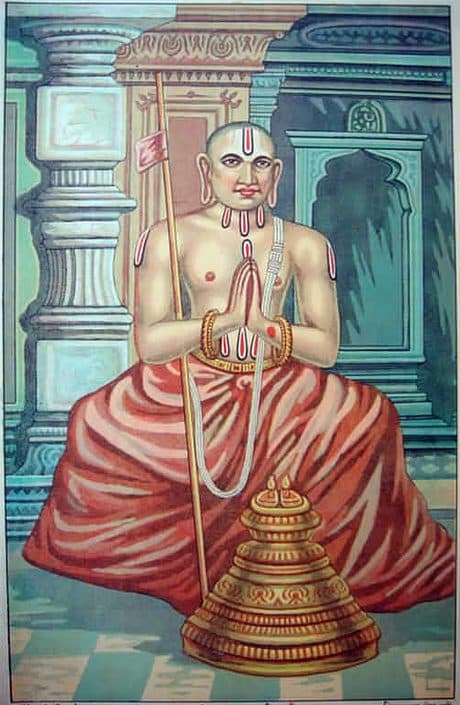
Rāmānuja · Viśiṣṭādvaita
English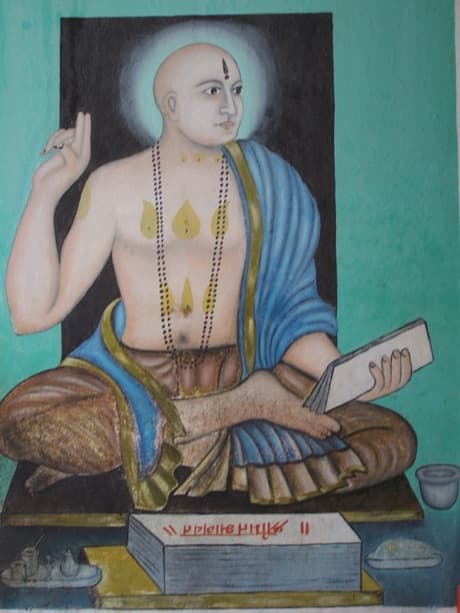
Madhvācārya · Dvaita
SanskritEnglish“यतान्तो ज्ञानं प्राप्य | अकृतात्मना अशुद्धबुद्धयः ||” – Those who ever strive to perceive Him through wisdom. अकृतात्मना means those who are having undisciplined mind.
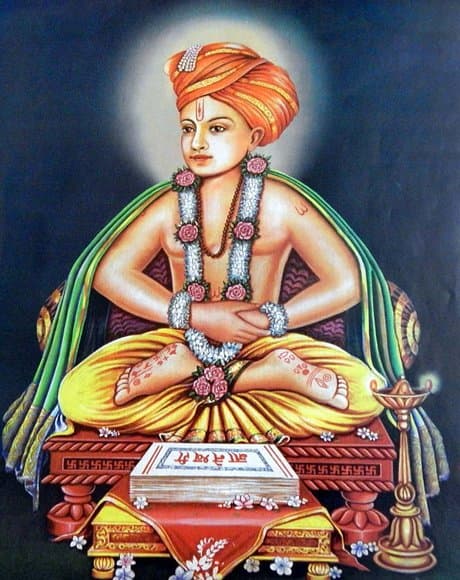
Jñāneśvar · Vārkarī
EnglishOn verses 15.10–15.11
10 “As he departs (from the body), or sojourns (within it), or has the sense-experiences in association with the Guṇas, the deluded ones do not perceive him: (but) those with the eye of wisdom perceive.
11 “The Sages, striving (through concentrated meditation), likewise behold Him as dwelling within; but those, the thoughtless ones, that have not redeemed their self, are not able, although striving to behold Him. (373)
But with the bundle (frame) of the body standing erect, with the sentience visible in its movements, the world says that the soul has come (to birth): Similarly the senses, in association with the body, function in their respective objects, and this is called the enjoyment, Oh husband of Subhadrā. Then the body getting infirm and feeble through exhaustion consequent on the enjoyment (of sense-objects), becomes still and then they loudly lament that the soul (active principle) has gone. Would it be right to believe that the wind is blowing only if the tree is seen shaking and fluttering, and to say that there is no wind because the tree is not shaking, Oh son of Pāṇḍu? With a mirror placed in front, one sees his (external) appearance (reflected) in it. Is it right to suppose that the appearance came into existence only then, and did not exist before? Similarly, with the removal of the mirror, one's reflection naturally disappears: is it to be deduced (from this) that the (original) thing has ceased to exist? The sound is the property of the sky; but it is imposed on the clouds giving it the name 'thunder': the clouds pass with great speed over the Moon, but it is commonly believed that it is the Moon that runs (and not the clouds). In these ways the coming (into being) and departing (perishing) of the body is, through illusion, imposed by the ignorant (the blind) on the powerful, attributeless soul (without any just cause). There is a separate class of (right) thinking persons, who discern that the soul ever abides in its own (right) place, while the bodily functions abide in the body itself. (Such) persons, whose vision is not shrouded in the body-case owing to the attainment of knowledge by them, and whose awakened mind—inspiration (स्फूर्ति)—is firmly fixed in Supreme Self, their discerning power having spread out like the scorching rays of the summer sun, such men of knowledge alone view the Soul in this light. The sky packed with stars gets reflected in the sea; yet the fact that it has not broken and col- lapsed into the sea is evident. The sky remains in the sky itself, its semblance in the sea being unreal. In that way the encasement of the soul in the body is also a semblance. The roar and bellow of water remains restricted to the water itself and does not affect the Moon, who remains all still where she is, even though her reflection appears oscillating in the water; or a puddle may get full of water or may get dried up, and the Sun's reflection (appearing in it) may accordingly appear or disappear; yet the Sun remains unaffected where he is. In that way, the knowing ones view me as I am even though the body comes into existence or ceases to exist. An earthen pot and a cottage may be fashioned and then smashed; the sky (which appears or ceases to appear in the pot and the cottage), remains self-same as and where it is: in that way, the existence of the soul is unending and everlasting: while the body's (existence) conceived through nescience gets into being and ends, and this the men of knowledge do perceive. The men of knowledge perceive with the help of pure knowledge that sentience neither floods nor ebbs—also neither does it any action nor cause any to be done. One may secure knowledge, possess keen intellect to be able to account even for an atom, or may be thoroughly versed in all sciences,—yet, were he, with all this, wanting in asceticism (lit. if asceticism does not penetrate and permeate the mind) he would not be able to attain Me—the Omnipresent. One may talk volumes of reason, yet if the sense-objects have taken complete hold of his heart, he will, I affirm emphatically, Oh Dhanurdhara, never attain me, (I repeat it thrice). Would the composition of one's talk in a dream, ever help to disentangle, the tangle of the worldly existence; or could it amount to reading a book were one merely to touch it? Could any man, applying a bandage to his eyes, appraise the worth of (a set of) pearls merely by putting them to his nose? In that way, one cannot attain me, even after a crore of rebirths, simply by repeating with his tongue the different Scriptures, but with the heart full of egotism. Now I make clear to you (how) I pervade the aggregate of beings all single as I am.
Swami Ramsukhdas · Modern
English**'Yatanto yoghāścānaṁ paśyanti'**—Here the term 'Yoginah', stands for those strivers following the path of knowledge, whose only aim is God-realization.
The term 'Yatantah', here stands for 'striving', with a firm determination from the heart.
Strivers whose only aim is God-realization, become automatically free from attachment, a sense of mine and the desire for fruit. They strive with exclusive devotion, and so yearning, promptness, restlessness and thoughtfulness, are naturally revealed, in them. This is all included in the term 'Yatantah', used here. Such strivers, who strive with exclusive devotion and firm determination, having a disinclination for the world, perceive Him established in the self. The term 'Paśyanti', stands for this perception.
Such strivers, who want to attain the real (God-realization), and renounce the unreal (world), perceive Him, as established in the self, when their discrimination, is fully aroused.
**'Ātmanyavasthitam'**—God (The Supreme Being) always equally pervades everywhere. He is the self, seated in the hearts of all beings, (Gītā 10/20). Therefore, the Yogīs (sages) realize (behold) Him, in the self.
Existence is of two kinds—(1) That which undergoes modifications or changeable (2) Axiomatic (self-evident). The existence, which has its appearance after being born, is called changeable existence, while existence which is never born, but which exists eternally, and remains as it is, in a uniform way, is called, axiomatic existence. The world and the bodies, undergo modifications, while God and the soul are self-evident. It is an error, to identify the self, with the body.* When a striver
* A man identifies the self with the body and has egoistic notion. Similarly he regards the body as 'mine'. It is because of his egoistic notion that the body seems real to him and it is because of the sense of mine with the body that he is attached to it.
renounces, this identity as well as a sense of mine, he gets established, in the self.
When a man does not attach importance to discrimination, bestowed upon him by God, he is bound through egoism, and a sense of 'mine'. This affinity is so much strengthened, that it continues even after death, and it is also so brittle, that it can be broken anytime and a man is free, in maintaining it or renouncing it. By misusing this freedom, he creates affinity with body, etc., which does not belong to his class.
When a man does not attach importance to discrimination, it is veiled and then the body seems real. But, by good company and the study of the scriptures etc., as this discrimination is unveiled, the assumed affinity for the body, is renounced. When discrimination is fully unveiled (aroused), a striver realizes that he is naturally established, in the self. This is what the Lord means by the expression, 'Ātmani avasthitam'.
Egoism is born by the attachment of a man (the self), to the world. Egoism can be of two kinds—(1) Through bearing from others—'I am' Mohana or Śyāma and 'I am' Brāhmaṇa or Kṣatriya (2) Through the performance of actions—'I am' an orator, a teacher or a physician, through speech, teaching and treating patients. But this egoism, is a temporary phase. When it is renounced, a striver realizes, that he is established, in the self which is self-existent.
A Vital Fact
(1) God in the form of 'Is', Who pervades everywhere, as the illuminator and base of 'I', 'you', 'this' and 'that'. These four ever undergo changes, while He (Is) never undergoes, any change. Moreover, it is because of his egoistic notion, that a man feels, that he is different from others i.e., he has to use 'am', because he says 'I', otherwise there is only 'Is'.
Till, Tness persists, there is individuality or finiteness. On its effacement only 'Is' i.e., the Absolute, remains.
'Ātmani avasthitam'—means that there is, 'Is' in 'Am' and 'Am' in 'Is'. In other words, there is macro in micro and micro in macro. An individual and the society cannot be separated from each other, in the same way, as the waves and the sea, cannot be separated from each other. But, as in the element water, neither the sea nor the waves are there, so is God free, from an individual or society. When a striver, realizes this fact, he realizes, that He is established, in the self.
A man cannot realize, that He is established in the self, because of his attachment to the world, to derive pleasure out of it and because of his disinclination for Him. So long as it is not realized that the self is God, we feel God as separate and away from us and we have to make efforts to achieve God and there separation is a must when he renounces attachment to the body, he realizes (beholds), that He is established, in the self and does not suffer pain of separation, from Him.*
He who beholds God, in the self, does not support the opinion, that God is different from the self. It is the sense of Tness, which separates the self from God. In fact, the self has no evil, such as Tness or dependence or shortage or ignorance etc. But, by an error a man (the self), assumes that they are in him. In order to remove these evils, he should behold Him, in the self. When he beholds Him, in the self, he becomes free from all evils, because in Him, there is no evil.
As the world is kaleidoscopic, so is T, because it is a fragment of the world, as 'I am a boy', 'I am young', 'I am old', 'I am sick', 'I am healthy' and so on.† Both the world and
* Only wise who constantly behold God in the self, attain eternal bliss (Katha. 2/2/13).
† Here a doubt may arise that the states of boyhood and youth etc., change but T remains the same. The explanation is T seems the same because of
T, are perishable, while the self and God are imperishable. As the world has no existence, so does T also, have no existence.
Saint Sundaradāsa declares, 'We see what does not exist, but we do not see what exists.' The reason is, that instruments such as, the mind, intellect and senses etc., with which we see, also do not exist. So the unreal can be seen, with the help of the unreal, the real cannot be seen, with the help of unreal.
Moreover, the unreal seems to exist, in the light of the real. The real is the illuminator, and the base, of the unreal. As we can see the world, with the eye, but we cannot see the eye with it, so how can God, Who is the knower of all, be known by them? How can the unreal, which is illumined by the real, illumine the real?
The self, can be realized by the self, rather than by senses, mind and intellect etc. Similarly God, Who is established in the self, can also be realized by the self, rather than through discourses or through intellect or through hearing* as the senses, the mind and the intellect etc., are evolutes of Nature. How can He, Who transcends Nature, be known by the evolutes of Nature? Therefore, when a striver, renounces his affinity for nature, he realizes Him, in the self.
A striver, commits an error, that he wants to know God, in the same way, as he knows the world. But the methods of knowing the two, are contrary to each other. The world can be known by medium (means), such as senses, mind and intellect etc., while God cannot be known by them, because He is beyond
its identity with the reality (sentient). In fact the illuminator of T (i.e., the self) remains the same while there is a subtle change in T. T is not the same in youth as T was in boyhood. Similarly there is change in T when the soul passes into another body though the self remains the same (Gītā 2/13).
*(1) God can be realized neither through discourses, nor through intellect nor through much hearing (Katha. 1/2/23).
(2) God can be realized neither through speech nor through mind nor through eyes (Katha. 2/3/12).
their access, as He is transcendental.
The sentient, cannot be realized, by depending on, the insentient. Those who, having depended on Matter, or the insentient (physical, subtle and causal bodies), want to realize God, cannot realize Him, even through trance, because a trance also depends, on the causal body.*
The wise, who know that God is theirs, and they are God's, with the eye of wisdom, having separated the self, from the body, senses, mind and intellect etc., realize him. But those unwise and uncalightened people, who regard the body as theirs, and who consider themselves of the body, even though striving, do not, realize God, Who is established, in the self.
(2) 'Ātmani avasthitam'—The Lord has declared, that He is established in the self, of all beings (i.e., He pervades everywhere). In order to realize this fact, a striver should believe in the following four points:—
1. God is, here. 2. God is, now. 3. God is, in me. 4. God is, mine.
As God pervades everywhere, He is also here. As He existed in the past, exists at present and will also exist in future, He
*A man acts with the physical body, thinks with the subtle body and experiences trance with the causal body.
The causal body and the trance experienced with it in spite of being superior to wakefulness, sleep and sound sleep are in their subtle form constantly active. When a person transcends the causal body, only the self remains. This is the constant trance of the self, which transcends both activity and inactivity i.e., when a man realizes the self there is neither activity nor inactivity. There is deviation from the trance of the causal body. But in the trance of the self viz., on Self-realization there is neither trance nor deviation. This is known as 'seedless trance' because in it the connection (seed) with the world is totally destroyed. This is also known as 'Sahajāvasthā' (innate or natural condition) though it transcends all conditions.
is also, now. As He pervades all, He also pervades me, and as He is everyone's, He is also, mine. From these facts it is very obvious—
1. As God is here, we need not go anywhere, to realize Him.
2. As God is present now, we need not wait, for future.
3. As He is in me, I need not search Him, anywhere outside.
4. As He is mine, I need not regard, others as mine. He is also very loving to me, because He is mine.
These four points are very significant and useful, for all strivers. This realization is the quintessence of all spiritual practices. It needs no qualification, no practice, no ability and no virtue. Everyone is qualified, deserving and able, in believing it. The only condition is, that he should have only the desire for God-realization.
'Yatanto'pyakṛtāmāno nalnaṁ paśyantyacetasaḥ'— 'Akṛtāmānaḥ' are those unrefined people, who have not purified their mind, they have been called 'Acetasaḥ' (unintelligent), because they do not discriminate, the real from the unreal.
Those, who regard mundane objects, such as the body and also persons as theirs, and expect to derive pleasure, out of them, by attaching importance to them, are unintelligent and unrefined. Such people, also want to realize God, but they want to realize Him, with the help of insentient objects, such as body, mind and intellect etc. As He cannot be realized with their help, He can be realized, by renouncing attachment, to them.
In this verse the term 'Yatantaḥ', has been used twice, in order to explain that the wise perceive Him by striving, while the unintelligent do not behold Him, even by striving. It means, that so long as, a man is attached to worldly objects, he cannot realize God, with body, senses, mind and intellect, though these
are useful, in making effort to attain Him. How can those, who have an eye on the unreal (mundane pleasures and prosperity), behold Him?
Unrefined and unintelligent people, also meditate on God, study scriptures and chant His name, but they cannot behold Him, because they attach importance, to mundane objects (pleasures and prosperity). Though their efforts are not in vain, yet they cannot realize Him, at the present moment. He can be realized immediately, if a striver renounces attachment to the insentient, totally.
A striver cannot renounce attachment to insentient body, mind and intellect etc., so long as, he depends upon them. Moreover, he possesses egoism, in its subtle form, if he practises spiritual discipline with the help of mind and intellect etc. He can be free, from this subtle egoism by renouncing attachment, to the insentient. This attachment, can be easily renounced, when a striver totally depends on God i.e., he firmly believes and accepts the reality 'I am God's and God is mine'. It needs, neither effort nor practice.
**Appendix**—Neither pleasure nor prosperity stays permanently with us—a man naturally has this discretion. But the people, who in spite of studying the scriptures, keeping good company and practising spiritual discipline, don't pay attention to their discretion and don't realize that they are different from pleasures and prosperity, are 'akṛtātmā' viz., they have not purified their hearts. Such people in the sixteenth verse of the eighteenth chapter have been called 'akṛtabuddhi' (of impure or untrained mind) and 'durmati' (of perverse understanding). Though God-realization is not difficult, yet in spite of practising the spiritual discipline, they don't know God because of their attachment and desire for worldly pleasures. The reason is that discretion does not stick in those people who hanker after pleasures and prosperity.
In the preceding verse the people who have been called
'vimūḍhāḥ' (deluded), here have been called 'aḍetasah' (unintelligent). Being deluded by modes, they neither know the division of sense-objects nor that of the Self viz., they don't know that the Self is different from pleasures of which there is supposed union and gradual disunion with it.
In this topic from the seventh verse to the eleventh verse, the Lord wants to explain that His fragment, the Soul, is totally different from the materials (bodies, objects and actions) which by an error he regards as his own—these materials are evolutes of prakṛti—'prakṛtiṣṭhāni'. Both are totally different in the same way as are the sun and the darkest night of amāvaṣyā (last day of the dark half of a month). Their union is impossible. He who perceives that the sentient and the insentient are totally different from each other, is wise and is a Yogī (sage). But he who perceives the sentient (the Self), identified with the insentient (matter), is ignorant and a 'bhogī' (voluptuary).
*Link:—In the fifteenth chapter, there are four topics, each consisting of five verses. This is the third topic of five verse, from the twelfth to the fifteenth verses, as well as the sixth verse. This topic specially deals with His glory, virtues and divinity. The topic (how the sun, the moon, the fire cannot illumine, that Eternal Goal) which was not very clear, there, in the sixth verse, is explained, in the next verse.*
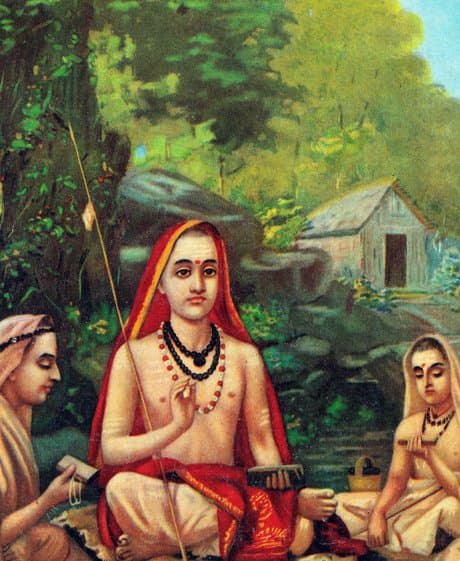
Ādi Śaṅkarācārya · Advaita
Sanskritयतन्तः प्रयत्नं कुर्वन्तः योगिनश्च समाहितचित्ताः एनं प्रकृतम् आत्मानं पश्यन्ति ``अयं अहं अस्मि'' इति उपलभन्ते आत्मनि स्वस्यां बुद्धौ अवस्थितम् । यतन्तोऽपि शास्त्रादिप्रमाणैः, अकृतात्मानः असंस्कृतात्मानः तपसा इन्द्रियजयेन च, दुश्चरितात् अनुपरताः, अशान्तदर्पाः, प्रयत्नं कुर्वन्तोऽपि न एवं पश्यन्ति अचेतसः अविवेकिनः ॥
यत् पदं सर्वस्य अवभासकमपि अग्न्यादित्यादिकं ज्योतिः न अवभासयते, यत् प्राप्ताश्च मुमुक्षवः पुनः संसाराभिमुखाः न निवर्तन्ते, यस्य च पदस्य उपाधिभेदं अनुविधीयमानाः जीवाः -- घटाकाशादयः इव आकाशस्य -- अंशाः, तस्य पदस्य सर्वात्मत्वं सर्वव्यवहारास्पदत्वं च विवक्षुः चतुर्भिः श्लोकैः विभूतिसङ्क्षेपमाह भगवान् --
Ādi Śaṅkarācārya · Advaita
Hindiऔर कई एक—
प्रयत्न करनेवाले, समाहितचित्त योगीजन, इस आत्माको, जिसका कि प्रकरण चल रहा है, अपने अन्तःकरणमें स्थित देखते हैं अर्थात् 'यही मैं हूँ' इस प्रकार आत्मस्वरूपका साक्षात् किया करते हैं।
परंतु जिन्होंने तप और इन्द्रियजय आदि साधनोंद्वारा अपने अन्तःकरणका संस्कार नहीं किया है, जो बुरे आचरणोंसे उपराम नहीं हुए हैं, जो अशान्त और घमण्डी हैं, वे अविवेकी पुरुष, शास्त्रादिके प्रमाणोंसे प्रयत्न करते हुए भी, इस आत्माको नहीं देख पाते
Jñāneśvar · Vārkarī
MarathiOn verses 15.10–15.11
परी देहाचे मोटकें उभें । आणि चेतना तेथ उपलभे । तिये चळवळेचेनि लोभें । आला म्हणती ॥ ३७३ ॥ तैसेंचि तयां संगती । इंद्रियें आपुलाल्या अर्थीं वर्तती । तया नांव सुभद्रापती । भोगणें जया ॥ ३७४ ॥ पाठीं भोगक्षीण आपैसे । देह गेलिया ते न दिसे । तेथें गेला गेला ऐसें । बोभाती गा ॥ ३७५ ॥ पैं रुखु डोलतु देखावा । तरी वारा वाजतु मानावा । रुखु नसे तेथें पांडवा । नाहीं तो गा ? ॥ ३७६ ॥ कां आरिसा समोर ठेविजे । आणि आपणपें तेथ देखिजे । तरी तेधवांचि जालें मानिजे । काय आधीं नाहीं ? ॥ ३७७ ॥ कां परता केलिया आरिसा । लोपु जाला तया आभासा । तरी आपणपें नाहीं ऐसा । निश्चयो करावा ? ॥ ३७८ ॥ शब्द तरी आकाशाचा । परी कपाळीं पिटे मेघाचा । कां चंद्रीं वेगु अभ्राचा । अरोपिजे ॥ ३७९ ॥ तैसें होइजे जाइजे देहें । तें आत्मसत्ते अविक्रिये । निष्टंकिती गा मोहें । आंधळे ते ॥ ३८० ॥ येथ आत्मा आत्मयाच्या ठायीं । देखिजे देहींचा धर्मु देहीं । ऐसें देखणें तें पाहीं । आन आहाती ॥ ३८१ ॥ ज्ञानें कां जयाचे डोळे । देखोनि न राहती देहींचे खोळे । सूर्यरश्मी आणियाळे । ग्रीष्मीं जैसें ॥ ३८२ ॥ तैसे विवेकाचेनि पैसें । जयांची स्फूर्ती स्वरूपीं बैसे । ते ज्ञानिये देखती ऐसें । आत्मयातें ॥ ३८३ ॥ जैसें तारांगणीं भरलें । गगन समुद्रीं बिंबलें । परी तें तुटोनि नाहीं पडिलें । ऐसें निवडे ॥ ३८४ ॥ गगन गगनींचि आहे । हें आभासे तें वाये । तैसा आत्मा देखती देहें । गंवसिलाही ॥ ३८५ ॥ खळाळाच्या लगबगीं । फेडूनि खळाळाच्या भागीं । देखिजे चंद्रिका कां उगी । चंद्रीं जेवीं ॥ ३८६ ॥ कां नाडरचि भरे शोषें । सूर्यु तो जैसा तैसाचि असे । देह होतां जातां तैसें । देखती मातें ॥ ३८७ ॥ घटु मठु घडले । तेचि पाठीं मोडले । परी आकाश तें संचलें । असतचि असे ॥ ३८८ ॥ तैसें अखंडे आत्मसत्ते । अज्ञानदृष्टि कल्पितें । हें देहचि होतें जातें । जाणती फुडें ॥ ३८९ ॥ चैतन्य चढे ना वोहटे । चेष्टवी ना चेष्टे । ऐसें आत्मज्ञानें चोखटें । जाणती ते ॥ ३९० ॥ आणि ज्ञानही आपैतें होईल । प्रज्ञा परमाणुही उगाणा घेईल । सकळ शास्त्रांचें येईल । सर्वस्व हातां ॥ ३९१ ॥ परी ते व्युत्पत्ति ऐसी । जरी विरक्ति न रिगे मानसीं । तरी सर्वात्मका मजसीं । नव्हेचि भेटी ॥ ३९२ ॥ पैं तोंड भरो कां विचारा । आणि अंतःकरणीं विषयांसि थारा । तरी नातुडें धनुर्धरा । त्रिशुद्धी मी ॥ ३९३ ॥ हां गा वोसणतयाच्या ग्रंथीं । काई तुटती संसारगुंती ? । कीं परिवसिलिया पोथी । वाचिली होय ? ॥ ३९४ ॥ नाना बांधोनियां डोळे । घ्राणीं लाविजती मुक्ताफळें । तरी तयांचें काय कळे । मोल मान ? ॥ ३९५ ॥ तैसा चित्तीं अहंते ठावो । आणि जिभे सकळशास्त्रांचा सरावो । ऐसेनि कोडी एक जन्म जावो । परी न पविजे मातें ॥ ३९६ ॥ जो एक मी कां समस्तीं । व्यापकु असें भूतजातीं । ऐक तिये व्याप्ती । रूप करूं ॥ ३९७ ॥
Jñāneśvar · Vārkarī
HindiOn verses 15.10–15.11
(15.373) शरीर का एक आकार तैयार होता है और उसमें चेतना उत्पन्न होती है। उस हलचल को देखकर लोग कहते हैं कि जन्म हुआ।
(15.374) तथा उसके संग से इन्द्रियाँ अपने-अपने विषयों में व्याप्त होती हैं, उसे हे सुभद्रापति! भोग लेना कहते हैं।
(15.375) तदनन्तर भोग लेते-लेते जब देह क्षीण हो छूट जाता है, और चेतना नहीं दिखाई देती तो कहते हैं कि मृत्यु हो गई।
(15.376) परन्तु हे पाण्डव! वृक्ष वायु से डोलते हुए दिखाई दें क्या तभी वायु माननी चाहिए? वृक्ष का हिलना नहीं दिखाई देता तब क्या वायु नहीं रहती?
(15.377) अथवा दर्पण सामने रखो और उसमें अपना स्वरूप देखो तभी क्या उस स्वरूप की उत्पत्ति समझनी चाहिए? उसके पूर्व क्या वह स्वरूप नहीं था?
(15.378) तथा दर्पण को हटा लेने से स्वरूपाभास का लोप हो जाता है तब क्या यह समझ लेना चाहिए कि हम नहीं हैं। (15.379) शब्द वास्तव में आकाश से उत्पन्न होता है, परन्तु वह जैसे मेघों पर आरोपित किया जाता है, अथवा लोग जैसे अंशों की गति को चन्द्रमा की गति समझते हैं,
(15.380) वैसे ही वे अन्ध जन मोह के कारण देह का उत्पन्न होना और नाश होना अविकारी आत्मसत्ता पर निश्चित करते हैं।
(15.381) परन्तु, आत्मा आत्मा की ही जगह है तथा शरीर में दिखाई देनेवाले धर्म शरीर के ही हैं, यह जाननेहारे दूसरे ही होते हैं।
(15.382) जिनके नेत्र, ज्ञान के कारण, इस देह-रूपी आच्छादन को ही देख कर नहीं रह जाते। किन्तु जैसे सूर्य की किरणें ग्रीष्म ऋतु में तीव्रता से निकलती हैं,
(15.283) वैसी ही जिनकी स्फूर्ति विस्तृत विवेक के द्वारा स्वरूप में जा बैठती है, वे ज्ञानी जन आत्मा को ऐसा देखते हैं
(15.284) जैसा कि प्रत्यक्ष तारागणों से भरा हुआ गगन, जो समुद्र में प्रतिबिम्बित होता है, पर जो उसमें अपनी जगह से टूट कर नहीं गिरता। (15.285) आकाश आकाश की ही जगह रहता है और समुद्र में जो दिखाई देता है सो मिथ्या है, वैसे ही वे देह में आत्मा को देखते हैं।
(15.286) प्रवाह में दिखाई देनेवाली हलचल का कारण प्रवाह ही है। इस दृष्टि से देखिए तो जैसे यह निश्चय होता है कि चन्द्रिका चन्द्रमा में ही निश्चल है
(15.387) अथवा गढ़ा ही भरता या सूखता है पर जैसे सूर्य जैसा का तैसा बना रहता है, वैसे ही वे ज्ञानी जम देह की उत्पत्ति और मृत्यु होती देख कर भी मुझको अविक्रीय जानते हैं।
(15.388) घट या मठ की घटना होती है, और पश्चात् उसका भंग हो जाता है, परन्तु आकाश वैसा ही भरा हुआ बना है,
(15.389) वैसे ही वे निश्चय से जानते हैं कि आत्मसत्ता अखण्ड बनी है और उसमें अज्ञान-दृष्टि की कल्पना से शरीर का जन्म और उसकी मृत्यु होती है।
(15.390) शुद्ध आत्मज्ञान के द्वारा वे जानते हैं कि परब्रह्म न घटता है न बढ़ता है, और न वह कोई चेष्टा करता है न कराता है। (15.391) परन्तु चाहे ज्ञान भी प्राप्त हो, बुद्धि परमाणु की भी खोज ले सके, सम्पूर्ण शास्त्रों का रहस्य हाथ आ जाय
(15.392) परन्तु उस विद्वत्ता के अनुरूप यदि अन्तःकरण में वैराग्य का प्रवेश न हुआ हो तो मुझे सर्वात्मा से भेंट नहीं हो सकती।
(15.393) मुख में विवेक भरा हो पर अन्तःकरण में विषयों की बस्ती हो तो हे धनुर्धर! यह सत्य जानो कि उस मनुष्य को मेरी प्राप्ति नहीं हो सकती।
(15.394) स्वप्न में बरनिवालों के ग्रन्थों से क्या संसार का उलझाव मिट सकता है? अथवा स्पर्श करने से ही क्या पोथी पढ़ने का कार्य हो सकता है?
(15.395) आँखें बाँध कर मोती नाक से लगाये जायँ तो उनका मोल-भाव कैसे मालूम हो सकेगा?
(15.396) वैसे ही, चित्त में अहंकार बसता हो, और सम्पूर्ण शास्त्रों का मौखिक अभ्यास हो तो ऐसे कोटि जन्म हो जायँ तथापि मेरी प्राप्ति न होगी।
(15.397) मैं जो एक हूँ और सम्पूर्ण भूतमात्र में व्यापक हूँ, उस व्याप्ति का अब निरूपण करता हूँ, सुनो।
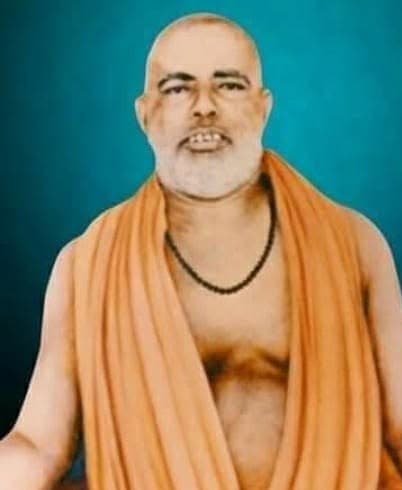
Sri Udiya Baba · Modern
Hindiसंगति— अब यह बतलाते हैं कि ज्ञान सबको क्यों नहीं होता?
भावार्थ— योगिजन प्रयत्न करने पर इस आत्मा को अपने अन्तःकरण में देखते हैं, किन्तु जो अशुद्धचित्त अज्ञानी हैं वे तो यत्न करने पर भी इसे नहीं देख पाते।
व्याख्या— योगी—यहाँ— भक्तियोगी या निष्काम कर्मयोगी समझने चाहिये। वे ही प्रयत्न करने पर आत्मा का साक्षात्कार कर सकते हैं। किन्तु जो 'अकृतात्मा' (अशुद्धचित्तवाले) अचेतस् (अज्ञानी) हैं वे चाहे कितना ही प्रयत्न करें उसे देख नहीं सकते। हाँ, कोई कितना ही पापी हो यदि अनन्यभाव से मेरी उपासना में लग जाय तो उसे आत्मा का दर्शन हो सकता है। तात्पर्य यह कि निष्काम कर्म या उपासना से अन्तःकरण शुद्ध हो जाने पर ही श्रवण, मनन, निदिध्यासन द्वारा आत्मा का साक्षात्कार हो सकता है? जो ईश्वर या गुरु में श्रद्धा रखते हैं और उनकी निष्काम-भाव से सेवा करके उनके कृपापात्र हुए हैं वे ही ज्ञान के सच्चे अधिकारी हैं। जिनके मल-विक्षेप निवृत्त हो गये हैं, केवल आवरण मात्र शेष हैं वे कृतोपास्ति ही योगी हैं, उन्हीं को बोध प्राप्त होता है। यह बात अध्याय ४ के श्लोक ३९ में भी कह आये हैं।
परन्तु अध्याय १४ में तो यही सिद्ध किया है कि ज्ञान केवल विचार से ही होता है; उसके लिये कर्म या उपासना की आवश्यकता नहीं है। आजकल लोगों को इसलिये भी ज्ञान नहीं होता कि वे इसके द्वारा कुछ बनाना-बिगाड़ना चाहते हैं। जिनका ऐसा दृष्टिकोण है उन्हें तीनों कालों में कभी ज्ञान नहीं हो सकता। कोई-कोई तो ऐसा प्रश्न करते हैं कि यदि ज्ञान होने पर केवल सत्तामात्र ही रह जाती है तो उससे हमें क्या मिला। वे तो चाहते हैं कि कुछ मिल जाय, किन्तु यहाँ तो जो कुछ है उसको भी खोना पड़ता है। जब तक सबको न खोओगे, कुछ भी पास रख लोगे तब तक ज्ञान नहीं हो सकता। जो लोग ऐसा मानते हैं कि ज्ञान से हमें कुछ नहीं मिला वे बड़ी भूल में हैं। उन्हें इतनी बातें तो प्रत्यक्ष प्राप्त होती हैं —
1. अनन्तकोटि ब्रह्माण्डों की दैवी या आसुरी वस्तुओं का कोई आकर्षण नहीं रहता। 2. दुःख उपस्थित होने पर इस बात की चिन्ता नहीं रहती कि यह किस प्रकार निवृत्त होगा।
३. वर या शाप की चिन्ता नहीं रहती।
४. सारे प्रपञ्च को मरुमरीचिका जान लेने से उसका आकर्षण निवृत्त हो गया तथा जीवत्व की निवृत्ति हो गयी।
५. जिन पदार्थों के लिये हम दीन थे और जिन्हें सत्य मानकर प्राप्त करने के लिये लालायित थे उन्हें मिथ्या निश्चय करके उनके आकर्षण से बच गये।
६. स्वर्ग या नरक की चिन्ता स्वप्न में भी नहीं होती।
७. संसार का अस्तित्व नहीं रहा, अतः उसकी चिन्ता छूट गयी।
८. पाप-पुण्यरूप क्रियाएँ हो जाने पर भी उनका फल नहीं होता।
Swami Ramsukhdas · Modern
Hindi‘यतन्तो योगिनश्चैनं पश्यन्ति’—यहाँ ‘योगिनः’ पद उन सांख्ययोगी साधकोंका वाचक है, जिनका एकमात्र उद्देश्य परमात्मतत्त्वको प्राप्त करनेका बन चुका है।
यहाँ ‘यतन्तः’ पद साधनपरक है। भीतरकी लगन, जिसे पूर्ण किये बिना चैनसे न रहा जाय, यत्न कहलाती है।
जिन साधकोंका एकमात्र उद्देश्य परमात्मतत्त्वको प्राप्त करना है, उनमें असंगता, निर्ममता और निष्कामता स्वतः आ जाती है। उद्देश्यकी पूर्तिके लिये अनन्यभावसे जो उत्कण्ठा, तत्परता, व्याकुलता, विरहयुक्त चिन्तन, प्रार्थना एवं विचार साधकके हृदयमें प्रकट होते हैं, उन सबको यहाँ ‘यतन्तः’ पदके अन्तर्गत समझना चाहिये। जिसकी प्राप्तिका उद्देश्य बनाया और जिसकी विमुखताको यत्नके द्वारा दूर किया, उसी तत्त्वका योगिजन अपने-आपमें अनुभव करते हैं। परमात्माके पूर्ण सम्मुख हो जानेके बाद योगीकी परमात्मतत्त्वमें सदा सहज स्थिति रहती है। यही ‘पश्यन्ति’ पदका भाव है।
जो सांख्ययोगी साधक सत्-असत् के विचारद्वारा सत्-तत्त्वकी प्राप्ति और असत् संसारकी निवृत्ति करना चाहते
हैं, विवेककी सर्वथा जागृति होनेपर वे अपने-आपमें स्थित परमात्मतत्त्वका अनुभव कर लेते हैं।
‘आत्मन्यवस्थितम्’ परमात्मतत्त्वसे देश-कालकी दूरी नहीं है। वह समानरूपसे सर्वत्र एवं सदैव विद्यमान है। वही सब भूतोंके हृदयमें स्थित सबका आत्मा है—‘अहमात्मा गुडाकेश सर्वभूताशयस्थितः’ (गीता १०। २०)। इसलिये योगीलोग अपने-आपमें ही इस तत्त्वका अनुभव कर लेते हैं।
सत्ता (अस्तित्व या ‘है’-पन) दो प्रकारकी होती है—(१) विकारी और (२) स्वतःसिद्ध। जो सत्ता उत्पन्न होनेके बाद प्रतीत होती है, वह ‘विकारी’ सत्ता कहलाती है और जो सत्ता कभी उत्पन्न नहीं होती, प्रत्युत सदा (अनादिकालसे) ज्यों-की-त्यों रहती है, वह ‘स्वतःसिद्ध’ सत्ता कहलाती है। इस दृष्टिसे संसार एवं शरीरकी सत्ता ‘विकारी’ और परमात्मा एवं आत्माकी सत्ता ‘स्वतःसिद्ध’ है। विकारी सत्ताको स्वतःसिद्ध सत्तामें मिला देना भूल है।\* उत्पन्न हुई विकारी सत्तासे सम्बन्ध-विच्छेद करके अनुत्पन्न स्वतःसिद्ध सत्तामें स्थित होना ही ‘आत्मनि अवस्थितम्’ पदोंका भाव है।
* विकारी सत्ता-(शरीर-) को स्वतःसिद्ध सत्तामें मिलानेका तात्पर्य है—अपनेको शरीर मानना (अहंता) और शरीरको अपना मानना (ममता)। अपनेको शरीर माननेसे शरीर सत्य प्रतीत होता है और शरीरको अपना माननेसे शरीरमें प्रियता होती है।
जीव-(चेतन-) ने भगवत्प्रदत्त विवेकका अनादर करके शरीर-(जड-) को 'मैं' और 'मेरा' मान लिया अर्थात् शरीरसे अपना सम्बन्ध मान लिया। जीवके बन्धनका कारण यह माना हुआ सम्बन्ध ही है। यह सम्बन्ध इतना दृढ़ है कि मरनेपर भी छूटता नहीं और कच्चा इतना है कि जब चाहे, तब छोड़ा जा सकता है। किसीसे अपना सम्बन्ध जोड़ने अथवा तोड़नेमें जीव सर्वथा स्वतन्त्र है। इसी स्वतन्त्रताका दुरुपयोग करके जीव शरीरादि विजातीय पदार्थोंसे अपना सम्बन्ध मान लेता है।
अपने विवेक-(शरीरसे अपनी भिन्नताका ज्ञान-) को महत्त्व न देनेसे विवेक दब जाता है। विवेकके दबनेपर शरीर-(जड-तत्त्व) की प्रधानता हो जाती है और वह सत्य प्रतीत होने लगता है। सत्संग, स्वाध्याय आदिसे जैसे-जैसे विवेक विकसित होता है, वैसे-वैसे शरीरसे माना हुआ सम्बन्ध छूटता चला जाता है। विवेक जाग्रत होनेपर परमात्मा-(चिन्मय-तत्त्व-) से अपने वास्तविक सम्बन्धका—उसमें अपनी स्वाभाविक स्थितिका अनुभव हो जाता है। यही 'आत्मनि अवस्थितम्' पदोंका भाव है।
विकारी सत्ता-(संसार-) के सम्बन्धसे अहंता-( 'मैं'-पन) की उत्पत्ति होती है। यह अहंता दो प्रकारसे मानी जाती है—(१) श्रवणसे मानना; जैसे—दूसरोंसे सुनकर 'मैं अमुक नामवाला हूँ', 'मैं अमुक वर्णवाला हूँ' आदि अहंता मान लेते हैं (२) क्रियासे मानना; जैसे—व्याख्यान देना, शिक्षा देना, चिकित्सा करना आदि क्रियाओंसे 'मैं वक्ता हूँ', 'मैं शिक्षक हूँ', 'मैं चिकित्सक हूँ' आदि अहंता मान लेते हैं। ये दोनों ही प्रकारकी अहंता सदा रहनेवाली नहीं है, जब कि 'है'-रूप स्वतःसिद्ध सत्ता सदा रहनेवाली है। 'मैं'-रूपमें मानी हुई अहंताका त्याग होनेपर 'हूँ'-रूप विकारी सत्ताका भी स्वतः त्याग हो जाता है और योगीको 'है'-रूप स्वतःसिद्ध सत्तामें अपनी स्थितिका अनुभव हो जाता है। यही अपने-आपमें तत्त्वका अनुभव करना है।
मार्मिक बात
(१)
देश-काल आदिकी अपेक्षासे कहे जानेवाले 'मैं', 'तू', 'यह' और 'वह'—इन चारोंके मूलमें 'है' के रूपमें एक ही परमात्मतत्त्व समानरूपसे विद्यमान है, जो इन चारोंका प्रकाशक और आधार है। 'मैं', 'तू', 'यह' और 'वह'—ये चारों निरन्तर परिवर्तनशील हैं और 'है' नित्य
अपरिवर्तनशील है। इनमें 'तू है', 'यह है' और 'वह है'—ऐसा तो कहा जाता है, पर 'मैं है'—ऐसा न कहकर 'मैं हूँ' कहा जाता है। कारण यह है कि 'मैं हूँ' में 'हूँ' 'मैं'-पनके कारण आया है। जबतक 'मैं'-पन है, तभीतक 'हूँ' के रूपमें एकदेशीयता या परिच्छिन्नता है। 'मैं'-पनके मिटनेपर एक 'है' ही शेष रह जाता है।
'आत्मनि अवस्थितम्' का तात्पर्य यह है कि 'हूँ' में 'है' और 'है' में 'हूँ' स्थित है। दूसरे शब्दोंमें व्यष्टिमें समष्टि और समष्टिमें व्यष्टि स्थित है। जिस प्रकार समुद्र और लहरें दोनों एक-दूसरेसे अलग नहीं किये जा सकते, उसी प्रकार 'है' और 'हूँ' दोनों एक-दूसरेसे अलग नहीं किये जा सकते। परन्तु जैसे जल-तत्त्वमें समुद्र और लहरें—ये दोनों ही नहीं हैं (वास्तवमें एक ही जल-तत्त्व है), ऐसे ही परमात्मतत्त्व ('है') में 'हूँ' और 'है'—ये दोनों ही नहीं हैं। ऐसा अनुभव करना ही अपने-आप-(स्वयं-) में स्थित तत्त्वका अनुभव करना है।
'मैं'-पनके कारण (संसारमें सुखासक्ति तथा परमात्मासे विमुखता होनेसे) ही परमात्माका अपने-आपमें अनुभव नहीं होता। इसलिये परमात्माको अपने-आपसे भिन्नमें देखनेके कारण उससे दूरी या वियोगका अनुभव करना पड़ता है और उसकी प्राप्तिके लिये जगह-जगह भटकना पड़ता है। अपने-आपसे भिन्न जितने पदार्थ हैं, उनसे वियोग होना अवश्यम्भावी है। परन्तु अपने-आपमें परमात्माका अनुभव करनेवालेको उससे अपनी दूरी या वियोगका अनुभव नहीं करना पड़ता*।
अपने-आपमें परमात्माको देखना भिन्नता-(द्वैतभाव-) का पोषक नहीं, प्रत्युत भिन्नताका नाशक है। वास्तवमें 'मैं'-पन ही भिन्नताका पोषक है। मनुष्यने भिन्नताके वाचक 'मैं'-पन अथवा परिच्छिन्नता, पराधीनता, अभाव, अज्ञान आदि विकारोंको भूलसे अपने-आपमें ही मान लिया है। इनको दूर करनेके लिये परमात्माको अपने-आपमें देखना है। इन विकारोंका नाश अपने-आपमें परमात्माको देखनेपर ही हो सकता है। ये विकार तभीतक हैं, जबतक साधक 'हूँ' को देखता (मानता) है, 'है' को नहीं। इस 'हूँ' के स्थानपर 'है' को देखनेपर कोई विकार नहीं रहता; क्योंकि 'है' में किंचिन्मात्र भी विकार नहीं है।
संसार बदलनेवाला है। संसारका ही अंश होनेके कारण 'मैं' भी बदलनेवाला है, जैसे—'मैं बालक हूँ', 'मैं युवा
* तमात्मस्थं येऽनुपश्यन्ति धीरास्तेषां सुखं शाश्वतं नेतरेषाम् ॥ (कठ० २। २। १३; श्वेताश्वतर० ६। १२)
'अपने-आपमें स्थित (आत्मस्थ) परमात्माको जो ज्ञानी मनुष्य निरन्तर देखते रहते हैं, उनको ही सदा रहनेवाला सुख प्राप्त होता है, दूसरोंको नहीं।'
हूँ, 'मैं बुद्ध हूँ', 'मैं रोगी हूँ', 'मैं नीरोग हूँ' इत्यादि। संसारकी तरह 'मैं' भी उत्पन्न और नष्ट होनेवाला है। जैसे संसार नहीं है, ऐसे ही 'मैं' भी नहीं है।
है सो सुन्दर है सदा, नहीं सो सुन्दर नहीं।
नहीं सो परगट देखिये, है सो दीखे नहीं॥
'है' सदा है और 'नहीं' कभी नहीं है। 'है' दीखनेमें नहीं आता, पर 'नहीं' दीखनेमें आता है; क्योंकि जिसके द्वारा हम 'नहीं' को देखते हैं, वे मन, बुद्धि, इन्द्रियाँ आदि भी 'नहीं' के अंश हैं। त्रिपुटीमें देखना सजातीयतामें ही होता है अर्थात् त्रिपुटीसे होनेवाले (करण-सापेक्ष) ज्ञानमें सजातीयताका होना आवश्यक है। अतः 'नहीं' के द्वारा 'नहीं' को ही देखा जा सकता है, 'है' को नहीं। 'है' का ज्ञान त्रिपुटीसे रहित (करण-निरपेक्ष) है।
'नहीं' की स्वतन्त्र सत्ता न होनेपर भी 'है' की सत्तासे ही उसकी सत्ता दीखती है। 'है' ही 'नहीं' का प्रकाशक और आधार है। जिस प्रकार नेत्रसे संसारको तो देख सकते हैं, पर नेत्रसे नेत्रको नहीं देखते; क्योंकि जिससे देखते हैं, वह नेत्र है। इसी प्रकार जो सबको जाननेवाला है, उस परमात्माको कैसे और किसके द्वारा जाना जा सकता है 'विज्ञातारमरे केन विजानीयात्।' (बृहदारण्यक० २।४।१४) ? जो 'है' से प्रकाशित होता है, वह ('नहीं') 'है' को कैसे प्रकाशित कर सकता है?
अपने-आपमें स्थित तत्त्व-('है') का अनुभव अपने-आप-('है') से ही हो सकता है, इन्द्रियाँ, मन, बुद्धि आदि-
('नहीं') से बिलकुल नहीं। अपने-आपसे होनेवाला ज्ञान स्वाधीन और दूसरों-(मन, बुद्धि आदि-) से होनेवाला ज्ञान पराधीन होता है। अपने-आपमें स्थित तत्त्वका अनुभव करनेके लिये किसी दूसरेकी सहायता लेनेकी जरूरत भी नहीं है।
कानोंसे सुनने, मनसे मनन करने, बुद्धिसे विचार करने आदि उपायोंसे कोई तत्त्वको नहीं जान सकता। कारण कि इन्द्रियाँ, मन, बुद्धि, देश, काल, वस्तु आदि सब प्रकृतिके कार्य हैं। प्रकृतिके कार्यसे उस तत्त्वको कैसे जाना जा सकता है, जो प्रकृतिसे सर्वथा अतीत है? अतः प्रकृतिके कार्यका त्याग (सम्बन्ध-विच्छेद) करनेपर ही तत्त्वकी प्राप्ति होती है और वह अपने-आपमें ही होती है।
साधकसे सबसे बड़ी गलती यह होती है कि वह जिस रीतिसे संसारको जानता है, उसी रीतिसे परमात्माको भी जानना चाहता है। परन्तु संसार और परमात्मा-दोनोंको जाननेकी रीति एक-दूसरेसे विरुद्ध है। संसारको इन्द्रियाँ, मन, बुद्धि आदिके द्वारा जाना जाता है; क्योंकि उसकी जानकारी करण-सापेक्ष है; परन्तु परमात्माको इन्द्रियाँ, मन, बुद्धि आदिके द्वारा नहीं जाना जा सकता; क्योंकि उसकी जानकारी करण-निरपेक्ष है।
जड़ताके आश्रयसे चिन्मयतामें स्थितिका अनुभव हो ही नहीं सकता। जड़ता (स्थूल, सूक्ष्म और कारण-शरीर)-का आश्रय लेकर जो परमात्मतत्त्वका अनुभव करना चाहते हैं, वे पुरुष समाधि लगाकर भी परमात्मतत्त्वका अनुभव नहीं कर पाते; क्योंकि समाधि भी कारण-शरीरके आश्रित रहती है।
१-यहाँ शंका हो सकती है कि बालक, युवा आदि अवस्थाएँ तो बदल गयीं, पर 'मैं तो वही हूँ' अर्थात् 'मैं' तो नहीं बदला। समाधान यह है कि 'विकारी' सत्ता-(जड़-) को 'स्वतःसिद्ध' सत्ता-(चेतन-) में मिला देनेके कारण ही 'मैं' में परिवर्तन नहीं दीखता। वास्तवमें 'मैं' का प्रकाशक ('स्वयं') वही रहता है, 'मैं' वही नहीं रहता। 'मैं बालक हूँ' में जो 'मैं' है, वह 'मैं युवा हूँ' में नहीं है। अवस्थाओंके साथ सूक्ष्मरूपसे 'मैं' भी बदलता है। इसी प्रकार अन्य शरीरकी प्राप्ति (दूसरा जन्म) होनेपर भी पहले शरीरका 'मैं' तो नहीं रहता, पर सत्ता रहती है (गीता-दूसरे अध्यायका तेरहवाँ श्लोक)।
'स्वतःसिद्ध' सत्ताको लेकर 'मैं वही हूँ' कहा जाता है और 'विकारी' सत्ताको लेकर 'मैं बदल गया' कहा जाता है।
२-(१) नायमात्मा प्रवचनेन लभ्यो न मेधया न बहुना श्रुतेन। (कठ० १।२।२३; मुण्डक० ३।२।३)
'यह परमात्मतत्त्व न तो प्रवचनसे, न बुद्धिसे और न बहुत सुननेसे ही प्राप्त हो सकता है।'
(२) नैव वाचा न मनसा प्राप्तुं शक्यो न चक्षुषा। (कठ० २।३।१२)
'यह परमात्मतत्त्व न तो वाणीसे, न मनसे और न नेत्रोंसे ही प्राप्त किया जा सकता है।'
३-स्थूलशरीरसे 'क्रिया', सूक्ष्मशरीरसे 'चिन्तन' तथा कारणशरीरसे 'समाधि' होती है।
कारणशरीर तथा उससे होनेवाली समाधि जाग्रत, स्वप्न और सुषुप्त-अवस्थाकी अपेक्षा विशिष्ट होनेपर भी सूक्ष्मरूपसे निरन्तर क्रियाशील रहती है। इस कारणशरीरसे भी अतीत होनेपर एकमात्र तत्त्व शेष रह जाता है। यही क्रिया और अक्रिया-दोनोंसे अतीत, सदा अखण्ड रहनेवाली 'स्वरूपकी समाधि' है। कारणशरीरसे होनेवाली समाधिमें तो व्युत्थान होता है, पर 'स्वरूपकी समाधि' अर्थात् स्वतःसिद्ध स्वरूपका बोध होनेपर समाधि तथा व्युत्थान दोनों ही नहीं होते। इसको 'निर्बीज समाधि' भी कहते हैं; क्योंकि इसमें संसारका सम्बन्ध (बीज) सर्वथा नष्ट हो जाता है। इसको 'सहजावस्था' भी कहते हैं। परन्तु वास्तवमें यह अवस्था नहीं है; प्रत्युत अवस्थासे अतीत है। अवस्थातीत कोई अवस्था नहीं होती।
जो परमात्माको अपना तथा अपनेको परमात्माका जानते हैं, वे ज्ञानरूप नेत्रोंवाले योगीलोग शरीर, इन्द्रियाँ, मन, बुद्धि आदिसे अपनेको अलग करके अपने-आपमें स्थित परमात्मतत्त्वका अनुभव कर लेते हैं। परन्तु जो शरीरको अपना और अपनेको शरीरका मानते हैं, वे विमूढ़ और अकृतात्मा पुरुष शरीर, इन्द्रियाँ, मन, बुद्धि आदिके द्वारा यत्न करनेपर भी अपने-आपमें स्थित परमात्मतत्त्वका अनुभव नहीं कर पाते।
(२)
‘आत्मनि अवस्थितम्’ पदोंमें भगवान्ने अपनेको सम्पूर्ण प्राणियोंकी आत्मामें स्थित (सर्वव्यापी) बताया है। इसका अनुभव करनेके लिये साधकको ये चार बातें दृढ़तापूर्वक मान लेनी चाहिये—
1. परमात्मा यहाँ हैं। 2. परमात्मा अभी हैं। 3. परमात्मा अपनेमें हैं। 4. परमात्मा अपने हैं।
परमात्मा सब जगह (सर्वव्यापी) होनेसे यहाँ भी हैं; सब समय (तीनों कालोंमें) होनेसे अभी भी हैं; सबमें होनेसे अपनेमें भी हैं; और सबके होनेसे अपने भी हैं। इस दृष्टिसे परमात्मा यहाँ होनेसे उनको प्राप्त करनेके लिये दूसरी जगह जानेकी आवश्यकता नहीं है; अभी होनेसे उनकी प्राप्तिके लिये भविष्यकी प्रतीक्षा करनेकी आवश्यकता नहीं है; अपनेमें होनेसे उन्हें बाहर ढूँढ़नेकी आवश्यकता नहीं है; और अपने होनेसे उनके सिवाय किसीको भी अपना माननेकी आवश्यकता नहीं है। अपने होनेसे वे स्वाभाविक ही अत्यन्त प्रिय लगेंगे!
प्रत्येक साधकके लिये उपर्युक्त चारों बातें अत्यन्त महत्त्वपूर्ण और तत्काल लाभदायक हैं। साधकको ये चारों बातें दृढ़तासे मान लेनी चाहिये। समस्त साधनोंका यह सार साधन है। इसमें किसी योग्यता, अभ्यास, गुण आदिकी भी जरूरत नहीं है। ये बातें स्वतःसिद्ध और वास्तविक हैं, इसलिये इसको माननेके लिये सभी योग्य हैं, सभी पात्र हैं, सभी समर्थ हैं। शर्त यही है कि वे एकमात्र परमात्माको ही चाहते हों।
‘यतन्तोऽप्यकृतात्मानो नैनं पश्यन्त्यचेतसः’—जिन्होंने अपना अन्तःकरण शुद्ध नहीं किया है, उन पुरुषोंको यहाँ ‘अकृतात्मानः’ कहा गया है। सत्-असत् के ज्ञान-(विवेक-)को महत्त्व न देनेके कारण ऐसे पुरुषोंको
‘अचेतसः’ कहा गया है।
जिनके अन्तःकरणमें संसारके व्यक्ति, पदार्थ आदिका महत्त्व बना हुआ है और जो शरीरादिको अपना मानते हुए उनसे सुख-भोगकी आशा रखते हैं, ऐसे सभी पुरुष ‘अकृतात्मानः’ और ‘अचेतसः’ हैं। ऐसे पुरुष तत्त्वकी प्राप्ति तो चाहते हैं, पर वे शरीर, मन, बुद्धि आदि जड (प्राकृत) पदार्थोंकी सहायतासे चेतन परमात्मतत्त्वको प्राप्त करना चाहते हैं। परमात्मा जड पदार्थोंकी सहायतासे नहीं, प्रत्युत जडताके त्याग-(सम्बन्ध-विच्छेद-) से मिलते हैं।
इस श्लोकमें ‘यतन्तः’ पद दो बार आया है। भाव यह है कि यत्न करनेमें समानता होनेपर भी एक (ज्ञानी) पुरुष तो तत्त्वका अनुभव कर लेता है, दूसरा (मूढ़) नहीं कर पाता। इससे यह सिद्ध होता है कि शरीर, इन्द्रियाँ, मन, बुद्धिके द्वारा किया गया यत्न तत्त्वप्राप्तिमें सहायक होनेपर भी अन्तःकरण-(जडता-)के साथ सम्बन्ध बने रहनेके कारण और अन्तःकरणमें सांसारिक पदार्थोंका महत्त्व रहनेके कारण (यत्न करनेपर भी) तत्त्वको प्राप्त नहीं किया जा सकता। जिनकी दृष्टि असत्-(सांसारिक भोग और संग्रह-) पर ही जमी हुई है, ऐसे पुरुष सत्-(तत्त्व-) को कैसे देख सकते हैं!
अकृतात्मा और अचेतस पुरुष करनेमें तो ध्यान, स्वाध्याय, जप आदि सब कुछ करते हैं, पर अन्तःकरणमें जडता-(सांसारिक भोग और संग्रह-) का महत्त्व रहनेके कारण उन्हें तत्त्वका अनुभव नहीं होता। यद्यपि ऐसे पुरुषोंके द्वारा किया गया यत्न भी निष्फल नहीं जाता, तथापि तत्त्वका अनुभव उन्हें वर्तमानमें नहीं होता। वर्तमानमें तत्त्वका अनुभव जडताका सर्वथा त्याग होनेपर ही हो सकता है।
जिसका आश्रय लिया जाय, उसका त्याग नहीं हो सकता—यह नियम है। अतः शरीर, मन, बुद्धि आदि जड पदार्थोंका आश्रय लेकर साधक जडताका त्याग नहीं कर सकता। इसके सिवाय मन, बुद्धि आदि जड पदार्थोंको लेकर साधन करनेवालेमें सूक्ष्म अहंकार बना रहता है, जो जडताका त्याग होनेपर ही निवृत्त होता है। जडताका त्याग करनेका सुगम उपाय है—एकमात्र भगवान्का आश्रय लेना अर्थात् ‘मैं भगवान्का हूँ, भगवान् मेरे हैं’ इस वास्तविकताको स्वीकार कर लेना; इसपर अटल विश्वास कर लेना। इसके लिये यत्न या अभ्यास करनेकी भी जरूरत नहीं है। वास्तविक बातको दृढ़तापूर्वक स्वीकारमात्र कर लेनेकी जरूरत है।
**परिशिष्ट भाव**—सदा न भोग साथ रहता है, न संग्रह साथ रहता है—यह विवेक मनुष्यमें स्वतः है। परन्तु जो मनुष्य शास्त्र पढ़ते हुए, सत्संग करते हुए, साधन करते हुए भी अपने विवेककी तरफ ध्यान नहीं देते, भोग और संग्रहसे अलगावका अनुभव नहीं करते, वे मनुष्य 'अकृतात्मा' हैं। ऐसे मनुष्योंको अठारहवें अध्यायके सोलहवें श्लोकमें 'अकृतबुद्धि' और 'दुर्मति' कहा गया है। यद्यपि परमात्मप्राप्ति कठिन नहीं है, तथापि भीतरमें राग, आसक्ति, सुखबुद्धि पड़ी रहनेसे वे साधन करते हुए भी परमात्माको नहीं जानते। कारण कि भोग और संग्रहमें रुचि रखनेवालेका विवेक ठहरता नहीं।
पूर्वश्लोकमें जिनको 'विमूढाः' कहा है, उनको यहाँ 'अचेतसः' कहा है, गुणोंसे मोहित होनेके कारण वे न तो विषयोंके विभागको जानते हैं और न स्वयंके विभागको ही जानते हैं अर्थात् भोगोंका संयोग-वियोग अलग है और स्वयं भी अलग है—यह नहीं जानते।
सातवेंसे ग्यारहवें श्लोकतकके इस प्रकरणमें भगवान् यह बताना चाहते हैं कि मेरा अंश जीवात्मा बिलकुल अलग है और जिस सामग्री (शरीरादि पदार्थ और क्रिया)-को वह भूलसे अपनी मानता है, वह बिलकुल अलग है—'प्रकृतिस्थानि'। सूर्य और अमावस्याकी रात्रिकी तरह दोनोंका विभाग ही अलग-अलग है। उनका परस्पर संयोग होना सम्भव ही नहीं है। जो उपर्युक्त जड़ और चेतन—दोनोंके विभागको सर्वथा अलग-अलग देखता है, वही ज्ञानी और योगी है। परन्तु जो दोनोंको मिला हुआ देखता है, वह अज्ञानी और भोगी है।
**सम्बन्ध**—पंद्रहवें अध्यायमें पाँच-पाँच श्लोकोंके चार प्रकरण हैं। उनमेंसे यह तीसरा प्रकरण बारहवेंसे पंद्रहवें श्लोकतकका है, जिसमें छठा श्लोक भी लेनेसे पाँच श्लोक पूरे हो जाते हैं। यह तीसरा प्रकरण विशेषरूपसे भगवान्के प्रभाव और महत्त्वको प्रकट करनेवाला है। छठे श्लोकमें जो विषय (परमधामको सूर्य, चन्द्र और अग्नि प्रकाशित नहीं कर सकते) स्पष्ट नहीं हो पाया था, उसीका स्पष्ट विवेचन अब भगवान् आगेके श्लोकमें करते हैं।
Perseverance of the aspirant is the persistence essential to insure success once has fully resorted to bhakti or exclusive loving devotion to the Supreme Lord Krishna.
By cultivating this path they purify their minds and hearts. They then realise the true nature of the ātma residing within the etheric heart of the physical body and perceive it distinctly different from the body.
But if their efforts, even if industrious, are devoid of sufficient faith in the spiritual preceptor and unalloyed devotion to the Supreme Lord and thus spiritually impotent and feeble minded, then they are handicapped and incapable of ātma tattva or realisation of the soul.
Hence they do not perceive it.
Although the light of the sun, the moon, lightning and fire are powerful antidotes to removing darkness, they are limited to removing only external darkness
and they have this power due to their empowerment by the divine consciousness of the Supreme Lord which has the capacity to remove the darkness of ignorance in the phenomenal world externally and the darkness of ignorance within the consciousness of the jīva internally.