

Bhagavad Gītā · Chapter 15 · Puruṣottama Yoga
यदादित्यगतं तेजो जगद्भासयतेऽखिलम्
यच्चन्द्रमसि यच्चाग्नौ तत्तेजो विद्धि मामकम्
yadādityagataṃ tejo jagadbhāsayate'khilam|yaccandramasi yaccāgnau tattejo viddhi māmakam||
Word meanings
आदित्यगतम् = residing in the sun
जगत् = the world
यत् = which
भासयते = illumines
तेजः = brilliance
यत् = which (light)
अखिलम् = entire
चन्द्रमसि = in the moon
च = and
यत् = which (light)
अग्नौ = in fire
तत् = that
तेजः = the light
मामकम् = know to be Mine
विद्धि = know
Translation
The light in the sun, that illumines the entire solar world, and that which shines in the moon and that too which shines in the fire, know that light to be Mine.
Commentary
The commentators seated around this verse
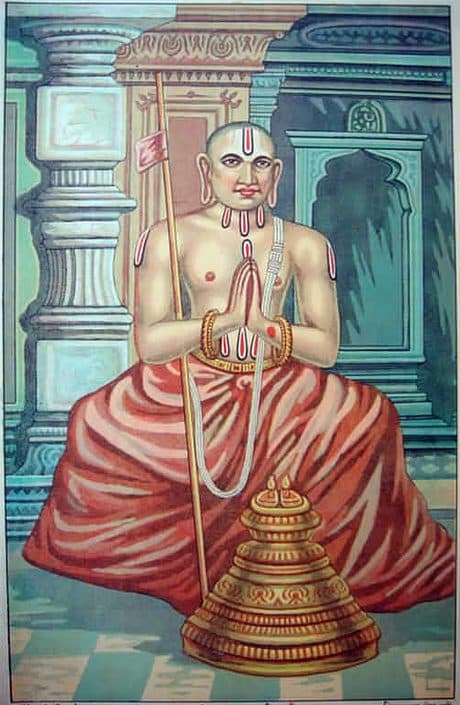
Rāmānuja · Viśiṣṭādvaita
English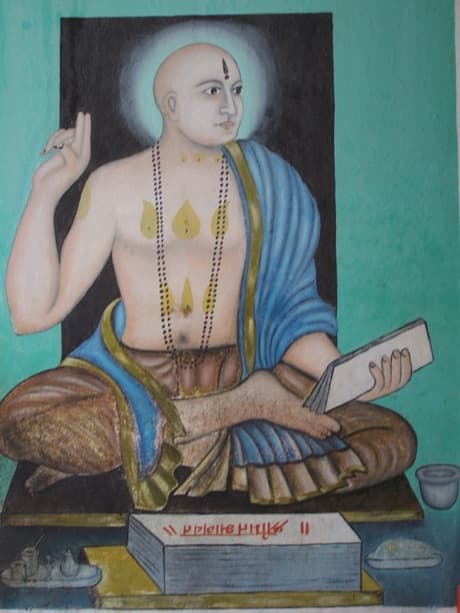
Madhvācārya · Dvaita
SanskritEnglish“पूर्वोक्तमेव ज्ञानं प्रपञ्चयति - यदादित्यगतम् | इत्यादिना |” – As was done earlier, he reveals the wisdom.
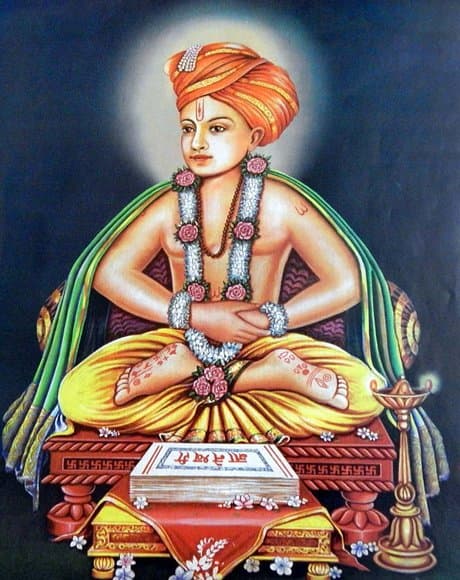
Jñāneśvar · Vārkarī
English12 "The radiance belonging to the Sun that illumines the entire world; that which is in the Moon, and in the Fire; that radiance, understand, is Mine own. (398) All radiance that illumines the entire structure of Universe including that of the Sun, is all Mine own, from the beginning to the end. On the Moon there is my radiance—the Moon that provides moisture to the universe, Oh Son of Pāndu, after it is dried up by the Sun (through the process of evaporation): and the intense heat in the fire, that burns and digests, is also Mine own.
Swami Ramsukhdas · Modern
English[It is a man's nature, that he is attracted towards a thing, which he feels as, significant. He is attached to material objects (body, wife, son and riches etc.,) by regarding these as significant. Therefore the Lord, in order to, efface the influence of worldly objects from the mind of the embodied soul, discloses the secret, that whatever significance or splendour there is, of those material objects, that is really (basically) His, as all of these are illumined, by His light as He is supremely glorious.]
**'Yadādityagatañ tejo jagadbhāsayate'khilam'**—As the Lord (in 2/55) declares, that desire resides in the mind so does He here declare, that light (splendour) resides in the sun. It means that as desires appear in the mind though they are not of the mind, so does the light appear that it is of the sun, though it is not, it comes from God.
The light (splendour), of the sun illumines the whole world, but that light is really God's, though it appears to be of the sun, as the sun cannot illumine God or His Supreme Abode. The great sage Patañjali, declares—
'God is the preceptor of the ancestor of all beings, because He transcends the limit of time' (Yogadarśana 1/26).
How much influential and unique, God must be when His light (splendour), is so unique, that with it the sun illumines the world and the same light is reflected in the moon, the fire, the stars and the lightning (electricity) etc.! By thinking so, a man is naturally attracted towards Him.
The sun is the presiding deity of eyes. Therefore, light (power of sight) in eyes, should also be regarded as God's (coming from Him).
**'Yaccandramasi'**—As the illuminating power, as well as, the burning power in the sun, is God's, so is illuminating power or the cooling power, as well as, the nourishing power, in the moon, is
God's; because, in the moon the light of the sun, is reflected.
Here, the moon also denotes, stars and planets.
The moon is the presiding deity of the mind. Therefore, light (power of thought), in the mind should also be regarded, as transmitted in succession from God.
'Yaccāgnau'—As the sun's light, is reflected in the fire, so is the fire's illuminating power, as well as, the burning power God's; rather than of the fire.
The fire, also denotes lightning (electricity), a lamp and fire-flies.
Fire, is the presiding deity of speech. Therefore, the light (power of explanation) in the speech, should also be regarded as God's.
'Tattejo vidhi māmakam'—The light, which resides in the sun, the moon and the fire and which illumines, other objects (stars, planets, lightning and fire-fly etc.,) should be regarded, as God's.
The Lord means, that whatever being or object there is glorious or splendid, and to which, a man is attracted, is a manifestation of a part, of His splendour (Gītā 10/41). As in sweetmeats, there is sweetness of sugar, so is the light (splendour), in the sun, the moon and the fire of God's. The whole world, is illumined by His light. He is the light, of all lights (Gītā 13/17).
The sun, the moon and the fire, are the presiding deities and illuminators respectively, of the eye, the mind and speech. A man, in order to express his thoughts or feelings and in order to understand them, has to use his eyes, mind and tongue. These three sense-organs, are more useful than other organs, in order to gain knowledge. Out of these three, the eye and the tongue, are external organs, while the mind is an internal one. These three instruments, (organs) can illumine only worldly objects. They cannot illumine God, because the light residing in them, is not theirs but is God's.
**Appendix**—God is the source of all powers. In this connection
there is an anecdote in the Kenopaniṣad. Once God got victory over demons for gods. But the gods became proud of their power for this victory. They thought that they could get victory over demons with their own power. In order to destroy their false pride, God revealed Himself before them as a 'Yakṣa' (demigod). Having seen the 'Yakṣa' the gods were surprised and began to think who he was? The gods sent the Fire-god to him so that they could know who he was. Yakṣa asked the Fire-god who he was? The Fire-god said, 'I am the famous Fire-god named 'Jātavcdā' and I can burn everything on the earth to ashes, if I so wish.' Then the demigod put a straw before him and asked him to burn it. The Fire-god made the best possible efforts but he could not burn it. Being ashamed of his failure, he returned to the gods and said that he could not know who that demigod was. Then the Wind-god approached him to know who he was. The demigod asked the Wind-god who he was. The Wind-god said, 'I am the famous Wind-god named 'Mātariśvā' and if I wish, I may blow off everything which is there on the earth.' Then the demigod put a straw before him and asked him to blow it off. The Wind-god could not blow it off in spite of applying his full power. Being ashamed of his failure, he returned to the gods and said that he could not know who the demigod was. Then gods commissioned Indra to Yakṣa in order to know who he was. As soon as Indra reached there, the demigod disappeared and in place of the demigod, Umādevī, the daughter of Himācala appeared. Having been asked by Indra, Umādevī replied that God revealed Himself in the form of a Yakṣa in order to crush their pride. It means that in the entire universe whatever power or speciality or singularity is perceived that has emanated only from God (Gītā 10/41).
*Link:—Having explained His light (splendour), in all the seen objects, in the preceding verse, in the next verse, He explains*
how His energy is energizing cosmic life.
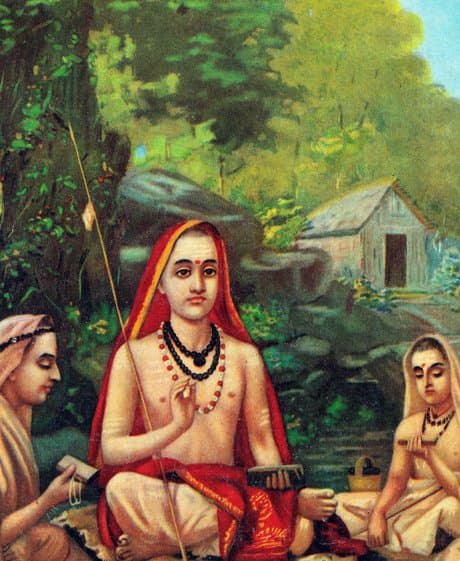
Ādi Śaṅkarācārya · Advaita
Sanskritयत् आदित्यगतं आदित्याश्रयम् । किं तत्? तेजः दीप्तिः प्रकाशः जगत् भासयते प्रकाशयति अखिलं समस्तम्; यत् चन्द्रमसि शशभृति तेजः अवभासकं वर्तते, यच्च अग्नौ हुतवहे, तत् तेजः विद्धि विजानीहि मामकं मदीयं मम विष्णोः तत् ज्योतिः । अथवा, आदित्यगतं तेजः चैतन्यात्मकं ज्योतिः, यच्चन्द्रमसि, यच्च अग्नौ वर्तते तत् तेजः विद्धि मामकं मदीयं मम विष्णोः तत् ज्योतिः ॥ ननु स्थावरेषु जङ्गमेषु च तत् समानं चैतन्यात्मकं ज्योतिः । तत्र कथं इदं विशेषणं -- ``यदादित्यगतम्'' इत्यादि । नैष दोषः, सत्त्वाधिक्यात् आविस्तरत्वोपपत्तेः । आदित्यादिषु हि सत्त्वं अत्यन्तप्रकाशम् अत्यन्तभास्वरम्; अतः तत्रैव आविस्तरं ज्योतिः इति तत् विशिष्यते, न तु तत्रैव तत् अधिकमिति । यथा हि श्लोके तुल्येऽपि मुखसंस्थाने न काष्ठकुड्यादौ मुखं आविर्भवति, आदर्शादौ तु स्वच्छे स्वच्छतरे च तारतम्येन आविर्भवति; तद्वत् ॥ किञ्च --
Ādi Śaṅkarācārya · Advaita
Hindiसबको प्रकाशित करनेवाली अग्नि, सूर्य आदि ज्योतियाँ भी जिस परमपदको प्रकाशित नहीं कर सकतीं, जिस परमपदको प्राप्त हुए मुमुक्षुजन फिर संसारकी ओर नहीं लौटते, जैसे घट आदिके आकाश महाकाशके अंश हैं, वैसे ही उपाधिजनित भेदसे विभिन्न हुए जीव, जिस परमपदके (कल्पित-भावसे) अंश हैं, उस परमपदका, सर्वात्मत्व और समस्त व्यवहारका आधारत्व बतलानेकी इच्छासे भगवान् चार श्लोकोद्वारा संक्षेपसे विभूतियोंका वर्णन करते हैं—
जो तेज-दीप्ति-प्रकाश सूर्यमें स्थित हुआ अर्थात् सूर्यके आश्रित हुआ समस्त जगत्को प्रकाशित करता है, जो प्रकाश करनेवाला तेज शशाङ्क—चन्द्रमामें स्थित है और जो अग्निमें वर्तमान है, उस तेजको तू मुझ विष्णुकी अपनी ज्योति समझ ।
अथवा जो तेज यानी चैतन्यमय ज्योति, सूर्यमें स्थित है, तथा जो चन्द्रमा और अग्निमें स्थित है, उस तेजको तू मुझ विष्णुकी स्वकीय (चेतनमयी) ज्योति समझ ।
पू०—वह चेतनमयी ज्योति तो चराचर, सभी पदार्थोंमें समानभावसे स्थित है, फिर यह विशेषता कैसे बतलायी कि 'जो तेज सूर्यमें स्थित हैं' इत्यादि ।
उ०—सत्त्व—स्वच्छताकी अधिकतासे उनमें अधिकता सम्भव होनेके कारण यह दोष नहीं है; क्योंकि सूर्य आदिमें सत्त्व—अत्यन्त प्रकाश अत्यन्त स्वच्छता है, अतः उनमें ही ब्रह्मज्योति अत्यन्त प्रत्यक्ष प्रतिभासित होती है, इसीसे उनकी विशेषता बतलायी गयी है। यह बात नहीं कि वहीँ कुछ ब्रह्मज्योति अधिक है ।
किं च पृथिव्यां जाता ओषधीः सर्वा ब्रीहियवाद्याः पुष्णामि पुष्टिमती रसस्वादुमतीः च करोमि सोमो भूत्वा रसात्मकः सोमः सर्व- रसात्मको रसस्वभावः सर्वरसानाम् आकरः सोमः स हि सर्वा ओषधीः स्वात्मरसानुप्रवेशेन पुष्णाति ॥ १३ ॥
जैसे संसारमें देखा जाता है कि समान भावसे सम्मुख—सामने स्थित होनेपर भी, काष्ठ या भित्ति आदिमें मुखका प्रतिबिम्ब नहीं दीखता, पर दर्पण आदि पदार्थमें, जो जितना स्वच्छ और स्वच्छतर होता है उसमें उसी तारतम्यसे, स्वच्छ और स्वच्छतर दीखता है, वैसे ही (इस विषयमें समझो)
Jñāneśvar · Vārkarī
Marathiतरी सूर्यासकट आघवी । हे विश्वरचना जे दावी । ते दीप्ति माझी जाणावी । आद्यंतीं आहे ॥ ३९८ ॥ जल शोषूनि गेलिया सविता । ओलांश पुरवीतसे जे माघौता । ते चंद्रीं पंडुसुता । ज्यो{त्}स्ना माझी ॥ ३९९ ॥ आणि दहन-पाचनसिद्धी । करीतसे जें निरवधी । ते हुताशीं तेजोवृद्धी । माझीचि गा ॥ ४०० ॥
Jñāneśvar · Vārkarī
Hindi(15.398) जिससे सूर्यसहित सम्पूर्ण विश्वरचना प्रकट होती है वह प्रकाश आदि से अन्त तक मेरा समझना चाहिए।
(15.399) सूर्य जल का शोषण कर अस्त हो जाता है, तदनन्तर जो फिर से आर्द्रता पहुँचती है वह हे पाण्डुसुत! चन्द्र में रहनेहारी मेरी ही कान्ति है।
(15.400) और जो निरन्तर दहन या पचन-क्रिया करती है वह अग्नि में रहनेहारी दीप्ति भी मेरी ही है।
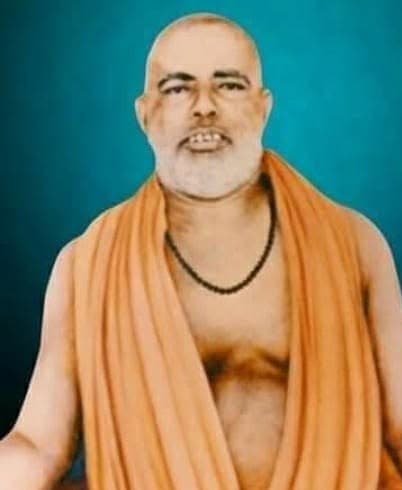
Sri Udiya Baba · Modern
Hindiसंगति— आगे चार श्लोकों से भगवान् अपनी सर्वरूपता बतलाते हैं। अहंयहोपासकों के लिये ये उनकी उपासना के संकेत भी हैं।
भावार्थ— जो सूर्यन्तर्गत तेज सम्पूर्ण जगत् को प्रकाशित करता है तथा जो तेज चन्द्रमा और अपने में है वह मेरा ही तेज समझो।
व्याख्या— सूर्य, चन्द्रमा और अग्नि में जो तेज है, जो कि सम्पूर्ण ब्रह्माण्ड को प्रकाशित करता है, वह मेरा ही है। वह मुझसे भिन्न नहीं है, मेरा ही स्वरूप है—ऐसा जानो। ऐसा भाव होने से साधक को यह चिन्ता नहीं होती कि मैंने यज्ञादि नहीं किये, क्योंकि वह देखता है कि सब कुछ करने वाला तो मैं ही हूँ।
Swami Ramsukhdas · Modern
Hindi[प्रभाव और महत्त्वको और आकर्षित होना जीवका स्वभाव है। प्राकृत पदार्थोंके सम्बन्धसे जीव प्राकृत पदार्थोंके प्रभावसे प्रभावित हो जाता है। कारण यह है कि प्रकृतिमें स्थित होनेके कारण जीवको प्राकृत पदार्थों-(शरीर, स्त्री, पुत्र, धन आदि-) का महत्त्व दीखने लगता है, भगवान्का नहीं। अतः जीवपर पड़े प्राकृत पदार्थोंका प्रभाव हटानेके लिये भगवान् अपने प्रभावका वर्णन करते हुए यह रहस्य प्रकट करते हैं कि उन प्राकृत पदार्थोंमें जो प्रभाव और महत्त्व देखनेमें आता है, वह वस्तुतः (मूलमें) मेरा ही है, उनका नहीं। सर्वोपरि प्रभावशाली मैं ही हूँ। मेरे ही प्रकाशसे सब प्रकाशित हो रहे हैं।]
**'यदादित्यगतं तेजो जगद्भासयतेऽखिलम्'**—जैसे भगवान्ने (गीता—दूसरे अध्यायके पचपनवें श्लोकमें)
कामनाओंको 'मनोगतान्' बताया है, ऐसे ही यहाँ तेजको 'आदित्यगतम्' बताते हैं। तात्पर्य यह है कि जैसे मनमें स्थित कामनाएँ मनका धर्म या स्वरूप न होकर आगन्तुक हैं, ऐसे ही सूर्यमें स्थित तेज सूर्यका धर्म या स्वरूप न होकर आगन्तुक है अर्थात् वह तेज सूर्यका अपना न होकर (भगवान्से) आया हुआ है।
सूर्यका तेज (प्रकाश) इतना महान् है कि सम्पूर्ण ब्रह्माण्ड उससे प्रकाशित होता है। ऐसा वह तेज सूर्यका दीखनेपर भी वास्तवमें भगवान्का ही है। इसलिये सूर्य भगवान्को या उनके परमधामको प्रकाशित नहीं कर सकता। महर्षि पतंजलि कहते हैं—
**पूर्वेषामपि गुरुः कालेनानवच्छेदात् ॥**
(योगदर्शन १। २६)
‘ईश्वर सबके पूर्वजोंका भी गुरु है; क्योंकि उसका कालसे अवच्छेद नहीं है।’
सम्पूर्ण भौतिक जगत्में सूर्यके समान प्रत्यक्ष प्रभावशाली पदार्थ कोई नहीं है। चन्द्र, अग्नि, तारे, विद्युत् आदि जितने भी प्रकाशमान पदार्थ हैं, वे सभी सूर्यसे ही प्रकाश पाते हैं। भगवान्से मिले हुए तेजके कारण जब सूर्य इतना विलक्षण और प्रभावशाली है, तब स्वयं भगवान् कितने विलक्षण और प्रभावशाली होंगे! ऐसा विचार करनेपर स्वतः भगवान्की तरफ आकर्षण होता है।
सूर्य ‘नेत्रों’ का अधिष्ठातृ-देवता है। अतः नेत्रोंमें जो प्रकाश (देखनेकी शक्ति) है वह भी परम्परासे भगवान्से ही आयी हुई समझनी चाहिये।
‘यच्चन्द्रमसि’—जैसे सूर्यमें स्थित प्रकाशिका शक्ति और दाहिका शक्ति—दोनों ही भगवान्से प्राप्त (आगत) हैं, ऐसे ही चन्द्रमाकी प्रकाशिका शक्ति और पोषण शक्ति—दोनों (सूर्यद्वारा प्राप्त होनेपर भी परम्परासे) भगवत्प्रदत्त ही हैं। जैसे भगवान्का तेज ‘आदित्यगत’ है, ऐसे ही उनका तेज ‘चन्द्रगत’ भी समझना चाहिये। चन्द्रमामें प्रकाशके साथ शीतलता, मधुरता, पोषणता आदि जो भी गुण हैं, वह सब भगवान्का ही प्रभाव है।
यहाँ चन्द्रमाको तारे, नक्षत्र आदिका भी उपलक्षण समझना चाहिये।
चन्द्रमा ‘मन’ का अधिष्ठातृ-देवता है। अतः मनमें जो प्रकाश (मनन करनेकी शक्ति) है, वह भी परम्परासे भगवान्से ही आयी हुई समझनी चाहिये।
‘यच्चाग्नी’—जैसे भगवान्का तेज ‘आदित्यगत’ है, ऐसे ही उनका तेज ‘अग्निगत’ भी समझना चाहिये। तात्पर्य यह है कि अग्निकी प्रकाशिका शक्ति और दाहिका शक्ति—दोनों भगवान्की ही हैं, अग्निकी नहीं।
यहाँ अग्निको विद्युत्, दीपक, जुगन् आदिका भी उपलक्षण समझना चाहिये।
**परिशिष्ट भाव**—परमात्मा ही सम्पूर्ण शक्तियोंके मूल हैं। इस विषयमें केनोपनिषद्की एक कथा है। एक बार परमात्माने देवताओंके लिये असुरोंपर विजय प्राप्त की। परन्तु इस विजयमें देवताओंने अपनी शक्तिका अभिमान कर लिया। वे समझने लगे हमने ही अपनी शक्तिसे असुरोंपर विजय प्राप्त की है। देवताओंके इस अभिमानको नष्ट करनेके लिये परमात्मा यक्षका रूप धारण करके उनके सामने प्रकट हो गये। यक्षको देखकर देवतालोग आश्चर्यचकित होकर विचार करने लगे कि यह यक्ष कौन है? उसका परिचय जाननेके लिये देवताओंने अग्निदेवको उसके पास भेजा। यक्षके पूछनेपर अग्निदेवने कहा कि मैं ‘जातवेदा’ नामसे प्रसिद्ध अग्निदेवता हूँ और मैं चाहूँ तो पृथ्वीमें जो कुछ है, उस सबको जलाकर भस्म कर सकता हूँ। तब यक्षने उसके सामने एक तिनका रख दिया और कहा कि तुम इस तिनकेको जला दो। अग्निदेव अपनी पूरी शक्ति लगाकर भी उस तिनकेको नहीं जला सका। वह लज्जित होकर देवताओंके पास लौट आया और बोला कि वह यक्ष कौन है—यह मैं नहीं जान सका। तब देवताओंने वायुदेवको यक्षके पास भेजा। यक्षके
अग्नि ‘वाणी’ का अधिष्ठातृ-देवता है। अतः वाणीमें जो प्रकाश (अर्थप्रकाश करनेकी शक्ति) है, वह भी परम्परासे भगवान्से ही आयी हुई समझनी चाहिये।
‘ततेजो विद्धि मामकम्’—जो तेज सूर्य, चन्द्रमा और अग्निमें है और जो तेज इन तीनोंके प्रकाशसे प्रकाशित अन्य पदार्थों (तारे, नक्षत्र, विद्युत्, जुगन् आदि)-में देखने तथा सुननेमें आता है, उसे भगवान्का ही तेज समझना चाहिये।
उपर्युक्त पदोंसे भगवान् यह कह रहे हैं कि मनुष्य जिस-जिस तेजस्वी पदार्थकी तरफ आकर्षित होता है, उस-उस पदार्थमें उसको मेरा ही प्रभाव देखना चाहिये (गीता—दसवें अध्यायका इकतालीसवाँ श्लोक)। जैसे बूँदीके लड्डूमें जो मिठास है, वह उसकी अपनी न होकर चीनीकी ही है, ऐसे ही सूर्य, चन्द्रमा और अग्निमें जो तेज है, वह उनका अपना न होकर भगवान्का ही है। भगवान्के प्रकाशसे ही यह सम्पूर्ण जगत् प्रकाशित होता है—‘तस्य भासा सर्वमिदं विभाति’ (कठोपनिषद् २। २। १५)। वह सम्पूर्ण ज्योतियोंकी भी ज्योति है—‘ज्योतिषामपि तज्ज्योतिः’ (गीता १३। १७)।
सूर्य, चन्द्रमा और अग्नि क्रमशः नेत्र, मन और वाणीके अधिष्ठाता एवं उनको प्रकाशित करनेवाले हैं। मनुष्य अपने भावोंको प्रकट करने और समझनेके लिये नेत्र, मन (अन्तःकरण) और वाणी—इन तीन इन्द्रियोंका ही उपयोग करता है। ये तीन इन्द्रियाँ जितना प्रकाश करती हैं, उतना प्रकाश अन्य इन्द्रियाँ नहीं करतीं। प्रकाशका तात्पर्य है—अलग-अलग ज्ञान कराना। नेत्र और वाणी बाहरी करण हैं तथा मन भीतरी करण है। करणोंके द्वारा वस्तुका ज्ञान होता है। ये तीनों ही करण (इन्द्रियाँ) भगवान्को प्रकाशित नहीं कर सकते; क्योंकि इनमें जो तेज या प्रकाश है, वह इनका अपना न होकर भगवान्का ही है।
पूछनेपर वायुदेवने कहा कि मैं 'मातरिश्वा' नामसे प्रसिद्ध वायुदेवता हूँ और मैं चाहूँ तो पृथ्वीमें जो कुछ है, उस सबको उड़ा सकता हूँ। तब यक्षने उसके सामने भी एक तिनका रख दिया और कहा कि तुम इस तिनकेको उड़ा दो। वायुदेव अपनी पूरी शक्ति लगाकर भी उस तिनकेको नहीं उड़ा सका। वह लज्जित होकर देवताओंके पास लौट आया और बोला कि मैं उस यक्षको नहीं जान सका। तब देवताओंने इन्द्रको उस यक्षका परिचय जाननेके लिये भेजा। परन्तु इन्द्रके वहाँ पहुँचते ही यक्ष अन्तर्धान हो गया और उस जगह हिमाचलकुमारी उमादेवी प्रकट हो गयीं। इन्द्रके पूछनेपर उमादेवीने कहा कि स्वयं परमात्मा ही तुमलोगोंका अभिमान दूर करनेके लिये यक्षरूपसे प्रकट हुए थे। तात्पर्य है कि सृष्टिमें जो भी बलवत्ता, विशेषता, विलक्षणता देखनेमें आती है, वह सब परमात्मासे ही आयी हुई है (गीता—दसवें अध्यायका इकतालीसवाँ श्लोक)।
सम्बन्ध—दृश्य (दीखनेवाले) पदार्थोंमें अपना प्रभाव बतानेके बाद अब भगवान् आगेके श्लोकमें जिस शक्तिसे समष्टि-जगत्में क्रियाएँ हो रही हैं, उस समष्टि-शक्तिमें अपना प्रभाव प्रकट करते हैं।
All the lights which illuminate all the worlds such as suns, moons, lightning, fire reflect the light of consciousness bestowed by the Supreme Lord Krishna as integral parts of creation.
His effulgence was bestowed upon them being pleased by their service of universal management and by the propitiation from their personified forms such as Surya the deva in charge of the sun, Agni the deva in charge of fire, Soma the deva in charge of the moon, etc.