

Bhagavad Gītā · Chapter 1 · Arjuna Viṣāda Yoga
अर्जुन उवाच
हृषीकेशं तदा वाक्यमिदमाह महीपते
सेनयोरुभयोर्मध्ये रथं स्थापय मेऽच्युत
arjuna uvāca
hṛṣīkeśaṃ tadā vākyamidamāha mahīpate|
senayorubhayormadhye rathaṃ sthāpaya me'cyuta||
Word meanings
for verses 1.21–1.22
अच्युत = O Acyuta (unfailing one)
उभयोः = of both
सेनयोः = of the two armies
मध्ये = in the middle
मे = my
रथम् = chariot
स्थापय = place/station
यावत् = as long as
अहम् = I
अवस्थितान् = stationed
एतान् = these
योद्धुकामान् = those wishing to fight
निरीक्षे = let me look at
अस्मिन् = in this
रणसमुद्यमे = war effort
मया = by me
कैः = with whom
सह = together with
योद्धव्यम् = is to be fought
Translation
Now, O lord of the earth, seeing your sons arrayed against him, and when missiles were ready to be hurled, Arjuna, son of Pandu, took up his bow and then addressed the following words to Sri Krsna; Krsna, place my chariot between the two armies.
verses 20–21
Commentary
The commentators seated around this verse

Rāmānuja · Viśiṣṭādvaita
EnglishOn verses 1.20–25

Jñāneśvar · Vārkarī
EnglishOn verses 1.21–1.24
21 "And then addressed these words, O Lord of the Earth, unto (Kṛṣṇa, the) Hṛṣikēśa: 'Station my chariot, O Acyuta, betwixt the two armies. 22 Whilst I just mark these that are arrayed, lusting for combat: (just mark) with whom I have to engage in this (impending) encounter. 23 "I shall just look upon these that have here foregathered ready for fight, and longing to achieve in battle what is dear to the evil-minded (Duryodhana), the son of Dhritarāṣṭra." 24 "(Kṛṣṇa, the) Hṛṣīkeśa, thus addressed, O Descendant of Bharata, by (Arjuna, the) Guḍākeśa, stationed that excellent chariot betwixt the two armies." (169)
Arjuna then said, "Lord, take my chariot and station it immediately betwixt the two armies so that I may in a moment make a survey of all the heroes that have arrived here for the battle. All seem to have come here, but I must see who are qualified to fight with me. Almost all—the impatient and bad-tempered—(appear) ambitious in mind for a fight without (possessing) bravery. They have great liking for warfare but lack the courage to stand on the battle-field." Having told thus to the king (Dhritarāṣṭra), hear now what Samjaya says further. Samjaya says: After Arjuna asked him thus, Lord Krishna drove the chariot on and stationed it betwixt the two armies. The chariot was stationed on the spot, where Arjuna saw facing him Bhishma, Drona, and others closely related.
Swami Ramsukhdas · Modern
EnglishOn verses 1.21–1.22
'Acyuta senayorubhayormadhye ratham sthāpaya'—The two armies were stationed at such a distance, from each other from where they could shoot arrows etc., at each other. Arjuna asked Lord Kṛṣṇa to place the chariot in the middle. It was middle in two ways (i) The middle of the breadth of the armies. (ii) The middle of the two armies viz., equidistant from the two armies should be the same. His purpose was to see the two armies, easily.
'Senayorubhayormadhye' has been used in the Gītā three times—here (in 1/21), in the twenty-fourth verse of this chapter and in the tenth verse of the second chapter. He uses this phrase three times, because the first time he asks Kṛṣṇa to place the chariot between the two armies (1/21), then Lord Kṛṣṇa placing the chariot between the two armies, tells Arjuna to behold the Kauravas (1/24) and afterwards, preaches the gospel to despondent Arjuna, right there (2/10). To begin with, Arjuna was valiant, but when he saw his kith and kin in battle array, he developed an attitude of disinterest being overtaken by attachment. Finally,
Lord Kṛṣṇa preached the gospel of the Gītā, which dispelled his attachment. It means, that a man in whatever circumstances he is, by making proper use of circumstances, can be free from desires and can realize God, because God (Paramātmā), always remains uniform in all circumstances.
'Yāvadetānnirīkṣe'ham...raṇasamudyame'—How long should the chariot be placed between the two armies? Arjuna says, 'Hold the chariot there, till I have carefully observed those war-minded kings with their armies, who are stationed in the army of Kauravas and with whom I have to wage war. Let me see the heroes, I have to encounter. Let me, also see which of them are inferior, superior and equal to me, in heroism.'
Here, by the phrase 'Yoddhukāmān,' Arjuna means to say, that they sent a proposal of conciliation, but the Kauravas did not accept it, as they had a keen desire to wage war. So, he wants to observe the warriors and their bravery, which makes them so confident to wage war.
Jñāneśvar · Vārkarī
Marathiते वेळीं अर्जुन म्हणतसे देवा । आतां झडकरी रथु पेलावा । नेऊनि मध्यें घालावा । दोहीं दळां ॥ १६९॥
Jñāneśvar · Vārkarī
Hindi(1.169) और श्रीकृष्ण से कहा - हे देव! अब रथ जल्दी से आगे बढ़ा कर दोनों सेनाओं के बीच खड़ा करो,
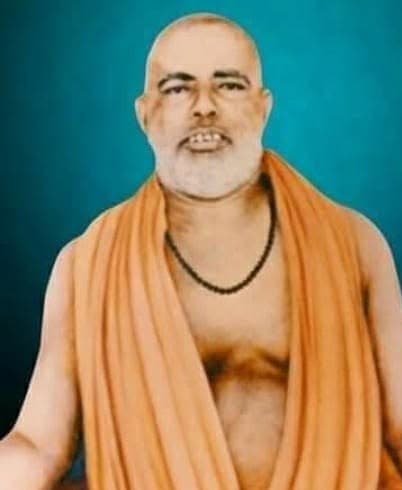
Sri Udiya Baba · Modern
HindiOn verses 1.21–1.22
अर्जुन ने कहा— अच्युत! मेरा रथ दोनों सेनाओं के मध्य में खड़ा कीजिये। जिससे कि युद्ध की इच्छा से स्थित हुए इन लोगों को मैं देख लूँ कि इस युद्ध क्षेत्र में मुझे किसके साथ युद्ध करना है।
Swami Ramsukhdas · Modern
HindiOn verses 1.21–1.22
‘अच्युत सेनयोरुभयोर्येभ्ये रथं स्थापय’—दोनों सेनाएँ जहाँ युद्ध करनेके लिये एक-दूसरेके सामने खड़ी थीं, वहाँ उन दोनों सेनाओंमें इतनी दूरी थी कि एक सेना दूसरी सेनापर बाण आदि मार सके। उन दोनों सेनाओंका मध्यभाग दो तरफसे मध्य था—(१) सेनाएँ जितनी चौड़ी खड़ी थीं, उस चौड़ाईका मध्यभाग और (२) दोनों सेनाओंका मध्यभाग, जहाँसे कौरव-सेना जितनी दूरीपर खड़ी थी, उतनी ही दूरीपर पाण्डव-सेना खड़ी थी। ऐसे मध्यभागमें रथ खड़ा करनेके लिये अर्जुन भगवान्से कहते हैं, जिससे दोनों सेनाओंको आसानीसे देखा जा सके।
‘सेनयोरुभयोर्येभ्ये’ पद गीतामें तीन बार आया है—यहाँ (१। २१ में), इसी अध्यायके चौबीसवें श्लोकमें और दूसरे अध्यायके दसवें श्लोकमें। तीन बार आनेका तात्पर्य है कि पहले अर्जुन शूरवीरताके साथ अपने रथको दोनों सेनाओंके बीचमें खड़ा करनेकी आज्ञा देते हैं (पहले अध्यायका इक्कीसवाँ श्लोक), फिर भगवान् दोनों सेनाओंके
बीचमें रथको खड़ा करके कुरुवंशियोंको देखनेके लिये कहते हैं (पहले अध्यायका चौबीसवाँ श्लोक) और अन्तमें दोनों सेनाओंके बीचमें ही विषादमग्न अर्जुनको गीताका उपदेश देते हैं (दूसरे अध्यायका दसवाँ श्लोक)। इस प्रकार पहले अर्जुनमें शूरवीरता थी, बीचमें कुटुम्बियोंको देखनेसे मोहके कारण उनकी युद्धसे उपरति हो गयी और अन्तमें उनको भगवान्से गीताका महान् उपदेश प्राप्त हुआ, जिससे उनका मोह दूर हो गया। इससे यह भाव निकलता है कि मनुष्य जहाँ-कहीं और जिस-किसी परिस्थितिमें स्थित है, वहाँ रहकर वह प्राप्त परिस्थितिका सदुपयोग करके निष्काम हो सकता है और वहाँ उसको परमात्माकी प्राप्ति हो सकती है। कारण कि परमात्मा सम्पूर्ण परिस्थितियोंमें सदा एकरूपसे रहते हैं।
‘यावदेतान्निरीक्षेऽहं... रणसमुद्यमे’—दोनों सेनाओंके बीचमें रथ कबतक खड़ा करें ? इसपर अर्जुन कहते हैं कि युद्धकी इच्छाको लेकर कौरव-सेनामें आये हुए सेनासहित जितने भी राजालोग खड़े हैं, उन सबको जबतक
* तदाहं बृहयिष्यामि स्वरवेण रवं तव। विजयस्य ध्वजस्थश्च नादान् मोक्ष्यामि दारुणान्॥
शत्रूणां ये प्राणहराः सुखं येन हनिष्यथ। (महाभारत, वन० १५१। १७-१८)
मैं देख न लूँ, तबतक आप रथको वहीं खड़ा रखिये। इस युद्धके उद्योगमें मुझे किन-किनके साथ युद्ध करना है? उनमें कौन मेरे समान बलवाले हैं? कौन मेरेसे कम बलवाले हैं? और कौन मेरेसे अधिक बलवाले हैं? उन सबको मैं जरा देख लूँ।
यहाँ 'योद्धुकामान्' पदसे अर्जुन कह रहे हैं कि हमने तो सन्धिकी बात ही सोची थी, पर उन्होंने सन्धिकी बात स्वीकार नहीं की; क्योंकि उनके मनमें युद्ध करनेकी ज्यादा इच्छा है। अतः उनको मैं देखूँ कि कितने बलको लेकर वे युद्ध करनेकी इच्छा रखते हैं।
After attentively surveying the army of the Kaurāvas arranged in battle formation, Arjuna, the son of Pāṇḍu on whose flag bears the image of Hanuman, who set the kingdom of Lanka ablaze, requested Lord Krishna to place their chariot between the two opposing armies.
Requested whom?
Arjuna requested no lesser personality than the Supreme Lord Himself, the treasure-house of such attributes as wisdom, strength, sovereignty, eternality, omnipotence and splendour.
Who by His will created the complete cosmic manifestation in its triple aspect of Inception, Preservation and Dissolution for His own pleasure as in sport, the Supreme Lord Krishna, Hriṣīkeśa, the master of the senses, the Supreme Controller, internally and externally of all living entities evolving and evolved.
Who, although the Supreme Lord of all, yet descended down to Earth out of His causeless mercy for the redemption of the faithful and even more, He condescended to be Arjuna's chariot driver,
carrying out his wish to station their chariot in such a commanding position as to be able to readily view the belligerent Kaurāvas and put within the range of his vision such heroes as Bhīshma-dēva, Droṇāchārya and Kripā and the Kings of royal dynasties.
At that time the Supreme Lord Krishna said to Arjuna: see what chances there are for the Kaurāvas victory over thee.