

Bhagavad Gītā · Chapter 12 · Bhakti Yoga
क्लेशोऽधिकतरस्तेषामव्यक्तासक्तचेतसाम्
अव्यक्ता हि गतिर्दुःखं देहवद्भिरवाप्यते
kleśo'dhikatarasteṣāmavyaktāsaktacetasām|
avyaktā hi gatirduḥkhaṃ dehavadbhiravāpyate||
Word meanings
अव्यक्तासक्तचेतसाम् = whose minds cling to the unmanifest
तेषाम् = for them
क्लेशः = hardship
अधिकतरः = greater
हि = for
देहवद्भिः = by the embodied
अव्यक्ता = the unmanifest
गतिः = the course
दुःखम् = with difficulty
अवाप्यते = is attained
Translation
Of course, the strain is greater for those who have their mind attached to the Unmanifest; for atonement with the Unmanifest is attained with difficulty by those who are centred in the body.
Commentary
The commentators seated around this verse

Rāmānuja · Viśiṣṭādvaita
English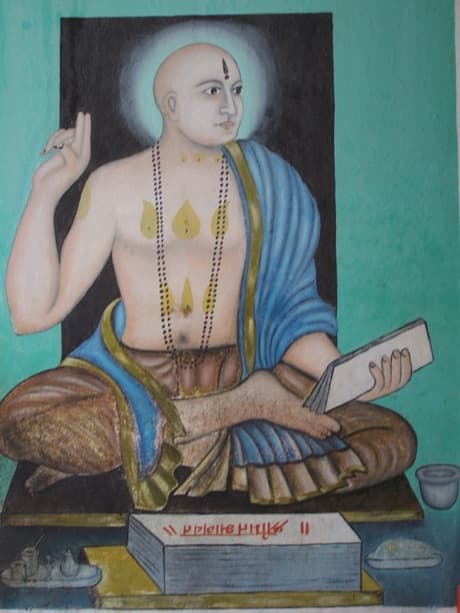
Madhvācārya · Dvaita
SanskritEnglish“कथं तर्हि त्वदुपासकानामुत्तमत्वम्? | इत्यत आह - क्लेश इति | अव्यक्ता गतिर्दुःखं ह्यवाप्यते ॥ गतिः मार्गः | अव्यक्तोपासनद्वारको मस्यापितमार्गो दुःखमप्यत इत्यर्थः | अतिशयोपासनसर्वेन्द्रिय अतिनियमनसर्वसम्बुद्धि सर्वभूतहितकरत्वातिसृष्टवाचारसम्यग् विष्णुभक्त्यादि साधनसन्दर्भमूतेनाव्यक्तापरोक्ष्यम् | तद्वृते च न विष्णुप्रसादः | सत्यपि तस्मिन् न सम्यग् भगवद् उपासनामूते | नर्ते च तं मोक्षः | विनाऽप्यव्यक्तोपासनं भवत्येव भगवद् उपासकानां मोक्ष इति क्लेशिष्टोऽयं मार्ग, इति भावः | तथाऽपि अपरोक्षीकृताव्यक्तानां सुकरं भगवदुपासनम् - इत्येतावत् प्रयोजनम् | तत्रापि योऽव्यक्तापरोक्ष्ये प्रयासस्तावता प्रयासेन यदि भगवन्तमुपास्ते, ऊनेन वा, तदा भगवदापरोक्ष्यमेव भवति | इति द्वितीयमधिकम् | इन्द्रियसंयमनाद्यूनभावे सति उपासकास्यापि देवी नातिप्रसदेमेति इति | देवस्तु तानि साधनानि भक्तिमतः स्वयमेवाप्रयत्नेन ददाति | इति चातिसोकर्यमिति भक्तानां भगवदुपासने | इतरत्र च क्लेशोऽधिकतरः | तदेतत् सर्वं पर्युपासते | सन्नियस्य अधिकतरः इति परि सन् तरप् शब्दैः प्रतीयते ॥”
- When inquired which among the two is the superior one to be followed, the difficulties of both are spoken. The path to the unmanifest is paved with difficulties. Here गतिः means the path. Therefore the path adopted by the worshippers of the unmanifest is difficult; this is the purport. Intense penance and meditation, ceaseless restraint of the senses, equitable attitude towards all, being ever engaged in the welfare of beings, pure in personal conduct, complete communion in Sri Vishnu - without these, there could never be realization of the unmanifest. Without the grace of the unmanifest (Sri Tatva), the grace of Sri Vishnu would not be possible. By propitiation of Sri alone, there would be no realization of the supreme Lord. Nor is there for him any deliverance. The intention is that without the grace of the supreme Lord, the propitiation of even the unmanifest (Sri) will not bring realization. The purport is that this path is difficult to be tread. Those who are graced by the unmanifest (Sri) the passage towards realization of the supreme Lord becomes easy. This is the beneficial manner to be adopted. Therefore, those who exert in propitiation of the unmanifest can with little effort propitiate the supreme Lord, which would bring them directly the desired result. In the case of propitiation of Sri, if there is any deficiency in the procedure or in restraining the senses etc. she may not be pleased. But in the case of the Resplendent Lord, He provides the devotees all the conveniences and all the assistance required on His own initiative. In all other cases the difficulties are more. This is shown by the use of the prefixes like परि सन् तरप् in the words पर्युपासते, सन्नियस्य अधिकतरः .
“सामवेदे साधुच्छन्दसशाखायां चोक्तम् - भक्ताश्च येऽतीव विष्णवतीव जितेन्द्रियाः सम्यगाचारयुक्ताः | उपासते तां समबुद्धयश्च तेषां देवी दृश्यते नेतरेषाम् | दृष्टा च सा भक्तिमतीव विष्णो दत्वोपास्तो सर्वविघ्नाश्छिन्ति | उपास्य तं वासुदेवं विदित्वा ततस्ततः शान्तिमत्यन्तमेति || इति || उक्तं च सामवेदे आयास्याशाखायाम् - प्रसन्नो भविता देवः सोऽव्यक्तेन सहैव तु | यावता तत्प्रसादो हि तावतैव न संशयः | न तत्प्रसादमात्रेण पीयते स महेश्वरः | तस्मिन् प्रीते तु सर्वस्य प्रीतिस्तु भवति ध्रुवम् | यद्यप्युपासनाधिक्यं तथाऽपि गुणदो हि सः | मुक्तिदश्च स एवैको नाव्यक्तादेस्तु कश्चन || इति || ममाऽत्मभावमिच्छन्तो यतन्ते परमात्मना | इति मोक्षधर्मे श्रीवचनम् || धर्मनित्ये महाबुद्धौ ब्रह्मण्ये सत्यवादिनि | प्रथिते दानशीले च सदैव निवसाम्यहम् || इति च ||” - “Those who, having proper restraint on the senses, having purity of behaviour, having equal disposition towards all beings have intense communion towards Sri Vishnu, by them Sri Devi is realized, not by others. Sri Devi who is thus realized will then grace these devotees of Sri Vishnu, by removing all the obstacles on their path. Thereafter meditating upon Sri Vasudeva he becomes a realized person and by His grace attains eternal peace”, thus in Madhuchhanda section of Samaveda. Similarly “It is sufficient if the Lord is propitiated by attuning to the grace of Sri”, thus in Madhuchhanda section of Samaveda. By the grace of Sri alone the great Lord will not be pleased but in His pleasure alone every one else is perpetually pleased. Even if, there is some laxity in His worship, one would not fail in succeeding. Because He alone is the giver of liberation, not the unmanifest one. Lord says to Lakshmi - “Those who are keen on liberation, will be devoted to the worship of the Supreme Self”, thus in Moksha Dharma.. “I am ever established in those who are devoted to the Perennial Principles, to the supreme wisdom, qualified to be established in Brahman, the truthful, humble, and charitable”, thus has Sri spoken.
“महतः परं तु ब्रह्मैव | तथाहि भगवता सयुक्तिकं अभिहितम् | वदतीति चेन्न प्राज्ञो हि, त्रयाणामेव चैवमुपन्यासः प्रश्नश्च | इत्यादि | तम् इति पुल्लिङ्गाच्चैतसिद्धिः | महत्परत्वं त्वव्यक्तपरस्य भवत्येव | तथाचाऽग्निवेश्यशाखायाम् - अनाद्यन्तं महतः परं ध्रुवं निचाय्य तं मृत्युमुखात् प्रमुच्यत इति | परो हि देवः पुरुहुतो महतः || इति | नचाव्यक्तस्वरूपं भगवता निषिद्धम् | भरतादौ साधितत्वात् | शरीररूपकविन्यस्तगृहितैः इत्यादौ तु साङ्ख्यप्रसिद्धं प्रधानं निषिद्धय वैदिकं अव्यक्तमेवोक्तम् | तथा च सौकरायणश्रुतिः - शरीररूपिका साऽशरीरस्य विष्णोर्वतः प्रिया सा जगतः प्रसूतिः | इति | सुवतानां क्षिप्रं महदेश्वर्यं देवी ददाति न देव | इति च विशेषः | सुवर्णवर्णां पद्मकरां च देवी सर्वेश्वरी व्याप्तजडां च बुद्ध्वा | सैवेति वै सुवतानां तु मासामहाभूतिं श्रीस्तु दद्यान्न देवः || इति ऋग्वैखिलेषु ||” - “Superior to Mahat is, verily, Brahman”, thus has also been explained by Bhagavan Veda Vyas (in Brahma Sutra) that the knowledge of the Resplendent Lord alone is the way for liberation. Three-fold were also the replies to the questions asked (by Nachiketa seeking peace towards his father, the heavenly rule and the knowledge of the Resplendent Lord). All the replies are relating to the masculine deity. Therefore, superior to mahat could only be that which is superior to the unmanifest (Prakriti). “Without beginning or without end is the mahat, the supreme, eternal, the Supreme Lord has been mentioned as superior to mahat principle” thus in Agniveshya section. It is not that Bhagavan Veda Vyasa has rejected the existence of the unmanifest (prakriti), because he alone has established the Prakriti Tatva in Mahabharat. The statement of Sankhyas giving independence to Prakriti has been rejected by him by citing the Vedic statements. Similarly in Saukarayani scripture – “The One with Form having been dearer to the Sri Vishnu who is formless became the cause of the world to be”. In propitiating Sri Devi, she grants all the resplendence and wealth sooner than would the Lord give. Thus in (subsidiary section of) Rigveda – “Knowing Sri, of the golden colour, having lotuses in hands, the Supreme deity, the presiding over the gross nature, who has enveloped everything, one should propitiate her. She will grant the sincere aspirant all the splendour and wealth; not so will the Lord Himself”.

Jñāneśvar · Vārkarī
English5 *'Theirs (however) is the greatest toil, since their thoughts are fixed upon the Unmanifest; for, passage into the Unmanifest is with difficulty attainable by those who are (trammelled) with this body.* (60)
There are (those) that wish to attain, without resorting to devotion, the (supportless and nonmanifest) essence which does good to all the living beings. But the office of God Indra delivers attacks on them (i.e. tempts them in order to cause their downfall), so also come in their way Riddhi and Siddhi (Goddesses of success and prosperity). The passions and anger cause them nuisance and they have got to fight them out, relying on the power of the great void, the Supreme Brahman. The thirst is required to be quenched with thirst only, and the hunger to be satisfied with hunger, and the wind has to be kept stirring up (blowing) with both the hands. They have to sleep in the Sun during day-time and to enjoy the happiness of the restraint of the senses and to form friendship with trees. They have to wear the cold and the heat (Sun) as garments, (i.e. expose their limbs to cold and heat) and live in a continuous drizzle of rain. In short, Oh Son of Pandu, this is somewhat like entering into a pyre (in the manner of a *sati*) by a woman without having a husband. Oh, in this path of Yoga (there is) nothing like serving the cause of the master, or any plea of observing the family rites and customs, but it involves a continuous struggle with death. Why should one take such boiling poison which is even more subtle than death itself? Would not the mouth get torn were one to try to swallow a hill? Therefore, those that follow this path of Yoga, have got to share the hardest lot of misery. Just you consider, were one, with mouth hollow without teeth, compelled to swallow a (grains of) gram of iron would that satisfy his hunger or put him to death? Is it possible for one to swim across the sea (solely) on the strength of his own arms? Is it ever possible to walk in the sky? Once one leaps into the arena of the battlefield, is it possible for him to ascend the steps of the Sun-region without receiving a single stick-blow (on his person)? Therefore, O Son of Pandu, just as it is impudent for a cripple to contest with the wind, similarly it is sheer fool-hardiness for an embodied being to worship the unmanifest. But those who venture and get themselves prepared to struggle with the great void (Supreme Brahman) have necessarily to suffer extreme misery. On the other hand, the other Yogins that have taken to the path of devotion are never called upon to experience such misery.
Swami Ramsukhdas · Modern
English'Kleśo'dhikatarasteṣāmavyaktāsaktacetasām'—Strivers whose
thoughts are set on the Unmanifest, are those who regard the worship of the attributeless Absolute as superior but whose minds have not entered the attributeless Absolute. In order to enter the Absolute, a striver should possess three qualities—interest (inclination), faith and qualification. Such strivers, having heard the glory of the Absolute, develop a bit of inclination and having faith, start the spiritual discipline; but because of identification of the self, with the body and because of lack of dispassion, their minds, do not comprehend the Absolute.
The Lord, in the twenty-seventh and the twenty-eighth verses of the sixth chapter, explains that a Yogī who has become one with God, experiences easily infinite bliss, viz., the Eternal (Brahma). But here, by the terms 'greater difficulty' He explains, that the minds of these strivers, unlike those, who have become one with God, have not got absorbed, in the Eternal. Their minds, are only attached to the Absolute. It means, that these remain attached to the bodies, but having heard the glory of worship of the Unmanifest, and regarding this worship as superior to others, they get attached to it. But attachment is always to the body not to the Unmanifest. It is atonement with the manifest or absorption in which involvements strain for such body-centred people.
In the fifth verse of the thirteenth chapter, as well as, in several other verses, the term 'Avyaktam' (unmanifest), has been used for Prakṛti (nature), while here in this verse, it stands for Brahma (the Eternal or the Absolute) Who is attributeless and formless. The reason is, that Arjuna, in the first verse of this chapter, put the question pertaining to the worship of God with attributes and form and also of Brahma the Imperishable and the Unmanifest. So here, it stands for the Eternal or the Absolute, rather than nature, because object of worship is God, not Nature.
In the fourth verse of the ninth chapter, the expression 'Avyaktamūrtinā, has been used, for the unmanifested form with attributes. So, a question may arise, that in this verse also, the
expression 'Avyaktāsaktacetāsām' may stand, for those whose minds are set on God, Who is unmanifest and endowed with attributes. But this interpretation is, also not proper, because in the first verse, the term 'Tvām', stands for God, Who is endowed with attributes and form while the term 'Avyaktam' and 'Akṣaram' stand, for the attributeless and formless Eternal (Absolute). What is Brahma? The Lord, has already answered the question in the third verse of the eighth chapter, by declaring that Brahma (the Absolute), is the Imperishable. There also, the term 'Imperishable' has been used for God, Who is attributeless and formless. Therefore, in response to Arjuna's question, in which he used the term 'unmanifest' and 'imperishable' the Lord answered, by using the term 'unmanifest' which stands for God, Who is attributeless and formless.
The expression 'Kleśo'dhikatarah', (difficulty is greater) primarily shows, that the imperishable (formless) Brahma, is very hard to reach, by those who are attached to their bodies.* Further, it shows, that all devotees, worshipping the attributeless Absolute, have to face great difficulty, than those who worship God with attributes, from the first stage, to the last one.
An Important Fact
Now, it is explained how the worship of God, Who is endowed with attributes, is easy, while the worship of attributeless God, is difficult.
Worship of God with attributes—
1. Such a striver can easily concentrate his senses and mind, on God, because He is with form and attributes. He can think of Him, listen to His life-story and pastimes and can adore Him
* Strivers are mainly of two types:—
First are those strivers who are inclined to the spiritual practice after listening to religious discourses, having good company and studying the scriptures. Such strivers face greater difficulty in spiritual practice.
easily, (Gītā 8/14). Therefore, there is less possibility of his dwelling on worldly objects.
2. It is attachment to the world, which causes difficulty in the spiritual path. Such a striver depends totally on God, as a kitten depends on its mother. For such a striver, God secures what is not already possessed, and preserves what he already possesses (Gītā 9/22). In the Mānasa also, it is mentioned that God, like a mother who looks after a child, cares for devotees, who worship Him and depending only on Him (3/43/2-3). So, they easily get rid of worldly attachment.
3. Such strivers, attain the Lord, quickly (without delay) (Gītā 12/7).
4. The Lord, Himself, destroys the darkness born of ignorance, of such strivers (Gītā 10/11).
5. The Lord, straightway delivers them from the ocean of death-bound existence (Gītā 12/7).
6. If devotees, take refuge in Him alone, the Lord by His grace, releases them from any subtle vice, if it subsists in them (Gītā 18/58, 66).
7. They have full faith in the Lord, Who pervades everywhere. It is because of their faith, that they take refuge in Him, and the Lord grants them the Yoga of Discrimination i.e., wisdom by which, they attain Him (Gītā 10/10).
8. They believe, that the Lord, is most gracious to all beings. So by His grace, they cross all obstacles and they quickly attain Him (Gītā 18/56—58).
9. No one can, ever remain even, for a moment, without doing work (Gītā 3/5). So a devotee has to offer those actions, to God. By doing so, he is easily liberated, from the bondage of actions (Gītā 18/46).
10. Such a striver, can easily renounce objects, by rendering service to others. He can renounce these more easily, if they are
offered to deserving persons, and much more easily, if they are offered to God.
11. Such a striver, needs love and faith, more than discrimination and dispassion. As Draupadī, had a feeling of enmity, towards the Kauravas, yet because of her faith in the Lord, He manifested Himself, before her, when she invoked Him.* The Lord, pays attention to the devotion and faith, of His devotees, rather than their defects. Everyone, can accept his affinity; for Him.
Worship of attributeless God—
1. For such a striver, it is extremely difficult to control a fickle and restless mind, and senses, on the attributeless and formless, Absolute. Because of the lack of any base and because of the lack of dispassion, there is greater possibility for a striver, to think of the sense-objects.
2. The difficulty is greater, for a striver who is attached to body. A striver, worshipping the attributeless Absolute, wants to get rid of this attachment, through discrimination, by depending upon his power, like a baby-monkey, which (by depending upon its strength) catches hold of its mother, in order to protect itself (Gītā 18/51—53). Therefore, in the Mānasa, the Lord compares the wise with an adult son, while a devout devotee, with a small son (3/43/4). Thus, by depending on his strength he is not free from attachment, easily.
3. In the Gītā, in the thirty-ninth verse of the fourth chapter, the term 'Acireṇa', refers to attainment of peace, after having gained Self-realization. It does not declare, that Self-realization is instantly, possible.
4. Devotees of the attributeless Absolute, attain to Him,
*This factor applies to those devotees who have a exclusive devotion to the Lord and depend only on Him. He manifests Himself before them as soon as they call Him. Moreover He shoulders their responsibility to remove their defects also.
with their own effort (Gītā 13/34).
5. They, themselves attain to His being (Gītā 5/24).
6. Such strivers, come to know their defects late, and they realize these with difficulty. But, having realized these properly, they can also remove them.
7. In the thirty-fourth verse of the fourth chapter and the seventh verse of the thirteenth chapter, the Lord has advised such devotees, to receive instructions, from a teacher, through devotion. In this discipline, a preceptor, is a must. Not being fully aware, of the perfection of a preceptor or the preceptor not being perfect, it becomes very difficult for strivers, to maintain their faith. Thus, it involves delay.
8. They cannot realize His grace, because they regard Him attributeless, formless and indifferent. So they don't realize His grace, and they have to overcome obstacles, by their own effort. Thus, Self-realization may be delayed.
9. A Jñānayogī, also offers his actions to Prakṛti. But, it can be done only, if his discrimination is fully aroused, otherwise he will be bound to action, by having a pride of doership.
10. It is very difficult, for such a striver to renounce objects, by regarding these as illusory, so long as, he has attraction for them, and has egoism and attachment for the so-called his body, and name.
11. Such a striver, attains the Absolute, only when he becomes qualified and deserving, by possessing discrimination and a burning dispassion, which cannot be cultivated, so long as, a devotee is attached to the world.
'Avyaktā hi gatiḍuḥkham dehavadbhiravāpyate'— Generally, the terms 'Dehī' and 'Dehabhṛt', stand for the embodied beings. They also stand, for the soul or self. Here, the term 'Dehavadbhiḥ*',
* Here according to the Pāṇini formula 'Matupa' is the prefix is Tadasāsyas minniti matup' (5/2/94). The term 'Dehavadbhiḥ' stands for those who have identified themselves with their bodies.
stands for those who identify themselves with their bodies, because in the first half of this verse the expression 'Avyaktāsaktacetasām' (whose minds are set on the unmanifested), has been used for strivers who worship the attributeless Brahma (the Absolute). It shows, that they regard worship of the attributeless Absolute, as superior to other worships, but their minds have not entered the Absolute, because of their identification with the bodies. It is because of their identification with their bodies, that they have to face greater difficulty.
In the worship of the attributeless Absolute, the main obstacle, is that a devotee identifies himself, with the body. So the term 'Dehavadbhih' has been used. In order to, remove this identification, the Lord has given his guidance in the thirteenth and the fourteenth chapters, though Arjuna did not put the question. The Lord, clearly explains, that a body (field), is different, from the soul (knower of the field) in the first verse of the thirteenth chapter, in order to remove the identification with body.
Here, the expression 'Avyaktā gatiḥ, has been used, to attain the goal, the attributeless and unmanifested Brahma. Common people, identify themselves, with bodies. So they face greater difficulty, in reaching the Unmanifested. If they cease to identify themselves with bodies, they can attain the goal of the Unmanifested, very easily and quickly.
Appendix—In the worship of the attributeless Brahma, the worshipper who identifies himself with the body is Jīva (the embodied Soul), and if he renounces this identification, he is the worshipped one (Brahma). The assumed affinity with the body is the main obstacle in the identification of the Self with Brahma. Therefore for the body-conscious beings, the allurement with the attributeless Absolute is difficult and is delayed. But in the worship of God endowed with attributes, disinclination for God, rather than identification with the body, is the obstacle. Therefore the striver, who worships God endowed with attributes, having
a disinclination for the world, inclines to God and instead of depending on the spiritual practice, depends on God. Therefore God delivers him quickly from the ocean of birth and death (Gītā 12/7, 8/14). This is the singularity of the worship to God endowed with attributes.
In this worship to God endowed with attributes, a devotee does not attach importance to the renunciation of the world, by regarding it as unreal, because he holds the insentient and the sentient, the real and the unreal—All is God only—‘sadasaccāhamarjuna’ (Gītā 9/19). Therefore worship of God endowed with attributes is the worship of entire God. In the Gītā, God endowed with attributes, has been regarded as ‘samagra’ (entire) and Brahma, Jīva, Karma, Adhibhūta, Adhidaiva and Adhiyajña—they are all within the entire God (Gītā 7/29-30). Therefore by reflecting upon the Gītā, it seems that worship of the attributeless Absolute (Brahma) is the worship of a fragment of entire God, and worship of God endowed with attributes (saguna) is the worship of entire God—‘tvām paryupāsate’ (Gītā 12/1), ‘mām dhyāyanta upāsate’ (12/6).
He, who worships a fragment of the entire (God), also finally attains the entire—‘te prāpnuvanti māmeva’ (Gītā 12/4), ‘tato mām tattvato jñātvā viśate tadanantaram’ (18/55). Therefore those who want to worship the attributeless (Absolute), may worship Brahma, but they should not slight God endowed with attributes. It is very dangerous (harmful) for the worshipper of attributeless God to slight, to blame and to refute saguna (attributes) viz., it is an obstacle for attaining perfection. The reason is that ‘aparā prakṛti’ belongs to God, therefore to blame it, means to blame God. By refuting the attributes, he accepts the existence of attributes, which is an obstacle, because without accepting their existence, what will be refuted? Therefore if a striver, without blaming and slighting the other strivers, practise spiritual discipline promptly, at last (finally) all strivers, become one because the Divinity is
one.* If a striver remains indifferent to 'saguna', he can attain salvation, but the differences in opinions cannot be wiped out. But if he pays heed to 'saguna', all differences come to an end and a striver attains the entire form of God.
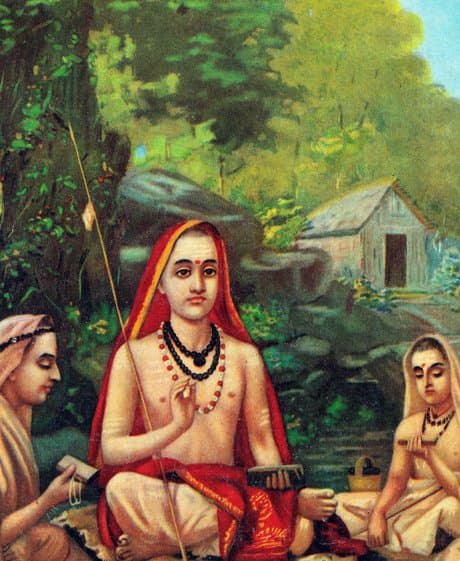
Ādi Śaṅkarācārya · Advaita
Sanskritक्लेशः अधिकतरः, यद्यपि मत्-कर्म-आदि-पराणां क्लेशः अधिकः एव क्लेशः अधिकतरः तु अक्षर-आत्मनां परमात्म-दर्शिनां देह-अभिमान-परित्याग-निमित्तः । अव्यक्त-आसक्त-चेतसां अव्यक्ते आसक्तं चेतः येषां ते अव्यक्त-आसक्त-चेतसः तेषां अव्यक्त-आसक्त-चेतसाम् । अव्यक्ता हि यस्मात् या गतिः अक्षर-आत्मिका दुःखं सा देहवद्भिः देह-अभिमानवद्भिः अवाप्यते, अतः क्लेशः अधिकतरः ॥ अक्षर-उपासकानां यत् वर्तनम्, तत् उपरिष्टात् वक्ष्यामः --
Ādi Śaṅkarācārya · Advaita
Hindi(उनको) क्लेश अधिकतर होता है। यद्यपि मेरे ही लिये कर्मादि करनेमें लगे हुए साधकोंको भी बहुत क्लेश होता है, परंतु जिनका चित्त अव्यक्तमें आसक्त है, उन अक्षरचित्तक परमार्थदर्शियोंको तो देहाभिमानका परित्याग करना पड़ता है, इसलिये उन्हें और भी अधिक क्लेश उठाना पड़ता है।
क्योंकि जो अक्षरात्मिका अव्यक्तगति है वह देहाभिमानयुक्त पुरुषोंको बड़े कष्टसे प्राप्त होती है, अतः उनको अधिकतर क्लेश होता है। उन अक्षरोपासकोंका जैसा आचार-विचार-व्यवहार होता है वह आगे ('अद्वेष्टा' इत्यादि श्लोकोंसे) बतलायेंगे
Jñāneśvar · Vārkarī
Marathiजिहीं सकळ भूतांचिया हितीं । निरालंबीं अव्यक्तीं । पसरलिया आसक्ती । भक्तीवीण ॥ ६० ॥ तयां महेन्द्रादि पदें । करिताति वाटवधें । आणि ऋद्धिसिद्धींचीं द्वंद्वें । पाडोनि ठाती ॥ ६१ ॥ कामक्रोधांचे विलग । उठावती अनेग । आणि शून्येंसीं आंग । झुंजवावें कीं ॥ ६२ ॥ ताहानें ताहानचि पियावी । भुकेलिया भूकचि खावी । अहोरात्र वावीं । मवावा वारा ॥ ६३ ॥ उनी दिहाचें पहुडणें । निरोधाचें वेल्हावणें । झाडासि साजणें । चाळावें गा ॥ ६४ ॥ शीत वेढावें । उष्ण पांघुरावें । वृष्टीचिया असावें । घरांआंतु ॥ ६५ ॥ किंबहुना पांडवा । हा अग्निप्रवेशु नीच नवा । भातारेंवीण करावा । तो हा योगु ॥ ६६ ॥ एथ स्वामीचें काज । ना वापिकें व्याज । परी मरणेंसीं झुंज । नीच नवें ॥ ६७ ॥ ऐसें मृत्यूहूनि तीख । कां घोंटे कढत विख । डोंगर गिळितां मुख । न फाटे काई ? ॥ ६८ ॥ म्हणौनि योगाचियां वाटा । जे निगाले गा सुभटा । तयां दुःखाचाचि शेलवांटा । भागा आला ॥ ६९ ॥ पाहें पां लोहाचे चणे । जैं बोचरिया पडती खाणें । तैं पोट भरणें कीं प्राणें । शुद्धी म्हणों ॥ ७० ॥ म्हणौनि समुद्र बाहीं । तरणे आथि केंही । कां गगनामाजीं पाईं । खोलिजतु असें ? ॥ ७१ ॥ वळघलिया रणाची थाटी । आंगीं न लागतां कांठी । सूर्याची पाउटी । कां होय गा ॥ ७२ ॥ यालागीं पांगुळा हेवा । नव्हे वायूसि पांडवा । तेवीं देहवंता जीवां । अव्यक्तीं गति ॥ ७३ ॥
ऐसाही जरी धिंवसा । बांधोनियां आकाशा । झोंबती तरी क्लेशा । पात्र होती ॥ ७४ ॥ म्हणौनि येर ते पार्था । नेणतीचि हे व्यथा । जे कां भक्तिपंथा । वोटंगले ॥ ७५ ॥
Jñāneśvar · Vārkarī
Hindi(12.60) जो सकल प्राणियों के कल्याण-कारक, आश्रय-रहित, अव्यक्त-पद में भक्ति के बिना आसक्ति रखते हैं,
(12.61) उनके मार्ग में महेन्द्र इत्यादि पद मारकरूप हो जाते हैं, और ऋद्धि-सिद्धि की जोड़ियाँ उनके मार्ग में रुकावट डालती हैं;
(12.62) उन्हें काम-क्रोधरूपी अनेक संकट पड़ते हैं, और शरीर से शून्य वस्तु के संग झगड़ना पड़ता है। (12.63) प्यास प्यास से ही बुझानी पड़ती है, भूख भूख से ही मिटानी पड़ता है, और रात और दिन हाथों से वायु मापनी पड़ती है।
(12.64) जागते हुए सोना, निरोध से क्रीड़ा करना, वृक्षों से हेलमेल कर आलाप करना,
(12.65) शीत पहनना, उष्णता ओढ़ना और वर्षा के घर में बसना,
(12.66) बहुत क्या कहें, हे पाण्डव! यह योग ऐसा है जैसा कि पति न रहने पर भी नित्य सती हो जाना।
(12.67) इसमें न किसी स्वामी का कार्य है, न कोई कुलपरम्परा का निमित्त है, परन्तु नित्य नई मृत्यु के साथ युद्ध करना है।
(12.68) इस प्रकार मृत्यु से भी तीखा अथवा उबलता हुआ विष क्या लीला जा सकता है? पर्वत को लीलते हुए क्या मुँह नहीं फटता?
(12.69) इसलिए हे सुभट! जो योग के मार्ग से चलते हैं उनके हिस्से में दुःख का ही भाग आता है।
(12.70) देखो, यदि पोपले मुँहवाले का लोहे के चने चबाने पड़े तो न जाने उसका पेट भरेगा कि मृत्यु हो जावेगी। (12.71) हाथों से तैर कर क्या कभी समुद्र पार किया जा सकता है, अथवा आकाश में क्या किसी से पैदल चलते बनता है?
(12.72) रणभूमि का आश्रय करने पर, शरीर पर चोट आये बिना क्या सूर्यलोक की प्राप्ति हो सकती है?
(12.73) अतएव पंगु जैसे वायु से स्पर्धा नहीं कर सकता, वैसे ही देहधारी जीवों को अव्यक्त की प्राप्ति नहीं हो सकती।
(12.74) यदि ऐसा भी धैर्य कर के कोई आकाश से झूमने की चेष्टा करें, अव्यक्त की प्राप्ति के लिए यत्न करें, तो वे क्लेश के पात्र बनते हैं।
(12.75) परन्तु हे पार्थ! जो लोग भक्ति-मार्ग का आश्रय करते हैं उन्हें यह दुःख नहीं होता।
Sri Udiya Baba · Modern
Hindiभावार्थ— अव्यक्त में आसक्तचित्त उन लोगों को कठिनता अधिक होती है, क्योंकि देहाभिमानी पुरुषों का अव्यक्त की ओर जाना कठिन है। [इससे सिद्ध होता है कि विवेकियों के लिये यह उपासना सुगम है।]
व्याख्या— अव्यक्त अर्थात् अभाव भी प्रत्यक्ष है, जैसे घटा-भाव सभी को प्रत्यक्ष होता है। हम सभी घट आदि किसी वस्तु के अभाव को जानते हैं, तभी तो कहते हैं कि अमुक वस्तु नहीं है। नैयायिकों ने अभाव को भी एक पदार्थ माना है। भाव सर्वदा अपने अभाव में रहता है, उसकी अपनी सत्ता नहीं होती।
प्रश्न— यदि भाव की सत्ता नहीं होती तो वास्तव में भाव है क्या? दूसरे लोग भी भाव को मिथ्या बताते हैं।
उत्तर— अरे! भाव या अभाव को मिथ्या तो परमार्थ-दृष्टि से कहा जाता है। भाव और अभाव दोनों प्रतीतियाँ हैं और व्यवहार-दृष्टि से सत्य भी है। परन्तु यह सत्य और मिथ्या का विवेचन तो दृष्टि-भेद से है। वस्तुतः तो सब कुछ वही है। भाव भी तो ज्ञान के ही अन्तर्गत है। ज्ञान समुद्र है तो भाव तरङ्ग है। तरङ्ग क्या समुद्र से भिन्न है। अतः सब ज्ञानमात्र है। पहले मकान संकल्प रूप में रहता है, फिर वही मूर्तरूप धारण करता है। इसी प्रकार भगवान् पहले भक्त की भावना में आते हैं फिर प्रत्यक्ष दर्शन देते हैं। इस प्रकार भावुक ही तो भगवद्गुण से सामने आता है और वह स्वयं ही अपनी अर्चना-वन्दना करता है। अतः तत्त्वदृष्टि से भक्त और भगवान् एक ही हैं तथा दोनों ही सत्य हैं। 'भाव' शब्द की निष्पत्ति सत्तावाचक 'भू' धातु से होती है। अतः इसे कल्पना या असत् नहीं कह सकते।
Swami Ramsukhdas · Modern
Hindi‘क्लेशोऽधिकतरस्तेषामव्यक्तासक्त- चेतसाम्’—अव्यक्तमें आसक्त चितवाले—इस विशेषणसे यहाँ उन साधकोंकी बात कही गयी है, जो निर्गुण-उपासनाको श्रेष्ठ तो मानते हैं, पर जिनका चित्त निर्गुण-तत्त्वमें आविष्ट नहीं हुआ है। तत्त्वमें आविष्ट होनेके लिये साधकमें तीन बातोंकी आवश्यकता होती है—रुचि, विश्वास और योग्यता। शास्त्रों और गुरुजनोंके द्वारा निर्गुण-तत्त्वकी महिमा सुननेसे जिनकी (निराकारमें आसक्त चितवाला होने और निर्गुण-उपासनाको श्रेष्ठ माननेके कारण) उसमें कुछ रुचि तो पैदा हो जाती है और वे विश्वासपूर्वक साधन आरम्भ भी कर देते हैं; परन्तु वैराग्यकी कमी और देहाभिमानके कारण जिनका चित्त तत्त्वमें प्रविष्ट नहीं होता—ऐसे साधकोंके लिये यहाँ ‘अव्यक्तासक्तचेतसाम्’ पदका प्रयोग हुआ है।
भगवान्ने छठे अध्यायके सताईसवें-अट्ठाईसवें श्लोकोंमें बताया है कि ‘ब्रह्मभूत’ अर्थात् ब्रह्ममें अभिनभावसे स्थित साधकको सुखपूर्वक ब्रह्मकी प्राप्ति होती है। परन्तु यहाँ इस श्लोकमें ‘क्लेशः अधिकतरः’ पदोंसे यह स्पष्ट किया है कि इन साधकोंका चित्त ब्रह्मभूत साधकोंकी तरह
निर्गुण-तत्त्वमें सर्वथा तल्लीन नहीं हो पाया है। अतः उन्हें अव्यक्तमें ‘आविष्ट’ चितवाला न कहकर ‘आसक्त’ चितवाला कहा गया है। तात्पर्य यह है कि इन साधकोंकी आसक्ति तो देहमें होती है, पर अव्यक्तकी महिमा सुनकर वे निर्गुणोपासनाको ही श्रेष्ठ मानकर उसमें आसक्त हो जाते हैं; जबकि आसक्ति देहमें ही हुआ करती है, अव्यक्तमें नहीं।
तेरहवें अध्यायके पाँचवें श्लोकमें ‘अव्यक्तम्’ पद प्रकृतिके अर्थमें आया है तथा और भी कई जगह वह प्रकृतिके लिये ही प्रयुक्त हुआ है; परन्तु यहाँ ‘अव्यक्तासक्तचेतसाम्’ पदमें ‘अव्यक्त’ का अर्थ प्रकृति नहीं, प्रत्युत निर्गुण-निराकार ब्रह्म है। कारण यह है कि इसी अध्यायके पहले श्लोकमें अर्जुनने ‘त्वाम्’ पदसे सगुण-साकार स्वरूपके और ‘अव्यक्तम्’ पदसे निर्गुण-निराकार स्वरूपके विषयमें ही प्रश्न किया है। उपासनाका विषय भी परमात्मा ही है, न कि प्रकृति; क्योंकि प्रकृति और प्रकृतिका कार्य तो त्याज्य है। इसलिये उसी प्रश्नके उत्तरमें भगवान्ने ‘अव्यक्त’ पदका (व्यक्तरूपके विपरीत) निर्गुण-निराकार स्वरूपके अर्थमें ही प्रयोग किया है। अतः यहाँ प्रकृतिका प्रसंग न होनेके कारण ‘अव्यक्त’ पदका अर्थ
प्रकृति नहीं लिया जा सकता।
नवें अध्यायके चौथे श्लोकमें 'अव्यक्तमूर्तिना' पद सगुण-निराकार स्वरूपके लिये आया है। ऐसी दशामें यह प्रश्न हो सकता है कि यहाँ भी 'अव्यक्तासक्तचेतसाम्' पदका अर्थ 'सगुण-निराकारमें आसक्त चित्तवाले पुरुष' ही क्यों न ले लिया जाय? परन्तु ऐसा अर्थ भी नहीं लिया जा सकता; क्योंकि इसी अध्यायके पहले श्लोकमें अर्जुनके प्रश्नमें 'त्वाम्' पद सगुण-साकारके लिये और 'अव्यक्तम्' पदके साथ 'अक्षरम्' पद निर्गुण-निराकारके लिये आया है। ब्रह्म क्या है?—अर्जुनके इस प्रश्नके उत्तरमें आठवें अध्यायके तीसरे श्लोकमें भगवान् बता चुके हैं कि 'परम अक्षर ब्रह्म है' अर्थात् वहाँ भी 'अक्षरम्' पद
निर्गुण-निराकारके लिये ही आया है। इसलिये अर्जुनने 'अव्यक्तम् अक्षरम्' पदोंसे जिस निर्गुण-ब्रह्मके विषयमें प्रश्न किया था, उसीके उत्तरमें यहाँ ('अक्षर' विशेषण होनेसे) 'अव्यक्त' पदसे निर्गुण-निराकार ब्रह्म ही लेना चाहिये, सगुण-निराकार नहीं।
'क्लेशोऽधिकृतः' पदका भाव यह है कि जिन साधकोंका चित्त निर्गुण-तत्त्वमें तल्लीन नहीं होता, ऐसे निर्गुण-उपासकोंको देहाभिमानके कारण अपनी साधनामें विशेष कष्ट अर्थात् कठिनाई होती है। गौणरूपसे इस पदका भाव यह है कि साधनाकी प्रारम्भिक अवस्थासे लेकर अन्तिम अवस्थातकके सभी निर्गुण-उपासकोंको सगुण-उपासकोंसे अधिक कठिनाई होती है।
विशेष बात
अब सगुण-उपासनाकी सुगमताओं और निर्गुण-उपासनाकी कठिनताओंका विवेचन किया जाता है—
सगुण-उपासनाकी सुगमताएँ
१—सगुण-उपासनामें उपास्यतत्त्वके सगुण-साकार होनेके कारण साधकके मन-इन्द्रियोंके लिये भगवान्के स्वरूप, नाम, लीला, कथा आदिका आधार रहता है। भगवान्के परायण होनेसे उसके मन-इन्द्रियाँ भगवान्के स्वरूप एवं लीलाओंके चिन्तन, कथा-श्रवण, भगवत्सेवा और पूजनमें अपेक्षाकृत सरलतासे लग जाते हैं (गीता—आठवें अध्यायका चौदहवाँ श्लोक)। इसलिये उसके द्वारा सांसारिक विषय-चिन्तनकी सम्भावना कम रहती है।
२—सांसारिक आसक्ति ही साधनमें क्लेश देती है। परन्तु सगुणोपासक इसको दूर करनेके लिये भगवान्के ही आश्रित रहता है। वह अपनेमें भगवान्का ही बल मानता
निर्गुण-उपासनाकी कठिनताएँ
१—निर्गुण-उपासनामें उपास्यतत्त्वके निर्गुण-निराकार होनेके कारण साधकके मन-इन्द्रियोंके लिये कोई आधार नहीं रहता। आधार न होने तथा वैराग्यकी कमीके कारण इन्द्रियोंके द्वारा विषय-चिन्तनकी अधिक सम्भावना रहती है।
२—देहमें जितनी अधिक आसक्ति होती है, साधनमें उतना ही अधिक क्लेश मालूम देता है। निर्गुणोपासक उसे विवेकके द्वारा हटानेकी चेष्टा करता है। विवेकका आश्रय लेकर साधन करते हुए वह अपने ही साधन-बलको महत्त्व देता है। बँदरीका छोटा बच्चा जैसे (अपने
* साधक मुख्यतः दो प्रकारके होते हैं—
एक तो वे साधक हैं, जो सत्संग, श्रवण और शास्त्राध्ययनके फलस्वरूप साधनमें प्रवृत्त होते हैं। इनको अपने साधनमें अधिक क्लेश होता है।
दूसरे वे साधक हैं, जिनकी साधनमें स्वाभाविक रुचि तथा संसारसे स्वाभाविक वैराग्य होता है। इनको अपने साधनमें कम क्लेश होता है।
यहाँ यह शंका हो सकती है कि साधक दो ही प्रकारके क्यों होते हैं? इसका समाधान यह है कि गीतामें योगभ्रष्ट पुरुषकी गतिके वर्णनमें भगवान्ने दो ही गतियोंका वर्णन किया है—
(१) कुछ योगभ्रष्ट पुरुष पुण्यलोकोंमें जाते हैं और वहाँ भोग भोगकर लौटनेपर शुद्ध आचरणवाले श्रीमानोंके घरमें जन्म लेते हैं और पुनः साधनरत होकर परमात्माको प्राप्त होते हैं (गीता—छठे अध्यायका इकतालीसवाँ, चौवालीसवाँ और पैतालीसवाँ श्लोक)।
(२) कुछ योगभ्रष्ट पुरुष सीधे ज्ञानवान् योगियोंके ही कुलमें जन्म लेते हैं और फिर साधन करके परमात्माको प्राप्त होते हैं। ऐसे कुलमें जन्म होना 'दुर्लभतर' है (गीता—छठे अध्यायका बयालीसवाँ-तैतालीसवाँ श्लोक)।
है। बिल्लीका बच्चा जैसे माँपर निर्भर रहता है, ऐसे ही यह साधक भी भगवानपर निर्भर रहता है। भगवान् ही उसकी सँभाल करते हैं (गीता ९। २२)।
सुनु मुनि तोहि कहउँ सहरोसा। भजहिं जे मोहि तजि सकल भरोसा॥ करउँ सदा तिन के रखवारी। जिमि बालक राखइ महतारी॥
(मानस ३। ४३। २-३)
अतः उसकी सांसारिक आसक्ति सुगमतासे मिट जाती है।
३—ऐसे उपासकोंके लिये गीतामें भगवान्ने 'नचिरात्' आदि पदोंसे शीघ्र ही अपनी प्राप्ति बतायी है (गीता—बारहवें अध्यायका सातवाँ श्लोक)।
४—सगुण-उपासकोंके अज्ञानरूप अन्धकारको भगवान् ही मिटा देते हैं (गीता—दसवें अध्यायका ग्यारहवाँ श्लोक)।
५—उनका उद्धार भगवान् करते हैं (गीता—बारहवें अध्यायका सातवाँ श्लोक)।
६—ऐसे उपासकोंमें यदि कोई सूक्ष्म दोष रह जाता है, तो (भगवानपर निर्भर होनेसे) सर्वज्ञ भगवान् कृपा करके उसको दूर कर देते हैं (गीता—अठारहवें अध्यायका अठ्ठावनवाँ और छाछठवाँ श्लोक)।
७—ऐसे उपासकोंकी उपासना भगवान्की ही उपासना है। भगवान् सदा-सर्वदा पूर्ण हैं ही। अतः भगवान्की पूर्णतामें किंचिन्मात्र भी संदेह न रहनेके कारण उनमें सुगमतासे श्रद्धा हो जाती है। श्रद्धा होनेसे वे नित्य-निरन्तर भगवत्प्रयाण हो जाते हैं। अतः भगवान् ही उन उपासकोंको बुद्धियोग प्रदान करते हैं, जिससे उन्हें भगवत्प्राप्ति हो जाती है (गीता—दसवें अध्यायका दसवाँ श्लोक)।
८—ऐसे उपासक भगवान्को परम कृपालु मानते हैं। अतः उनकी कृपाके आश्रयसे वे सब कठिनाइयोंको पार कर जाते हैं। यही कारण है कि उनका साधन सुगम हो जाता है और भगवत्-कृपाके बलसे वे शीघ्र ही भगवत्प्राप्ति कर लेते हैं (गीता—अठारहवें अध्यायके छप्पनवेंसे अठ्ठावनवे श्लोकतक)।
९—मनुष्यमें कर्म करनेका अभ्यास तो रहता ही है (गीता—तीसरे अध्यायका पाँचवाँ श्लोक), इसलिये भक्तको अपने कर्म भगवान्के प्रति करनेमें केवल भाव ही बदलना पड़ता है; कर्म तो वे ही रहते हैं। अतः भगवान्के लिये कर्म करनेसे भक्त कर्म-बन्धनसे सुगमतापूर्वक मुक्त हो
जाता है (गीता—अठारहवें अध्यायका छियालीसवाँ श्लोक)। बलपर निर्भर होनेसे अपनी माँको पकड़े रहता है और अपनी पकड़से ही अपनी रक्षा मानता है, ऐसे ही यह साधक अपने साधनके बलपर अपनी उन्नति मानता है (गीता—अठारहवें अध्यायके इक्यावनवेंसे तिरपनवें श्लोकतक)। इसीलिये श्रीरामचरितमानसमें भगवान्ने इसको अपने समझदार पुत्रकी उपमा दी है—
मोरें प्रौढ़ तनय सम ग्यानी। बालक सुत सम दास अमानी॥
(३। ४३। ४)
३—ज्ञानयोगियोंके द्वारा लक्ष्यप्राप्तिके प्रसंगमें चौथे अध्यायके उनतालीसवें श्लोकमें 'अचिरेण' पद तत्त्वज्ञानके अनन्तर शान्तिकी प्राप्तिके लिये आया है, न कि तत्त्वज्ञानकी प्राप्तिके लिये।
४—निर्गुण-उपासक तत्त्वज्ञानकी प्राप्ति स्वयं करते हैं (गीता—तेरहवें अध्यायका चौतीसवाँ श्लोक)।
५—ये अपना उद्धार (निर्गुण-तत्त्वकी प्राप्ति) स्वयं करते हैं (गीता—पाँचवें अध्यायका चौबीसवाँ श्लोक)।
६—ऐसे उपासकोंमें यदि कोई कमी रह जाती है, तो उस कमीका अनुभव उनको विलम्बसे होता है और कमीको ठीक-ठीक पहचाननेमें भी कठिनाई होती है। हाँ, कमीको ठीक-ठीक पहचान लेनेपर ये भी उसे दूर कर सकते हैं।
७—चौथे अध्यायके चौतीसवें और तेरहवें अध्यायके सातवें श्लोकमें भगवान्ने ज्ञानयोगियोंको ज्ञानप्राप्तिके लिये गुरुकी उपासनाकी आज्ञा दी है। अतः निर्गुण-उपासनामें गुरुकी आवश्यकता भी है; किंतु गुरुकी पूर्णताका निश्चित पता न होनेपर अथवा गुरुके पूर्ण न होनेपर स्थिर श्रद्धा होनेमें कठिनाई होती है तथा साधनकी सफलतामें भी विलम्बकी सम्भावना रहती है।
८—ऐसे उपासक उपास्य-तत्त्वको निर्गुण, निराकार और उदासीन मानते हैं। अतः उन्हें भगवान्की कृपाका वैसा अनुभव नहीं होता। वे तत्त्वप्राप्तिमें आनेवाले विघ्नोंको अपनी साधनाके बलपर ही दूर करनेमें कठिनाईका अनुभव करते हैं। फलस्वरूप तत्त्वकी प्राप्तिमें भी उन्हें विलम्ब हो सकता है।
९—ज्ञानयोगी अपनी क्रियाओंको सिद्धान्तः प्रकृतिके अर्पण करता है; किन्तु पूर्ण विवेक जाग्रत् होनेपर ही उसकी क्रियाएँ प्रकृतिके अर्पण हो सकती हैं। यदि
१०—हृदयमें पदार्थोंका आदर रहते हुए भी यदि वे प्राणियोंकी सेवामें लग जाते हैं तो उन्हें पदार्थोंका त्याग करनेमें कठिनाई नहीं होती। सत्याओंके लिये पदार्थोंके त्यागमें तो और भी सुगमता है। फिर भगवान्के लिये तो पदार्थोंका त्याग बहुत ही सुगमतासे हो सकता है।
११—इस साधनमें विवेक और वैराग्यकी उतनी आवश्यकता नहीं है, जितनी प्रेम और विश्वासकी है। जैसे, कौरवोंके प्रति द्वेष-वृत्ति रहते हुए भी द्रौपदीके पुकारनेमात्रसे भगवान् प्रकट हो जाते थे; क्योंकि वह भगवान्को अपना मानती थी। भगवान् तो अपने साथ भक्तके प्रेम और विश्वासको ही देखते हैं, उसके दोषोंको नहीं। भगवान्के साथ अपनापनका सम्बन्ध जोड़ना उतना कठिन नहीं (क्योंकि भगवान्की ओरसे अपनापन स्वतःसिद्ध
‘अव्यक्ता हि गतिर्दुःखं देहवद्भिरवाप्यते’—‘देही’, ‘देहभूत’ आदि पदोंका अर्थ साधारणतया ‘देहधारी पुरुष’ लिया जाता है। प्रसंगानुसार इनका अर्थ ‘जीव’ और ‘आत्मा’ भी लिया जाता है। यहाँ ‘देहवद्भिः’ पदका अर्थ ‘देहाभिमानी मनुष्य’ लेना चाहिये; क्योंकि निर्गुण-उपासकोंके लिये इसी श्लोकके पूर्वार्धमें ‘अव्यक्तासक्तचेतसाम्’ पद आया है, जिससे यह प्रतीत होता है कि वे निर्गुण-उपासनाको श्रेष्ठ तो मानते हैं; परन्तु उनका चित्त देहाभिमानके कारण निर्गुण-तत्त्वमें आविष्ट नहीं हुआ है। देहाभिमानके कारण ही उन्हें साधनमें अधिक क्लेश होता है।
निर्गुण-उपासनामें देहाभिमान ही मुख्य बाधा है—
**परिशिष्ट भाव**—निर्गुणोपासनामें जो देहसहित है, वह ‘उपासक’ (जीव) है और जो देहरहित है, वह ‘उपास्य’ (ब्रह्म) है। देहके साथ माना हुआ सम्बन्ध ही जीव और ब्रह्मकी एकतामें खास बाधक है। इसलिये देहाभिमानीके लिये निर्गुणोपासनाकी सिद्धि कठिनतासे तथा देरीसे होती है। परन्तु सगुणोपासनामें भगवान्की विमुखता बाधक है, देहाभिमान बाधक नहीं है। इसलिये सगुणोपासक संसारसे विमुख होकर भगवान्के सम्मुख हो जाता है, साधनके आश्रित न होकर भगवान्के आश्रित हो जाता है। अतः भगवान् कृपा करके उसका शीघ्र ही उद्धार कर देते हैं (गीता—बारहवें अध्यायका
१—यह बात उन भक्तोंके लिये है, जिनके स्मरणमात्रसे भगवान् प्रकट हो जाते हैं, सर्वसाधारणके लिये नहीं है। जो भक्त सर्वथा भगवान्पर निर्भर हो जाता है एवं जिसकी भगवान्के साथ इतनी प्रगाढ़ आत्मीयता होती है कि केवल स्मरणसे भगवान् प्रकट हो जाते हैं, उसके दोष दूर करनेका दायित्व भगवान्पर आ जाता है।
२—यहाँ ‘देह’ शब्दमें ‘भूमिनन्दाप्रशंसासु नित्ययोगेऽतिशायने। संसर्गेऽस्ति विवक्षायां भवन्ति मतुबादयः ॥’—इस कारिकाके अनुसार संसर्ग अर्थमें ‘तदस्यास्त्यस्मिन्निति मतुप्’ (५।२।९४), इस पाणिनिसूत्रसे ‘मतुप्’ प्रत्यय किया गया है। ‘देहवद्भिः’ पदका अर्थ है—वे मनुष्य, जिनका देहके साथ दृढ़तापूर्वक सम्बन्ध माना हुआ है।
छठे अध्यायके सत्ताईसवें श्लोकमें ‘ब्रह्मभूत’ होनेपर सुखपूर्वक ब्रह्मकी प्राप्ति बतायी गयी है, जबकि यहाँ ‘देहभूत’ होनेके कारण दुःखपूर्वक ब्रह्मकी प्राप्ति बतायी गयी है।
है), जितना कि पात्र बनना कठिन है। विवेककी किंचिन्मात्र भी कमी रही तो क्रियाएँ प्रकृतिके अर्पण नहीं होंगी और साधक कर्तृत्वाभिमान रहनेसे कर्म-बन्धनमें बँध जायगा।
१०—जबतक साधकके चित्तमें पदार्थोंका किंचिन्मात्र भी आदर तथा अपने कहलानेवाले शरीर और नाममें अहंता-ममता है, तबतक उसके लिये पदार्थोंको मायामय समझकर उनका त्याग करना कठिन होता है।
११—यह साधक पात्र बननेपर ही तत्त्वको प्राप्त कर सकेगा। पात्र बननेके लिये विवेक और तीव्र वैराग्यकी आवश्यकता होगी, जिनको आसक्ति रहते हुए प्राप्त करना कठिन है।
‘देहाभिमानिनि सर्वे दोषाः प्रादुर्भवन्ति’—इस बाधाकी ओर ध्यान दिलानेके लिये ही भगवान्ने ‘देहवद्भिः’ पद दिया है। इस देहाभिमानको दूर करनेके लिये ही (अर्जुनके पूछे बिना ही) भगवान्ने तेरहवाँ और चौदहवाँ अध्याय कहा है। उनमें भी तेरहवें अध्यायका प्रथम श्लोक देहाभिमान मिटानेके लिये ही कहा गया है।
ब्रह्मके निर्गुण-निराकार स्वरूपकी प्राप्तिको यहाँ ‘अव्यक्ता गतिः’ कहा गया है। साधारण मनुष्योंकी स्थिति व्यक्त अर्थात् देहमें होती है। इसलिये उन्हें अव्यक्तमें स्थित होनेमें कठिनाईका अनुभव होता है। यदि साधक अपनेको देहवाला न माने, तो उसकी अव्यक्तमें सुगमता और शीघ्रतापूर्वक स्थिति हो सकती है।
सातवाँ और आठवाँ अध्यायका चौदहवाँ श्लोक। यह सगुणोपासनाकी विलक्षणता है!
सगुणोपासनामें भक्त जगत्को मिथ्या मानकर उसके त्यागपर जोर नहीं देता; क्योंकि उसकी दृष्टिमें जड़-चेतन, सत्-असत् सब कुछ भगवान् ही हैं—‘सदसच्चाहमर्जुन’ (गीता ९। १९)। इसलिये सगुणकी उपासना समग्रकी उपासना है। गीताने सगुणकी समग्र माना है और ब्रह्म, जीव, कर्म, अधिभूत, अधिदैव और अधियज्ञ—इन सबको समग्र भगवान्के ही अन्तर्गत माना है (गीता—सातवाँ अध्यायका उन्तीसवाँ-तीसवाँ श्लोक)। इसलिये गीताको देखनेसे ऐसा प्रतीत होता है कि निर्गुणोपासना (ब्रह्मकी उपासना) समग्र भगवान्के एक अंगकी उपासना है और सगुणोपासना स्वयं समग्र भगवान्की उपासना है—‘त्वां पर्युपासते’ (गीता १२। १), ‘मां ध्यायन्त उपासते’ (१२। ६)।
जो समग्र, भगवान्के एक अंगकी उपासना करता है, उसको भी अन्तमें समग्रकी प्राप्ति होती है—‘ते प्राप्नुवन्ति मामेव’ (गीता १२। ४), ‘ततो मां तत्त्वतो ज्ञात्वा विशते तदनन्तरम्’ (१८। ५५)। अतः जिसको निर्गुण अच्छा लगता हो, वह निर्गुणकी उपासना करे, पर उसको निर्गुणका आग्रह रखकर सगुणका तिरस्कार नहीं करना चाहिये। सगुणका तिरस्कार, निन्दा, खण्डन करना निर्गुणोपासकके लिये बहुत घातक है अर्थात् उसकी साधनाके सिद्ध होनेमें बहुत बाधक है। कारण कि अपरा प्रकृति भगवान्की है; अतः उसकी निन्दा करनेसे वह भगवान्की निन्दा होती है। गुणोंका खण्डन करनेसे गुणोंकी सत्ता आ जाती है, जो बाधक होती है; क्योंकि सत्ता माने बिना साधक निराकरण किसका करेगा? अतः साधक यदि दूसरेकी निन्दा, तिरस्कार न करके तत्परतापूर्वक अपने साधनमें लगा रहे तो आगे चलकर सभी साधक एक हो जाते हैं; क्योंकि तत्त्व एक ही है। सगुणकी उपेक्षा करनेसे साधक मुक्त तो हो सकता है, पर मतभेद नहीं मिट सकता। परन्तु सगुणकी उपेक्षा न रहनेसे मतभेद भी नहीं रहता और साधकको समग्रकी प्राप्ति हो जाती है।
Whosoever devotes themselves to contemplation of the ātma will certainly prāpnuvanti or attain the Supreme Lord
which means that by realisation of the ātma is essentially realising of the essence of the Supreme Lord which is like unto His essence as paramātma the Supreme Soul within the etheric heart of all living entities.
This is what is affirmed later in chapter 14, verse 2 with the words:
“Those who meditate on the Imperishable Principle (individual Self) in this way, even they come to Me —this means that they realise that the Jīva is not subject to birth and death and is of a similar nature to Myself.”
Śrī Krishna will refer to “those who have attained similar qualities to me” (14.2).
The Muṇḍaka Upaniṣad states:
[the enlightened one] ‘untainted, attains the highest degree of equality’ (Mun.Up., 3.1.3).
Accordingly Krishna will declare [in 15.16-17] that the Supreme Brahman is different from the liberated Jīva devoid of modification and here denoted by the terms “Imperishable” (Akṣara), and “unchanging” (Kūṭasthā) —“The Highest Person is other than this Imperishable”.
In the teaching of the Imperishable Doctrine (Akṣara-vidyā of Muṇḍaka Upanishad 1:1) what is designated by the term Akṣara is the Supreme Brahman Himself; for He is the source of all created beings.
“Now that higher science by which that Akṣara is known” (Mun. Up., 1.5)
Greater is the vexation of those whose minds are attached to the unmanifest —
“the path of the unmanifest” consists of directing the thought process at the unmanifest as its objective.
It is accomplished only with difficulty by embodied beings, who are under the delusion that the body is the Self. For, embodied beings [generally] identify the Self with the physical body.
Sri Krishna now teaches very clearly how devotees are the wisest of seekers:—