

Bhagavad Gītā · Chapter 12 · Bhakti Yoga
यो न हृष्यति न द्वेष्टि न शोचति न काङ्क्षति
शुभाशुभपरित्यागी भक्तिमान्यः स मे प्रियः
yo na hṛṣyati na dveṣṭi na śocati na kāṅkṣati|śubhāśubhaparityāgī bhaktimānyaḥ sa me priyaḥ||
Word meanings
यः = who
न = not
हृष्यति = rejoices
न = nor
द्वेष्टि = hates
न = nor
शोचति = grieves
न = nor
काङ्क्षति = desires
यः = who
परित्यागी = renouncing both good and evil
Translation
He who neither rejoices nor hates, nor grieves, nor desires and who renounces both good and evil actions and is full of devotion, is dear to Me.
Commentary
The commentators seated around this verse
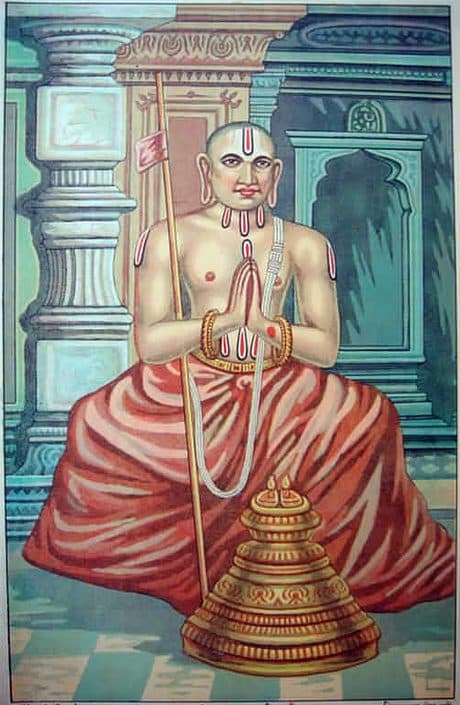
Rāmānuja · Viśiṣṭādvaita
English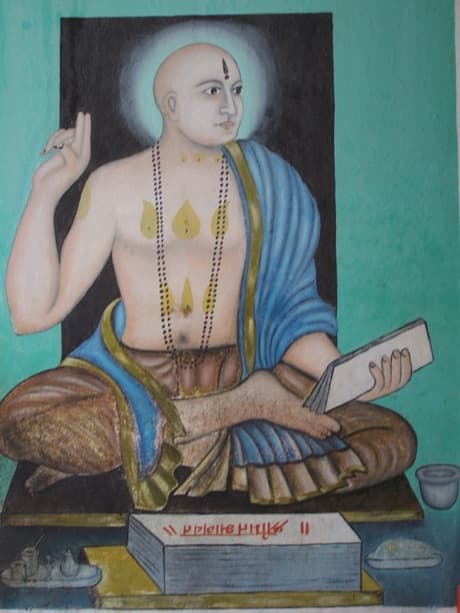
Madhvācārya · Dvaita
SanskritEnglishOn verses 12.17–12.18
“भक्तिं ज्ञानं च वैराग्यमृते यो नेच्छति क्वचित् । शुभाशुभपरित्यागी विद्वद्भिः कीर्तितो हि सः ॥ इति च । प्रायः सुखादिषु समः प्रायो हर्षादिवर्जितः । तथोच्यते यथाऽल्पस्वो निःस्व इत्युच्यते जनः । नहि मुख्यतया साम्यं कस्यचित् सुखदुःखयोः । न च हर्षादिसन्त्यागो यावन्मुक्तिः कृतश्चन ॥ इति च । हर्तिमदादधर्मापय हर्षो नाम प्रकीर्तितः । इति शब्दनिर्णये ॥” - He who does not desire anything besides devotion, wisdom and detachment is for the one who renounces merits as well as demerits. Like those who have little wealth being called 'one without wealth' by normal people, those who are same in happiness and misery are also often called ones wanting in joys. Primarily there is no connection or relationship between happiness and misery nor is there complete renunciation of joys etc. till one is fully liberated. When the mind is attracted towards unrighteousness it is said to be Joy, by Shabda Nirnaya. Therefore, even Joy may be considered as a defect.
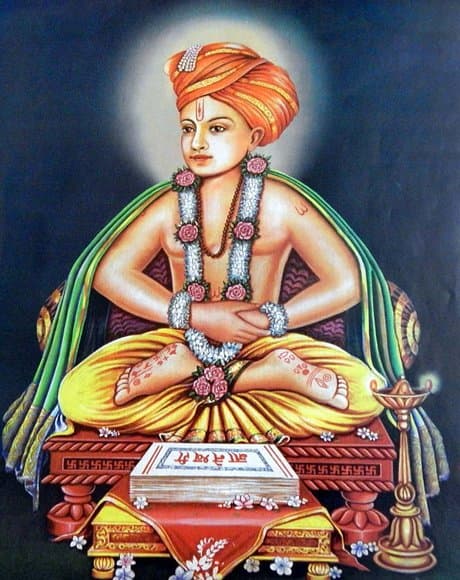
Jñāneśvar · Vārkarī
English17 "He who is not elated—does not hate—does not grieve does not yearn, renouncing (alike) the good and the evil: He that is (thus) full of devotion, is dear unto Me: (190)
One who considers nothing as good as the attainment of the Supreme, and therefore, does not feel (derive) any delight from the enjoyment of the sense-objects; one in whom no hatred finds any room since all distinction has vanished for him on account of the knowledge (he has secured) that he himself is the entire universe: one who never grieves for the past (or for the lost) in the full confidence that what is really his own would not be lost even at the end of the Kalpa (a day of God Brahmdev—432 Million years of mortals): one who never aspires for anything, since there already exists within his own-self, that beyond which there exists nothing: one never feels any distinction such as 'good or bad', in the way there is nothing like night or day with the Sun. Such a one who has become the very knowledge incarnate, and has besides been my loving devotee there is nothing so dear to me as this devotee, and taking an oath in your name, I am telling you this real truth.
Swami Ramsukhdas · Modern
English'Yo na hṛṣyati na dveṣṭi na śocati na kāṅkṣati'—There are four important demerits—(1) attachment, (2) aversion (hate), (3) rejoicing and (4) grief. An enlightened devotee, is free from these four evils. He realizes that the world, being perishable has no independent existence. He (the self), being a fragment of God, is imperishable. So, he instead of having his affinity, for the changing world, accepts his affinity for God, which is eternal.
Thus, his mind is totally free from such evils, as attachment and aversion etc.
During spiritual practice, the more one advances towards spiritualism, the less attachment and aversion, he has. When he attains perfection, these evils perish totally.
A common man, rejoices when he acquires desirable objects and gets rid of undesirable ones, while he grieves when he gets undesirable objects or is likely to get them, or loses desirable ones. An enlightened devotee, remains even-minded and free from evils, such as attachment and aversion etc.
At night, in the dark, a person wishes to light a lamp and he feels happy having lighted it. He hates a person or becomes angry with him, who extinguishes the light, and is worried as to how to light it again. But, at noon, when the sun shines brightly, he has neither a desire to light the lamp, or is rejoiced having lighted it, nor is angry with a man, who extinguishes it nor is worried how to light it again. Similarly, when a man has a disinclination for God and inclination for the world he desires favourable circumstances, to maintain his body etc., he is rejoiced having acquired these, hates those or is angry with those, who are an obstacle to their acquisition and is worried how to acquire them again if these are not acquired. But, he who (like the sun at noon) has attained perfection, becomes free from these evils. He has no desire at all, and so he has no need for the world.
‘Subhāsubhaparityāgī’—All actions, of a devotee, change into inaction, because he is free from a sense of mine, attachment, and desire for fruit. So, his good actions, also change into inaction. Evil actions, are not performed by him, because he is totally free, from attachment, aversion and desire etc., which influence a man to perform evil actions.
He is neither attached to good actions, nor has an aversion for evil ones. Only virtuous actions, prescribed by scriptures are performed, by him while forbidden actions, are renounced
by him, without having any attachment or aversion for them. A real renouncer, is he who has totally renounced attachment and aversion for them.
It is not actions, but attachment and aversion, which bind a man. As a perfect devotee, is free from attachment and aversion, he is said to have renounced good and evil deeds.
It may also mean, he is a renouncer of the fruit of good and evil, actions. But this idea has already been expressed in the first half of this verse, when the Lord declares, 'He neither rejoices nor hates, neither grieves nor desires.' If this meaning is taken, then there is a repetition, of the same idea. Therefore, here it should mean, renouncement of attachment and aversion for good and evil actions.
'Bhaktimānyaḥ sa me priyaḥ'—A devotee loves God, very much and so he naturally thinks of Him, remembers Him and adores Him. Such a devotee has been called a 'Bhaktimān' (full of devotion).
A devotee, has an exclusive devotion for God, therefore he is loved by Him.
**Appendix**—Joy (hṛṣyati) and grief (śocati), attachment (kāṅkṣati) and aversion (dveṣṭi)—these are dualities (pairs of opposites). A devotee remains free from these dualities. In 'Nārāḍa bhaktisūtra' it is mentioned—'yatprāpya na kiñcidvāñchati na śocati na dveṣṭi na ramate notsāhi bhavati' (5).
'Having attained devotion, a devotee neither desires anything nor grieves nor hates nor is attached to anything and having obtained a thing, he is not encouraged (rejoiced).'
*Link:—In the fifth and last group, which consists of the next two verses, the Lord mentions ten marks, of a perfect devotee.*
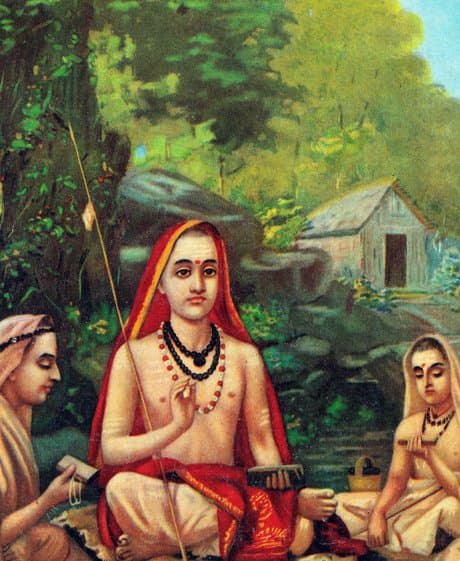
Ādi Śaṅkarācārya · Advaita
Sanskritयः न हृष्यति इष्ट-प्राप्तौ, न द्वेष्टि अनिष्ट-प्राप्तौ, न शोचति प्रिय-वियोगे, न च अप्राप्तं काङ्क्षति, शुभ-अशुभे कर्मणी परित्यक्तुं शीलं अस्य इति शुभ-अशुभ-परित्यागी भक्तिमान् यः सः मे प्रियः ॥
Ādi Śaṅkarācārya · Advaita
Hindiजो इष्ट वस्तुकी प्राप्तिमें हर्ष नहीं मानता, अनिष्टकी प्राप्तिमें द्वेष नहीं करता, प्रिय वस्तुका वियोग होनेपर शोक नहीं करता और अप्राप्त वस्तुकी आकाङ्क्षा नहीं करता, ऐसा जो शुभ और अशुभ कर्मोंका त्याग कर देनेवाला भक्तिमान् पुरुष है वह मेरा प्यारा है
Jñāneśvar · Vārkarī
Marathiजो आत्मलाभासारिखें । गोमटें कांहींचि न देखे । म्हणौनि भोगविशेखें । हरिखेजेना ॥ १९० ॥ आपणचि विश्व जाहला । तरी भेदभावो सहजचि गेला । म्हणौनि द्वेषु ठेला । जया पुरुषा ॥ १९१ ॥ पैं आपुलें जें साचें । तें कल्पांतींहीं न वचे । हें जाणोनि गताचें । न शोची जो ॥ १९२ ॥ आणि जयापरौतें कांहीं नाहीं । तें आपणपेंचि आपुल्या ठायीं । जाहला यालागीं जो कांहीं । आकांक्षी ना ॥ १९३ ॥ वोखटें कां गोमटें । हें काहींचि तया नुमटे । रात्रिदिवस न घटे । सूर्यासि जेवीं ॥ १९४ ॥ ऐसा बोधुचि केवळु । जो होवोनि असे निखळु । त्याहीवरी भजनशीळु । माझ्या ठायीं ॥ १९५ ॥ तरी तया ऐसें दुसरें । आम्हां पढियंतें सोयरें । नाहीं गा साचोकारें । तुझी आण ॥ १९६ ॥
Jñāneśvar · Vārkarī
Hindi(12.190) जो आत्मलाभ के समान और कुछ भी उत्तम नहीं समझता, इसलिए जिसे किसी भोगविशेष से सन्तोष नहीं होता;
(12.191) आप ही विश्वमय हो गया है और भेदभाव सहज ही नष्ट हो गया है इसलिए जिस पुरुष का द्वेष चला गया है;
(12.192) जो वस्तु वास्तव में अपनी है वह कल्पान्त में भी नहीं जाती, यह जान कर जो गत वस्तु का शोच नहीं करता,
(12.193) और जिसके परे कुछ नहीं है वह वस्तु आप ही स्वयं हो। गया है, इसलिए जो किसी वस्तु की आकांक्षा नहीं करता;
(12.194) सूर्य को जैसे रात्रि और दिवस प्रकट नहीं होते वैसे जिसे भला या बुरा कुछ भी प्रतीत नहीं होता,
(12.195) इस प्रकार जो केवल शुद्ध ज्ञानमय है और तिस पर भी जो मेरा भजन करता है, (12.196) – तुम्हारी शपथ खा कर कहता हूँ कि — उसके समान मेरा दूसरा कोई प्रेमी और सगा नहीं है।
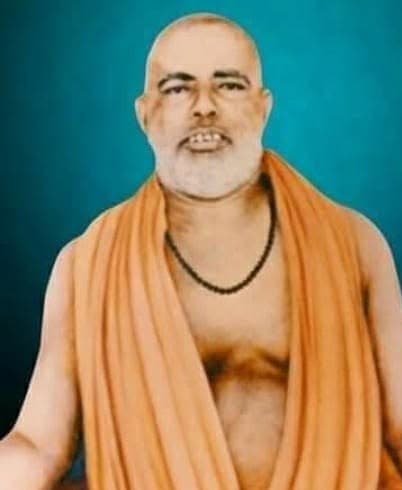
Sri Udiya Baba · Modern
Hindiभावार्थ— जो न हर्ष करता है, न द्वेष करता है, न सोच-विचार करता है और न इच्छा करता है तथा जो शुभ-अशुभ दोनों को सर्वथा त्याग चुका है वह भक्तिमान् पुरुष ही मुझे प्रिय है।
व्याख्या— अनुकूल या प्रतिकूल क्रिया, परिस्थिति या चिन्तन से जो भी सुख या दुःख होगा वह शरीर को ही होगा। उसका शरीर से सम्बन्ध नहीं रहता, इसलिये उसे हर्ष या शोक भी नहीं होता। हर्ष-शोक दृश्य या संसार के ही अन्तर्गत हैं और वह दृश्य से सर्वथा असंग है, इसलिये उसे हर्ष, द्वेष या शोक नहीं होता।
लोग जो परोपकार करते हैं उससे भी आत्मसन्तोष या अपने ही को सुख होता है। प्रधानतया यही लक्ष्य रहने के कारण वह भी एक प्रकार का स्वार्थ ही है। इसीसे संन्यासी या बोधवान् परोपकारादि सामाजिक प्रवृत्तियों से दूर रहते हैं। अतः वे शुभ और अशुभ दोनों ही प्रकार की प्रवृत्तियों को त्याग देते हैं। केवल इनके साक्षीमात्र रहते हैं। शुभ प्रवृत्ति भी उन्हीं की हो सकती है जिन्हें भजन या इष्टाकार-वृत्ति से अवकाश मिले। जिनका भजन में अनुराग होता है उन्हें दूसरे कार्यों के लिये समय ही कहाँ मिलता है। अतः सम्पूर्ण बाह्य व्यापारों का त्याग ही शुभा-शुभत्याग है। अथवा उसकी सभी वस्तु और क्रियाओं में भगवद्बुद्धि है, इसलिये उसकी दृष्टि में शुभ और अशुभ है ही नहीं। परन्तु ऐसी दृष्टि तभी होती है जब अपने इष्ट में अत्यन्त अनुराग हो। ऐसा अनुराग जैसा कि अज्ञानियों का अपने शरीर में होता है। जब ऐसा अनुराग होता है तब धर्म-कर्म, कीर्ति और नीति आदि की कोई सत्ता ही नहीं भासती। सर्वत्र अपने इष्ट की ही झाँकी होती है।
Swami Ramsukhdas · Modern
Hindi'यो न हृष्यति न द्वेष्टि न शोचति न काङ्क्षति'—मुख्य विकार चार हैं—(१) राग, (२) द्वेष, (३) हर्ष और (४) शोक\*। सिद्ध भक्तमें ये चारों ही विकार नहीं होते। उसका यह अनुभव होता है कि
संसारका प्रतिक्षण वियोग हो रहा है और भगवान्से कभी वियोग होता ही नहीं। संसारके साथ कभी संयोग था नहीं, है नहीं, रहेगा नहीं और रह सकता भी नहीं। अतः संसारकी कोई स्वतन्त्र सत्ता नहीं है—इस वास्तविकताका अनुभव
* प्रचलित भाषामें किसीकी मृत्युसे मनमें होनेवाली व्यथाके लिये 'शोक' शब्दका प्रयोग किया जाता है; परन्तु यहाँ 'शोक' शब्दका तात्पर्य अन्तःकरणके दुःखरूप 'विकार' से है।
कर लेनेके बाद (जडताका कोई सम्बन्ध न रहनेपर) भक्तका केवल भगवान्के साथ अपने नित्यसिद्ध सम्बन्धका अनुभव अटलरूपसे रहता है। इस कारण उसका अन्तःकरण राग-द्वेषादि विकारोंसे सर्वथा मुक्त होता है। भगवान्का साक्षात्कार होनेपर ये विकार सर्वथा मिट जाते हैं।
साधनावस्थामें भी साधक ज्यों-ज्यों साधनमें आगे बढ़ता है, त्यों-ही-त्यों उसमें राग-द्वेषादि कम होते चले जाते हैं। जो कम होनेवाला होता है, वह मिटनेवाला भी होता है। अतः जब साधनावस्थामें ही विकार कम होने लगते हैं, तब सहज ही यह अनुमान लगाया जा सकता है कि सिद्धावस्थामें भक्तमें ये विकार नहीं रहते, पूर्णतया मिट जाते हैं।
हर्ष और शोक—दोनों राग-द्वेषके ही परिणाम हैं। जिसके प्रति राग होता है, उसके संयोगसे और जिसके प्रति द्वेष होता है, उसके वियोगसे 'हर्ष' होता है। इसके विपरीत जिसके प्रति राग होता है, उसके वियोग या वियोगकी आशंकासे और जिसके प्रति द्वेष होता है, उसके संयोग या संयोगकी आशंकासे 'शोक' होता है। सिद्ध भक्तमें राग-द्वेषका अत्यन्ताभाव होनेसे स्वतः एक साम्यावस्था निरन्तर रहती है। इसलिये वह विकारोंसे सर्वथा रहित होता है।
जैसे रात्रिके समय अन्धकारमें दीपक जलानेकी कामना होती है; दीपक जलानेसे हर्ष होता है, दीपक बुझानेवालेके प्रति द्वेष या क्रोध होता है और पुनः दीपक कैसे जले—ऐसी चिन्ता होती है। रात्रि होनेसे ये चारों बातें होती हैं। परन्तु मध्याह्नका सूर्य तपता हो तो दीपक जलानेकी कामना नहीं होती, दीपक जलानेसे हर्ष नहीं होता, दीपक बुझानेवालेके प्रति द्वेष या क्रोध नहीं होता और (अंधेरा न होनेसे) प्रकाशके अभावकी चिन्ता भी नहीं होती। इसी प्रकार भगवान्से विमुख और संसारके सम्मुख होनेसे शरीर-निर्वाह और सुखके लिये अनुकूल पदार्थ, परिस्थिति आदिके मिलनेकी कामना होती है; इनके मिलनेपर हर्ष होता है; इनकी प्राप्तिमें बाधा पहुँचानेवालेके प्रति द्वेष या क्रोध होता है और इनके न मिलनेपर 'कैसे मिलें' ऐसी चिन्ता होती है। परन्तु जिसको (मध्याह्नके
सूर्यकी तरह) भगवत्प्राप्ति हो गयी है, उसमें ये विकार कभी नहीं रहते। वह पूर्णकाम हो जाता है। अतः उसको संसारकी कोई आवश्यकता नहीं रहती।
'शुभाशुभपरित्यागी'—ममता, आसक्ति और फलेच्छासे रहित होकर ही शुभ कर्म करनेके कारण भक्तके कर्म 'अकर्म' हो जाते हैं। इसलिये भक्तको शुभ कर्मोंका भी त्यागी कहा गया है। राग-द्वेषका सर्वथा अभाव होनेके कारण उससे अशुभ कर्म होते ही नहीं। अशुभ कर्मोंके होनेमें कामना, ममता, आसक्ति ही प्रधान कारण हैं और भक्तमें इनका सर्वथा अभाव होता है। इसलिये उसको अशुभ कर्मोंका भी त्यागी कहा गया है।
भक्त शुभ कर्मोंसे तो राग नहीं करता और अशुभ कर्मोंसे द्वेष नहीं करता। उसके द्वारा स्वाभाविक शास्त्रविहित शुभ कर्मोंका आचरण और अशुभ (निषिद्ध एवं काम्य) कर्मोंका त्याग होता है, राग-द्वेषपूर्वक नहीं। राग-द्वेषका सर्वथा त्याग करनेवाला ही सच्चा त्यागी है।
मनुष्यको कर्म नहीं बाँधते, प्रत्युत कर्मोंमें राग-द्वेष ही बाँधते हैं। भक्तके सम्पूर्ण कर्म राग-द्वेषरहित होते हैं, इसलिये वह शुभाशुभ सम्पूर्ण कर्मोंका परित्यागी है।
'शुभाशुभपरित्यागी' पदका अर्थ शुभ और अशुभ कर्मोंके फलका त्यागी भी लिया जा सकता है। परन्तु इसी श्लोकके पूर्वार्धमें आये 'न ह्येति न द्वेष्टि न शोचति न काङ्क्षति' पदोंका सम्बन्ध भी शुभ (अनुकूल) और अशुभ (प्रतिकूल) कर्मफलके त्यागसे ही है। अतः यहाँ 'शुभाशुभपरित्यागी' पदका अर्थ शुभाशुभ कर्मफलका त्यागी माननेसे पुनरुक्ति-दोष आता है। इसलिये इस पदका अर्थ शुभ एवं अशुभ कर्मोंमें राग-द्वेषका त्यागी ही मानना चाहिये।
'भक्तिमान्यः स मे प्रियः'—भक्तकी भगवान्में अत्यधिक प्रियता रहती है। उसके द्वारा स्वतः-स्वाभाविक भगवान्का चिन्तन, स्मरण, भजन होता रहता है। ऐसे भक्तको यहाँ 'भक्तिमान्' कहा गया है।
भक्तका भगवान्में अनन्य प्रेम होता है, इसलिये वह भगवान्को प्रिय होता है।
परिशिष्ट भाव—हर्ष (ह्येति) और शोक (शोचति), राग (काङ्क्षति) और द्वेष (द्वेष्टि)—ये द्वन्द्व हैं। भक्तमें कोई द्वन्द्व नहीं रहता, वह निर्द्वन्द्व हो जाता है। नारदभक्तिसूत्रमें भी आया है—
यत्राप्य न किंचिद्वाञ्छति न शोचति न द्वेष्टि न रमते नोत्साही भवति ॥५॥
'जिस भक्तिके प्राप्त होनेपर भक्त न तो किसी वस्तुकी इच्छा करता है, न शोक करता है, न द्वेष करता है, न किसी वस्तुमें आसक्त होता है और न उसे किसी वस्तुकी प्राप्तिमें उत्साह (हर्ष) होता है।'
सम्बन्ध—अब आगेके दो श्लोकोंमें सिद्ध भक्तके दस लक्षणोंवाला पाँचवाँ और अन्तिम प्रकरण कहते हैं।
Lord Krishna's devotee who is not exultant upon obtaining things which cause joy in mortals, who hates nothing, who grieves not over things that cause grief to mortals such as the death of family members, loss of wealth etc.,
who craves nothing, being desireless for anything in the material existence, who renounces both pious and impious acts knowing they both result in bondage to karma or reactions to actions.
Such a devotee is very dear to Lord Krishna.