

Bhagavad Gītā · Chapter 12 · Bhakti Yoga
श्री भगवानुवाचमय्यावेश्य मनो ये मां नित्ययुक्ता उपासते
श्रद्धया परयोपेतास्ते मे युक्ततमा मताः
śrī bhagavānuvācamayyāveśya mano ye māṃ nityayuktā upāsate|śraddhayā parayopetāste me yuktatamā matāḥ||
Word meanings
मयि = in Me
मनः = the mind
आवेश्य = having fixed the mind
नित्ययुक्ताः = ever united
ये = those who
परया = supreme
श्रद्धया = with faith
उपेताः = endowed with
माम् = me
उपासते = worship
ते = they
मे = my
मताः = I consider them
युक्ततमाः = the best yogis
Translation
Sri Bhagavan said: I consider them to be the best Yogis, who endowed with supreme faith, and ever united through meditation with Me, worship Me with the mind centred on Me.
Commentary
The commentators seated around this verse
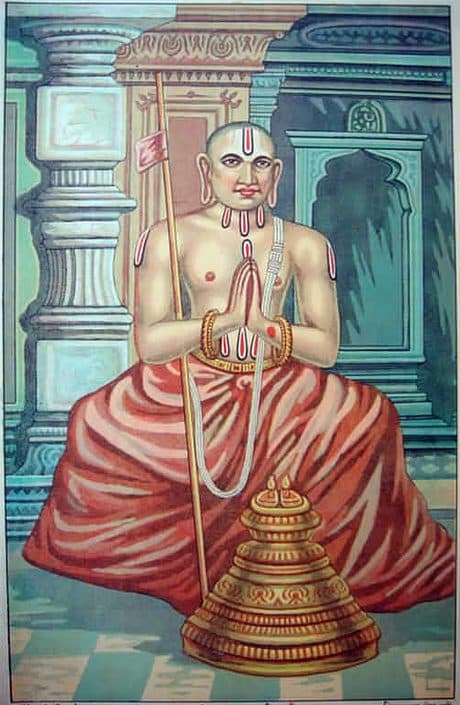
Rāmānuja · Viśiṣṭādvaita
English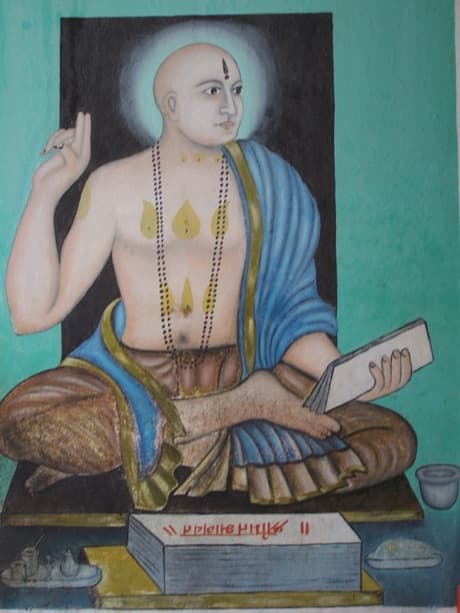
Madhvācārya · Dvaita
SanskritEnglishOn verses 12.2–12.4
“भवन्तु त्वदुपासका एवोत्तमाः | इतरेषां तु किं फलम्? | इत्यत आह | ये तु इत्यादि | अनिर्देश्यत्वं चोक्तं भागवते मायायाः - अप्रतर्क्यादनिर्देश्यादिति केष्वपि निश्चयः || इति | ईश्वरस्तु देव शब्देनोक्तः देवमन्येऽपरे इत्यर्थः | उक्तं च सामवेदे कापायणश्रुतौ - नासदासीन्नो सदासीत् तदानीमिति | न महाभूतं नोपभूतं तदाऽऽसीत् इत्यारभ्य, तम असीत् तमसा गुळ्हमग इति | तमो ह्यव्यक्तमजरमनिर्देश्यमेपा ह्येव प्रकृतिः | इति | सर्वं गाचिन्त्यादिलक्षणं च सा |” - If the aspirants become best then tell me what would be the fruits for the rest? Thus does Arjuna inquire. In Bhagavat Puraana, imperceptibility has been ascribed to delusion, being incapable of rationalizing and being imperceptible to some. Here the reference is not to the Lord because earlier it is mentioned देवमन्येऽपरे, where देव means Sri Vishnu and कर्म means action. Beginning with “Then, there was neither non-Existence nor Existence, neither superior elements nor the inferior one” it is concluded that “There existed in the beginning only obscurity (tama)”. And also “obscurity (tama) alone was the unmanifest, ever renewable, unperceivable, none other than Prakriti”, “She being, verily, inconceivable, is without any distinctive marks”.
“तथाहि मोक्षधर्म - नारायणगुणाश्रयादजरादतीन्द्रियादगदसम्भवत असत्यादहिंसाल्ललामाद् द्वितयप्रवृत्तिविशेषादवैः आदक्षयादमरादक्षरादमूर्तितः सर्वस्याः सवङ्कर्तुः शाश्वततमसः ॥ इति | आसीदिदं तमोऽभूतमप्रज्ञातमलक्षणम् | अप्रतर्क्यमविज्ञेयं प्रसुप्तमिव सर्वतः ॥ इति मानवे | कूटस्थोऽक्षर उच्यते | इति च वक्ष्यति | कूटे आकाशे स्थिता, कूटस्था - आकाशसंस्थिता त्वेषा ततः कूटस्थिता मता | इति हि ऋग्वेदखिलेषु | सा सर्वगा निश्चला लोकयोनिः सा चाक्षरा विश्वगा विरजस्का ॥ इति च सामवेदे गौपवनशाखायाम् ॥” — Similarly in Moksha Dharma - “Being supported by the attributes of Sriman Narayana and ever new, she is inaccessible to the senses. Beyond the mind, unborn, existing even after desolation, are her special subsidiary attributes. Non-injury, unattached, without hatred, immutable, without loss of form, existing in everything, performing every action, she is ever exists, symbolizing the principles of tama (obscurity)”. “Without any beginning, born out of tama (obscurity), symbolizing non-activity beyond the scope of reasoning, unknowable, she is dormant, as it were, in all events”, thus in Manu Smriti. Sri Krishna says later kootastho’kshara uchyate - immutable is the one abiding within. That which is abiding within in the space is , कूटस्थ. “She is known as kootastha because she is abiding in space”, thus in Rigveda. “She is all pervading, unmovable, progenitor of the universe, immutable, supporter of the universe, without the attributes of raja etc”, thus in Gaupavana section of Samaveda.
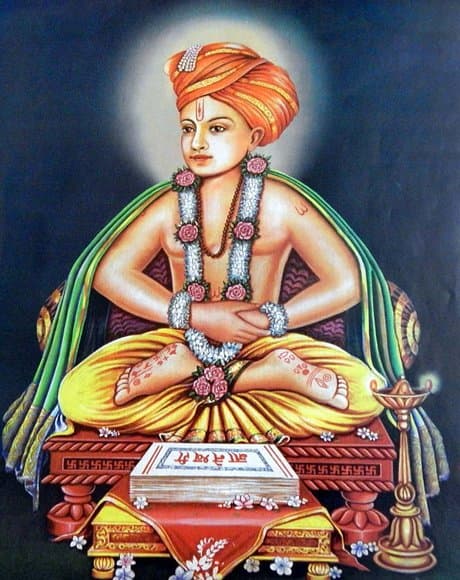
Jñāneśvar · Vārkarī
English2 *The Exalted—one spake: 'Fixing their minds upon Me, those who, ever steadied in Yoga, seek Me in service, being endowed with supreme faith: they are deemed of Me the best knowers of Yoga.* (35)
'So hear; as the Sun goes behind the western hills, his rays also follow him though he is not seen; or just as O Son of Pandu, a river begins to get swollen in the rainy season, in that way, the faith goes on increasing as (the devotee) continues in my worship. The devotion is like that forceful tidal flow of river water which continues in its full force even though the river comes near its place of falling into the sea. In that way those that fix their minds on me and worship me day and night, along with all the senses,—those devotees that in this way give themselves unto me, I consider as the best knowers of Yoga.
Swami Ramsukhdas · Modern
English[Lord Kṛṣṇa explained this fact of his own accord without being asked in the forty-seventh verse of the sixth chapter, but Arjuna could not understand it (verdict). So he put this question, in the first verse of this chapter. Similarly, strivers on account of not having keen desire and curiosity do not understand the spiritual teaching imparted in religious discourses by the saints and the scriptures as it was told in a general way not as an answer to a specific question. Therefore they disregard them though general impression remains but if they have a keen desire to know it, they pay special attention and listen to it, with faith and also study the scriptures carefully. Therefore, strivers should listen to religious discourses and study the scriptures carefully, considering these as meant for them and translate those teachings into practice.]
'Mayyāveśya mano ye māṃ nityayuktā upāsate'—When a person's mind, is concentrated, he thinks automatically of persons or object he loves.
The expression 'Nityayuktāḥ (ever steadfast or earnest), means that the striver himself should remain absorbed in God, by thinking, "only God is mine and I am only of God." When
a striver has a firm resolve (aim), to realize God, his mind and intellect automatically, get absorbed in Him. On the other hand, if his aim is not God-realization, his mind and intellect cannot be absorbed in Him, in spite of, his best efforts. Mind and intellect, are the instruments which remain under the control, of the agent. So, when a striver himself gets absorbed in Him, the mind and the intellect, automatically get absorbed in Him.
A striver, commits an error, when he instead of getting absorbed himself practises to concentrate his mind and intellect on Him. So, there is a general complaint, that strivers' mind and intellect do not get absorbed in Him. Through the concentration of mind and intellect he can attain the state of a trance, but he cannot realize God. God-realization is possible only, if he himself, gets absorbed in Him.
Real worship, consists in surrendering oneself to God and believing, 'I am only God's and only God is mine.' When a man surrenders himself to God, all prescribed actions, including chanting His name, thinking, meditation, service and adoration etc., are performed, only for Him.
A body, is a fragment of *prakṛti* (nature), while the soul (self), is a fragment of God. But the self having forgotten the real affinity for God, assumes affinity for nature and its evolute i.e., body, senses, mind and intellect etc. As soon as, he (the self), renounces this assumed affinity, his real and eternal affinity for God is manifested, and his memory is regained—'Destroyed is my delusion, as I have gained my knowledge (memory)' (Gītā 18/73).
It is because of man's (soul's), inclination to matter (nature), i.e., by deriving pleasure out of it, that he assumes his affinity for it, i.e., he assumes, 'I am body.' Because of this assumed affinity for the body, he holds that he belongs to a particular caste, creed, colour, profession, order of life and regards the self, rather than the body, as at a stage of boyhood, youth and
old age etc., viz., he does not regard the self, as different from the body.
This assumed affinity for the alien body, and the world, becomes so firm, that he remembers it without making any effort. If he realizes his real affinity, for the sentient and eternal Lord, he can never forget Him, and while performing all actions, such as sitting, eating, drinking, sleeping and waking etc., he automatically will think of Him.
A striver, whose only aim, instead of hankering after worldly pleasures and prosperity, is God-realization, it means, that he has started realizing his real affinity, for God. When he fully realizes this real affinity, he has not the least desire, to hanker after worldly pleasure and prosperity, through his mind, intellect, senses and body etc.
The self (soul), in spite of being a fragment of God, assumes its affinity for nature, because it wants to derive pleasure out of it. So a striver, having a disinclination for the world, should realize his real affinity for God, and should have an inclination for Him, only.
‘Śraddhayā parayopetāste me yuktatamā matāḥ’—A striver, has faith in a thing or person etc., whom or what he considers as the best and then he follows the principle, decided upon by him, without deviating from it.
A person’s mind, is fixed on the object or person he loves, and his intellect is fixed on the object or person in whom he has faith. If he is a lover, he seeks company of the beloved, but if he has faith, he ever remains ready to carry out, the wishes of the adored one.
He, who loves only God, ever realizes his affinity for Him, and never feels any separation from Him. Therefore, such devotees, are the most perfect in Yoga, in the Lord’s opinion.
The fact, which has been pointed out here, by using a plural
number in the expression 'Te me yuktatamā mataḥ (they are the best in Yoga in My opinion), has already been explained, in the singular number by the Lord in the forty-seventh verse of the sixth chapter, by the expression 'Sa me yuktatamo mataḥ' (he is considered by Me, to be the best Yogī).*
Appendix—'Sa yogī paramo mataḥ' (Gītā 6/32), 'sa me yuktatamo mataḥ' (Gītā 6/47), 'te me yuktatamā mataḥ' (Gītā 12/2)—Thus the Lord has mentioned the Supreme (the most perfect) Yogī; it means that a striver may practise anyone of the paths such as Karmayoga, Jñānayoga etc., but he is the best (Supreme) who has attained devotion. A Karmayogī and a Jñānayogī finally attain devotion but a Bhaktiyogī from the outset remains absorbed in devotion (which is the fruit of Karmayoga and Jñānayoga), therefore he is the best of all.
Knowledge and devotion—both are equal as far as the freedom from sufferings is concerned, but devotion is more glorious than knowledge, because in knowledge there is 'akhaṇḍa' (integral) relish (bliss) but in devotion there is infinite relish. Infinite relish increases every moment, in it there are waves of singular bliss which make it unique. As in the world when we come to know that 'this is a paper currency' or 'this is a watch' etc., our ignorance in regard to that is wiped out, similarly by Self-realization, ignorance of the self is removed. When ignorance is removed, a man is delivered from sufferings, fear and bondage of birth and death etc. But love (devotion) is more singular than
* In the fifty-fourth verse of the eleventh chapter the Lord has declared, 'By single-minded devotion I can be known and seen in reality and also entered into.' But in the fifty-fifth verse of the eighteenth chapter the Lord declares for the devotees who worship the attributeless Absolute (Brahma), 'He, having known Me in truth, forthwith enters into Me.' Here He does not declare that he can see Him. Thus only the devotees who worship the Lord with attributes can see Him. This is a singularity of such devotee.
The Lord in the forty-seventh verse of the sixth chapter has declared the striver full of faith in His form with attributes the best Yogī. Thus such a striver (devotee) is very loving to Him.
knowledge. Knowledge has no access to God but devotion has. Knowledge is realized by the Self but love is relished by God and He is the knower of love. God is not hungry for knowledge but He is hungry for love. Having attained salvation, a Jñānayogī is satisfied with the self and content in the self (Gītā 3/17), but having attained devotion, a devotee is not satisfied but his bliss is enhanced more and more. Therefore the last stage is love, not salvation.
As ‘this is a paper currency’—it is known, then ignorance of it is removed but if there is greed to get more and more money, the money provides a special taste (relish). Similarly in devotion there is a singular relish. It means that in the world as greed for money has attraction for a man, similarly love for God has attraction for a devotee, but knowledge has no such attraction. Greed for wealth causes downfall but love elevates a devotee to a higher peak of devotion than knowledge does. There is not that relish in an object and in the knowledge of that object as is in the attraction for that object.
In the Path of Discrimination (Jñānayoga) there is assumption of both the real and the unreal together, so a trace of subtle ego persists for a long time. This subtle ego viz., the trace of ego persists even on having attained salvation. This subtle ego does not lead to the cycle of birth and death but it is a stumbling block to have ‘abhinnatā’ (intimate love or inseparation) with God. Therefore by following the path of discrimination, the wise men (Jñānis) or philosophers can attain salvation; but they may become ‘abhinna’ with God viz., they may have true devotion (love) for God—this is not the rule. It is because of the subtle ego that there are differences of opinions among philosophers and their philosophical thoughts. But in the path of faith (Bhaktiyoga), a devotee from the outset, does not assume any other independent existence besides God. Therefore God and he become inseparable (abhinna). Both being inseparable viz., with
the dawn of sincere love, the subtle ego and all philosophical differences of opinions evolving from the subtle ego are totally wiped out* viz., dvaita, advaita, dvaitādvaita, viśiṣṭādvaita etc.—all become the manifestation of God which is a reality. Therefore the devout devotee who has realized 'Vāsudevaḥ sarvam' (All is God), does not insist on a particular sect (opinion) but respects all sects equally. As he does not insist on any sect, so he never disrespects any sect. It means that unity by virtue of love is superior to the unity through knowledge. In knowledge distance and distinction are wiped out, but intimacy (Abhinnatā) is not developed. But in love distance, distinction and separation—all the three come to an end. Therefore in love (devotion) there is real non-dualism. In love there is so much power that by it a devotee becomes the favourite deity of even God. The strivers following the path of knowledge, regard salvation the Supreme, then how can they realize the glory of love or devotion (premābhakti or parābhakti). (Parābhakti is the Supreme devotion in which a devotee has a unique attraction for God which increases every moment?) In salvation there is 'akhaṇḍa ānanda' viz., constant bliss (relish) but in love there is endless bliss which increases every moment. This 'Premamukti' is far superior and is the more advanced stage to salvation, Self-realization, realization and 'Kaivalya' etc.†
Karmayoga and Jñānayoga—these two are the worldly paths (Gītā 3/3). But Bhaktiyoga is not the worldly path viz., is not the path followed by human beings. He who remains absorbed in God is 'bhagavannistha' (dependent on God and His grace) viz., his state is unearthly. His means and end—both are only God. Therefore Bhaktiyoga is the means and
* prema bhagati jala binu taghurāī, abhāntara mala kabahuth na jāi.
(Mānasa, Uttara 49/3)
† śravaṇaṃ kīrtanaṃ viṣṇoḥ smaraṇaṃ pādasevanaṃ arcanāṃ vāndanāṃ dāsyaṃ sākhyamātma nivedanam
(Śrīmadbha. 7/5/23)
also the end; so it has been declared—‘bhaktyā sañjātayā bhaktyā’ (Śrīmadbhā. 11/3/31) viz., devotion evolves from devotion. Śravaṇa, kīrtana, smaraṇa, pādasevana, arcana, vandana, dāsya, sakhya and ātma-nivedana—this is nine types of ‘Sādhanabhakti’ (devotion as a means)* and then is the devotion as an end which is called ‘premalakṣaṇābhakti’ (Sādhyabhakti) (the Supreme devotion) which is the aim to be attained by all the disciplines such as Karmayoga and Jñānayoga (Gītā 18/54). This devotion as an end (aim), is the Supreme essence which is to be attained.
In Jñānayoga a striver, by attaching importance to the discrimination between the real and the unreal, renounces the unreal. By renouncing the unreal, the entity of the renouncer as well of the thing renounced, remains for a long time, therefore in Jñānayoga, the total renunciation of the unreal is very much delayed. In Karmayoga, a striver renders service to others with the things he has. The worthless things of inferior quality are renounced easily but it is difficult to renounce things of Superior quality. But if those things are used in rendering service to others, the unreal is easily and quickly renounced. In Bhaktiyoga a devotee regards the world as God’s or as God’s manifestation, and thus the world (the unreal) is extinguished and God remains. Therefore by Karmayoga the unreal (inert) is more quickly renounced than by Jñānayoga and by Bhaktiyoga it is more quickly renounced than by Karmayoga, because in devotion the unreal does not persist at all—‘Sadasaccāham’ (Gītā 9/19). Therefore Karmayoga is Superior to Jñānayoga—‘tayostu karmasannyāsāt karmayogo viśiṣyate’ (Gītā 5/2) and Bhaktiyoga is Superior to Karmayoga—
* dvaitam mohāya bodhātprāgjāte manīṣyā,
bhaktyartham kalpitam (svikṛtam) dvaitamadvaitādapi sundaram.
(Bodhasāra, Bhakti. 42)
Dualism before Self-realization causes delusion but after Self-realization the accepted-dualism for devotion is superior to the non-dualism of Jñānayoga.
yogināmaṇi sarveṣāṁ madgatenāntarātmanā śraddhāvānbhajate yo māṁ sa me yuktatamo mataḥ
(Gītā 6/47)
Link:—In the preceding verse, the Lord declared the worshippers of God, with form and attributes, to be the best Yogis. So a question arises, whether worshippers of attributeless Absolute (Brahma), are not the best Yogis. The Lord, answers the question, in the next two verses:—
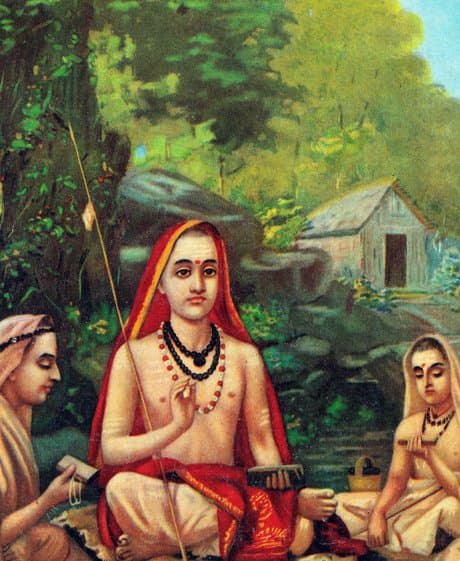
Ādi Śaṅkarācārya · Advaita
Sanskritमयि विश्व-रूपे परमेश्वरे आवेश्य समाधाय मनः, ये भक्ताः सन्तः, मां सर्व-योगेश्वराणां अधीश्वरं सर्वज्ञं विमुक्त-राग-आदि-क्लेश-तिमिर-दृष्टिम्, नित्य-युक्ताः अतीत-अनन्तर-अध्याय-अन्त-उक्त-श्लोक-अर्थ-न्यायेन सतत-युक्ताः सन्तः उपासते श्रद्धया परया प्रकृष्टया उपेताः, ते मे मम मताः अभिप्रेताः युक्त-तमाः इति । नैरन्तर्येण हि ते मत्-चित्ततया अहो-रात्रम् अतिवाहयन्ति । अतः युक्तं तान् प्रति युक्त-तमाः इति वक्तुम् ॥
किं इतरे युक्त-तमाः न भवन्ति? न; किं तु तान् प्रति यत् वक्तव्यम्, तत् शृणु --
Ādi Śaṅkarācārya · Advaita
Hindiजो कामनाओंसे रहित पूर्णज्ञानी अक्षरब्रह्मके उपासक हैं उनको अभी रहने दो, उनके प्रति जो कुछ कहना है वह आगे कहेंगे, परंतु जो दूसरे हैं—
जो भक्त मुझ विश्वरूप परमेश्वरमें मनको समाधिस्थ करके सर्व योगेश्वरोंके अधीश्वर रागादि पञ्चकलेशरूप अज्ञानदृष्टिसे रहित मुझ सर्वज्ञ परमेश्वरकी पिछले (एकादश) अध्यायके अन्तिम श्लोकके अर्थानुसार निरन्तर तत्पर हुए उत्तम श्रद्धासे युक्त होकर उपासना करते हैं, वे श्रेष्ठतम योगी हैं, यह मैं मानता हूँ।
क्योंकि वे लगातार मुझमें ही चित्त लगाकर रात- दिन व्यतीत करते हैं, अतः उनको युक्ततम कहना उचित ही है
Jñāneśvar · Vārkarī
Marathiतरी अस्तुगिरीचियां उपकंठीं । रिगालिया रविबिंबापाठीं । रश्मी जैसे किरीटी । संचरती ॥ ३५ ॥ कां वर्षाकाळीं सरिता । जैसी चढों लागें पांडुसुता । तैसी नीच नवी भजतां । श्रद्धा दिसे ॥ ३६ ॥ परी ठाकिलियाहि सागरु । जैसा मागीलही यावा अनिवारु । तिये गंगेचिये ऐसा पडिभरु । प्रेमभावा ॥ ३७ ॥ तैसें सर्वेंद्रियांसहित । मजमाजीं सूनि चित्त । जे रात्रिदिवस न म्हणत । उपासिती ॥ ३८ ॥ इयापरी जे भक्त । आपणपें मज देत । तेचि मी योगयुक्त । परम मानीं ॥ ३९ ॥
Jñāneśvar · Vārkarī
HindiOn verses 12.1–12.2
(12.20) सकल वीरों में श्रेष्ठ, सोमवंश का विजयध्वज, पाण्डु नृप का पुत्र अर्जुन कहने लगा
(12.21) कि हे कृष्ण! सुनिए, आपने मुझे विश्वरूप दिखाया, उस अद्भुत स्वरूप को देख कर मेरा चित्त डर गया। (12.22) और मुझे इस कृष्णमूर्ति का परिचय था, इसलिए मेरा अन्तःकरण इसकी ओर लग रहा परन्तु देव ने मुझे हटक कर मना किया।
(12.23) परन्तु व्यक्त और अव्यक्त दोनों निश्चय से आप ही एक हैं, भक्ति से आपके व्यक्त स्वरूप की प्राप्ति होती है, और योग से अव्यक्त की।
(12.24) हे वैकुण्ठ! ये दोनों मार्ग आपकी ही प्राप्ति के हैं। इस में व्यक्त और अव्यक्त इन दो द्वारों में से जाना पड़ता है।
(12.25) परन्तु जो कस सब सोने का होता है वही उससे अलगाये हुए एक रत्ती भर का होता है, एवं व्यापक (समग्र) और एकदेशी (अंश) वस्तु की योग्यता समान है।
(12.25) अमृत के समुद्र से सामर्थ्य की जो महिमा मिलती है, वही महिमा अमृत-तरंगों से भरी हुई चुल्लू में भी रहती है।
(12.27) यह बात निश्चय से मेरे अन्तःकरण में सत्य प्रतीत हो गई है। परन्तु हे योग-पति! आपसे पूछने का हेतु यह है
(12.28) कि मैं यह जानना चाहता हूँ कि है देव! आपने क्षण भर जो विराट् रूप स्वीकारा था वही आपका सत्य स्वरूप है, अथवा उसे आपने कुतूहल से स्वीकार किया था? (12.29) इसलिए जो भक्त आप ही का कर्म समर्पण करते हैं, आप ही जिनके परम श्रेष्ठ हैं और जिन्होंने अपना मनोधर्म आपकी भक्ति के बदले माल दे दिया है,
(12.30) ऐसे सब प्रकार से, हे श्रीहरि, जो आपको अन्तःकरण से बाँधे हुए आपकी उपासना करते हैं,
(12.31) तथा जो ओंकार से परे है, वैखरी वाणी के लिए दुर्घट है, और जो किसी के भी समान नहीं है
(12.32) उस अक्षर, अव्यक्त, निर्मल और व्यापक स्वरूप की जो ज्ञानी सोहंभाव से उपासना करते हैं
(12.34) उन ज्ञानियों और उक्त भक्तों में हे अनन्त! एक दूसरे की अपेक्षा योग यथार्थ में किसे अवगत हुआ समझना चाहिए?
(12.34) अर्जुन के इन वचनों से उन जगन्मित्र को सन्तोष हुआ और उन्होंने कहा — अजी, तुम अच्छा प्रश्न पूछना जानते हो।
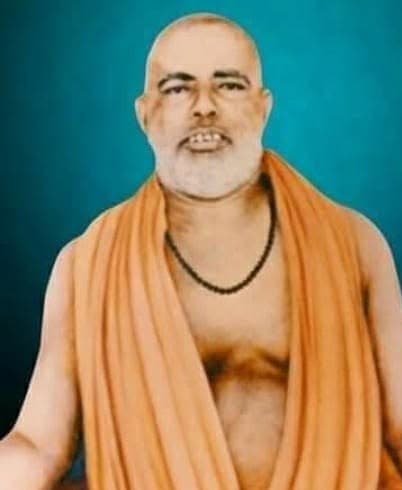
Sri Udiya Baba · Modern
Hindiभावार्थ— भगवान् बोले—जो लोग मुझमें मन लगाकर नित्य युक्त हुए अत्यन्त श्रद्धापूर्वक मेरी (मेरे सगुण साकार रूप की) उपासना करते हैं, मेरे मन में वे ही युक्ततम (सबसे श्रेष्ठ योगी) हैं।
व्याख्या— सम्पूर्ण गीता में 'परम श्रद्धा' पद यहीं आया है। 'मयि' का तात्पर्य सगुण-निर्गुण दोनों में लग सकता है, परन्तु यहाँ सगुण रूप ही अभिप्रेत है, क्योंकि 'यहाँ भगवान् साक्षात् अर्जुन के सामने खड़े होकर अपने ही लिये 'मयि' शब्द का प्रयोग कर रहे हैं। अतः इसका तात्पर्य है कि जो मुझ वासुदेव में श्रद्धापूर्वक चित्त लगाकर मेरी ही उपासना करते हैं वे ही श्रेष्ठ योगी हैं। इस प्रकार यहाँ स्पष्टतया सगुण उपासना का निर्देश है। वेद और पुराणों में भी सगुण का प्रतिपादन है; जैसे 'एकोऽहं बहु स्याम्' स एकधा भवति स द्विधा भवति स पञ्चधा भवति' इत्यादि बहुत-सी श्रुतियाँ हैं। परन्तु दर्शनों में सगुण का प्रतिपादन नहीं है, उनमें प्रधानतया निर्गुण का ही प्रतिपादन किया है, क्योंकि उनमें विवेक की ही प्रधानता है। परम
तत्त्व की सगुणता को दर्शनों ने अध्यारोपित ही माना है। भाव से तो भगवान् की सगुणता मानी जा सकती है, किन्तु विवेक या तर्क से तो वे निर्गुण ही सिद्ध होते हैं।
शास्त्रों में भगवान् को निराकार और सृष्टिकर्ता माना है, परन्तु वास्तव में संसार की उत्पत्ति निर्गुण निराकार से भी नहीं हो सकती; कहा भी है—
अनाख्योऽप्रतिघः स्वात्मा निराकारो य ईश्वरः। स करोति जगदिति हासायैव वचोऽधियाम्॥
अर्थात् जो नाम-रूप से रहित अपना अनावृत आत्मा निराकार ईश्वर है वही सृष्टि रचता है—ये बुद्धिहीनों के वचन हँसी के योग्य ही हैं।
अतः सृष्टि आत्मा से भी नहीं हो सकती, क्योंकि आत्मा अकर्ता है। यदि कहो कि स्वप्न की सृष्टि का कर्ता तो वही है, तो यह भी ठीक नहीं, क्योंकि कोई भी स्वप्न देखने वाला स्वप्न से पहले यह संकल्प नहीं करता कि मैं स्वप्न देखूँ अथवा रचूँ। स्वप्न तो स्वयं ही देखने लगता है। अतः स्वप्नद्रष्टा स्वप्न का कर्ता नहीं होता। वास्तव में स्वप्न बनाने वाला, स्वप्न-पुरुष और स्वप्न-द्रष्टा सब कुछ वही है। अर्थात् स्वप्न-सृष्टि बनती नहीं, वह स्वप्न-द्रष्टा में कल्पित है और कल्पित वस्तु अपने अधिष्ठान से भिन्न नहीं होती। इस प्रकार सिद्ध यह हुआ कि एक आत्मसत्ता के अतिरिक्त कुछ भी न है न हुआ है। परन्तु यह बात बहुत कठिनता से समझ में आती है। सृष्टि और सृष्टिकर्ता एक ही हैं—भला यह बात कैसे समझ में आयेगी। अतः भगवान् को श्रद्धा से ही मानना होगा। इसी से भगवान् ने यहाँ कहा है कि जो परम श्रद्धा से युक्त होकर मुझ में चित्त लगाते हैं वे ही श्रेष्ठतम योगी हैं।
Swami Ramsukhdas · Modern
Hindi[भगवान्ने ठीक यही निर्णय अर्जुनके बिना पूछे ही छठे अध्यायके सैंतालीसवें श्लोकमें दे दिया था। परन्तु उस विषयमें अपना प्रश्न न होनेके कारण अर्जुन उस निर्णयको पकड़ नहीं पाये। कारण कि स्वयंका प्रश्न न होनेसे सुनी हुई बात भी प्रायः लक्ष्यमें नहीं आती। इसलिये उन्होंने इस अध्यायके पहले श्लोकमें ऐसा प्रश्न किया।
इसी प्रकार अपने मनमें किसी विषयको जाननेकी पूर्ण अभिलाषा और उत्कण्ठाके अभावमें तथा अपना प्रश्न न होनेके कारण सत्संगमें सुनी हुई और शास्त्रोंमें पढ़ी हुई साधन-सम्बन्धी मार्मिक और महत्त्वपूर्ण बातें प्रायः साधकोंके लक्ष्यमें नहीं आतीं। अगर वही बात उनके प्रश्न करनेपर समझायी जाती है, तो वे उसको अपने लिये विशेषरूपसे कही गयी मानकर श्रद्धापूर्वक ग्रहण कर लेते हैं। प्रायः वे सुनी और पढ़ी हुई बातोंको अपने लिये न समझकर उनकी उपेक्षा कर देते हैं, जबकि उनमें उस बातके संस्कार सामान्यरूपसे रहते ही हैं, जो विशेष उत्कण्ठा होनेसे जाग्रत् भी हो सकते हैं। अतः साधकोंको चाहिये कि वे जो पढ़ें और सुनें, उसको अपने लिये ही
मानकर जीवनमें उतारनेकी चेष्टा करें।]
‘मय्यावेश्य मनो ये मां नित्ययुक्ता उपासते’—मन वहीं लगता है, जहाँ प्रेम होता है। जिसमें प्रेम होता है, उसका चिन्तन स्वतः होता है।
‘नित्ययुक्ताः’ का तात्पर्य है कि साधक स्वयं भगवान्में लग जाय। ‘भगवान् ही मेरे हैं और मैं भगवान्का ही हूँ’—यही स्वयंका भगवान्में लगना है। स्वयंका दृढ़ उद्देश्य भगवत्प्राप्ति होनेपर ही मन-बुद्धि स्वतः भगवान्में लगते हैं। इसके विपरीत स्वयंका उद्देश्य भगवत्प्राप्ति न हो तो मन-बुद्धिको भगवान्में लगानेका यत्न करनेपर भी वे पूरी तरह भगवान्में नहीं लगते। परन्तु जब स्वयं ही अपने-आपको भगवान्का मान ले, तब तो मन-बुद्धि भगवान्में तल्लीन हो ही जाते हैं। स्वयं कर्ता है और मन-बुद्धि करण है। करण कर्ताके ही आश्रित रहते हैं। जब कर्ता भगवान्का हो जाय, तब मन-बुद्धिरूप करण स्वतः भगवान्में लगते हैं।
साधकसे भूल यह होती है कि वह स्वयं भगवान्में न लगकर अपने मन-बुद्धिको भगवान्में लगानेका अभ्यास करता है। स्वयं भगवान्में लगे बिना मन-बुद्धिको भगवान्में
लगाना कठिन है। इसीलिये साधकोंकी यह व्यापक शिकायत रहती है कि मन-बुद्धि भगवान्में नहीं लगते। मन-बुद्धि एकाग्र होनेसे सिद्धि (समाधि आदि) तो हो सकती है, पर कल्याण स्वयंके भगवान्में लगनेसे ही होगा।
उपासनाका तात्पर्य है—स्वयं-(अपने-आप-) को भगवान्के अर्पित करना कि मैं भगवान्का ही हूँ और भगवान् ही मेरे हैं। स्वयंको भगवान्के अर्पित करनेसे नाम-जप, चिन्तन, ध्यान, सेवा, पूजा आदि तथा शास्त्रविहित क्रियामात्र स्वतः भगवान्के लिये ही होती है।
शरीर प्रकृतिका और जीव परमात्माका अंश है। प्रकृतिके कार्य शरीर, इन्द्रियाँ, मन, बुद्धि और अहमसे तादात्म्य, ममता और कामना न करके केवल भगवान्को ही अपना माननेवाला यह कह सकता है कि मैं भगवान्का हूँ, भगवान् मेरे हैं। ऐसा कहने या माननेवाला भगवान्से कोई नया सम्बन्ध नहीं जोड़ता। चेतन और नित्य होनेके कारण जीवका भगवान्से सम्बन्ध स्वतःसिद्ध है। किन्तु उस नित्यसिद्ध वास्तविक सम्बन्धको भूलकर जीवने अपना सम्बन्ध प्रकृति एवं उसके कार्य शरीरसे मान लिया, जो अवास्तविक है। अतः जबतक प्रकृतिसे माना हुआ सम्बन्ध है, तभीतक भगवान्से अपना सम्बन्ध माननेकी आवश्यकता है। प्रकृतिसे माना हुआ सम्बन्ध टूटते ही भगवान्से अपना वास्तविक और नित्यसिद्ध सम्बन्ध प्रकट हो जाता है; उसकी स्मृति प्राप्त हो जाती है—‘**नष्टो मोहः स्मृतिर्लब्धा**’ (गीता १८। ७३)।
जडता-(प्रकृति-) के सम्मुख होनेके कारण अर्थात् उससे सुखभोग करते रहनेके कारण जीव शरीरसे ‘मैं’ पनका सम्बन्ध जोड़ लेता है अर्थात् ‘मैं शरीर हूँ’ ऐसा मान लेता है। इस प्रकार शरीरसे माने हुए सम्बन्धके कारण वह वर्ण, आश्रम, जाति, नाम, व्यवसाय तथा बालकपन, जवानी आदि अवस्थाओंको बिना याद किये भी (स्वाभाविक रूपसे) अपनी ही मानता रहता है अर्थात् अपनेको उनसे अलग नहीं मानता।
जीवकी विजातीय शरीर और संसारके साथ (भूलसे की हुई) सम्बन्धकी मान्यता भी इतनी दृढ़ रहती है कि बिना याद किये सदा याद रहती है। अगर वह अपने
सजातीय (चेतन और नित्य) परमात्माके साथ अपने वास्तविक सम्बन्धको पहचान ले, तो किसी भी अवस्थामें परमात्माको नहीं भूल सकता। फिर उठते-बैठते, खाते-पीते, सोते-जागते हर समय प्रत्येक अवस्थामें भगवान्का स्मरण-चिन्तन स्वतः होने लगता है।
जिस साधकका उद्देश्य सांसारिक भोगोंका संग्रह और उनसे सुख लेना नहीं है, प्रत्युत एकमात्र परमात्माको प्राप्त करना ही है, उसके द्वारा भगवान्से अपने सम्बन्धकी पहचान आरम्भ हो गयी—ऐसा मान लेना चाहिये। इस सम्बन्धकी पूर्ण पहचानके बाद साधकमें मन, बुद्धि, इन्द्रियाँ, शरीर आदिके द्वारा सांसारिक भोग और उनका संग्रह करनेकी इच्छा बिलकुल नहीं रहती।
वास्तवमें एकमात्र भगवान्का होते हुए जीव जितने अंशमें प्रकृतिसे सुख-भोग प्राप्त करना चाहता है, उतने ही अंशमें उसने इस भगवत्सम्बन्धको दृढ़तापूर्वक नहीं पकड़ा है। उतने अंशमें उसका प्रकृतिके साथ ही सम्बन्ध है। इसलिये साधकको चाहिये कि वह प्रकृतिसे विमुख होकर अपने-आपको केवल भगवान्का ही माने, उन्हींके सम्मुख हो जाय।
‘**श्रद्धया परयोपेतास्ते मे युक्ततमा मताः**’—साधककी श्रद्धा वहीं होगी, जिसे वह सर्वश्रेष्ठ समझेगा। श्रद्धा होनेपर अर्थात् बुद्धि लगनेपर वह अपने द्वारा निश्चित किये हुए सिद्धान्तके अनुसार स्वाभाविक जीवन बनायेगा और अपने सिद्धान्तसे कभी विचलित नहीं होगा।
जहाँ प्रेम होता है, वहाँ मन लगता है और जहाँ श्रद्धा होती है, वहाँ बुद्धि लगती है। प्रेममें प्रेमास्पदके संगकी तथा श्रद्धामें आज्ञापालनकी मुख्यता रहती है।
एकमात्र भगवान्में प्रेम होनेसे भक्तको भगवान्के साथ नित्य-निरन्तर सम्बन्धका अनुभव होता है, कभी वियोगका अनुभव होता ही नहीं। इसीलिये भगवान्के मतमें ऐसे भक्त ही वास्तवमें उत्तम योगवेत्ता हैं।
यहाँ ‘**ते मे युक्ततमा मताः**’ बहुवचनान्त पदसे जो बात कही गयी है, यही बात छठे अध्यायके सैंतालीसवें श्लोकमें ‘**स मे युक्ततमो मताः**’ एकवचनान्त पदसे कही जा चुकी है*।
* ग्यारहवें अध्यायके चौवनवें श्लोकमें भगवान् कह चुके हैं कि अनन्य भक्तिके द्वारा साधक मुझे प्रत्यक्ष देख सकता है, तत्त्वसे जान सकता है और मुझे प्राप्त हो सकता है; परन्तु अठारहवें अध्यायके पचपनवें श्लोकमें भगवान्ने निर्गुण-उपासकोंके लिये अपनेको तत्त्वसे जानने और प्राप्त करनेकी ही बात कही है, दर्शन देनेकी बात नहीं कही। इससे यह स्पष्ट हो जाता है कि सगुण-उपासकोंको भगवान्के दर्शन भी होते हैं। यह उनकी विशेषता है।
**परिशिष्ट भाव—‘स योगी परमो मतः’** (गीता ६। ३२), **‘स मे युक्ततमो मतः’** (गीता ६। ४७), **‘ते मे युक्ततमा मताः’** (गीता १२। २)—इस प्रकार भगवान्ने जो श्रेष्ठताकी बात कही है, इसका तात्पर्य यह है कि मनुष्य कर्मयोग, ज्ञानयोग आदि किसी भी मार्गसे चले, वास्तवमें श्रेष्ठ वही है, जिसको भक्ति प्राप्त हो गयी है। कर्मयोगी और ज्ञानयोगीको तो अन्तमें भक्ति प्राप्त होती है, पर भक्तियोगी आरम्भसे ही भक्तिमें लगा है (जो कि कर्मयोग तथा ज्ञानयोगका फल है), इसलिये वह सबसे श्रेष्ठ है।
ज्ञान और भक्ति—दोनों ही संसारका दुःख दूर करनेमें समान हैं; परन्तु दोनोंमें ज्ञानकी अपेक्षा भक्तिकी महिमा अधिक है। ज्ञानमें तो अखण्डरसकी प्राप्ति होती है, पर भक्तिमें अनन्तरसकी प्राप्ति होती है। अनन्तरसमें प्रतिक्षण बढ़नेवाला, लहरोंवाला, उछालवाला एक बहुत विलक्षण आनन्द है। जैसे संसारमें किसी वस्तुका ज्ञान होता है कि ‘ये रुपये हैं; यह घड़ी है’ आदि, तो यह ज्ञान केवल अज्ञान (अनजानपने)-को मिटाता है, ऐसे ही तत्त्वज्ञान केवल अज्ञानको मिटाता है। अज्ञान मिटनेसे दुःख, भय, जन्म-मरणरूप बन्धन—ये सब मिट जाते हैं। परन्तु प्रेम (भक्ति) ज्ञानसे भी विलक्षण है। ज्ञान भगवान्क नहीं पहुँचता, पर प्रेम भगवान्क पहुँचता है। ज्ञानका अनुभव करनेवाला तो स्वयं होता है, पर प्रेमका अनुभव करनेवाले और ज्ञाता भगवान् होते हैं! भगवान् ज्ञानके भूखे नहीं हैं, प्रत्युत प्रेमके भूखे हैं। मुक्त होनेपर तो ज्ञानयोगी सन्तुष्ट, तृप्त हो जाता है (गीता—तीसरे अध्यायका सत्रहवाँ श्लोक)। पर प्रेम प्राप्त होनेपर भक्त सन्तुष्ट नहीं होता, प्रत्युत उसका आनन्द उत्तरोत्तर बढ़ता रहता है। अतः आखिरी तत्त्व प्रेम है, मुक्ति नहीं।
जैसे ‘ये रुपये हैं’—ऐसा ज्ञान हो गया तो अनजानपना मिट गया; परन्तु उनको पानेका लोभ हो जाय कि ‘और मिले, और मिले’ तो उसमें एक विशेष रस आता है। ऐसे ही भक्तिमें एक विशेष रस आता है। तात्पर्य है कि संसारमें जैसे रुपयोंमें आकर्षित करनेकी शक्ति लोभमें ही है, ऐसे ही भगवान्में आकर्षित करनेकी शक्ति प्रेममें ही है, ज्ञानमें नहीं। धनका लोभ तो अधिक पतन करता है, पर प्रेम ज्ञानसे भी अधिक उन्नत करता है। वस्तुके आकर्षणमें जो रस है, वह रस वस्तुमें और वस्तुके ज्ञानमें नहीं है।
विवेकमार्ग (ज्ञानयोग)-में सत् और असत्—दोनोंकी मान्यता साथ-साथ रहनेसे असत्की अति सूक्ष्म सत्ता अर्थात् अति सूक्ष्म अहम् दूरतक साथ रहता है। यह सूक्ष्म अहम् अथवा अहम् का संस्कार मुक्त होनेपर भी रहता है। यह सूक्ष्म अहम् जन्म-मरण देनेवाला तो नहीं होता, पर यह ईश्वरसे अभिन्न होनेमें बाधक होता है। इसलिये विवेकमार्गमें ज्ञानियोंकी अथवा दार्शनिकोंकी मुक्ति तो हो सकती है, पर ईश्वरके साथ अभिन्नता अर्थात् प्रेम हो जाय—यह नियम नहीं है। इस सूक्ष्म अहम् के कारण ही दार्शनिकोंमें और उनके दर्शनोंमें परस्पर मतभेद रहता है। परन्तु विश्वासमार्ग (भक्तियोग)-में आरम्भसे ही भक्त एक ईश्वरके सिवाय और किसीकी स्वतन्त्र सत्ता नहीं मानता। इसलिये वह ईश्वरके साथ अभिन्न हो जाता है। ईश्वरके साथ अभिन्न होनेपर अर्थात् प्रेमका उदय होनेपर सूक्ष्म अहम् तथा उससे पैदा होनेवाले सम्पूर्ण दार्शनिक मतभेद सर्वथा मिट जाते हैं अर्थात् द्वैत, अद्वैत, द्वैताद्वैत, विशिष्टाद्वैत आदि जितने भी मतभेद हैं, वे सब वासुदेवरूप हो जाते हैं, जो कि वास्तवमें है। इसलिये ‘वासुदेवः सर्वम्’ का अनुभव करनेवाले प्रेमी भक्तके हृदयमें किसी एक मतका आग्रह नहीं रहता, प्रत्युत सबका समान आदर रहता है। किसी एक मतका आग्रह न होनेसे उसके द्वारा किसीका भी कभी अनादर नहीं होता। तात्पर्य यह हुआ कि ज्ञानकी एकतासे प्रेमकी एकता श्रेष्ठ है। ज्ञानमें परमात्मासे दूरी और भेद तो मिट जाते हैं, पर अभिन्नता (मिलन) नहीं होती। परन्तु प्रेममें दूरी, भेद और भिन्नता—तीनों ही मिट जाते हैं। इसलिये वास्तविक अद्वैत प्रेममें ही है। प्रेममें इतनी शक्ति है कि इसमें भक्त भगवान्का भी इष्ट हो जाता है। ज्ञानमार्गवाले मुक्तिको सबसे ऊँची चीज मानते हैं, फिर वे मुक्तिसे भी आगेकी चीज प्रेम (प्रेमाभक्ति या पराभक्ति) को कैसे समझें? मुक्तिमें तो अखण्ड रस है, पर प्रेममें अनन्त (प्रतिक्षण वर्धमान) रस है। प्रेम मुक्ति, तत्त्वज्ञान, स्वरूप-बोध, आत्मसाक्षात्कार, कैवल्यसे भी आगेकी चीज है!
भगवान्ने छठे अध्यायके सैंतालीसवें श्लोकमें अपने सगुणरूपमें श्रद्धा-प्रेम रखनेवाले साधकको सम्पूर्ण योगियोंमें श्रेष्ठ बताया है। तात्पर्य यह है कि भगवान्को अपना मानकर उनके परायण रहनेवाला साधक ही भगवान्को विशेष प्रिय है।
१-प्रेम भगति जल बिनु रघुराई। अभिअंतर मल कबहुँ न जाई॥ (मानस, उत्तर० ४९। ३)
२-द्वैतं मोहाय बोधाग्राजाते बोधे मनीषया। भक्त्यर्थ कल्पितं (स्वीकृतं) द्वैतमद्वैतादपि सुन्दरम्॥ (बोधसार, भक्ति० ४२)
कर्मयोग और ज्ञानयोग—ये दोनों लौकिक निष्ठाएँ हैं; (गीता—तीसरे अध्यायका तीसरा श्लोक) परन्तु भक्तियोग लौकिक निष्ठा अर्थात् प्राणीकी निष्ठा नहीं है। जो भगवान्में लग जाता है, वह भगवन्निष्ठ होता है अर्थात् उसकी निष्ठा अलौकिक होती है। उसके साधन और साध्य—दोनों भगवान् ही होते हैं। इसलिये भक्तियोग साधन भी है और साध्य भी, तभी कहा है—‘भक्त्या संजातया भक्त्या’ (श्रीमद्भा० ११। ३। ३१) अर्थात् भक्तिसे भक्ति पैदा होती है। श्रवण, कीर्तन, स्मरण, पादसेवन, अर्चन, वन्दन, दास्य, सख्य और आत्मनिवेदन—यह नौ प्रकारकी ‘साधन भक्ति’ है* और इससे आगे प्रेमलक्षण भक्ति ‘साध्य भक्ति’ है, जो कर्मयोग और ज्ञानयोग सबकी साध्य है (गीता—अठारहवें अध्यायका चौवनवाँ श्लोक)। यह साध्य भक्ति ही सर्वोपरि प्रापणीय तत्त्व है।
ज्ञानयोगमें साधक सत्-असत्के विवेकको महत्त्व देकर असत्का त्याग करता है। असत्का त्याग करनेसे त्यागीकी और त्याज्य वस्तुकी सत्ता भावरूपसे बहुत दूरतक साथ रहती है, इसलिये ज्ञानयोगमें असत्का सर्वथा त्याग बहुत देरीसे होता है। कर्मयोगमें साधक असत् वस्तुओंको त्याज्य न मानकर सेवा-सामग्री मानता है। त्याग करनेमें निकृष्ट वस्तु तो सुगमतासे छूटती है, पर अच्छी वस्तुको छोड़ना कठिन होता है। अतः अच्छी वस्तुका त्याग करनेकी अपेक्षा उसको दूसरेकी सेवामें लगाना सुगम पड़ता है। निष्कामभावपूर्वक दूसरोंकी सेवामें लगानेसे असत्का त्याग सुगमतासे और जल्दी हो जाता है। भक्तियोगमें जगत्को भगवान्का अथवा भगवत्स्वरूप माननेसे जगत् (असत्) बहुत शीघ्र लुप्त हो जाता है और भगवान् रह जाते हैं। इस प्रकार ज्ञानयोगकी अपेक्षा कर्मयोगमें असत् (जड़ता)-का शीघ्र त्याग होता है और कर्मयोगकी अपेक्षा भक्तियोगमें असत्का शीघ्र त्याग होता है; क्योंकि भक्तिमें असत् रहता ही नहीं—‘सदसच्चाहम्’ (गीता ९। १९)। अतः ज्ञानयोगसे कर्मयोग श्रेष्ठ है—‘तयोस्तु कर्मसंन्यासात्कर्मयोगो विशिष्यते’ (गीता ५। २) और कर्मयोगसे भक्तियोग श्रेष्ठ है—‘योगिनामपि सर्वेषां मद्गतेनान्तरात्मना। श्रद्धावान्भजते यो मां स मे युक्ततमो मतः।’ (गीता ६। ४७)।
सम्बन्ध—पूर्वश्लोकमें भगवान्ने सगुण-उपासकोंको सर्वश्रेष्ठ योगी बताया। इसपर यह प्रश्न हो सकता है कि क्या निर्गुण-उपासक सर्वश्रेष्ठ योगी नहीं हैं? इसके उत्तरमें भगवान् कहते हैं।
The words āveśya mano means focusing the mind and includes fixing the heart exclusively upon Lord Krishna otherwise if it is not exclusive something else may enter in and then it will not be possible for the Supreme Lord to be their only object of meditation.
The word śraddhā means firm faith and those so endowed eagerly and enthusiastically strive for divine communion with the Supreme Lord.
Those who propitiate Lord Krishna in this way with mind and hearts absorbed totally in Him are His best devotees and yuktamamah the most superior of all
as they joyfully and skilfully with great éclat and determination navigate themselves swiftly through the currents of life to attain eternal communion with the Supreme Lord.