
गीताGitaDeep

Concepts

Does equanimity mean suppressing grief, love, or moral urgency?

समत्वम्

samatvam

sama 'even, equal' + -tva, abstract suffix — evenness of mind toward gain and loss. The Gītā's own definition of yoga: samatvaṁ yoga ucyate (2.48).

Why this is asked

Equanimity gets read as emotional flatness — no grief, no love, no urgency. The commentators read 2.48 differently: the evenness is toward outcomes — success and failure — not a deadness of the heart. Arjuna is told to be even-minded and to act, in the same sentence.

Where the Gītā speaks

Bhagavad Gītā 2.48Open verse

yoga defined: evenness in success and failure

योगस्थः कुरु कर्माणि

सङ्गं त्यक्त्वा धनञ्जय

Arjuna, perform your duties established S in Yoga, renouncing attachment, and even- ( tempered in success and failure; envenness Gas of temper is called Yoga

Bhagavad Gītā 2.50Open verse

the even mind sheds both well-done and ill-done

बुद्धियुक्तो जहातीह

उभे सुकृतदुष्कृते

Endowed with equanimity, one sheds in y this life both good and evil. Therefore, strive for the practice of this Yoga of equanimity Skill in action lies in (the practice…

Bhagavad Gītā 5.20Open verse

neither rejoicing in the pleasant nor shaken by the unpleasant

न प्रहृष्येत्प्रियं प्राप्य

नोद्विजेत्प्राप्य चाप्रियम्

He who, with reason firm and free from doubt, rejoices not on obtaining what is pleasant and does not feel perturbed on meeting with the unpleasant, that knower of…

The short answer

No. The evenness of 2.48 is toward outcomes — success and failure — not toward people or feeling. Arjuna is told to be even and to fight in the same sentence; a numb man can do neither. What holds the evenness steady differs by teacher: for Śaṅkara you act for the Lord alone, for Jñāneśvar and Ramsukhdas you practice refusing both the high of winning and the crash of losing. None of them asks you to stop feeling. They ask you to stop being ruled by results.

How the traditions read it

Sources under review
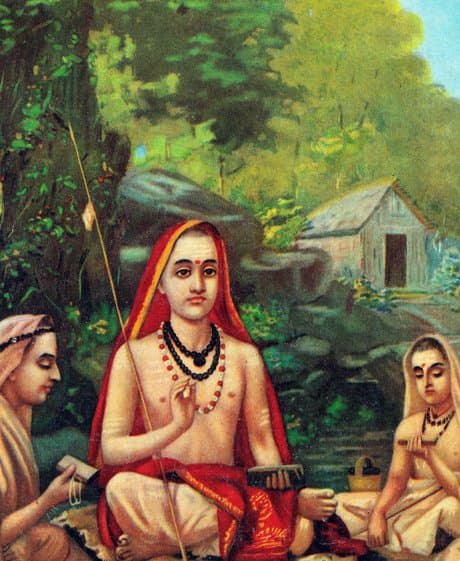
Portrait of Ādi Śaṅkarācārya · Advaita

Ādi Śaṅkarācārya · Advaita

Śaṅkara anchors the evenness in whom the act is for: performed for the Lord alone, with even the wish 'may He be pleased' released.

योगस्थः सन् कुरु कर्माणि केवलमीश्वरार्थम् … सिद्ध्यसिद्ध्योः समत्वं योगः उच्यते — established in yoga, act for the Lord alone; evenness in success and failure is called yoga.

Śaṅkara Bhāṣya on 2.48 (Sanskrit, GitaDeep corpus; working rendering under review)

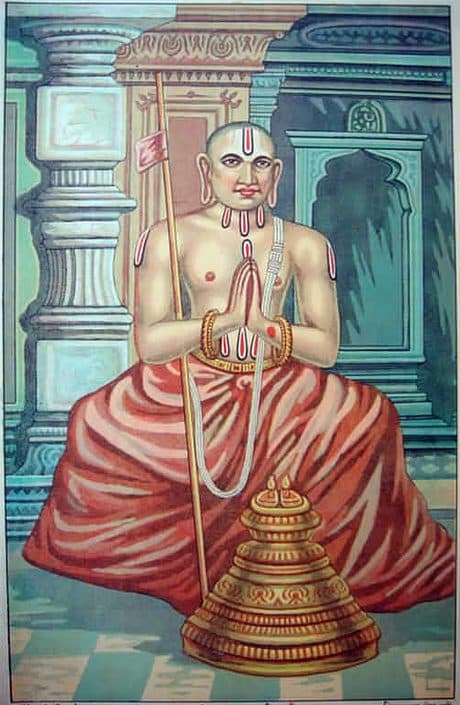
Portrait of Śrī Rāmānuja · Viśiṣṭādvaita

Śrī Rāmānuja · Viśiṣṭādvaita

Rāmānuja keeps the definition exactly where the verse puts it — in the outcome, not the feeling.

Perform these with equanimity as regards success and failure resulting from victory or defeat which are inherent in them. Yoga is defined in this verse as "equanimity with regard to success and failure.”

Gītā-bhāṣya on 2.48 — English translation (GitaDeep corpus)

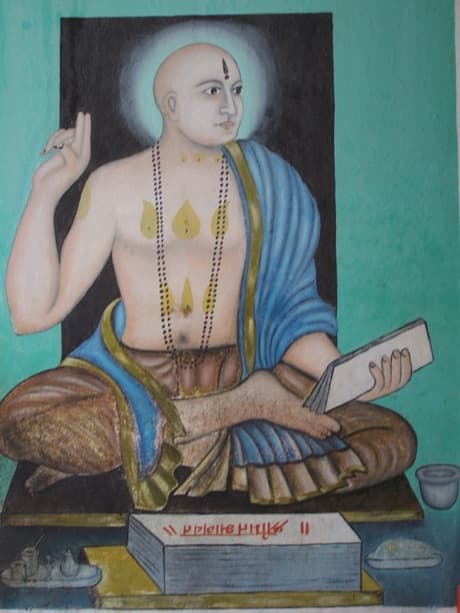
Portrait of Śrī Madhvācārya · Dvaita

Śrī Madhvācārya · Dvaita

For Madhva the sequence matters: attachment to fruits goes first, and evenness is what remains.

Giving up desire and attachment to the fruits, and then being equanimous both in success and failure. This, verily, is the Yoga, equanimity, spoken by Me (says the Lord).

Madhva Bhāṣya on 2.48 — English translation (GitaDeep corpus)

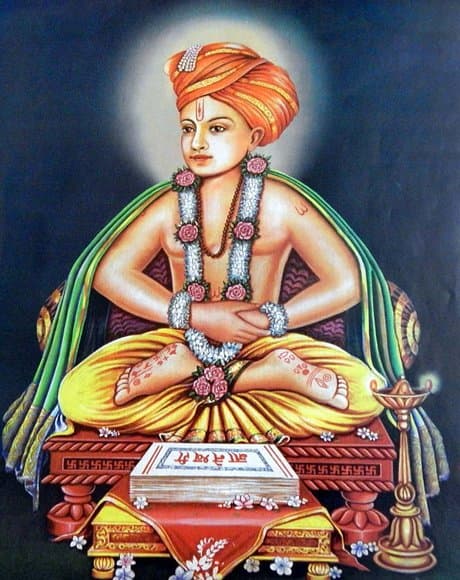
Portrait of Śrī Jñāneśvar · Vārkarī

Śrī Jñāneśvar · Vārkarī

The Jñāneśvarī names both edges of the loss of evenness — elation and dejection — and asks the worker to refuse each.

Let not your performance of duty resulting in success lead you to excessive rejoicing. On the other hand, if for some reason or the other, the action remains incomplete, and infructuous, do not be perturbed in mind

Jñāneśvarī on 2.48, tr. R. K. Bhagwat (GitaDeep corpus)

Swami Ramsukhdas · Sādhak Sañjīvanī

The practice reading extends the same evenness through every pair life offers.

Renunciation of attachment will result in evenness of mind. A man should be even-minded, in favourable and unfavourable circumstances, in honour and dishonour, and in praise and reproach.

Sādhak Sañjīvanī on 2.48 — English translation (GitaDeep corpus)

Where the traditions differ, we show the difference.

Follow the thread

Ask about thisHow do I stay steady without becoming indifferent?