Bhagavad Gītā 2.47Open verse
the right to action alone
कर्मण्येवाधिकारस्ते
मा फलेषु कदाचन
Your right is to work only, but never to the fruit thereof. Be not instrumental in making your actions bear fruit, nor let your attachment be to inaction.


Concepts
कर्मयोगः
karmayogaḥ
From karman ('act, deed', √kṛ 'to do') + yoga ('yoking, discipline', √yuj 'to join') — action harnessed as a discipline, rather than action renounced.
अर्जुन उवाच
ज्यायसी चेत्कर्मणस्ते मता बुद्धिर्जनार्दन
तत्किं कर्मणि घोरे मां नियोजयसि केशव
॥ ३.१ ॥
Arjuna said: Krsna, if you consider Knowledge as superior to Action, then why do You urge me to this dreadful action, Kesava!
Read in contextArjuna throws Krishna's own teaching back at him: if you hold understanding (buddhi) higher than action, why yoke me to this terrible action? Give me one certain thing (3.1–2). It is the reader's objection to every 'just meditate on it' answer.
the right to action alone
कर्मण्येवाधिकारस्ते
मा फलेषु कदाचन
Your right is to work only, but never to the fruit thereof. Be not instrumental in making your actions bear fruit, nor let your attachment be to inaction.
yoga is evenness of mind
योगस्थः कुरु कर्माणि
सङ्गं त्यक्त्वा धनञ्जय
Arjuna, perform your duties established in Yoga, renouncing attachment, and even-tempered in success and failure; envenness of temper is called Yoga.
action is better than inaction
नियतं कुरु कर्म त्वं
कर्म ज्यायो ह्यकर्मणः
Therefore, do you perform your allotted duty; for action is superior to inaction. Desisting from action, you cannot even maintain your body.
act without attachment, always
तस्मादसक्तः सततं
कार्यं कर्म समाचर
Therefore, go on efficiently doing your duty without attachment. Doing work without attachment man attains the Supreme.
who acts without relying on the fruit
श्री भगवानुवाच अनाश्रितः
कर्मफलं कार्यं
कर्म करोति यः
Sri Bhagavan said: he who does his duty without expecting the fruit of actions is a Samnyasi (Sankhyayogi) and a Yogi (Karmayogi) both. He is no Samnyasi (renouncer) who…
Act. That's the answer the Gītā gives a man who wants to walk away — wisdom doesn't excuse you from work, it changes how you work. Śaṅkara sees action as the training that makes a mind fit for knowledge; Aurobindo sees acting Godwards as the path all the way to the end; the Jñāneśvarī keeps it plain — master the senses, drop the selfishness, stay on your own road. They argue about where action finally stops. Nobody thinks it stops now, in the middle of your life, with your work in front of you.
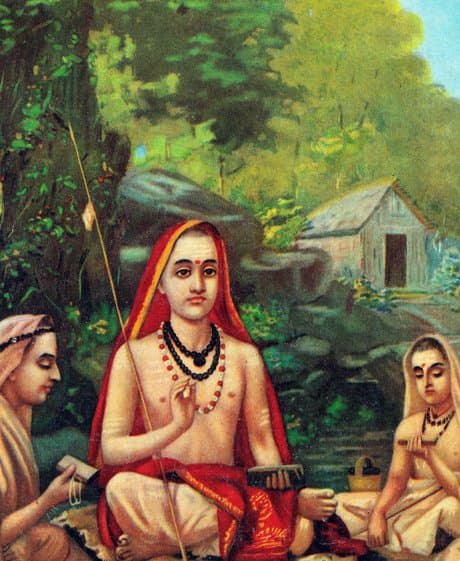
Ādi Śaṅkarācārya · Advaita
Śaṅkara does not merge the two paths — he assigns them to different people at different stages.
Steadfastness through the Yoga of Knowledge had been stated for the men of realization… and the steadfastness through the Yoga of Action had been stated for the yogis, the men of action.
Sastri tr. (1897), on 3.3

Śrī Jñāneśvar · Vārkarī
The Jñāneśvarī keeps the answer practical: master the senses, drop the selfishness, and stay on your own road.
Do control always all the solicitations of the senses, and dropping all selfishness, follow the path of your own prescribed religion.
Jñāneśvarī on 3.19, tr. R. K. Bhagwat (GitaDeep corpus)
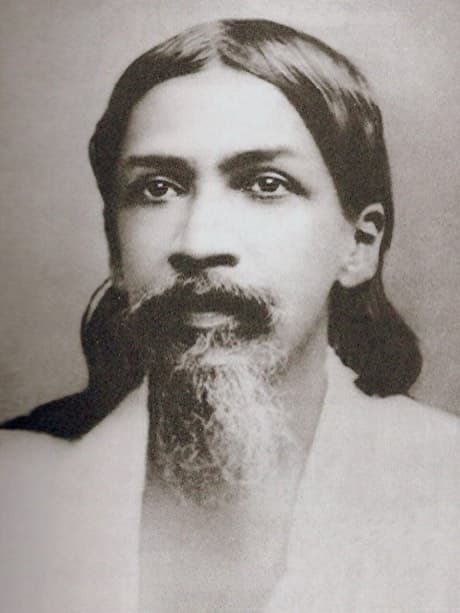
Sri Aurobindo · Integral
Aurobindo folds action into surrender rather than opposing it to knowledge.
By acting Godwards, without any thought of ego, we loosen this knot and finally arrive at freedom.
Essays on the Gita, 'Works and Sacrifice'
Where the traditions differ, we show the difference.